Bahrain, a small island country situated near the western shores of the Persian Gulf, has lagged behind other Gulf region countries in developing its clean energy sector. But the ministry of electricity and water affairs is looking to change all of that with the announcement of a new solar energy project in the capital, Manama. The hope is that the new project will be a watershed for the small Gulf Kingdom, an archipelago of 33 islands, to begin to establish alternative energy as a key driver of the country’s energy sector.
Better Place Electric Car Company Lays Off Staff?

In the wake of ousting its guru-like CEO visionary Shai Agassi, rumors are circulating that Better Place Israel will be laying off staff, about half of its workforce, according to Haaretz. The plan is to cut about half of its Israeli staff, numbering somewhere between 400 to 500 people.
The article states: “After anticipated development team layoffs, dismissals are expected among the staff in charge of the network of battery changing stations. The plans for the Israeli network call for 45 stations, 38 of which have already been built.”
I think this will turn out to be interesting because most of the cars sold in Israel were to company employees. As company policy, employees were asked to purchase new cars, though some of the employees found loopholes around it. Still, imagine getting sacked and having to drive around the car that will remind you every day that you don’t have a job?
The flailing company hasn’t seem to be able to meet the aggressive roll-out expectations set by Agassi over the last five years and also seeks a cash injection of about $150 million to keep the company afloat. Meanwhile there are talks in the air that the incoming CEO Evan Thornley from Australia has plans in the works with leading car companies such as General Motors, according to various media sources. Can this important EV enabling startup be salvaged?
The Arab Youth Climate Movement Is Born
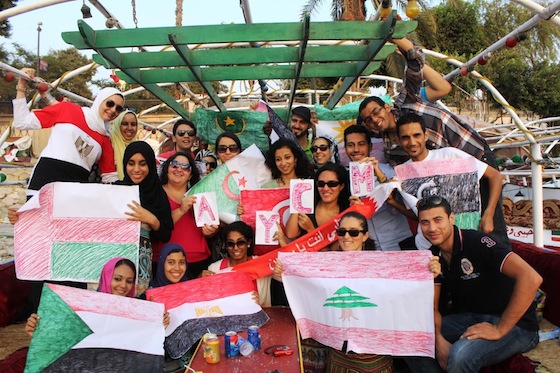
Established in the lead up to the COP18 Doha negotiations, the Arab Youth Climate Movement brings together over 20 campaigners from 15 Middle East/North Africa countries
As the saying goes, there is power in numbers. So it’s great to see environmental organisations across MENA come together to “create a more sustainable, prosperous, meaningful, just, and fair world”. The the newly launched and ambitious Arab Youth Climate Movement unites campaigners from IndyAct, 350.org, Global Campaign for Climate Action and the Climate Action Network (CAN) in a simple vision: to be able to enjoy the stable climate that our parents and grandparents enjoyed. A five-day workshop was held around two weeks ago in Egypt where new regional alliances were built and plans were made to hold an Arab regional day of climate action on the 3rd of November.
Egyptian Seed Bombing Campaign To Hit Cairo and Alexandria
Egypt’s first ever seed bombing event will highlight the importance of preserving Egyptian seeds and promoting local biodiversity
Environmental groups across Egypt have come together to launch a unique event that involves two things you wouldn’t normally put together: seeds and bombing. Campaigners from Nawaya, Nabta, Greenpeace Egypt and 350.org have been busy training activists in the art of seed-bomb production ahead of a guerilla-style gardening event due to take place next Saturday. As well as lots of fun (who doesn’t like moulding shapes with clay!), the event aims to highlight the the importance of local biodiversity and the increased disregard for native Egyptian seeds and crops amongst the agricultural sector. And following the news that Arab Spring countries are at increased of food price hikes in 2013, timing couldn’t be better.
Iranian Farshid Moussavi’s Prismatic MOCA in Cleveland Goes for LEED Silver
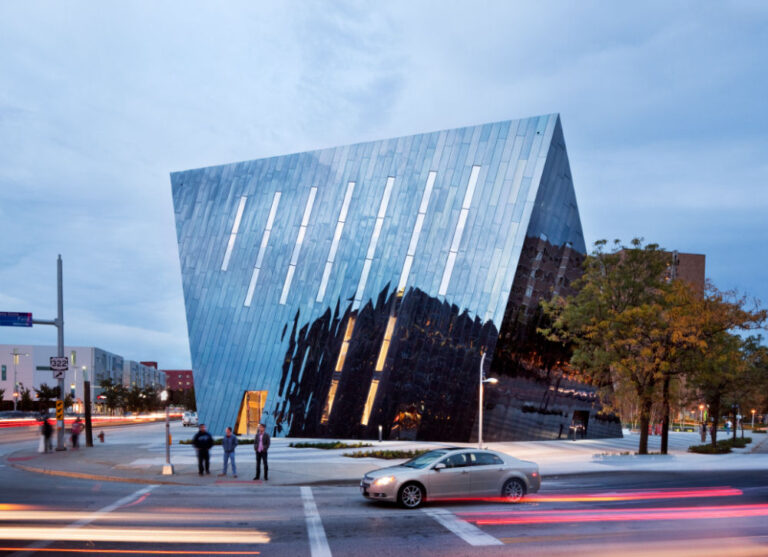
Farshid Moussavi’s inaugural project in the United States, the sharp Museum of Contemporary Art Cleveland, is expected to achieve LEED Silver certification if it performs as designed.
Born in Iran but currently based in London, Moussavi recently split up with her former work and life partner and beat out a lot of competition to win the MOCA project. But with a price tag of $27.2 million and more glass than we like to see on a new build, we predictably take issue with calling the project sustainable.
Wake Up To These 7 Eco-Clocks

Mornings are getting darker. Need a pick me up? Tick tock: try an eco clock.
Israel daylight savings already sent summertime packing, but the rest of us in the Middle East will be switching in the weeks ahead from Daylight Savings to standard winter time. Blast yourself out of that darkened bedroom with the help of one of these innovative clocks that give a nod to sustainability, or at least to Zen-like calm.
Pop Your Own Chemical-Free Popcorn

Crunchy, tasty popcorn, made on your stove top, with nothing but goodness in it.
My friend was amused that I have no microwave oven. How can I deal with food all day long and not own one? And how were we going to pop the popcorn she’d brought over? The health risks associated with microwave ovens and foods packaged especially for them like microwave popcorn packages put me off. And frankly, those popcorn bags with the laminated interiors give me the creeps (read this story on the US man awarded $7 million plus in damages for popcorn lung). Handing the bag of tricks back to my friend, I went to my pantry and pulled out half a cup of dried corn kernels. Then I showed her how you make real, honest-to-goodness popcorn. It takes all of 10 minutes.
Stove-top Popcorn
yield: 10 cups
Ingredients:
3 tablespoons oil
1/2 cup of popcorn kernels
2 tablespoons butter
Salt to taste
Heat the oil in a large pan on medium heat. Drop 3 or 4 popcorn kernels into the oil. Cover the pan.
When the kernels pop, add the salt, then the rest of the popcorn kernels in an even layer. Cover, remove from heat and wait 30 seconds. This method helps all the kernels pop at about the same time.
Return the pan to the heat. When the popping starts, move the pan back and forth over the burner. Once the popping slows down, remove the pan from the heat and pour the hot popcorn into a large bowl.
Melt the butter in the empty pot and pour over popcorn. Taste for seasoning and adjust if needed.
Delicious flavorings for popcorn:
Sprinkle brewer’s yeast and garlic powder over prepared popcorn; mix in gently.
Go Middle-Eastern and sprinkle a teaspoon or two of Yemenite hawaij spice over the popcorn and stir in. Curry makes a good substitute for hawaij.
If you must use a microwave, it’s perfectly possible to pop corn in a plain paper bag with the top firmly closed.
More about harmful chemicals in our food and drink:
Egypt’s Filthy Canals Are Breeding Disease and Discontent
Egypt’s network of canals are filthy, stagnant and have become dumping sites which breed disease and discontent
Egypt may be synonymous with the majestic Nile but the network of canals that bring water from this important waterway to the surrounding agricultural lands are filthy, rancid and breeding grounds for rats and disease. According to a recent report by Al Jazeera, the Egyptian government is simply not doing enough to provide suitable garbage management and this means local see little alternative to dumping in the stagnant canals. Government mismanagement and corruption has been highlighted by campaigner Sarah Rifaat as one of the major barriers to action on climate issues in a recent interview. This case with the canals shows how such factors play out in real life.
Thousands of Gulf Sharks Caught During Annual Fishing Ban
It is illegal to catch sharks from the beginning of January to the end of April in the United Arab Emirates and yet thousands of them are landed during that time. Speaking to a delegation of international conservationists at the four day Shark Conservation Arabia workshop in Dubai, marine biologist Rima Jabado explained that during visits to shark landing sites in four Emirates, she witnessed scores of fishermen pulling in large sharks that are then sold for their fins and meat. But nobody feared a governmental backlash, since enforcement is so weak.
Can Flow Industries Make Oil Fracking Greener?

Can green and fracking ever be used in the same sentence?
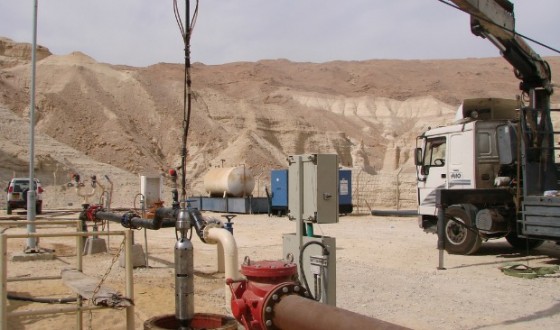
Hydraulic fracturing – fracking — is one way to extract valuable shale oil and gases from deep underground by injecting a highly pressurized fluid into rock to pull out the fossil fuel. Those in favor of fracking say that it will help America become energy independent, while growing numbers against it are highly critical of the risks such as groundwater contamination, surface spills and even mini-earthquakes.
An established industrial plumbing company from Israel has a technology that may help bridge the divide between industry and environmentalism when it comes to the fracking debate. With a decade of sales and a clean and green track record in the industrial plumbing business, Flow Industries is looking to help make fracking greener and more efficient.
The company’s CEO Oded Rose says that the company is starting to work with fossil fuel companies to test the feasibility of its pressured air system. While the technology has been proven in multiple industries, it is not yet clear how it will perform in wells and channels that are up to five kilometers underground.
“To get at natural gas one needs to fracture the bedrock so the gas can flow to the wells,” says Rose. “Fracturing is a huge deal because it uses water and acids. Our technology could be applied to reduce environmental impact and to increase production of gas and oil.”
Flowing across the globe
“At the moment we have not done a lot with oil,” says Rose. “But with our leading technology in water, where we can go 100 to 300 meters deep, we are looking to apply in beta testing for oil companies drilling 1,000 to 5,000 meters underground.”
With major names in the water business such as Layne Christensen in the United States, and Veolia in France as clients, Flow Industries is already a game-changer in water. The business was created in 1987 to offer water flow solutions, but multiple industries have discovered that using highly pressurized air can be a green and safe way to address blockages of all sorts of materials — solid or liquid, hot or cold, says Rose.
Flow Industries works with industrial cement silos throughout the Middle East region, power plants and chemical companies of all kinds in Israel, India, Korea, Europe, and North and South America.
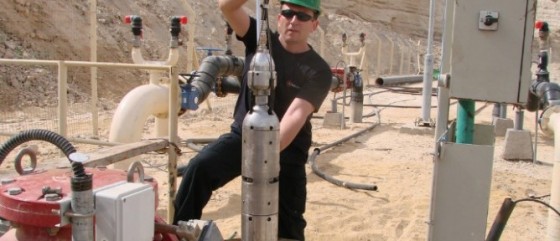
Its featured product is the Airshock “gun” developed more than a decade ago. It was invented by an Israeli hydrologist whose father and grandfather had both worked as well diggers.
Flow Industries’ Airshock system is a green alternative in hydrofracking.
The founder thought that there must be better ways to unplug blocked water pipes than using harsh chemicals or explosions. Hydrochloric acid was often used for this purpose, but it can leak into water sources and is toxic to workers handling the material.
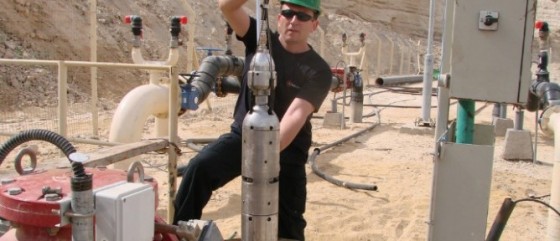
Airshock doesn’t create explosions or require chemicals. It builds pressure using oxygen or nitrogen, depending on the application, producing a shock of air to break up an internal blockage that cannot be removed manually.
The patented device operates in several phases. In the first stage it blasts a gas release down a channel, creating a small shock wave lasting five to 15 milliseconds. The rapidly expanding gas bubble creates a surge, breaking up scale and debris in wells and pipes. In the next phase, which lasts about one minute, the gas bubble contracts and washes out the debris that was causing the blockage.
While not extremely high-tech to operate — it does not include electronics or software – its approach is an innovative, unique technology, says Rose. Each Airshock model is priced for industrial maintenance companies and can cost tens of thousands of dollars up to $100,000 depending on the scale of the project.
Based in Omer, near Beersheba, Flow Industries employs 12 people, and outsources its production in Israel where the Airshock gun is assembled. The company is looking to establish business through partnerships and pilot plants in the gas and oil industry in the United States.
The company is also expanding its business with a patented technology to help companies working in the Alberta, Canada, tar sands deal with flow issues.
Saudi Smoking Grounds for Divorce

Smoking can cause cancer, emphysema, birth defects, and – in the Kingdom of Saudi Arabia – divorce.
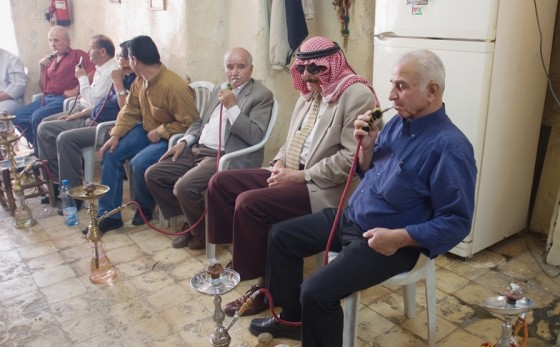
Saudi Arabian authorities enacted a ban against smoking in government buildings, curbing a habit enjoyed by six million of its people. Smoking’s now banned at all ministries and government facilities in all provinces of the kingdom, according to the Saudi Press Agency (SPA). The ban extends to public places too, including restaurants, coffee shops, supermarkets and shopping malls. It also covers shisha smoking, which accounts for many of Saudi’s estimated 600,000 women and 800,000 teenage tobacco users.
Arab Spring Countries Face Increased Risk of Food Price Shocks in 2013
According to the latest findings by global risk-analyser Maplecroft, Arab Spring countries are at greater risk of rising food prices in the coming year
It’s no secret that the high price of basic food staples were a contributing factor to the revolts which began in Tunisia and Egypt and sparked the ‘Arab Spring’. The protesters took to the streets waving bread and asking for equality and an end to corruption. Today, however, it seems little has changed since those protests in terms of the cost of food. According to the latest food price forecasts for 2013 by global risk-analyser Maplecroft, food prices are actually likely to rise again in the region. What’s more: countries involved in the protests around the Arab world are particularly at risk of rising food price shocks.
Qatar’s First Solar-Powered World Cup Stadium to Break Ground Soon
The tender for the first solar-powered World Cup 2022 stadium has been issued and the winners will be announced in November or December, the Qatar 2022 Supreme Committee has said. Construction should follow soon thereafter and if all goes according to plan, Al Wakrah stadium will be complete as soon as 2015.