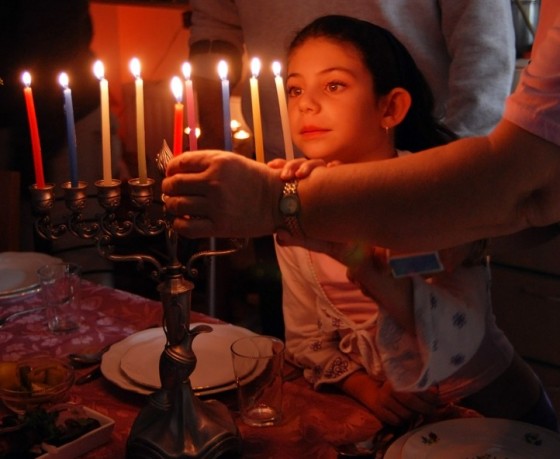
 From the Hebrew Hannukah to Peak Whale Oil, Brian uncovers an illuminating story of how our lighting is becoming more efficient.
Each December as nights grow long, people of the Jewish faith celebrate an ancient miracle of efficiency. In our oil-soaked, electrified age it is difficult to understand what it meant for the Maccabees to enjoy eight days of light from one day’s supply of oil. This miracle of Chanukah allowed restoration of their temple in accordance with Talmudic law which requires that only pure olive oil from the first of three pressings of each of three harvests should beaten for the light of a menorah. Exodus 27 also commands that the tabernacle lamp should burn continuously. The Maccabees temple restoration took place in Jerusalem in the second century BCE, but it was by no means the only example of a cherished light. Aladdin finds his magic within a dusty lamp. The Christian Bible tells us that Jesus is the light of the world and that he told his followers that it is foolish to hide their lamps at their feet.
Eternal lights also appear throughout history, from Zoroastrian divine sparks to the eternal flame at the temple of Delphi. In his novel Moby Dick, Herman Melville referenced a 16th century English voyager’s description of a Turkish Mosque, built in honor of Yunas (Jonah). The Mosque contained a marvelous lamp which consumed no oil. But until very recently, all practical lamps were based upon the principle of incandescence, they burned something to produced light and eventually consumed that substance. At first they burned animal fat or olive oil. Kerosene lamps first appeared in ninth century Baghdad in Al-Razi’s Kitab al-Asrar (Book of Secrets). This lamp sparked the world’s first petroleum industry and began a 2000-year-old quest for a more efficient lamp.