Home Blog Page 376

Animal Abuse Horrific for Livestock Sent from West to Middle East Ports

0

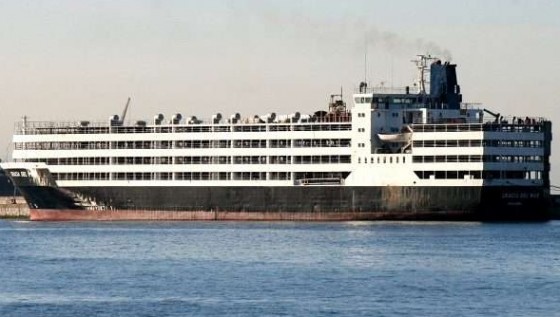
gracia del mar egypt cattle seaLive export controversy hits Middle East with full force: Australia may be merciful when raising its cattle at home. That all changes once they head to the Middle East market. 

Animals and animal rights are not top on any agenda in the Middle East, but in 2012, a number of incidents brought the controversial live export trade to the forefront of environmental and animal treatment in the region. First with Egypt, then with Bahrain and as a result, Pakistan. The deaths of tens of thousands of cows being transported from both Brazil and Australia to the region have once again put the controversial live export industry in the spotlight. 2012 was not a good year for animals in the region. Read on.

Earlier this year, some 30,000 cows died on a ship destined for Egypt after the Egyptian government refused to allow the ship to dock at a Red Sea port. They were slaughtered as a “precaution,” the ministry said.

Animals Australia, the leading organization reporting on the controversial live export trade to the Middle East and Southeast Asia, said the incident was among the worst the industry had witnessed in years.

Animals Australia’s Campaign Director, Lyn White, said in a statement that the ship was anchored at sea after being refused port in a number of countries in the region, including Egypt, where the cattle were supposed to be offloaded.

It’s understood that ventilation problems on the converted livestock vessel, the MV Gracia Del Mar, had caused the deaths of more than half of the animals on board since the ship left South America for Egypt a few weeks ago.

The ship was anchored in the Red Sea for weeks and saw more animals perish as a result.

“This is nothing short of an animal welfare disaster. If remaining cattle are not offloaded more of these animals will suffer appalling deaths at sea. We are appealing to authorities in Egypt to offload the remaining cattle at al-Sohkna, as was originally intended.

“This disaster is just another example of the inherent risks of transporting animals by sea. It was only nine years ago that 5,000 Australian sheep perished on board the MV Cormo Express after country after country refused to allow it to berth.

“And this isn’t the first time that mechanical issues have caused mass deaths on live export ships. We only need to look to the breakdown of the Al Messilah in Adelaide last year. Had that vessel broken down on the open ocean it would have caused a similar welfare catastrophe — as thousands of animals would have died.

“Australia also exports cattle to Al Sohkna Livestock company in Egypt. Whilst we have an MoU with Egypt which should ensure the offloading of our animals, it has never been put to the test. The Egyptians thus far have flatly refused to allow the MV Gracia Del Mar to dock despite the mass suffering of the animals on board.

“If they continue to refuse to allow the surviving animals to be unloaded it would provide little confidence that the non-binding agreement with Australia would be honoured if a similar incident were to occur on an Australian livestock ship.

“It should not matter if these cattle aren’t Australian and if Brazil doesn’t have a similar piece of paper, they should not be abandoned to suffer and die at sea. We are appealing to Egyptian authorities to offload these cattle as a matter of urgency.”

Bahrain helped to bring another tragedy to the forefront of international animal-related media after they refused to allow a ship carrying some 20,000 sheep to dock on its shores, forcing the vessel to Pakistan. The sheep fared even worse upon arrival in Pakistan.

Pakistan tried to bury sheep alive

Four Corners revealed that the sheep had survived the Pakistani government’s attempts to bury the animals alive.

“His fleece matted with blood and dirt — a reminder of the brutal mass slaughter he had lived through the night before,” Animals Australia said in a press release on the horror.

Animal abuse as “entertainment” in Gaza:

<iframe src=”https://embed.theguardian.com/embed/video/world/video/2013/dec/12/cattle-abuse-gaza-video” width=”660″ height=”390″ frameborder=”0″ allowfullscreen=”allowfullscreen”></iframe>

“Perhaps more than any other live export disaster (and there have been many), the horrific sight of frightened animals being chased, beaten, stabbed, and then thrown mercilessly into trenches (many while still alive), shatters any belief that Australia can maintain control over the fate of live animals once exported from our shores,” added Animals Australia in a statement to its supporters.

The video expose is another shocking reminder of the horrific conditions animals are placed in as part of the live export industry, of which Australia is a leader.

But a positive for many animal rights activists is the decline in Australia’s live sheep exports over the past decade.

In 2010, three million sheep were exported compared with 6.3 million in 2001.

Australia’s government last year was to see a bill that would have banned live export to the world, but industry lobbyists fought back and forced the legislation off the table in a move that angered animal activists in the country and across the world, notably the Islamic world, which receives the lion’s share of live cattle and sheep from both Australia and Brazil.

READ related: animal abuse at meat slaughterhouse in Israel

Tiny Electric Vehicle Rental Program Could Reduce Tel Aviv Pollution

0

EV, car sharing program, Tel Aviv, Renault Twizy, Israel, electric vehicles, urban, eco-transportationThe Tel Aviv municipality is considering a plan to rent out small electric vehicles on a short term basis to cut down on air pollution, clear the roads and free up parking. Building on the success of its Tel-o-Fun bike sharing program and a similar launch in Paris, the city will send out an international tender for an operator some time during 2013. Director General of the municipality Menahem Leibe announced the plan at a recent budget meeting in the city.

West Elm’s Living Green Wall is a First in Kuwait

1

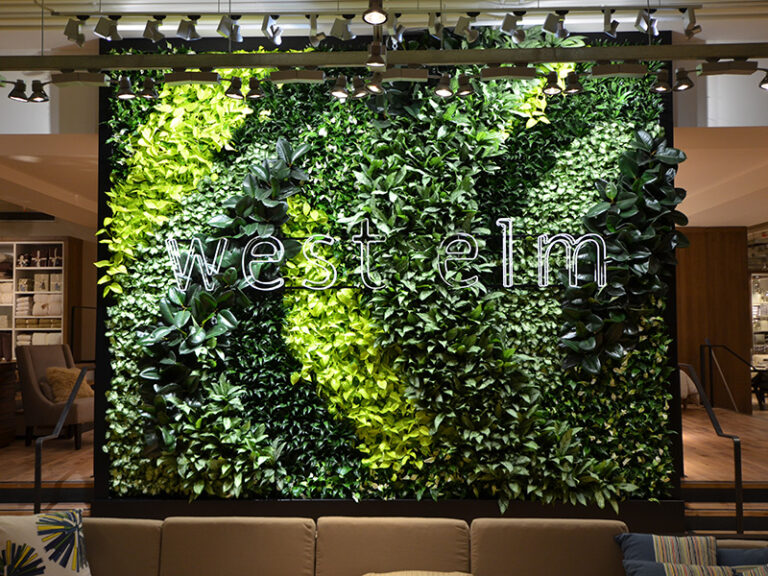
Green Wall, Living Wall, Vertical Garden, GSky, Kuwait, West Elm, Versa WallIt is almost certain that a new green wall installed in Kuwait is the emirate’s very first. The 175 square foot vertical garden was installed in The Avenue Mall’s West Elm store to mark the first time the American furnishings company has opened an international branch.

Featuring resilient plants as diverse as Dracaena, White Butterfly, and Ficus Elastica Robusta, the living wall livens up the space while also conveying to clientele the firm’s growing environmental commitment. 

Eco Arab Green Documentary from Beirut to Make Arab World Sustainable

0

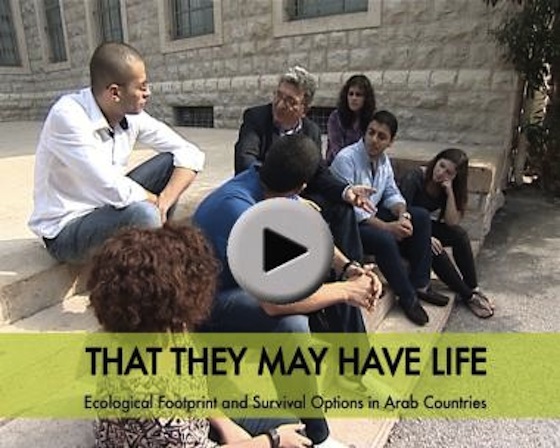
that they may have life afed aub green youths arab world documentary movieStudents from the American University of Beirut have worked with the Forum for Environment and Development to create a documentary on the environmental challenges facing the Arab world

The youth of the Arab world have had a particularly inspiring – if turbulent – last couple of years. Protests, revolutions and taste of real empowerment has made it into their lives and encouraged them to work to shape the future they want. As well as political corruption, one issue that is worrying young people is what the future holds if climate change isn’t dealt with. The formation of the Arab Youth Climate Movement ahead of COP18 has seen some of that concern realised into action. Now, students at the American University of Beirut (AUB) have worked with the Forum for Environment and Development (AFED) to create an informative and touching documentary on the environmental challenges facing the Arab world titled ‘That They May Have Life’.

Urban Graphic Design Exhibition Shakes Up Tehran

0

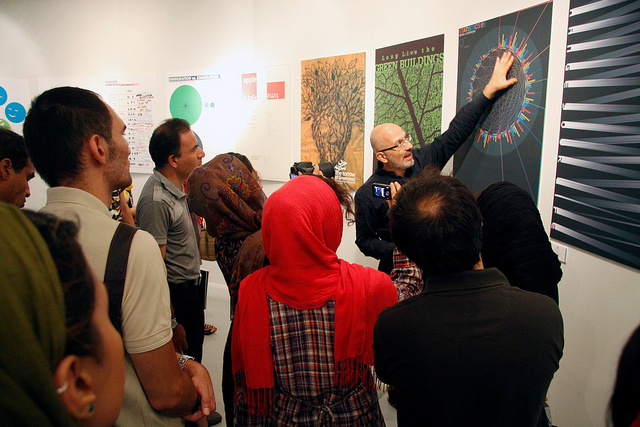
Exploring issues such as clean energy and air pollution, the FeliCity exhibition in Tehran focuses on the need for green solutions

The environmental state of Iran is far from rosy. Pollution is amongst the highest in the world, their groundwater supplies are being overexploited and lack of food security means Iranians are turning veggie (part-time, of course). There is hope however that all these problems could be resolved and the solution may even come in the shape of green graphic design. That’s what the secretary of an Italian design festival titled FeliCity which was hosted in Tehran recently insists. A firm believer in the “power and importance in graphics in ordinary life”, Stefano Meneghetti says that highlighting the problems experienced in urban life can help encourage innovators to explore solutions as well. 

Israel’s Animal Abuse Story in Tnuva Meat Plant Causes Furor

3

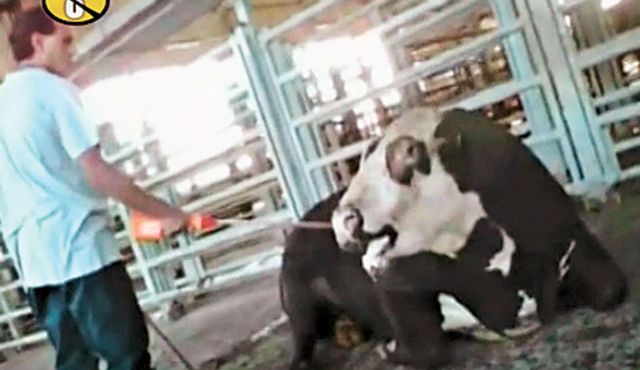
cow in israeli meat industry abuseCaught by Kolbotek’s hidden camera: a former dairy cow gets shocked on the way to being slaughtered

Following the TV exposure of severe animal abuse in Israel at the Tnuva Adom Adom livestock slaughterhouse  a public outcry has been raised among Israel animal rights activists over the cruel tactics used on livestock brought there for slaughter. In addition to public demonstrations outside the Dairy Giant Tnuva’s headquarters in Tel Aviv  petitions are being circulated to have the slaughterhouse closed down due to cruel and unusually harsh treat of animals.

Carbon Capture the Saudi Way

1
oil well oil drum for carbon capture in saudi arabia

Saudi Arabia has a lofty goal of storing CO2, known as carbon capture, by increasing oil recovery and reducing waste. 

Carbon capture utilization has become one of the most innovative means of recycling and reducing greenhouse gas emissions across the globe, but has largely remained an untouched endeavour in the Middle East. Until now. Saudi Arabia’s Aramco research and development center believes that it has the ability to establish new technology that will facilitate carbon capture (also known as carbon sequestering) to dispose of the greenhouse gas emissions in a meaningful manner in its depleted oil reservoirs.

According to a local report published by The Peninsula in early December, the country and its national oil company hopes to implement an innovative system that will capture CO2 from industrial facilities across the Gulf Kingdom.

tropical rainforests trap carbon

Chief Technologist at Aramco’s Carbon Management and Hydrogen Production Team Mohammed Al-Juaied said the country hopes to launch the Saudi Arabia Carbon Capture System (SACCS).

The move aims to enhance oil production in underground reservoirs. Basically, what happens is that through carbon capture, large quantities of the gas is taken and injected into oil depleted areas, which can then increase oil recovery and reduce waste from such facilities.

“The main objective of such a method is to safely and permanently store CO2. This is the only commercially viable technology for CCS and it has the potential to be greatly expanded, enhancing efforts to reduce CO2 emissions while enabling additional hydrocarbon recovery from mature fields,” wrote The Peninsula.

According to Al-Juaied, “it will give long term benefits.”

The engineer believes that removal efficiency can reach as high as 90 percent and will reduce oil-related pollutants that enter the air and are harmful to people’s health.

While this new technology is largely new, in Germany it has been used successfully to reduce harmful greenhouse gases from entering the atmosphere and furthering climate change destruction across the planet. The German government is hopeful that this will help reduce waste.

The thinking is that by capturing CO2 from major emitters, such as factories or refineries, and transporting to storage sites it can then be deposited into areas underground, such as Saudi’s idea of using it to jumpstart largely depleted reservoirs. In doing so, the CO2 remains outside the atmosphere and prevents the release of large amounts of CO2 into the air, a major cause of climate change today.

Saudi, like Germany and other countries, believe that this technology will help mitigate their contribution to fossil fuel abuse and emissions, enhance its oil recovery and create the means to limit their global footprint of GHG.

Update, in 2022 Saudi Aramco signed

Saudi Aramco signed a joint development agreement with SLB and Linde to establish a carbon capture and storage hub which will potentially be able to safely store up to 9 million tonnes of carbon dioxide a year by 2027, the company’s CEO, Amin Nasser, said. Aramco is set to contribute around 6 million tonnes, with the rest to come from other industrial sources.

The facility will be located in Jubail on the east coast of Saudi Arabia with a goal of making a significant contribution to the 44 million tonnes the kingdom plans to capture by 2035.

Read more on carbon capture:
Saudi Arabia holds out for carbon capture
Masdar’s carbon capture plan could cause comas
Masdar to and US DoE to Collaborate on Carbon Capture and Storage
Masdar and the Dicey Science of Carbon Credits

Biomax to Launch First-ever $40 Million Biofuel Plan in Saudi Arabia

0

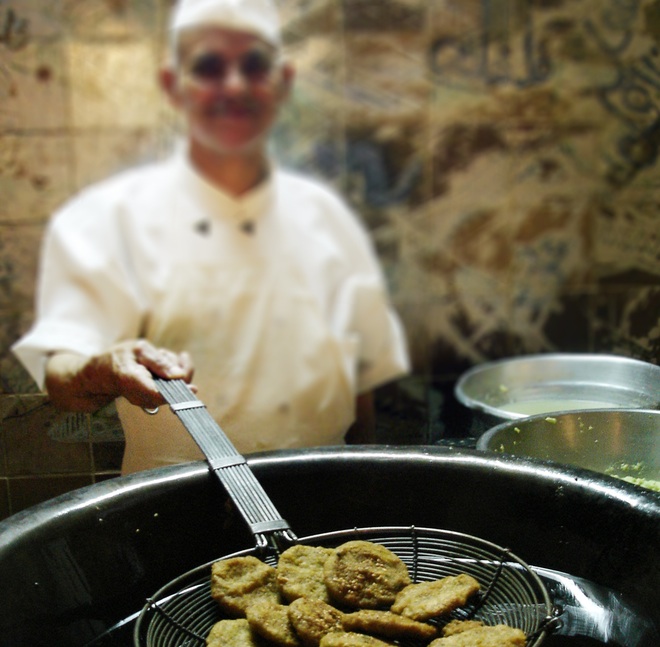
egypt falafel cooking oil for biofuelFalafel anyone? Saudi Arabia and Indian company will erect a biofuel plant based on used cooking oil.

Biofuel is coming to Saudi Arabia. After much success in neighbor Egypt in low income areas, Saudi Arabia hopes that a new joint venture between Jeddah-based Middle East Environment Protection (MEEP) and the India-based Biomax Fuels will help spur the renewable energy source for the Gulf Kingdom.

The announcement last week comes on the heels of a number of ambitious solar and wind energy prospects for the country, and with global oil expected to see drops in the coming decades as resources are depleted, Saudi wants to position itself as a leader in renewable energy. With Biomax entering the market, it could do so, and quickly.

Souk: Lebanese Street Food Served in Contemporary Athens

1

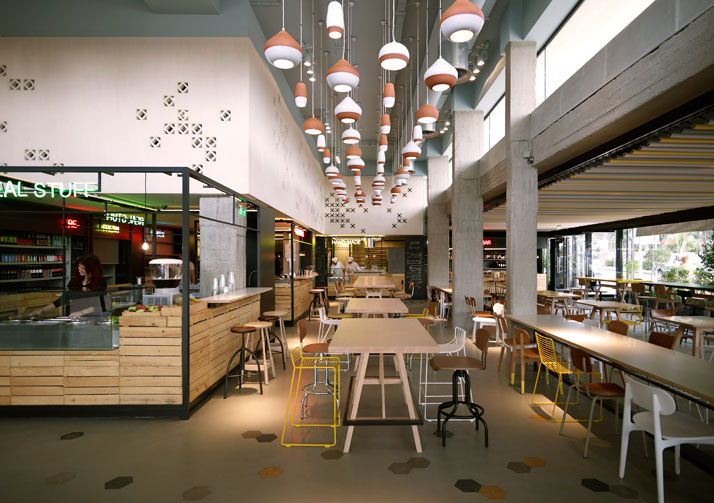
street food, mashrabiya, islamic design, contemporary design, urban design, minimalism, Lebanese food, souk, greeceA new trend is emerging throughout the Mediterranean and we kinda like it: a growing number of food artists and restauranteurs are bringing street food indoors. There’s a new joint in Cairo that serves Egyptian classics in a fresh, contemporary setting and now there is Souk – a vibrant space in Athens, Greece that serves up delicious Lebanese dishes around the clock! Designed by K Studio, this delightful eatery combines industrial-chic design with Islamic accents, creating a friendly, warm atmosphere.

Warning: This Picture May Cause Climate Change

1

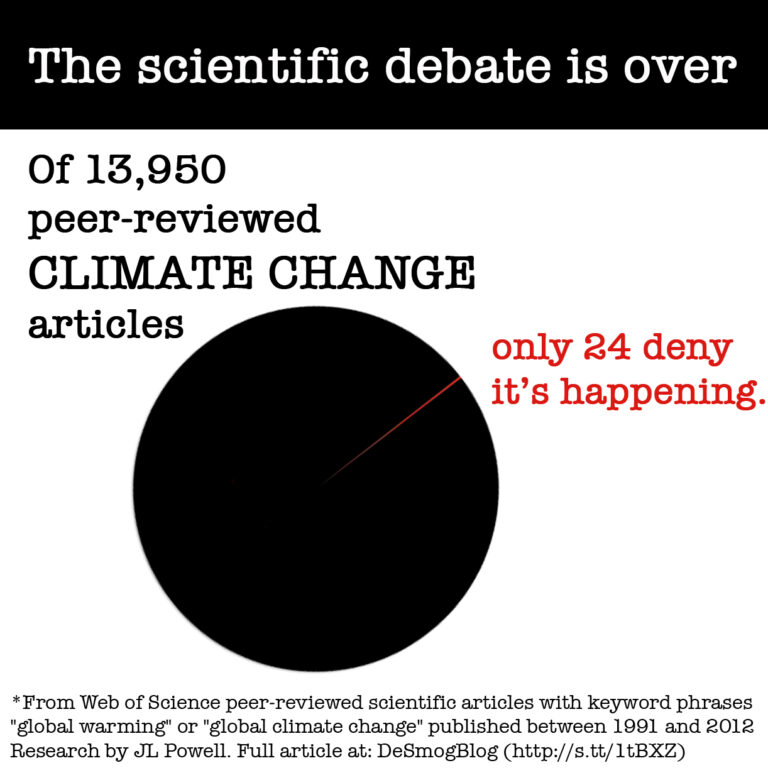
climate change denial pie chart

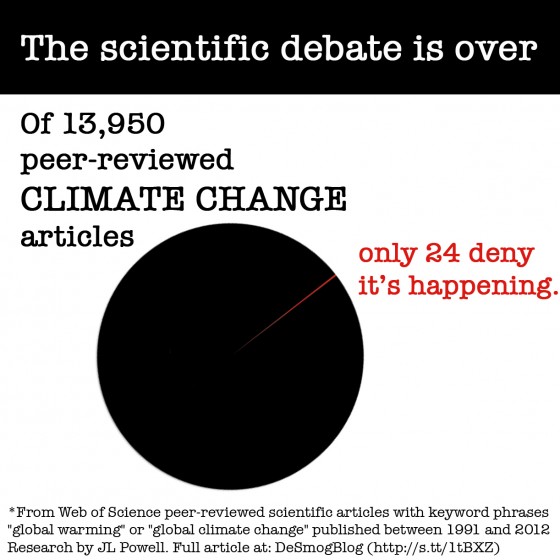
A quiet little technology blog called Upworthy just posted a pie chart that, despite the solid pedigree of its source data, is likely to provoke debate so heated it may accelerate climate change. Kudos to Luigi Montanez, the site’s founding engineer, for recycling that ancient truism “a picture’s worth a thousand words”.  Let the arguments begin.

Image from Luigi Montanez on Upworthy

Palestinian Villagers and Israeli Environmentalists Join Forces to Protect Ancient Artefacts

1

battir palestine wall separation israel friends of the earth middle eastPalestinian villagers have joined forces with Israeli environmentalists to stop the separation wall from destroying ancient agricultural artefacts which will soon be declared a world heritage site by UNESCO

Ancient stone-walled terraces and a unique natural irrigation system in the village of Battir near Bethlehem may have been spared destruction from an Israeli metal and concrete separation barrier. This is particularly good news as the unique agricultural landscape is soon to be declared a world heritage site by UNESCO. In a provisional ruling last Thursday, the Israeli High Court of Justice agreed that the Israeli state must come up with an alternative to constructing the separation wall through the village in order to prevent damage to its ancient agricultural terraces. Friends of the Earth Middle East and the residents of Battir both filed a petition stating that the concrete separation wall would cause irreversible damage to the unique agricultural terraces.

Palestinians Celebrate Green Innovation

1

innovation, alternative fuel, recycle, Ramallah, Gaza, environment, science, fair, festival, event, Palestine, green energy, food, health, mobile technology, Palestinian women, students

Last week was the annual ‘Made in Palestine 2012’ fair showcasing local Palestinian innovations. Now in its seventh year, the fair was co-sponsored by the Swedish NGO Diakonia and by Al Nayzak, a Palestinian organization. There were two exhibitions, one in the West Bank, at the Ramallah Cultural Palace exhibition hall, and one in the Gaza Strip. Together they showcased over 20 scientific innovations, including green technology, agricultural tools and mobile applications related to food and health.

One participant, Afnan Hamad, a 23-year-old chemical engineering graduate from An-Najah National University in Nablus, told IPS that he hopes to someday be the first supplier of alternative fuel in Palestine. “We designed a device to convert plastic waste into gasoline, kerosene and diesel fuel,” he said.

Israeli Fuel Company Tries Out Gasoline – Green Methanol Fuel Mixture

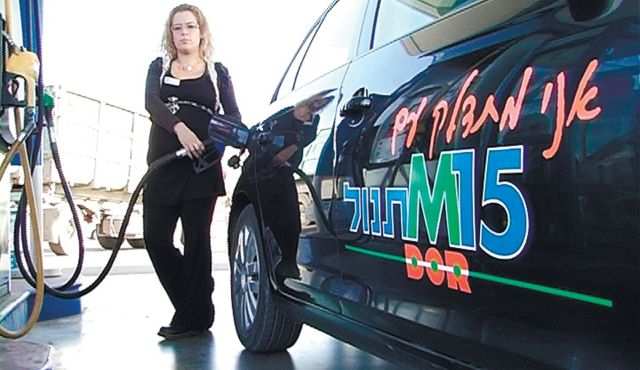
 methanol gasoline fuel in IsraelA woman fills up car in Haifa with methanol and gasoline fuel mixture.  More bang for her buck? Photo: Haaretz/David Bachar

Alternative car fuel mixtures have been talked about for years. Many gas stations in the US incorporate ethanol into their blends, all the way to fuel made from human and animal “poop”. More recently, there’s been biofuel made from recycled McDonald’s fast food cooking oils which flew their UAE fleet vehicles more than 800,000 miles!

Now methanol biofuels, made from natural gas and mixed with unleaded gasoline, are the subject of a test project being conducted in Israel by Dor Chemicals and Ten Petroleum at one of their gas stations in Haifa.

Coal-Fired Stoves Cause Hundreds of Carbon Monoxide Deaths in Turkey

0

A family was found dead on Thursday in Istanbul, reports Turkish daily Today’s Zaman, after carbon monoxide fumes from their coal-fired heating stove leaked out and poisoned them.
Since 2002, carbon monoxide poisoning has claimed approximately 350 lives in Turkey, according to Turkish Interior Minister İdris Naim Şahin. In the southern province of Gaziantep alone, 2,771 residents were exposed to carbon monoxide poisoning last year, with 21 dying as a result.

Gulf Nations Among Most Attractive Renewable Energy Markets

1

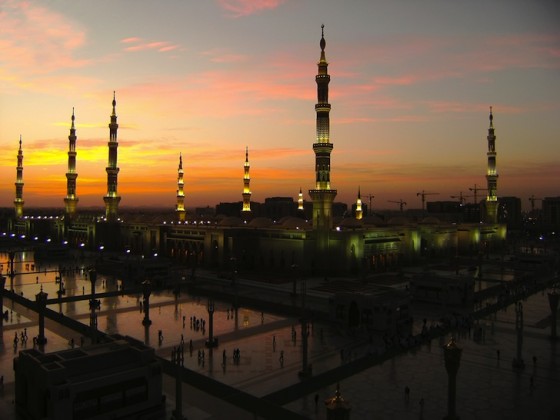
solar, clean tech, wind, ernst & young, renewable energy, mosqueThe Kingdom of Saudi Arabia and its neighbor the United Arab Emirates have been included in the Ernst & Young Renewable Energy Country Attractiveness Indices, which evaluates the renewable energy markets of 40 countries across the globe.

Two of the top oil producers on earth, the KSA and UAE each possess the requisite capital and government-backed renewable energy drive to inspire confidence among investors, according to ]imer AbuAli, MENA Head of Cleantech, Ernst & Young. With large scale wind and solar projects already underway, both Gulf nations are adamant to diversify their energy mix with a sizable portion of renewables.