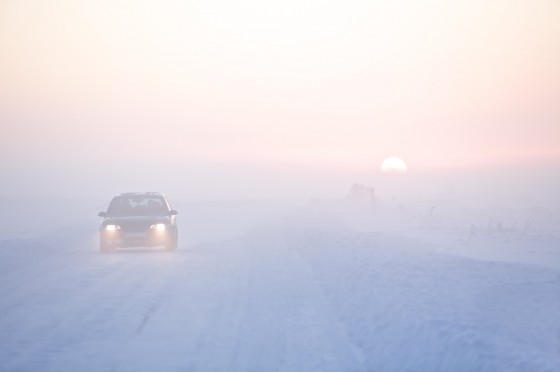
 Got the Foggiest Notion How to Drive in Desert Fog?
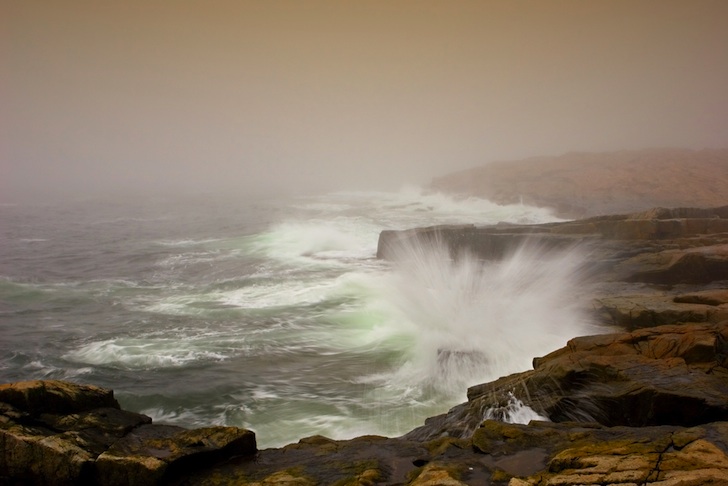
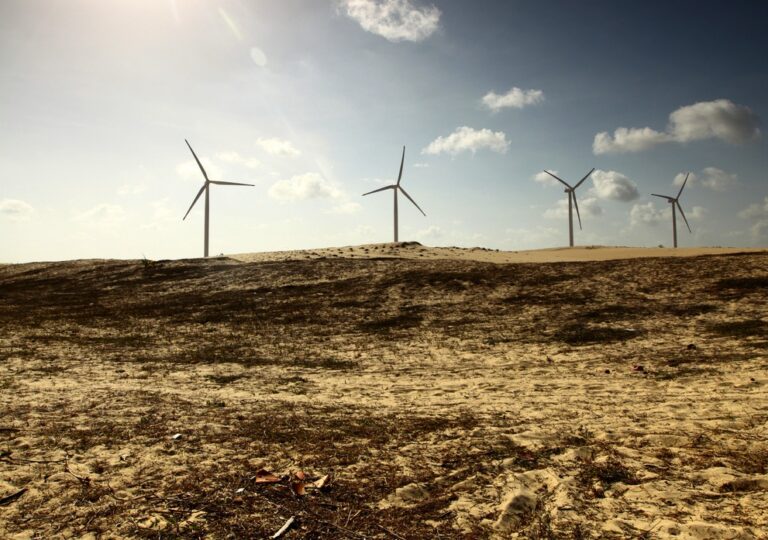
Camel caravans and soaring sand dunes demand backdrops of sun-bleached skies (or star-strewn heavens). But what happens when the fog rolls in? Dense fog is a key feature of a desert environment, a natural result of rapid temperature swings. Topography also plays a role in fog formation, as moist cool air condenses it forms fog banks at ground level. It’s not just London and San Francisco that get the misty treatment, many Middle East locations can best Washington D.C. for the Foggy Bottom title.
Southwest monsoons cloak the east coast of Yemen in thick fog from June to September. Along the southern coast of the Arabian Peninsula, an area of scant precipitation, fog brings the moisture necessary to sustain both flora and wildlife.
On Oman’s Jiddat al Harasis, when prevailing winds come off the Indian Ocean, the sea breeze causes a rapid drop in air temperature while increasing relative humidity. This means fog, a critical moisturizer for this area where annual rainfall averages less than 50 millimeters (fog precipitation along the Dhofar coast is among the highest in the world).
Descend from the hills of Amman to the outlying Jordan desert on any cool morning and be slapped in the face with a misty wall that cuts vision and halts traffic. Visibility deteriorates in a matter of seconds. In a region where vehicle maintenance is inconsistent and driving skills questionable in the best weather conditions, do you have the right stuff to navigate fog?

 Morocco Prime Minister Abdelilah Benkirane, Mayor of Fez and Secretary General of Istiqlal Party Hamid Chabat, and security official at the inauguration of a restored synagogue in Fez. AFP