“In the midst of uncertain time, renewable energy remains consistent and steadfast in its expansion,” said Francesco La Camera, IRENA’s Director-General. “A more decentralised energy system, with a growing share of renewables and more market players, is structurally more resilient.”
Health insurance is a regulated financial product. Insurers operate under binding contracts, overseen by state insurance commissioners, that legally obligate them to pay claims meeting policy terms. Policyholders who believe a covered claim was wrongfully denied have legal recourse through state regulatory channels.
The New Zealand Merino Company, now rebranded as Zentera, has quietly removed the phrase “world’s leading ethical wool brand” from its website, a notable change that comes after a disturbing investigation by PETA Asia-Pacific into the company’s ZQ-certified wool supply chain, PETA reports to Green Prophet.
Somehow vegetables with short seasons excite the imagination and appetite more sharply than produce that’s available all year around. Good Middle Eastern cooks have many recipes for delicate fava beans, and this turmeric-fragrant soup is one.
“In the midst of uncertain time, renewable energy remains consistent and steadfast in its expansion,” said Francesco La Camera, IRENA’s Director-General. “A more decentralised energy system, with a growing share of renewables and more market players, is structurally more resilient.”
Health insurance is a regulated financial product. Insurers operate under binding contracts, overseen by state insurance commissioners, that legally obligate them to pay claims meeting policy terms. Policyholders who believe a covered claim was wrongfully denied have legal recourse through state regulatory channels.
The New Zealand Merino Company, now rebranded as Zentera, has quietly removed the phrase “world’s leading ethical wool brand” from its website, a notable change that comes after a disturbing investigation by PETA Asia-Pacific into the company’s ZQ-certified wool supply chain, PETA reports to Green Prophet.
Somehow vegetables with short seasons excite the imagination and appetite more sharply than produce that’s available all year around. Good Middle Eastern cooks have many recipes for delicate fava beans, and this turmeric-fragrant soup is one.
“In the midst of uncertain time, renewable energy remains consistent and steadfast in its expansion,” said Francesco La Camera, IRENA’s Director-General. “A more decentralised energy system, with a growing share of renewables and more market players, is structurally more resilient.”
Health insurance is a regulated financial product. Insurers operate under binding contracts, overseen by state insurance commissioners, that legally obligate them to pay claims meeting policy terms. Policyholders who believe a covered claim was wrongfully denied have legal recourse through state regulatory channels.
The New Zealand Merino Company, now rebranded as Zentera, has quietly removed the phrase “world’s leading ethical wool brand” from its website, a notable change that comes after a disturbing investigation by PETA Asia-Pacific into the company’s ZQ-certified wool supply chain, PETA reports to Green Prophet.
Somehow vegetables with short seasons excite the imagination and appetite more sharply than produce that’s available all year around. Good Middle Eastern cooks have many recipes for delicate fava beans, and this turmeric-fragrant soup is one.
“In the midst of uncertain time, renewable energy remains consistent and steadfast in its expansion,” said Francesco La Camera, IRENA’s Director-General. “A more decentralised energy system, with a growing share of renewables and more market players, is structurally more resilient.”
Health insurance is a regulated financial product. Insurers operate under binding contracts, overseen by state insurance commissioners, that legally obligate them to pay claims meeting policy terms. Policyholders who believe a covered claim was wrongfully denied have legal recourse through state regulatory channels.
The New Zealand Merino Company, now rebranded as Zentera, has quietly removed the phrase “world’s leading ethical wool brand” from its website, a notable change that comes after a disturbing investigation by PETA Asia-Pacific into the company’s ZQ-certified wool supply chain, PETA reports to Green Prophet.
Somehow vegetables with short seasons excite the imagination and appetite more sharply than produce that’s available all year around. Good Middle Eastern cooks have many recipes for delicate fava beans, and this turmeric-fragrant soup is one.
“In the midst of uncertain time, renewable energy remains consistent and steadfast in its expansion,” said Francesco La Camera, IRENA’s Director-General. “A more decentralised energy system, with a growing share of renewables and more market players, is structurally more resilient.”
Health insurance is a regulated financial product. Insurers operate under binding contracts, overseen by state insurance commissioners, that legally obligate them to pay claims meeting policy terms. Policyholders who believe a covered claim was wrongfully denied have legal recourse through state regulatory channels.
The New Zealand Merino Company, now rebranded as Zentera, has quietly removed the phrase “world’s leading ethical wool brand” from its website, a notable change that comes after a disturbing investigation by PETA Asia-Pacific into the company’s ZQ-certified wool supply chain, PETA reports to Green Prophet.
Somehow vegetables with short seasons excite the imagination and appetite more sharply than produce that’s available all year around. Good Middle Eastern cooks have many recipes for delicate fava beans, and this turmeric-fragrant soup is one.
“In the midst of uncertain time, renewable energy remains consistent and steadfast in its expansion,” said Francesco La Camera, IRENA’s Director-General. “A more decentralised energy system, with a growing share of renewables and more market players, is structurally more resilient.”
Health insurance is a regulated financial product. Insurers operate under binding contracts, overseen by state insurance commissioners, that legally obligate them to pay claims meeting policy terms. Policyholders who believe a covered claim was wrongfully denied have legal recourse through state regulatory channels.
The New Zealand Merino Company, now rebranded as Zentera, has quietly removed the phrase “world’s leading ethical wool brand” from its website, a notable change that comes after a disturbing investigation by PETA Asia-Pacific into the company’s ZQ-certified wool supply chain, PETA reports to Green Prophet.
Somehow vegetables with short seasons excite the imagination and appetite more sharply than produce that’s available all year around. Good Middle Eastern cooks have many recipes for delicate fava beans, and this turmeric-fragrant soup is one.
“In the midst of uncertain time, renewable energy remains consistent and steadfast in its expansion,” said Francesco La Camera, IRENA’s Director-General. “A more decentralised energy system, with a growing share of renewables and more market players, is structurally more resilient.”
Health insurance is a regulated financial product. Insurers operate under binding contracts, overseen by state insurance commissioners, that legally obligate them to pay claims meeting policy terms. Policyholders who believe a covered claim was wrongfully denied have legal recourse through state regulatory channels.
The New Zealand Merino Company, now rebranded as Zentera, has quietly removed the phrase “world’s leading ethical wool brand” from its website, a notable change that comes after a disturbing investigation by PETA Asia-Pacific into the company’s ZQ-certified wool supply chain, PETA reports to Green Prophet.
Somehow vegetables with short seasons excite the imagination and appetite more sharply than produce that’s available all year around. Good Middle Eastern cooks have many recipes for delicate fava beans, and this turmeric-fragrant soup is one.
“In the midst of uncertain time, renewable energy remains consistent and steadfast in its expansion,” said Francesco La Camera, IRENA’s Director-General. “A more decentralised energy system, with a growing share of renewables and more market players, is structurally more resilient.”
Health insurance is a regulated financial product. Insurers operate under binding contracts, overseen by state insurance commissioners, that legally obligate them to pay claims meeting policy terms. Policyholders who believe a covered claim was wrongfully denied have legal recourse through state regulatory channels.
The New Zealand Merino Company, now rebranded as Zentera, has quietly removed the phrase “world’s leading ethical wool brand” from its website, a notable change that comes after a disturbing investigation by PETA Asia-Pacific into the company’s ZQ-certified wool supply chain, PETA reports to Green Prophet.
Somehow vegetables with short seasons excite the imagination and appetite more sharply than produce that’s available all year around. Good Middle Eastern cooks have many recipes for delicate fava beans, and this turmeric-fragrant soup is one.
If you ask him, Ibrahim Ibrahimov will probably tell you that his plan to build an archipelago of artificial islands, scores of apartment buildings, bridges and the world’s newest tallest tower will be good for Azerbaijan, but really the billionaire is on a path that may destroy everything that makes the capital, Baku, so special.
The New York Times recently profiled the billionaire, who is one of the country’s most powerful men. With close ties to president Ilham Aliyev, he is uniquely positioned to realize a sudden mad idea he had while flying from Dubai to Baku to build the artificial Khazar Islands on the Caspian Sea. And though he claims this is not the case, the plan sounds eerily like Dubai. Except worse.
Armed with knitting needles, Israelis and Palestinians are knitting for peace!
The TikkunTree Project is a community knittivist art project dedicated to advocacy of peace between Israelis and Palestinians. This ambitious community art project is growing a tree, an enormous knitted tree whose fiber leaves and fruits and branches will shelter doves made of yarn: it’s enormous canopy will eventually protect a silent candle vigil from “the winds of conflict.” The Hebrew phrase “tikkun olam” can loosely translate to “repairing the world”. Check out some amazing people who are stitching together a peace movement through simple, ancient craft, using sensitively produced fiber.
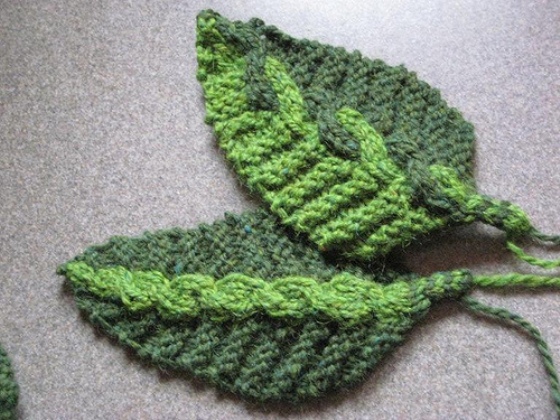
The “peace tree” grows through contributions by knitters, embroiderers, sewers and crocheters with an interest in Middle East peace in general, and peace in Israel in particular. Its abundant foliage is made up of crafted leaves, olives and doves, all suspended from a knitted tree trunk structure. Everyone, everywhere is invited to add to the inspirational art work.
TikkunTree Project, which began in 2007 (and not updated since 2009), was inspired by the destruction of olive groves during the continued Israeli occupation and settlement of Palestinian territories. The organizers say that, until its eventual exhibition, the TikkunTree is intended to serve as a vehicle for conversation about peace as it travels to knitting circles and community groups, making intermittent public appearances as it grows.
The project does not promote a specific point of view. Its only purpose is to spread public awareness, encourage thought, and inspire discussions about hostilities between Jews and Palestinians, the effects of occupation of the West Bank and Gaza, and conflicts further afield in the Middle East.
TikkunTree also aims to support the livelihood of Israeli Jewish and Palestinian West Bank shepherds by encouraging the use of Peace Fleece yarns. All proceeds from the purchase of Peace Fleece Baghdad Blue yarn benefits the remarkable bi-cultural community of Neve Shalom/Wahat al-Salam (Oasis of Peace), thrice nominated for the Nobel Peace Prize, offering additional support for the courageous peacebuilders in Israel and Palestine.
The project founder is a mysterious blogger and craftswoman who goes by the name Leslie Tikkuntree, or tikkunknitter. She writes that, “to pursue justice globally, we must support the peacebuilders in our midst.”
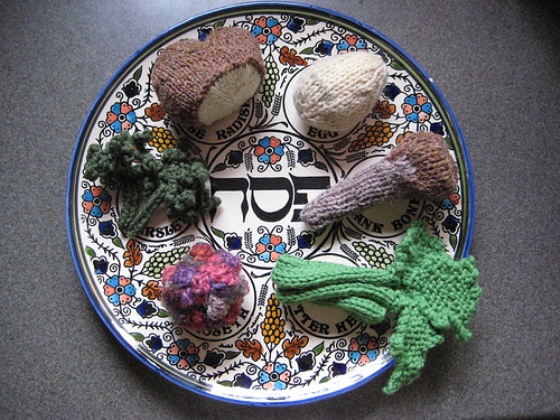
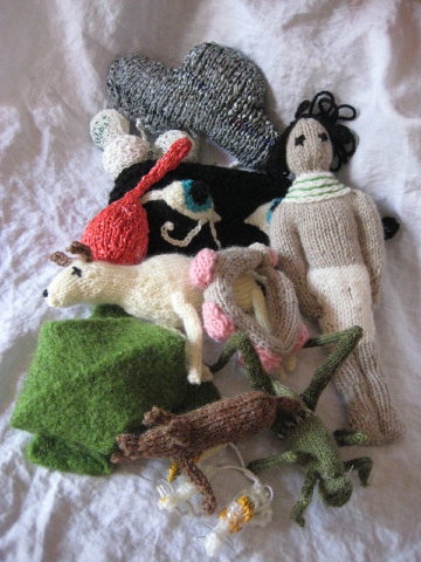
Her fantastic knitted patterns for Judaica (such as a knitted Seder plate, above, and the “Ten Plagues” seen at left), as well as inter-faith and inter-cultural projects, can be found on her Ravelry page here.
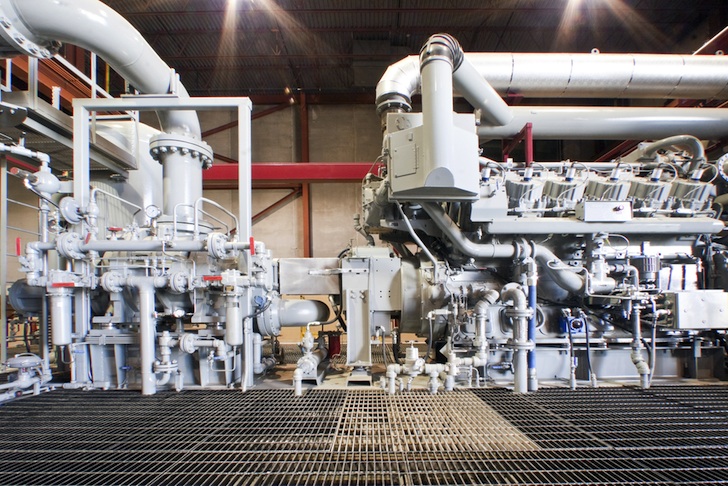
Water produced as a byproduct of natural gas extraction is one of the oil and gas industry’s biggest waste streams, according to the Environment News Service (ENS), and Massachusetts Institute of Technology (MIT) researchers are collaborating with scientists from King Fahd University of Petroleum and Minerals to do something about it.
A process called Humidification Dehumidification (HDH) desalination has been one method used by the industry to render seawater fit for human consumption. But that technique has been excessively energy intensive. Until now.
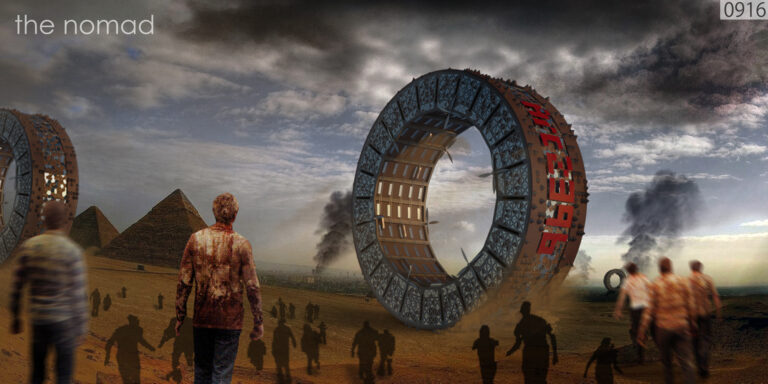
While some designers spend time figuring out how to deal with today’s rampant problems: urban density, water shortages, lack of public transportation in many cities and other pressing concerns, the team behind MAKH Architects have concerned themselves with zombies.
More specifically, they have devised a conceptual home for future residents who will roam the globe in what looks like a giant hamster wheel that offers escape from flesh-eating zombies. Which is not to say they haven’t addressed some contemporary concerns, such as how to generate energy while constantly on the go. The Nomad is powered by both solar and wind energy and grows its own food.
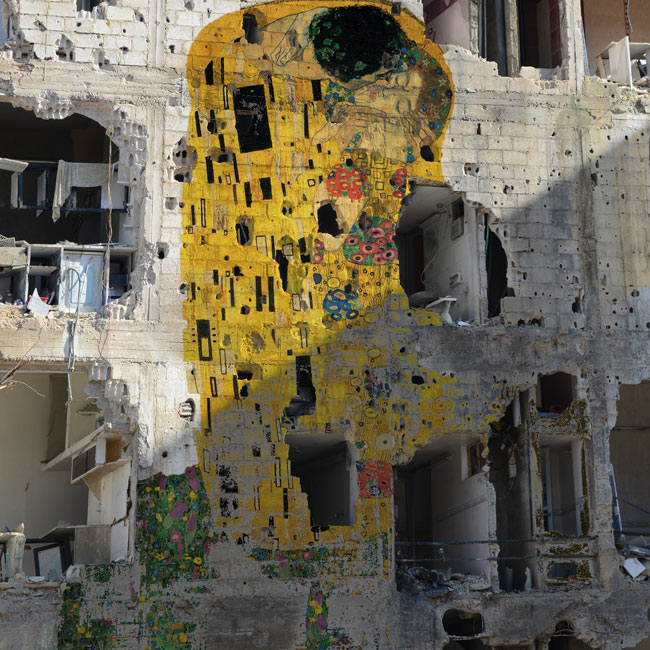
It is rare for an artist from the Middle East to achieve global acclaim, yet Tammam Azzan’s name has appeared in all of the world’s major newspapers and blogs over the last couple of weeks – all for a golden kiss.
Reaching his hand down to squeeze the hearts of passive observers in a way that no grisly news report has been able to do, the Syrian artist’s recent transposition of Gustav Klimpt’s iconic “The Kiss” on a war-ravaged building in Syria has mobilized scores of global citizens, while at least one million residents and refugees continue to suffer amid one of the worst humanitarian disasters the world has ever hidden from.
The British fast-food chain hid up to 30% horse meat in its juicy burgers, then denied it.
The British, most of whom regard eating horse as something like eating dogs, were rocked by the news that the burgers they loved were filled out with cheap horse meat.
Burger King’s supplier in Ireland, ABP/Silvercrest, supplied the “contaminated” meat. Tracing it back as far as possible, it seems to have originated in Poland. Frozen meat of murky origin, hauled in refrigerated trucks from country to country before being served to the public. Hardly sustainable food.
At first Burger King denied any connection with horse meat, but then did some clumsy back-pedalling when it withdrew millions of frozen patties. Then the chain issued a statement to the effect that some items would be missing from its menus until a new supplier was found. There are claims that horse meat had been mixed with beef for as long as a year before the news broke. Bad enough, right? But it got worse.
According to a recent report, 81% of Egyptians don’t have enough to cover their monthly food bill
A recent government survey has revealed an increasing number of Egyptians are struggling to clothe and feed themselves whilst keeping a roof over their heads. The report by the Egyptian Food Observatory found that of the 1680 households surveyed in September 2012, 86% said their income was insufficient to cover their monthly food, clothes and shelter bill. This marked a rise from 74% back in 2012. In an effort to cope with this growing food divide, many families reported adopting extreme coping strategies such as borrowing food and money. Indeed, overall 81.4% of households surveyed said their income was insufficient to meet their monthly food needs.
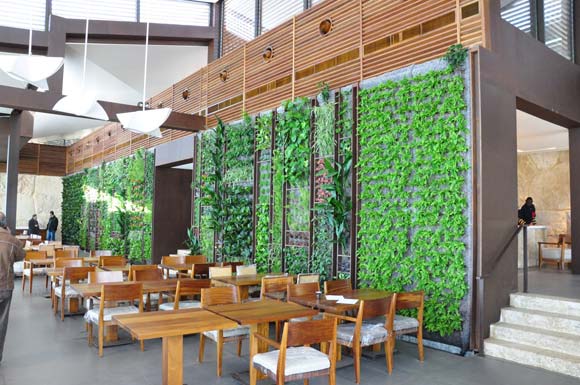
Anyone who has been paying attention will have noticed that a host of exciting new green projects are popping up all over the Middle East, including the soaring vertical garden at the Al-Sultan Ibrahim restaurant in Maameltein, Lebanon.
Designed by Green Studios Beirut and Gatserelia, the 96 square meter living wall in one of Lebanon’s most well-known seafood restaurants surpasses the West Elm green wall in Kuwait in both size and scope, making it quite possibly the largest of its kind in the entire Middle East/North Africa region.
Got internet access? Then you also have admission to university-level education, absolutely free and with fully flexible class times.
Been itching to up your game in an area of science or energy? Want to be more confident when jumping into the climate change debate? Check out some of the excellent university courses offered free and on-line.
No more books to buy, no rigid class schedule; these campus-less classrooms could shake up higher learning.
Green Prophet’s Brian Nitz introduced me to wildly addictive Coursera (my unwalked dog and idle treadmill thank you, sir). This self-described ‘social entrepreneurship company” partners with top universities to offer free online courses, giving anyone anywhere access to world-class education.
Web-based technology enables preeminent professors to teach tens of thousands of students via video lectures, pdf course books you can drop onto your e-reader, links to articles and supplemental video. (The videos – typically TedTalks or obscure YouTube uploads – are brilliant).
Created by two Stanford University scientists, Coursera offer seminars from dozens of elite American and European universities including Princeton, Stanford, University of California, and Johns Hopkins University, as well as Edinburgh University and the Swiss Federal Institute of Technology of Lausanne. (Last year, Caltech and the University of Pennsylvania announced a combined $3.7m investment in Coursera.)
You can grow a living medicine chest in your garden with little effort.
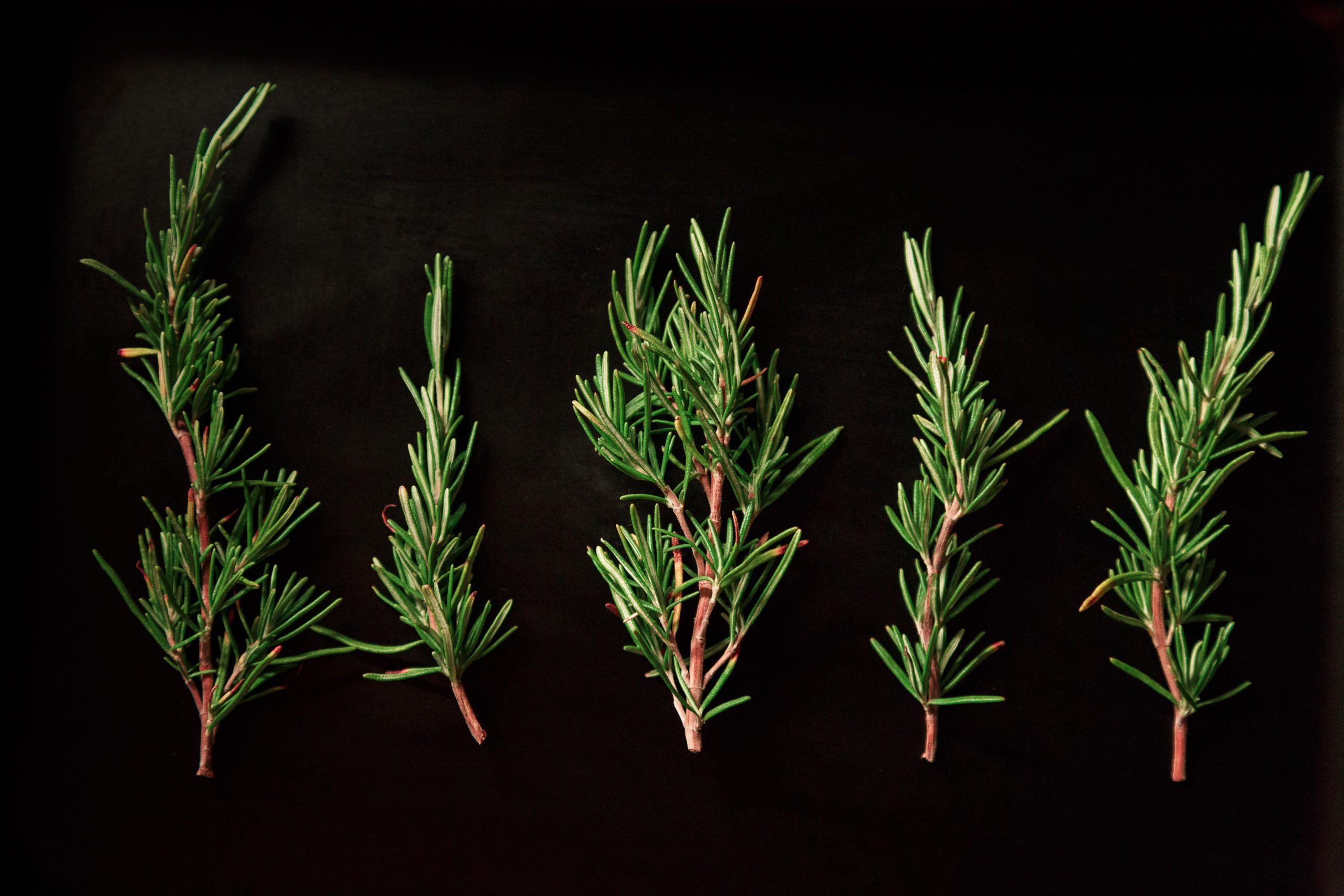
The old song says, parsley, sage, rosemary and thyme. Let’s add echinacea, garlic and basil. Most are culinary herbs with poetic histories. All are green medicines that you can harvest at will.
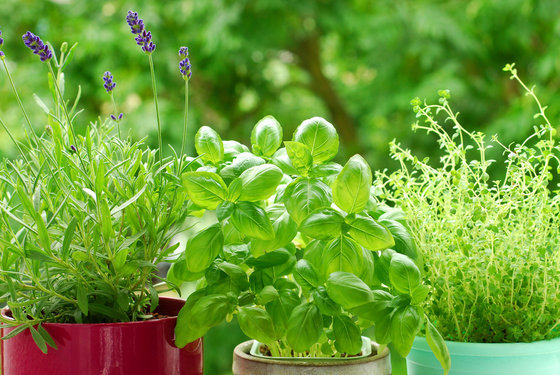
The herbs don’t take up much space, if not much space is what you have. I myself grow about 15 kinds of herbs on my little apartment balcony, in containers. A culinary/medicinal herb I love to have there is chickweed, a wild herb that’s easy to grow at home.
You can get creative and recycle an old sink or worn-out buckets as containers, but herbs thrive in ordinary plant pots. Weeding and adding organic plant food to the water every 2-3 weeks guarantee thriving, healthy plants. Seed packets provide information on how deeply to sow, the right months of the year for sowing, and the best sun/shade conditions. If buying little starters, consult the plant nursery. Or start your herb garden with upcycled supermarket herbs. You’ll love picking fresh, green medicine that you grew yourself.
Parsley
Curly or flat like in the Middle East: Chew a few leaves of fresh parsley to give your breath a healthy freshness.
A bunch of parsley, simmered 20 minutes (covered) in plenty of water, makes a diuretic tea that’s much healthier than “water pills.”
Two big parsley roots, chopped and cooked the same way with a handful of corn silk added, make a tea strong enough to move gravel from the kidneys and bladder.
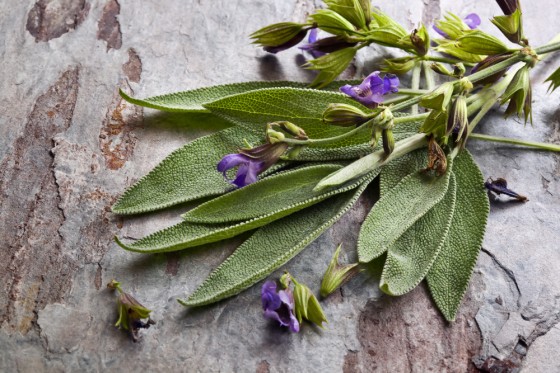
Sage
Strong sage tea is antiseptic and an effective tissue healer. Gargle with it to relieve a scratchy throat. Wet a clean cloth or cotton with the infusion and apply to chafed, sore skin to prevent infection. Allow to dry naturally. Do this several times a day. The tea forms little white, floating particles. This is normal. Warning: drinking medicinal sage tea may bring menstruation on early, or cause menses to return during menopause.
Rosemary
A sprig of rosemary in hot water, with lemon and honey, makes a pleasant tea that will cure a tension headache. Rosemary stimulates blood circulation and warms the body. A bath with fresh or dried rosemary leaves will leave you feeling relaxed, but awake and alert. Tie the herb into a big handkerchief or a square of cheesecloth and chuck into a very hot bath. Swish it around a few times. When the water has cooled down enough to be pleasant, jump in. Warning: rosemary is not safe to use as medicine in pregnancy.
Thyme
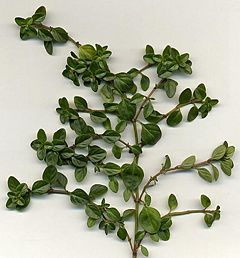
A good cure for coughs is thyme infusion: 1 oz. of the dried herb infused in 1 pint of boiling water. Take 1 or 2 tablespoons, 3-5 times daily. I treated my own child with weak, sweet thyme tea when she had whooping cough as a baby. When she refused to drink any more, I put thyme in her bath. It was the only thing that helped.
Echinacea
The purple coneflower grows tall and handsome, and all parts of it are antiviral and antimicrobial. I suggest drying the flowers and leaves and storing them in glass, in a dark place. When you feel a cold coming on, pour a cup of boiling water of a teaspoon of the dry herb and cover the cup. Wait 15 minutes to drink.
Drink 3-5 cups of echinacea tea daily, sweetened with honey and flavored with cloves and/or lemon. It will help the virus to move along.
Garlic
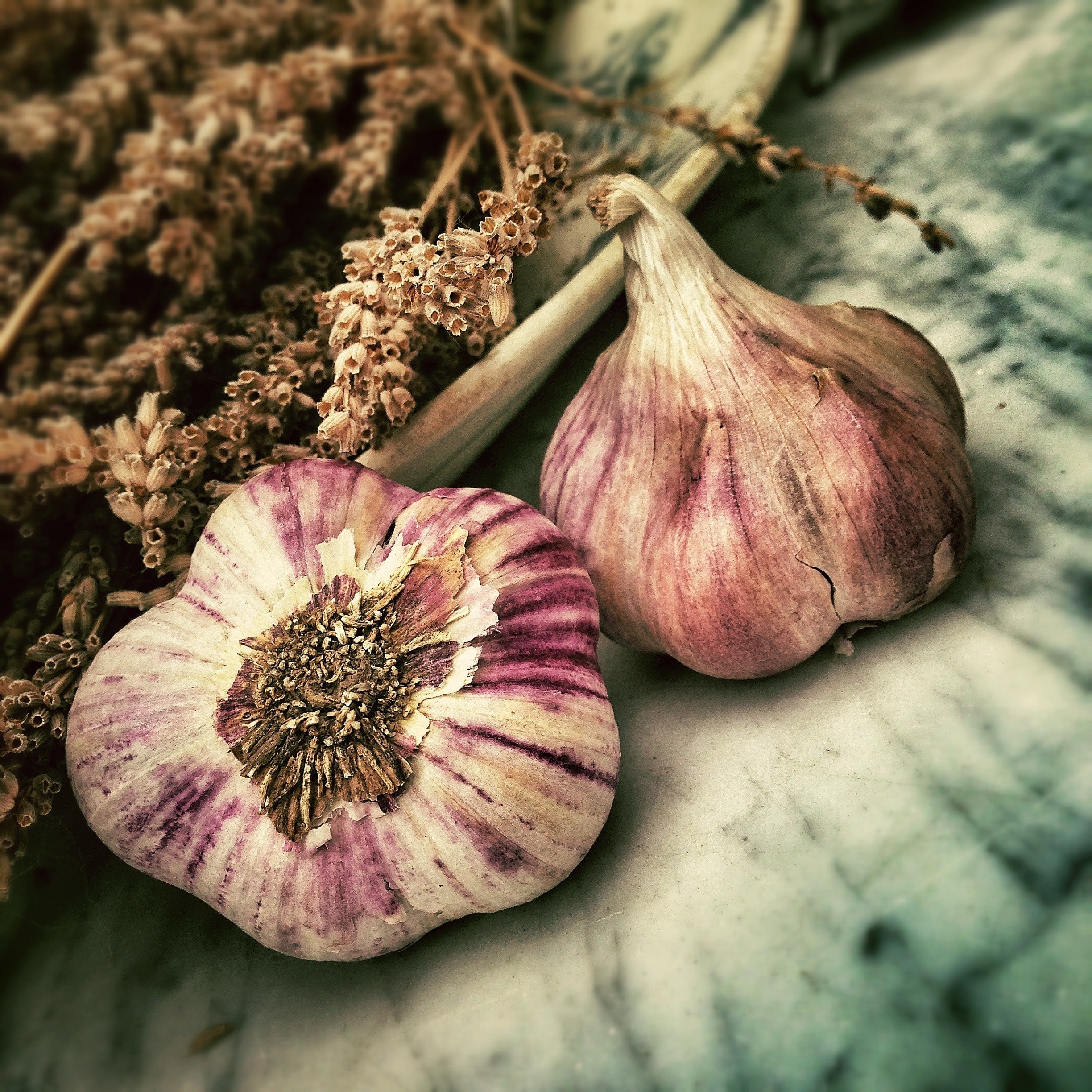
A plant from the Quran. Ordinary garlic bulbs will sprout and make new bulbs with sturdy shoots and delicate flowers. It’s known to lower blood pressure and cholesterol somewhat, but it’s most famous as a natural antibiotic.
To clear away an ear infection, chop 3 large garlic cloves. Heat 3 tablespoons good olive oil and add the chopped garlic to it. Stir, cook 1 minute and remove from heat. Allow to steep 20 minutes. Strain the oil and drop 3 drops into the afflicted ear.
The oil is best applied warm. Re-heat it by passing a teaspoon half-filled with it over a lit match. Test the heat by dropping some on your inner wrist – you don’t want to drop hot oil into someone’s ear! Warm garlic oil relieves the pain and clears up mild ear infections.
I have also killed a cold by eating fresh garlic flowers several times.
Basil
This distinctive culinary herb has its uses as medicine, and surprising ones, too. Steep a jarful of the fresh, clean leaves in enough vodka to cover and leave, covered, in a dark place for three weeks. Drink a spoonful every morning to chase away fuzzy thinking. This simple tincture will also relieve headaches and help digestion.
Hydroponic gardening
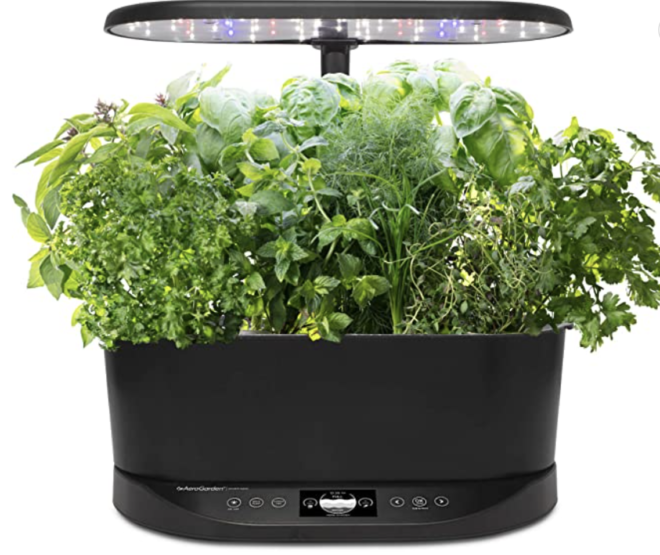
If you live in a very cold, long-lived winter place with little sunshine, consider an indoor hydroponic kitchen counter grow machine. If you use it for years it will be worth it, but you need to commit.
Indoor hydroponic herb garden, for essential herbs and medical cannabis
A small piece of plastic can save lives, preserve local eco-systems, and cut greenhouse gas emissions: finally, positive press for plastics.
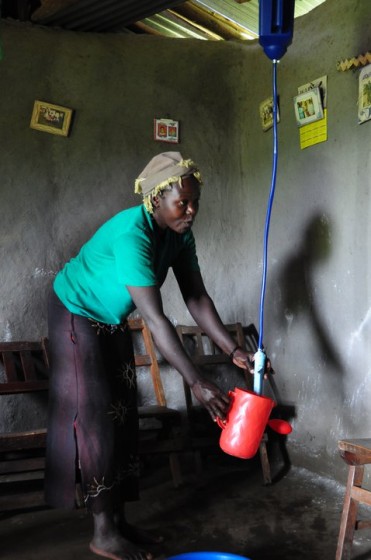
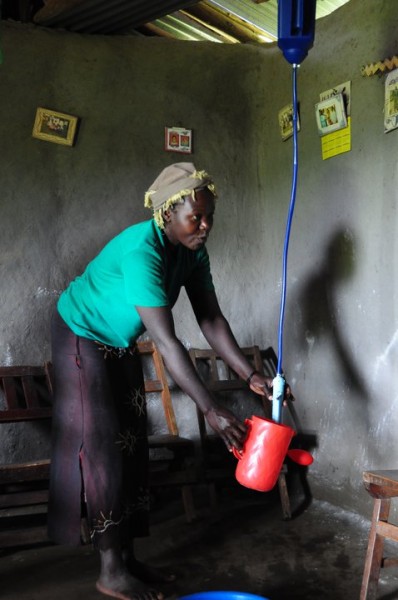
A Swiss-based company has developed portable water purifiers called LifeStraw that can be deployed at point-of-use to instantly convert water from hazardous to drinkable, without electricity and side-stepping the age-old practice of boiling.
Nearly a billion people lack access to safe drinking water. The problem’s particularly acute in sub-Saharan Africa, but nowhere is immune. (I’ve drunk Amman tap water for over a year, a recent confession that earned me a wicked tongue-lashing on the perils of rooftop-tank water, the primary method of water delivery here). Live and learn.
Diarrhea kills about 1.5 million children annually, more than AIDS, malaria and measles combined.
Unsafe drinking water is largely responsible for worldwide diarrheal diseases, particularly affecting the young and poor. Treating water at point-of-source is insufficient as it can be recontaminated during collection, transport, and domestic use; it must also be made safe at the point-of-consumption.
Water filters are the most effective interventions for reducing disease amongst all point-of-use (POU) water treatment methods.
POU treatment allows people to take immediate control over their domestic water quality, and home water treatment is fractionally expensive to conventional infrastructure (such as piped water connections to communal storage tanks). The filters are environmentally attractive too, since household demand for wood drops (no more water boiling), use of the devices slows local deforestation.
Cold weather and a booming industrial economy is making it hard to breath in the Middle East says NASA
Air pollution is a big problem in the Middle East particularly in cities such as Tehran, Cairo and the rich Gulf nations. The latest images from NASA, however, reveal the true extent of the problem with high concentrations of nitrogen dioxide lingering over cities and hospitals full of people with lung ailments.The NASA map above highlights the concentration of nitrogen dioxide in the atmosphere in the first week of January 2013. Dark patches of orange reflect a high concentration of nitrogen dioxide which is a key emission from burning fossil fuels by cars, trucks, power plants and factories. I was really struck by these findings as Green Prophet writer Joseph Mayton published an article in late January after struggling with asthma attacks in Cairo. Surely not a coincidence?
Not long after firing its replacement CEO, the Israeli electric car company Better Place has alluded to Forbes that it will likely close its its North American and Australian operations. Evan Thornley was the CEO of Better Place in Australia and was hired to be the global CEO of Better Place soon after the company’s visionary founder Shai Agassi was sacked last October. A third and acting CEO is now in place to put the pieces of the ailing startup car company back together. In an aim to cut costs, Forbes is reporting that Better Place‘s global ambitions to electrify the world have now shrunk to two countries only – Israel and Denmark – as Better Place looks to funnel its investment resources into these two markets.
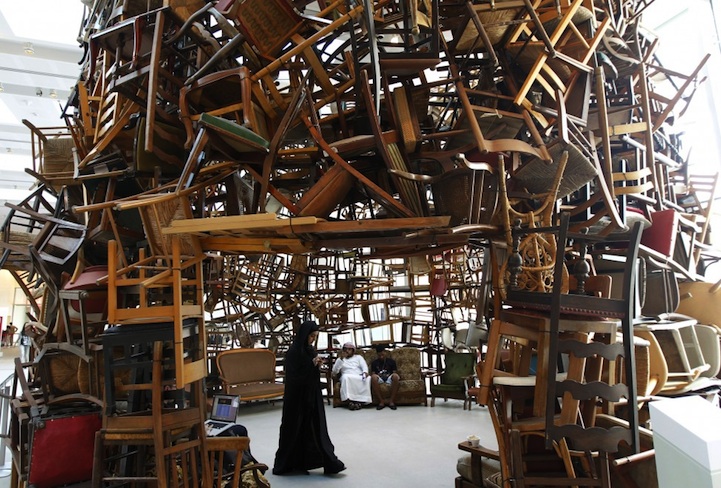
Images of Tadashi Kawamata’s extraordinary installation entitled Chairs for Abu Dhabi has been circulating the blogosphere the last few days. A follow up of a similar project featured in France, the piece consists of hundreds of chairs – mostly vintage and recycled – stacked on top of one another like a giant hollow mountain of seats. Or a beehive.

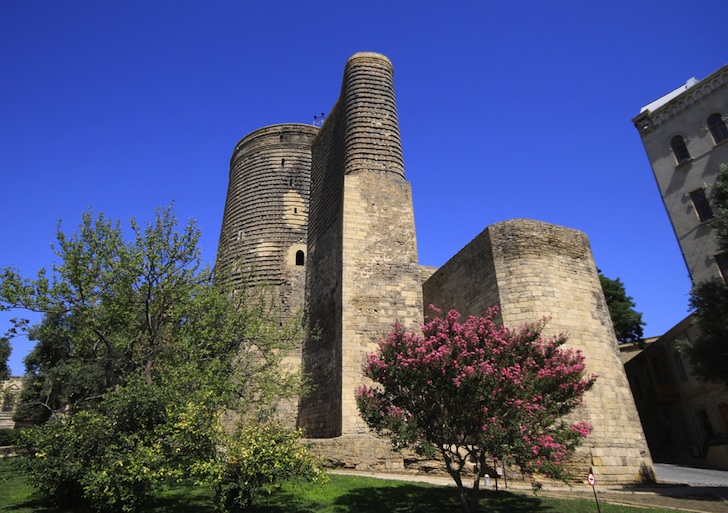 If you ask him, Ibrahim Ibrahimov will probably tell you that his plan to build an archipelago of artificial islands, scores of apartment buildings, bridges and the world’s newest tallest tower will be good for Azerbaijan, but really the billionaire is on a path that may destroy everything that makes the capital, Baku, so special.