Why are more young people under 50 being diagnosed with colorectal cancer? That’s the question researchers across the world are racing to answer. Now, a major international study published in Nature offers a new lead: a DNA-damaging toxin called colibactin, produced by certain gut bacteria, may play a key role — and our diets could be fueling it.
Colorectal cancer is historically a disease of aging. But in recent decades, cases have been rising sharply in people under 50 — even in their 30s or younger. The Nature study, led by researchers at UC San Diego and the University of Cambridge, analyzed the DNA of 981 colorectal tumors from patients across 11 countries. They found a distinctive fingerprint of damage left by colibactin, a toxin produced by certain strains of E. coli and related bacteria.
Crucially, the study showed that patients under 40 were 3.3 times more likely to have tumors with this colibactin-associated mutation signature than those over 70.
“This mutational footprint is like a historical record — it tells us these patients were exposed to colibactin, likely early in life,” said Professor Ludmil Alexandrov, senior author of the study and researcher at UC San Diego. “This could be the smoking gun behind the rise in early-onset colorectal cancer.”
Alexandrov believes many of these mutations were acquired during childhood. “The development of colorectal cancer in individuals with colibactin-associated tumors may begin as early as age 10,” he said in a press release, “and manifest as cancer by the time the individual is in their 40s.”
What Role Does Diet Play?
Kefir is a type of fermented milk that may help manage blood sugar, lower cholesterol, and boost digestive health, among other benefits. However, more evidence is needed to back some of these claims. The name kefir comes from the Turkish word “keyif,” which refers to the “good feeling” a person gets after drinking it.
While the study didn’t examine diet directly, scientists widely agree that food plays a critical role in shaping the gut microbiome — the community of trillions of bacteria in our digestive tract. Some of these bacteria are protective. Others, like colibactin-producing E. coli, can be harmful.
According to Dr. David Scott, Director of Cancer Grand Challenges at Cancer Research UK, “It’s unclear how the exposure originates, but we suspect that a combination of factors — including diet — may intersect during a crucial phase in the development of the gut microbiome.”
A Western-style diet, high in saturated fats, processed foods, and red meat, and low in fiber, has been shown to promote inflammation and support the growth of harmful bacteria — while displacing beneficial species. Fiber, by contrast, helps fuel microbes that produce short-chain fatty acids, which protect the colon lining and reduce cancer risk.
In a 2015 study comparing diets in rural Africa and the U.S., researchers led by Dr. Stephen O’Keefe found that a high-fiber, plant-based diet drastically reduced cancer biomarkers — within just two weeks. The rural African diet shifted the microbiome in ways that suppressed inflammation and DNA damage.
Colibactin and the “Unseen Exposure” in Childhood
What makes colibactin so dangerous is that it doesn’t just irritate the gut — it directly alters DNA. This is significant because it means the carcinogenic process may begin decades before diagnosis.
“We’ve identified that a subset of early-onset colorectal cancer patients have had their cancer caused, at least in part, by past exposure to bacteria that produce colibactin,” said Professor Serena Nik-Zainal, co-lead author from the University of Cambridge.
Importantly, these colibactin mutations were more common in countries with higher rates of early-onset colorectal cancer — including the U.S. and U.K. — than in nations with more traditional diets.
The findings raise the possibility of new screening tools — including stool tests to detect high-risk bacterial strains, or even microbial risk profiling in children and adolescents. But prevention may start with something more accessible: what we feed ourselves, and our children.
“In the future, we might be able to identify children carrying colibactin-producing bacteria and take steps early to reduce their cancer risk,” Alexandrov said.
Until then, experts suggest a return to the basics: more plants, less processed meat, and nurturing a diverse, healthy gut microbiome. In an age where chronic disease often begins unseen, diet remains one of our most powerful — and modifiable — tools.
Simplifying everything, even the food you eat will make you healthier: Sandor Katz who cured himself from the effects of HIV with fermented foods.
Are you doing the #vanlife? But want financial stability, be an environmentalist and own a real home? Take a path to financial security and afford a new couch.
Turning 30 can feel like a major moment. It’s not just another birthday — for many people, it’s a time when life starts to get a little more serious. Maybe you’re thinking about buying a house, traveling more, or planning for your future family. Whatever your plans look like, having a few key financial milestones in place can make everything feel a lot easier.
The good news is that you don’t have to be rich or perfect with money to make real progress. You just need to build smart habits early and stick with them. Hitting a few important financial goals before 30 can put you years ahead later. Let’s break down some simple goals you can start working toward today.
Build a Starter Emergency Fund
Solar panels are great for blackouts, but you need an emergency fund for unexpected trips or necessities.
One of the first financial goals to tackle is building a small emergency fund. Life is unpredictable, and having a financial safety net can give you peace of mind when unexpected expenses pop up. Whether it’s a car repair, a surprise medical bill, or even losing your job, an emergency fund means you’re not reaching for a credit card every time something happens.
You don’t need to build a huge emergency fund right away. Begin by aiming to save $1,000 as your first step. After that, focus on gradually setting aside enough to cover three to six months of your living costs. It’s better to build it slowly than not at all.
If you want to get a clear picture of how your savings could grow month by month, you can use a monthly compounding interest calculator. This tool shows how even small amounts saved in a high-yield account can grow over time just from earning interest. Watching your savings grow can keep you motivated to stay consistent.
Pay Off High-Interest Debt
College was great. Pay off student loans ASAP or they will follow you through life.
Debt can be a big hurdle if you’re trying to build a strong financial future. If you have credit cards or personal loans with high interest rates, it’s important to make paying them off a priority. The longer you carry a balance, the more money you’ll end up paying — money that could have gone toward your goals.
Focus on knocking out high-interest debts first. Make a list of what you owe, the interest rates, and minimum payments. Then, put extra money toward the debt with the highest rate while keeping up with minimum payments on the others. Clearing this kind of debt frees up your income for more productive things like saving, investing, or traveling.
Start Saving for Retirement
It’s never too early to think about retirement. In fact, the earlier you start, the better. Time is your biggest advantage because of how compounding has worked over the years.
Even if you can only afford to put a little bit away each month, it’s still worth it. If your job offers a 401(k) plan, contribute enough to get the full employer match if possible. That’s free money you don’t want to leave behind. If you don’t have access to a workplace plan, opening an IRA is a good next step.
The key is to start now and stay consistent. Small amounts add up to big results when you give them enough time.
Build Good Credit
Your credit score plays a bigger role in your financial life than you might think. A strong score can help you get approved for loans, rent apartments, and qualify for lower interest rates when you borrow money.
Start by paying all your bills on time, every time. Late payments can seriously hurt your score. Keep your credit card balances low — ideally, using less than 30% of your available limit. It’s also smart to check your credit reports regularly to make sure there are no mistakes hurting your score.
Good credit doesn’t happen by accident. Building it takes a little effort but pays off in huge ways later on.
Create a Budget and Actually Stick to It
A homemade cold water plunge bath. You can enjoy yourself and spend safe.
Budgeting isn’t about making your life harder. It’s about knowing where your money goes so you can make better choices with it.
The best budget is the one you’ll actually use. Some people like using apps that track spending automatically. Others prefer simple spreadsheets. The tool doesn’t matter as much as being honest about what you earn and spend.
Once you set a budget, review it once a month. Adjust when things change. Keeping track of your money helps you stay focused on your goals instead of wondering where your paycheck disappeared.
Set Short- and Long-Term Financial Goals
Money without a plan tends to disappear. That’s why setting clear goals is so important.
Think about what you want in the next few years. Maybe you want to save for a vacation, buy a car, or move into a better apartment. Those are short-term goals. At the same time, think bigger: buying a home, traveling the world, retiring early. Those are long-term goals.
Write them down somewhere you’ll see them. Check in on your progress at least once a year. Having a roadmap for your money gives you a reason to save, invest, and make smarter choices every day.
Start Investing Even If It’s a Small Amount
Investing can sound complicated if you’ve never done it before, but it doesn’t have to be. The truth is, you don’t need a lot of money to start.
Even putting $50 or $100 a month into a basic investment account can add up over time. Index funds, ETFs, and robo-advisors are all simple ways to get started without feeling overwhelmed.
The key is to get your money working for you early. Saving is important, but investing is what helps your money grow faster than inflation. If you wait until everything feels perfect, you might miss out on years of growth.
You don’t need to hit every financial milestone perfectly by the time you turn 30. Life happens, and everyone’s path looks different. But working toward these simple goals can set you up for a stronger, more secure future.
Start where you are, even if it feels small. Celebrate your progress along the way. The important thing is building habits now that will continue to help you for decades to come. Every smart step you take today makes your life easier tomorrow — and that’s something definitely worth aiming for.
AI can support customers in solar energy, green design, and in understanding carbon credits.
Customer service reigns supreme in today’s crowded digital marketplace. Brands can stand out from competitors by providing reliable, real-time customer service and prioritizing customer needs. Regardless of the company’s size, customers expect — and in many cases demand — their specific requests be handled seamlessly. One way that brands are meeting the needs of these requirements is by leveraging the power of artificial intelligence (AI).
AI is transforming customer service, and therefore a brand’s interactions with customers daily. From replying to on-site queries to following up on questions on Instagram DM to sending customized SMS text messages, AI is reshaping the customer experience altogether. Below are a few common use cases in different industries, as well as tips for using AI in your customer interactions.
AI Use Cases in Customer Service
AI and robots in agriculture can also convert data into machine learning operations.
There are various use cases for AI in customer service. As an example, AI in automotive industries is revolutionizing how customers make showroom appointments and book test-drives. Instead of calling a dealership and waiting on hold until a sales member is available, AI-powered chatbots can make the appointment within seconds. Through generative conversational AI, customers may think that they are in fact speaking with a live agent as opposed to a software program!
In the food delivery space, AI is improving the logistics of creating delivery routes for takeout drivers. More accurate prediction times are calculated so customers know precisely when their stuffed crust pepperoni pizza will be delivered. Not only does this improve customer satisfaction, but it also streamlines processes to boost the efficiency of local drivers.
Airlines are also utilizing AI to assist customers with urgent requests and provide personalized recommendations during their flights. AI-powered chatbots on KLM Royal Dutch Airlines are assisting with rebooking and providing real-time flight information via Facebook Messenger.
Delta Air Lines is using AI to store frequent travelers’ in-flight entertainment preferences and suggesting relevant content during their travels.
Health and wellness-based brands are using AI to manage appointments and schedules. AI can help coordinate different bookings based on staff availability. This can help maximize a staff person’s productivity while also making the customer’s booking experience as easy as possible. AI can remind clients of an upcoming appointment to help avoid any last-minute cancellations.
Tips for Using AI in Your Customer Interactions
Can AI robots get personal?
Now that you have a sense of the types of use cases for AI in customer service, here are some practical tips to keep in mind as you begin to leverage this technology for your specific industry needs.
Tip #1: Be Personal
Whether you are leveraging AI or not, customers want their needs to be heard. They don’t want to feel like they’re speaking with a bot. Instead, they want to feel like they’re being taken care of uniquely and treated as a human being. For this reason, personalization is key.
Through data analysis, AI can assist in personalizing experiences by looking at past customer behaviors such as purchase history and site interactions. Any former conversations can also be tracked to ensure that conversations are picked back up and customers don’t need to repeat themselves.
In addition to real-time personalized conversations, AI can also provide applicable product recommendations and tailored content. Amazon, for instance, creates a dynamic homepage experience for each Amazon Prime customer based on recent shopping purchases. These recommendations can lead to new purchases and keep customers loyal to specific brands.
Tip #2: Provide 24/7 Support
Long gone are the days of picking up the phone and calling customer service when a problem arises. Customers today are looking for their issues to be resolved ASAP, meaning brands need to be able to provide 24/7 support. No matter the time of day, AI-powered chatbots can augment your customer service team and respond to inquiries immediately.
AI can handle frequently asked questions and point users to specific content to help answer their questions. These chatbots can track packages and provide real-time shipping updates. For any delays, they can let customers know of the problem before it becomes a major issue.
By answering these questions, your customer service department can focus on more complex issues, such as handling broken items during delivery. By passing these queries to human support agents, your customers’ needs are taken care of seamlessly.
This around-the-clock support can be handled via on-site chatbots as well as SMS text messages. SMS is becoming an increasingly popular solution for brands to automate customer conversations and even remind users when a sale is occurring or to reorder a recently purchased product.
Tip #3: Integrate Platforms
On the backend, one way to ensure an easy transition is to integrate any AI-driven tools into existing platforms. Your team has enough to manage besides learning a new system entirely. After all, the purpose of AI is to ease the burden of your employees, not create new hurdles or challenges for them to overcome!
Fortunately, many of today’s AI tools and systems can be easily integrated. CRM (customer relationship management) platforms and customer service portals can likely adapt to new AI technology. This way, all of your prior customer information is saved, and there are no gaps in customer experience or service.
Of course, in addition to integrating platforms, be sure that your team is up to speed on these new advancements. Employees should be well-trained in understanding what AI can handle and what is best kept with the team. As an example, AI can quickly answer FAQs and point leads in the right direction in terms of recommending certain products; however, a loyal customer who has yet to receive an expected package after due time should likely be handled by a human customer service agent.
Support Your Service Team With AI
While AI cannot do the work of your customer service team altogether, it can ease common pain points for both your employees and your customers. Regardless of your industry, AI can create personalized communications that are handled 24/7 across your already executed platforms. Leaning into AI today can help power your team and the future of your business.
Europe goes black after a renewable energy failure at the grid
On April 28, 2025, Spain and Portugal experienced a massive power outage that disrupted daily life for tens of millions. The blackout, which began around 12:30 p.m., led to halted transportation, communication failures, and significant economic losses. This event has sparked a critical examination of the challenges associated with the integration of renewable energy sources into national power grids.
According to Spanish Prime Minister Pedro Sánchez, the country experienced a sudden loss of 15 gigawatts of power—approximately 60% of its electricity demand—in just five seconds. This abrupt drop overwhelmed the remaining supply and led to a cascading failure that affected Portugal due to the interconnected nature of their power grids. The blackout was one of the most significant in recent European history, affecting around 60 million people.
Investigations and Potential Causes
While the exact cause of the blackout remains under investigation, several factors are being considered: Grid Inertia: The lack of inertia in renewable energy systems, particularly solar and wind, may have contributed to the instability. Unlike traditional power plants, renewable sources do not provide the kinetic energy needed to stabilize the grid
Preliminary reports suggest that a series of disconnection events in southwestern Spain, a region rich in solar power, may have triggered the collapse.
Authorities have ruled out cyberattacks but are investigating other possibilities, including equipment failures and potential sabotage.
Spain’s Prime Minister Sánchez has called for a thorough investigation into the blackout’s causes and emphasized the need for collaboration between the government and private energy firms. He stated, “All the necessary measures will be taken to ensure that this does not happen again.”
The Spanish government has convened meetings with major energy operators, including Red Eléctrica and Iberdrola, and announced the creation of a commission to investigate the incident.
Implications for Renewable Energy Integration
The blackout has raised concerns about the resilience of power grids heavily reliant on renewable energy. While renewable sources are essential for reducing carbon emissions, their intermittent nature and lack of inertia pose challenges for grid stability.
Experts suggest that integrating advanced energy storage systems and enhancing grid infrastructure are crucial steps toward mitigating such risks. Investments in technologies that can provide synthetic inertia and rapid response capabilities are also being considered.
As Europe continues its transition toward renewable energy, the Iberian blackout serves as a stark reminder of the importance of grid modernization and resilience. Ensuring a stable and reliable power supply will require a balanced approach that combines renewable energy integration with robust infrastructure and advanced technologies.
The incident underscores the need for comprehensive planning and investment to support the continent’s ambitious climate goals without compromising energy security.
Energy resilience at home – what you can do
A Tesla Powerwall can stabilize the grid and keep your home running during a blackout
At the household level, energy storage systems like Tesla’s Powerwall can be game-changers. These units store solar energy and automatically provide backup power during outages. Tesla’s Storm Watch feature even preps the system in advance of predicted grid instability, making homes part of the solution—not the problem.
SolarEdge and Enphase inverters with smart load balancing.
Sonnen batteries, which allow home-to-grid energy sharing in cooperatives.
There are several clean technology companies working to solve precisely these challenges:
Neoen (France): Developers of large-scale battery storage like the Hornsdale Power Reserve in Australia. Their solutions are designed to provide the kind of grid stability Spain and Portugal lacked during the blackout.
Moixa (UK): A pioneer in smart home batteries and virtual power plant technology, enabling homes to store and share solar energy efficiently.
GridBeyond (Ireland): Uses AI to manage grid demands in real time, helping to smooth out variability in renewables.
CorPower Ocean (Sweden): Developing wave energy as a consistent, grid-friendly complement to wind and solar.
While the resurrection of the dire wolf has captured global headlines, an equally significant achievement has been unfolding alongside it: the birth of four healthy red wolf pups named Hope, Blaze, Cinder, and Ash. Using the same groundbreaking technologies developed for de-extinction, Colossal Biosciences has potentially altered the fate of North America’s most endangered canid, demonstrating how ancient DNA science can directly benefit species still clinging to existence.
The Red Wolf Crisis
The red wolf (Canis rufus) faces a dire situation that makes the term “endangered” seem almost inadequate. Once roaming throughout much of eastern North America in the thousands, today fewer than 20 remain in the wild, making them the most endangered wolves on the planet.
By 1960, red wolves were nearly extinct. The Endangered Species Act and a captive breeding program helped secure their reintroduction into eastern North Carolina through the Fish and Wildlife Service’s Red Wolf Recovery Program. This effort successfully grew the wild population to more than 120 wolves—a conservation success story in the making.
However, when the program was halted in 2015, the population crashed to as few as seven wolves. Though the program resumed in 2021, the species has struggled to regain its numbers, hampered by a critical challenge: dangerously low genetic diversity. All existing red wolves descend from just 12 founder individuals, creating a genetic bottleneck that threatens their long-term viability.
Four New Genetic Lifelines
Into this precarious situation, Colossal has introduced four potential saviors: Hope, a female red wolf pup, and three males named Blaze, Cinder, and Ash. These wolves were born through the same innovative cloning approach developed for the dire wolf project, but with a crucial difference—they represent genetic lineages that could significantly expand the species’ genetic diversity.
As Colossal announced alongside the dire wolf news: “The three litters of Colossal’s dire wolves include two adolescent males (Romulus and Remus) and one female puppy (Khaleesi). Colossal also birthed two litters of red wolves from three different genetic founder lines. These litters include one adolescent female red wolf (Hope) and three male red wolf puppies (Blaze, Cinder, and Ash).”
The significance of these new wolves extends beyond their individual lives. The pups come from cell lines collected from the southwest Louisiana population—a region critical for red wolf conservation. Adding these new lineages to the captive breeding population would increase the number of founding lineages by a remarkable 25%, potentially addressing one of the most critical threats to red wolf recovery.
Non-Invasive Blood Cloning Technique
The technical innovation that made these births possible is Colossal’s novel method of “non-invasive blood cloning.” Rather than requiring invasive tissue sampling, scientists established viable cell lines from red wolves using a simple blood draw—a routine procedure already performed during veterinary checkups of sedated wolves.
From these blood samples, Colossal isolated expandable endothelial progenitor cells (EPCs), which are cells involved in vascular repair and neovascularization. These cells were then used for successful cloning through somatic cell nuclear transfer, resulting in healthy red wolf pups.
This technique represents a significant advance for endangered species conservation, as it allows genetic material to be collected with minimal impact on wild animals. “The collection of whole blood is a rapid and noninvasive procedure that is routinely carried out on sedated wolves for veterinary monitoring purposes,” Colossal notes, making the approach highly practical for field conservation.
From Dire Wolves to Conservation Solutions
The connection between the dire wolf project and red wolf conservation is direct and explicit. As Colossal stated, “The technology developed within the Colossal de-extinction pipeline has immediate applications for conservation efforts globally. The research undertaken to birth the dire wolf has been successfully paralleled to the birth of two litters of the red wolf.”
Dr. Christopher Mason, a scientific advisor to Colossal, emphasized this relationship: “The same technologies that created the dire wolf can directly help save a variety of other endangered animals as well. This is an extraordinary technological leap for both science and for conservation.”
This demonstrates how de-extinction science, often portrayed as distinct from or even competing with traditional conservation, can directly support efforts to save extant species. The red wolf pups represent not just a theoretical application but a tangible conservation outcome from technologies initially developed for a de-extinction moonshot.
The ‘Ghost Wolf’ Connection
Beyond the cloned pups themselves, Colossal’s red wolf work connects to another fascinating project: the study of “ghost wolves”—unique canids found only on the Gulf Coast of Texas and Louisiana that carry lost genetic diversity from red wolves.
The company notes that “the research program for the dire wolf has also helped efforts to develop technologies for the red ‘ghost’ wolf.” Working with researchers Dr. Bridgett vonHoldt of Princeton University and Dr. Kristin Brzesk of Michigan Technological University, who lead the Gulf Coast Canid Project, Colossal has accelerated understanding of these animals’ genetic ancestry.
This connection to ghost wolves is particularly important because these animals may harbor genetic diversity lost from the official red wolf population during its decline. “The technology and understanding developed through Colossal’s red ‘ghost’ wolf project has now unlocked additional genetic diversity and red wolf ancestry that can be a resource to create a genetic rescue program for the red wolf population,” the company explains.
The Path to Rewilding
The long-term vision for these red wolf pups extends beyond captivity. Colossal has stated that its “long term goal is for their red wolves to be re-wilded through current US conservation efforts in collaboration with the US government.” This would integrate the cloned wolves into existing recovery programs, potentially helping to rebuild the wild population.
Matt James, Colossal’s Chief Animal Officer and Colossal Foundation Executive Director, emphasized this conservation mission: “Colossal’s successful de-extinction of the dire wolf represents a massive coup for conservation. The technologies developed on the path to the dire wolf are already opening up new opportunities to rescue critically endangered canids.”
For now, Hope, Blaze, Cinder, and Ash reside alongside their dire wolf counterparts at Colossal’s 2,000+ acre protected reserve, receiving round-the-clock care and monitoring. The facility, certified by the American Humane Society and registered with the USDA, provides the specialized care these genetically valuable wolves require.
Expert Support for the Approach
Conservation experts have responded enthusiastically to Colossal’s red wolf achievements. Aurelia Skipwith, J.D., former Director of the US Fish and Wildlife Service, noted: “The company’s work to combat extinction of the red wolf creates hope for so many other critically endangered species fighting for survival.”
Similarly, Mike Phillips, Director of the Turner Endangered Species Fund and project lead for rewilding gray wolves in the Greater Yellowstone Ecosystem, praised the technological approach: “By collaborating with Dr. vonHoldt on red wolf recovery, Colossal creates potential to increase the genetic diversity of this species which exists only because of a captive population founded by a paltry 14 individuals.”
Dr. Bridgett vonHoldt herself highlighted the broader significance: “I am beyond thrilled that such technologies are also being leveraged to support programs of preventing extinction in endangered species like the red wolf.”
Hope for the Future
The names given to these red wolf pups—Hope, Blaze, Cinder, and Ash—seem particularly apt for their role in red wolf conservation. Hope, the female pup, embodies the promise these animals represent for their species’ future. The male names—Blaze, Cinder, and Ash—evoke both wildfire imagery (appropriate for predators once nearly lost) and the phoenix-like renewal these wolves may bring to their kind.
As these pups grow and potentially integrate into breeding programs, they represent a new chapter in red wolf conservation—one where cutting-edge genetic technologies complement traditional conservation approaches. The same scientific breakthroughs that brought back dire wolves after 12,000 years may help ensure that red wolves don’t disappear in our lifetime.
In this way, Hope, Blaze, Cinder, and Ash stand as living proof that the technology of resurrection can become the technology of prevention—turning the science of de-extinction into a powerful new tool for conservation.
Aldabra Atoll in the Indian Ocean is one of the largest raised coral reefs in the world.
A remote coral island in the Indian Ocean is quietly being transformed into a luxury resort and international airstrip for Qatari royalty—allegedly sold off in a secretive $50 million deal to Qatar by Seychelles President Wavel Ramkalawan, without public consent or environmental oversight. The deal is linked to alleged terror funds.
“They built an international airport on a coral island with no environmental impact study,” Francis tells Green Prophet. “The president is pushing construction forward as fast as possible before elections this September, hoping future governments won’t be able to stop it,” he says.
Fragile Coral Island, Rare Nesting Site for Turtles
Assets Group mockup image of the ultra-wealthy development on the Seychelles Island of Assomption
Assomption Island, unlike granite-based Mahé, is a low-lying coral formation. It hosts vital nesting grounds for endangered green sea turtles and stretches of untouched white sand—the longest of any in Seychelles.
What makes the situation even more alarming is Assomption’s proximity to Aldabra, which lies within a marine protection zone created through a high-profile “debt-for-nature” swap meant to safeguard 30% of Seychelles’ ocean territory.
Aldabra Atoll in the Indian Ocean is one of the largest raised coral reefs in the world. This atoll, consisting of coral islands ringing a shallow lagoon, is known for the hundreds of endemic species—including the Aldabra giant tortoise—that live there. According to UNESCO, Aldabra contains one of the most important natural habitats for studying evolutionary and ecological processes.
On land, the mostly herbivorous Aldabra giant tortoise (above) sits atop the terrestrial food chain. The population of this social tortoise species is estimated to exceed 100,000. Males can weigh up to 250 kilograms (550 pounds) and measure 1.2 meters (4 feet) in length. Dennis Hansen, University of Zurich
But according to Francis, secrecy and foreign influence have trumped conservation. Qatari construction and a 1,000-person crew from India and Bangladesh have already begun work on Assomption, despite local opposition.
Francis says, yes, access is tightly restricted: drones are forbidden, photography is controlled, and independent visits to the island require Qatari authorization, he claims. You could take a boat out for a 3-day trip to the island but they won’t let you on it. Not even if you were the BBC, he says.
A Locked-Down Island and a Silenced Nation
Environmentalists and journalists have been barred from visiting Assomption, says Francis. The Qataris, he claims, now effectively control the island.
“You won’t get permission. The government won’t grant it,” he claims. “They’ve built a dock. Foreign workers live in container housing. Diesel is shipped in and polluting the sea. The currents will carry that pollution straight to Aldabra.”
Locals also report that planes and supplies are landing directly on the island without passing through Seychelles’ immigration systems—suggesting an autonomous zone operating outside the nation’s legal framework. This worries Francis both now and for the future.
One in 10 Seychellois is addicted to heroin. This heroin is trafficked from Iran and Afghanistan. An international airport with no government oversight would be a free pass for the drug trade into the Seychelles and the rest of Africa where it can be transported out. Animals are at risk too –– Gulf countries lead the way with an appetite for illegal wildlife trade.
Terror Links and Unanswered Questions
Francis alleges the development is being fast-tracked with funds linked to Qatari investors—a case currently under investigation in the UK with connections to alleged terror financing and potentially tied to interests far beyond tourism. He questions why the President met Qatari officials in the Maldives instead of in Qatar or Seychelles, hinting at intentional secrecy.
“There are allegations of terror financing,” Francis says. “Our own political broadcasters reported it. The BBC is silent. Maybe it’s because the UK is bought by Qatar. Everyone’s turning a blind eye because there’s money involved.”
As for locating the alleged $50 million: “It’s backhand money—you don’t know where it goes,” says Francis. “He was trying to go somewhere he thought no one would notice. But we’re aware of the terror money links. He’s been silent on that, pretending he doesn’t know. This group is linked to terrorists. They are building an international airport, and we as a country won’t know who’s going there or what deals are being done.”
Francis also points to the President’s dual role as patron of the Seychelles Islands Foundation—a conflict of interest, he says, that lets him sidestep environmental protections.
“He appoints the chairman,” Francis says. “So of course, the study will say it’s okay. But scientists and the public are strongly opposed.”
Crisis at Home: Heroin, Despair, and a Stolen Future
While foreign elites carve out paradise for themselves, everyday Seychellois suffer. Youth unemployment is high. Over 10% of the population is addicted to heroin. Hope is vanishing as fast as the coastline on Assomption.
“Our youth have no opportunities to achieve their dreams. They get depressed and turn to drugs,” says Francis. “They need something to aspire to, something that makes them want to wake up in the morning and break the routine.”
Francis says agriculture development projects could help.
At 47, he presents himself as a businessman with a vision, offering a generational shift from an older, out-of-touch leader. He’s running for president this September and says he will win, appealing to younger voters who understand environmental sustainability.
“The current president is 65. We need leadership that protects the environment and creates prosperity.”
A New Chagos Moment?
Image via Aldabra Islands, the company developing homes for the Qatari royal family in the Seychelles.
The crisis draws comparisons to the Chagos Islands scandal, when Britain ceded land to the U.S. military, displacing its inhabitants. Back then, public resistance stopped the destruction. Francis believes the same can happen again. Seychellois also previously stopped India from developing a military base on Assomption that would have required a larger runway and heavy docks.
“This is our Chagos moment,” he warns. “Back then we fought. Now, our own president has sold us out.”
In the 1960s, Seychellois scientists and citizens protested U.S. military expansion, ultimately preserving foreign influence. Today, the threat comes not from a colonial power—but from within.
“He’s an Anglican priest, but clearly this is not about faith. He is blinded by money.”
With elections looming and construction underway, the future of one of the planet’s last untouched ecosystems—and the soul of a nation—hangs in the balance.
President Ramkalawan’s press secretary acknowledged our request for comment. There is currently no comment from his office.
Read our previous articles on the Seychelles scandal:
As plastic pollution and fossil fuel dependence intensify, one material is gaining momentum as a scalable, low-carbon alternative: green polyethylene. Made from renewable biomass like sugarcane, wheat, or beet, green polyethylene (Green PE) is a bio-based version of the world’s most used plastic—chemically identical to conventional polyethylene, but with dramatically lower greenhouse gas emissions. It offers a rare opportunity: a drop-in solution that works in existing systems without the environmental cost of oil-based plastics.
With governments and companies searching for climate solutions, the case for investing in green plastic infrastructure and research has never been stronger.
What Is Green Polyethylene?
Green PE is produced using ethanol derived from renewable sources—primarily sugarcane in Brazil, but also wheat grain and beet in Europe. It behaves the same as traditional polyethylene: it’s durable, moldable, and recyclable. The difference lies in its feedstock and carbon footprint. While not biodegradable, Green PE is a key player in the circular economy: it sequesters carbon during crop growth and reduces life-cycle emissions when used and recycled responsibly.
The Major Companies Driving the Transition
Braskem: The Sugarcane Giant
Braskem: plastics from sugar
Based in Brazil, Braskem pioneered large-scale Green PE production in 2010 with ethanol sourced from responsibly grown sugarcane. Their “I’m Green” polyethylene is now used globally in packaging, cosmetics, and consumer goods, and the company claims its production process results in a carbon-negative footprint.
Neste and IKEA: From Waste Oils to Renewable Plastics
Neste refinery in Finland switching to SAF
Finnish renewables company Neste teamed up with IKEA to develop bio-based plastics made from waste oils, fats, and forest residues. While not exclusively Green PE, their work demonstrates how industrial waste can become raw material for durable, climate-conscious plastic alternatives. (Neste is also developing a sustainable aviation fuel).
Avantium: PEF Bottles from Plant Sugars
Avantium N.V., a leading company in renewable and circular polymers, today celebrated the Official Opening Ceremony of its FDCA Flagship Plant in Delfzijl, the Netherlands.
Amsterdam-based Avantium has developed PEF, a 100% plant-based polymer derived from sugars found in wheat and corn. With superior barrier properties and a faster degradation profile than PET, Avantium’s plastic bottles are poised to disrupt the food and beverage packaging sector.
SABIC: A Fossil Giant Turning Circular
Saudi Arabia’s SABIC, one of the world’s largest petrochemical firms, is now manufacturing certified renewable polyolefins—including Green PE—using second-generation bio-feedstocks like used cooking oil. It’s a strong signal that even fossil giants are moving toward a circular model.
Dow: Scaling Bio-Based Plastics
Dow plastics: providing the disease and the cure
Dow, a legacy name in fossil-based plastics, and a chemical company known for creating the disease and now the cure, is investing in bio-based polyethylene to meet growing demand for sustainable materials. The American company has collaborated with partners to test Green PE in large-scale applications, especially in flexible packaging and industrial materials.
Why This Matters to the Planet Now
The plastics industry accounts for 3–4% of global emissions, and demand is expected to triple by 2060. Green PE could reduce emissions by up to 80% compared to fossil-based PE when produced from sustainable sources. As bans on single-use plastics expand and Extended Producer Responsibility (EPR) laws grow, companies need viable, low-emission alternatives.
Green polyethylene isn’t perfect. It’s not biodegradable, and large-scale production raises questions around land use and food competition. But as fossil-based plastic becomes a liability—for climate, health, and brand reputation—Green PE offers a ready-now material with measurable benefits.
What’s needed:
* Investment in second-generation feedstocks (like algae and agricultural waste),
* Better recycling infrastructure, especially in the Global South,
* Policy incentives for low-carbon plastics over virgin fossil resins.
The difference between green PE and fully compostable polymers
Green PE is chemically identical to fossil-based polyethylene—a long-chain polymer with strong carbon-carbon bonds—made from plant-based ethanol (e.g., sugarcane). It’s designed to be recyclable, not biodegradable, so it behaves just like conventional plastic in use and waste streams.
This bra in a co-production by Balena is made from a plastic that decomposes, but is it edible?
Companies like Balena and Tipa use biodegradable or compostable polymers, often designed with weaker ester or amide bonds that microorganisms can break down. Balena is all over the news collaborating with brands such as Stella McCartney, VivoBarefoot, Pangaia, and Ecco to develop compostable, fashion-forward materials.
TIPA and Wyld are teaming up to package cannabis edibles in home-compostable laminate and take steps to keep hard-to-recyclable, single-use flexible plastics out of the environment.
These materials may include PLA (polylactic acid), PHA (polyhydroxyalkanoates), or proprietary bio-elastomers, which are engineered to decompose under composting conditions (industrial or home).
In the quiet suburbs of Everett, Washington, a small private company is building what could be the most important machine on Earth. Its name is Helion Energy. Its mission? Nothing less than bottling a star—and lighting up our future—clean, limitless, and faster than China.
Helion is developing a magneto-inertial fusion technology to produce helium-3 and fusion power via aneutronic fusion, which could produce low-cost clean electric energy using a fuel that can be derived exclusively from water. Green Prophet’s Brian writes here: What is fusion and why is it so hard?
While the world scrolls TikTok and argues about AI doom scenarios, a real technological arms race is unfolding: Who will master fusion energy first—and rewrite the next century’s economic and political order? If Helion succeeds in its mission it might also put terrorists out of business.
Helion Energy thinks they have the answer. And they have AI on their side.
Fusion at the Speed of Algorithms
A Helion reactor
Unlike mega-government projects like Europe’s ITER, which has been famously “30 years away” for 30 years, Helion is running on Silicon Valley speed. Their weapon of choice is magneto-inertial fusion, squeezing plasma with magnetic fields instead of building reactors the size of cathedrals. Here’s where AI comes in.
Helion’s plasma accelerators generate a storm of complex data—magnetic fields, particle velocities, temperatures over 100 million degrees. Too much for any team of humans to control in real-time.
Instead, Helion uses machine learning to tweak and optimize reactor operations pulse-by-pulse. Every shot teaches the system something new: how to better confine the plasma, adjust the magnetic fields, prevent instabilities, and reach the holy grail of energy gain—producing more energy than it consumes. In 2021 cleantech blog Canary Media asked if VCs were throwing $500 million at science fiction. Let’s see who has the last laugh.
Without AI, we’d still be waiting for fusion in 2080?
With AI, Helion is betting on delivering grid-ready fusion electricity as soon as 2028, through a historic deal signed with Microsoft. If they succeed, it would mark the first time in history that humanity pulls useful electricity directly from fusion reactions—the same reactions that power our sun.
The Real Race: Helion vs. China
But it’s not just a scientific experiment. It’s a race—and the finish line could define the balance of world power for centuries. China’s state-backed fusion programs, like the EAST “artificial sun” project, are pushing hard, using their own AI systems to optimize plasma confinement. Their fusion reactors are holding plasma steady for record-breaking periods, and they aren’t slowing down.
Helion co-founders Chris Pihl and David Kirtley (Helion)
In a recent warning, former U.S. Treasury Secretary Hank Paulson said that leadership in clean energy—including fusion—will define who leads global economies, militaries, and industries in the 21st century. Like the Ukraine and Russian war upended the world –– and it was over energy imbalance –– whoever wins fusion will no longer be dependent on fossil fuels—and will hold the power to cripple rivals who still are.
Oil Powers Beware: Qatar, Saudi Arabia, and Iran on Notice
If fusion becomes cheap and reliable, it will collapse the global demand for oil and gas. All these mega projects and oil-funded terrorist activities in Iran, in Yemen, in Syria and in Lebanon, will end. Saudi Arabia is signing the Abraham Accords with Israel to join the wave of the west and the United Arab Emirates is already there. Oil nations know that the demand for oil is temporary. A giant shift in energy acquisition will change the game for good.
Terror groups that thrive on petrodollar-funded instability—from Hezbollah to ISIS and beyond—would find their cash flow cut off. Countries that are developing on nations without restraint (read our latest on the Seychelles and Qatar) will be cut off from the flow of funds and wealth. Without oil as leverage, authoritarian regimes built on energy riches would face either collapse—or painful transformation. We see that Saudi Arabia is opening up to the world in archaeology, development, tourism. And this will protect its survival of a nation.
In simple words if fusion energy works, is not just about lighting up your house. It’s about turning off the money tap that funds wars, terrorism, and dictatorship.
Helion’s Big Bet
Helion’s model plays to America’s old strength: innovation through agility, not top-down megaprojects. Instead of waiting for 2050, Helion’s compact reactors aim to deliver electricity in a matter of years—and not just for cities, but for data centers, isolated industries, military bases, even disaster zones. Their current prototype, Polaris, is scheduled to fire in 2025. If Helion succeeds, it won’t just disrupt global energy. It could redraw the world map.
Helion Energy is a U.S.-based company working on nuclear fusion — the holy grail of clean, virtually limitless energy.
If there’s one thing we learned this week, it’s that AI isn’t just a playground for bored tech bros and teens asking ChatGPT to do their homework or work as their therapists. It’s becoming one of the biggest energy hogs on Earth—and maybe, just maybe, it could be the force that finally pushes us into a clean energy future.
In a bombshell new report, the International Energy Agency (IEA) says that data centers—driven by AI’s explosive growth—could suck up 945 terawatt-hours of electricity per year by 2030. That’s about as much power as Japan uses in a year. (Somewhere, a wind turbine just shuddered.)
Yet the International Monetary Fund (IMF) brings a rare sliver of optimism: they predict that the economic lift from AI—about a 0.5% boost to global GDP annually from 2025 to 2030—could outweigh the environmental damage. Of course, that’s assuming we don’t completely fumble the transition to clean power. And the opportunities for innovators are enormous.
Hank Paulson, former U.S. Treasury Secretary and one of the old-school bigwigs who deals with economic earthquakes, is sounding the alarm: clean energy isn’t just a good idea—it’s the only way the West can stay ahead of China in the AI arms race.
China is pouring money into renewables and nuclear faster than you can say “photovoltaic.” US and European politicians? Still arguing over subsidies.
“The energy landscape has changed dramatically in recent years,” writes Paulson. “Russia’s invasion of Ukraine reshaped it overnight. Prices soared and governments scrambled to reduce reliance on Russian gas. Energy security became paramount. As Europe and other regions that are not energy independent seek to address these vulnerabilities, they are increasingly looking to solar and wind to reduce fossil fuel dependence.
“China is forging ahead, pairing long-term industrial strategy with massive investment in both AI infrastructure and the energy to support it. Its data-centre market is expected to grow by nearly $275bn between 2025 and 2029. It invested more in renewables in 2024 than the US, EU and UK combined. Beijing’s clear ambition is to dominate the technologies of the future, understanding that energy policy will be key.
“Meanwhile, in the US, as AI models become more complex and are deployed at greater scale and cloud power grows, electricity demand is rising faster than utilities can build capacity. Some data centres now consume as much power as mid-sized cities.
“In Virginia, they consumed roughly a quarter of the state’s power load in 2023. This has increased concern over strains on the system and higher residential bills, leading to new regulations and an effective moratorium on building data centres in the state.”
BrightNight, with its AI-driven PowerAlpha platform, just won “CleanTech AI Innovation of the Year.” They’re fine-tuning hybrid renewable projects (think solar + wind + storage) to maximize output while minimizing costs. It’s like giving Mother Nature a PhD in systems engineering.
Helion Energy (U.S.) and the European fusion project SPARC both hit historic milestones. Helion Energy is a U.S.-based company working on nuclear fusion — the holy grail of clean, virtually limitless energy. In April 2025, electricity generated from a fusion reactor was successfully fed into the European grid for the first time. It’s tiny now—but this is what scientists have dreamt about for decades: energy as abundant as the stars, without the radioactive hangover.
University of Illinois researchers unveiled an AI reactor-monitoring system that’s 1,400 times faster than anything we’ve used before, setting a new gold standard for nuclear safety.
PowerGNN, a fresh-off-the-lab Graph Neural Network from Stanford researchers, is making sense of renewable-heavy power grids. Predicting solar and wind outputs used to be like guessing the weather on Mars. Now, it’s getting shockingly precise.
The thread running through all these breakthroughs? Speed. Intelligence. Urgency.
The big story of the week is this: AI could crash the grid—or it could save it. And companies are rushing to make sure it’s the latter.
Climate change is reshaping how we manage water. Rising temperatures and shifting rain patterns strain systems built for a steadier past. In many regions, droughts last longer, and communities scramble for reliable supplies. Pape-Dawson steps into this gap with tailored water engineering solutions. Our work centers on water sustainability engineering, ensuring towns and cities thrive even when the rain doesn’t.
The Growing Threat of Drought and Climate Shifts
Extended Dry Spells: What once was a few months of low rain stretches into years in some areas.
Variable Rainfall: Frogs and flowers can’t adapt on a day’s notice when storms turn violent or vanish entirely.
Aging Infrastructure: Pipes and treatment plants, built decades ago, leak or fail under new pressures.
These challenges hit families, farms, and businesses. When taps run low, firefighting, farming, and hygiene all suffer. Pape-Dawson recognizes that adapting to climate change means rethinking water from source to tap.
Pape-Dawson’s Approach to Water Sustainability Engineering
Pape-Dawson leads with a hands-on, site-by-site plan. Their process unfolds in clear steps:
Assess Local Conditions
Map watersheds, aquifers, and storm patterns.
Identify weak spots: leaking pipes, inadequate storage, or flood zones.
Engage Stakeholders
Talk with city planners, water utilities, and residents.
Prioritize what matters most: public health, fire protection, and irrigation.
Design Tailored Systems
Balance proven methods with fresh ideas.
Use models to predict how a reservoir will respond to five years of drought.
Implement and Monitor
Oversee construction, testing, and staff training.
Adjust settings on pumps and controls as data rolls in.
Pape-Dawson keeps designs rooted in local realities by focusing on water sustainability engineering. They don’t shoehorn a one-size-fits-all fix into every town.
Integrating Water treatment engineering services into Projects
A sustainable spa?
Safe, reliable water isn’t just about quantity—it’s about quality. By combining proven techniques like membrane filtration, UV disinfection, and activated carbon adsorption, they strip out pathogens, sediments, and trace organic contaminants before water ever reaches taps or irrigation systems. Pape-Dawson’sWater treatment engineering services bolster every climate adaptation plan:
Custom Treatment Train Design
Combine filtration, disinfection, and advanced oxidation.
Tackle local contaminants like minerals, bacteria, or industrial byproducts.
Pilot Testing and Scale-Up
Run small-scale trials to prove performance.
Scale designs so treatment plants meet current and future demands.
Regulatory Compliance and Guidance
Stay ahead of shifting standards from agencies like the TCEQ or EPA.
Prepare permit applications and lead public hearings when needed.
By weaving treatment systems into broader water plans, communities gain drought-ready, climate-resilient supplies they can trust.
Services That Drive Climate Adaptation
1. Water Resource Assessment
A clear picture of your resources is the first step. Pape-Dawson engineers:
Test groundwater levels and quality.
Analyze rainfall trends over decades.
Map how rivers and streams change with the seasons.
This foundation guides every design choice.
2. Stormwater Management Systems
Rainfall events are growing more erratic. One day brings floods; the next, dry ground. To handle this:
Detention Basins slow floodwater, giving it time to sink in.
`
Green Infrastructure, like rain gardens and bioswales, filters water and boosts groundwater recharge.
Permeable Pavements reduce runoff by letting rain seep through roads and parking lots.
3. Reuse and Recycling Design
Why waste water that’s still clean enough? Pape-Dawson engineers:
Set up dual piping to reuse treated wastewater for irrigation.
Install on-site treatment units that polish greywater from showers and sinks.
Offer maintenance plans so systems stay efficient year after year.
4. Groundwater Recharge and Aquifer Storage
Filling underground reservoirs during wet years builds a buffer for drought. Strategies include:
Injection Wells that push filtered water deep below.
Recharge Basins, where water spreads over wide areas to soak in.
Managed Aquifer Recharge (MAR) plans to track water movement and quality.
Specialized Drought Mitigation Strategies
Pape-Dawson tailors drought solutions to fit each region’s climate, geology, and budget.
Drought-Tolerant Landscaping
Swap thirsty lawns for native plants.
Use mulch and smart controllers to cut irrigation needs.
Efficient Irrigation Design
Drip and subsurface sprinklers target roots, not air.
Soil moisture sensors trigger watering only when needed.
Aquifer Storage and Recovery
Capture floodwater in underground stores.
Withdraw water during dry spells with minimal energy use.
Real-Time Monitoring
Sensors track reservoir levels, soil moisture, and pump performance.
Alerts let operators adjust flows before shortages hit.
These methods work together. A park might blend native gardens, stormwater capture, and on-site treatment to stay green when neighbors brown out.
Real-World Success Stories
San Antonio’s Dual-Pipe Reuse System
Facing a decade-long dry spell, San Antonio turned to Pape-Dawson for a pilot reuse project. The team:
Designed a treatment train fitting an existing plant.
Ran reclaimed water into parks and golf courses.
Monitored usage, showing a 25% drop in potable water demand within a year.
Austin’s Stormwater Capture Network
When flash floods threatened low-lying neighborhoods, Pape-Dawson:
Built detention ponds and green streetscapes.
Routed clean stormwater into recharge wells.
Tracked groundwater rise, confirming the city stored nearly 500 acre-feet after two wet seasons.
Houston’s Aquifer Storage Scheme
Houston’s engineers grapple with both floods and drought. Pape-Dawson:
Installed injection wells in unused parkland.
Stored excess water during heavy rains for future dry spells.
Reduced peak stormwater flows by 15%, easing downstream flooding.
Each project shows how targeted water sustainability engineering makes a real difference under pressure.
Benefits That Reach Beyond Water Savings
Public Health and Safety
Reliable drinking water helps prevent disease outbreaks.
Steady supplies support firefighting in dry seasons.
Ecosystem Protection
Healthy river flows sustain fish and riparian habitats.
Recharging aquifers prevents land subsidence and saltwater intrusion.
Industries reliant on water, like manufacturing, keep running, protecting jobs.
Community Well-Being
Parks and green spaces stay lush, supporting mental health.
Residents see clear, dependable tap water, boosting confidence.
When water systems adapt, communities prosper even in harsh conditions.
Building for the Future with Water Sustainability Engineering
Pape-Dawson’s long-view approach blends technology with people power:
Long-Term Master Plans lay out upgrades and expansion phases over decades.
Community Engagement brings local voices into every decision.
Training and Capacity Building ensure operators know the latest tools and methods.
Data-Driven Updates let teams refine systems as sensors and analytics reveal new insights.
By investing now, towns avoid costly emergency fixes later. They build resilience into every pipe, pond, and pump.
Drought and climate change no longer surprise us—they define today’s water reality. Pape-Dawson meets these trials with practical, site-specific solutions rooted in water sustainability engineering. Their full suite of services—from resource assessments and stormwater systems to expert Water treatment engineering services—ensures communities stay safe, healthy, and vibrant.
By planning for the long haul and working closely with local partners, Pape-Dawson helps turn climate uncertainty into dependable water security. Communities that embrace these strategies will weather tomorrow’s droughts with confidence and thrive in an ever-changing world.
On Sunday, April 21st, a deadly blast rocked the historic heart of Sanaa, Yemen—steps away from its ancient Old City, a UNESCO World Heritage site celebrated for its multi-story tower houses built from rammed earth and adorned with white gypsum. The Houthi-run health ministry claimed a U.S. airstrike killed 12 civilians. Yet, U.S. Central Command insists the explosion was the result of a misfired Houthi air defense missile. The blame game continues, but what remains clear is this: civilians are dying, history is eroding, and extremism is winning.
History Bombed
This isn’t the first time war has torn through our shared cultural fabric. In recent decades, militant groups—from ISIS in Iraq and Syria to the Taliban in Afghanistan—have turned historical and archaeological treasures into battlegrounds. Ancient ruins like Palmyra, Nineveh, and Bamiyan’s giant Buddhas were deliberately demolished in acts of ideological warfare meant to erase memory and rewrite history through the lens of extremism. Islamists wanted to erase all history before the religion of Islam began.
In one Green Prophet piece we reported how ISIS blew up Palmyra in Syria, reducing statues and relics dating back to the Roman Empire.These were not just Syrian artifacts, they were were humanity’s.
The attack on Sanaa is part of this disturbing trend, where entire civilizations are held hostage by politics, religion, and power. In Yemen, it’s compounded by relentless proxy wars, foreign interventions, and internal strife.
Who Are the Houthis?
The Houthis, officially known as Ansar Allah, are a Zaidi Shia Muslim group originating from northern Yemen. Their grievances—decades of political and economic marginalization—led them to rise up against Yemen’s central government in 2004. But it was during the Arab Spring in 2011 that the group capitalized on growing instability.
By 2014, they had seized the capital, Sanaa. Soon after, a Saudi-led coalition—armed and supported by the U.S.—intervened militarily, fearing Iran’s influence through the Houthis. The result has been a catastrophic conflict that has killed hundreds of thousands and left 80% of Yemen’s population reliant on humanitarian aid.
Despite ceasefire talks and intermittent negotiations, violence continues to erupt. And since November 2023, the Houthis have launched drone and missile attacks on Red Sea vessels they claim are connected to Israel, in “solidarity” with Palestinians in Gaza.
The Red Sea, Gaza, and the Bigger Picture
The Houthis’ recent alignment with the Palestinian cause has raised both support and scrutiny. While some hail them as defenders of an oppressed people, others view their actions as cynical, destabilizing, and deeply dangerous—particularly to maritime security and regional peace.
The United States has responded with intensified airstrikes aimed at degrading Houthi military capabilities. But these campaigns, as with so many others in modern Middle Eastern conflicts, carry devastating costs for civilians.
According to human rights advocates, these attacks—whether carried out by the U.S. or others—have not adequately distinguished between militants and civilians. Democratic senators have demanded accountability for the mounting civilian toll.
Sanaa and Its Silent Witnesses
The Old City of Sanaa, continuously inhabited for more than 2,500 years, is not just a place of prayer or residence. Its narrow alleyways, intricately patterned facades, and stone carvings tell the story of Yemen’s vibrant Islamic and pre-Islamic heritage. They stand as silent witnesses to civilizations that predate today’s politics by millennia.
But each blast and each shattered home chips away at that heritage. In 2015, UNESCO condemned the Saudi-led airstrikes on Sanaa that damaged historic homes. Today, the pattern continues, despite global warnings.
What do the Houthis want? Depending on who you ask, the answer varies: some say autonomy, others say revolution, others claim it’s purely power. They are undeniably embedded within regional power dynamics, bolstered by Iran and fought by Saudi Arabia and the U.S.
But amid all these high-level chess moves, ordinary Yemenis continue to suffer. Children die of preventable diseases, women give birth in bombed-out clinics, and ancient structures crumble under missile fire.
And for what?
While the military debates over who launched what continue, Yemen’s cultural and human history is being erased in real-time. It’s time for the international community to prioritize preservation—not only of life, but of the collective heritage that connects us all.
Old City of Sanaa
There must be accountability for attacks on civilians, regardless of the perpetrator. And there must be global recognition that a destroyed minaret in Sanaa or obliterated statue in Nineveh is a loss not only for Yemen or Iraq, but for humanity.
Let’s not wait until all that remains of these sites are photos in textbooks or ashes in the wind.
Image of coral bleaching via the Great Barrier Reef Foundation[/caption]
The most pressing environmental story this week is the alarming escalation of the 2023–2025 global coral bleaching event, now recognized as the most extensive in recorded history.As of April 2025, approximately 84% of the world’s coral reefs have been affected, surpassing the previous record set during the 2014–2017 event.
This bleaching event, ongoing since February 2023, is primarily driven by elevated ocean temperatures linked to anthropogenic climate change.Regions such as the Barrier Reef, Florida, and the Chagos Archipelago have experienced severe impacts, with some areas reporting up to 95% coral mortality.
Coral reefs are vital ecosystems that support a vast array of marine life, protect coastlines from erosion, and provide livelihoods for millions through fishing and tourism. Coral reef home the food that fish eat. They protect fish and unique sea creatures.
The widespread bleaching and subsequent coral deaths threaten biodiversity, food security, and economic stability in many coastal communities. The International Coral Reef Initiative has officially declared this the fourth global bleaching event.Scientists and environmental organizations are urging immediate action to reduce greenhouse gas emissions and implement conservation strategies to protect remaining coral ecosystems. This event underscores the urgent need for global climate action to mitigate the impacts of climate change on critical ecosystems.
The world’s coral reefs are undergoing an unprecedented crisis. Since early 2023, the planet has been experiencing its fourth—and most severe—global coral bleaching event, with approximately 84% of reef areas affected across at least 82 countries. Coral bleaching occurs when corals, stressed by elevated water temperatures, expel the symbiotic algae (zooxanthellae) that provide them with color and essential nutrients. Without these algae, corals turn white and become more susceptible to disease and death. If stressful conditions persist, the likelihood of coral mortality increases significantly.
The ongoing bleaching event is primarily driven by record-breaking ocean temperatures, a consequence of anthropogenic climate change and exacerbated by the El Niño climate pattern.In 2024, global sea surface temperatures reached an unprecedented average of 20.87°C (69.57°F), intensifying marine heatwaves and stressing coral ecosystems worldwide.
“We’ve eclipsed the previous record by 11.3% and surpassed the previous record in half the amount of time,” noted Derek Manzello, coordinator of NOAA’s Coral Reef Watch.
Global Impact
The bleaching event has affected reefs across the Pacific, Atlantic, and Indian Oceans, including regions previously considered thermal refuges, such as Raja Ampat in Indonesia and the Gulf of Eilat in Israel where intense research is ongoing at par with western standards.Significant coral losses have been recorded globally, with mortality rates ranging from 20% to over 90% in some areas.
In Honduras, for instance, a reef that maintained about 46% living coral in September 2023 declined to just 5% by February 2024—a drop described as unprecedented by marine researcher Melanie McField.
Coral reefs, covering less than 1% of the ocean floor, support approximately 25% of all marine species.Their decline threatens marine biodiversity, fisheries, tourism, and coastal protection.The economic value of coral reefs is estimated at $2.7 trillion annually, underscoring their significance to global economies.
Scientists emphasize that while local conservation efforts are vital, they are insufficient without addressing the root causes of climate change.“Without addressing the root causes of climate change, primarily fossil fuel emissions, restoration efforts may offer only temporary relief,” experts warn.
The current crisis serves as a stark reminder of the urgent need for global climate action to preserve these vital ecosystems for future generations.
What happens when high-tech materials meet heartfelt design? Colombian designer Neyla Coronel has an answer—and it comes in the form of a bra. Made using Balena.Filaflex, a flexible, bio-based and fully compostable filament co-developed by Balena and Recreus, Neyla’s creation is challenging everything we thought we knew about intimate apparel, sustainability, and the power of design to liberate the body.
At Green Prophet, we’ve followed how Balena is reshaping the fashion industry—literally. The brand has already made headlines for its partnership with Stella McCartney, producing fashion-forward, circular solutions that don’t compromise on ethics or style. Their fully compostable slip-on shoes turned heads in Paris and New York, proving that sustainable fashion doesn’t have to look like a compromise.
A 3D printed bra
But Neyla’s latest work adds something deeper: the personal. It’s a a bra designed by—and for—the body
Raised in a culture of rigid beauty standards, Neyla says her design process began with a reckoning. “I realized my body was never the problem,” she shares. “It was the fashion industry’s limited offerings.”
Working with 3D scanning, parametric modeling, and computational geometry, Neyla flipped the traditional fashion script. Instead of forcing bodies to conform to garments, she made garments that move, grow, and shift with the human form. At the heart of her design is an auxetic structure—an architectural pattern that flexes in sync with the body. “It’s not just about aesthetics,” she explains. “It’s about function, inclusivity, and emotional comfort.”
To bring her vision to life, Neyla needed a material that could stretch, adapt, and biodegrade—without sacrificing comfort. Early prototypes in PLA and TPU lacked the elasticity and sustainability she craved. Then came Balena.Filaflex.
“Working with Balena.Filaflex was a breakthrough,” Neyla says. “It’s soft, it’s strong, and it supports movement close to the skin. But more than that—it’s compostable and biobased. It made the piece not just wearable, but meaningful.”
Balena.Filaflex has already been used in everything from fashion-forward sneakers to performance-ready slides. Designers across the globe—from high fashion to independent creators—are exploring its potential as a circular solution to fast fashion waste.
Co-Creation and Circularity
3D printed bra by Balena and Neyla
What sets Neyla’s project apart is the ethos of collaboration—not just between designer and material, but between designer and wearer.
Using open-source design principles, each piece can be tailored by the end user. Pattern density, strap length, and shape flexibility are all customizable. “I don’t want this to be just my design,” Neyla says. “It’s something to be shared—designed by one woman, for all women.”
Neyla is already experimenting with new applications for Balena.Filaflex—from personalized footwear to ergonomic furniture. “Each new project is a chance to learn,” she says. “Balena’s material gives me the freedom to imagine design that’s deeply human and deeply sustainable.”
At Green Prophet, we believe these are the collaborations that matter—where material science meets soul, and where design becomes a tool for regeneration.
China and Russia have unveiled plans to construct a joint lunar base equipped with a nuclear power plant, marking a significant development in international space exploration.China wants to moonmine and we reported on that last year. They will include Pakistan as part of the plan to become the first Moonians. This initiative, known as the International Lunar Research Station (ILRS), aims to establish a permanent presence on the Moon’s south pole by 2035.
Moon base by China and Russia
The ILRS is a collaborative project between China and Russia, designed to support long-term scientific research and exploration on the Moon.According to Chinese space official Pei Zhaoyu, the base will utilize both solar arrays and a nuclear power plant to provide the necessary energy for sustained operations. The inclusion of nuclear power is intended to ensure a reliable energy source, especially during the lunar night when solar power is unavailable.
International Reactions and Legal Considerations
The United States has expressed concerns regarding the safety and transparency of deploying nuclear technology on the Moon.A State Department spokesperson emphasized the need for a “rigorous, risk-informed safety analysis” for any space nuclear systems and highlighted the importance of transparency in such endeavors. What if it exploded? Would the moon be sent off course?
The deployment of a nuclear power plant on the Moon raises questions about the legal frameworks governing space activities.The 1967 Outer Space Treaty, signed by over 100 countries including China, Russia, and the United States, stipulates that celestial bodies are not subject to national appropriation and must be used exclusively for peaceful purposes.
While the treaty prohibits the placement of nuclear weapons in space, it does not explicitly ban the use of nuclear power for peaceful purposes, leaving room for interpretation regarding projects like the ILRS.
The Role of Nuclear Power in Sustainable Space Exploration
Nuclear power is considered a viable solution for providing consistent energy in space, particularly for missions in environments where solar power is insufficient.Companies like Rolls-Royce are developing micro nuclear reactors intended for use in space missions, highlighting the growing interest in nuclear technology for space exploration. Companies like Frequency Electronics uses nuclear energy for clocks used in space.
The ILRS’s planned nuclear power plant represents a significant step in utilizing nuclear energy to support long-term human activities on the Moon.
The China-Russia collaboration on the ILRS signifies a new chapter in lunar exploration, emphasizing the importance of international cooperation and the potential of nuclear power in sustaining long-term space missions.As nations continue to explore the possibilities of space, adherence to international treaties and transparent practices will be crucial in ensuring peaceful and sustainable development beyond Earth.
In times of hardship, creativity often becomes a lifeline.The “Heroines” exhibition at the Design Museum Holon, running since March 31, 2025, delves into this theme by showcasing how women during World War II used fashion as a means of survival and expression.
During the Great Depression in the United States, families repurposed cotton flour and grain sacks into clothing.Recognizing this, companies began printing the sacks with colorful patterns, making them more appealing for reuse.Some even included dress patterns directly on the fabric, simplifying the sewing process.This initiative not only provided affordable clothing options but also empowered women to create and sell garments, supporting their families during challenging times.
Flour sack fashion in the US
Silk Maps Transformed
In Britain, women found innovative uses for silk escape maps issued to soldiers during World War II.These durable, lightweight maps were repurposed into dresses, combining practicality with a statement of resilience.The exhibition features such garments, highlighting the ingenuity and adaptability of women who turned tools of war into symbols of hope and normalcy.
Follow the map to her heartupcycled silk
Curated by fashion historian Ya’ara Keydar, “Heroines” presents over 100 ensembles, accessories, and artifacts that narrate stories of courage and creativity.The exhibition spans various geographies, from pre-war Prague to the American and British home fronts, culminating in Israel.It emphasizes fashion’s role not just in aesthetics but as a medium of resistance, identity, and survival.
Yaara Keydar
“Heroines” invites visitors to reflect on the power of fashion beyond its visual appeal, showcasing how, in the darkest times, clothing became a canvas for resilience and hope. Included are fashion items made during the Holocaust, some by pre-eminant fashion designers who ended up in the camps.

















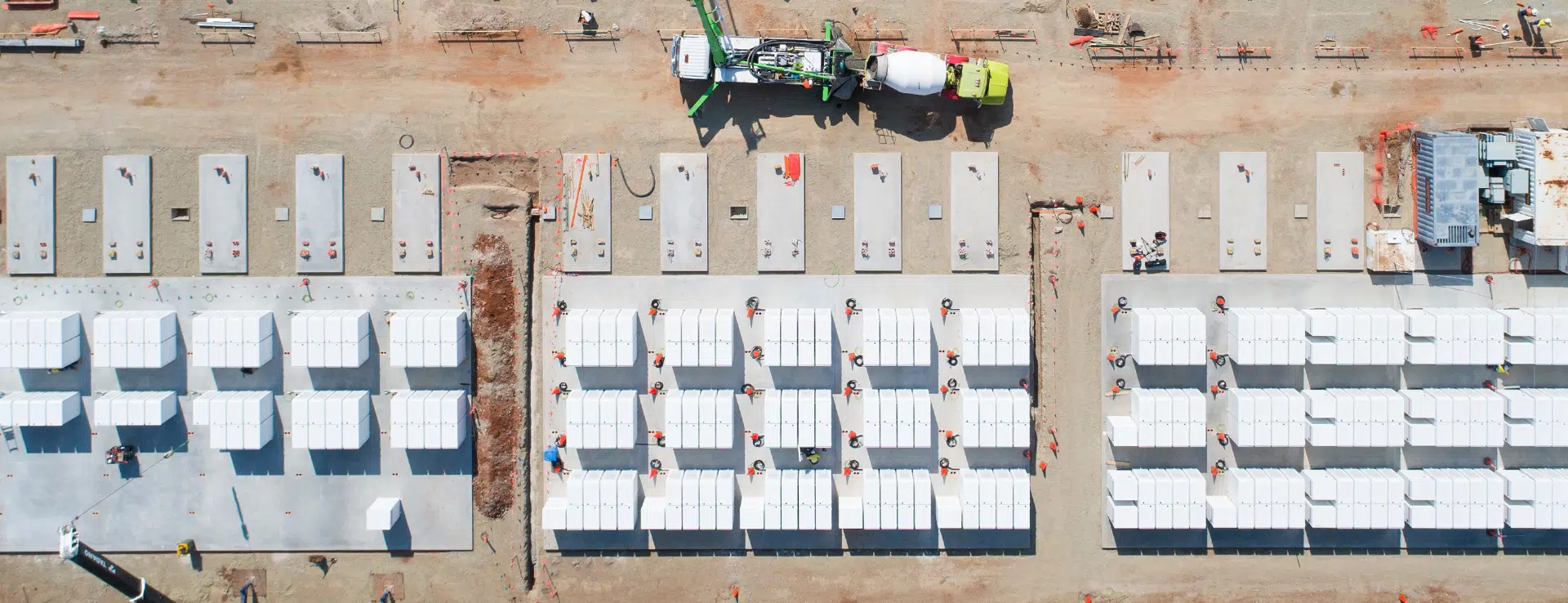
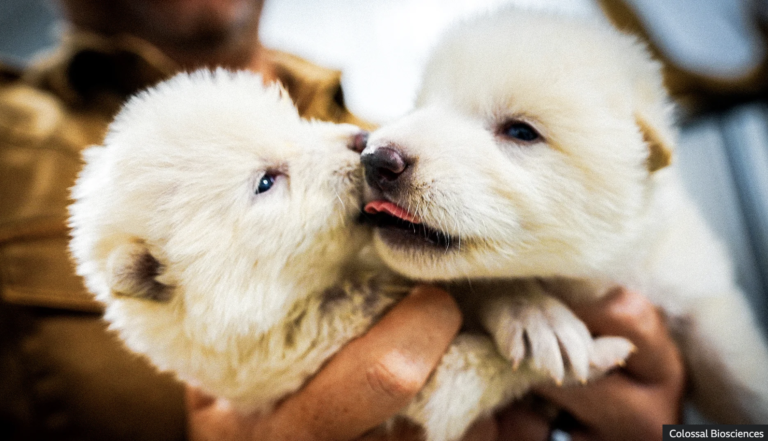
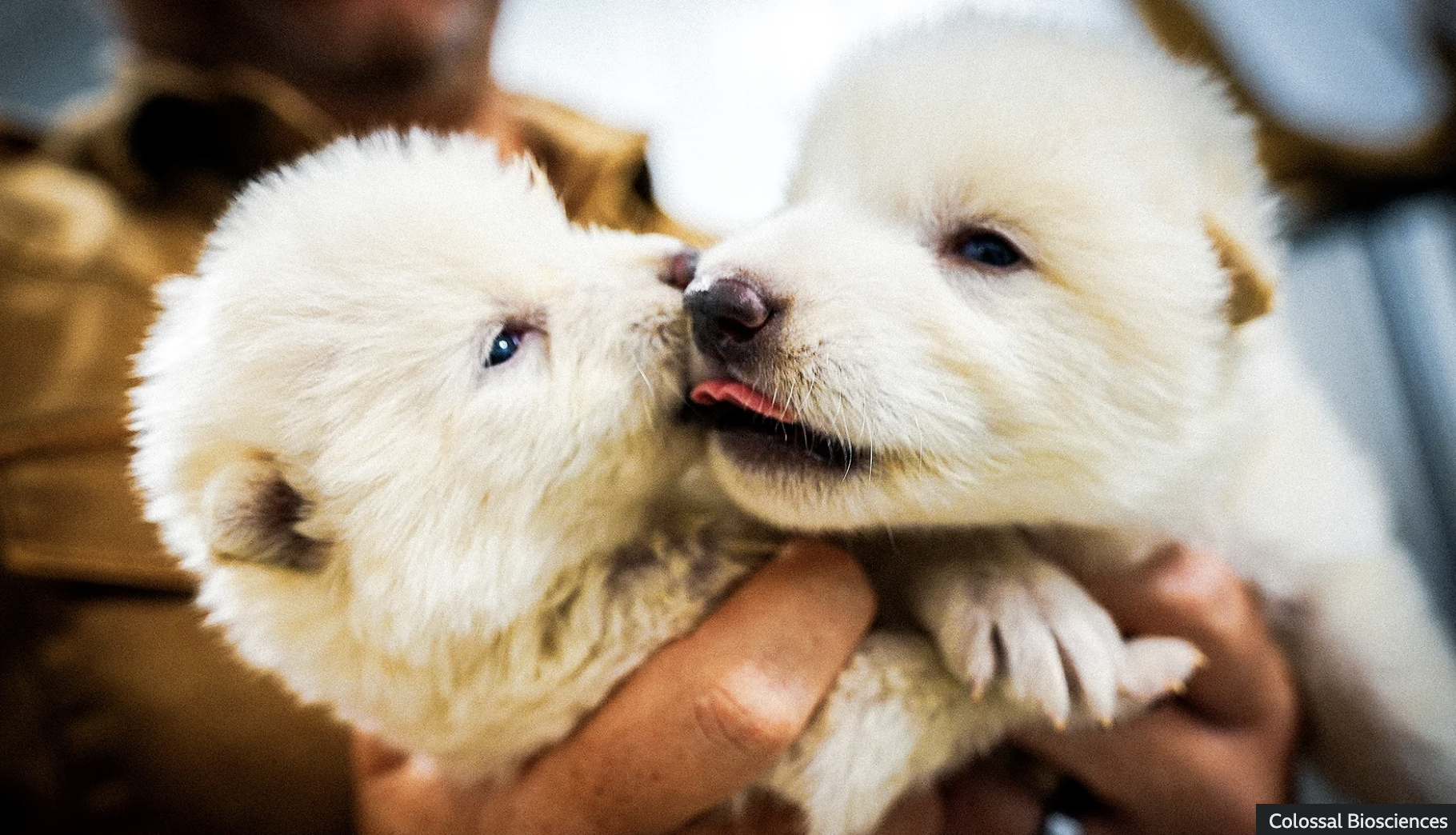









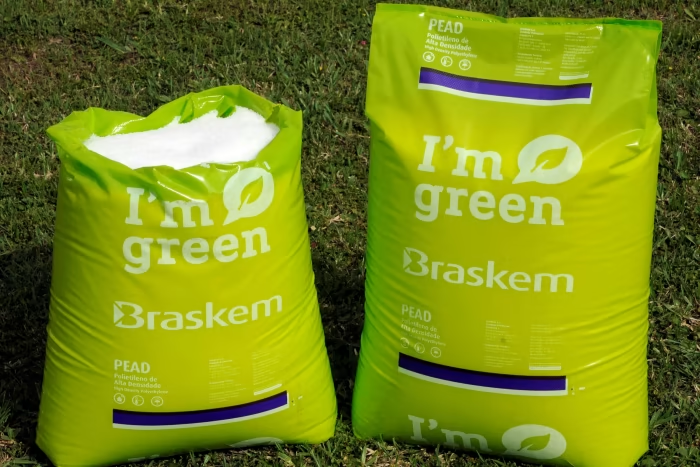


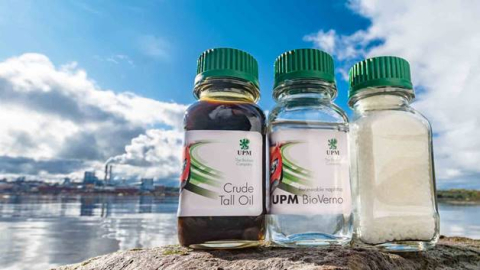


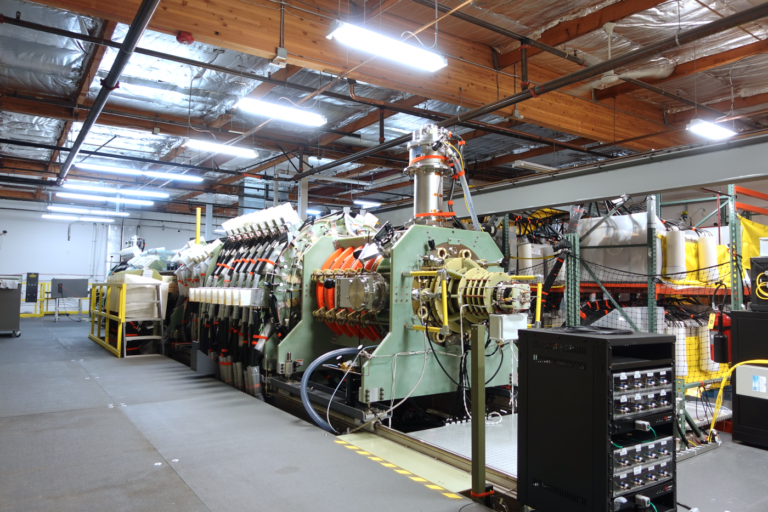


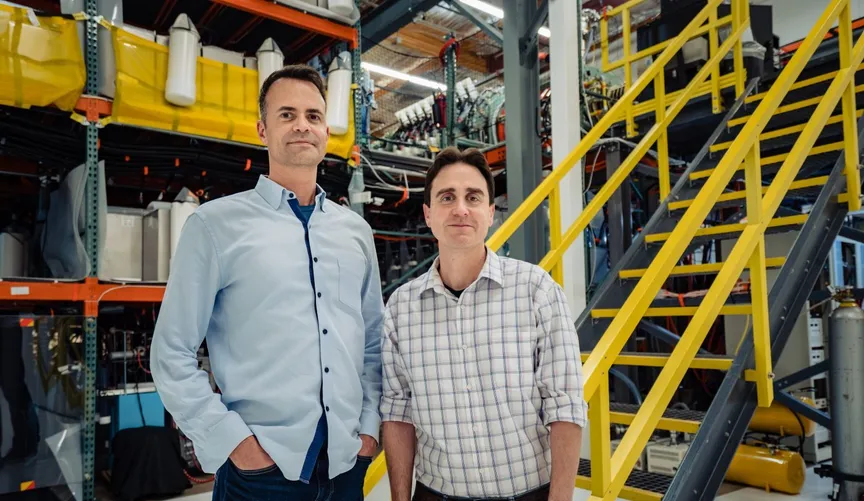







 Image of coral bleaching via the Great Barrier Reef Foundation[/caption]