Home Blog Page 36

How Pape-Dawson’s Water Engineering Services Support Climate Adaptation and Drought Mitigation

0
Pape-Dawson
Pape-Dawson water engineering

Climate change is reshaping how we manage water. Rising temperatures and shifting rain patterns strain systems built for a steadier past. In many regions, droughts last longer, and communities scramble for reliable supplies. Pape-Dawson steps into this gap with tailored water engineering solutions. Our work centers on water sustainability engineering, ensuring towns and cities thrive even when the rain doesn’t.

The Growing Threat of Drought and Climate Shifts

  • Extended Dry Spells: What once was a few months of low rain stretches into years in some areas.
  • Variable Rainfall: Frogs and flowers can’t adapt on a day’s notice when storms turn violent or vanish entirely.
  • Aging Infrastructure: Pipes and treatment plants, built decades ago, leak or fail under new pressures.

These challenges hit families, farms, and businesses. When taps run low, firefighting, farming, and hygiene all suffer. Pape-Dawson recognizes that adapting to climate change means rethinking water from source to tap.

Pape-Dawson’s Approach to Water Sustainability Engineering

Pape-Dawson leads with a hands-on, site-by-site plan. Their process unfolds in clear steps:

  1. Assess Local Conditions
    • Map watersheds, aquifers, and storm patterns.
    • Identify weak spots: leaking pipes, inadequate storage, or flood zones.
  2. Engage Stakeholders
    • Talk with city planners, water utilities, and residents.
    • Prioritize what matters most: public health, fire protection, and irrigation.
  3. Design Tailored Systems
    • Balance proven methods with fresh ideas.
    • Use models to predict how a reservoir will respond to five years of drought.
  4. Implement and Monitor
    • Oversee construction, testing, and staff training.
    • Adjust settings on pumps and controls as data rolls in.

Pape-Dawson keeps designs rooted in local realities by focusing on water sustainability engineering. They don’t shoehorn a one-size-fits-all fix into every town.

Integrating Water treatment engineering services into Projects

wellness spa in the bath
A sustainable spa?

Safe, reliable water isn’t just about quantity—it’s about quality. By combining proven techniques like membrane filtration, UV disinfection, and activated carbon adsorption, they strip out pathogens, sediments, and trace organic contaminants before water ever reaches taps or irrigation systems. Pape-Dawson’s Water treatment engineering services bolster every climate adaptation plan:

  1. Custom Treatment Train Design
    • Combine filtration, disinfection, and advanced oxidation.
    • Tackle local contaminants like minerals, bacteria, or industrial byproducts.
  2. Pilot Testing and Scale-Up
    • Run small-scale trials to prove performance.
    • Scale designs so treatment plants meet current and future demands.
  3. Regulatory Compliance and Guidance
    • Stay ahead of shifting standards from agencies like the TCEQ or EPA.
    • Prepare permit applications and lead public hearings when needed.

By weaving treatment systems into broader water plans, communities gain drought-ready, climate-resilient supplies they can trust.

Services That Drive Climate Adaptation

1. Water Resource Assessment

A clear picture of your resources is the first step. Pape-Dawson engineers:

  • Test groundwater levels and quality.
  • Analyze rainfall trends over decades.
  • Map how rivers and streams change with the seasons.

This foundation guides every design choice.

2. Stormwater Management Systems

Rainfall events are growing more erratic. One day brings floods; the next, dry ground. To handle this:

  • Detention Basins slow floodwater, giving it time to sink in.
    `
  • Green Infrastructure, like rain gardens and bioswales, filters water and boosts groundwater recharge.
  • Permeable Pavements reduce runoff by letting rain seep through roads and parking lots.

3. Reuse and Recycling Design

Why waste water that’s still clean enough? Pape-Dawson engineers:

  • Set up dual piping to reuse treated wastewater for irrigation.
  • Install on-site treatment units that polish greywater from showers and sinks.
  • Offer maintenance plans so systems stay efficient year after year.

4. Groundwater Recharge and Aquifer Storage

Filling underground reservoirs during wet years builds a buffer for drought. Strategies include:

  • Injection Wells that push filtered water deep below.
  • Recharge Basins, where water spreads over wide areas to soak in.
  • Managed Aquifer Recharge (MAR) plans to track water movement and quality.

Specialized Drought Mitigation Strategies

Pape-Dawson tailors drought solutions to fit each region’s climate, geology, and budget.

  • Drought-Tolerant Landscaping
    • Swap thirsty lawns for native plants.
    • Use mulch and smart controllers to cut irrigation needs.
  • Efficient Irrigation Design
    • Drip and subsurface sprinklers target roots, not air.
    • Soil moisture sensors trigger watering only when needed.
  • Aquifer Storage and Recovery
    • Capture floodwater in underground stores.
    • Withdraw water during dry spells with minimal energy use.
  • Real-Time Monitoring
    • Sensors track reservoir levels, soil moisture, and pump performance.
    • Alerts let operators adjust flows before shortages hit.

These methods work together. A park might blend native gardens, stormwater capture, and on-site treatment to stay green when neighbors brown out.

Real-World Success Stories

San Antonio’s Dual-Pipe Reuse System

Facing a decade-long dry spell, San Antonio turned to Pape-Dawson for a pilot reuse project. The team:

  • Designed a treatment train fitting an existing plant.
  • Ran reclaimed water into parks and golf courses.
  • Monitored usage, showing a 25% drop in potable water demand within a year.

Austin’s Stormwater Capture Network

When flash floods threatened low-lying neighborhoods, Pape-Dawson:

  • Built detention ponds and green streetscapes.
  • Routed clean stormwater into recharge wells.
  • Tracked groundwater rise, confirming the city stored nearly 500 acre-feet after two wet seasons.

Houston’s Aquifer Storage Scheme

Houston’s engineers grapple with both floods and drought. Pape-Dawson:

  • Installed injection wells in unused parkland.
  • Stored excess water during heavy rains for future dry spells.
  • Reduced peak stormwater flows by 15%, easing downstream flooding.

Each project shows how targeted water sustainability engineering makes a real difference under pressure.

Benefits That Reach Beyond Water Savings

Public Health and Safety

  • Reliable drinking water helps prevent disease outbreaks.
  • Steady supplies support firefighting in dry seasons.

Ecosystem Protection

  • Healthy river flows sustain fish and riparian habitats.
  • Recharging aquifers prevents land subsidence and saltwater intrusion.

Economic Resilience

  • Farms stay productive, safeguarding food supplies.
  • Industries reliant on water, like manufacturing, keep running, protecting jobs.

Community Well-Being

  • Parks and green spaces stay lush, supporting mental health.
  • Residents see clear, dependable tap water, boosting confidence.

When water systems adapt, communities prosper even in harsh conditions.

Building for the Future with Water Sustainability Engineering

Pape-Dawson’s long-view approach blends technology with people power:

  • Long-Term Master Plans lay out upgrades and expansion phases over decades.
  • Community Engagement brings local voices into every decision.
  • Training and Capacity Building ensure operators know the latest tools and methods.
  • Data-Driven Updates let teams refine systems as sensors and analytics reveal new insights.

By investing now, towns avoid costly emergency fixes later. They build resilience into every pipe, pond, and pump.

Drought and climate change no longer surprise us—they define today’s water reality. Pape-Dawson meets these trials with practical, site-specific solutions rooted in water sustainability engineering. Their full suite of services—from resource assessments and stormwater systems to expert Water treatment engineering services—ensures communities stay safe, healthy, and vibrant.

By planning for the long haul and working closely with local partners, Pape-Dawson helps turn climate uncertainty into dependable water security. Communities that embrace these strategies will weather tomorrow’s droughts with confidence and thrive in an ever-changing world.

How Houthi Violence and Extremism Are Destroying the World’s Heritage—and Its People

0
Sanaa
Sanaa

Houthis missiles backfired and hit Sanaa

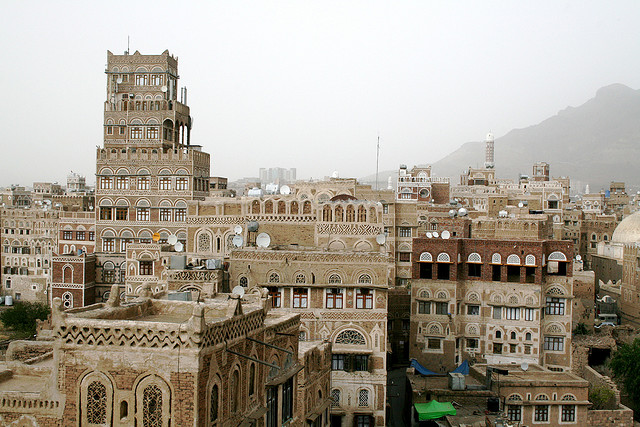
On Sunday, April 21st, a deadly blast rocked the historic heart of Sanaa, Yemen—steps away from its ancient Old City, a UNESCO World Heritage site celebrated for its multi-story tower houses built from rammed earth and adorned with white gypsum. The Houthi-run health ministry claimed a U.S. airstrike killed 12 civilians. Yet, U.S. Central Command insists the explosion was the result of a misfired Houthi air defense missile. The blame game continues, but what remains clear is this: civilians are dying, history is eroding, and extremism is winning.

History Bombed

This isn’t the first time war has torn through our shared cultural fabric. In recent decades, militant groups—from ISIS in Iraq and Syria to the Taliban in Afghanistan—have turned historical and archaeological treasures into battlegrounds. Ancient ruins like Palmyra, Nineveh, and Bamiyan’s giant Buddhas were deliberately demolished in acts of ideological warfare meant to erase memory and rewrite history through the lens of extremism. Islamists wanted to erase all history before the religion of Islam began.

In one Green Prophet piece we reported how ISIS blew up Palmyra in Syria, reducing statues and relics dating back to the Roman Empire.These were not just Syrian artifacts, they were were humanity’s.

The attack on Sanaa is part of this disturbing trend, where entire civilizations are held hostage by politics, religion, and power. In Yemen, it’s compounded by relentless proxy wars, foreign interventions, and internal strife.

Who Are the Houthis?

The Houthis, officially known as Ansar Allah, are a Zaidi Shia Muslim group originating from northern Yemen. Their grievances—decades of political and economic marginalization—led them to rise up against Yemen’s central government in 2004. But it was during the Arab Spring in 2011 that the group capitalized on growing instability.

By 2014, they had seized the capital, Sanaa. Soon after, a Saudi-led coalition—armed and supported by the U.S.—intervened militarily, fearing Iran’s influence through the Houthis. The result has been a catastrophic conflict that has killed hundreds of thousands and left 80% of Yemen’s population reliant on humanitarian aid.

Despite ceasefire talks and intermittent negotiations, violence continues to erupt. And since November 2023, the Houthis have launched drone and missile attacks on Red Sea vessels they claim are connected to Israel, in “solidarity” with Palestinians in Gaza.

The Red Sea, Gaza, and the Bigger Picture

The Houthis’ recent alignment with the Palestinian cause has raised both support and scrutiny. While some hail them as defenders of an oppressed people, others view their actions as cynical, destabilizing, and deeply dangerous—particularly to maritime security and regional peace.

These Israelis have written a song for the Houthis in return.

The United States has responded with intensified airstrikes aimed at degrading Houthi military capabilities. But these campaigns, as with so many others in modern Middle Eastern conflicts, carry devastating costs for civilians.

According to human rights advocates, these attacks—whether carried out by the U.S. or others—have not adequately distinguished between militants and civilians. Democratic senators have demanded accountability for the mounting civilian toll.

Sanaa and Its Silent Witnesses

The Old City of Sanaa, continuously inhabited for more than 2,500 years, is not just a place of prayer or residence. Its narrow alleyways, intricately patterned facades, and stone carvings tell the story of Yemen’s vibrant Islamic and pre-Islamic heritage. They stand as silent witnesses to civilizations that predate today’s politics by millennia.

But each blast and each shattered home chips away at that heritage. In 2015, UNESCO condemned the Saudi-led airstrikes on Sanaa that damaged historic homes. Today, the pattern continues, despite global warnings.

What do the Houthis want? Depending on who you ask, the answer varies: some say autonomy, others say revolution, others claim it’s purely power. They are undeniably embedded within regional power dynamics, bolstered by Iran and fought by Saudi Arabia and the U.S.

But amid all these high-level chess moves, ordinary Yemenis continue to suffer. Children die of preventable diseases, women give birth in bombed-out clinics, and ancient structures crumble under missile fire.

And for what?

While the military debates over who launched what continue, Yemen’s cultural and human history is being erased in real-time. It’s time for the international community to prioritize preservation—not only of life, but of the collective heritage that connects us all.

Old City of Sanaa
Old City of Sanaa

There must be accountability for attacks on civilians, regardless of the perpetrator. And there must be global recognition that a destroyed minaret in Sanaa or obliterated statue in Nineveh is a loss not only for Yemen or Iraq, but for humanity.

Let’s not wait until all that remains of these sites are photos in textbooks or ashes in the wind.

84% of world’s reefs bleached in disastrous news for the sea

0

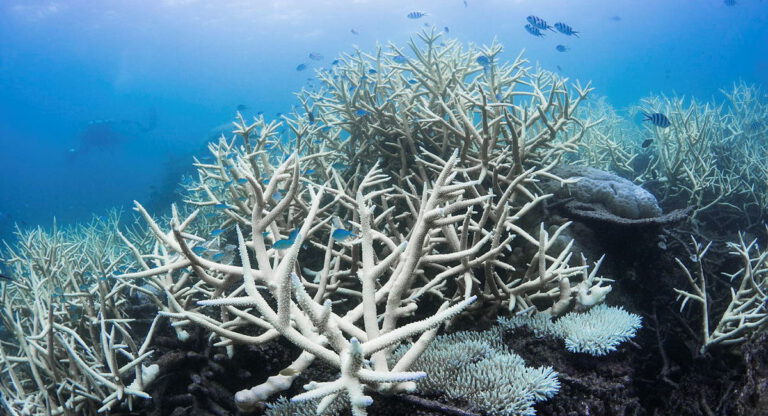
Great Barrier Reef Foundation Image of coral bleaching via the Great Barrier Reef Foundation[/caption]


The most pressing environmental story this week is the alarming escalation of the 2023–2025 global coral bleaching event, now recognized as the most extensive in recorded history. As of April 2025, approximately 84% of the world’s coral reefs have been affected, surpassing the previous record set during the 2014–2017 event.

This bleaching event, ongoing since February 2023, is primarily driven by elevated ocean temperatures linked to anthropogenic climate change. Regions such as the Barrier Reef, Florida, and the Chagos Archipelago have experienced severe impacts, with some areas reporting up to 95% coral mortality.

Coral reefs are vital ecosystems that support a vast array of marine life, protect coastlines from erosion, and provide livelihoods for millions through fishing and tourism. Coral reef home the food that fish eat. They protect fish and unique sea creatures.

The widespread bleaching and subsequent coral deaths threaten biodiversity, food security, and economic stability in many coastal communities. The International Coral Reef Initiative has officially declared this the fourth global bleaching event. Scientists and environmental organizations are urging immediate action to reduce greenhouse gas emissions and implement conservation strategies to protect remaining coral ecosystems.This event underscores the urgent need for global climate action to mitigate the impacts of climate change on critical ecosystems.

You can read the ICRI report here.

The world’s coral reefs are undergoing an unprecedented crisis. Since early 2023, the planet has been experiencing its fourth—and most severe—global coral bleaching event, with approximately 84% of reef areas affected across at least 82 countries. Coral bleaching occurs when corals, stressed by elevated water temperatures, expel the symbiotic algae (zooxanthellae) that provide them with color and essential nutrients. Without these algae, corals turn white and become more susceptible to disease and death. If stressful conditions persist, the likelihood of coral mortality increases significantly.

Related: feed the reef while wearing this sunscreen

Causes of the Current Crisis

The ongoing bleaching event is primarily driven by record-breaking ocean temperatures, a consequence of anthropogenic climate change and exacerbated by the El Niño climate pattern. In 2024, global sea surface temperatures reached an unprecedented average of 20.87°C (69.57°F), intensifying marine heatwaves and stressing coral ecosystems worldwide.

“We’ve eclipsed the previous record by 11.3% and surpassed the previous record in half the amount of time,” noted Derek Manzello, coordinator of NOAA’s Coral Reef Watch.

Global Impact

The bleaching event has affected reefs across the Pacific, Atlantic, and Indian Oceans, including regions previously considered thermal refuges, such as Raja Ampat in Indonesia and the Gulf of Eilat in Israel where intense research is ongoing at par with western standards. Significant coral losses have been recorded globally, with mortality rates ranging from 20% to over 90% in some areas.

In Honduras, for instance, a reef that maintained about 46% living coral in September 2023 declined to just 5% by February 2024—a drop described as unprecedented by marine researcher Melanie McField.

Coral reefs, covering less than 1% of the ocean floor, support approximately 25% of all marine species. Their decline threatens marine biodiversity, fisheries, tourism, and coastal protection. The economic value of coral reefs is estimated at $2.7 trillion annually, underscoring their significance to global economies.

Scientists emphasize that while local conservation efforts are vital, they are insufficient without addressing the root causes of climate change. “Without addressing the root causes of climate change, primarily fossil fuel emissions, restoration efforts may offer only temporary relief,” experts warn.

The current crisis serves as a stark reminder of the urgent need for global climate action to preserve these vital ecosystems for future generations.

A 3D bra and intimates printed just for you –– and they decompose after use!

0


This bra is edible
This bra decomposes, but is it edible?

What happens when high-tech materials meet heartfelt design? Colombian designer Neyla Coronel has an answer—and it comes in the form of a bra. Made using Balena.Filaflex, a flexible, bio-based and fully compostable filament co-developed by Balena and Recreus, Neyla’s creation is challenging everything we thought we knew about intimate apparel, sustainability, and the power of design to liberate the body.

At Green Prophet, we’ve followed how Balena is reshaping the fashion industry—literally. The brand has already made headlines for its partnership with Stella McCartney, producing fashion-forward, circular solutions that don’t compromise on ethics or style. Their fully compostable slip-on shoes turned heads in Paris and New York, proving that sustainable fashion doesn’t have to look like a compromise.

At Balena, they believe materials shape the future of design. And sometimes, the most powerful proof of what a material can do comes from the creativity of those who use it. That’s exactly what they found in their recent collaboration with multidisciplinary designer Neyla Coronel, who explored the flexibility, adaptability, and comfort of Balena Filaflex, their bio-based, compostable 3D printing filament co-developed with Recreus—through one of the most personal and technically complex garments: the bra.
A 3D printed bra

But Neyla’s latest work adds something deeper: the personal. It’s a a bra designed by—and for—the body

Raised in a culture of rigid beauty standards, Neyla says her design process began with a reckoning. “I realized my body was never the problem,” she shares. “It was the fashion industry’s limited offerings.”

Working with 3D scanning, parametric modeling, and computational geometry, Neyla flipped the traditional fashion script. Instead of forcing bodies to conform to garments, she made garments that move, grow, and shift with the human form. At the heart of her design is an auxetic structure—an architectural pattern that flexes in sync with the body. “It’s not just about aesthetics,” she explains. “It’s about function, inclusivity, and emotional comfort.”

This Bra is Biodegradable: How One Designer is Using Compostable 3D Printing to Reshape Intimate Wear

To bring her vision to life, Neyla needed a material that could stretch, adapt, and biodegrade—without sacrificing comfort. Early prototypes in PLA and TPU lacked the elasticity and sustainability she craved. Then came Balena.Filaflex.

“Working with Balena.Filaflex was a breakthrough,” Neyla says. “It’s soft, it’s strong, and it supports movement close to the skin. But more than that—it’s compostable and biobased. It made the piece not just wearable, but meaningful.”

Balena.Filaflex has already been used in everything from fashion-forward sneakers to performance-ready slides. Designers across the globe—from high fashion to independent creators—are exploring its potential as a circular solution to fast fashion waste.

Co-Creation and Circularity

3d printed bra by Balena and Neyla
3D printed bra by Balena and Neyla

3D printed bra by Balena and Neyla

What sets Neyla’s project apart is the ethos of collaboration—not just between designer and material, but between designer and wearer.

Using open-source design principles, each piece can be tailored by the end user. Pattern density, strap length, and shape flexibility are all customizable. “I don’t want this to be just my design,” Neyla says. “It’s something to be shared—designed by one woman, for all women.”

Neyla is already experimenting with new applications for Balena.Filaflex—from personalized footwear to ergonomic furniture. “Each new project is a chance to learn,” she says. “Balena’s material gives me the freedom to imagine design that’s deeply human and deeply sustainable.”

At Green Prophet, we believe these are the collaborations that matter—where material science meets soul, and where design becomes a tool for regeneration.


China and Russia to build nuclear powered base for first Moonians

China Russia nuclear moon base

China and Russia have unveiled plans to construct a joint lunar base equipped with a nuclear power plant, marking a significant development in international space exploration. China wants to moonmine and we reported on that last year. They will include Pakistan as part of the plan to become the first Moonians. This initiative, known as the International Lunar Research Station (ILRS), aims to establish a permanent presence on the Moon’s south pole by 2035.

Moon base by China and Russia

The ILRS is a collaborative project between China and Russia, designed to support long-term scientific research and exploration on the Moon. According to Chinese space official Pei Zhaoyu, the base will utilize both solar arrays and a nuclear power plant to provide the necessary energy for sustained operations. The inclusion of nuclear power is intended to ensure a reliable energy source, especially during the lunar night when solar power is unavailable.

International Reactions and Legal Considerations

Moon base by China and Russia

The United States has expressed concerns regarding the safety and transparency of deploying nuclear technology on the Moon. A State Department spokesperson emphasized the need for a “rigorous, risk-informed safety analysis” for any space nuclear systems and highlighted the importance of transparency in such endeavors. What if it exploded? Would the moon be sent off course?

The deployment of a nuclear power plant on the Moon raises questions about the legal frameworks governing space activities. The 1967 Outer Space Treaty, signed by over 100 countries including China, Russia, and the United States, stipulates that celestial bodies are not subject to national appropriation and must be used exclusively for peaceful purposes.

While the treaty prohibits the placement of nuclear weapons in space, it does not explicitly ban the use of nuclear power for peaceful purposes, leaving room for interpretation regarding projects like the ILRS.

The Role of Nuclear Power in Sustainable Space Exploration

Nuclear power is considered a viable solution for providing consistent energy in space, particularly for missions in environments where solar power is insufficient. Companies like Rolls-Royce are developing micro nuclear reactors intended for use in space missions, highlighting the growing interest in nuclear technology for space exploration. Companies like Frequency Electronics uses nuclear energy for clocks used in space. 

The ILRS’s planned nuclear power plant represents a significant step in utilizing nuclear energy to support long-term human activities on the Moon. 

The China-Russia collaboration on the ILRS signifies a new chapter in lunar exploration, emphasizing the importance of international cooperation and the potential of nuclear power in sustaining long-term space missions. As nations continue to explore the possibilities of space, adherence to international treaties and transparent practices will be crucial in ensuring peaceful and sustainable development beyond Earth.

Flour Sacks to Ecological Fashion Statements in Times of Crisis

0
Floor sack fashion, Design Museum Holon

In times of hardship, creativity often becomes a lifeline. The “Heroines” exhibition at the Design Museum Holon, running since March 31, 2025, delves into this theme by showcasing how women during World War II used fashion as a means of survival and expression.

During the Great Depression in the United States, families repurposed cotton flour and grain sacks into clothing. Recognizing this, companies began printing the sacks with colorful patterns, making them more appealing for reuse. Some even included dress patterns directly on the fabric, simplifying the sewing process. This initiative not only provided affordable clothing options but also empowered women to create and sell garments, supporting their families during challenging times.

Flour sack fashion in the US

Silk Maps Transformed

In Britain, women found innovative uses for silk escape maps issued to soldiers during World War II. These durable, lightweight maps were repurposed into dresses, combining practicality with a statement of resilience. The exhibition features such garments, highlighting the ingenuity and adaptability of women who turned tools of war into symbols of hope and normalcy.

Follow the map to her heart
upcycled silk
upcycled silk

Curated by fashion historian Ya’ara Keydar, “Heroines” presents over 100 ensembles, accessories, and artifacts that narrate stories of courage and creativity. The exhibition spans various geographies, from pre-war Prague to the American and British home fronts, culminating in Israel. It emphasizes fashion’s role not just in aesthetics but as a medium of resistance, identity, and survival.

Yaara Keydar
Yaara Keydar

“Heroines” invites visitors to reflect on the power of fashion beyond its visual appeal, showcasing how, in the darkest times, clothing became a canvas for resilience and hope. Included are fashion items made during the Holocaust, some by pre-eminant fashion designers who ended up in the camps.

::Design Museum Holon

Earth Day in the Emirates: 1,200 Mangroves Planted to Tackle Climate Crisis and Reconnect with Nature

0
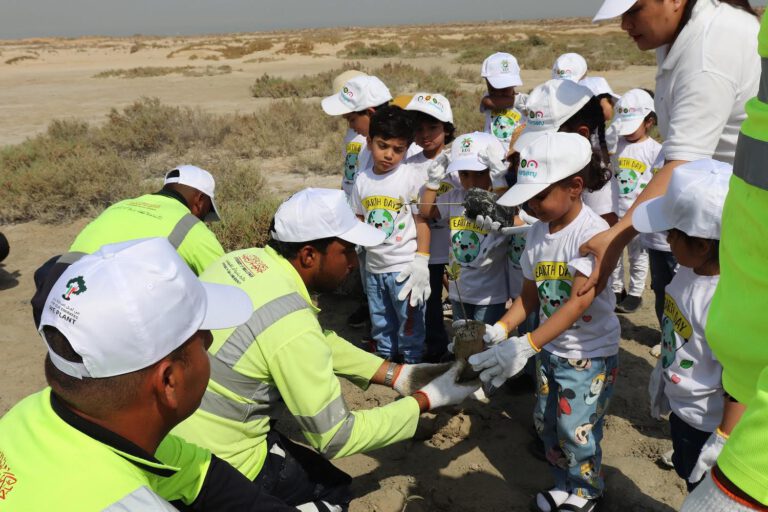
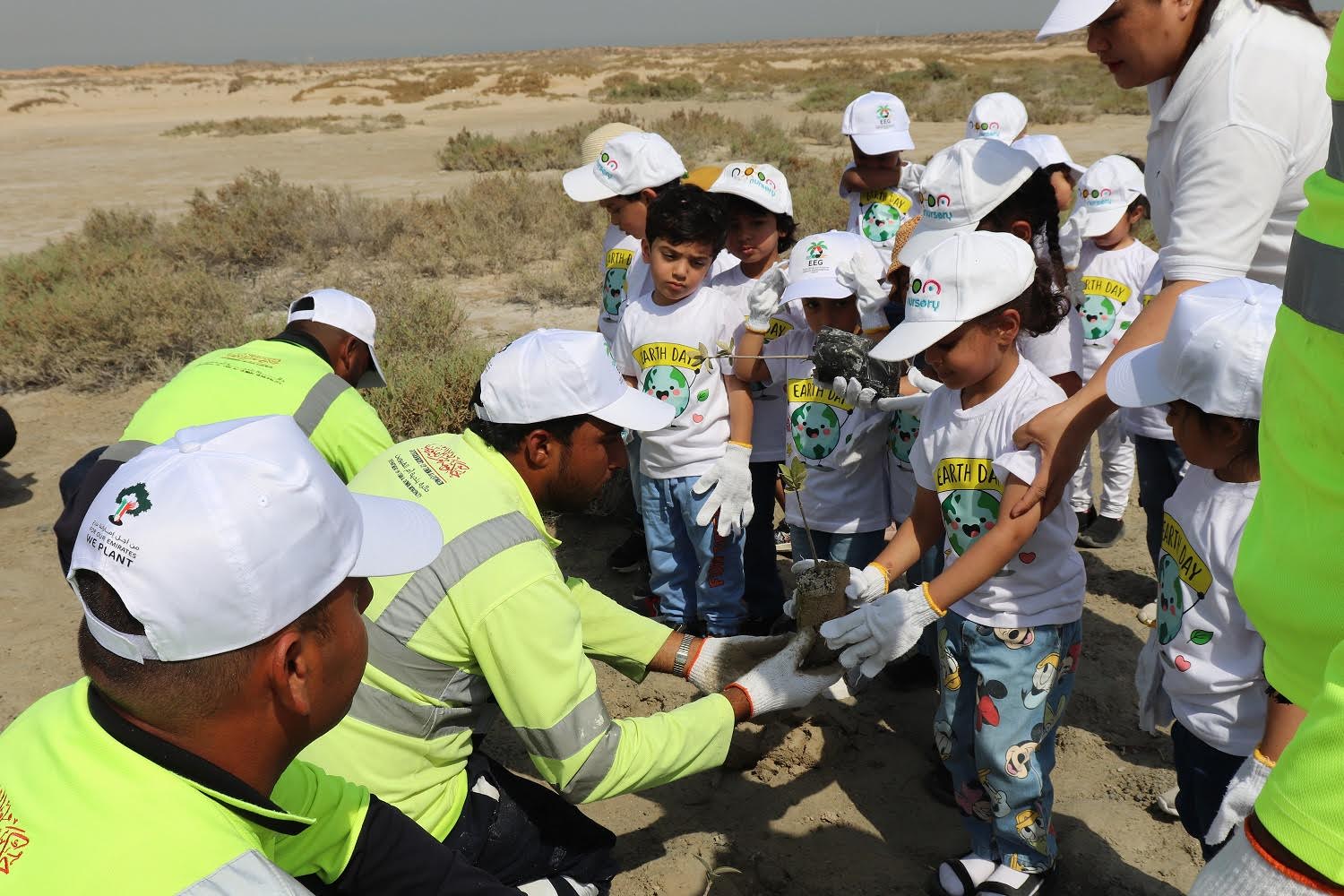
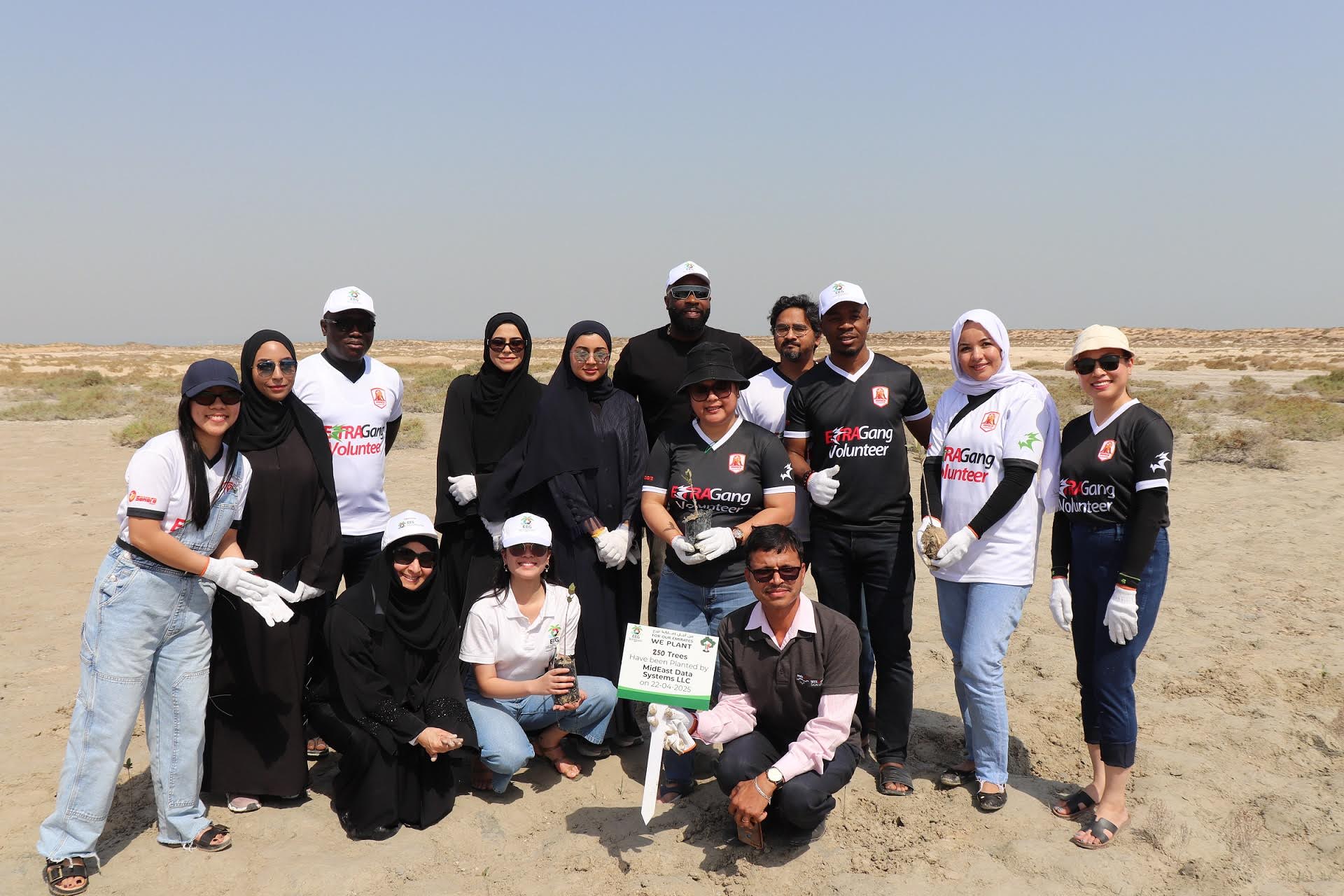
Volunteers planting mangrove trees on Earth Day 2025 at Mangrove Beach, Umm Al Quwain

In a meaningful gesture of environmental solidarity, the Emirates Environmental Group (EEG), in collaboration with Umm Al Quwain Municipality, marked Earth Day 2025 by planting over 1,200 mangrove saplings along the ecologically vital Mangrove Beach in Umm Al Quwain.

The initiative was part of EEG’s longstanding national campaign, “For Our Emirates We Plant”, a grassroots movement that has helped seed millions of trees across the UAE’s arid landscape.

More than a ceremonial planting event, the gathering served as a stirring reminder of the UAE’s growing momentum in greening the desert and amplifying climate action in a region historically synonymous with drought and sand. Earth Day 2025 brought together government officials, academics, youth groups, and families, all united by a common goal: regenerating ecosystems and building coastal resilience in a time of escalating climate emergencies.

Volunteers planting mangrove trees on Earth Day 2025 at Mangrove Beach, Umm Al Quwain

“Each mangrove planted today is a living pledge for the future,” said EEG Co-Founder and Chairperson Habiba Al Mar’ashi, addressing attendees. “We are not only restoring coastal forests but cultivating a culture of care and responsibility toward our planet.”

Over the past two decades, EEG has facilitated the planting of more than 2.1 million indigenous trees across the Emirates. Their efforts, particularly since 2007, have resulted in the sequestration of over 186,000 metric tonnes of CO2 — a measurable contribution to the UAE’s Net Zero 2050 ambitions.

Mangroves: Coastal Guardians and Carbon Powerhouses Mangroves — often overlooked in favor of more iconic forests — are emerging as climate champions. Able to absorb up to four times more carbon dioxide than terrestrial forests, these trees serve as a natural bulwark against rising seas and intensifying storms. They filter water pollutants, prevent coastal erosion, and create rich nurseries for marine life — all while thriving in salty, oxygen-poor soils that would kill most other trees. In hyper-arid nations like the UAE, mangroves have proven their mettle as ecosystem engineers. And interest is surging across the Middle East.

Saudi Arabia recently launched its own coastal reforestation program under the Saudi Green Initiative, with plans to plant 100 million mangroves by 2030. These efforts are vital not only for biodiversity and carbon drawdown, but also for cooling coastlines that are rapidly heating under the climate crisis. Historical Roots of a Green Revolution The UAE’s mangrove legacy is rooted in conservation efforts dating back to the 1970s, when late ruler Sheikh Zayed first introduced reforestation programs in Abu Dhabi.

Since then, the country has slowly cultivated a green spine along its coasts — a powerful symbol of what’s possible when environmental vision meets community action. Green Prophet has previously reported on efforts to protect mangrove ecosystems in the face of destructive development. In 2019, we highlighted the push to use drones to plant mangroves in hard-to-reach tidal zones — a testament to how tech and tradition can coalesce for Earth’s benefit.

Saudi Arabia mangroves
Saudi Arabian mangroves

A Desert Forest for Future Generations In the Gulf, where freshwater is precious and fertile land is rare, initiatives like “For Our Emirates We Plant” serve as a clarion call for climate resilience.

Mangroves, often viewed as muddy or marginal, are now at the forefront of regional regeneration. They are not merely trees but living infrastructure — cooling cities, sustaining marine life, and holding back the tides. Earth Day 2025 in Umm Al Quwain wasn’t just about greening the beach. It was a reminder that hope can grow even in the harshest conditions — and that in the Middle East, the future might just be forested.

Sustainable Health and Fitness: The Role of Hormonal Therapy in Athlete Performance

0
Hormones and health
How to balance hormones and your health

Whether you are eager to maintain your fitness or an athlete determined to enhance your sports performance, you should opt for the best techniques that work wonders. In this regard, various factors play a crucial role, specifically, nutritious food, proper workouts, and hormonal therapy through supplements. You should take a balanced diet, get training from experts, and choose the best supplements. You can get Test E 250 for sale without any inconvenience. In this way, you can not only maintain your muscle mass growth but also boost your overall performance.

In this article, we will investigate the relationship between sustainable health practices and hormonal therapy as an approach for increasing athlete performance.

Hormonal Therapy in Fitness

Hormone replacement therapy has long been utilised within athletic circles. The purpose of testosterone replacement therapy specifically is to restore or increase hormone levels within the body that are essential to muscle development, strength gain, and recovery. Therapy may help restore balance among low testosterone levels to restore energy, improving performance while speeding recovery time after intense physical activity.

As society becomes more eco-conscious, many are questioning the role that health practices such as hormone therapy play in its overall sustainability. Thankfully, fitness and wellness practices can still take advantage of hormone therapy without harming the planet.

Related: eat these 7 foods for happy hormones

Integrating Sustainable Practices Into Fitness

olive marinade

Integrating sustainable fitness practices doesn’t just involve cutting your carbon emissions during workouts; rather, it involves creating habits that contribute to long-term well-being, for instance, using eco-friendly gym equipment, prioritising plant-based diets, or including natural therapies into your regimen.

Athletes need to use natural, ethically produced supplements as part of a sustainable fitness journey. Production has environmental ramifications; therefore, it is crucial for them to consider where these supplements come from and their carbon footprint before selecting products that enhance fitness journeys. Furthermore, sustainable packaging methods should also be taken into consideration when choosing suitable supplements.

The Role of Testosterone in Athlete Performance

Testosterone is one of the vital anabolic hormones in your body that is crucial to enhancing your athletic performance. Do you know how it works? Simply, it boosts protein synthesis that automatically adds to your muscle growth during workouts and training. As long as you continue with your training, including extended sessions of high-intensity exercises, or take part in competitive sports, you will gradually gain muscle mass and body strength. On the other hand, it helps you to recover quickly and mend your injuries, prevent muscle fatigue, and hasten the recovery process. 

During exercise, oxygen delivery to muscles is the basic factor that improves cardiovascular function and regulates red blood cell formation. On the contrary, if we consider psychological health, testosterone also provides benefits such as boosting motivation, building up confidence, and reducing aggression. All these attributes provide you with an edge in competitive circumstances. Testosterone level is highly influenced by genetics, but you can also control it through healthy nutrients, stress relief, proper sleep, and resistance training.

Balance of Performance and Sustainability

One key consideration when purchasing supplements or hormone therapies such as testosterone is being conscious of their environmental footprint. Opting for products produced with sustainable practices, packaged in recyclable materials, and made using ethically sourced ingredients will ensure you meet your performance goals without harming our planet.

Conclusion

online fitness training, woman in lotus position

Sustainability in health and fitness practices involves more than simply selecting eco-friendly gym gear or supplements; it encompasses an approach that seeks to balance physical wellness with environmental responsibility. By making responsible choices when it comes to our fitness regimes and products we use, we can improve our health without leaving an adverse impact on the planet. Hormonal therapy like testosterone replacement therapy may play a part in this journey; however, its sustainability must always be considered when making this choice, as its long-term effects may affect both you and the world at large.

So when selecting supplements and other performance-enhancing products, take time to choose wisely. By doing so, you can achieve both your fitness goals while safeguarding the planet.


How to Start Your Own Radio Station: A Comprehensive Guide

0
Mr. Crow Radio Station by BDDW

The process of opening a radio station can be exciting yet intimidating. Many people dream of creating a message that can be broadcast to the world, free to share voices and ideas. But knowing what steps you need to take can make it easier. Here is a step-by-step guide to starting your radio station with principles of success and connecting communities through engaging content.

Understanding the Basics

The fundamentals are essential before moving on to the technical part of the radio station software. Radio stations can be terrestrial, internet, or satellite. All have their advantages and disadvantages. Unlike terrestrial stations, Internet radio isn’t bound to geography, and you don’t need a transmitter license. Satellite radio is fine, but it requires a more significant investment. Finding the best-suited format is dependent on the goals and assets.

Research and Planning

Thorough research establishes the foundation: research current stations, market interest, and target audiences. Knowing what the competitors are doing would help differentiate your niche. Planning is where the station’s vision takes shape in the form of a mission statement, what content it covers, and what demographic it targets. A business plan sets out your goals, planned efforts to reach them, and money forecasts to help you navigate finances. 

Securing Licenses and Permits

Compliance with the letter of the law is crucial in broadcasting. Getting the proper licenses will ensure that you can operate without hassles. Depending on the region, local authorities and legal specialists should be consulted. Demonstrating technical proficiency and financial stability to the licensing authorities is frequently beneficial when submitting permit applications. The fulfillment of these prerequisites shows a level of commitment and readiness.

Creating a Technological Infrastructure

Any radio station has technology as the core part of it. Ensuring you have good-quality equipment ensures you are transmitting clearly and professionally. The required equipment includes microphones, mixers, transmitters , audio editing, and broadcast software. Beyond that, the streaming services behind the Internet radio scene must be reliable. Tech experts provide valuable assistance in installing and maintaining equipment to ensure seamless operation.

Creating Engaging Content

Radio is still all about content. With a diversified program schedule, listeners remain tuned in, hosts and guest speakers add flavor, and guest speakers for hot-topic interviews stack up. Adding music, news, and interviews breaks up constant talk show ranting and allows different types of listeners to enjoy the content. Continuous input from listeners helps improve the content and allows for a steady flow of loyal listeners.

Building a Brand

Branding is what sets a station apart from others. A catchy name, logo, and slogan are ways to build an identity. Applying a strong and unique brand across relevant platforms such as social media, websites, and promotional materials can accentuate recognition. Working with local businesses and personalities builds awareness and community engagement.

Marketing and Promotion

Great marketing brings in listeners as well as advertisers. Using social media platforms can help connect with more people. Events such as hosting or contesting create buzz and community connections. Working with an influencer or a local celebrity helps gain credibility and followers. Fundamentally, a successful ad strategy increases revenues and sets a foundation for sustainability.

Monetizing the Station

Earning money enables you to cover your expenses and grow. Advertising remains one of the most significant sources of revenue. Competitive rates and attractive packages draw in various clientele. You can earn extra money from sponsorship contracts with local businesses. Diversification of income via merchandise or memberships creates alternative revenue streams, which add financial resilience.

Engaging with the Community

Participation from the community is what makes the station shine. Organizing local events or charity drives generates goodwill and boosts listener loyalty. Increasing the call-in audience, engaging in social media conversations, and keeping track of your listeners’ poll can help. The station becomes known as a local community hub, earns trust, and builds a loyal listener base that helps guarantee longevity.

Ability to Learn and Adapt 

Radio requires constant attention and agility. Staying abreast of industry trends and technological innovations also keeps one relevant. Attending workshops and seminars to improve skills and knowledge. Frequent examination of performance indicators and audience feedback helps uncover areas of improvement, which in turn fuels growth and innovation.

Conclusion

Starting a radio station takes planning, legal planning, and strategizing. Once you know the basics, obtain the necessary licenses, and purchase starting apps, you can succeed more. A loyal audience is born with captivating content, a powerful brand, and community engagement. If you plan well, are committed, and adjust to listenership that will no doubt see the world as a new “broadcast era frontier,” you can establish a full-blown radio station whose outbound media reaches every corner of the globe.


Embrace these fugly e-bikes

The ZUV Tricycle Is Quite Ugly, but It Still Puts Your e-Bike to Shame

In a world where sleek, aerodynamic e-bikes dominate the streets, a few bold designs dare to defy conventional aesthetics. These “fugly” e-bikes might not win beauty contests, but they offer unique advantages: they stand out, deliver exceptional performance, and are less likely to attract thieves (read our guide on how to make your bike ugly on purpose). Here’s a look at some of the most unconventional e-bikes that are redefining cool.​

1. The ZUV Tricycle: Sustainable and Striking triking

Zuv ebike
Zuv ebike

The ZUV (Zero-emissions Utility Vehicle) Tricycle is a 3D-printed cargo e-trike made from recycled plastic. Its angular design and robust frame prioritize functionality and sustainability over traditional aesthetics. With ample cargo space and a focus on eco-friendliness, it’s perfect for urban deliveries or errands. Its unique appearance also makes it less appealing to potential thieves.​

Michael Blast Springer: Retro Vibes with Modern Tech

Michael Blast Springer

The Michael Blast Springer channels the spirit of vintage boardtrack racers with its elongated frame and retro styling. Beneath its nostalgic exterior lies a 500W motor capable of reaching 22 mph, complemented by a 7-speed Shimano drivetrain. Its unique design is both eye-catching and less likely to be targeted by thieves unfamiliar with its value. ​

Moustache Bikes: French Flair with a Twist

Moustache Bikes

Moustache Bikes, named after the distinctive handlebar style, offer a range of e-bikes that blend functionality with unique design elements. Their sturdy frames and Bosch motors ensure reliability, while their unconventional aesthetics set them apart. The brand’s commitment to quality and distinctive appearance make these bikes both practical and less prone to theft.​

Why Embrace the “Fugly”?

Unique Identity: These e-bikes stand out in a sea of uniform designs, allowing riders to express individuality.

Function Over Form: Prioritizing practicality, these bikes often offer superior cargo capacity, range, or performance.

Theft Deterrence: Unconventional designs can be less attractive to thieves unfamiliar with their value or functionality.​

Embracing these distinctive e-bikes means valuing innovation, sustainability, and individuality over traditional aesthetics. While they might not conform to conventional beauty standards, their unique features and practical advantages make them a compelling choice for the modern rider.​


Swimmer Missing After Shark Attack Off Israeli Coast

0
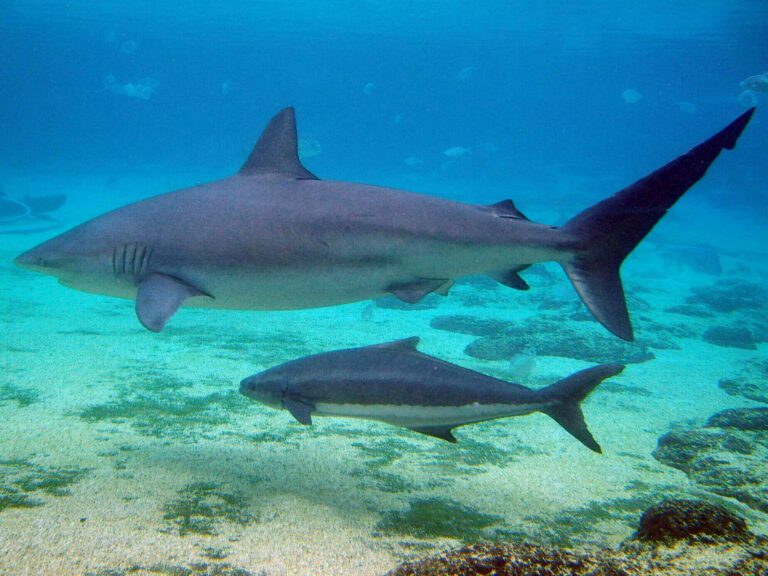
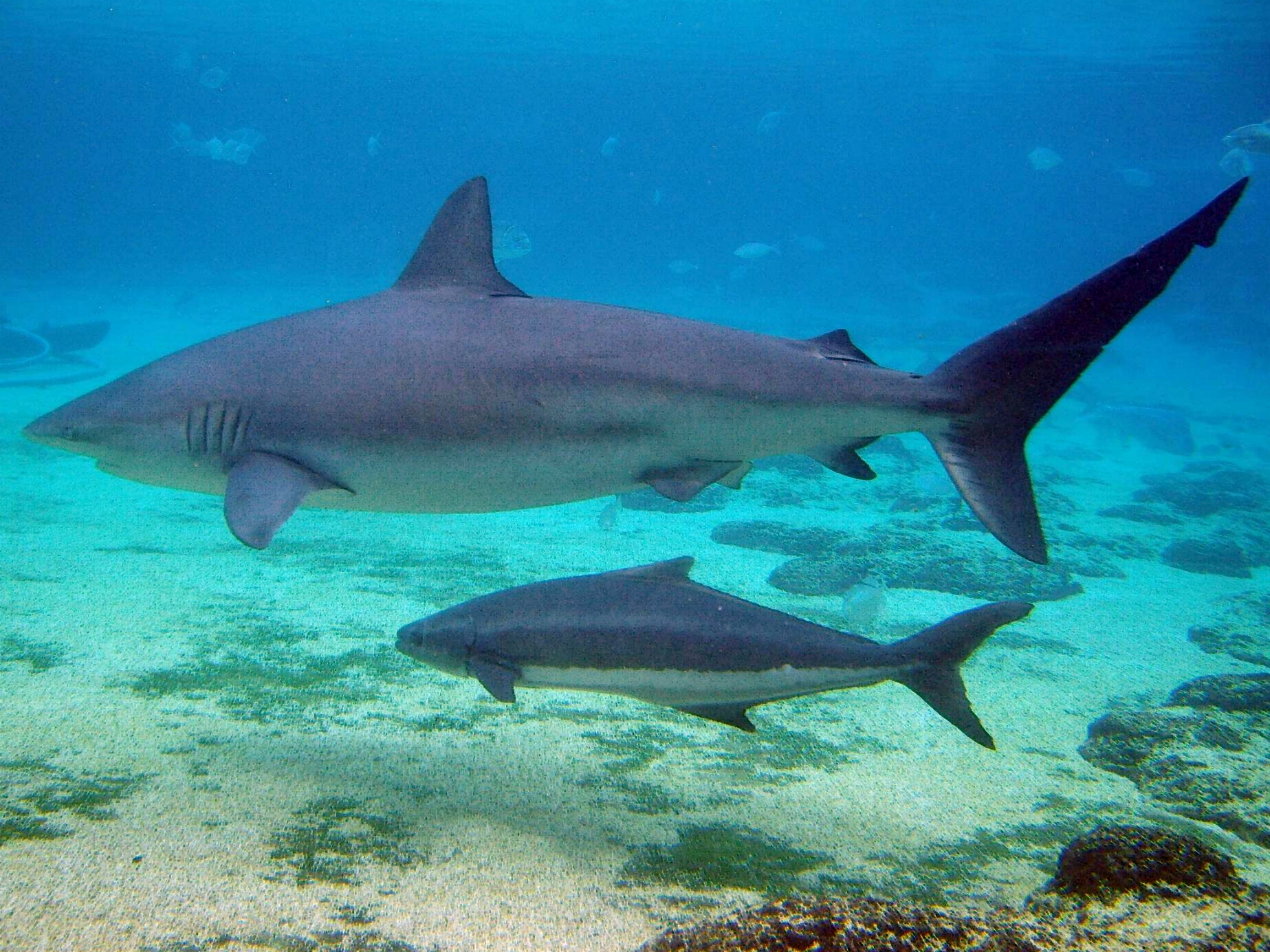
Carcharhinus obscurus. Dusky sharks are wide-ranging coastal and pelagic species that prefer temperate to tropical waters. Via Wikipedia

A swimmer has gone missing following a rare shark attack off the coast of Hadera, Israel, Israeli police and emergency responders reported on Monday. The incident occurred near the mouth of the Hadera Stream, in a section of beach where swimming was officially prohibited. Israel is on the Mediterranean Sea.

Shark attacks are more common in the Red Sea in Sinai, and the beaches of Egypt. There was a shark attack there in the winter, killing one.

“There has never been a fatal shark attack in Israel on the Mediterranean coast,” says local J. Neufield. “Near Hadera there are certain warmer sections of water due to some of the nearby plants (as in electric and desalination) and sharks are attracted to those waters.

“The types of sharks are usually docile and for decades people have swim/snorkeled and dived there to see them. There have been sightings of them coming very close to shore in last few days. This is a very tragic and unusual event and we will have to wait to see official report for circumstances.”

Magen David Adom emergency services said a search operation was underway, involving rescue divers and maritime patrols. Authorities have since closed the beach to the public as a precaution.

Locals caught the attack on film and posted it on X.

Israel’s Channel 12 News reported that during the rescue operation, a diver was also bitten by the shark, escalating concerns about public safety in the area.

An annual gathering of sharks near a coastal power plant in the North of Israel attracts beachgoers, divers and sailors alike. Via Zavit.

Though shark sightings near Hadera and Israel are not uncommon—particularly between November and May—attacks on humans are extremely rare. The region is known to attract dusky sharks (Carcharhinus obscurus) and sandbar sharks (Carcharhinus plumbeus), both of which are large, coastal species. These sharks are typically not aggressive toward humans and are drawn to the warm outflows from the Hadera power station, seen in the background of the X video, and the abundance of food sources near the streams.

Alexander River
Alexander River

In recent days, large fish die-offs in the Hadera and nearby Alexander Streams have likely lured more sharks close to the shoreline. These predators play a crucial ecological role by consuming dead and dying fish, helping to keep coastal waters clean and in balance.

While the Mediterranean Sea is home to over 40 species of sharks, sightings along Israeli shores are relatively infrequent, and serious incidents like this one are exceedingly rare. Authorities are urging the public to avoid swimming in prohibited areas and to report any unusual marine activity. About 15 years ago we reported that shark attacks were up 25% worldwide.

A couple of years ago a seal washed up on shore in Jaffa.

Tropical forests are chemical factories

0
Keemalah Phuket Thailand
A resort in the jungle, on Phuket Island, Thailand

A new study led by researchers at Washington University in St. Louis and the Missouri Botanical Garden has uncovered a surprising layer of diversity in tropical forests. Not only are the forests populated by a dizzying number of tree species, but each of those species takes a different approach to chemistry, increasing the array of natural compounds that provide important functions for the plants — and potentially for humans.

Related: these rainforest trees attract lightning to stay alive

The research helped clarify the ecological and evolutionary forces that make tropical forests such hotbeds of biodiversity. While the team wasn’t specifically looking for compounds that could be useful for humans, their findings underscore the value of tropical forests as natural factories of plant chemicals that could have important uses in medicine and other fields, said Jonathan Myers, a professor of biology in Arts & Sciences at WashU. “Tropical plants produce a huge diversity of chemicals that have practical implications for human health.”

The work was supported by the National Science Foundation (NSF) and the Living Earth Collaborative, a biodiversity initiative involving WashU, the Missouri Botanical Garden and the Saint Louis Zoo. The study was published in the prestigious journal Ecology and led by former ecology and evolution biology graduate student David Henderson, PhD ’23. Missouri Botanical Garden researchers Sebastian Tello, Leslie Cayola and Alfredo Fuentes; chemical ecologist Brian Sedio, at the University of Texas at Austin; and ecologists Belen Alvestegui and Nathan Muchhala, at the University of Missouri-St. Louis, were also collaborators.

Brazil rainforest and waterfalls
Brazil rainforest

The researchers examined tree leaves collected as part of the Madidi Project, a large-scale survey of flora in the Madidi region of the Andes mountains in Bolivia. The team was especially interested in chemical compounds that plants use to help protect themselves from insect herbivores, pathogens and other enemies — a top priority for anything growing in the warm, wet and buggy tropics. They set out to better understand how these compounds differ among species that grow together in tree communities at low and high elevations with contrasting climates.

Using mass spectrometry, a technology that makes it possible to identify and count individual molecules in a sample, researchers uncovered a bounty of chemical compounds. “We identified more than 20,000 unique metabolites in leaf samples from 470 tree species,” Myers said. “It’s an amazing level of chemical diversity.”

More than a third of those compounds were terpenoids, a class of natural chemicals that plants use to fend off insects and diseases. As ingredients in pharmaceuticals, terpenoids have also shown promise in fighting cancer, relieving inflammation and killing harmful viruses and bacteria. About one-quarter of the compounds were alkaloids, a class of plant chemicals that form the basis of many medicines, including pain relievers, anti-malarial drugs and cancer treatments.

The remarkable chemical diversity of tropical forests highlights the need to study and protect these biological hot spots, Myers said. He and his collaborators have contributed data from this project to help create a global database of chemical compounds identified from plants. “With such a database, researchers could look for unique chemicals that could have real value for society,” he said.

In the latest study, Myers and his team analyzed the diversity of tree species and leaf metabolites in wet and seasonally dry forest plots sampled at various altitudes ranging from approximately 2,000 to 11,000 feet above sea level. The higher they climbed, the fewer species they encountered. They identified nearly 140 different tree species in a single 1-hectare (2.5-acre) plot at an elevation of 4,000 feet but fewer than 20 species in a plot at nearly 11,000 feet.

As species diversity dwindled, so did chemical differences among tree species. High in the mountains, even trees from different species tend to use similar sorts of chemicals to protect themselves and cope with abiotic stress. The natural chemical factories only reach their full potential at lower elevations, Myers said.

In the super-diverse, hyper-competitive lowland tropical forests, it makes sense that a tree would employ chemical defenses that are completely different from its neighbors. “If a tree has the same chemistry as a neighbor, it could be vulnerable to the same herbivores and pathogens,” Myers said. Those enemies will do less damage overall if they have to search for different weaknesses for each tree, he explained.

These desalination membranes mean less waste

0
Desalination and power plant powered by the sun
Desalination and power plant powered by the sun in Shebara, Saudi Arabia

Desalination plants, a major and growing source of freshwater in dry regions, could produce less harmful waste using electricity and new membranes made at the University of Michigan.The membranes could help desalination plants minimize or eliminate brine waste produced as a byproduct of turning seawater into drinking water. Today, liquid brine waste is stored in ponds until the water evaporates, leaving behind solid salt or a concentrated brine that can be further processed. But brine needs time to evaporate, providing ample opportunities to contaminate groundwater.

Space is also an issue. For every liter of drinking water produced at the typical desalination plant, 1.5 liters of brine are produced. Over 37 billion gallons of brine waste is produced globally every dayaccording to a UN study. When space for evaporation ponds is lacking, desalination plants inject the brine underground or dump it into the ocean. Rising salt levels near desalination plants can harm marine ecosystems.

“There’s a big push in the desalination industry for a better solution,” said Jovan Kamcev, U-M assistant professor of chemical engineering and the corresponding author of the study published today in Nature Chemical Engineering. “Our technology could help desalination plants be more sustainable by reducing waste while using less energy.”

To eliminate brine waste, desalination engineers would like to concentrate the salt such that it can be easily crystallized in industrial vats rather than ponds that can occupy over a hundred acres. The separated water could be used for drinking or agriculture, while the solid salt could then be harvested for useful products. Seawater not only contains sodium chloride—or table salt—but valuable metals such as lithium for batteries, magnesium for lightweight alloys and potassium for fertilizer.

Desalination plants can concentrate brines by heating and evaporating the water, which is very energy intensive, or with reverse osmosis, which only works at relatively low salinity. Electrodialysis is a promising alternative because it works at high salt concentrations and requires relatively little energy. The process uses electricity to concentrate salt, which exists in water as charged atoms and molecules called ions.

Here’s how the process works. Water flows into many channels separated by membranes, and each membrane has the opposite electrical charge of its neighbors. The entire stream is flanked by a pair of electrodes. The positive salt ions move toward the negatively charged electrode, and are stopped by a positively charged membrane. Negative ions move toward the positive electrode, stopped by a negative membrane. This creates two types of channels—one that both positive and negative ions leave and another that the ions enter, resulting in streams of purified water and concentrated brine.

But, electrodialysis has its own salinity limits. As the salt concentrations rise, ions start to leak through electrodialysis membranes. While leak-resistant membranes exist on the market, they tend to transport ions too slowly, making the power requirements impractical for brines more than six times saltier than average seawater.

The researchers overcome this limit by packing a record number of charged molecules into the membrane, increasing their ion-repelling power and their conductivity—meaning they can move more salt with less power. With their chemistry, the researchers can produce membranes that are ten times more conductive than relatively leak-proof membranes on the market today.

The dense charge ordinarily attracts a lot of water molecules, which limits how much charge can fit in conventional electrodialysis membranes. The membranes swell as they absorb water, and the charge is diluted. In the new membranes, connectors made of carbon prevent swelling by locking the charged molecules together.

The level of restriction can be changed to control the leakiness and the conductivity of the membranesAllowing some level of leakiness can push the conductivity beyond today’s commercially available membranes. The researchers hope the membrane’s customizability will help it take off.”Each membrane isn’t fit for every purpose, but our study demonstrates a broad range of choices,” said David Kitto, a postdoctoral fellow in chemical engineering and the study’s first author. “Water is such an important resource, so it would be amazing to help to make desalination a sustainable solution to our global water crisis.”

These fancy gorillas in the Congo hunt truffles, not ants

0

truffle gorilla

A scientific paper recently published reveals that soil scratching by gorillas in Congo’s Nouabalé-Ndoki National Park is a foraging strategy to access a species of deer truffle, identified as Elaphomyces labyrinthinus, and not insects, as long assumed.

These findings were developed by Gaston Abea, who became the first Indigenous Person in Ndoki to become the lead author of a peer-reviewed scientific paper.

This truffle gorilla foraging behavior seems to have social implications: While not all gorilla groups engage in it, some individuals may give it up or resume it when they migrate from one group to another, allowing for more insights into their social structure.

Abea Gaston
Gaston Abea

Abea drew on his traditional knowledge and tracking skills to document this behavior in detail. After a decade of observations, Abea and research teams at Mondika and Goualougo field stations were able to eventually collect specimens of the food item foraged by the gorillas scratching the ground for taxonomic identification. Ultimately, this research led to the recent publication in Primates.

“My people’s traditional knowledge of these forests is endangered by modern lifestyles but is proving invaluable in continuing to study and preserve these ecosystems,” said Abea.

Abea is one of a 100+ Congolese Research Assistants trained at Ndoki since 2005, a growing number of whom come from neighboring villages, and from Indigenous Ba’Aka communities.

Related: have you tried a desert truffle?

“Our ancestors used to hunt gorillas, now we protect them, and I hope to inspire other Ba’Akas to do the same,” said Abea.

Born in Bomassa, the closest village to the park, Abea is of the semi-nomadic Bangombe people. He has been working for the park since 2000 in various capacities. His dedication and eagerness to learn led him to progress steadily and become co-author of seven peer-reviewed scientific papers.

“This is Gaston’s first article as lead author, a milestone for his career, and for our capacity-building efforts: he is the first research assistant of Indigenous People’s origin to become first author, in the Ndoki landscape,” said WCS partnering conservationist David Morgan of the Lincoln Park Zoo, researcher at both research sites involved in the findings.

The article was part of a Special Issue of the journal Primates, dedicated to “Twenty-five years of primate research in the Ndoki forest.” Abea’s efforts identifying key areas for gorilla truffle feeding at Mondika prompted to shift the potential locations of tourism-related infrastructure to safeguard this behavior.

Most significantly, his findings were included in an ecological impact assessment of the Djéké Triangle, where the Mondika Research Station is located, which provided the evidence for the land management decision-making process that resulted in the inclusion of the Djéké Triangle in the Nouabalé-Ndoki National Park in 2023.

Said Morgan: “This is an exciting finding for our understanding of gorilla foraging behavior, and we found indications of social implications of soil scratching within groups. For example, an adult female emigrated from one gorilla group where this behavior was rare to one where it was nearly a daily occurrence, and modified her habits.”


Grassland: what happens when you go to jail for growing cannabis and it’s now legal?

0
Grassland movie trailer, still

Legalized, medical cannabis has changed lives in Canada, America and Israel where it is easy to access and research is developed. It is prescribed by doctors and used by children to treat extreme cases of epilepsy, and it also helps adults with PTSD, pain from cancer, and it’s byproducts like CBD is used as a neutraceutical.

Now that’s it’s legal in more than half of all US states, what should be done with the people incarcerated when it was outlawed?

Grassland, a timely social justice narrative film highlighting the perils of cannabis incarceration, is now available for streaming on Apple TV, Amazon, Roku, and more.

The story follows Leo (Cabot-Conyers), a curious and sensitive young boy whose world is turned upside down when he befriends his new neighbors—an inquisitive young white boy and his police officer grandfather (Kober). Unknowingly, Leo’s friendship places his single mother (Maestro), who is secretly running an illegal cannabis business, at risk.

Grammy, Emmy, and Oscar-winning artist Common serves as an Executive Producer. The film stars Mía Maestro (The Motorcycle Diaries), Quincy Isaiah (Winning Time), Jeff Kober (Sons of Anarchy), Ravi Cabot-Conyers (Star Wars: Skeleton Crew), and Sean Convery. Rounding out the cast are Rachel Ticotin, Armando Riesco, Claudia Robinson, and newcomer Elizabeth Cuzzupoli. Set in 2008, amidst the economic recession, Grassland explores the stark realities of racial inequality in the criminal justice system.

The Grassland team launched a robust impact and advocacy campaign aimed to target relevant federal, state-level criminal justice reform and the estimated 40,000+ Americans still in prison on low-level cannabis possession charges, despite the legal cannabis industry reaching over $30 Billion in 2024 in the U.S.

The film partnered with Common’s organization, Free to Dream, as well as lifestyle brand Shinola and Last Prisoner Project in its impact campaign. As part of their partnership with Shinola, the film’s team launched a multi-city screening tour featuring panels with activists in the cannabis equity space.

Executive Produced by Common and Directed by William Bermudez and Sam Friedman, Grassland offers an intimate portrayal of race, justice, and family, telling a story of friendship, courage, and sacrifice. As Leo’s desire to protect his family unknowingly jeopardizes their safety, the film powerfully illustrates the devastating cost of systemic injustice.