Home Blog Page 354

Bill Gates Seeks Next Generation Condom

3

condom in pocketBuild a Better Rubber, They will Come? The Bill and Melinda Gates Foundation will grant $100k to the inventor of the next generation condom.

Condoms have been around for 400 years, with very little improvements over the last 50 years, according to Grand Challenges in Global Health, a research foundation established by the Bill and Melinda Gates Foundation – the one that funded a new kind of toilet.

To bring the condom into the 21st century, Global Health is offering the grant to anyone who can develop the best “testable hypothesis” for a condom that can preserve or enhance pleasure. “The primary drawback from the male perspective,” they state is that, “condoms decrease pleasure as compared to no condom, creating a trade-off that many men find unacceptable, particularly given that the decisions about use must be made just prior to intercourse.”

Will this improve the use of condoms in the Middle East, an area that traditionally has shunned the sheath?

Ultra-light Dubai Car Travels 1000 KM On One Liter of Fuel!

Shell, lightweight car, Eco-Marathon, Emirati car, car travels 1000km on one liter, Middle East, green transportation, fuel efficiencyWhile some in the United Arab Emirates insist on developing unsustainable vehicles like this solid gold mercedes car powered by biofuel, engineering students from Dubai have been hard at work designing a more modest vehicle that should be able to travel as far as 1,000 kilometers on just one liter of fuel.

Ironically, the team from Higher Colleges of Technology Dubai Men’s College will race their car at a competition hosted by a corporation that has met a lot of resistance for their unsustainable fracking plans in several countries in the Middle East and North Africa. Shell’s Eco-Marathon slated to take place in Kuala Lumpur between July 4 to 7, 2013 will be attended by a total of five teams from the UAE, as well as a host of international collegiate groups.

Direct Seeding Helps Moroccan Farmers Adapt to Climate Change

1

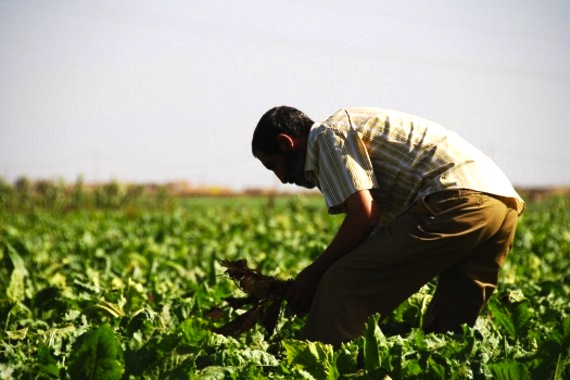
agriculture, direct seeding, drought, water scarcity, Plan Maroc Vert, World Bank, sustainable agricultureFarming is risky business in Morocco, where a 30 percent drop in precipitation since 1970 makes steady, predictable annual crop yields virtually impossible. So the World Bank was called in to help implement Plan Maroc Vert – an ambitious initiative designed to boost the country’s cereal production and create a more sustainable agricultural sector by 2020.

And though Morocco’s Berbers have long cultivated water management practices that sustained their crops, it turns out that direct seeding can substantially improve yields in an uncertain future.

The Birdmen of Istanbul Film Follows Songbird Lovers of Times Past

0

birdmen of istanbul film

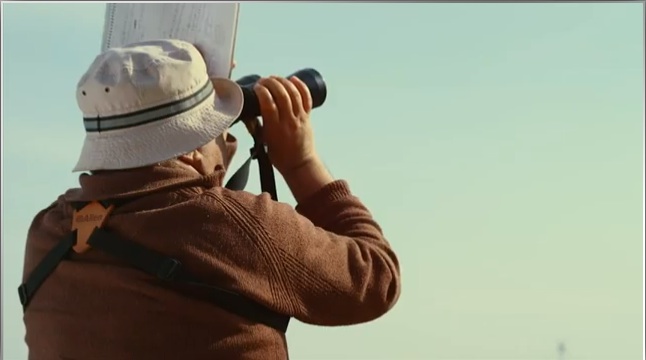
The Birdmen of Istanbul, a film by Ali Naki Tez, follows the reclusive, fascinating old men who have devoted their lives to tending Istanbul’s songbirds. The documentary opens on two old men discussing a mysterious ailment. It alienates you from your family, your work, your regular social circle, they say, before revealing the culprit: bird disease. Not bird flu, but an obsession with birds so intense that it has brought grown men to tears, bankrupted others, and lifted others to transcendent heights of joy.

Futek’s Solar Cell Plants Shrink Egypt’s Fossil Fuel Addiction

1

fossil fuel, oil, gas, Egypt, solar, clean tech, renewable energy, solar energy, alternative energy Futek is about to break ground on a new solar cell manufacturing plant in Egypt, which is expected to cost roughly USD 3 million to construct. This is the company’s third such plant in the solar-rich north African country, which combined with the others costs a total of USD 7.35 million to run.

President of Futek’s Board of Directors, Mohamed Helal told Daily News Egypt that he hopes the new manufacturing facility will boost production capacity so that the company can reach new markets and increase exports. But he also laments a series of obstacles that curtail wider development of similar renewable energy projects throughout the country.

Ancient freekeh fires up new recipes

1

food, health, freekeh, grain, quinoa, slow food, sustainable food, ancient middle eastern grainIf you told someone from the Middle East that progressive, health-conscious Americans have fallen in love with freekeh, they might raise their eyebrows in surprise or roll their eyes in utter boredom, since people in this region have enjoyed the benefits of the ancient grain said like “freak eh” for eons.

But for westerners, freekeh is the latest in a slew of boutique grains gaining popularity as alternatives to other staples. Wheat harvested before it is completely ripe, the grain has nutritional value that far exceeds that of its more widely-known competitor – rice.

Freekeh is harvested when the yellowish kernels inside are still soft and moist.

Freekeh tastes like smoked grains
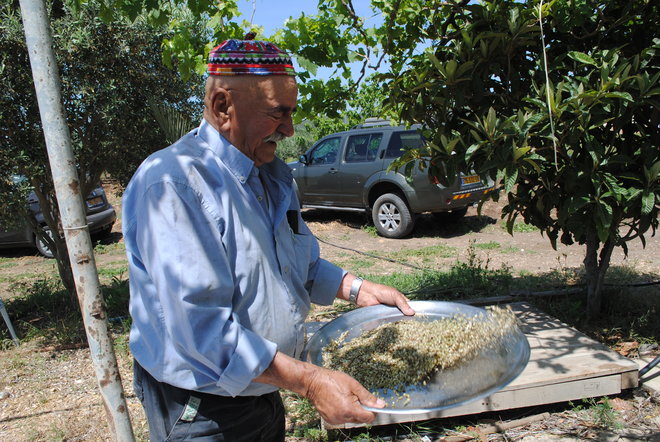
winnowing freekeh

They are then stacked and left under the sun to dry, after which the freekeh grains are carefully roasted over a fire so that the shells are sloughed off (or rubbed, which is roughly how freekeh is translated from Arabic) without destroying the chewy inside.

Said to have a smoky flavor, freekeh is great as a standalone dish, or mixed with fruits and vegetables in all kinds of new, exotic combinations.

Speaking to The National, Ghina Hamoui, a nutritionist at Emirates Hospital and Cosmesurge said that freekeh has a 10 percent fiber content, virtually no fat, a decent amount of protein, and certain beneficial vitamins and minerals such as B1 and B2.

“While it should be avoided by coeliacs and people on gluten-free diets,” she told the paper.

“It has a lower glycemic index than rice which means it gives more satiety and fullness as well as raising blood sugar less.”

Sounds like the story of quinoa?

This is not the first time that a grain from the developing world has gained traction in the west – to the detriment of their producers. Quinoa, for example, is pitted as one of the best grains for heart health, but Andean farmers who have grown it for centuries can no longer afford to purchase it themselves because its popularity in the west has driven up costs.

Similarly, argan oil produced from a nut that was traditionally processed by goats and used in a variety of applications – including food and cosmetics, has become enormously popular in the west.

For now this demand has been a boon for Moroccan women who are employed to produce modern varieties of the oil, though careless management could quickly tip the scale.

Freekeh might become a more sustainable option for western foodies than other boutique grains, as several kitchens around the globe boast its unique taste and nutritional qualities.

Or it might remain hidden in dishes across Egypt, Syria and other parts of the Middle East.

Image of freekeh meal via Star Chefs

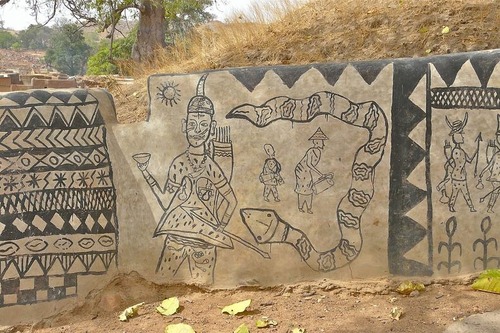
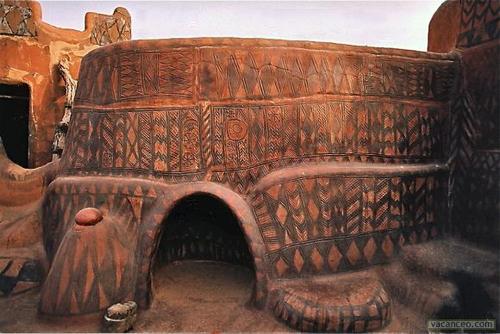
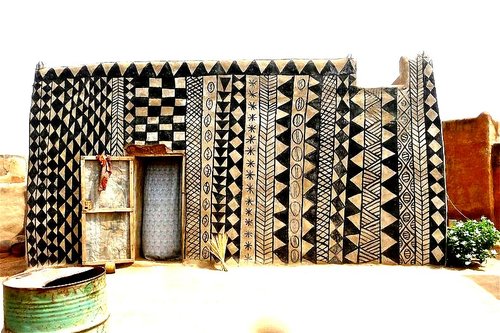
Artistic Gourounsi architecture in Burkina (Photos)

Gourounsi architecture

Mixing art and earth architecture in Burkina Faso

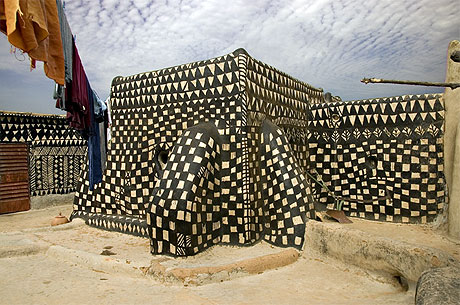
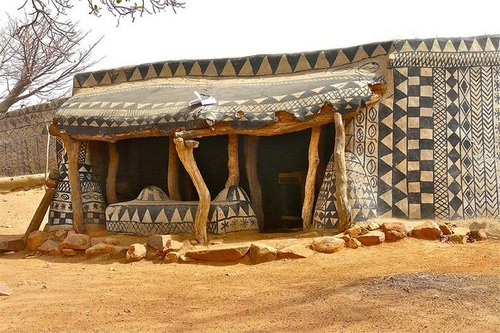
In the south of Burkina Faso, west Africa, near the border with Ghana lies a circular village called Tiébélé. Home of the Kassena people, one of the oldest ethnic groups that settled in Burkina in the 15th century. Tiébélé is known for its creative Gourounsi architecture and elaborately decorated walls.

tumblr_inline_mkbldkqmEo1qz4rgp

These homes recall the adobe earth buildings championed by Nader Khalili, however the artistic aspect is much more explored here. It would be interesting to mix the architectural aspect of  Super adobe with the artistic style of Gourounsi.

tumblr_inline_mkblcrE18f1qz4rgp

tumblr_inline_mkbp6apjBL1qz4rgp

tumblr_inline_mkblc4hCcG1qz4rgp

tumblr_inline_mkblj5MuS41qz4rgp

Dusting Off Solar Panels With an Electric Charge

2

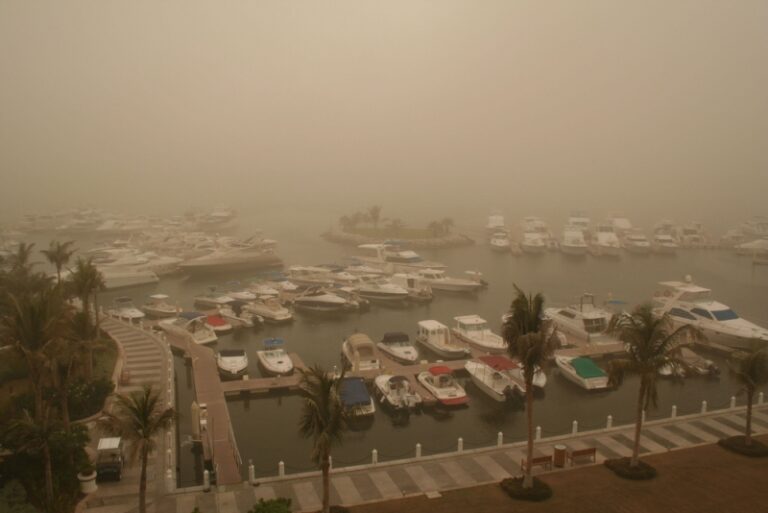
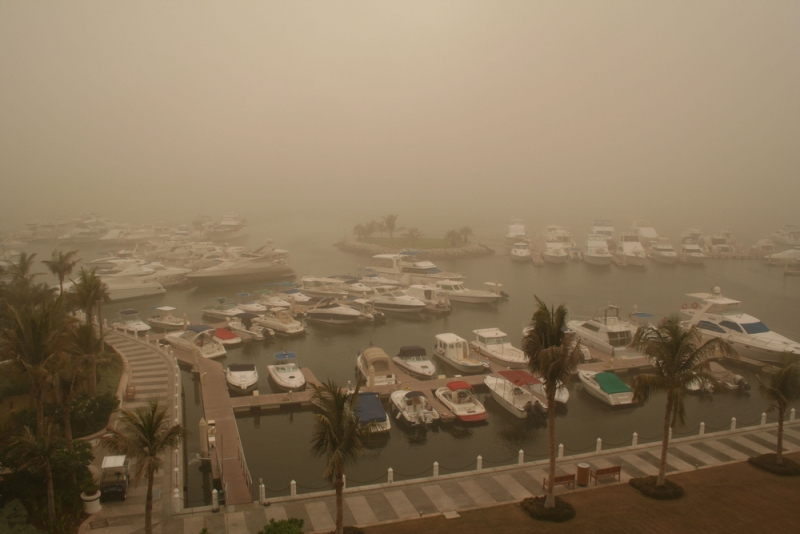
 Dust Storm in Dubai harborDubai is prone to frequent dust storms. A new solar panel dust particle remover made in Israel boosts power and cleans off dust at the same time

Solar voltaic panels, which at their best only have about 25 percent efficiency for converting direct sunlight into electricity, have even less efficiency than this when dust and heavy air pollution is factored in. A number of solar innovations can deal with desert dust and sand storms including Martian technology from  earth to Mars space programs for ‘zapping’ dust from solar panels on terrestrial unmanned exploration vehicles.

Due to frequent dust and sand storms in the United Arab Emirates (like at Shams solar plant) and other parts of the Middle East, the efficacy of the solar cells is reduced even less if they are afterwards covered with dust. In order to alleviate this problem, a researcher, Sergey Biryukov at Israel’s Ben Gurion National Solar Energy Center came up with the idea of using an electrical field to “charge” the dust particles and repel them from the solar panels.

Sustainable Table Film Shows What’s On Your Plate

0

sustainable plate, what's on your plate

Miriam has been covering a series of sustainable meal recipes from the Middle East region, from countries like Saudi Arabia, Jordan and Iran to help people reconnect with their local food (click the countries to get some great local recipes).

We know that food industry is shaping the future of our bodies and our planet, and not in the best way. When you last tucked into dinner, did you pay any attention to where the ingredients came from? What’s on your plate? Where does it come from? The documentary Sustainable Table: What’s On Your Plate looks into the food we eat. While the film covers what’s going on in America the lesson can be applied to our global village, patterning itself on the West. 

Ali Barbour Cave Restaurant in Kenya Offers Flintstone Fine Dining

0

Kenya, locally-sourced food, vegetarian, Ali Barbour Cave Restaurant, travel, nature, 180,000 coral caveEating at unique restaurants around the world is just one of the perks of a traveler’s life, but these experiences are always more fun when shared with our readers – especially when it involves subterranean spaces, that brought to mind these 700 year old cave homes in Iran.

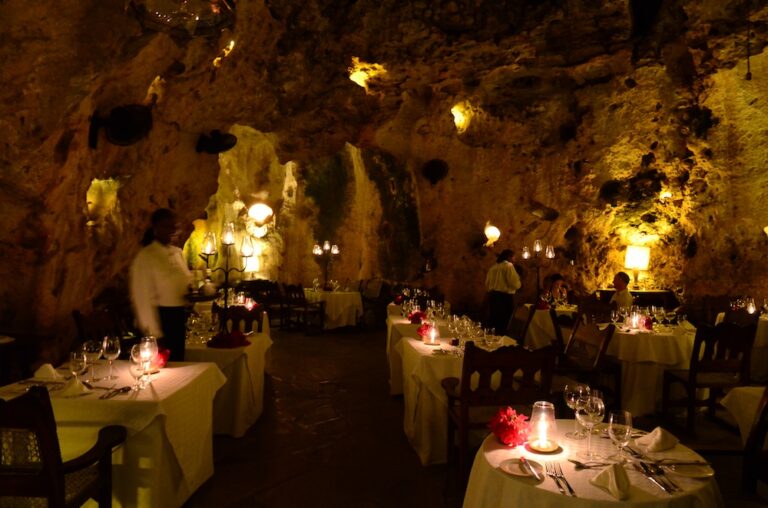
Thought to be up to 180,000 years old, Ali Barbour Cave Restaurant is a multi-chamber coral cave in Kenya’s Diani Beach. Converted upon the property owner’s surprise discovery three decades ago, the fine dining establishment is now world renowned not only for its remarkable ambience, but for dishing up some of the best food we have eaten in the country to date.

First African-Styled Hunting Resort in Gulf Country Will Serve its Kill

1

hunting, desert, UAE, sport, gazelle, Al Ain, boutique, lodgeWith the advent of modern agriculture and technology, it is no longer necessary for most people to shoot their dinner. Yet the taste for the sport of tracking and shooting an animal has persisted, and in some countries, hunting is carefully regulated to maintain a sound balance between predator and prey.

Working with the local environmental agency, a new resort in the United Arab Emirates hopes to entice hunters to come and “kill for the pot” at their high end desert lodge near Al Ain. For a steep sum, they can hunt for deer and gazelle, which will be cooked by trained staff at the end of each day.

Nanophotonic Building Panels Beam Sunlight and Heat into Cold Space

4
glass house design, hipster
Is a glass house an ecological liabil

Finding building materials that are appropriate for hot desert conditions is one of the biggest challenges facing the Middle East and North Africa region’s construction industry. While earth used in architecture found in Egypt, Libya, Yemen and elsewhere is typically considered the most effective material for keeping interior temperatures low while the sun acts like a giant blowtorch outside, it isn’t popular among contemporary designers.

Instead, we see a lot of new buildings – particularly in urban environments – constructed with steel and glass, which exacts an enormous cooling load and requires water, another scarce resource, for cleaning. But the future holds promise; researchers from Stanford University have created a nanophotic panel that reflects sunlight off of buildings (or cars and other structures), and beams heat out right of the earth’s atmosphere.

Scientists have long sought a way to prevent buildings from absorbing heat from sunlight during the day and radiating it back into space, and now a team from Stanford University have done that. They published their findings in the journal Nano Letters.

The trick is to produce a material that can not only reflect sunlight, to prevent absorption of heat, but also to radiate that thermal energy beyond the earth’s atmosphere at a very specific wavelength to ensure that the heat isn’t simply radiated back to earth.

Known as the greenhouse effect, this trapping of heat is one of the mechanisms behind global warming and climate change.

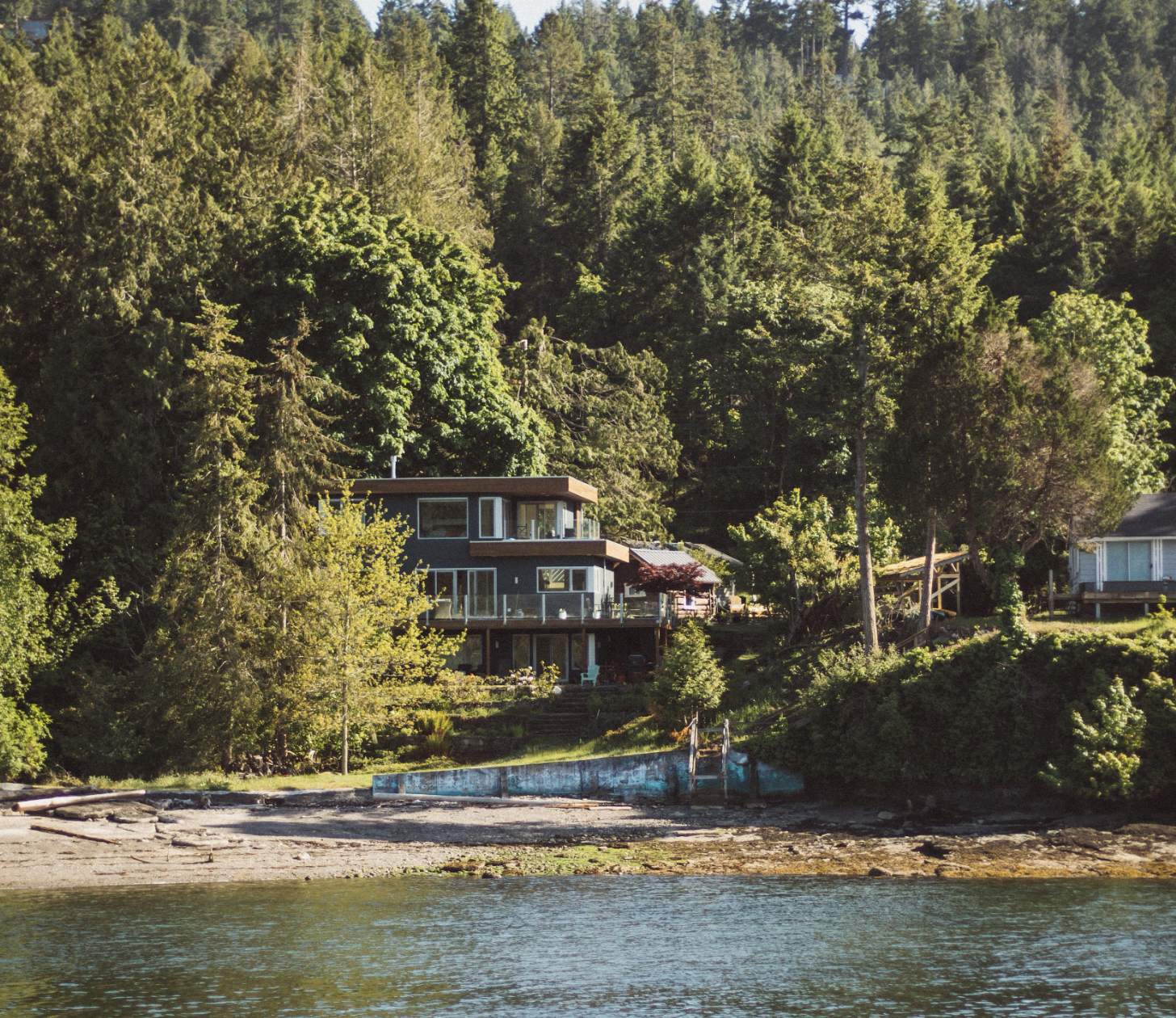
Glass house on a lake in Canada

“We’ve developed a new type of structure that reflects the vast majority of sunlight, while at the same time it sends heat into that coldness, which cools manmade structures even in the day time,” Shanhui Fan, professor of electrical engineering and the paper’s senior author, told Physorg.

They have been able to incorporate both the reflective and radiative cooling effects into one material, which is made of quartz and silicon carbide. While it is unclear how readily available these materials are for mass production, or whether they can be harvested from existing materials, they don’t absorb sunlight well, which allows the building or car on which they are placed to stay cool even during the heat of the day.

Replacing just 10 percent of a roof’s surface with this material can theoretically mitigate 35 percent of that building’s cooling load, according to Physorg, – an exciting prospect for governments that are serious about slashing their energy consumption in the face of growing energy scarcity.

Even better, this passive technology mitigates carbon emissions given that air-conditioning units would be obsolete in a building clad in such engineered panels.

As our informed followers point out, the Stanford team’s breakthrough is still conceptual, but at the very least scientists are starting to think more creatively about how to reduce the building industry’s detrimental environmental impact.


Upgraded LEED V4 Version Demands Energy and Water Meters

11

LEED, Dewa, Dubai, USGBC, LEED v4, green design, sustainable design, eco-design
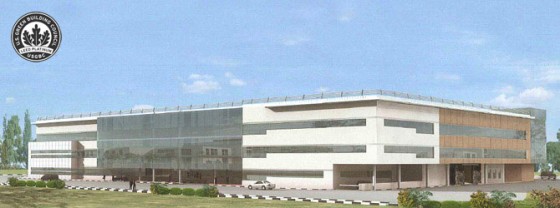
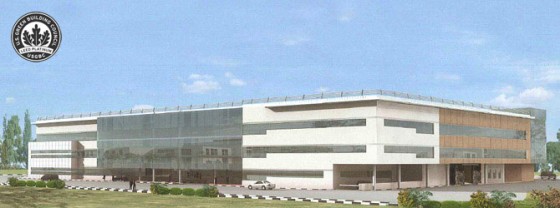
The Leadership in Energy and Environmental Design (LEED) green building standard devised by the United States Green Building Council often comes under fire for being insufficiently rigorous – particularly for large commercial buildings. Now a new version  – LEED v4 – has been established. Taking effect in November, 2013, LEED v4 incorporates four new standards designed to improve the performance of buildings, one of which makes it mandatory for developers to install energy and water meters, The National reports.

Community Gardens Sprout in Israeli Desert Town

3

נגינון הטיפולי באילן מרכז יום לנכים קשים_D21פינות בגינת בית Aהעיוור_01

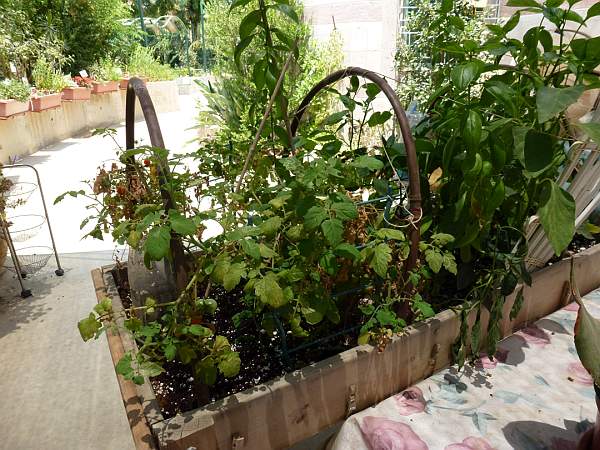
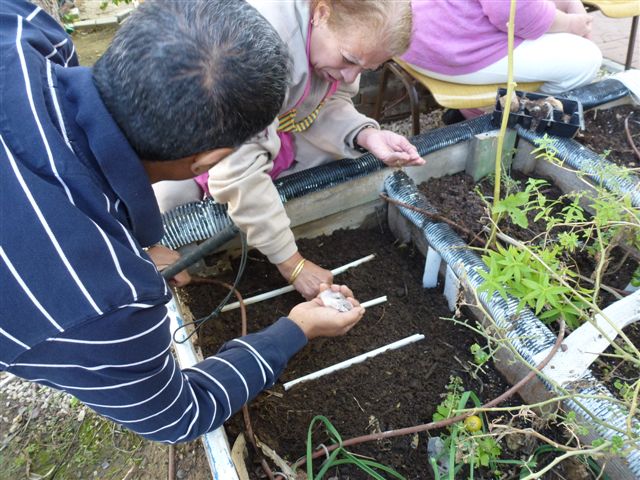
In September 2012, the Israeli desert city of Beersheva became the second municipality in Israel to staff the newly created post of community gardens coordinator. The multidisciplinary position was born through fruitful cooperation between two of the city’s municipality departments – environmental and welfare, following a strategic process aimed at reinforcing local community and environmental elements while encouraging activism amongst the city’s residents. This move marks a significant shift in policy as the municipality re-defined its role over the issue of community gardens around the city.

While previously it served mainly as aid-provider to environmental organizations that initiated and operated the gardens, now the municipality controls and formulates communal gardens.

Beersheva Municipality encourages this sustainable activity using diverse resources, including conducting training programs, holding round-tables events involving the environmental organizations, and daily liaison with the local residences’ groups.

To learn more about the subject, I recently had a talk with Achikam Averbouch, who was appointed for the job of community gardens coordinator.

Dead Sea Mining Company Plans Dubious Merger With Canadian ‘Natural Resource’ Firm

2

Israel Chemicals Dead Sea Plant, Ofer VakninAn Israel Chemicals Dead Sea mining plant; Photo by Haaretz/Ofer Vaknin

Despite the recent heavy rains and flooding in Israel that helped replenish water in the Dead Sea, the salt lake in the ‘lowest point on earth ‘ is still suffering from a sharp decline in water levels due in part to the ongoing mineral harvesting activities by Israel and Jordanian chemical industries who cause the water to disappear further by evaporating it to extricate bromides and other chemicals for use in chemicals as well as in the fertilizer industry.