Home Blog Page 331

Powering Buildings With Bioreactor Algae Skin Facades

8

algae power panelA five-story apartment building in Hamburg, Germany gets its juice from its algae skin.  It’s an example of the kind of architectural innovation that could readily transplant to the Middle East.  So why is partnership between designers, investors and government largely absent in this region?

The continuing drought of global investment requires innovative approaches to project underwriting.  The most successful strategies involve collectives of stakeholders each with a  unique interest in a common project. Singularly, none would back the initiative, but in combination with others, sufficient momentum is created to realize the scheme.  There’s power in unusual partnerships, but let’s get back to the building.

The Bio Intelligent Quotient House (BIQ) was designed by Arup, SSC Strategic Science Consultants and Splitterwerk Architects to demonstrate the use algae as an alternative to other renewables for heating and cooling large buildings. BIQ, which contains fifteen apartments, is the first building in the world to be powered exclusively by algae.

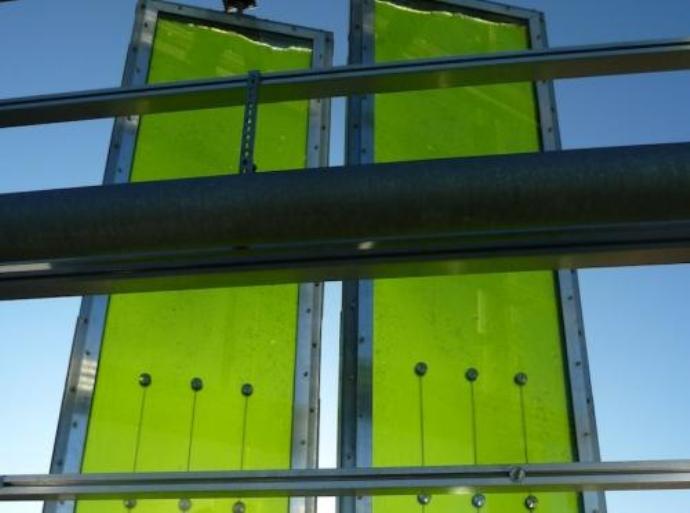
One hundred and twenty-nine algae filled tanks are suspended across the southeast and southwest sides of the building. The algae was harvested from the nearby Elbe River and placed inside thin rectangular cases.  Each transparent tank was then attached to scaffolding around the building exterior.

The tanks turn mechanically to face the sun, similar to solar collector technology. An automated system also provides carbon dioxide and nutrients to the algae, which lives in a water solution inside each panel.

first algae pwoered buildingThe growing algae provides shade for the building and also works as a buffer for ambient noise.  Excess heat that collects in the tank water is transferred to underground storage for later use. Algae growth is monitored, with occasional harvesting. Inside a building laboratory, the harvested biomass is converted to biogas which can be burned to provide winter heat.  Algae produces up to five times as much biomass per hectare as terrestrial plants and contains oils that can be also be used for energy.

The design and construction of the $6 million BIQ has taken three years, funded by Internationale Bauausstellung as part of the ongoing International Building Exhibition 2013.  It’s one of 16 featured projects that seek to demonstrate cost effective ways of bio-friendly building. BIQ serves as a test case to be studied by architects and engineers from around the world, assessing potential impact beyond its Hamburg location.

Instead of copycatting fast-food and home delivery, why not replicate a Western concept that might positively shape the Middle East’s future? Germany has a long history of building exhibitions, a tradition that would easily export to deep-pocket Arab countries like Qatar, Saudi Arabia and Dubai.  These nations could underwrite building competitions and exhibitions bespoke to the challenges of the Middle East, encourage home-grown innovation and generate ideas to solve our most pressing problems. A girl can dream…
 

Young Egyptian Designers Use Fashion to Change Our Plastic Habits

2

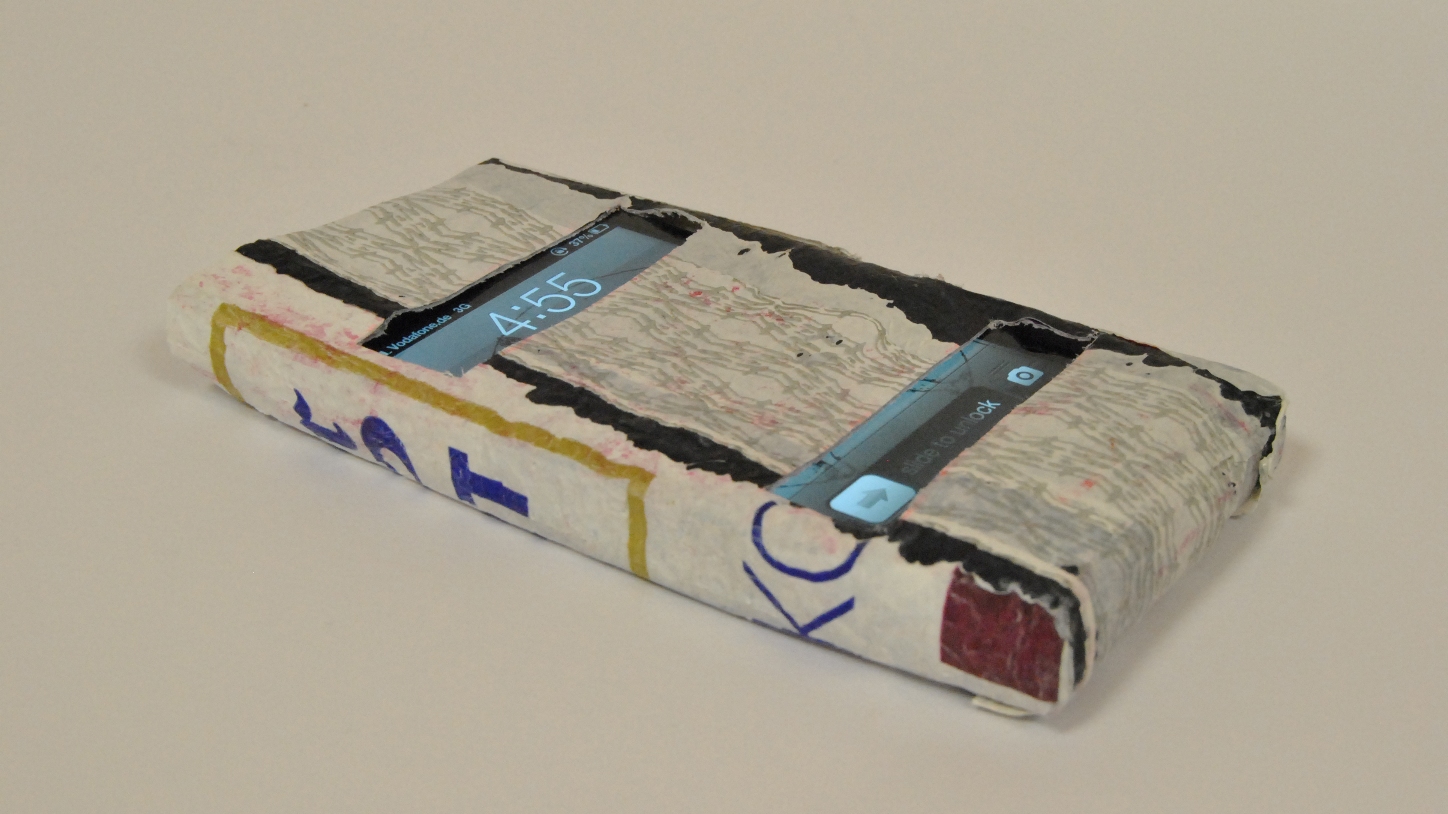
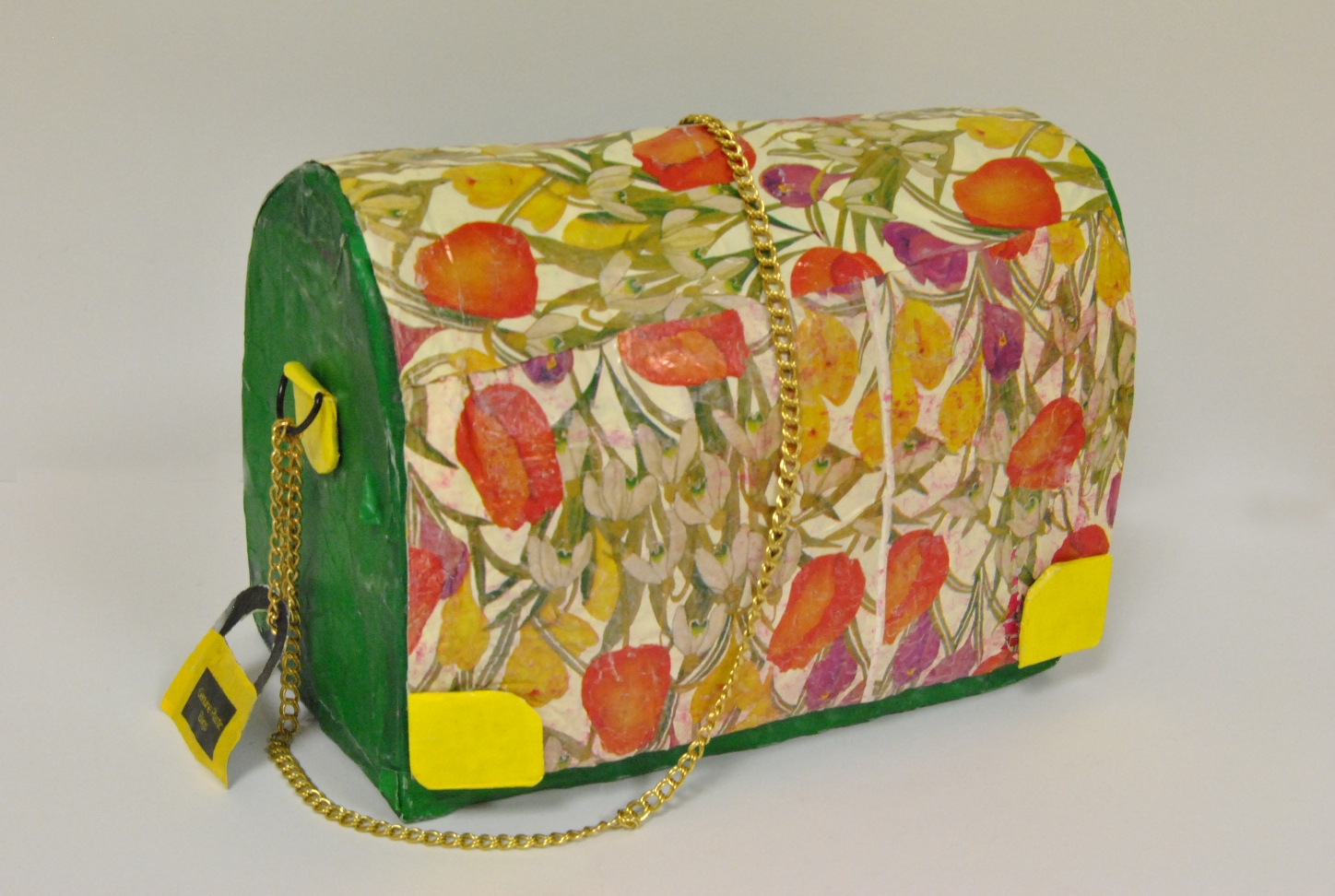
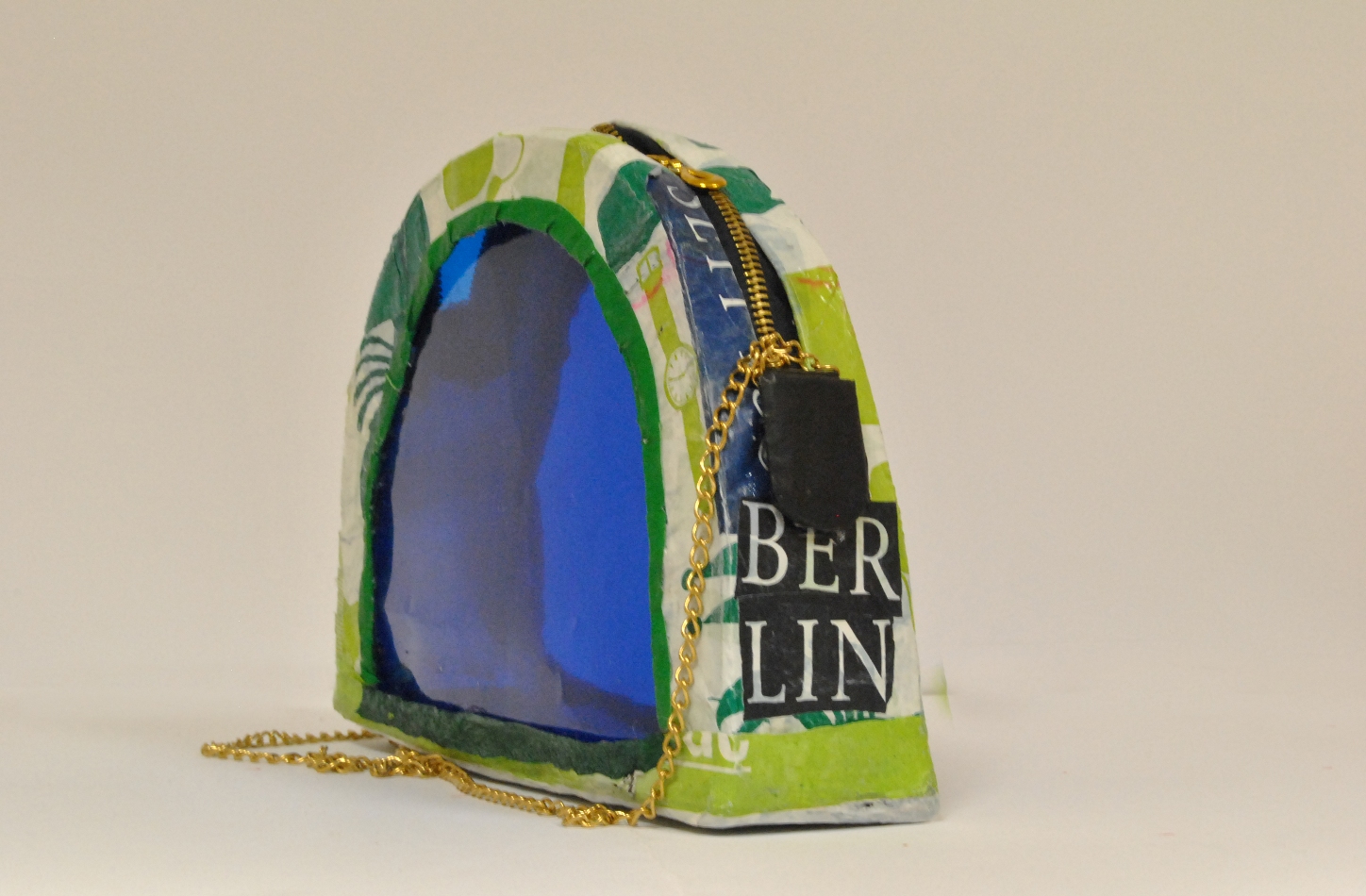
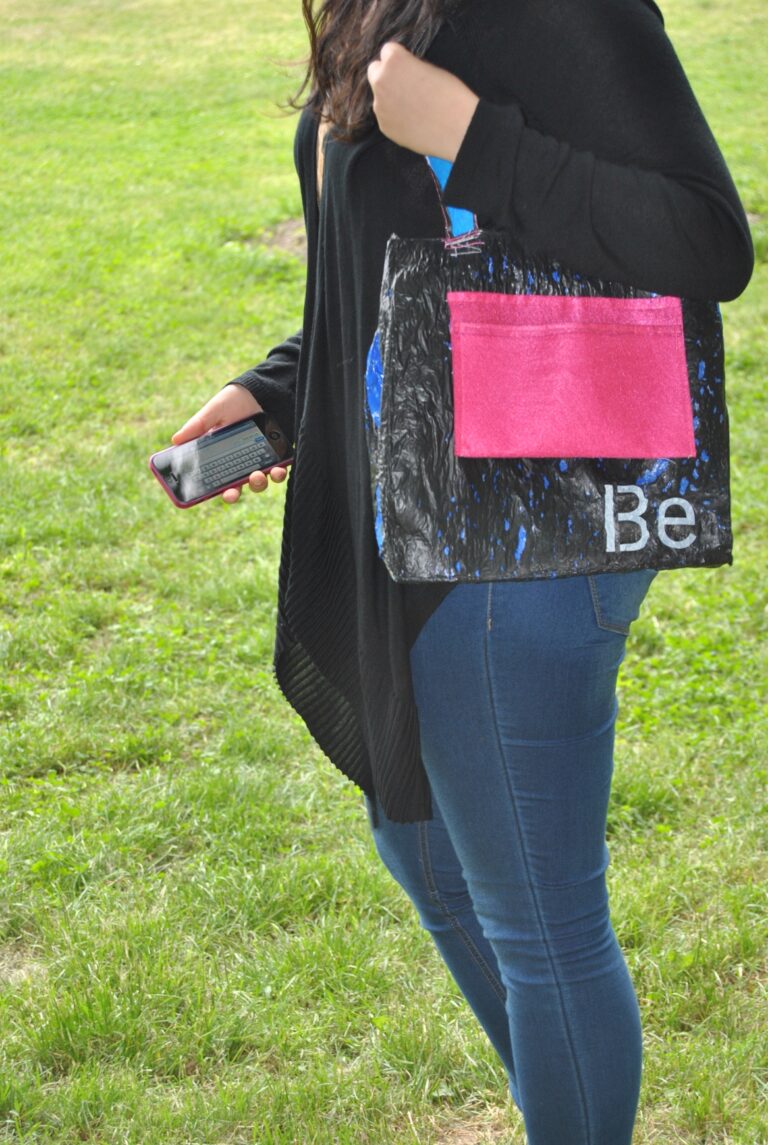
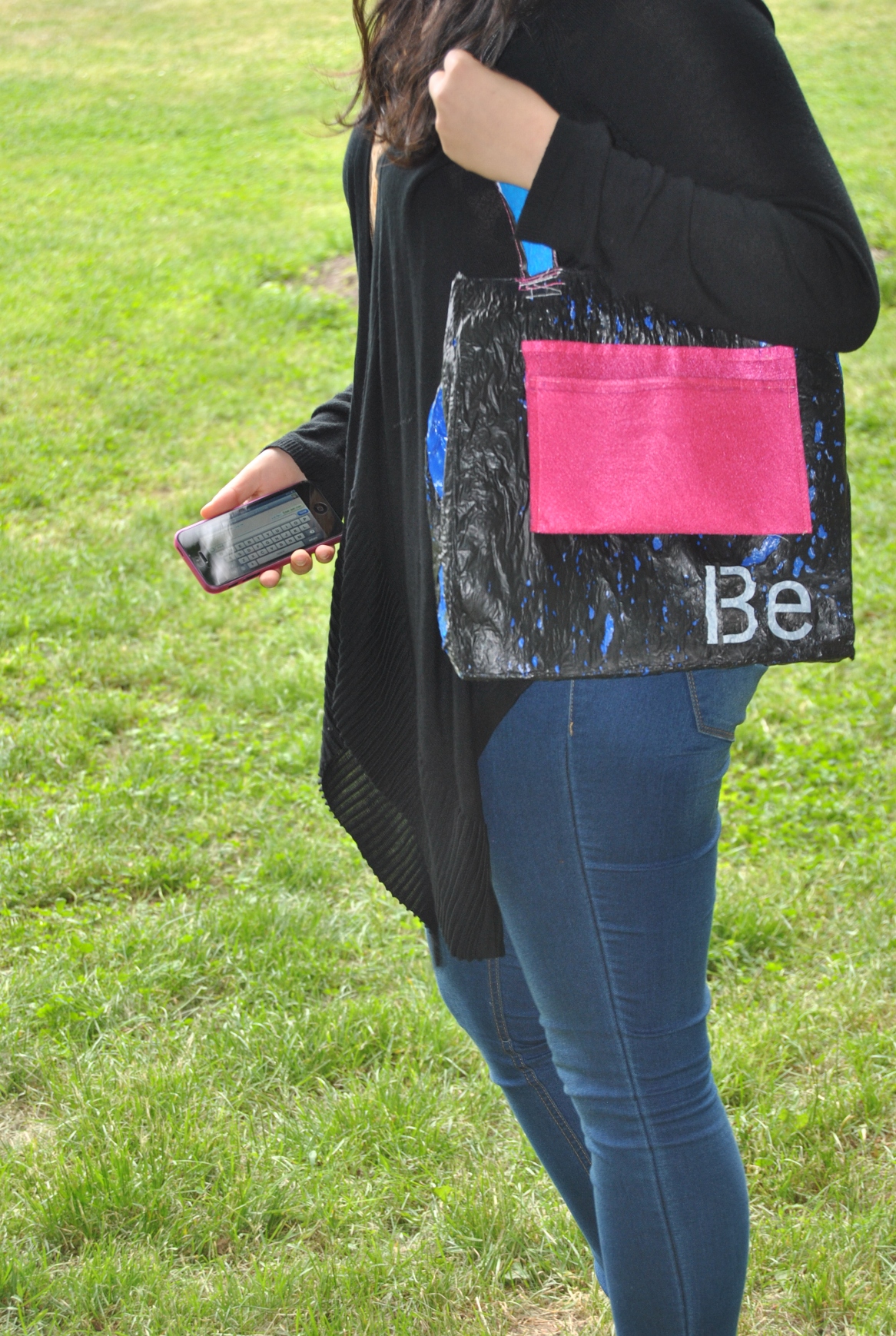
Yara Yassin and Rania Rafie Young Egyptians Yara Yassin and Rania Rafie are embarking on a business that makes bags from bags – innovative handbags sewn from throwaway plastic.  It’s not a gimmick, a serious environmental message underpins the venture.

The freshly minted design school grads share a heightened awareness of modern consumerism, and hope to spread the word that our daily habits have powerful and negative global impact. Green Prophet had a chat with the upcycling duo.

Green Prophet: Tell the readers about yourselves.

Yara/Rania: We are two Egyptian designers who graduated this past winter from the German University in Cairo.  We spent our last semester in Berlin in an exchange program run by our university.  We created this project together, under the supervision of Tim Braun.

GP: What did you study?

Y/R: We studied Applied Arts and Design, majoring in Product Design. Our field might seem conceptual and general, but our studies were quite detailed and specific.  We learned about the different types and stages of product design across broad categories.

Yara Yassin and Rania Rafie GP: How did you get interested in environmental issues?

Y/R: Coming from a developing country, and traveling abroad, we began to see how different lifestyles, values, and economic conditions directly influence the environment.  Each country has its different climate which, in turn, influences and creates different cultures, but in the end, we all live on the same planet.  Earth, as a whole, must be protected.

Yara has been always interested in sustainable design and the question of why we consume more than we need. She’s worked on several projects trying to solve environmental problems in Egypt.  Rania is interested in minimalism: designing in simple forms using the fewest elements and creating minimal waste.

We both share a vision that future decades demand eco-friendly designs. Of course, we don’t imply that our products don’t harm the earth.  Instead, we are bringing attention to over-consumerism and highlighting the limitless potential for creative recycling.

Yara Yassin and Rania Rafie GP: Why specifically plastic bags (as opposed to plastic bottles, general litter)?

Y/R: We chose plastic bags because we can’t see a real reason for them anymore.  We observe everyday and everywhere the enormous amount of plastic floating in the air and water, trapped in trees, littering the streets. Bag production and disposal creates a huge carbon footprint, and their function can be met in greener ways.

On a personal level, we deal with piles of plastic bags in our homes. We questioned why the waste was so prolific, when will people wake up and say “No more!”. After our semester in Berlin, we saw how Germany worked to reduce plastic bag use. That’s when we started to research plastic pollution and design ways to positively impact the problem.

GP: What do you see as the worst impact of plastic bags?

Y/R:  The greatest risk is that plastic can be eaten by animals and fish. It unbalances ecosystems and is making its way into the human food-chain.

GP: In Jordan, everything we buy gets put in plastic bags.  There’s no culture of using reusable market bags.  Issuing free plastic bags is illegal in Israel – if you want one you must pay a small fee (the same as in Ireland, and many other countries). What is Egypt’s plastic bag policy?

Y/R: Unfortunately, in some Arab countries like Jordan, Palestine, Morocco, and Lebanon, bans on plastic bag don’t exist. Same goes in Egypt, there is no plastic policy; whatever you buy, you will receive a plastic bag, whether you need it or not. That’s why we felt the urge to create a social awareness through out our products, for people to realize the hazardous health and environmental effects of these bags.

Yara Yassin and Rania Rafie

GP: What would you like to see happen next (with your project and your work)?

Y/R: We are currently working on social awareness, we want to create our own community to help us deliver the message. We’ll be participating in an upcoming design competition in Amsterdam, and we’d like to see our designs reaching out into Egypt and beyond. Our goal is not only to start an individual business, we want to incite a huge social awareness to help people in the Middle East change these habits.  As cliche as it sounds, this could really make difference into a better life.

GP: Is there anything you would like to tell Green Prophet readers?

Y/R: Take a minute to research your own country’s plastic bag policy. See if there is an effort underway to limit their use, and support it.  Aim to reduce your own use of the bags – refuse them when they are offered, turn to reusable eco-friendly shopping bags instead. It will make a difference.

Then, think wider: consider what other wastes you throw away, where you throw them and where it will all end up. We tend to be naturally lazy.  Counting your weekly use of plastic bags and bottles you use (and toss away) can be a bit shocking. Take your head out of the sand. Our earth is all we’ve got, start by yourself to save it.

Endnote: You can contact the designers directly via email Yara Yassin at [email protected] and Rania Rafie at [email protected] regarding their designs or to request product brochures.

Images courtesy of Yara Yassin and Rania Rafie

Watch out for Lumpy Skin Disease as UAE Bans Jordan’s Cows

17

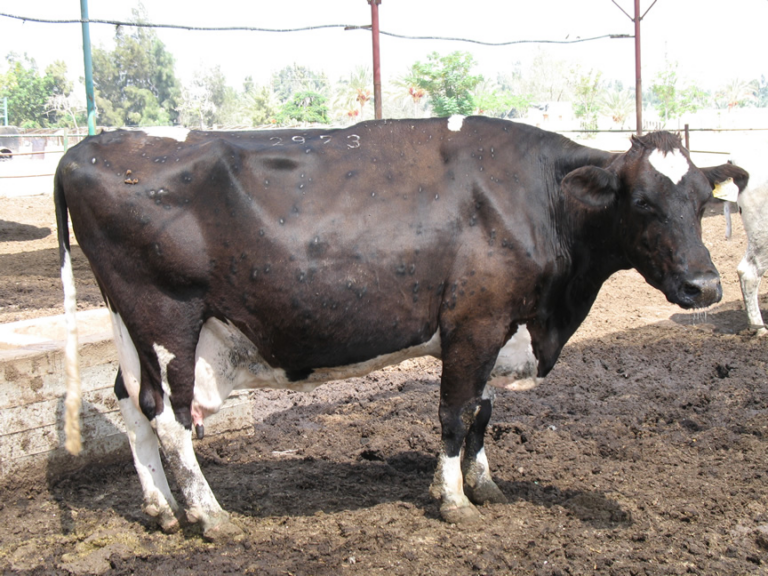
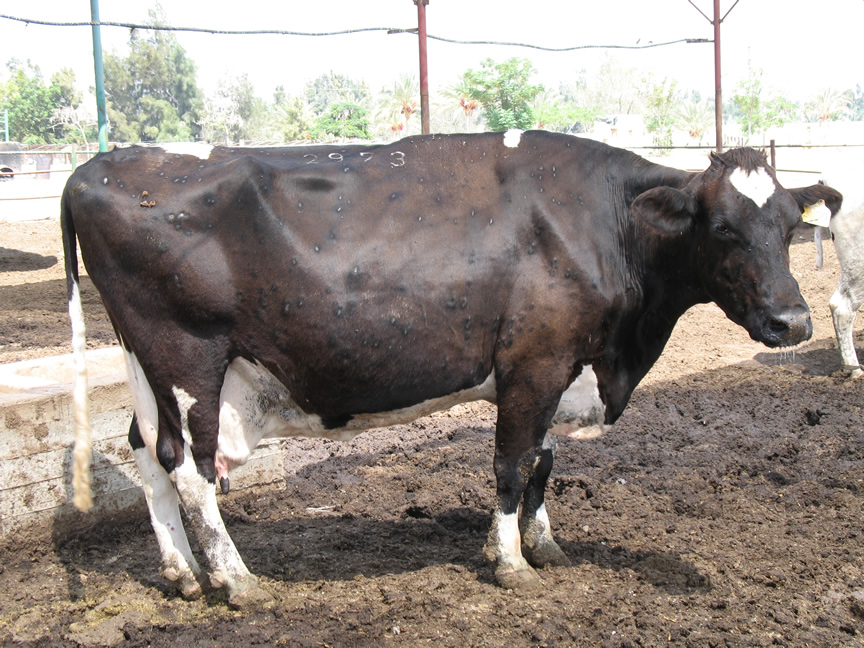
Lumpy Skin DiseaseThe United Arab Emirates has imposed a temporary ban on imports of live cattle, their non-processed skins and all beef derivatives originating from the Hashemite Kingdom of Jordan following recently reported cases of Lumpy Skin Disease (LSD).

Brazil’s Easy Taxi App Heads to Egypt and Morocco

Easy Taxi, traffic apps, taxi apps, Brazilian taxi app, taxi app in North Africa, green transportation, technology news

Sometimes if you stand on the wrong corner of a busy street in Cairo, taxis will drive right on by, guilt-free, while in less populated cities throughout the Middle East and Africa, they are simply hard to find. Experimental taxi apps are in the works to ease the problem, but Brazil’s Easy Taxi heading our way is already well-established.

Cyprus Oil Spill Threatens Pristine Coastline

2

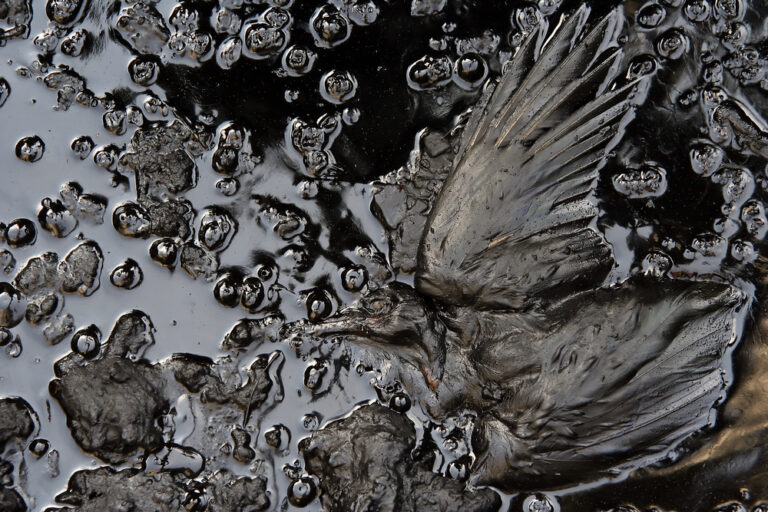
Cyprus Oil SpillBetter call out that airborne Mediterranean pollution surveillance crew Tafline just wrote about! Last Tuesday, an oil tanker delivering fuel to a power plant in the Turkish Cypriot-controlled north of Cyprus spilled approximately 40 tons of oil into the Mediterranean Sea.

The Absurdity of Selling Israel’s Private Water to the Highest Bidder

3

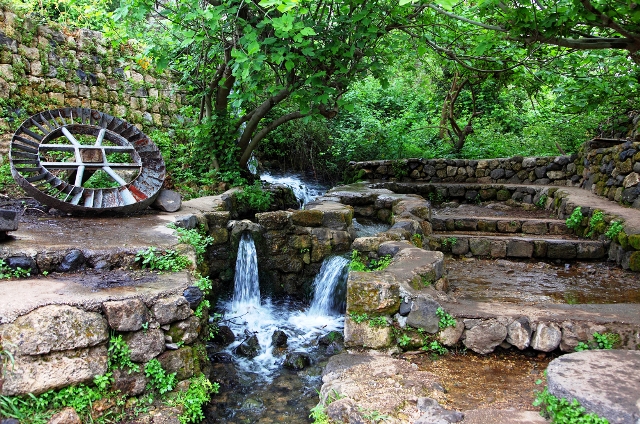
shutterstock_66926809  Banias Spring

Chronic and even acute supplies of fresh water in Israel and other parts of the Middle East has resulted in over-dependence on desalination. Even more ominous are predictions for the future of inadequate fresh water supplies following a NASA Image Technology survey of the accelerated disappearance of a large underground fresh water sea under Syria, Turkey, Iraq and Iran.

New Hybrids on the Horizon for the Middle East

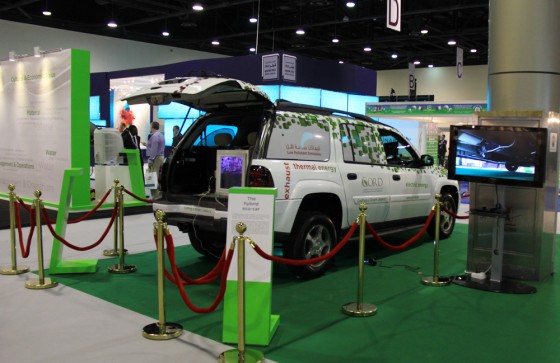
Hybrid cars in Qatar
Hybrid cars have had a slow start in the Middle East in comparison to other markets. One factor influencing sales is the fact that fuel costs tend to be lower than in other parts of the world, creating less demand for electric vehicles. However, a new crop of sport and luxury models could help change that.

The Hyundai Motor Company has just launched their first hybrid car in the region, with the new Sonata hybrid. Is the Middle East ready for a new rash of hybrids and electric vehicles? Hyundai’s Vice President Tom Lee believes so, stating that increasing awareness in the region of environmental issues makes it a good time to meet the new demand for green cars. It’s worth taking a closer look at the new Sonata and some other upcoming luxury hybrids which are due to hit motoring car news sites in the next year or two.

Sol Chip’s Everlasting Solar Battery is a World First

4

Sol-Chip, Everlasting Solar Battery, autonomous battery, solar battery, Israel clean tech, Israeli’s Sol-Chip has developed an everlasting solar battery that can power mobile and remote devices continuously using energy from the sun.

Israel’s Caravan Collective Puts the E in Cycling Apparel

2

organic clothing, bicycle apparel, local clothing line, Israel, biking, cycling, cycling clothes in Israel, Caravan Collective, eco-fashion, green designCaravan Collective is a fresh new cycling apparel studio from Israel that fuses quirky graphic design with a passion for cycling, people, and the earth.

Your Weight is Worth Gold in Dubai

0

Dubai Gives Gold for Weight LossThe government of Dubai government will pay gold to health-conscious residents for dropping some weight over the Muslim holy month of Ramadan. It’s part of Dubai’s “Your Weight in Gold” initiative.

Mediterranean Net-Zero Home Based on 3,500-Year-Old Israeli Design

1

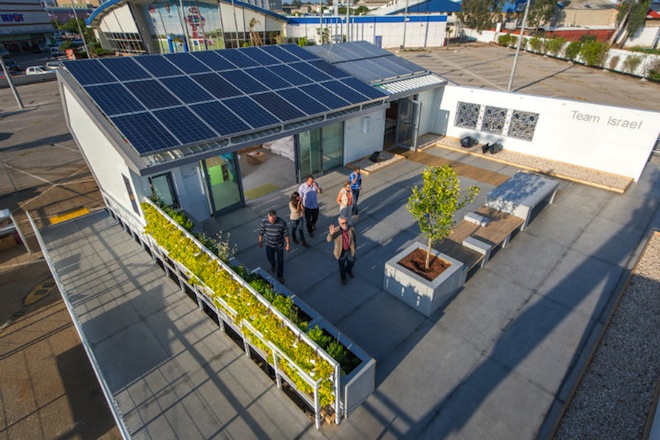
solar decathlon, 2013, china, team israel, ancient israeli design, clean tech, solar power, passive design, green architectureTeam Israel is all pumped up to show off their design skills at the upcoming 2013 international Solar Decathlon competition in China with All [e] Land – a Mediterranean net-zero prefab dwelling based on a 3,500-year-old archetypal Israeli design.

Egyptians Hunt Down Migratory Birds for Natural Viagra

3

migrating birds, egypt's killing fields, hunting, wildlife conservation, nature, Egypt, Lebanon, pickled songbirds, CyprusIt is a little known fact outside of conservation and hunting circles, Sherif Baha el Din from Nature Conservation Egypt told The Guardian, but Egyptian hunters will destroy thousands of migratory birds in the coming weeks as they make their way from Europe back to Africa for the winter.

King David’s Palace Discovered

2

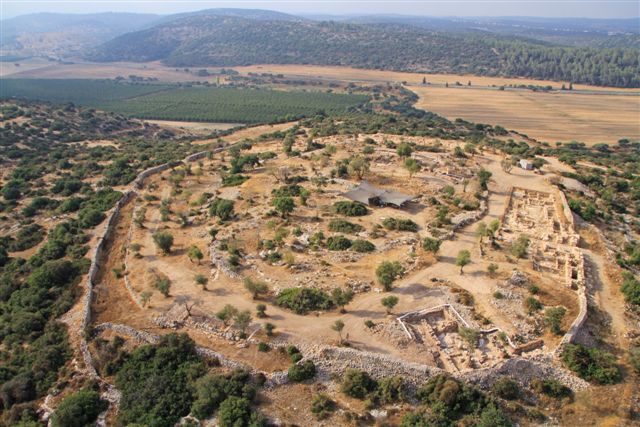
site king davids palaceThe ruins of a fortified complex at Khirbet Qeiyafa, west of Jerusalem, are the remains of one of King David’s palaces, says  Dr. Yossi Garfinkel, archeologist from the Hebrew University of Jerusalem.  Working together with Saar Ganor of Israel’s Antiquities Authority, Garfinkel has worked to uncover the site for the past seven years.

According to Professor Yossi Garfinkel and Sa’ar Ganor, “Khirbet Qeiyafa is the best example exposed to date of a fortified city from the time of King David.” Maybe the great king ordered  citron trees like the ones that flourished in Jerusalem at around the same time to be planted there.

Kazakh Children Keep Ramadan Caroling Alive

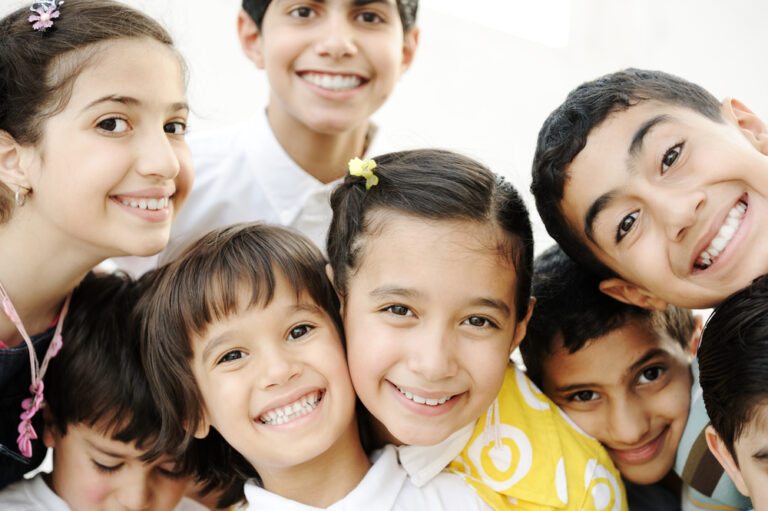
Children Keep Ramadan Carolling Tradition AliveChildren in Central Asia practice a tradition in the lead-up to iftar (the evening breaking of the Ramadan fast – read our green iftar guide here) that has a decidedly Western resonance: they go Ramadan caroling. As with Christmas caroling, the children go door-to-door singing their neighbors holiday songs. After performing, carolers ask for a treat, usually receiving sweets or pocket change.

As in the West, the tradition is loved or hated with equal energy.  The difference is, as with Ramadan, this songfest can last an entire month. (Click on this link to hear and see a sample of Ramadan carols.)

“Small kids come every day singing,” Lola Yunusova from Tashkent told Radio Free Europe. “We give them money. But when the same children come every day, we say, ‘That’s enough. Don’t come again.’ Many parents don’t allow their children to go out singing and neither do we. They are like beggars. Nobody likes them. They pound on your door and keep ringing the doorbell. When you come out, there are usually three or four of them shouting, ‘Blah, blah, blah, blah…give us some money.'”

Her neighbor said he enjoys Ramadan caroling, greeting the children with a smile and asking them to sing more. And the kids seem to love the tradition. It’s the only time of the year when they run around with their friends, getting away with cheekiness to adults, and end up with some free candy to boot.

Ramadan carols often reflect the societal enthusiasm for the birth of a healthy boy. A typical Uzbek song says, “We came and sang a Ramadan song at your door. We are wishing you’ll have in your cradle a boy who is as strong as a ram.” But beware the lyrics if you don’t offer treats, “We came and you heard us sing, but you didn’t give us anything. May your newborn turnout to be a girl!”

Turkmen children sing similarly misogynistic verses, “Let a girl be born to those who give less. Let a boy be born to those who give more.”

Singers may improvise on traditional verses, but some teenagers abuse lyrics by shouting rudely at those who don’t offer gifts, “We will never come to your doorstep again and we are putting a stick in your [key] hole,” sang a group stiffed by a homeowner.

In Kazakhstan, Ramadan caroling was suppressed during the Soviet era, when Kazakh Muslims secretly fasted to avoid being targeted as troublemakers. Today, carolers can openly sing, “May the Lord Almighty accept your prayers and to all who are fasting for Ramadan, may the Lord be good to you.” Now free to practice their faith, but it always goes back to the candy, “We are children of Muhammad. We are one community. If you give us some treats, it will make us stronger.”

Ramadan carolling was also popular across Afghanistan before the 1979 Soviet invasion, but the tradition disappeared during subsequent decades of war and the emergence of the Taliban, which considered all music to be un-Islamic. Caroling has resurfaced only recently in some of northern Afghanistan’s ethnic Uzbek, ethnic Turkmen, and ethnic Tajik neighborhoods.


In Kyrgyzstan, most carolling takes place during the three days leading up to Eid. (The video above shows young men in national dress from Kyrgyzstan’s Issyk-Kul region singing Ramadan songs.) Western materialism has crept in, with Bishkek children wishing listeners the good fortune of being able to “have a pocketful of US dollars” and “drive a Mercedes“.

Songs in northern Tajikistan often dispense religion altogether, instead singing folklore rhymes.

According to an excellent article by Radio Free Europe’s Ron Synovitz, Ramadan caroling extends far beyond Central Asia. Children in Bosnia-Herzegovina collect money by shouting “Ramadan bank” as they move door to door. Egyptian street drummers play for cash during Holy Month celebrations.

Ultraconservative Sunni Wahabbists argue that Ramadan carolling is un-Islamic and should be forbidden, but according to Tora Mirzayev, professor of folklore at Uzbekistan’s Academy of Science, Central Asia’s caroling tradition has pre-Islamic roots.

“In old times Ramadan songs were sung by adults,” he told Synovitz. “But since the beginning of the 20th century, these songs have been sung only as children’s songs. There is a mixture of different pre-Islamic rituals like ‘calling for rain’ or ‘stopping the wind.’ When Islam came to the region, these rituals were transformed into Islamic rituals.”

It was a lovely discovery to stumble upon this story.  Let the children sing.

Gulf Countries Fear Leaks from Iranian Nuclear Plant

1

nuclear power, GCC, Arabian Gulf, Persian Gulf, Iran Nuclear, IAEA, Arabian Gulf states, earthquakes, radiationRepresentatives from six Arab Gulf countries that form the Gulf Cooperation Council (GCC) recently expressed concern about the Bushehr nuclear power plant in Southwest Iran after an earthquake with a magnitude of 6.3 on the Richter scale struct the region earlier this year.