
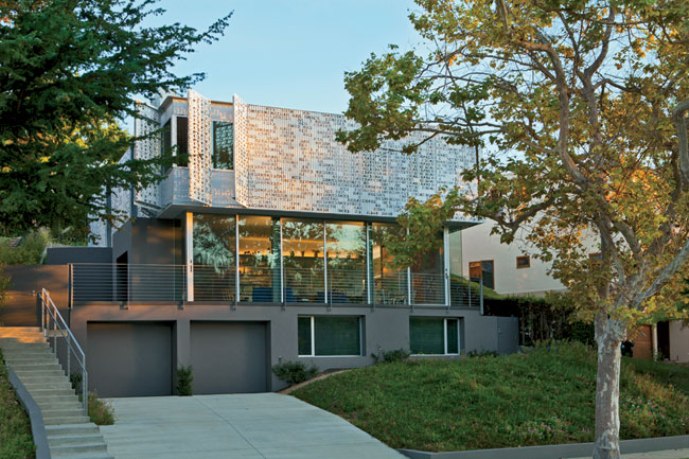
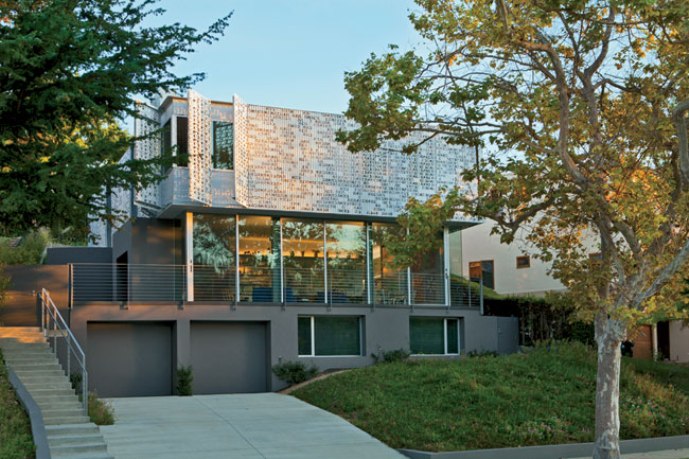
 Bob Hale, of Rios Clementi Hale Studios, wrapped his house in LA’s Cheviot Hills neighborhood in a perforated-metal screen like the Arabian screens the mashrabiya, which provide shade and privacy. But Hale’s home is punched with “ahava” – the Hebrew word for love.
Beit Ha-Ahava: CA architect builds a house wrapped in love
Swim in the Arabian Sea and dance with the stars through organic sludge

Millions of bioluminescent phytoplankton set a stretch of Maldives beach aglow, captured in these gorgeous photos by Taiwanese photographer Will Ho. These tiny organisms emit an eerie green-blue light when agitated by breaking waves or objects moving through water.
3D printed guns by Cody Wilson for art, liberation or moral perversion?


The world’s first 3D printed guns (like the 3D printed gun that breached Israeli security) have landed in London’s acclaimed Victoria & Albert Museum. Two prototype Liberator guns developed by self described “crypto-anarchist” Cody Wilson are now permanently displayed as – and I type this last word with difficulty – art.
The artifacts are groundbreaking. The technology is stunning. And debate sparked by these “wiki weapons” is intense. The plastic 3D guns pulled in sensational headlines for the world’s largest design museum, injecting this Victorian bastion with an incongruous dose of edginess. Brilliant marketing or an art world epic fail?
“Ugly and sinister objects demand the museum’s attention just as much as beautiful and beneficial ones do,” wrote Kieran Long, V&A senior curator of contemporary architecture, design and digital, in his monthly column for Dezeen.
So the guns demanded their attention. And, in turn, got ours. It’s fascinating to observe how some things are deemed cool and others are not. Sanctifying weaponry as art is provocative, but what follows?

Wilson admits that while his project isn’t art, “it has an artistic sensibility about it… it’s a kind of demonstration, proof of the direction of our technical future,” he told Forbes Magazine.
Wilson in his early 30s is a self-described anarchist once named one of the most dangerous men in the world because of his attempts to disseminate information showing how to make a printable and untraceable gun.
His company, Defense Distributed, creates gun designs that can be downloaded by anyone anywhere, constructed on a 3D printer. Download computer aided design (CAD) files, press print, and fire away the latest and most lethal output of the “additive manufacturing” process.
A suitable printer can be had for as little as $2,000; a plastic gun can be yours for about $25.
Last May, the US government forced Wilson to remove his blueprints from the internet. By then the files had been downloaded over 100,000 times and shared on countless websites worldwide. Elvis had left the building, fully armed.
3D printing is poised to become a routine part of modern life. The idea of freely available designs for guns that are undetectable (by-passing metal detectors) and untraceable (no licensing or purchase trail) and that can be cheaply “printed” by anyone anywhere has terrifying implications.
Last summer a local Israeli TV show managed to get one past security into the Knesset, the country’s parliament building in Jerusalem; a shocking wake-up call to the risks this technology presents.
People love guns.

Americans more than others, but in the Middle East, where governments typically set strict regulations for arms possession, civilians are also impressively armed.
Who are the Gun lovers in the Middle East?
According to the 2007 Small Arms Survey (links to PDF), Yemen is third in world rankings.
Saudi Arabia is 6th
Iraq is 7th
Oman is 17th
Bahrain and Kuwait share 18th place.
United Arab Emirates trails at 24th
Qatar is 31st
Iran is 79th and Egypt is 115th.
Tunisia is the 178th nation largely due to strict rules of gun ownership imposed by deposed President Zine El Abidine Ben Ali.
All bets are off when self-manufacture joins the market. Stats such as these become obsolete, and quaint.
We have a tendency to apply our intellectual power to violence and destruction. “When MakerBot and others developed 3-D printers, they imagined people making wonderful things that make the world a better place. They had no concept these would be used to create weapons,” said NY Times writer Nick Bilton following his interview with Wilson, “Then you have people like Cody who come along and looks at this cute little kitten and realizes he can reprogram it to kill people.”
Is it a monstrous perversion of technology or a boon to personal freedom? It absolutely is not art.

Update 2020, Cody Wilson probably thinks if he can show the world how to be an anarchist he can do whatever he likes outside the bounds of social norms. He was arrested last year for having sex with a minor and is currently barred from carrying his own gun. His Austin-based business is still running, and now he has produced a machine that can mass manufacture guns and nothing will get in his way, including the law, he has told various news outlets.
First pics of Foster + Partners futuristic incubator building at Masdar City

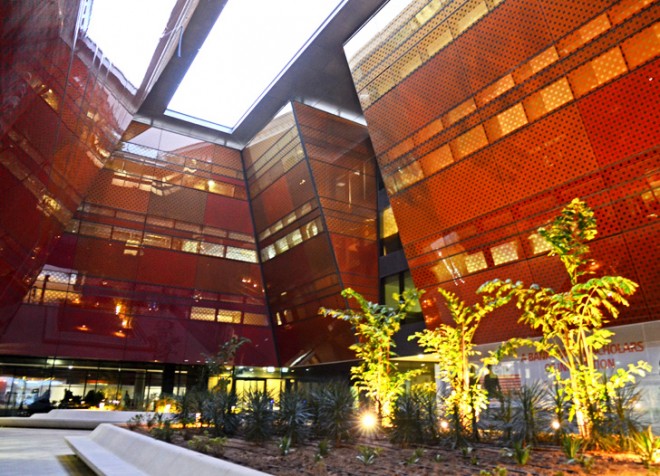 Masdar City is starting to shape up with a roster of new buildings. Siemens recently completed their LEED Platinum headquarters, the new IRENA headquarters is in progress, and GE just opened their first Ecomagination Center in the city’s first commercial building – the Incubator Building.
Iranian rock gym in Polur village to overlook Mount Damavand
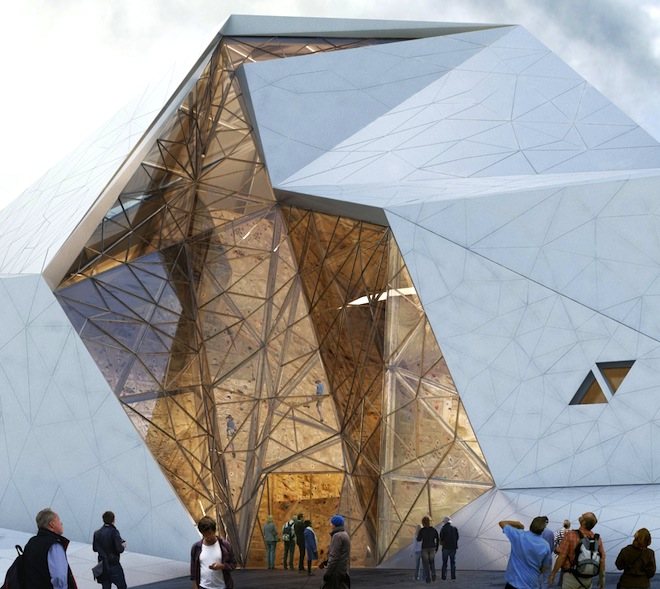
Iran offers some of the world’s most epic rock climbing, but only a small handful of hard core international rock climbers have tested their courage and skill on its beautiful rock faces. Meanwhile, the less intrepid among us might settle for this awesome climbing gym designed for the Irianian village of Polur by New Wave Architecture.
This boot sole detects land mines nearby
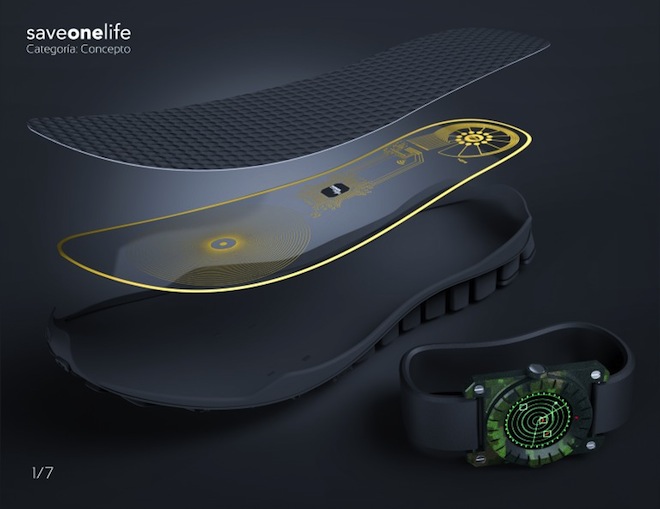
Colombia and Egypt share at least one unfortunate plague: land mines. Nearly 20 percent of the world’s land mines are strewn throughout Egypt’s western desert and the Sinai peninsula, while in Colombia, they have killed 2,000 people over the last two decades. Lemur Studio designed a life-saving solution – SaveOneLife.
Shading fabric shields King Fahad National Library from Saudi sun
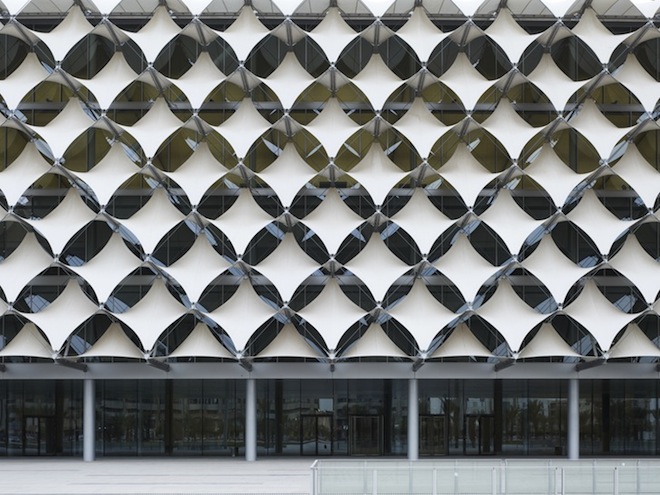
Saudi Arabia isn’t well known for its architectural subtlety, but Gerber Architekten’s renovation of the King Fahad National Library in Riyadh suggests that the Kingdom may be open to a new approach.
Lebanon’s largest landfill gets blocked by protestors
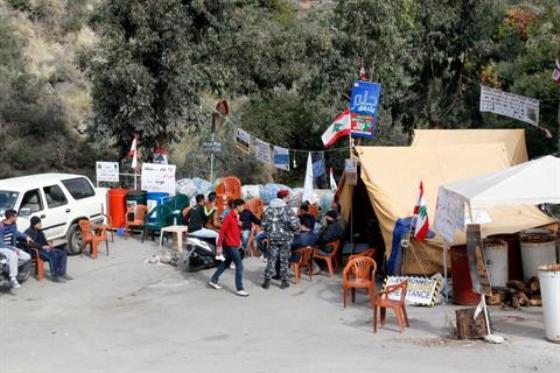
Lebanon has had its share of pollution and garbage issues laundered out on Green Prophet. There have been stories of garbage trucks dumping their loads straight into the sea, or those on Sidon’s notorious garbage mound, where local residents used to say: “It’s horrible isn’t it? You smell it before you can see it.”
NASA photos reveal scale of massive London Array wind farm

The world’s largest wind farm in the outer Thames estuary has the capacity to deliver power to 500,000 homes and offset 925,000 tonnes of carbon dioxide emissions from the atmosphere. NASA reveals photos of the London Array taken from space – seen after the jump.
12 Ways to Travel Abu Dhabi Sustainably
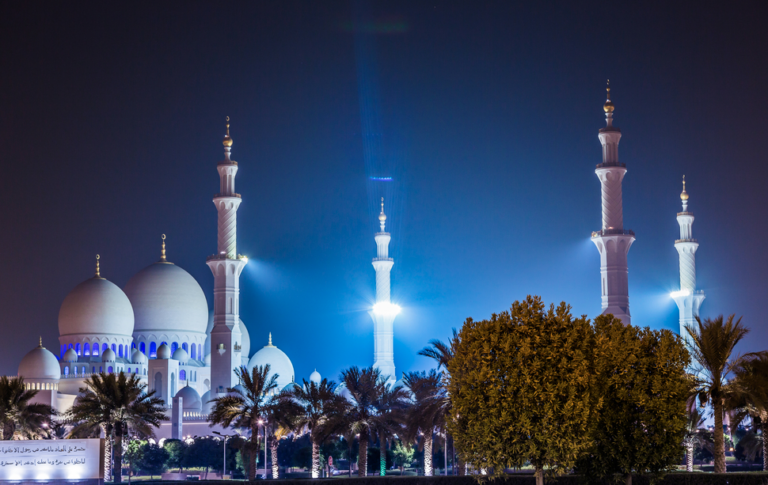
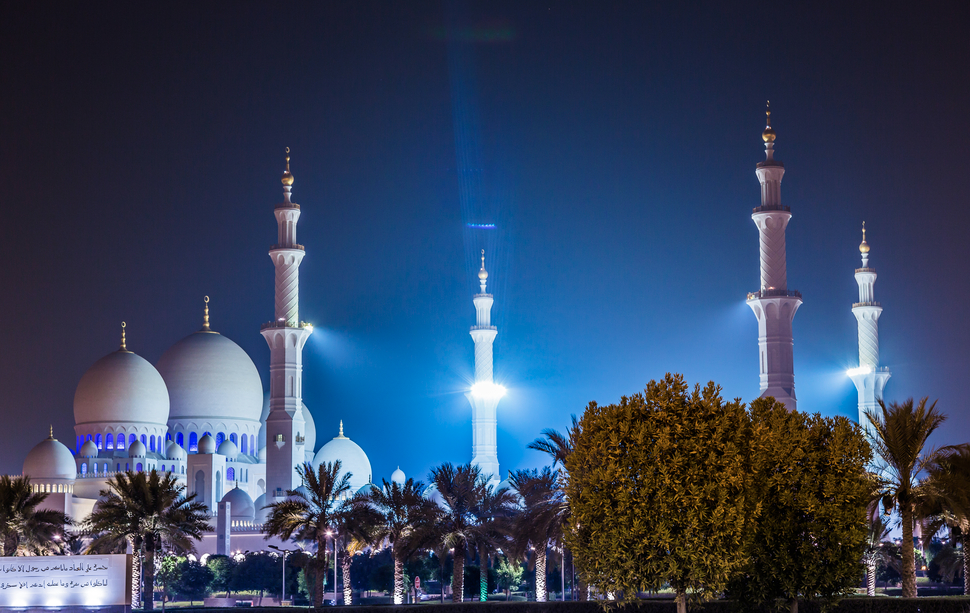
When westerners go on holiday they tend to think of Mexico, Costa Rica, or for more exotic locations maybe Thailand. But in some spots in the Middle East, the sun always shines, well mostly, and getting away can be a lot more interesting than sitting in a pool bar drinking Coronas all day.
Vitamix is the best blender for a family’s health

It happened. I am officially addicted to making ice-cream in my Vitamix machine. It arrived about six weeks ago by courier. At first I didn’t think that it would become such a staple in my life. It’s a high-powered blender, after all.
Black, with two mixing containers: a wet one and a dry. I’d heard my step-son and writing colleague praise the blender with fervour (read here on how to make a date shake).
Why are people so excited about a blender?
This machine is an earth-loving, green girl’s fantasy. It’s one of those machines that can replace every other machine on your counter. It gives you the option to make green shakes, juices (but can be messy), ice-cream (yes!), your own ground coffee, home-made and home-ground organic baby formula, vegan pate, fresh tehini, and a pot of soup right in the blender.
Apparently there are stages of addiction with the Vitamix and I am at the first stage: ice-cream. The addiction doesn’t go away, apparently, but it changes form.
Within 24 hours I’d made and eaten five kinds of ice-cream, all of them 100 percent vegan and 100% sugar-free. And boy was it delicious. You have to know that I am neither a vegan nor do I strive to be sugar free. These two benefits are byproducts of my addiction. This is coming from a girl who will eat nothing less than Baskin Robbins, and if given a choice will only eat Hagen Daaz.
I will supply a recipe that emerged from my addiction below. You can try it in a regular blender (the folks that don’t have a Vitamix), but it probably won’t work.
The truth is, my husband is watching his sugar intake and his health. And now we have two little kids that shouldn’t eat sugar.
Vitamix Anon?
And there are a few reasons why the Vitamix blender takes the cake. The size of the motor is apparently strong enough to crush stones, according to my step-son. At a workshop I was on at New Horizon in Israel (one of the only places where they are available in the Middle East), the machine can actually process dried chickpeas. Mixing hummus that’s cooked is a no brainer.
The fact that the blade is non-removable from the container means that it is a breeze to clean. This is a top point for someone as lazy as me. I love to cook but I hate to clean. A few cups of hot water, some drops of soap, a whirl around the engine and the Vitamix is clean.
The last blender I bought died when I was making a milkshake. The three-minute blend was too much for the machine and it died, puking out a terrible smoke. It almost caught fire when we found it smouldering later on. The Vitamix has a special switch that prevents it from heating up. If you are making too many almond butters or ice-cream (he, he), it will switch off before you can do any damage.
With a 10-year warrantee, I may be willing this machine to my kids. But there is loads of cooking to do before then. Over the next months I plan to take on some traditional Middle East cooking projects using my Vitamix. It can freshly grind flax seeds, for instance, but how will it handle hard hummus beans, making fresh tehini or my own secret falafel mix?
Until then, I am offering you my favorite ice-cream recipe, after five different tries.
Middle East fig ice-cream recipe
Ingredients
6 organic, dried figs
Handful of organic nuts, walnuts are good, cashews or Brazil nuts work too
Frozen organic banana
Tablespoon of dried date paste
Spoon of dried coconut
Dash of cinnamon
2 teaspoons of organic flax seeds (unground)
2 tablespoons of organic, sugar-free, fat-free chocolate
2 cups ice
Blend all the above together (leaving out the ice) on high speed, using the black rod that comes with the machine. I don’t know what it’s called, but it’s very essential to have this thick magic wand in action while the above ingredients are grinding. Push it into the sides as the machine runs on turbo.
After about 40 seconds grinding with some uniform consistency achieved, add in 2 cups of ice. Then get the black wand ready to start mixing. It takes a bit of effort, but it’s worth it. After about another 40 seconds round you’ll have the finest tasting gelato-like ice-cream you’ll ever find on this planet.
And the health benefits? Don’t get me started. For Jewish chefs the result is kosher, pareve. For Muslims, it’s halal. For vegans, it’s vegan. For raw food lovers, it’s raw. For sugar addicts, it’s a more natural way to get your sugar high. Top it off with some crunchy granola and you’ll find heaven on earth. Even if you replace any of the ingredients above with something else similar, you probably won’t go wrong. Don’t try onions, for instance. But if you don’t have bananas, try a frozen orange. If you don’t have coconut, try raisins… the list goes on.
My step-son tells me that after the ice-cream addiction stage, I will probably move on to green shakes. Honestly, I’m already jones’ing for one but we don’t have any apples left from all the stuff we’ve been making over the weekend.
::Vitamix
Desert plants fed with saltwater produce amazing new biofuel for Boeing and Etihad

In 2012, the world’s airlines transported three billion people, emitting 689 million tonnes of CO2 into the atmosphere. To mitigate the aviation industry’s future environmental impact, Boeing, Etihad Airways and the Masdar Institute of Technology are working on a groundbreaking new jet fuel made from desert plants fed with saltwater.
Breastfeeding by law, in Abu Dhabi

According to Islam, being breastfed is a right for all children. Now Abu Dhabi has passed a clause in their Child Rights law that requires all women to breastfeed their children – up to the age of two.
700 free e-books to up your Middle East IQ

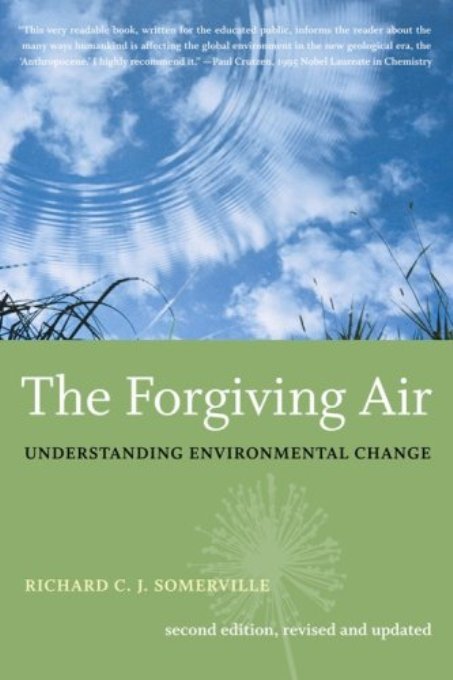 Looking for some good reads about the environment and the Middle East? Then click yourself into the University of California Press (UCP) e-books collection (link here) offering free access to hundreds of books published by UCP and other academic presses.
Oldest Hebrew inscription from Jerusalem deciphered: “the wine was cheap”
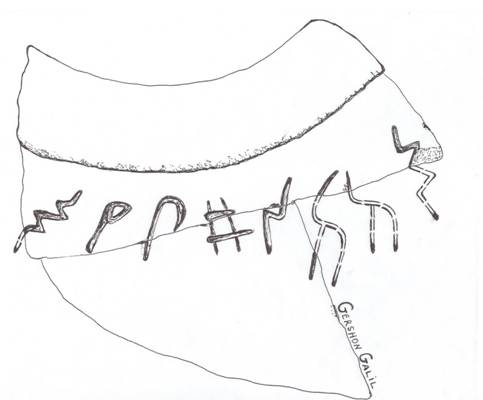
Archeologists have deciphered what they believe to be the oldest Hebrew texts originating from the Holy City of Jerusalem: “the wine was cheap”, is the meaning of the basic inscription, illustrated above. It is also believed that the wine was made for the “riffraff”, the hard workers in the region, and for soldiers.