
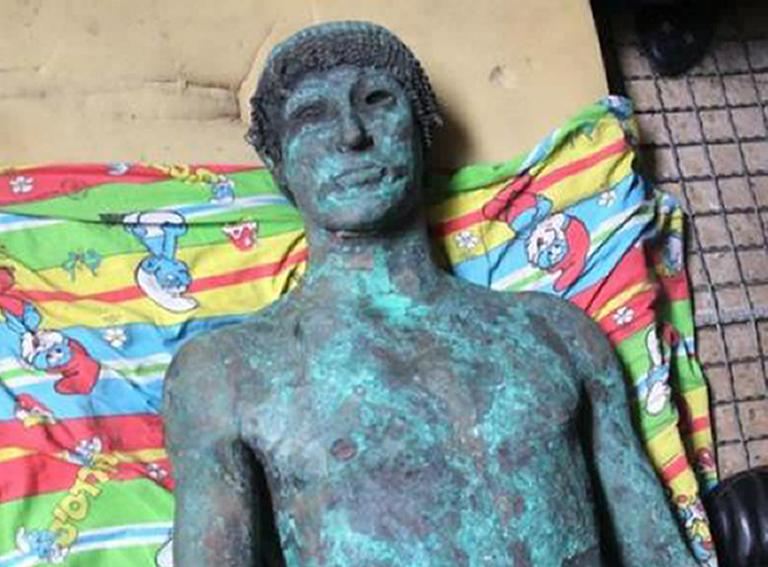
 An ancient bronze casting of Greek god Apollo, hooked from the sea by a young Gaza fisherman, was seized by police and vanished from public view. Tug-of-war over a valuable artifact – or – coyness over risqué rendering of his frontal assets? Authorities are as silent as a statue as to when it will reappear.
Gaza fisherman’s rated-X catch hidden by Hamas
Watch 20 strangers kiss for the first time [video]
![Watch 20 strangers kiss for the first time [video]](https://www.greenprophet.com/wp-content/uploads/strangers-kiss-first-time.png "Watch 20 strangers kiss for the first time [video]")
This video gives you an amazing fly-on-the-wall experience when 20 people, complete strangers, kiss for the first time. Their reactions are priceless.
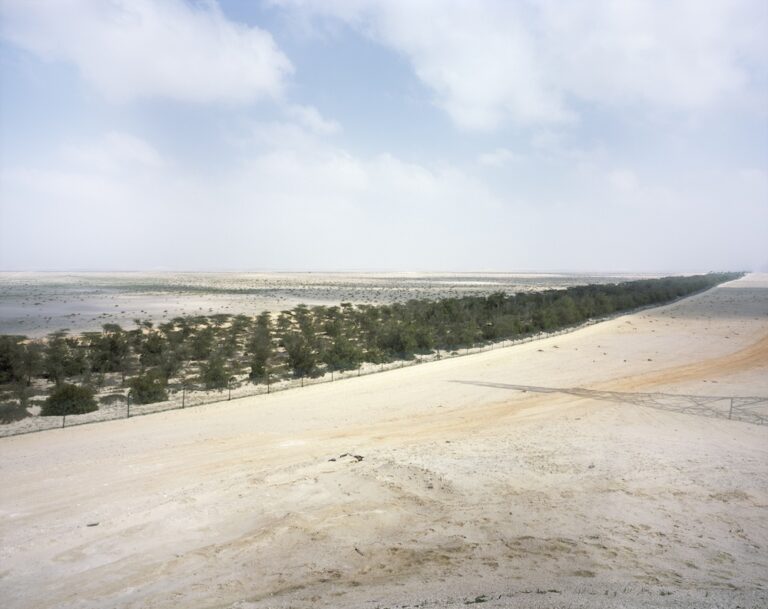
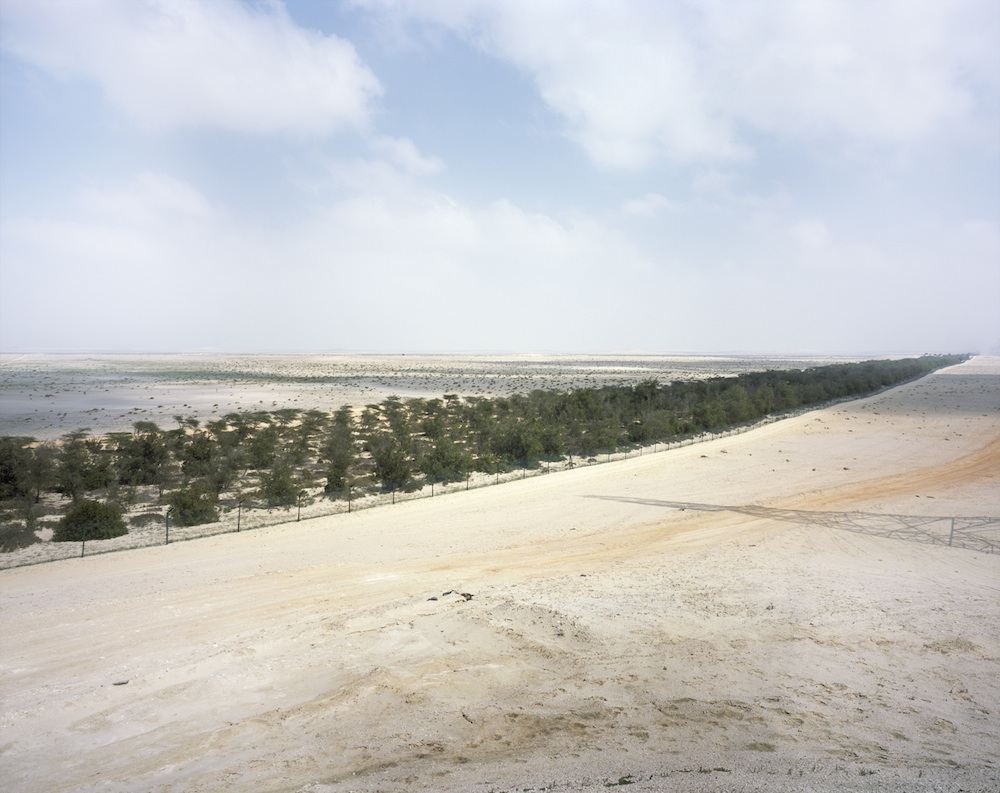
Egypt runs to Saudi for help over Ethiopia’s Grand Renaissance Dam
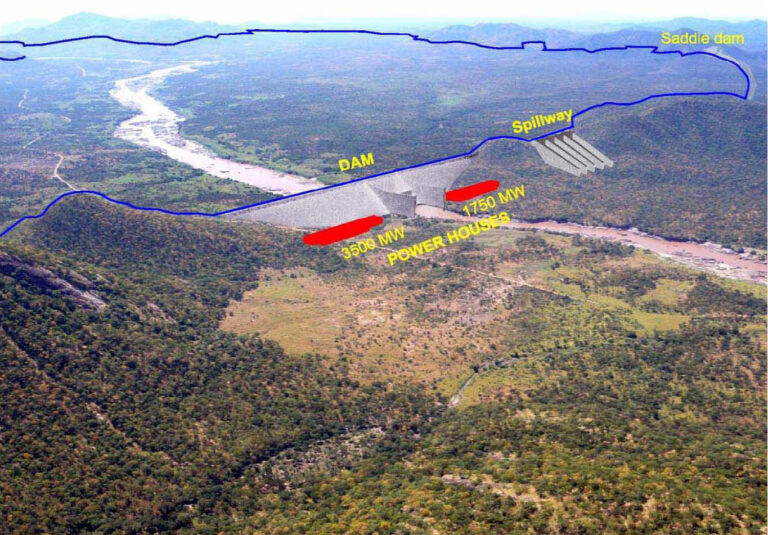
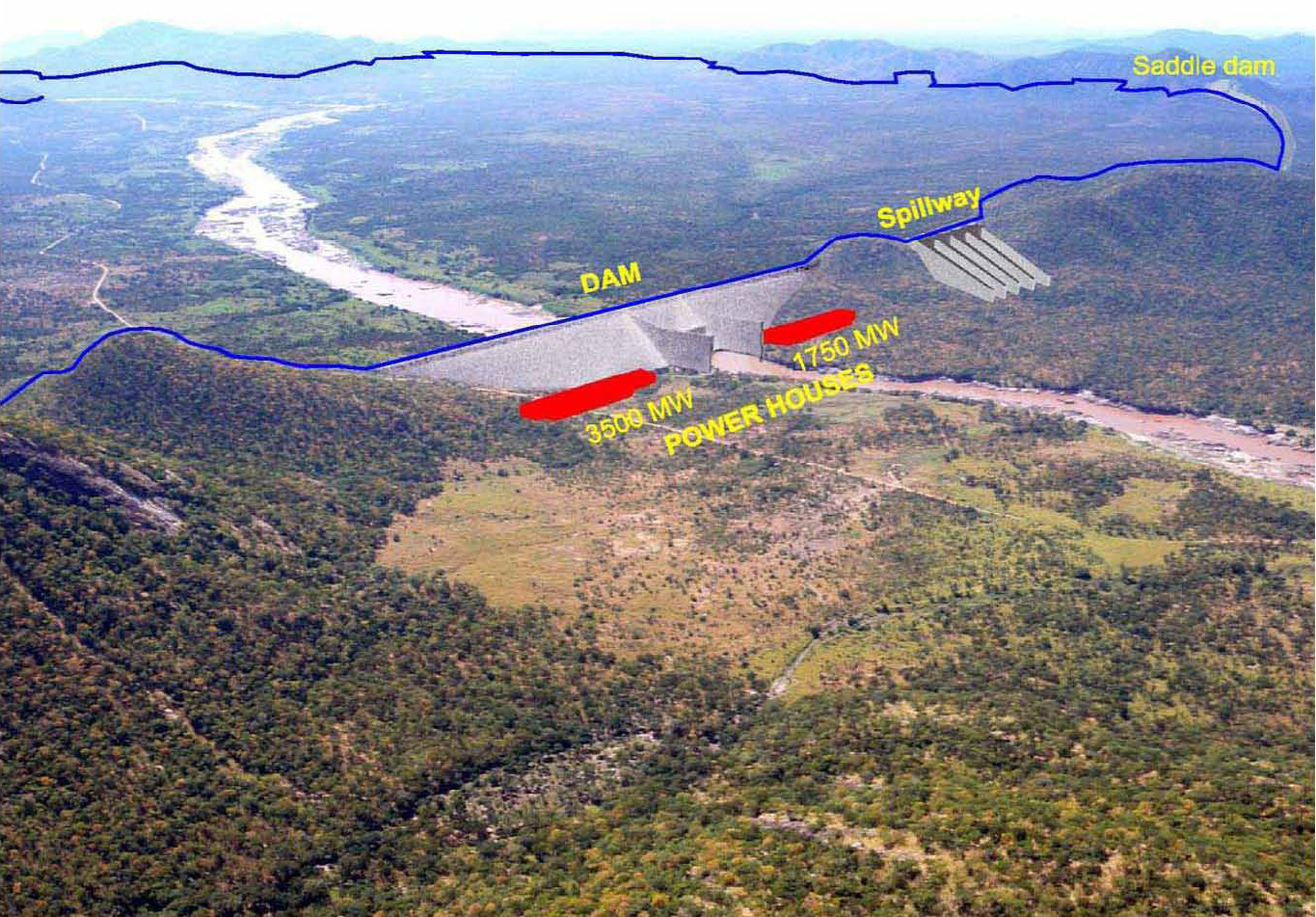
When all else fails, run to wealthy Saudi Arabia. That seems to be the prevailing thought among Egyptian officials at a loss to resolve the ongoing dispute with Ethiopia over Nile water rights.
Iraq’s first coral reef in cold, polluted water shocks scientists
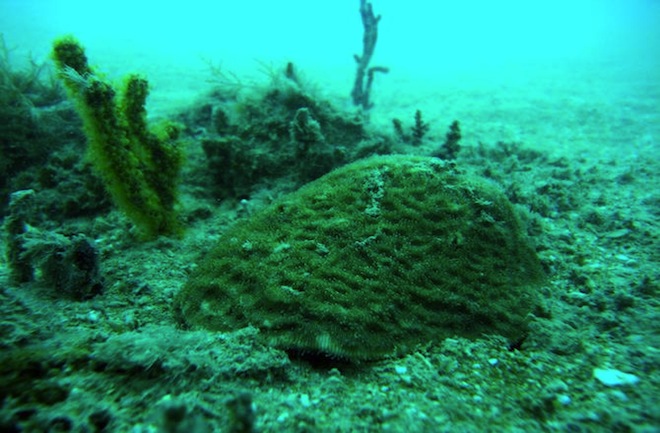
Scientists exploring a cold, polluted, and murky river mouth in southeastern Iraq were shocked to discover what is thought to be the country’s first coral reef.
Solar-battery eco-boats clean up stinky Sharjah lagoons
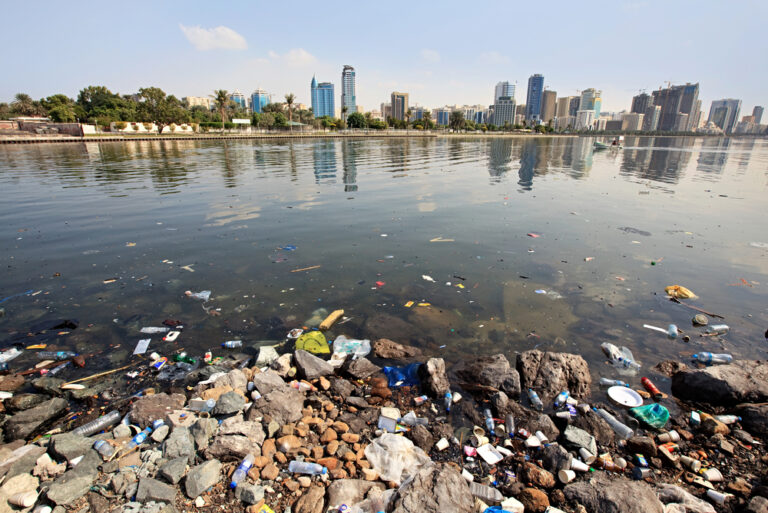
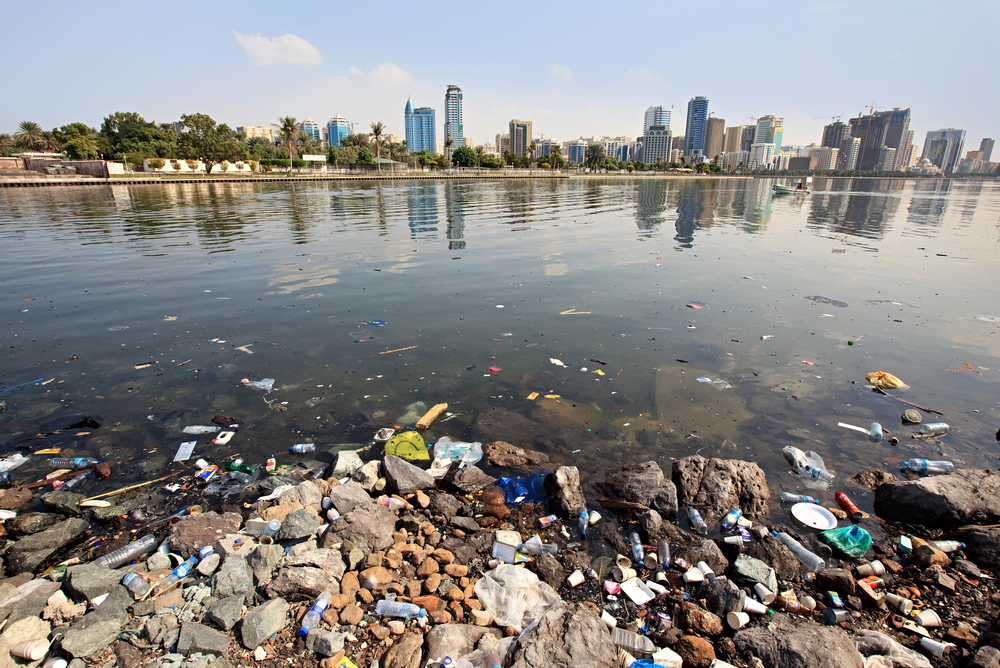 The Middle East’s first solar-powered boats set sail in Sharjah last month, each able to extract up 500 pounds of floating debris from the city’s lagoons. This new fleet joins the existing “green machines” used by Bee’ah, a leading Middle East waste management company.
Collapsible woven refugee shelters powered by the sun
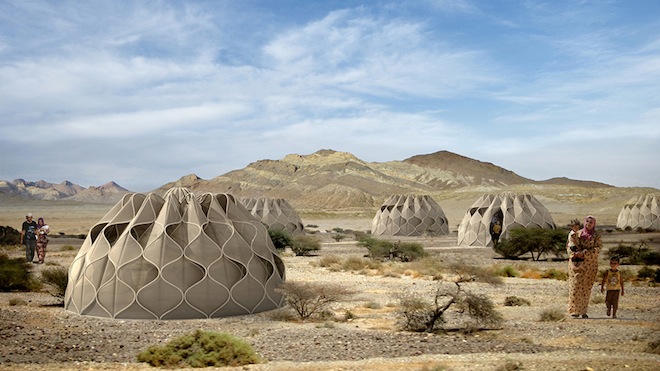
More than 40 million people worldwide have been displaced from their homes and left to find shelter in strange lands. Maybe they find a tarp, or a tent, but their quality of life almost always remains dismal. To close this gap in need, Jordanian-Canadian architect and designer Abeer Seikaly designed a new kind of shelter. One that allows refugees to rebuild their lives with dignity.
Artsy Dar Ben Gacem hotel awakens bygone Ottoman era in Tunis
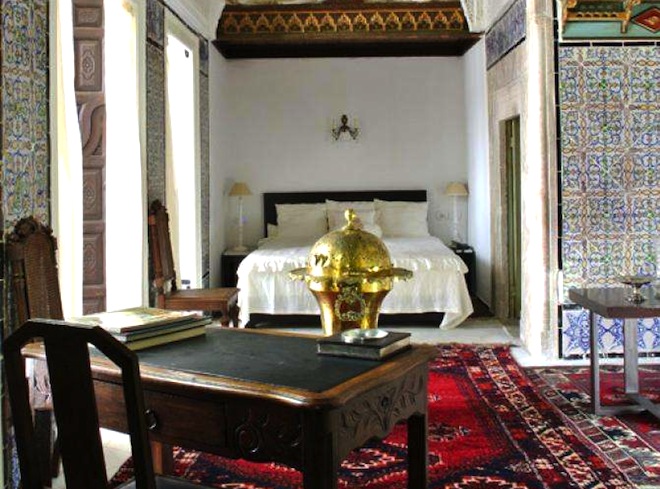
To sleep at Dar Ben Gacem is to spend a night in a bygone era. Located deep in the warren of alleyways and vendors that make up Tunis’ labyrinthian medina, this newly renovated artsy boutique hotel offers a tasteful glimpse of Ottoman period architecture and art.
Holy Green Monday for Lent! A planet-friendly Cyprus tradition

 Last Monday, Orthodox Christians across the Middle East kicked off the 40-day Lenten season with a wonderful food-based tradition called Green Monday, when folks tuck into a delicious (and usually outdoor) luncheon of greens, olives, potatoes and seafood.
Sharjah air pollution as bad as Beijing
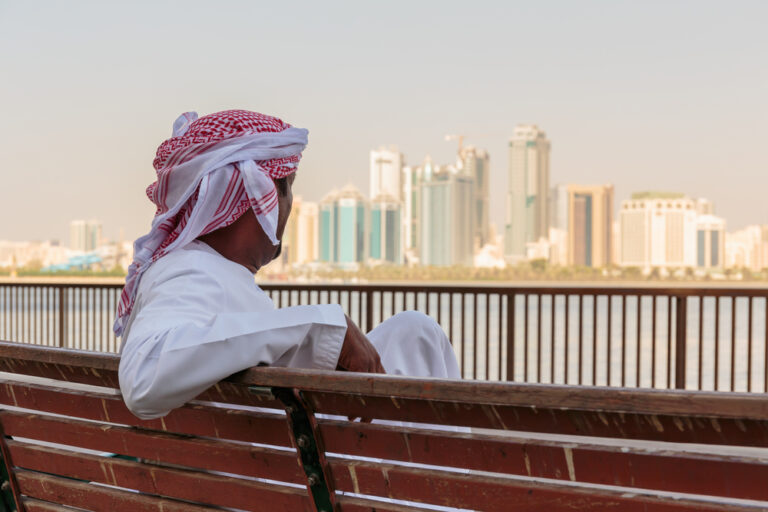

In Beijing the air pollution is so bad that you sometimes can’t see your hand in front of your face. Above the charts bad, cities of the world are now coming to terms with their own local air pollution.
Saudi Arabia to grow world’s largest crescent-shaped Garden of Eden
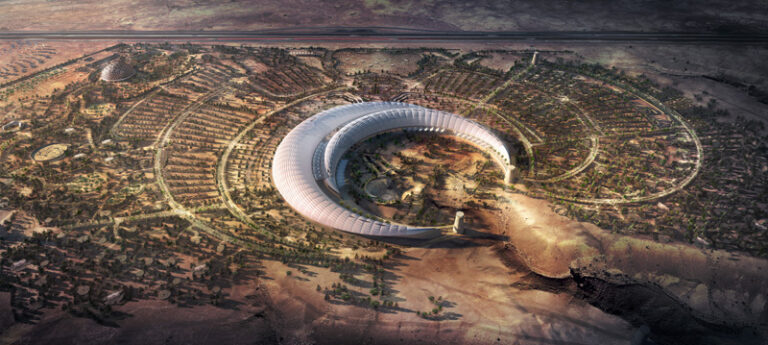
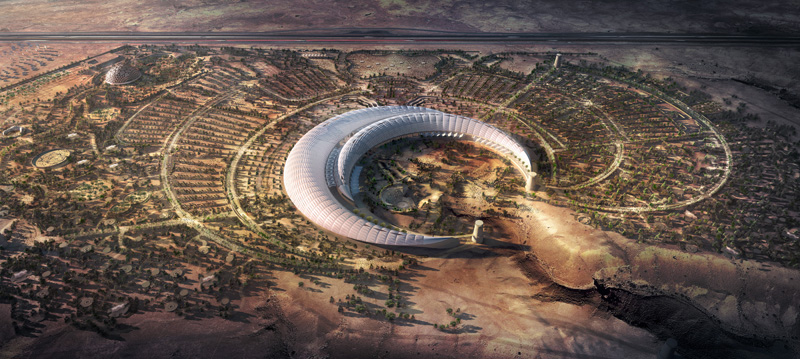 Saudi Arabia is building the world’s largest botanical gardens on nearly 2.5 million square meters of desert land near Riyadh. A stellar environmental initiative to educate the public on climate change, or a tourism-boosting novelty? However you dice it, it’s amazing.
Saudi’s 1km high Kingdom Tower needs 500,000 cubic meters of concrete

Saudi Bin Ladin Group (SBG) recently commissioned a Lebanese consulting firm to test the materials necessary to build the world’s next tallest building in Jeddah. Among other things, Advanced Construction Technology Services (ACTS) has to figure out how to pump 500,000 cubic meters of concrete 1km into the sky.
Living crop wall to showcase Israel’s agricultural genius at the 2015 Milan Expo
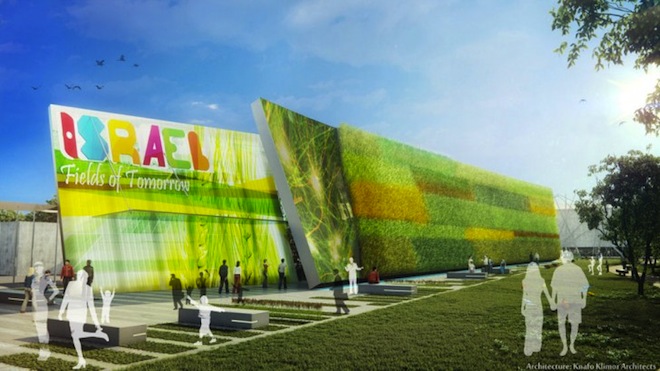
Israelis are renowned not only for their clean tech innovation, but also smart, savvy and water-efficient agriculture. This genius will be on display at the 2015 Milan Expo with a living pavilion designed by Knafo Klimor Architects.
Open Restaurants is the new Open Houses of Tel Aviv
Treating snail fever and swollen bellies with prawns
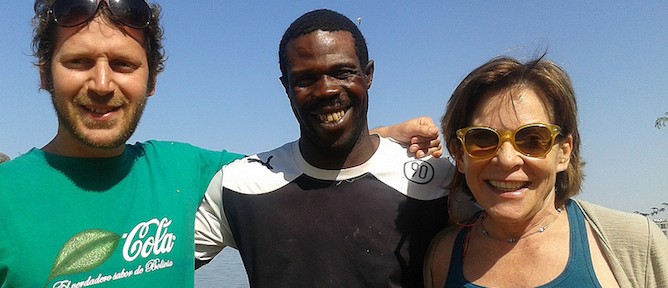
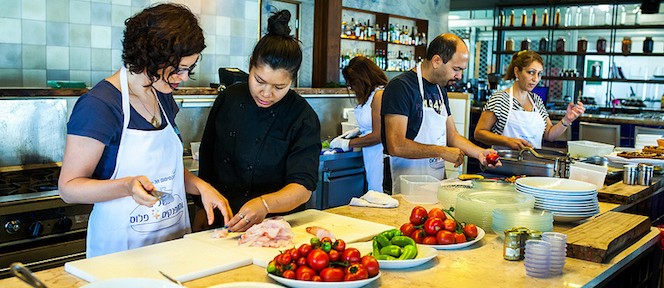
Amit Savaia (left), went to Africa for three months to volunteer after finishing his first degree in science. With four other Israeli students from Israel’s Ben-Gurion University of the Negev, he helped build a computer platform to connect African farmers with their neighbors.
What tugged at his heartstrings, though, was the problem of schistosomiasis, the “snail fever” caused by ingesting parasites. This disease causes the characteristic swollen bellies in African children.
While mortality rates are low from snail fever, it is the second most socioeconomically devastating disease in Africa, after malaria. The chronic illness can damage internal organs and can lead to slowed growth and cognitive development. In adults, it carries an increased risk of bladder cancer.
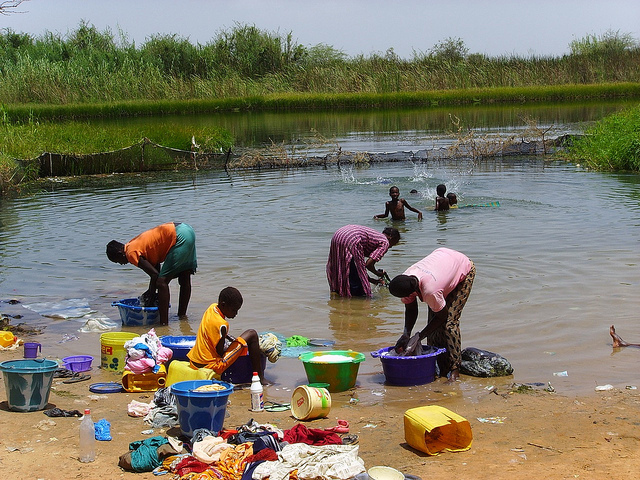
Savaia vowed to help Africa beat this problem. Today, earning a master’s degree, he is working with the Bill & Melinda Gates Foundation-funded organization Project Crevette to develop a natural way to stop schistosomiasis in Senegal — using cultured prawns based on research from Ben-Gurion University.
He is concentrating his efforts on the local watering hole in the Lampsar Village in Senegal. Savaia says that it’s next to impossible to get the villagers to stop swimming and urinating in the water, which keeps the parasitic cycle going.
Prawn release in Africa
This watering hole in Senegal is a breeding ground for snail fever. Says an impassioned Savaia, now looking for funding to take his research to the final stages: “Schistosomiasis, also known as bilharzia, has no sustainable cure or treatment. The only drug used today to heal the people is an old drug called Praziquantal (PZQ), which kills the mature worms inside the body. There is no vaccine, even though a lot of companies are trying to make one.”
Sustainable solution to disease in Africa
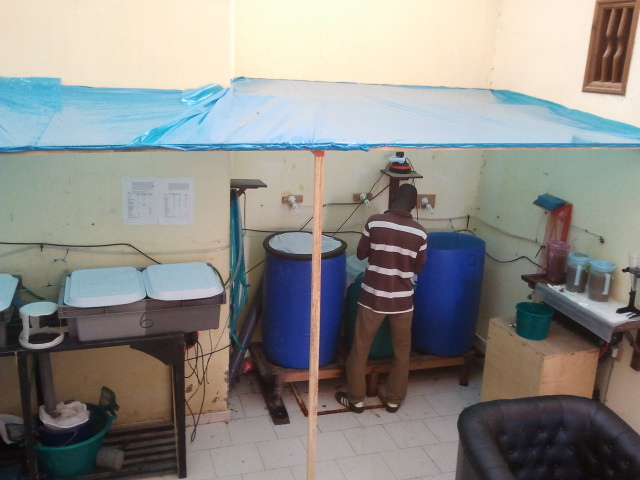
The back story is that a river in Senegal was dammed, and consequently female prawns – natural predators of snails — were blocked from laying their eggs. The parasite-carrying snail population in the watering hole skyrocketed, and the snail-fever parasite grew with it.
Working on the project since 2012, Savaia proposes using advanced breeding methods to reintroduce prawns to the river. The catch is, these prawns are particularly delicate and hard to grow, especially in captivity. “Not many people have done it before and we had only one reference on how to do it,” he says.
But he has much hope for the approach. It is innovative, sustainable, and creates a triple winning situation for the farmers, villagers and fisherman, he says.
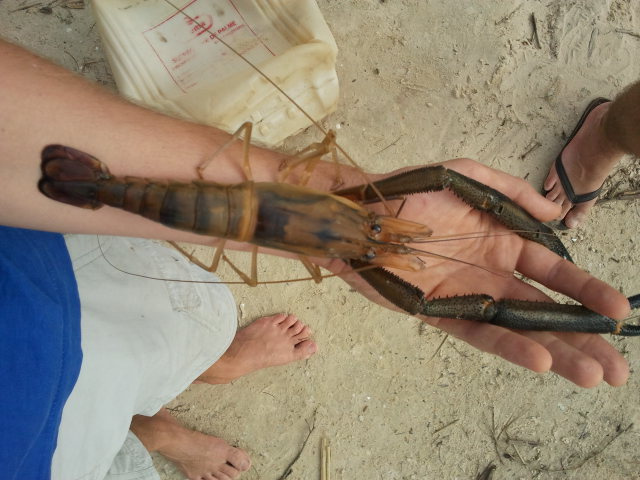
When he is able to prove the concept, “it could be applied in many more countries. These prawns are distributed almost all over the west coast of Africa. Senegal isn’t the only place where a dam started such a problem.”
Savaia’s academic supervisor, Prof. Amir Sagi, has done decades of research on prawns and crustaceans. Savaia also works with Prof. Dina Zilberg, Ben-Gurion’s expert on aquatic animal health.
They have learned that the larvae of this prawn species need to be reared in saline water for two months. After that, the crustacean goes through 14 cycles, or 15 molts, to become post-larvae of a small adult prawn.
Up until this point, “The animals are very delicate,” he says.
When they are reintroduced in the dammed river, they successfully eat the snails that harbor the parasite. A negative cycle is stopped. The question is how to turn this basic research into a project that Africa can do for itself.
Savaia has been strongly affected by seeing, first hand, the damage that the parasites do.
“I must say when we go to the villages you don’t see those awful pictures of children with big stomachs, and extremely sick people, because they stay at home or in hospitals,” he says.
“But when you take their urine and you filter it in order to know how sick they are [by counting how many eggs are in the sample], we find urine as red as blood. This comes from the eggs sitting on their kidneys and intestines.”
Savaia’s dream is big, but he’s unstoppable. “We want to make farms to teach farmers how to produce the prawns so they can sell some for the markets as a crop, because they are delicious, and the rest will be released in the river with an agreement of the health ministry.
“This way, everyone will be happy,” concludes Savaia.