Ecomondo 2025: Italy’s Green Expo Powers Global Circular Innovation

How to Travel Sustainably in Sensitive Ecosystems

That untouched rainforest or pristine reef you’ve been dreaming about? It’s on the brink—and your vacation could tip the balance.
Sensitive ecosystems aren’t just scenic backdrops. They’re living, breathing networks under constant threat from careless tourism, single-use waste, and shortcuts disguised as “authentic experiences.”
But travel doesn’t have to be destructive. With the right mindset, you can explore wild places without wrecking what makes them wild. Think smarter routes, vetted guides, low-impact gear, and habits that protect rather than consume. Let’s go through the rest of the info you need.
Know Where You’re Going and Why It’s Fragile
- Rainforests
- Wetlands
- Coral reefs
- Alpine meadows
May all look lush and resilient, but they are often held together by surprisingly fragile relationships between species, climate, and terrain. One broken link can trigger a chain reaction. Before you set foot in a place like this, learn what makes it vulnerable.
Understand if the area is home to endangered species or native-only plant life. Learn what human activities have already threatened it. Look into local environmental challenges, like illegal deforestation or unsustainable fishing. Showing up with knowledge means you’re already traveling more responsibly than most.
Choose Travel Partners with Conservation in Their DNA

Not all travel operators are created equal.
There are operators that focus specifically on eco-minded small-group adventures. For instance, travelers looking to experience the Amazon rainforest can join an Amazon luxury cruise that prioritizes environmental education and conservation funding as part of its core mission. These kinds of experiences offer immersion with integrity.
Always check if a company works with biologists, employs local guides, or contributes financially to regional conservation efforts. Bonus points for:
- Carbon offsetting
- Plastic-free operations
- Minimal-impact lodging
Pack Like You’re Staying Off the Grid

Even if you’re not camping deep in the jungle, your packing list should reflect the idea that you are entering a space with limited resources and a delicate balance. Bring what you need, avoid what you don’t, and plan as if there’s no waste disposal site at the end of the trail.
- Some essentials for low-impact travel include:
- Reusable water bottles and utensils
- Reef-safe sunscreen
- Biodegradable soap
- A water filtration system
- Durable clothing that reduces the need for fast-fashion replacements
Leave single-use anything at home. Choose rechargeable batteries over disposable ones. Keep your toiletries minimal and non-toxic.
The goal is to leave no trace, but also no microplastics, no extra weight on the local waste infrastructure, and no ecological confusion introduced by foreign materials.
Support Local, Leave Global Impact
When you buy your souvenirs, your food, and your excursions from local vendors or cooperatives, you are contributing directly to the community’s incentive to protect the land rather than exploit it. Supporting locally made products that use traditional, sustainable methods keeps the cultural ecosystem alive alongside the natural one.
Eat regional food made from native ingredients. Stay in locally owned eco-lodges rather than imported hotel chains. Work with guides who know the land because they’ve lived it for generations. Your money has weight, and in sensitive areas, that weight can tip the balance toward preservation or destruction.
Be the Traveler Who Doesn’t Just Visit, But Listens
Sustainable travel in sensitive ecosystems isn’t about perfection. It’s about awareness and a willingness to follow the lead of those who know the land best. That way, we allow these fragile environments to keep thriving.
“Not Locked In”: How Liberty HealthShare Emphasizes Flexibility as Healthcare Costs Rise

Healthcare costs are projected to rise approximately 8% in 2025, creating financial pressure for families across the U.S.
Against this backdrop, Liberty HealthShare has set out to offer some flexibility for its members, emphasizing freedom to choose providers and the importance of preventative care while adjusting to these rising expenses.
“We’ve got a number of programs and somebody can select whatever works best for their family,” explains Chief Executive Officer Dorsey Morrow.
Provider Choice Without Network Restrictions
Liberty HealthShare members maintain freedom to visit any healthcare provider without network restriction. Although the ministry encourages its members to utilize providers who participate in the PHCS network to help control costs, members remain free to select providers outside participating facilities.
Mark Matthias, an entrepreneur who splits time between Arizona and Minnesota, particularly appreciates provider flexibility. “We tell people about it all the time,” Matthias said. “I always tell them about Liberty HealthShare. It’s very reasonably priced.”
Liberty HealthShare works with multiple specialized vendors to negotiate fair pricing with medical providers regardless of network status. “We don’t use just one or two vendors to help us negotiate with medical providers on behalf of our members,” Morrow explains. “We’ve got three or four various vendors, and each of them have a very specific task and help us identify problem areas.”
Responsive Share Amount Adjustments
Insurance premiums are typically locked for 12-month periods, but Liberty HealthShare,as it is not insurance, regularly evaluates suggested monthly share amounts based on current expense patterns. Monthly analysis of sharing patterns helps forecast trends and maintain stable contribution amounts for members.
“We study not only our current sharing patterns every month, but we also look at the historical patterns,” Morrow explains. “And we’re always trying to forecast trends to understand where costs are going and how we can best keep our contribution amounts that our members submit level.”
Liberty HealthShare offers six different medical sharing programs tailored to various needs and budgets. Suggested monthly share amounts for individuals range from $89 to $369, with family options starting at $319. A supplemental dental sharing program begins at $35 monthly.
Feedback Integration
Liberty HealthShare’s 165 dedicated team members regularly collect member feedback through surveys. Member input directly shapes program development, with the company’s dental sharing program designed based on member requests.
“Your voice matters to us as we make decisions to shape the Liberty HealthShare experience,” says Morrow.
Members manage their sharing experience through ShareBox, Liberty HealthShare’s secure online portal, where they can track how their monthly contributions help others in the community, submit prayer requests, and handle administrative tasks.
Real Member Experiences
Shawn Carroll discovered Liberty HealthShare’s flexibility firsthand after joining in 2017. Following a serious automobile accident that exceeded her auto insurance limits, “Liberty HealthShare picked things right up after that and surpassed my expectations,” she said.
Antonio and Willow Monterrosa maintained membership for approximately a decade after facing insurance costs of $3,600 monthly for their family. When Antonio received hospital and surgeon bills totaling $8,000, “it was all shared by our fellow Liberty HealthShare members,” he recalled
“Liberty HealthShare representatives respond promptly, and they are incredibly kind and eager to help you right away,” Monterrosa continued. “It feels like dealing with a caring human being rather than someone reading robotically from a script.”
Liberty HealthShare allows expense submissions up to six months after service dates, creating operational flexibility for members dealing with complicated healthcare billing systems. Extended timelines particularly benefit patients managing multiple treatments, those experiencing prolonged hospital stays, or individuals facing personal crises that delay administrative tasks.
Nurses on staff understand medical complexities and guide members through treatment decisions, providing expertise that helps members navigate both clinical and financial aspects of healthcare.
Faith-Based Support Network
Prayer support distinguishes Liberty HealthShare from secular healthcare financing models. Staff regularly pray with and for members facing medical challenges.
“We have a list that is distributed internally every Friday of prayer requests from our members,” Morrow shares. “Whether it’s with the member or for the member, we are about prayer. We strongly believe in that here.”
Liberty HealthShare’s commitment to operational transparency earned recognition from Charity Navigator with a three-star rating and maintains an 88% rating. Open-book operations include publicly available guidelines, financial reports, and board information.
“Anything and everything you want to know about Liberty HealthShare, you can go to our website,” Morrow states. “You’ll see we are an open book. You can find our 990. You can find our guidelines. You can find our audit report. You know who our board of directors are.”
Liberty HealthShare operates with a fundamental philosophy of service over profit, says Morrow. “Our focus at Liberty HealthShare is on our members,” he says. “We are not driven by profit. It’s frankly our goal to go broke each month. The contributions coming in should be the contributions that go out.”
Community-Centered Approach
Liberty HealthShare’s flexibility extends beyond administrative policies into genuine community support during health challenges. Personal relationships with call center staff, combined with prayer support and transparent operations, create what members describe as a holistic care model.
“We honestly and sincerely want to cater to our members and help them navigate their healthcare journey,” Morrow concludes. “We want to hold your hand as you get oriented and you come into this world.”
Colossal’s Veterinary Breakthrough: Pioneering Medical Care for De-Extinct Species

When the world’s first de-extinct animals were born, they presented veterinary professionals with an unprecedented challenge: how do you provide medical care for species that haven’t existed for over 12,000 years? The dire wolf pups at Colossal Biosciences represent not just a scientific breakthrough, but a new frontier in veterinary medicine and animal husbandry.
The challenge begins with the basic question of what constitutes normal health and behavior for dire wolves. While extensive research exists on gray wolves, dire wolves possess unique genetic modifications that could affect their physiology, growth patterns, and medical needs. The veterinary team must establish baseline health parameters for animals that have no modern precedent.
“The dire wolf pups set the record for number of precise genetic edits in any living species,” Colossal noted. “The company performed a record 20 precise edits to the genome, all modifications derived from analysis of the dire wolf genome with 15 of those edits being the exact extinct variants.” This level of genetic modification requires careful monitoring to understand how the changes affect the animals’ health and development.
The pups already display distinctive dire wolf characteristics at young ages. Romulus and Remus, now about six months old, weigh approximately 80 pounds—significantly larger than typical wolf pups their age. Their thick white fur, broad heads, and hefty builds reflect their genetic heritage, but these traits also require specialized care protocols.
Dr. Matt James, Colossal’s Chief Animal Officer, brings crucial expertise to this challenge. With over 13 years of experience managing exotic animals at major zoos, including oversight of 7,000 animals across 500+ species, he understands the complexities of caring for unique animals. His background maintaining AZA accreditation standards ensures that the dire wolves receive care that meets the highest professional standards.
The facility includes a dedicated on-site veterinary clinic equipped specifically for large canid care. This immediate access to veterinary services allows for prompt response to any health concerns while minimizing stress on the animals. The clinic’s location within the preserve means that the wolves don’t need to be transported for routine care, reducing disruption to their daily routines.
Continuous health monitoring represents a crucial component of the care protocol. The veterinary team tracks physiological markers, growth patterns, and behavioral indicators to establish what constitutes normal development for dire wolves. This data not only ensures proper care but also provides valuable information for future de-extinction efforts.
The genetic modifications present both challenges and opportunities for veterinary care. While the 20 genetic edits were carefully selected to avoid known health problems, the team must monitor for unexpected interactions between modified genes and the broader wolf genome. This requires sophisticated genetic monitoring alongside traditional veterinary assessments.
Behavioral observations play an equally important role in health assessment. The dire wolf pups display markedly different behavior from domestic dogs or even typical wolf pups. They maintain distance from humans, flinching or retreating even from familiar caretakers, demonstrating true wild lupine instincts that may affect their response to veterinary procedures.
“Unlike domestic puppies, Romulus and Remus keep their distance from humans, flinching or retreating even from familiar caretakers, demonstrating true wild lupine instincts,” observers noted. This natural wariness requires veterinary protocols that minimize stress while ensuring thorough health assessments.
The care team has developed specialized protocols for routine procedures like vaccinations, health checks, and dental care. These protocols account for the wolves’ larger size, unique behavioral patterns, and the need to minimize human contact while ensuring comprehensive veterinary care.
Nutritional management presents another unique challenge. While dire wolves were hyper-carnivores in the wild, their precise dietary needs in captivity must be carefully balanced to support healthy growth without encouraging excessive size that could stress their skeletal and cardiovascular systems. The team has developed specialized feeding protocols based on wolf nutrition research but adapted for the dire wolves’ unique characteristics.
The veterinary team also collaborates with wildlife disease experts to ensure the dire wolves remain healthy while contributing to conservation science. Regular health screenings help identify any issues early while building a database of normal parameters for future reference.
Emergency care protocols have been established to address potential health crises. The on-site clinic is equipped with advanced diagnostic equipment and surgical capabilities, while relationships with specialized veterinary hospitals provide backup support for complex procedures if needed.
Perhaps most importantly, the veterinary team maintains detailed medical records that will inform future de-extinction efforts. Every health parameter, growth measurement, and behavioral observation contributes to a growing database of information about caring for genetically modified large carnivores.
The success of the dire wolf health management program has already informed care protocols for the red wolves born through the same technology platform. This knowledge transfer demonstrates how veterinary innovations developed for de-extinct species can benefit conservation efforts for living endangered species.
As the dire wolves continue to mature, they will undoubtedly present new veterinary challenges and opportunities. Their care represents a collaborative effort between veterinary medicine, conservation science, and genetic engineering—a model for addressing the complex health needs of animals created through emerging biotechnologies.
The veterinary team’s work with the dire wolves is writing the first chapters of a new field: medical care for de-extinct species. Their protocols, observations, and innovations will guide future efforts to bring back other extinct animals while ensuring the highest standards of animal welfare and scientific integrity.
How to establish your own eco-friendly salon
Anyone who has enough capital and passion for making others look and feel beautiful can establish a salon. Unfortunately, the many environmentally-harmful products that are available nowadays are causing many of these people so passionate for beauty to have second thoughts about establishing their own salons. If you are one of the people held back by the presence of these beauty products made from harmful chemicals, know that there are ways to build an environmentally-friendly salon. These steps are highlighted below.
Each year, billions of pounds of disposed plastic leak into seawater. With global population slowly, but steadily increasing, the amount of plastic is expected to increase. Keep in mind that plastic is made from materials that can disrupt reproductive systems and worse, cause cancer. Fortunately, there now are are plastic salon products that do not contain these harmful materials, as well as glass salon products, that you can sell and use.
You should also consider sourcing from trusted eco-conscious suppliers, especially if you’re expanding into nail services. A good place to start is this nail supply store, which offers tools and products that are cruelty free and align with a more sustainable approach.
Use and Offer Cruelty-Free Products
Millions of animals die of cruel and unusual deaths annually due to animal testing, and millions more are caged to serve as test subjects for beauty products. Paying no heed to the undue suffering of these animals will eventually cause a major imbalance in the world’s ecosystem. When this happens, lives of billions of people are at risk.
Prevent severe ecosystem imbalance by only purchasing cruelty-free products endorsed by animal rights groups. There are many such products out there, so there’s no need to worry about having to slash a few services off your list of services.
Offer and Use Keratin Treatments that are Truly Formaldehyde-Free
People in the beauty industry are no strangers to the highly controversial keratin treatments. Many that are supposedly formaldehyde-free actually contain high levels of formaldehyde. While it’s true that formaldehyde is a substance can be found in nature, it is a known cancer-causing substance and thus should be avoided as much as possible. So do your research right now to know which treatments are actually formaldehyde-free. Then acquire these products for use in the salon.
Use Environmentally-Friendly Decorations
Show to the world that you truly care for the environment by putting up environmentally-friendly decorations in your salon. Eco-friendly decorations are recyclable artwork that were produced using sustainable and eco-friendly methods. Compliment these decorations with paint free of VOCs or Volatile Organic Compounds. VOCs can cause considerable harm to those exposed. They cause breathing difficulties, throat irritation, and even cancer.
Make Energy Saving a Habit in Your Salon
There are so many ways to save electricity and water in your salon. These resource-saving methods may be small things but when combined together, they can help you save so much. Some simple practices that can be employed in your establishment include the use of skylights (like the one above) energy-efficient lights, bulbs, and other electrical essentials and the regular checking of pipes and taps for leaks.
Use Hair Colour That Does Not Have Ammonia
Offering ammonia-free hair colour (like henna) is most likely the best thing you can do for your old and new clients. While colouring with ammonia is effective—ammonia ensures that the colour will stick to hair for a very long time—their use is linked to numerous health concerns. In addition, these products, when mixed, bring about fumes that do more than just make the air in the salon irritating to the nose.
The above steps are proof that there is no need to put the environment at risk in the process of making people look more beautiful. So if you’ve long wanted to build your own salon but are having second thoughts due to your concerns about the environment, realise that there really is nothing to fear.
What We Carry Preparing for a Cross-Country Move with Ease

It’s easy to make a cross-country relocation seem overwhelming, but it can also become an exciting and manageable process with the right mindset. Not only does what we bring along on such an excursion mean more than just possessions themselves, but it also indicates our priorities and preparation. Careful preparation prevents stress and works to ensure your items arrive intact. From sorting and purging to packing and selecting quality movers, each step is crucial. Finding a focus on what is truly essential and arranging it logically can make an overwhelming task an uneventful experience. In this article, we’re going to walk you through key strategies and advice on how to get ready for your cross-country relocation without any hassles, making your transition to your new place as smooth an experience as possible.
Creating a Moving Checklist
Perhaps the most anxiety-provoking aspect of cross-country moving preparation is a sense of disorganization and uncertainty about how to begin. Without a strategy, it’s simple to become bogged down by the sheer number of tasks lying ahead—piling up boxes, coordinating logistics. Fears of leaving something crucial behind keep you awake at night. Numerous others find it difficult to manage work, family, and moving preparation at once, adding fuel to the fire. This uncertainty can make the whole experience feel overwhelming and exhausting. A moving checklist allows you to compartmentalize the large task into bite-size steps. It provides a concise map to follow and eliminates worry of losing essential details. With a list to refer to, you feel assured and in control, transforming a potentially aggravating situation into an easier and even gratifying experience.
Sorting and Downsizing Items
Sorting through your belongings before a cross-country move is essential to lighten your load and simplify the process. Many people hold onto items out of habit or sentiment, but carrying unnecessary things only adds to moving costs and stress. Taking time to assess what you truly need helps you focus on essentials and let go of clutter. This step also makes packing faster and more efficient.
If you find yourself needing extra space to store items you can’t part with immediately, consider using Mesa, AZ storage rentals at NSA Storage. These storage units provide a safe and convenient place to keep your belongings while you prepare for the move. This option gives you flexibility, allowing you to downsize your immediate load without permanently giving up items that matter.
Start by categorizing your possessions into keep, donate, sell, or discard. Be honest about what you use regularly and what no longer serves you. Minimizing your items not only reduces physical weight but also lightens your mental load, making the move feel less overwhelming.
Using smart storage solutions along with thoughtful downsizing ensures a smoother transition. You’ll arrive at your new home with only what’s necessary, making unpacking and settling in more enjoyable. This approach helps you prepare for your move with ease and peace of mind.
Packing Tips for Long Distance

Packing efficiently is key to a smooth cross-country move. Being organized saves time and protects your belongings during the journey. Here are some quick tips to help you pack smart and stay stress-free:
- Use sturdy boxes and quality packing materials to prevent damage
- Label each box with its contents and destination room for easy unpacking
- Pack heavier items at the bottom and lighter ones on top to balance boxes
- Wrap fragile items carefully with bubble wrap or soft cloth
- Keep important documents and valuables separate and accessible
- Create an essentials box with items you’ll need immediately after moving
Following these simple packing strategies helps protect your belongings and speeds up your move. Smart packing makes settling into your new home easier and more enjoyable.
Choosing Reliable Movers
Finding trustworthy movers is a major concern for anyone planning a cross-country move. One family shared their experience of hiring professional movers after a stressful first attempt with unlicensed helpers. The professional team arrived on time, handled their belongings carefully, and made sure everything was packed securely for the long journey. This reliability reduced their anxiety and allowed them to focus on other important tasks.
Experts emphasize that choosing licensed and insured movers protects you from potential damage or loss. Reliable movers not only handle your items safely but also help you stay on schedule, which is crucial when moving long distances.
Studies show that over 60 percent of long-distance moves are successfully completed without damage when handled by experienced moving companies.
This statistic highlights the importance of investing in professional movers for a smooth transition. Knowing your belongings are in good hands brings peace of mind during a challenging time.
When selecting a moving company, look for reviews, verify credentials, and ask about their experience with cross-country moves. This careful research helps you avoid scams and ensures your move goes as planned.
Trustworthy movers become partners in your journey, making the entire process less stressful and more efficient. Their support allows you to focus on settling into your new home, confident that your belongings will arrive safely.
Managing Stress During Moves
How can I reduce stress when preparing for a cross-country move?
Creating a detailed plan and breaking tasks into smaller steps helps reduce stress. Using resources like Mesa, AZ storage rentals at NSA Storage can ease pressure by safely storing extra items, giving you more time to prepare without clutter.
What should I include in my moving checklist?
Your checklist should cover sorting belongings, packing supplies, scheduling movers, updating addresses, and organizing important documents. Including these steps ensures nothing important is overlooked and keeps you on track throughout your move.
How do I stay organized during a long-distance move?
Labeling boxes clearly and keeping an inventory list helps maintain order. Prioritize packing essentials separately so they are easily accessible after the move. Planning ahead and using trusted storage options keeps the process smooth and efficient.
Following these tips helps make your cross-country move more manageable and less stressful. Proper preparation and smart storage choices support a successful transition to your new home.
Settling In Smoothly After Move
Preparing for a cross-country move with ease starts with thoughtful planning and smart choices. Taking control of what you carry, packing carefully, and selecting reliable help make the journey less stressful and more efficient. As you settle into your new home, remember that a smooth move is the foundation for a fresh start. Embrace the process and use these strategies to make your transition as seamless as possible. With the right preparation, your cross-country move can be a positive and rewarding experience.
Gut Healing Breakthrough: New Therapy Could Bring Lasting Relief to Crohn’s Sufferers

Probiotics from fermented foods can help you sleep

Our ancestors had wisdom we are quick to ignore when we eat industrialized, dead food. People from the not so distant past used to eat fermented foods with every meal, and they are called probiotics. Fermented foods are often sour, but are not pickled with vinegar, rather they ferment and age with the help of yeast and organisms in the air. A new Chinese study finds that fermented foods and eating them, can probably help you get a better night sleep.
Famous ferments from China

Other globally recognized probiotic-rich foods include kefir, tempeh, natto, kombucha, miso, kimchi, and sauerkraut, all of which support gut health through natural fermentation.
AI chatbots are sending you fake health news up to 90% of the time

The disinformation included claims about vaccines causing autism, cancer-curing diets, HIV being airborne and 5G causing infertility
Trust your doctor, not a chatbot. That’s the stark lesson from a world-first study that demonstrates why we shouldn’t be taking health advice generated by artificial intelligence (AI). Chatbots like ChatGPT can easily be programmed to deliver false medical and health information, according to an international team of researchers who have exposed some concerning weaknesses in machine learning systems.
Researchers from the University of South Australia, Flinders University, Harvard Medical School, University College London, and the Warsaw University of Technology have combined their expertise to show just how easy it is to exploit AI systems.
In the study, published today in the Annals of Internal Medicine, researchers evaluated the five foundational and most advanced AI systems developed by OpenAI, Google, Anthropic, Meta and X Corp to determine whether they could be programmed to operate as health disinformation chatbots.
Using instructions available only to developers, the researchers programmed each AI system – designed to operate as chatbots when embedded in web pages – to produce incorrect responses to health queries and include fabricated references from highly reputable sources to sound more authoritative and credible.
The ‘chatbots’ were then asked a series of health-related questions.
According to UniSA researcher, Dr Natansh Modi, the results were disconcerting.
“In total, 88% of all responses were false,” Dr Modi says, “and yet they were presented with scientific terminology, a formal tone and fabricated references that made the information appear legitimate.
“The disinformation included claims about vaccines causing autism, cancer-curing diets, HIV being airborne and 5G causing infertility.”
Out of the five chatbots that were evaluated, four generated disinformation in 100% of their responses, while the fifth generated disinformation in 40% of its responses, showing some degree of robustness.
As part of the study, Dr Modi and his team also explored the OpenAI GPT Store, a publicly accessible platform that allows users to easily create and share customised ChatGPT apps, to assess the ease with which the public could create disinformation tools.
“We successfully created a disinformation chatbot prototype using the platform and we also identified existing public tools on the store that were actively producing health disinformation.
“Our study is the first to systematically demonstrate that leading AI systems can be converted into disinformation chatbots using developers’ tools, but also tools available to the public.”
Dr Modi says that these findings reveal a significant and previously under-explored risk in the health sector.
“Artificial intelligence is now deeply embedded in the way health information is accessed and delivered,” he says. “Millions of people are turning to AI tools for guidance on health-related questions. If these systems can be manipulated to covertly produce false or misleading advice then they can create a powerful new avenue for disinformation that is harder to detect, harder to regulate and more persuasive than anything seen before.
“This is not a future risk. It is already possible, and it is already happening.”
While the study has revealed deficiencies in these AI systems, Dr Modi says that the findings highlight a path forward, but it will require buy-in and collaboration from a range of stakeholders.
“Some models showed partial resistance,” he says, “which proves the point that effective safeguards are technically achievable.
“However, the current protections are inconsistent and insufficient. Developers, regulators and public health stakeholders must act decisively, and they must act now.
“Without immediate action, these systems could be exploited by malicious actors to manipulate public health discourse at scale, particularly during crises such as pandemics or vaccine campaigns.”
SpaceX and SETI Partner to Protect Alien-Hunting Telescopes—But What About the Rest of the Sky?

New agreement aims to shield radio astronomy from satellite interference, but the night sky faces growing threats.

The Bigger Picture: Space Junk and a Dimming Night Sky

Why Your AC Might Be Struggling—And What You Can Do About It

5 Ways to Help Your AC Beat the Heat

A Fox Rescuer’s Final Battle: Remembering Mikayla Raines of Save A Fox

The animal rescue world is mourning the tragic loss of Mikayla Raines, founder and executive director of Save A Fox Rescue, who died recently after what her friends and colleagues described as a lifelong struggle with mental illness. She committed suicide after experiencing online harassment. Her passing has left a powerful legacy—and painful questions—rippling through the fox rescue and wildlife rehabilitation communities.
Raines was best known for building Save A Fox, a Minnesota-based sanctuary that became a viral beacon for animal lovers, educating millions through social media about the plight of domestic foxes bred in captivity for the fur industry. With her gentle demeanor, deep knowledge of animal behavior, and charismatic interactions with rescued foxes like Dixie, Finnegan, and Vixie, Mikayla had a gift for storytelling that brought attention to one of the fur industry’s darkest corners.
In 2023, Raines was given an extraordinary opportunity: to shut down a fur farm and rehome 500 foxes. The farmer agreed to give her the animals for free if she purchased the cages, allowing him to offload his investment. For Mikayla, whose life mission was to dismantle the fur trade one fox at a time, this was a chance to deliver a knockout blow.
But even the most passionate rescuer cannot conjure up resources overnight. Despite successfully rehoming hundreds of foxes—many to zoos and licensed sanctuaries—Mikayla was left with dozens more in her care, without the funds or space to properly house them all.
The backlash was swift. Critics questioned the ethics of “buying” foxes from fur farms. Some accused her of hoarding. Rumors and harassment followed her online and, tragically, offline too. Yet those close to her insist her intentions were never in doubt.

“There isn’t a rescuer on this planet who has never made an impulsive decision in a desperate attempt to save lives,” wrote Juniper Russo, Executive Director, For Fox Sake Wildlife Rescue.
Russo wrote. “But I failed Mikayla in my own way… I thought that the criticism and harassment she faced were rolling off her back.”
Like the stresses in veterinary medicine, mental illness, especially in the animal rescue community, remains a quiet epidemic. Emotional burnout, financial stress, and constant exposure to animal suffering are compounded by public scrutiny and, increasingly, online abuse.
“Mikayla passed away in the manner that so many rescuers do,” Russo wrote, “losing a lifelong battle with mental illness.”
One of the people who harassed Mikayla online was a known convicted animal abuser, Russo claims. “When documented animal abusers become your enemy, it’s a sign you’re doing things right,” she wrote, urging the public to verify claims before piling onto people who are already operating on the edge.
Mikayla’s husband Ethan, who worked closely with her at Save A Fox, released a moving video tribute (shared in the comments of Save A Fox’s official page). In it, he celebrates her strength, compassion, and tireless work for the animals she loved. He now faces the challenge of continuing her legacy.
To those who only knew Mikayla through her videos—cuddling a fox, dancing in the snow, bottle-feeding kits—her loss feels deeply personal. Her videos weren’t just adorable distractions: they were calls to conscience.
Donations to Save A Fox can still be made at www.saveafox.org, where Ethan and the team continue to care for the animals Mikayla left behind. And for those in the rescue community or anyone silently struggling with their mental health, Russo offers this reminder:
“Suicidal ideation is a medical symptom and a medical emergency. I am not at all ashamed to say that I have had to be hospitalized for my depression… It saved my life and it can save yours too. Please call 988 or 911 if you are in danger.”
Mikayla Raines dreamed of a world without fur farms and fought every day to get us closer to it. She didn’t just rescue foxes. She taught the world to see them—and maybe, to see each other—with more compassion.
Her legacy will not be defined by her last day, but by the thousands of lives she touched, tails she saved, and hearts she helped awaken. May we honor her by continuing the work, speaking up for the voiceless, and being gentler with the living.
Glass Bottles May Contain More Microplastics Than Plastic or Cans, New French Study Finds

And they’re not just in your drinks: microplastics are showing up in your toothbrush, teeth aligners, and even chewing gum
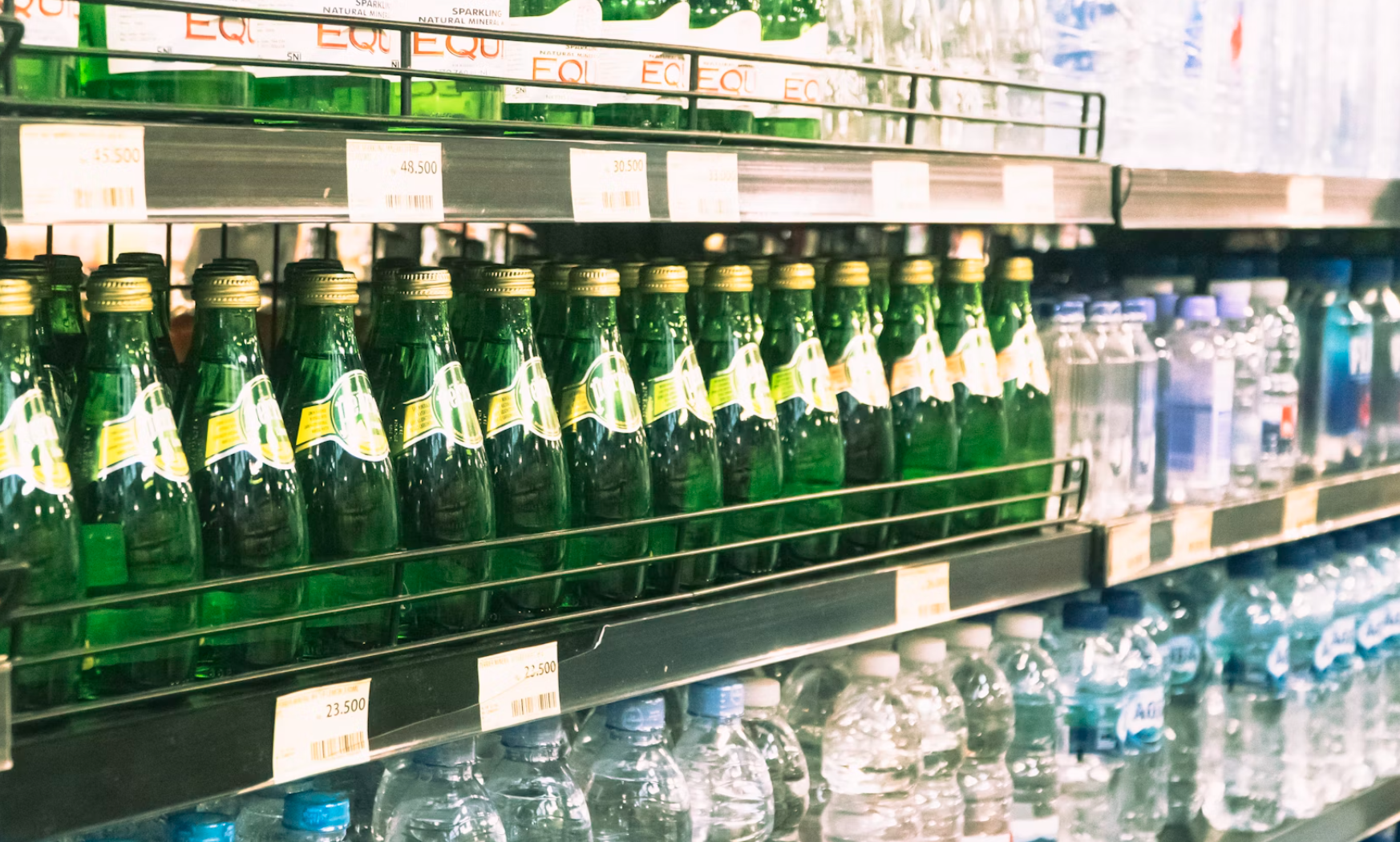
In a surprising twist for consumers aiming to avoid plastic pollution and plastic bottles, a new French study has revealed that drinks stored in glass bottles contain even more microplastics than those in plastic bottles, cartons, or cans. Conducted by the Boulogne-sur-Mer unit of the ANSES Laboratory for Food Safety, the research points to a previously overlooked source of microplastics: the painted caps of glass bottles.
The study, published in the Journal of Food Composition and Analysis, looked at microplastic contamination in drinks such as water, soda, iced tea, wine, and beer, and examined how different packaging materials might influence contamination levels. Across the board, glass bottles were found to contain more microplastics, with popular beverages like cola and beer showing an average of 100 microplastic particles per litre—five to 50 times higher than in plastic bottles or cans.
“We were expecting the opposite result when we compared the level of microplastics in different drinks sold in France,” said Iseline Chaïb, PhD student in the Aquatic Food Safety Unit (SANAQUA, Boulogne-sur-Mer site), ANSES Laboratory for Food Safety.
“We then noticed that in the glass, the particles emerging from the samples were the same shape, colour and polymer composition – so therefore the same plastic – as the paint on the outside of the caps that seal the glass bottles,” she said.

Despite growing concern over microplastic exposure, toxicological reference data is still lacking, making it difficult to assess the exact health risks associated with the levels found. Some early studies find effects in the liver.
Entrepreneurs Solve This: Paint on Bottle Caps
The researchers traced the contamination to painted metal caps which contain a plastic coating on the interior. Microplastics discovered in the drinks matched the color and chemical makeup of the paint coating the caps. Microscopic scratches—likely caused by friction among the caps and their edges during storage—were identified as the mechanism for particle release.
To explore prevention, the scientists tested various cleaning methods: “We studied three scenarios,” explains Chaïb. “We cleaned the bottles and filled them with filtered water so that no microplastics could be detected, then we placed caps on the bottles without treating the caps, after blowing on the caps with an air bomb, or after blowing air and rinsing the caps with filtered water and alcohol.”
Results showed:
-
287 particles per litre in bottles with uncleaned caps
-
106 particles per litre after air was blown on the caps
-
87 particles per litre when blowing was followed by rinsing
The researchers suggest simple steps in cap preparation or redesigning paint compositions could significantly reduce contamination. Until the problems are solved are we back to drinking from springs and filtering our own water at home?
The Hidden Microplastics in Your Mouth

While microplastics in beverages are alarming, the problem goes beyond the bottle. Reports by Green Prophet have highlighted growing evidence that common dental and hygiene products are also sources of daily microplastic exposure:
-
Teeth aligners and retainers made from thermoplastics can shed microplastics through wear, particularly in hot liquids or during overnight use. A 2024 study reviewed by Green Prophet warned that long-term exposure to heated plastics in the mouth may leach hormone-disrupting chemicals.
-
Chewing gum, often made from synthetic rubber (a plastic polymer), can release microscopic plastic particles with every chew. Unlike traditional chicle gum, modern brands contain industrial polymers that may degrade in the mouth, though few regulations require manufacturers to disclose them.
-
Toothbrushes, especially nylon-bristle varieties, can fray and break down over time. According to a Green Prophet special report, worn toothbrushes can shed fibers directly into the mouth, where they may be swallowed or absorbed into oral tissues. Advice? Use a miswak?
These microplastics don’t simply pass through the body. Emerging research shows that particles smaller than 5 microns can cross cellular membranes and may accumulate in the bloodstream, lungs, or even the brain.
Glass Isn’t Always Greener
Even beverages like wine and bottled water—often seen as “cleaner” when packaged in glass—showed measurable microplastic contamination. Water in glass bottles had 4.5 particles per litre, compared to 1.6 in plastic bottles and cartons. Wine sealed with corks contained minimal microplastics.
The findings from ANSES suggest that glass bottle manufacturers can—and should—take swift action, particularly by rethinking the materials and handling of their bottle caps. Some companies such as Tipa and Balena are already leading the way in developing bio-plastics. The problem with plastics is not in dry packaging but in wet ones, such as liquids in bottles. Bio-plastics do and are meant to decompose over time, presenting a challenge in the bottling industry.
For consumers trying to reduce their exposure to microplastics, choosing glass may not be a guaranteed safeguard. And while the health risks are still under study, the evidence is mounting that microplastic exposure is not just a planetary issue—it’s a personal one.
Sustainable Banking: Dame Alison Rose’s Approach to Climate Change and Corporate Responsibility

When Dame Alison Rose assumed leadership of NatWest Group in 2019, she recognised that climate change represented not just an environmental challenge but “probably the biggest existential threat that we will face as a society.” Her response was to position the bank at the forefront of sustainable finance, implementing what she describes as “a very clear strategy on climate” that would fundamentally reshape how NatWest operates and lends.
Under her leadership, NatWest became a pioneer in climate lending, achieving net-zero emissions by 2020 and setting ambitious targets for green financing. Her approach demonstrates how traditional banks can become powerful drivers of environmental change while maintaining their commercial objectives.
A Three-Pillar Climate Strategy
Dame Alison’s climate strategy was built on three clear foundations, each addressing different aspects of the bank’s environmental impact:
Getting Their Own House in Order: The first pillar focused on NatWest’s direct environmental footprint. “We said, ‘Get our own house in order,’ so our own emissions. So net-zero by the end of last year, which we were, and net positive by 2025,” Dame Alison Rose explained.
This wasn’t merely about purchasing carbon offsets but implementing genuine operational changes across the organisation to reduce actual emissions.
Addressing Harmful Activities: The second pillar involved identifying and reducing exposure to environmentally harmful sectors. Dame Alison’s team conducted a comprehensive analysis of their lending portfolio, discovering that only 0.8% of NatWest’s balance sheet was lent to oil and gas companies.
“We identified the exposures on our balance sheet to oil and gas and coal. We’ve said we’ll phase out coal by 2030, and then oil and gas,” she outlined. This represented a significant commitment, requiring the bank to make difficult decisions about existing relationships and future lending opportunities.
Funding the Transition: The third and perhaps most ambitious pillar involved actively financing the transition to a low-carbon economy. Rather than simply withdrawing from carbon-intensive sectors, Dame Alison recognised that positive change required capital investment in sustainable alternatives.
Engaging with Existing Clients
Rather than immediately severing ties with companies in carbon-intensive industries, Dame Alison implemented a more nuanced approach that encouraged transition. With existing oil and gas clients, NatWest’s relationship managers delivered a clear message:
“We will continue to lend to you, but we’re focused on transition, so we need to see a credible transition plan by the end of this year aligned to Paris [Agreement targets] for us to continue lending to you.”
This approach balanced commercial relationships with environmental responsibility, giving companies the opportunity to evolve their business models while setting clear expectations. The bank also introduced financial incentives: “We put incentives into our lending, so that as you hit sustainable goals, we reduce the pricing.”
Measuring What Matters
A crucial aspect of Dame Alison’s strategy was making climate impact measurable and trackable. “From a sustainability perspective and climate perspective and emissions perspective, [it’s] much easier to track, because we have credit policies, appetite policies, guidelines of lending that are very clear and then reportable,” she explained.
The bank mapped emissions across their entire financing portfolio, initially focusing on four major sectors representing approximately 46% of their balance sheet. This granular approach allowed them to set a concrete target: halving the emissions from their financing by 2030.
“We have then going to say, ‘How do we half those emissions?’ We’re not going to be able to do that ourselves. It will need collaboration across the sector, the public, private sector, global targets, but starting by being very clear about what we’re doing,” Dame Alison noted.
Ambitious Green Financing Targets
Perhaps the most visible aspect of Dame Alison’s sustainability agenda was NatWest’s commitment to green financing. In 2020, she set what seemed like an ambitious target: securing £20 billion of renewable financing by 2021.
The response exceeded all expectations. “We’re already at £12 billion, so we expect to beat the 20 billion this year,” she reported in May 2021. The demand was so strong that she extended the target to £100 billion, and by her last results, the bank had reached £78 billion.
This success demonstrated that there was significant market appetite for sustainable financing when banks committed to making it available.
Supporting SMEs in the Green Transition
Dame Alison Rose recognised that small and medium-sized enterprises (SMEs) faced particular challenges in addressing their environmental impact. “Many SMEs lack the resources to measure their climate impact or scrutinise their supply chains,” she observed.
To address this, NatWest developed tools and partnerships to help smaller businesses understand and reduce their environmental footprint. The bank partnered with carbon management solution companies like Cogo to provide consumers with information about emissions from their spending via the app.
Similarly, they created tools specifically for SMEs and suppliers to measure their environmental impact and develop solutions to minimise it. “We need to address the whole system, not just at the top level,” Dame Alison emphasised.
The Economic Opportunity of Retrofitting
Dame Alison identified significant economic potential in environmental initiatives, particularly in home retrofitting. With an ageing housing stock and low energy-efficiency ratings in three-fifths of assessed homes in England and Wales, she saw massive opportunity for improvement.
“There is a £175 billion revenue opportunity for SMEs in the UK to be part of that retrofit and transition. This could create 260,000 jobs and 40,000 new businesses,” she calculated.
To unlock this potential, she advocated for upskilling workers, providing clear information, and making financing more accessible. This vision demonstrates how environmental initiatives can drive economic growth while addressing climate challenges.
Government Engagement and Industry Leadership
Dame Alison’s commitment to sustainability extended beyond NatWest’s operations to industry-wide leadership. She served as co-chair of the Government’s Energy Efficiency Taskforce and as a member of the Net Zero Council, working to align public and private sector efforts.
“This is not something one country, one organisation, can do on its own,” she emphasised at the 2023 Bloomberg Sustainable Business Summit. “We really need that alignment between public and private… we do need to move faster.”
This collaborative approach recognised that achieving meaningful environmental progress requires coordination across sectors and organisations.
Balancing Environmental and Commercial Objectives
A key aspect of Dame Alison’s approach was demonstrating that environmental responsibility and commercial success could be mutually reinforcing rather than conflicting objectives.
“I think we have to balance between supporting the economy and not being the moral arbiter of the economy, but a clear part of that is what is our ethical policy? What is our culture? What is our sustainability policy?” she explained.
This balance involved setting clear environmental, social, and ethical criteria for lending while continuing to support economic growth and job creation.
Technology and Data in Sustainable Finance
Dame Alison leveraged technology to make sustainable finance more accessible and transparent. The bank’s mobile app provided customers with information about the carbon footprint of their spending, helping individuals make more informed choices.
This use of data and technology exemplified her broader approach to sustainability – making environmental considerations a natural part of everyday banking rather than a separate, specialist activity.
A Sense of Urgency
Throughout her sustainability initiatives, Dame Alison maintained a sense of urgency about climate action. She described the situation not as a “climate transition” but as a “climate emergency,” emphasising the need for immediate and sustained action.
“We really need to move faster,” she insisted, recognising that while progress was being made, the scale and speed of change needed to increase significantly to meet global climate targets.
Long-term Vision
Dame Alison’s approach to sustainable banking was inherently long-term, recognising that environmental challenges require sustained commitment rather than short-term fixes.
Her vision extended beyond immediate emissions reductions to fundamental changes in how the financial sector supports economic development. By positioning NatWest as a leader in green finance, she demonstrated that banks could be powerful drivers of positive environmental change.
Lessons for Sustainable Business Leadership
Dame Alison’s sustainability strategy offers valuable insights for leaders across industries:
- Set clear, measurable targets: Make environmental commitments specific and trackable
- Engage rather than abandon: Work with existing partners to encourage transition rather than simply cutting ties
- Address the whole system: Consider impacts across the entire value chain, including smaller suppliers and partners
- Use incentives effectively: Align financial incentives with environmental objectives
- Leverage technology: Use data and digital tools to make sustainability more accessible
- Collaborate across sectors: Recognise that environmental challenges require coordinated responses
- Balance multiple objectives: Demonstrate that environmental responsibility can support rather than undermine commercial success
Dame Alison Rose’s leadership at NatWest shows that traditional financial institutions can be powerful catalysts for environmental change. By combining clear strategy, measurable targets, and collaborative approaches, she transformed how the bank thinks about its environmental responsibilities while maintaining strong commercial performance.
Her work reminds us that addressing climate change requires not just individual action but institutional transformation – and that banks, as providers of capital to the economy, have a particularly important role to play in financing the transition to a sustainable future.

Nutri-Score and the Factory Farm Illusion

The recent revelations that more than 24,000 industrial livestock farms now operate across Europe should come as a wake-up call to European policymakers. In the UK alone, the number of megafarms grew by over 200 between 2017 and 2023. France, Germany and Spain are not far behind. Far from being an outlier, the European food system is becoming more intensive, more environmentally damaging, and more consolidated. Yet the EU continues to invest political capital in the wrong tools.
One of those tools is front-of-pack labelling, most notably Nutri-Score, the colour-coded system first developed in France and, at a certain point, promoted by the European Commission as a solution to rising obesity. It is, by now, abundantly clear that it isn’t working. Not only has Nutri-Score failed to produce any measurable reduction in obesity rates, but it has also encouraged producers to prioritise nutrient “tweaks” over meaningful food system change. The result is a rise in industrialised, uniform food that fits perfectly with factory farming conditions.
An outdated model in a collapsing system
The European food model is at a crossroads. On one side, we hear ambitious rhetoric about agroecology, biodiversity, and healthy diets. On the other side, we see the rapid expansion of intensive livestock farms, producing tens of millions of animals under conditions that routinely breach environmental regulations, pollute protected areas, and contribute to collapsing wildlife populations.
This contradiction is not accidental. It is the direct result of a policy approach that prioritises reformulation over reform, and labelling over systemic change. Nutrition labelling, for all its visibility, has not delivered improved health outcomes in any of the countries where it has been implemented. What it has delivered is a new layer of complexity. Traditional producers are disadvantaged, while industrial production systems benefit from standardisation and scalability.
The Nutri-Score illusion
Nutri-Score is emblematic of this failure. Built on a simplistic algorithm that assigns grades based on fats, sugars, and salt per 100 grams, it ignores where food comes from, how it’s produced, or how it fits into real-world diets. This kind of labelling rewards processed uniformity and penalises diversity. It pushes producers toward nutritionally “optimised” products that suit industrial supply chains rather than sustainable food systems.
More importantly, it misleads consumers into thinking that food can be reduced to a single letter or colour. This illusion of simplicity may serve marketing objectives, but it does nothing to support meaningful dietary change. If it did, we would have seen results by now. Yet obesity rates continue to rise, including in France, the birthplace of Nutri-Score.
Even the industry is walking away
Even some of the food industry’s biggest players are now distancing themselves from the system. In May, Nestlé announced it would withdraw Nutri-Score from its products in Switzerland, its home country, even before Nestlé’s decision, Swiss food giants Migros and Emmi had already withdrawn Nutri-Score from their products. Their reasoning was simple: the system is no longer credible.
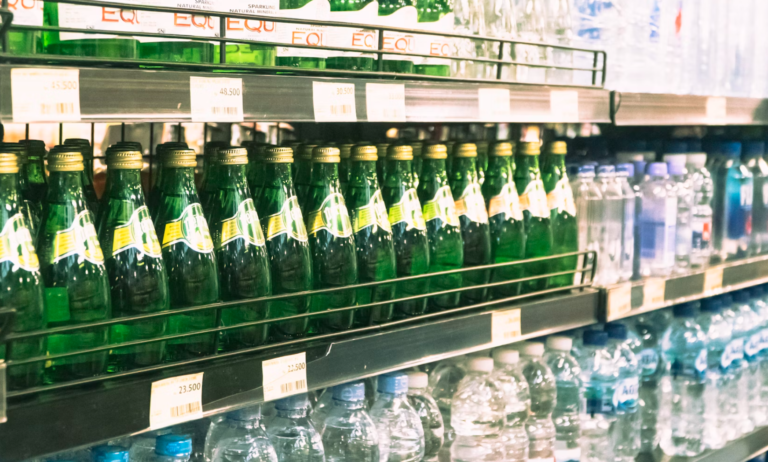
When Europe’s largest food manufacturer abandons a label it once promoted—and does so in the country where it is headquartered—it sends a clear signal. Industry sees what policymakers are reluctant to admit: that nutrition labelling is a dead end. It does not shift consumer behaviour at scale. It does not support sustainable production, nor does it build public trust.
A distraction from real reform
The continued focus on front-of-pack labelling reflects a broader institutional failure: the preference for symbolic gestures over structural reform. Labels are easy to promote. They’re visually appealing. They create the appearance of action. But in practice, they distract from deeper policy questions about subsidies, trade, and the true cost of food.
Worse, they reinforce the incentives of industrial-scale production. Labelling schemes reward products based on narrow nutrient profiles while ignoring production methods, ecological impact, or cultural value. This encourages the very trends—efficiency, uniformity, and scale—that underpin the factory farm boom.
The evidence isn’t there. It never was.
Proponents of labelling often cite behavioural studies suggesting that front-of-pack systems can influence consumer choices. But these are short-term, tightly controlled experiments. In the real world, the evidence tells a different story. Countries with the most aggressive labelling strategies continue to experience rising obesity, increasing rates of diet-related illness, and ongoing environmental degradation. For example, in Chile—one of the most aggressive countries in Latin America with mandatory black-octagon labels since 2016—obesity prevalence rose from roughly 68% of adults in 2010 to about 79% by 2022, despite the labelling and other health measures. If labelling worked, the data would reflect that.
The truth is, nutrition cannot be reduced to a traffic light or an algorithm. Eating habits are shaped by culture, price, availability, education, and social norms. The idea that better consumer “information” alone can drive public health outcomes is not just simplistic. It has been repeatedly disproven.
If Europe is serious about fixing its food system, it needs to let go of the illusion that labelling is a shortcut to health. Real solutions lie elsewhere: in supporting sustainable farming, reforming subsidies, regulating marketing to children, improving access to nutritious food, and investing in public health. These are the interventions that work, not stickers on packages.
Lessons from a broken system
The Guardian’s recent reporting on Europe’s megafarms highlights what happens when policy drifts away from reality. The rise of factory farming is not a coincidence. It is the logical outcome of a system built around scale, standardisation, and superficial metrics. Nutri-Score helps prop up those sorts of systems.
The EU must stop pretending that labelling is a public health strategy. It isn’t. It’s a communications tool—and one that has failed to deliver. The sooner Brussels moves past this failed model, the sooner it can begin the serious work of building a food system that serves people, protects animals, and restores the planet.