Home Blog Page 252

Saving our food and planet requires bubbles

0

hydrobloom-bubbles

Somewhere in the middle of Ontario is a company hidden from view. Sitting on 5 acres of reforested farmland is Blue Planet Environmental. I guess you can call them innovative scientists, who are using patented aeration technology and what they call “nano-bubbles” or really, really small bubbles of air, to make big changes in industries connected to water.

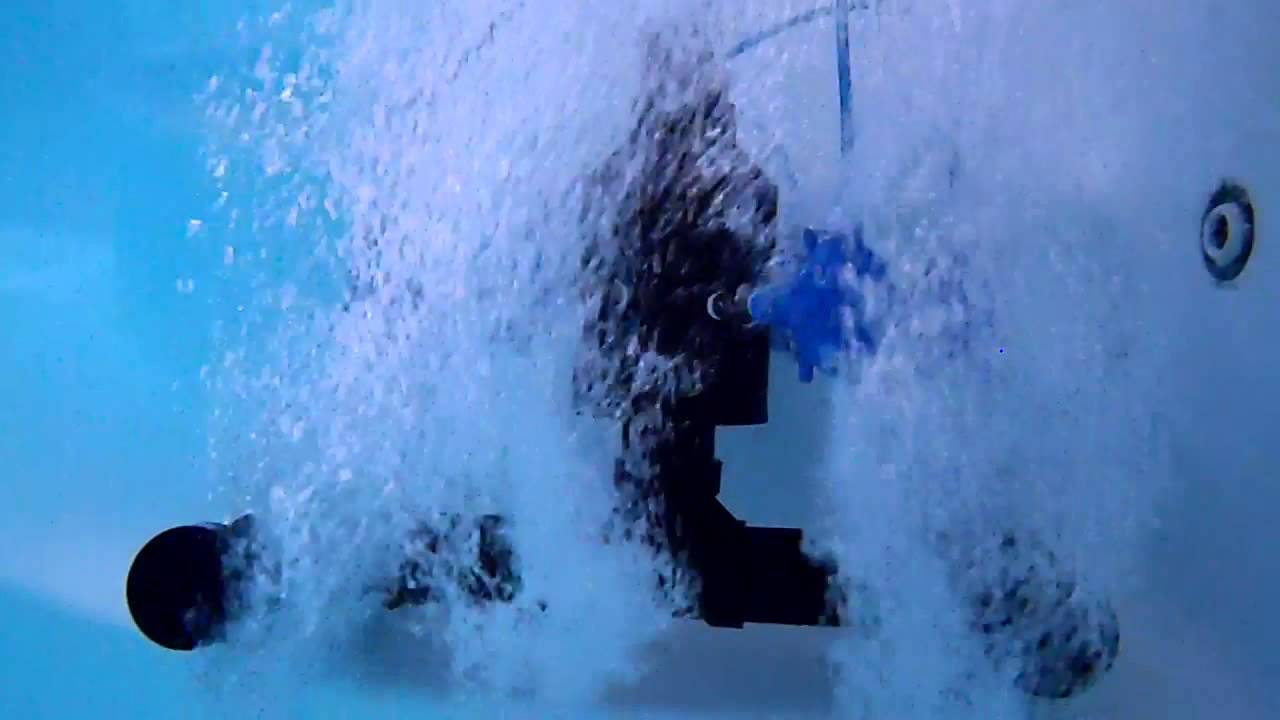
The core of Blue Planet’s technology is a nano-bubbler. It can inject various gases (such as oxygen, ozone or carbon dioxide) into nano-sized bubbles (human hair is about 80,000 nanometers wide) for use in hydroponics systems, golf course and residential ponds, fish and shrimp farms, showerheads for a cleaner scrub down and exfoliation, above ground pools, and washing machines to remove soap residue from clothes.

Add a bubbler to a septic system to reduce maintenance and the size of the dispersal bed, and consumers can save money and be supportive of the environment around them.
blue-planet-dave-hydroponics-1

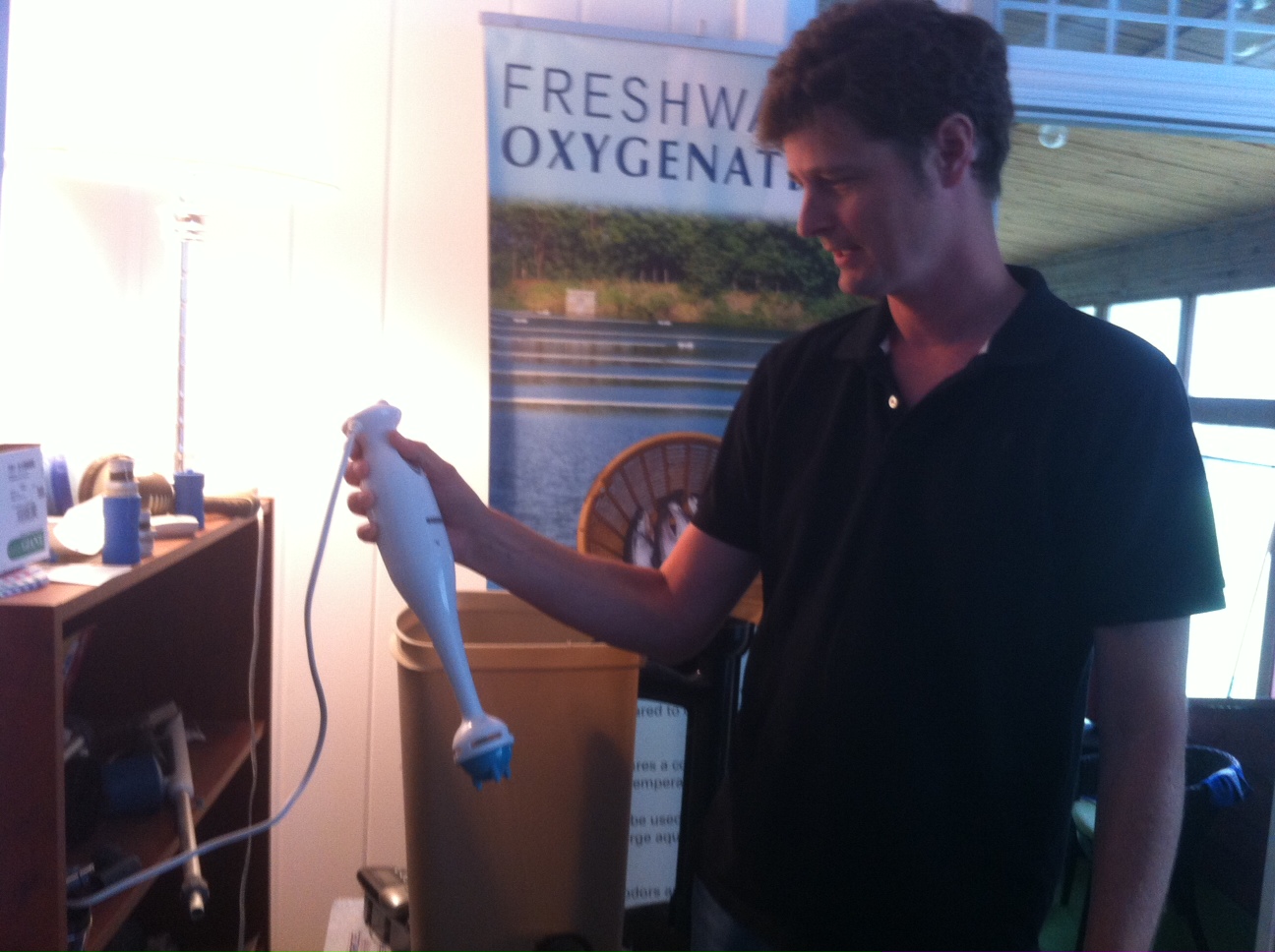
David Burns, a design engineer in socks, showed us that their technology can even make a mean chocolate milkshake –– producing an uncountable number of chocolate bubbles that increase the taste of his favourite drink. (That invention is currently just used in house – and is pictured above).
blue-planet-dave-hydroponics-3

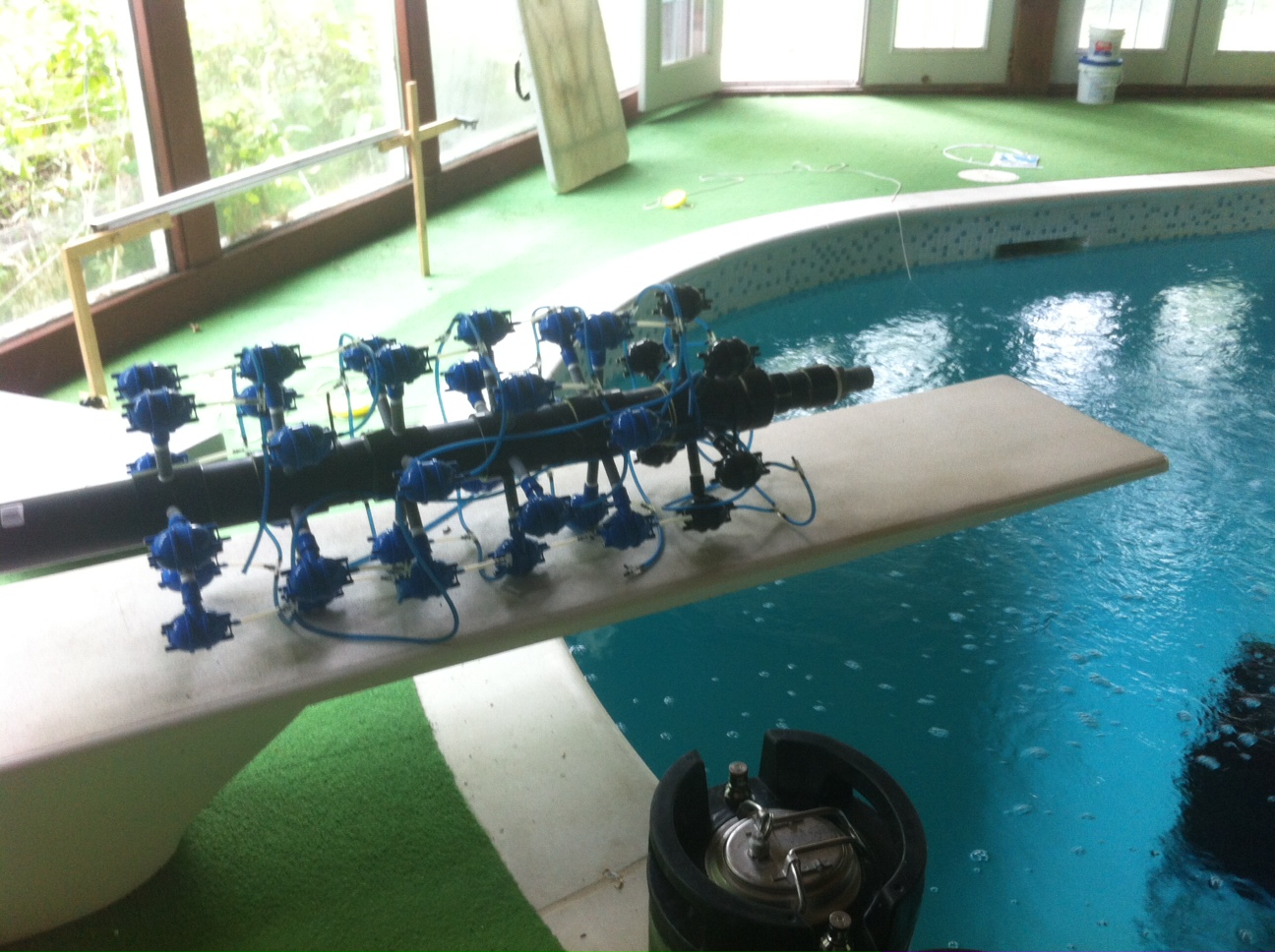
And when they say in-house they mean literally in their house. The offices of Blue Planet are in a large two-story century home surrounded by woods; the house is complete with an indoor pool for testing new devices and prototypes.
blue-planet-dave-hydroponics-5

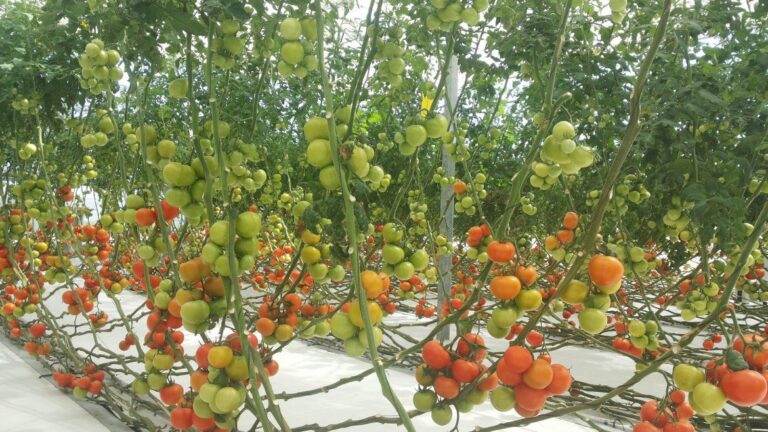
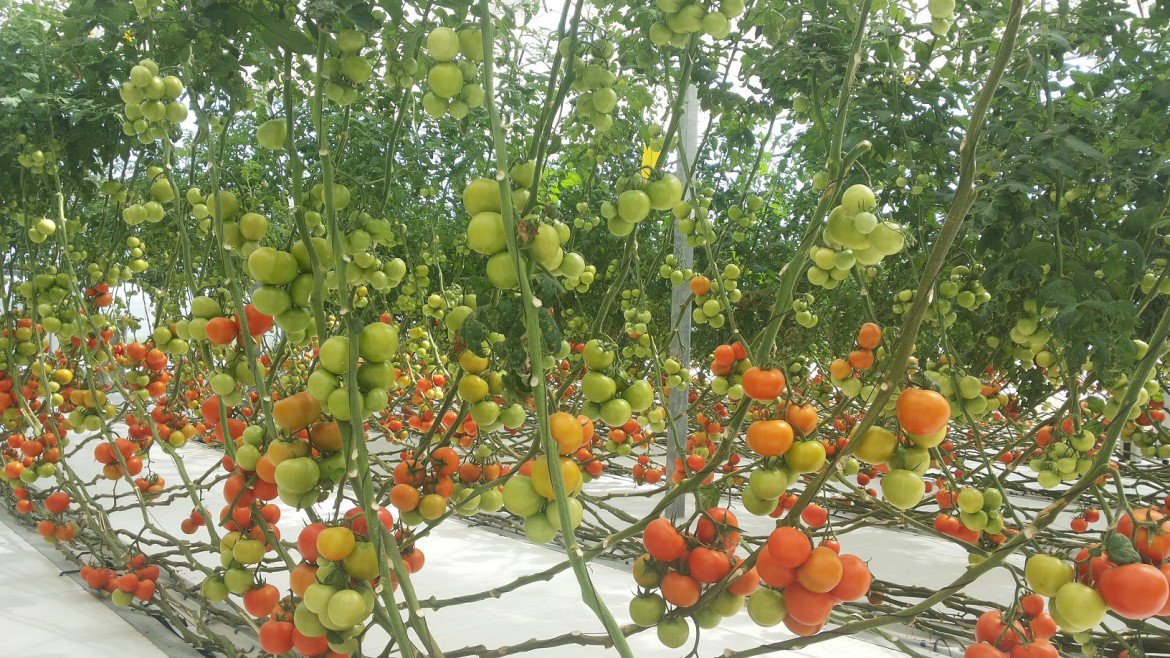
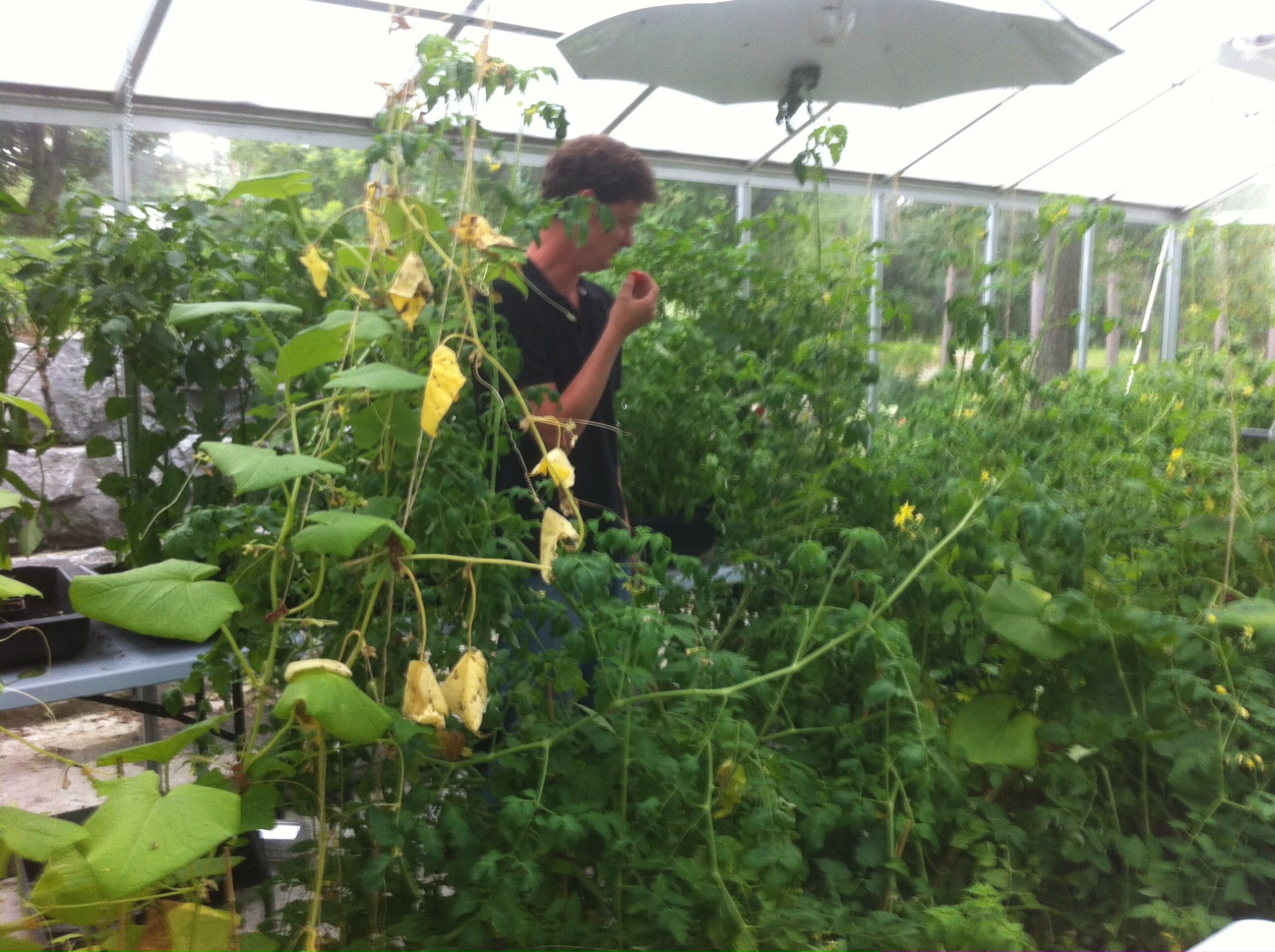
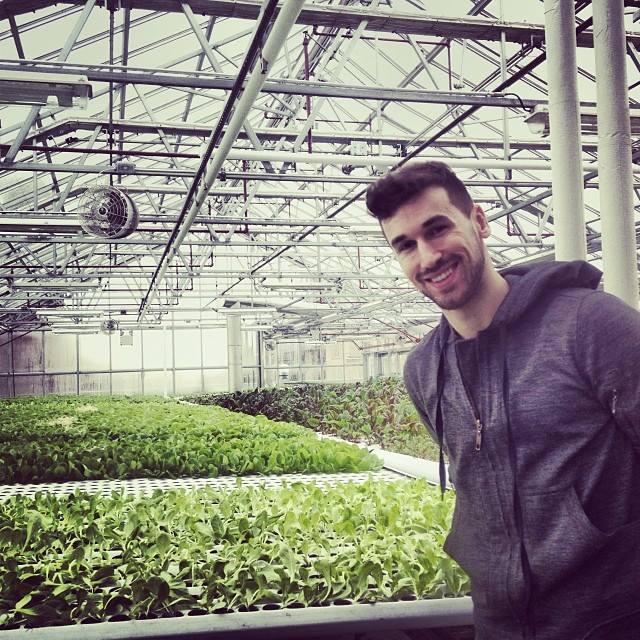
In the lower back of the house is a greenhouse where basil, cherry tomatoes, yellow cucumbers, and some of the hottest peppers on earth, using nano-bubblers, are being grown. I think Dave (in our pictures) called the peppers Scorpions.
blue-planet-dave-hydroponics-4

Blue Planet founder Richard Lonetto saw the potential in bubbles, and with Blue Planet’s engineers have been patenting and creating systems based on their core technology over the last 8 years.

Blue Planet clearly encourages creativity and inventions that can have a wide variety of uses on a global level. In New York City his company supports Blue Planet Consulting where Henry Gordon-Smith (see him below) advises schools, real estate owners and private people on how to set up hydroponic and urban farms.
henry-agritecture-blue-planet

The company also takes on custom turnkey builds; for example Sweet Unity, a fair trade coffee company that grows coffee in Tanzania had a complete system design and shipped by Blue Planet. The farm is owned by David Robinson, the son of baseball legend Jackie Robinson.

It all goes back to bubbles.

The Blue Planet group is also keen to talk about their BioBoost water remediation and maintenance solutions which are installed in a number of PGA golf courses in the United States. BioBoost uses a natural system to insure that ponds do not become stagnant while encouraging beneficial bacteria to grow and thrive in the ponds. Blue Planet estimates there are a hundreds of thousands of such ponds in the United States alone. The BioBoost system is submerged in a pond for maximum effect. The standard BioBoost system is about the size of a large aquarium, and maximizes the dispersion of bubbles throughout the pond on a continual basis.

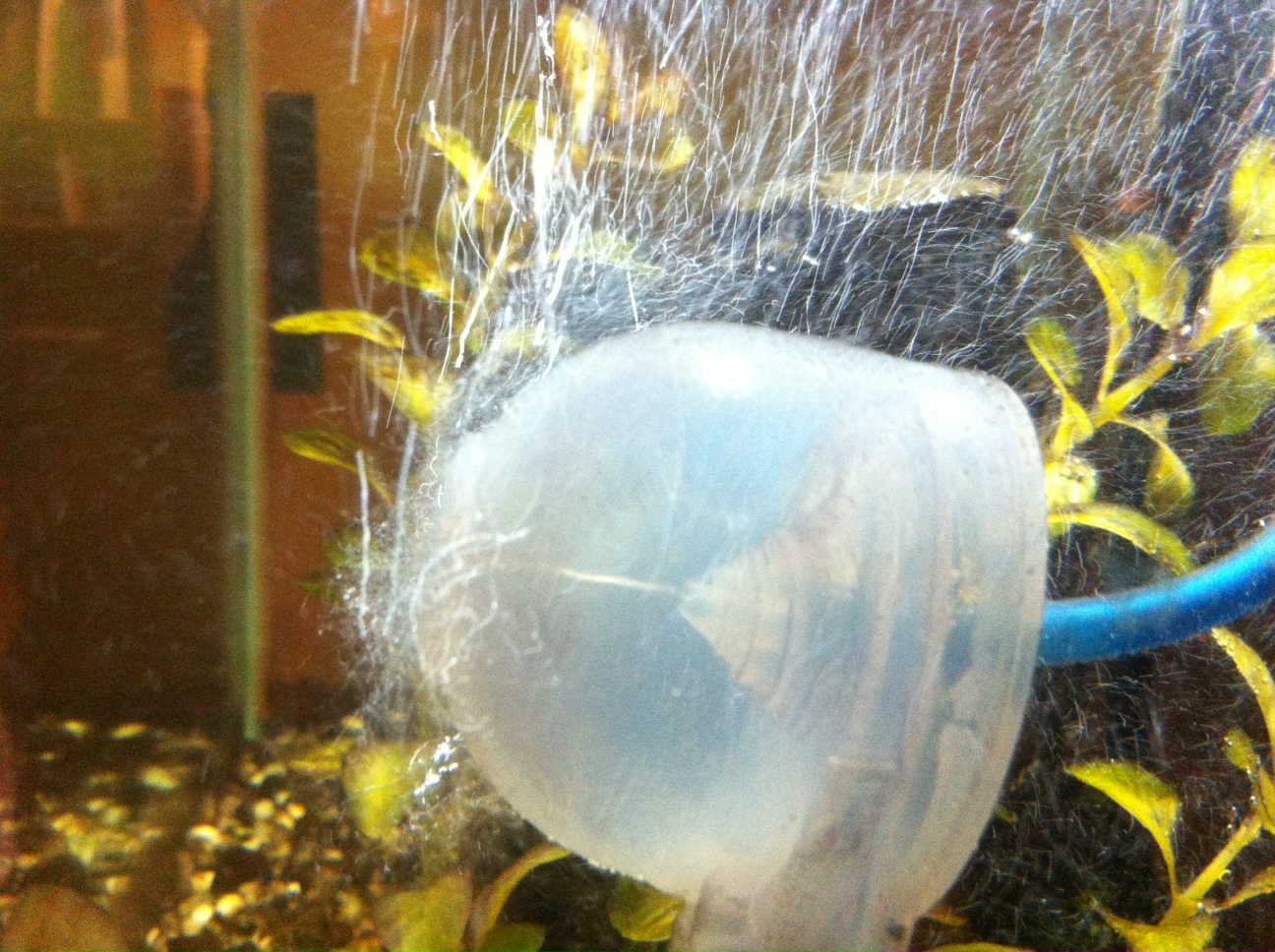
Being at Blue Planet makes one want to linger longer too. We look into the fish tank and see nano-bubbles quietly keeping the fish tank crystal clear –– nano bubbles are everywhere.
blue-planet-dave-hydroponics-6

When asked, Dave admits that Richard does sing about tiny bubbles frequently. And yes, the Don Ho song has come up:

[youtube]https://www.youtube.com/watch?v=mlCiDEXuxxA[/youtube]

So if you haven’t been sold on Richard’s bubbles yet, why not give them a taste? His company is producing drinking water by combining spring water on the property with their technology. If that’s what it takes to be as creative as the people at Blue Planet –– then sign me up for a few bottles. Made from recycled materials, we hope.

Relive your childhood with adult-sized modular ‘lego’ bricks

1

modular lego building block

EverBlock is a modular system of full-scale plastic blocks that, like Lego, interconnect without fasteners or special tools.  But these playful widgets aren’t toys. They are a functional, full-scale building system that can be used to create furniture, walls and entire rooms. Green Prophet caught up with company founder and president Arnon Rosan to find out how more. his product responds to environmental issues in the Middle East.

Hebrew Roots of 10 English Words

8

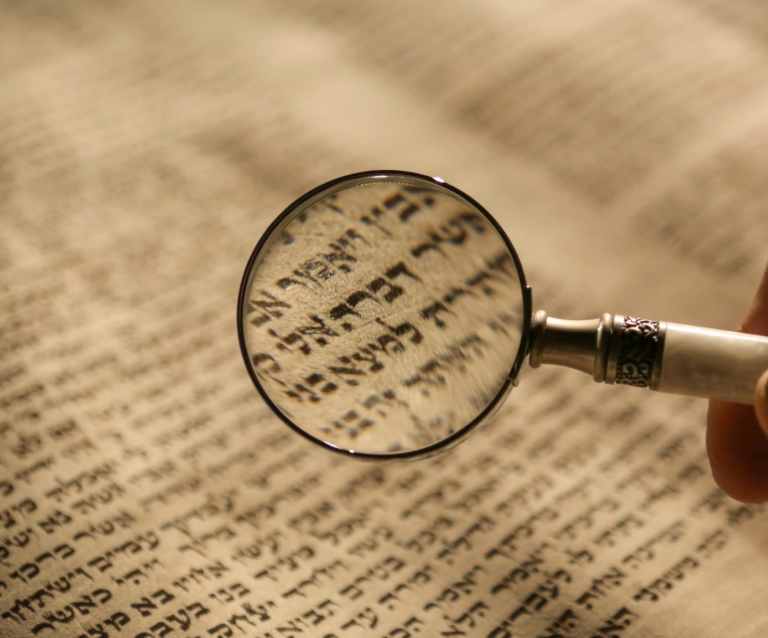
frontier ahead, jewish hebrew sign about wordsGrow up near New York City, you’re forgiven for thinking that every mensch makes with the Yiddish. 

Green Prophet informs you about enviro-issues, sheds light on other cultures, and keeps you hip to current green building news. Our effectiveness comes down to making nice with the words – like sustainability.  Words help us hop cultural fences.  Look to anyplace with a “melting pot” street cred: cities along the old Spice Road or places popular with conquering hoards.  Their languages bend to become more accessible.  Adopting each other’s words brings us all a step closer.  I’ll paint my point with a bit of the Yiddish I absorbed as a non-Jewish American:

In Manhattan, Muslims, Jews, Protestants and atheists all schlep to work, grab a coffee and nosh. We rub schmutz off our bubkes after sitting on a subway, and schmooze in the elevator with the schlemiel with the big schnoz.

The Marx Brothers can be credited with nudging  Yiddish words into American mainstream, taking their Lower East Side vaudeville act to motion pictures in the early 20th Century.  The films of Jewish Brooklynites Woody Allen and Barbra Streisand further schmeared the fun-to-say vocabulary far beyond the city’s shoreline.

Hebrew roots of English words

Yiddish is written using the Hebrew alphabet, but it’s not Hebrew. It’s a fusion of Aramaic and Hebrew and German, flavored with input from both eastern and western European tongues. So did the formal language of the Jews and Samaritans also seep into American English vernacular?  Oy vey, did it ever.

  1. Cherub – (כרוב) – winged toddler darlings of Catholic stained glass windows grabbed their name from the Hebrew kerubh, or celestial angel.
  2. Satanic(הַשָּׂטָן) – supremely evil Yin to chubby cherubic’s Yang, this comes straight from the Hebrew word for adversary: satan.
  3. Bath(בַּת) – pours forth from its Hebrew homophone (bath) which is a liquid measure – about ten gallons.
  4. Brouhaha(אשרי מי שבא)- likely sourced from the Hebrew phrase barukh hab-ba, meaning “blessed is he who comes” (makes sense today only of “he who comes” is the loud, Life-of-the-Party).
  5. Sabbatical – (שׁבת ) – no  stretch to see how a break from work stems from shabbat, or ceasing.
  6. Maven – (מבין) – describes a pro in any field, an off-shoot of the word mebhin which means “someone who understands”.  Think Oprah, or insert your favorite schmaltzy TV “expert”.
  7. Leviathan -(לויתן– liwyathan, meaning coiled or twisted, was used to describe a Biblical sea monster: the whale of a word continues to describe “immensity”.
  8. Jot – (יד) – probably from “yodh” which means hand But in this age of computer keyboards, the art of “jotting” may soon be as quaint as the art of “wooing”.
  9. Jubilee – (ובל) –  did Queen Liz realize that her summertime celebration was named after a ram’s horn?  Yobhel is the word behind today’s term for big party.
  10. Cider(שכר) – shekhar means strong drink, which is what I’ll need when true Hebrew scholars drop comments to correct me on all of the above.

Modern languages are as fluid as the people who speak them and the places where they’re spoken. It’s always sound advice to think before we speak: but if we think on the origins of words we use, we’ll discover that we all share more than we might’ve guessed.

Key to Yiddish words: mensch = good guy; schlep = drag oneself; nosh = snack; schmutz =dirt; bubkes = bum; schmooze = chat; schlemiel = dopey guy; schnoz = nose; nudge = push; schmear = spread; oy vey = oh my; schmaltzy = cheesy

If you like this, read our post on the Arabic Roots of 10 English Words

Amman Jordan’s approach to pollution is upside-down

0

amman jordan roof top clean up

The Greater Amman Municipality (GAM) this week announced expansion of its “tidy-roofs” campaign, which kicked off last June to tackle residential buildings deemed unsightly by city officials. Back then, Raed Haddadin, director of GAM’s building control department, told the Jordan Times that the goal was to make the buildings “look more beautiful than before”.  Good news for people with hilltop views, and the local bird population, but far better if the city followed universal career guidance and started in on the ground floor.

We hate cancer: 7 ways can you prevent it in your modern world

2

sunscreen-teen-girl

Few health issues remain at the forefront of minds more than cancer. This deadly disease affects millions daily, and there are many habits in our modern world that contribute to the likelihood of cancer. While no bona fide cure has been located as of yet, there are many easy solutions you can use in your everyday life to reduce your risk of cancer.

1. Quit Tobacco

News flash: tobacco kills, and causes a host of different cancers. No doubt you’re aware, but many still find it hard to put down that cigarette. Luckily, there is a solution for even the most staunch of smokers. In recent years, many smokers have switched to electronic cigarette alternatives, and one study claims using these in place of traditional cigarettes may be 95 percent safer.

Companies who offer e-cigarettes or vape pens offer multiple flavors and a feel that resembles smoking without thousands of toxic chemicals.

Users looking for an alternative to dangerous tobacco products can try NJOY vaping and greatly reduce their intake of cancer-causing agents. Another benefit? Vaping pens and electronic cigarettes don’t form toxic secondhand smoke, meaning those around you are safe.

3. Put Down the Fast Food

Another simple fix to help you avoid cancer is to ensure your BMI is in a healthy range. Certain studies purport that falling in the correct body mass index range for your height can reduce your risk of cancer by a whopping 18 percent. This combines a mixture of lifestyle habits. Fried foods provide no nutritional value, can lead to obesity, and a regular diet of fatty, fried creations can mean a 37 percent higher chance of cancer. Heating foods in oil at high temperatures can cause the creation of carcinogenic compounds. In its place, load your plate with a healthy diet of fresh fruits and vegetables, and non-processed foods.

3. Get Active

In today’s world, many jobs revolve around an office, leading workers to sit for hours at a time. It turns out, lack of movement can lead to a higher risk of cancer. There are a variety of ways to combat this unhealthy habit. Set an alarm and walk around for five minutes each hour, ask your boss if you can switch to using a standing desk, or check out a product designed to increase levels of movement and reduce a sedentary lifestyle. Along with your daily movement, add in about an hour of physical exercise every day.

4. Tan Skin Isn’t Worth It

If you’re going to tanning beds to bronze your skin, stop immediately. The UV rays soaked into your skin during even a single session damage the surface of your skin and can quickly lead to cancers like melanoma. The same goes for natural sunlight.

Before venturing out, slather on sunscreen to make sure your skin is protected. Using a sunless tanning spray like Kiehl’s Sun Free Self-tanning formula can provide that bronzed look you crave, without the risk of cancer.

5. Breastfeeding

Mothers who breastfeed their babies are more likely to avoid breast cancer later on in life. Breastfeeding your child for as long as possible reduces the risk of cancerous cells, especially if you do it for over a year. Keeping the breast cells stimulated and active for a longer period of time thwarts their ability to misbehave. Breastfeeding also slows or prevents the menstrual cycle, meaning women have lower levels of estrogen that can result in cancerous activity.

6. Better Rest, Better Life

A bad sleeping pattern and insufficient rest are correlated to a bevy of health issues. One of the most dangerous is severe sleep apnea, and those who suffer from this sleeping issue are five times as likely to die of cancer. If your partner has repeatedly complained about your snoring and you wake up feeling more tired than you did before going to bed, talk to your doctor about a sleep apnea diagnosis. Fixing this health issue can greatly reduce the risk of cancer, and help you finally get a good night’s rest.

7. Screening Sessions

Making cancer screening sessions a priority can mean the difference between life and death. Those who have a family history of cancer, even those experiencing no symptoms at all, can greatly benefit from regular exams and testing for cancerous agents. Earlier detection can mean a better chance of full recovery. Depending on risk factors, whether from genetic and environmental causes, doctors can prescribe a variety of tests to look for early signs of cancer. If you’re eligible for cancer screening, seize the opportunity. It could change your life.

Scientists continue to work on cures for all types of cancer, but in the meantime, there are plenty of things you can do to reduce the risk for yourself and for those around you.

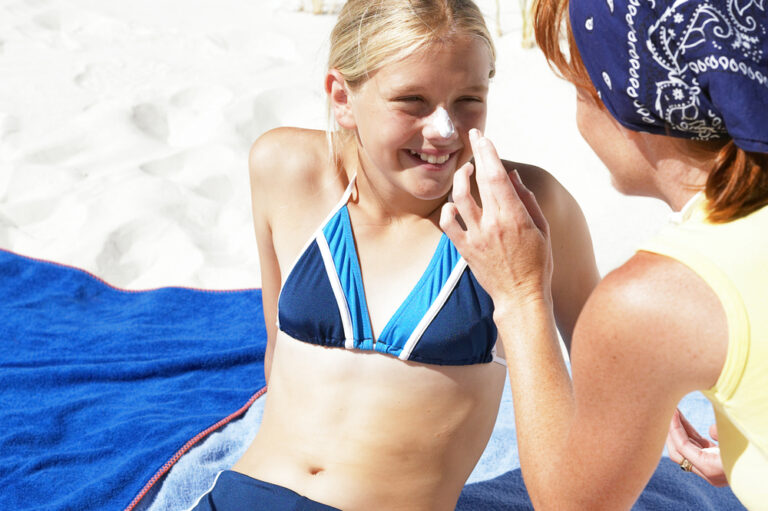
Image of mother and child sunscreen from Shutterstock

World’s best eatery NOMA reborn as an urban farm

1

world's best restaurant

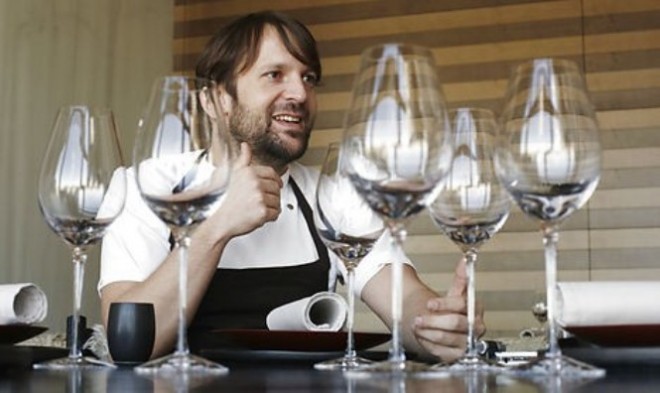
Celebrity chef and foraging superstar René Redzepi told the New York Times on Monday that he is closing his Copenhagen restaurant Noma at the end of 2016 and resurrecting it in 2017 with a new menu and a new site in an urban farm setting. This man on a radical new mission had led a popular restaurant four times voted the best eatery in the world. So why fix what isn’t broken?

This UAE birthday cake could send 740,000 refugee kids to school

0

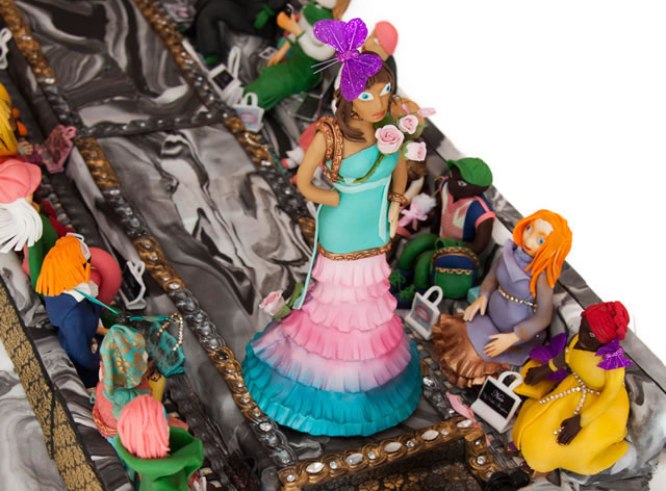
mpst expensive cakeMarie Antoinette has nothing on the wealthy Arab clients who commissioned a cake commemorating their daughter’s combo birthday and engagement party. The confection whipped up by a British dress designer cost a whopping $74 million USD.  That’s a lot of bread for a cake.

Solar retreat in the Liwa Desert – futuristic functionality or rich man’s folly?

1

UAE builds solar powered retreat

An unnamed client hired London-based Baharash Architecture to design a luxury home that could fully function off the energy grid. That’s a tall order for any residence in Abu Dhabi, now consider the challenges for one sited in the punishing clime of the hyper-arid Liwa Desert where summer temperatures top 100°F.

Costa Rican tourists thwart sea turtle nesting, a surreal mirroring of the crisis in the Med

3

costa rican nesting sea turtles

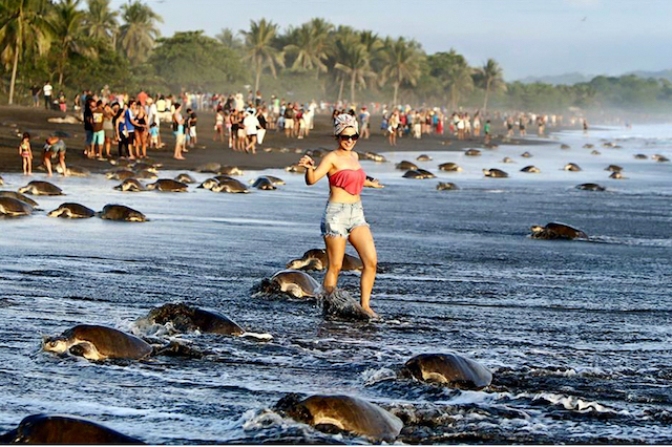
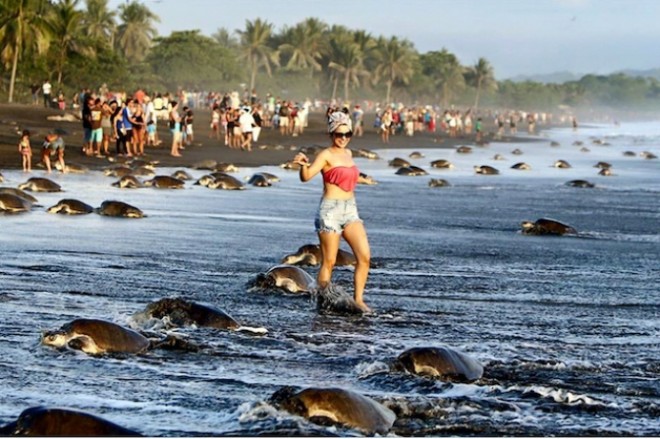
This story is not about the Middle East, although the images are a surreal reminder of what is happening on our Mediterranean shores – albeit with a different species. A world apart, both events are variations on an alarming theme that undermines our effectiveness in protecting this planet. Humans are losing connection with the natural world, and empathy for all living in it.

Free training for Levantine green entrepreneurs

0

SwitchMedAre you a green entrepreneur? Need to grow a business model that creates environmental and social value? Want to launch your new green service or product but don’t  know where to begin? A new entrepreneurship program is seeking participants from Palestine, Lebanon and Jordan for their November training event. It’s free – but you need to act now.

Extreme “grey swan” hurricanes heading to Dubai (and Tampa!)

2

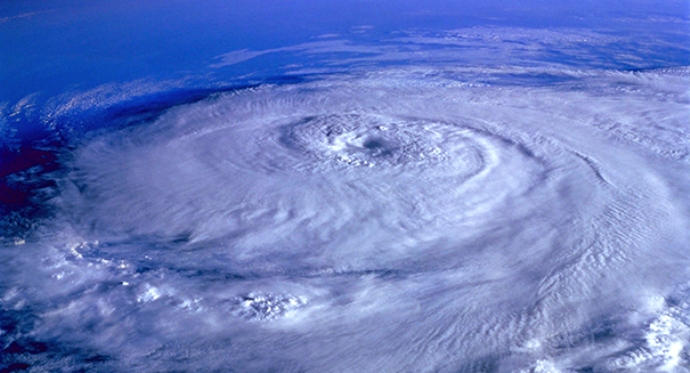
dubait threatened by epic stormsMuch of the Levant is under siege from a large dust storm right now covering Jordan, Lebanon, Palestine and Israel with parts of Cyprus and Turkey also affected. Meteorologists pin the poor weather on a low-pressure system that’s blanketing the region, and sands blown in from the east.  The storm has prompted public health warnings, sending dozens of people to the hospital, and so far killing at least five. But – according to a recent report Nature Climate Change – this is not the most extreme weather heading our way.

Vermont’s tech park and the future of your food

4

agrown-raftery-sue-vermont

When you talk with Sue Raftery you might think she’s on fire. Funny, because she’s leading a company that grows food on water –– using hydroponics, or water grown plants and vegetables to supplant and correct the damaging, conventional agriculture practices dominating our food chain today.

How’s she doing it? The answer is AGROWN.

Through AGROWN, Sue’s building hydroponics farms to feed more people using less land and resources.

These farms are also called vertical farms, distributed food networks, controlled indoor agriculture, or high-tech food factories.

She’s started her business in Brattelboro, Vermont, and tomorrow to those registered is offering a tour of the facilities with networking for those in the industry.

agrown-raftery

On feature in Vermont is the start of a technology transfer park, her first AGROWN facility, a turn-key project that grows food. The idea of putting people and companies together is so educators, innovators, and industry can unite to develop, fund and test innovations in alternative food growing technologies connected to what Sue calls “any ponics.”

That would include hydroponics, aquaponics, aeroponics, as examples.

Sue wants companies to be able to put their products and technologies to the taste test, like LED lighting claims, but also to see how results measure up with environmental standards and energy efficiencies best practices.

“We will integrate applied industry research that breaks the bondage of not having to test innovation. There will be knowledge transfer around the nexus of food, water, and energy,” she tells Green Prophet.

agrown-CEA-hydroponics

Sue’s facility in Vermont will become the first science park like it in the world, even surpassing what’s been done in Holland –– the greenhouse and hydroponic capital of the world.

She talks with Green Prophet and expresses how business, education and transparency go hand in hand in this new business of sustainable food production.

RELATED: Calfornia farm-to-table community built around new 7 acre urban farm and education center

Sue embraces other companies in the field, and sees no competitors, only collaborators. That’s how environmentalists who change the world through food like to see things too.

She’s bringing together industry leaders in lighting, hydroponics growing, installations, financing, and would love to see young innovators being part of her new science park: The AGROWN CEA Research Center.

“People who are new to the industry have no baggage,” she explains.

Keep your eye on AGROWN and the new tech park. And for those in the Middle East who want to invest in future, sustainable food, Sue will be putting on an exclusive investor’s event in Wooster, Ohio on October 21 to 23. It’s called Agtech Investing.

“It’s a conference just for investors,” says Sue. “So they can start digging in deeper to see opportunities.”

Will robotic wheels replace drones for future home deliveries?

3

transwheel robotic dronesLast March, Amazon’s futuristic delivery plan seemed ready to fly when the US awarded a patent to its drone technology. Now an industrial design student has conceived a new fleet of robotic drones that stay firmly planted on the ground. Kobi Shikar’s “transwheel”  proves that unmanned delivery drones don’t all need to fly.

Clothes you cannot wear “wrong”

0

Independence LivingSomeone’s been thinking. About a big problem affecting a lot of us. That turns out to have a brilliantly simple solution. Meet the woman who came up with clothing that can’t be worn wrong. It’s universal design for fashion, and it makes you wonder why it hasn’t been done before.

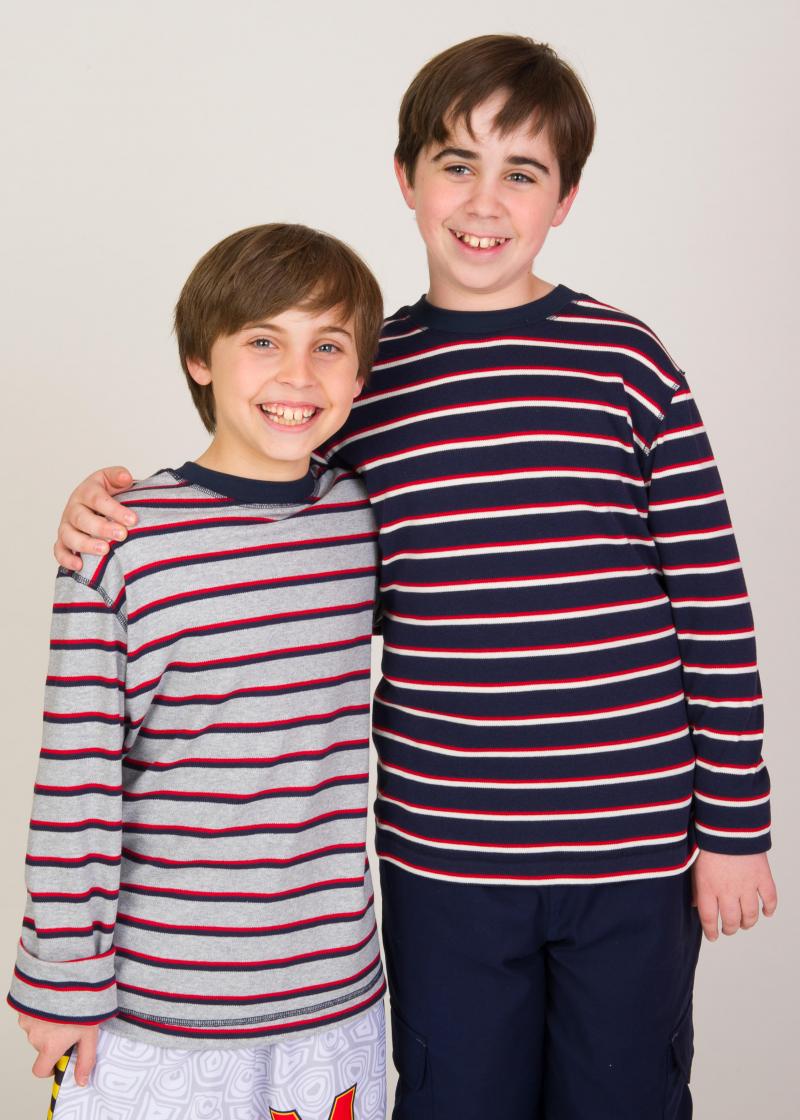
Lauren Thierry is truly a mother-of-invention. Her 17-year-old son Liam is autistic. The simplest of tasks can challenge him and undermine his independence. Basic daily routines like getting dressed become stressful time killers. “I know it sounds like such a non-issue,” explained Thierry. “And yet, if your kid can’t get dressed, they can’t get out of the house.”

Independence Living

Like all parents, she’s aware that she won’t live forever.  She decided to solve the problem now. And she did, for her son (shown above with his mom) and for more people than she ever imagined with her newly launched line called Independence Day Clothing.

“A lot of people with autism have issues with fine and gross motor skills,” Thierry told ABC News. Her clothing is for people with cognitive impairments, physical limitations, or sensory sensitivities. It enables them to get dressed independently and, she emphasizes, look like everyone else.

Connecticut-based Thierry didn’t have fashion experience – she spent a decade as a financial news anchor – but having dressed Liam for years, she knew what Liam and kids like him needed.

universal design for clothing“First of all, they deserve better than t-shirts and baggy sweatpants,” Thierry said. “I said whatever Liam’s going to put on – he’s not going to look like that kid in the baggy sweatpants and monochrome t-shirt that may or may not be inside-out. That was my son’s uniform for years.”

The garments feature what she calls “hidden helpers”. There are no buttons, zippers, tags or labels. Except for dresses, each item is unisex, designed without a designated front or back making it impossible to wear it “wrong”.

Because people with autism often have sensory issues, the clothes use soft, smooth fabrics. She also offers an option to embed GPS tracking devices into the garments, which she considers a “lifesaver” in many situations. “I don’t look at it as a spy technique,” she said. “If you ever felt that pit-in-your-stomach fear of, ‘Where is my special-needs kid who cannot speak up or tell you where he lives,’ you’ll understand.” The GPS tracker is also appealing to caretakers of people with dementia.

Independence Living

Public response has been overwhelmingly positive. The clothes – sold through her website – combine form and function. Simple styling is modern, and a touch preppy. Customers tell her they are buying for sufferers of Alzheimers and Parkinsons disease, and for people with limited range of movement. There is wide potential for elderly customers. Thierry plans to extend the line to small children, and extra-large and double-extra-large adult sizes.

“We really changed the conversation,” Thierry said. “They can get up, get dressed and feel good about themselves. Why not start the day on a positive note?”

All Images from Independence Day Clothing

Hydroponics in the house in Qatar!

0

qatar hydroponicsQatar – the tiny desert nation known for sinking millions into futuristic follies like artificial clouds and underwater TV studios – has come down to earth with a plan to grow up to 70 percent of its own vegetables by 2023. Currently under 16 percent of their veggies are locally grown. “Cutting edge technology” will underpin greater harvest, Doha’s biggest agricultural group announced last Tuesday. Said differently, it’s hydroponics, stupid.

RELATED: flux leads smart monitor in hydroponics for everyone!

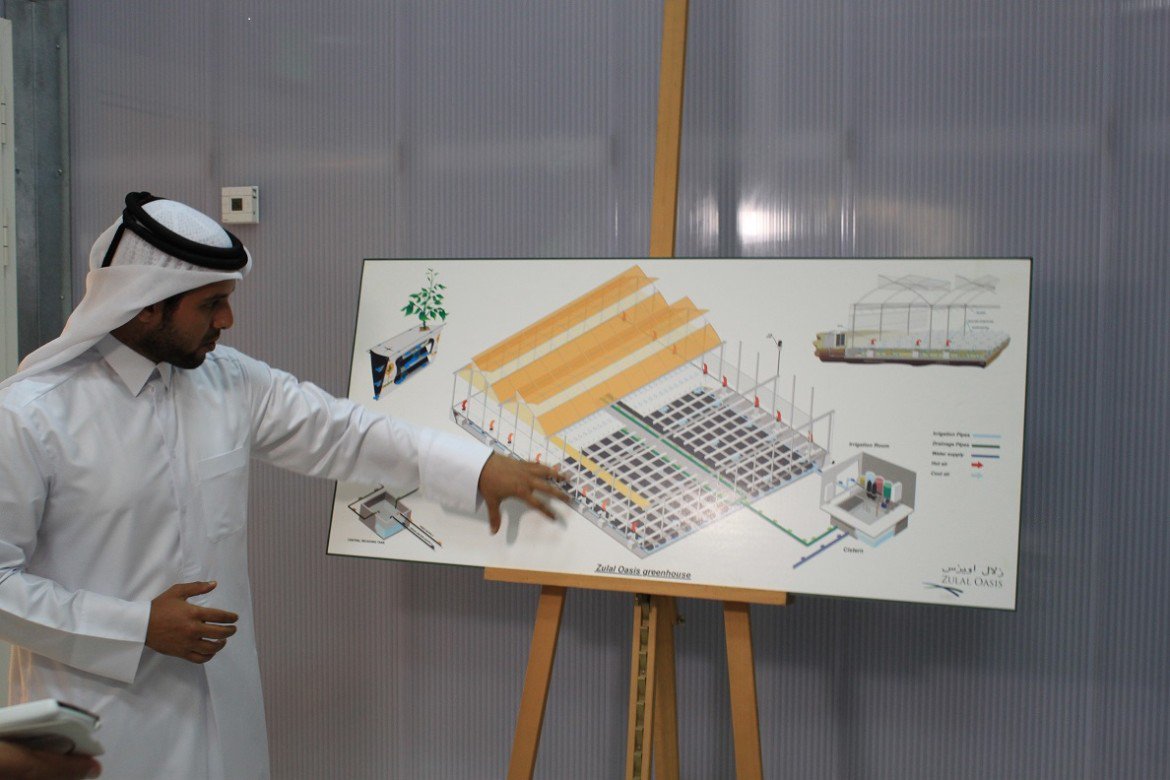
The surge in projected productivity rests on the Zulal Oasis hydroponics project in Al Shahaniyah, west of capital city Doha, sponsored by Hassad Food in partnership with Oasis Agrotechnology, a consortium led by Spain’s Primalor Group. The two-year pilot project successfully grew tomatoes without soil using recycled irrigation water in greenhouses specifically adapted to Qatar’s punishing heat, where summer daytime temperatures exceed 110 °F.

The greenhouses use Primaflor technology which features a dry air cooling system.  It doesn’t use soil or substrate materials, and gets moisture from recycled irrigation water. It is “the most advanced hydroponic system in the world,” Hassad Food said in a statement.

Nasser Mohamed al-Hajri, chairman and managing director of Hassad Food, “The Zulal Oasis technology is a long-term sustainable production model, with the capability of producing high-grade crops 12 months a year regardless of season.”

qatar hydroponics

The dry cooling technology is an automated smart control system that controls interior greenhouse temperature, independent of outdoor weather, eliminating regional climate challenges such as high humidity, heat and a lack of groundwater.

The company plans to deploy this technology to grow cucumbers, eggplant, peppers and varieties of squash – all popular vegetables in Qatar cuisine. In addition to growing vegetables, the system can also be used for herb, fruit and flower production.  Other produce could be grown outdoors using the system, but the growing season would be limited to cooler months.

Qatar imports the majority of its food, making it vulnerable to supply disruption and pricing fluctuations. In 2013, it launched a National Food Security program to make the water-parched state more self-sufficient in fresh produce. Since 2009, home-grown food volume has increased (specifically dates, cucumbers and green peppers) partly due to an expansion in cultivated land. However, according to the latest agricultural report from the Ministry of Development Planning and Statistics, Qatar’s largest crop is not used for human consumption: farmers are cultivating livestock fodder to meet the dramatic rise in red meat and dairy production.

Hassad Foods is Qatar’s premier investor in the food and agribusiness sectors, focused on Qatar food security, and of course, turning a profit. Established in 2008, the company and its subsidiaries annually produce 9,000 tons of livestock fodder, 3 million cut flowers, 100 tons of chemical free vegetables, 190,000 tons of grains and 290,000 heads of sheep.

Hassad Food said the Zulal Oasis system is cost-effective for farmers, as production costs would be lower than importing the same quality of fresh produce. It also allows farmers to diversify their crops to meet local demand. Bloomberg reported that the company is in talks on sharing its technology with investors in Saudi Arabia and Oman, and the technology is now being licensed for local farmers to use. Bring it on.

Images from Hassad Foods