
 Wearable tech is hot, with new gizmos unveiled at every design expo and technology fair. Runway models are accessorized with functional fashion, even Victoria’s Secret has developed digital duds with their athletic bra that monitors heartbeat. Now London designer Benjamin Hubert and his studio Layer Design have teamed up with British environmental consultancy Carbon Trust to produce a wristband that tracks energy use. The tool – now in conceptual stage – can potentially to enable like-minded users to inspire a movement and transform the world.
WorldBeing wristband tracks personal carbon consumption
Sukkat blessing for urbanites: All aboard the pedi-sukkah!
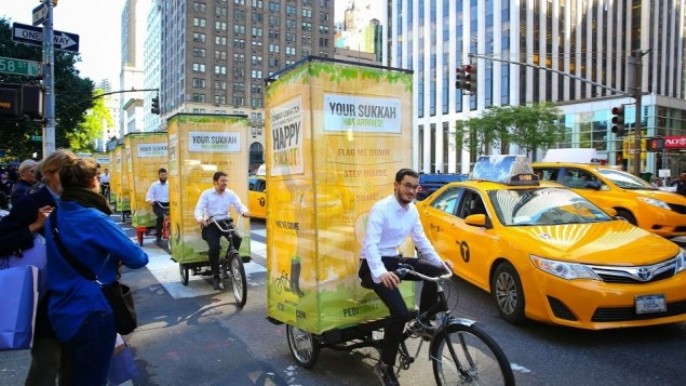
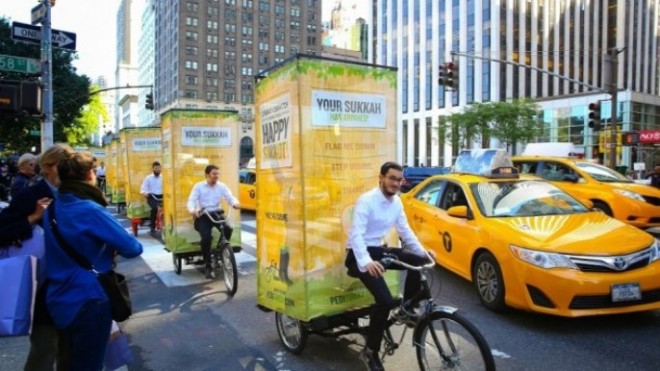
Sukkot is upon us, the annual holiday when Jews are commanded to live inside a sukkah – a small hut-like structure that commemorates the shelters used by the ancients as they wandered the desert during Exodus. Not much of a challenge to build a small “booth” in a suburban backyard, but what if you’re in midtown Manhattan? Then flag down a bicycle bespoke for Sukkat blessings, designed by a free-wheeling Brooklyn yeshiva student.
Verizon selects 12 Internet of Things startups that may change your world

Verizon (NYSE: VZ) is America’s #1 mobile provider and the company just announced finalists for their international Powerful Answers Award which will grant $1 million, $500,000 and $250,000 to the top 3 winning companies in the category Internet of Things (IoT).
To break things up Verizon has created 3 categories: the two other categories in this year’s prize includes Transportation and Emergency Response with same number of finalists and prize amounts (all the 36 companies can be found here).
I am the founder of one of the finalists in the IoT group with flux – a smart consumer device and software to help people anywhere grow tasty, local food on water, using hydroponics. We’ve just minted our first devices out of production so the timing couldn’t be better!
See below.

We’re like the Nest for hydroponics. Go to Home Depot for your pipes and pumps or to one of 3000 American hydroponic stores, put your flux device in the water, and pairing to our app, you are good to grow.
flux simplifies all the hard parts like pH and nutrients needed to go in, so you can grow the tastiest food. Instead of facing high rates of failure, we’re there rooting for you to succeed.
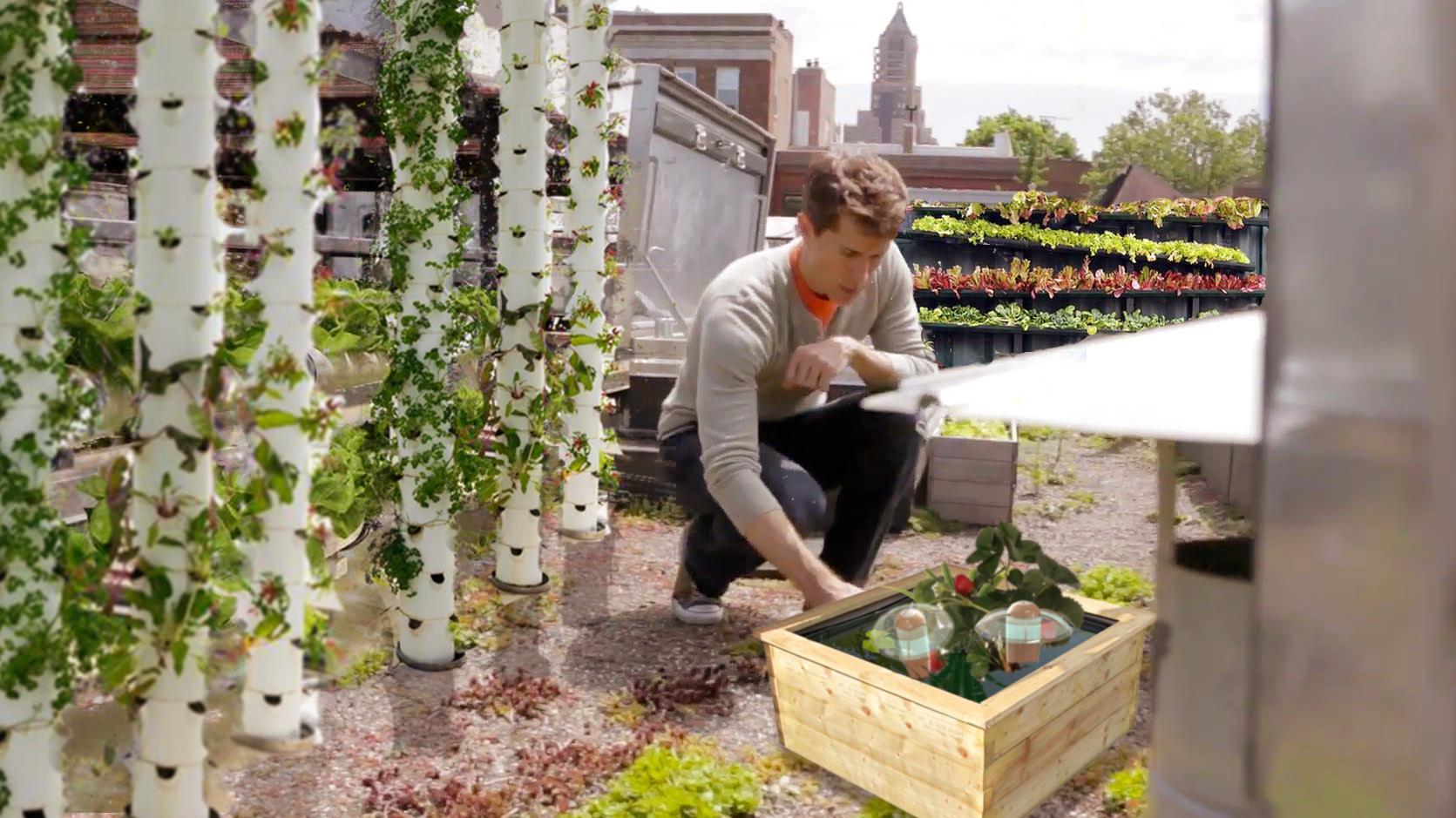
We’ll be one of this year’s 12 Internet of Things finalist companies heading to San Francisco next week to pitch our product to Verizon.
Just getting to this spot is our prize and vindication that Fortune 100 companies see value for their business in supporting Impact and social good companies.
“The world is facing incredible challenges, but we believe that there are life-changing ideas out there that can provide answers,” said John Doherty, senior vice president of corporate development and Verizon Ventures. “Verizon wants to help find innovators who can leverage Verizon’s products and technology to help solve those problems and help turn their visions into reality.”
Growing local food using hydroponics can change realities for marginalized populations in the US, or refugees eking out a living in the Middle East. It works without soil, and isn’t dependent on climate meaning you can grow fresh food in the middle of Manhattan, in Alaska in winter, or feed refugees staying in makeshift housing with fresh food. Growing local can slow global warming, produce food with more vitamins, create jobs, and give people a deep sense of satisfaction.
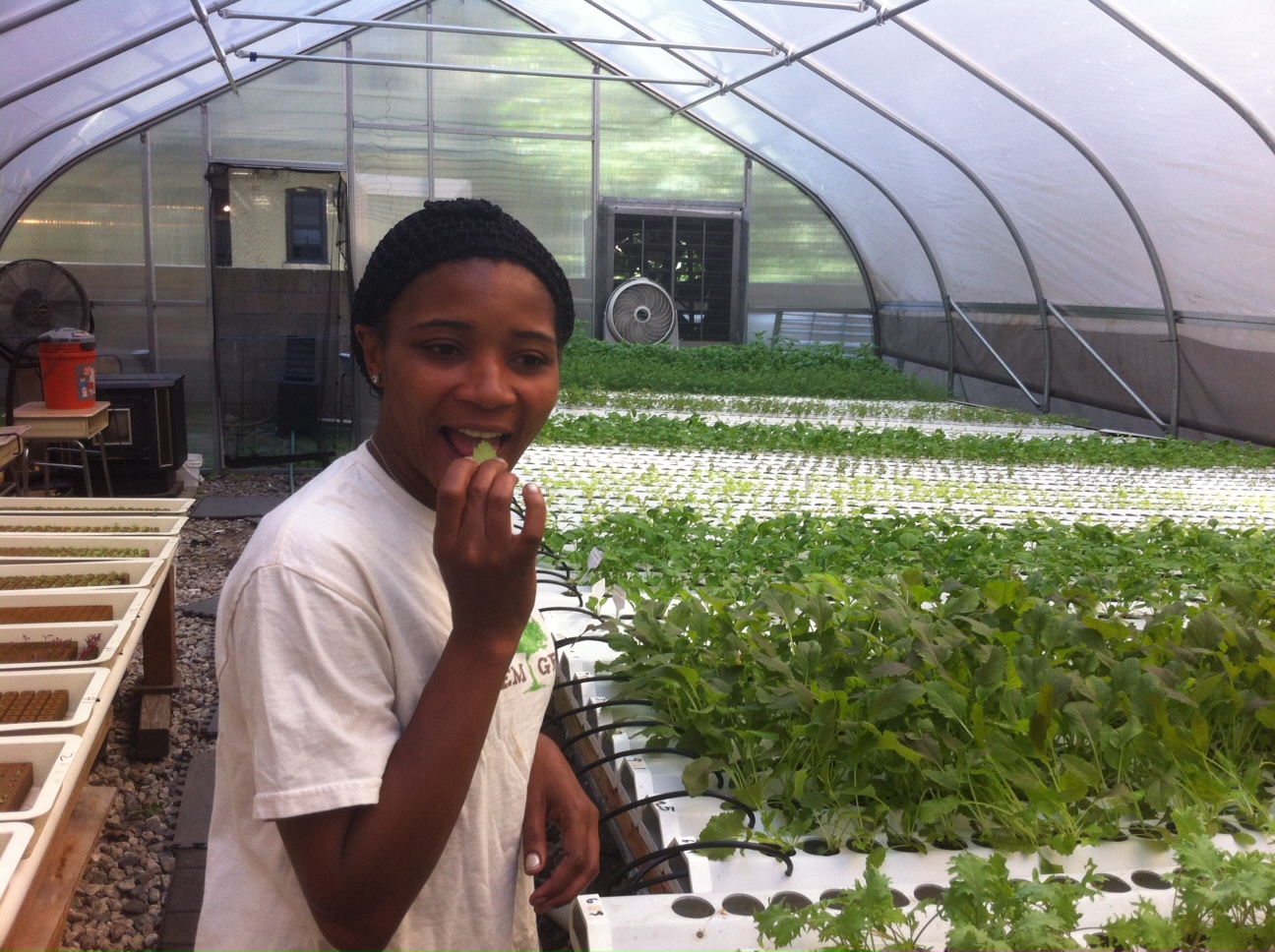
I’ve met mothers in Harlem like Latonya (below) who’ve told me that their kids ate chocolate bars for breakfast. After having a hydroponic farm at school (thanks to NGOs like Harlem Grown), the kid and families started to eat fresh greens every day.
Hydroponics is not our invention. NASA uses it to grow space lettuce. But it currently only works really well on a large, industrial scale. Current barrier to entry for every day people isn’t cost. You can set something up with $100 from Home Depot. Growing food well at home this way –– it’s about know-how. There is a lot of chemistry to get right. This is the pain that flux solves.
Consider that food security is at the heart of the refugee crisis in the Middle East. Agriculture continues to be the backbone of livelihoods for the majority of people in conflict and post-conflict situations, says the United Nations Food and Agriculture Organization.
Why support local agriculture globally?
“Rural development and food security are central to the global response to the refugee crisis. War causes hunger and hunger too, kills and forces people from their homes,” said Graziano da Silva today. “Supporting agricultural based livelihoods can contribute to both helping people stay on their land when they feel safe to do so and to create the conditions for the return of refugees, migrants and displaced people,” added Graziano da Silva.
flux can help by offering a simple solution, with local partners, to get food in the hands of people in need fast.
But this story isn’t just about us. It’s about a small revolution and 11 other innovators and startups that have the power to change the world. Read below for more about the 12 Internet of Things companies that have world-impact potential. I’ve broken it up for those that like to focus on sectors: agtech, health and smart cities.
Verizon picks 12 companies with Powerful Answers in IoT
Agtech
![FLUX_Visual A_NYC_Internal_[02] (1)](https://www.greenprophet.com/wp-content/uploads/FLUX_Visual-A_NYC_Internal_02-1.jpg)
flux – Smart Agriculture (NY, NY – www.fluxiot.com) To assist consumers in growing food at home, especially those that live in cities, the company has developed a connected device that monitors the growth of vegetables in a hydroponic environment and determines the optimal growing recipe using a global, connected community of people growing food together. flux has also developed a fully-automated robotic system that can turn on lighting and add nutrients.
FarmLink – Smart Agriculture (Kansas City, MO – www.farmlink.com) To assist farmers in improving their crop yields, the company leverage data gathered from farms nationwide and around the world to provide actionable insights on what farmers should do with their specific farming environment. Their data is gathered using a fleet of 200 connected combines taking 150 square-foot snapshots every second.
FarmX – Smart Agriculature (Irvine, CA – www.farm-x.com/ )To assist farmers in improving their crop yields and lowering their water costs, the company combines low cost sensors and high altitude aerial imagery to collect real-time crop data. This data is then used to drive decisions on watering in specific locations.
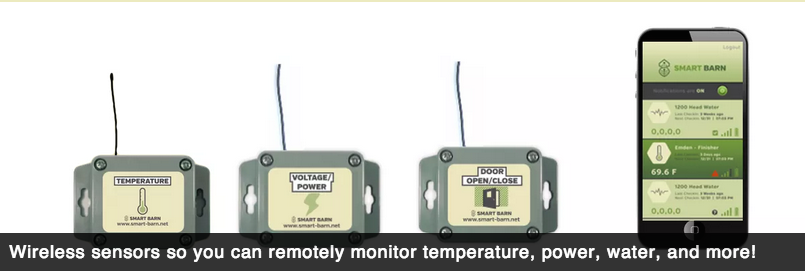
Smart Barn – Smart Agriculture (Kettering, OH – www.smart-barn.net) To assist farmers with the operation of their farms and monitoring of livestock, the company has developed a series of wirelessly connected equipment to monitor and control the environment condition of their facilities.

Chipsafer – Smart Agriculture (Montevideo, Uruguay – http://ieetech.com/) To help farmers monitor their herds of animals such as cattle for higher yield, the company has developed a wearable device that monitors animals’ behavior remotely, autonomously, and in real-time. Using analytics, the farmer can determine if an animal is sick, injured, or lost, and subsequently take remedial action.
Health
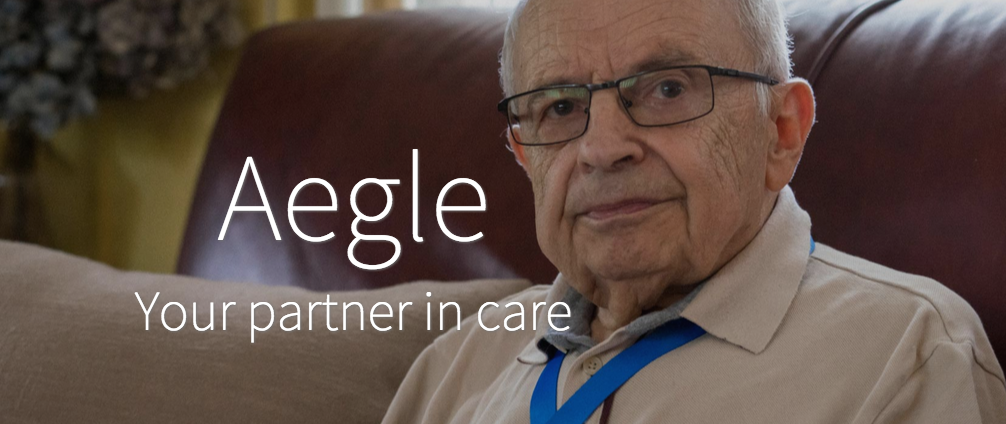
Aegle Arc – Connected Health (Baltimore, MD) To help monitor the senior and elderly, the company has developed a wearable pendant device that is equipped with 4G LTE and sensors that monitor ECG, respiration rate, blood oxygen levels, and temperature. Additionally, the person’s location and movement is also monitored. Should sensor data indicate that the person being monitored is experiencing a medical condition or has moved outside of a predefined geo-fence, the appropriate individuals can be contacted.

Aira.io – Connected Health (San Diego, CA – www.aira.io) To assist the blind with their daily lives, the company has developed a service that integrates smart glasses with the user’s smart phone such that a virtual personal assistant can help them with tasks using the assistant’s vision. Examples include navigating busy streets or reading a restaurant’s menu. The service integrates and pulls relevant information from various online sources to support the assistant in aiding the blind customer.
Owlet – Connected Health (Provo, UT – https://www.owletcare.com/)To assist parents with newborns, the company has developed a connected smart sock that can monitor a newborn’s vital signs, including heart rate, breathing quality, and skin temperature. In line with the trend for the quantified self, the Owlet sock helps parents understand whether their newborns are experiencing any issues.
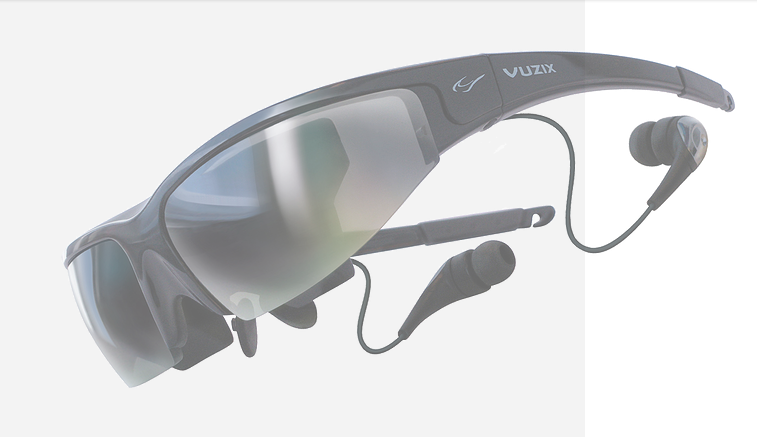
Smart Glasses – Connected Health (London, UK –
To assist the blind in their homes, the company has developed smart glasses that allow the user to be able to live comfortably within their own home. The user can connect to and operate other smart devices in their home using hand and head gestures. And the user can navigate their home, and potentially other public buildings (e.g. airports, train stations).
Wound Assessment and Remote Evaluation – Connected Health (Baltimore, MD -https://www.tissue-analytics.com/) To assist individuals who have a wound, the company has developed a smart phone app that allows the injured individual to send photos and video of the wound to a central network of doctors. Combined with a cloud-based analytics platform, the doctors are able to assess the wound remotely and provide recommendations for treatment.
Cities
CityTaps – Smart Cities (Ile de France – www.citytaps.org) To assist water utilities in collecting payment for water usage and consumers to pay for water, the company has developed a connected control metering device that connects to the water tap. This allows users to make micropayments for incremental usage of water and guarantees the utility will receive payment for the water used.

Zizmos Technology – Smart Cities (Palo Alto, CA – www.zizmos.com) To assist cities detect earthquakes or other seismic activity in advance of actually occurring, the company uses inexpensive MEMS (Micro-Electro-Mechanical-Sensor) accelerometers attached to used or recycled smart phones that are connected to the Internet to create a low-cost seismic network that monitors earthquake hazards and provides real-time notifications of impending tremors to residents in high-risk areas for a fractional cost of the traditional seismic network.
UAE Drones for Good Competition Open!

 The 2016 United Arab Emirates Drones for Good Competition is now open. The UAE Drones for Good Award is “dedicated to transforming the innovative technologies behind civilian drones into practical, realizable solutions for improving people’s lives today.”
Flying Spark food-tech asks, “Do you want flies with that?”
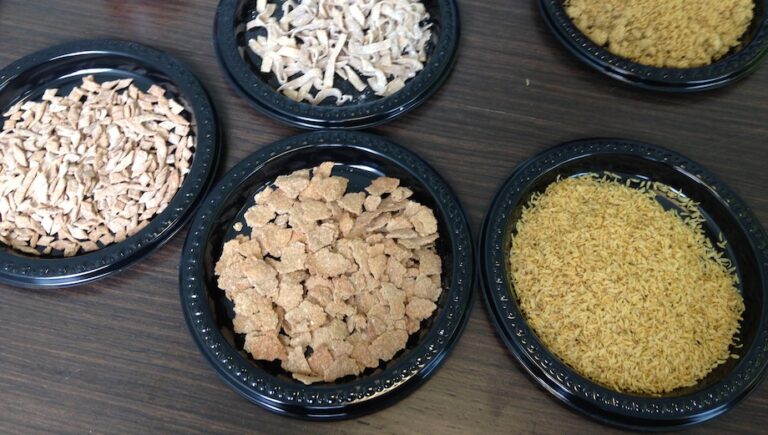
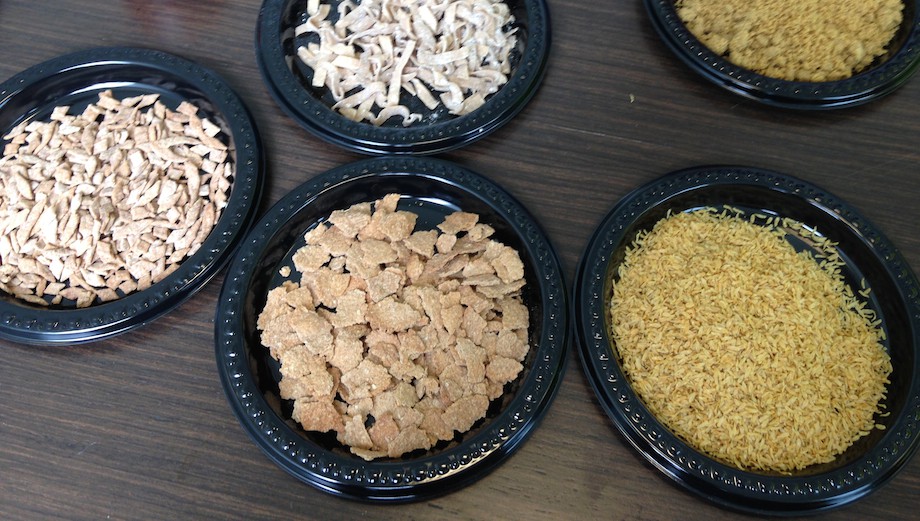 A start-up business focused on finding new ways of using insect protein in food products is a finalist in this year’s MassChallenge, the Boston-based start-up competition and world’s largest accelerator program. Get over your squeamishness, because bug-based foods will soon infest our markets.
The “elevator pitch” for Israel-based The Flying Spark states their intent to manufacture protein powder based on insect larvae that can be added to a wide range of food products, replacing today’s protein powders – commonly made from whey, soy, or casein. Insects contain extremely high protein, fiber, micro-nutrients and mineral content. They’re also naturally low in fat, and cholesterol-free. The tipping point for this product’s potential is that insect protein will cost less to produce than any other source of animal protein.
People have purposely eaten insects for ages, and bug-based foods are now being explored on a commercial scale to address a ballooning world population with stressed natural resources. In 2013, the United Nations Food and Agriculture Organization released a report (link here) promoting insects as a basic ingredient in both animal feed and human food. It emphasized sustainability, noting that insects (unlike livestock) can be reared on vegetable and domestic waste as well as slaughterhouse byproducts.
The Flying Spark aims to produce protein powder from ground-up fruit fly larvae, not to create new foods, but instead to sell to manufacturers that already use traditional protein powders in their products, such as nutritional supplements for body builders.
“We think athletes are early adopters,” company founder Eran Gronich told the Boston Globe, “We have only one challenge — and that is the psychological barrier – although people eat shrimp and lobster and squid, [which] are like cockroaches crawling on the bottom of the ocean picking up the trash.”
The Flying Spark pitches their plan to panels of MassChallenge judges next week, and final judging takes place on October 14-15.
The independent, not-for-profit MassChallenge is the startup community’s largest and highest-value event, solely motivated to support and strengthen entrepreneurs – no strings attached. The competition awards cash grants totaling $1 million USD to the startups demonstrating the highest impact and highest potential.
Read more about the growing insect-based food business (link here), a sector supported by the Bill and Melinda Gates Foundation, World Wide Fund for Nature, and the United Nations Economic Commission for Africa. They all think it’s the most promising way forward to feed the planet.
Saving our food and planet requires bubbles
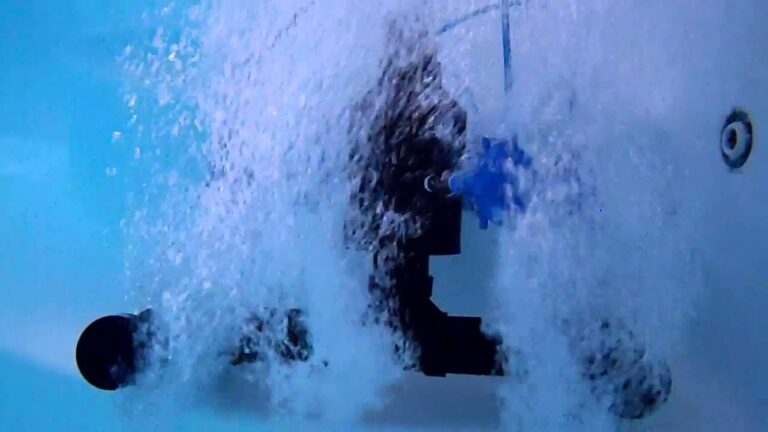
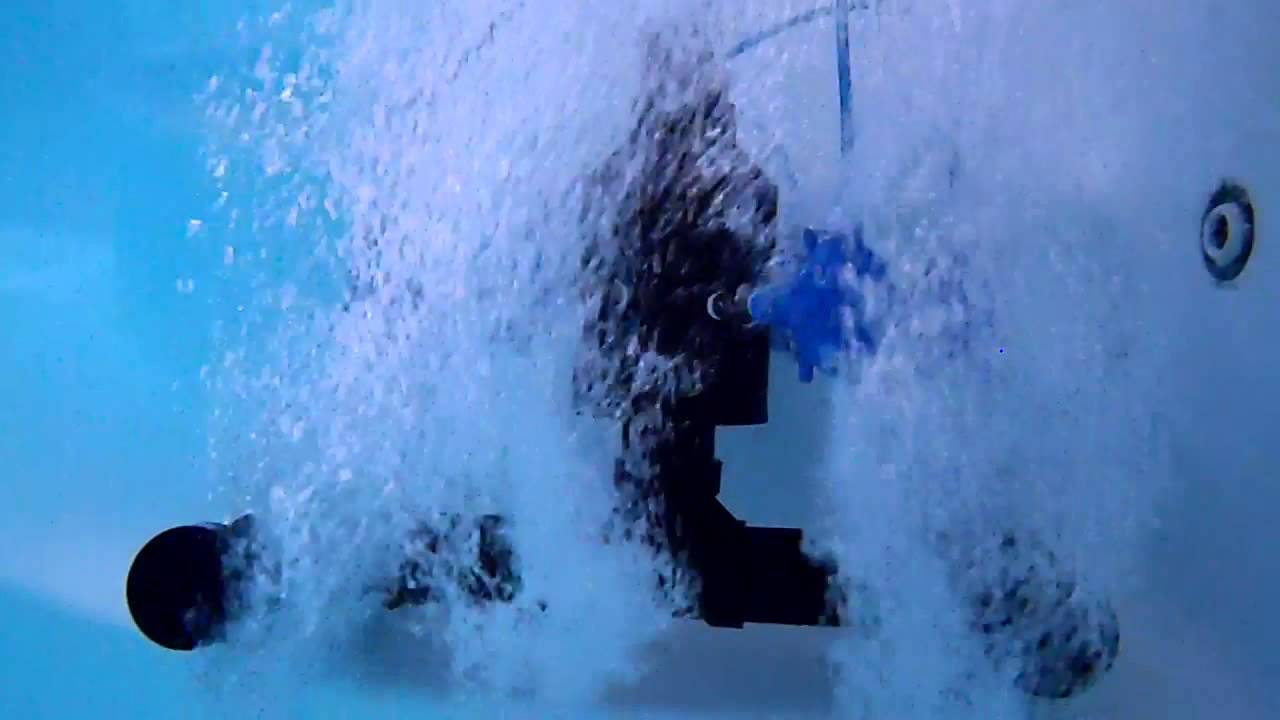
Somewhere in the middle of Ontario is a company hidden from view. Sitting on 5 acres of reforested farmland is Blue Planet Environmental. I guess you can call them innovative scientists, who are using patented aeration technology and what they call “nano-bubbles” or really, really small bubbles of air, to make big changes in industries connected to water.
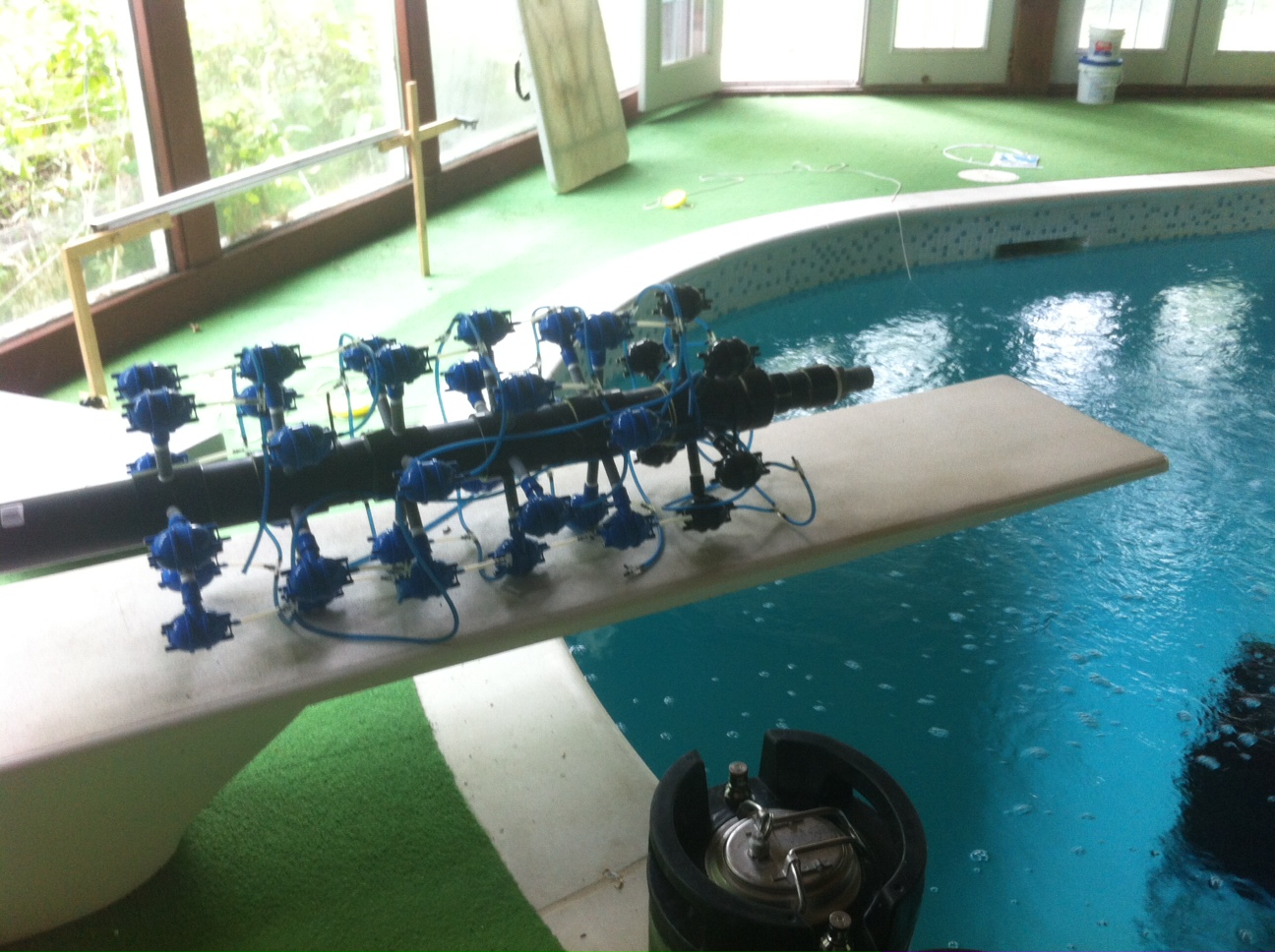
The core of Blue Planet’s technology is a nano-bubbler. It can inject various gases (such as oxygen, ozone or carbon dioxide) into nano-sized bubbles (human hair is about 80,000 nanometers wide) for use in hydroponics systems, golf course and residential ponds, fish and shrimp farms, showerheads for a cleaner scrub down and exfoliation, above ground pools, and washing machines to remove soap residue from clothes.
Add a bubbler to a septic system to reduce maintenance and the size of the dispersal bed, and consumers can save money and be supportive of the environment around them.
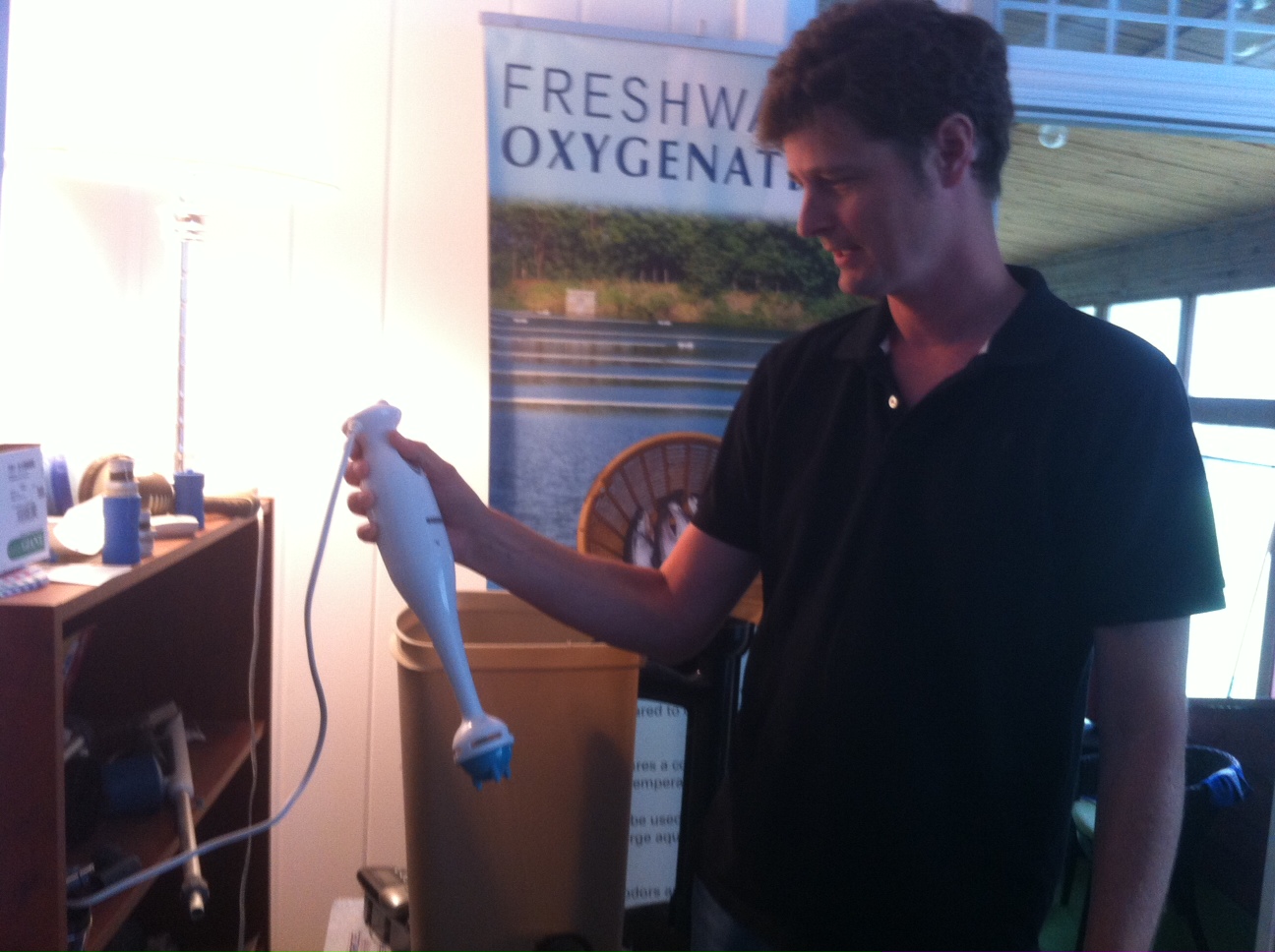
David Burns, a design engineer in socks, showed us that their technology can even make a mean chocolate milkshake –– producing an uncountable number of chocolate bubbles that increase the taste of his favourite drink. (That invention is currently just used in house – and is pictured above).
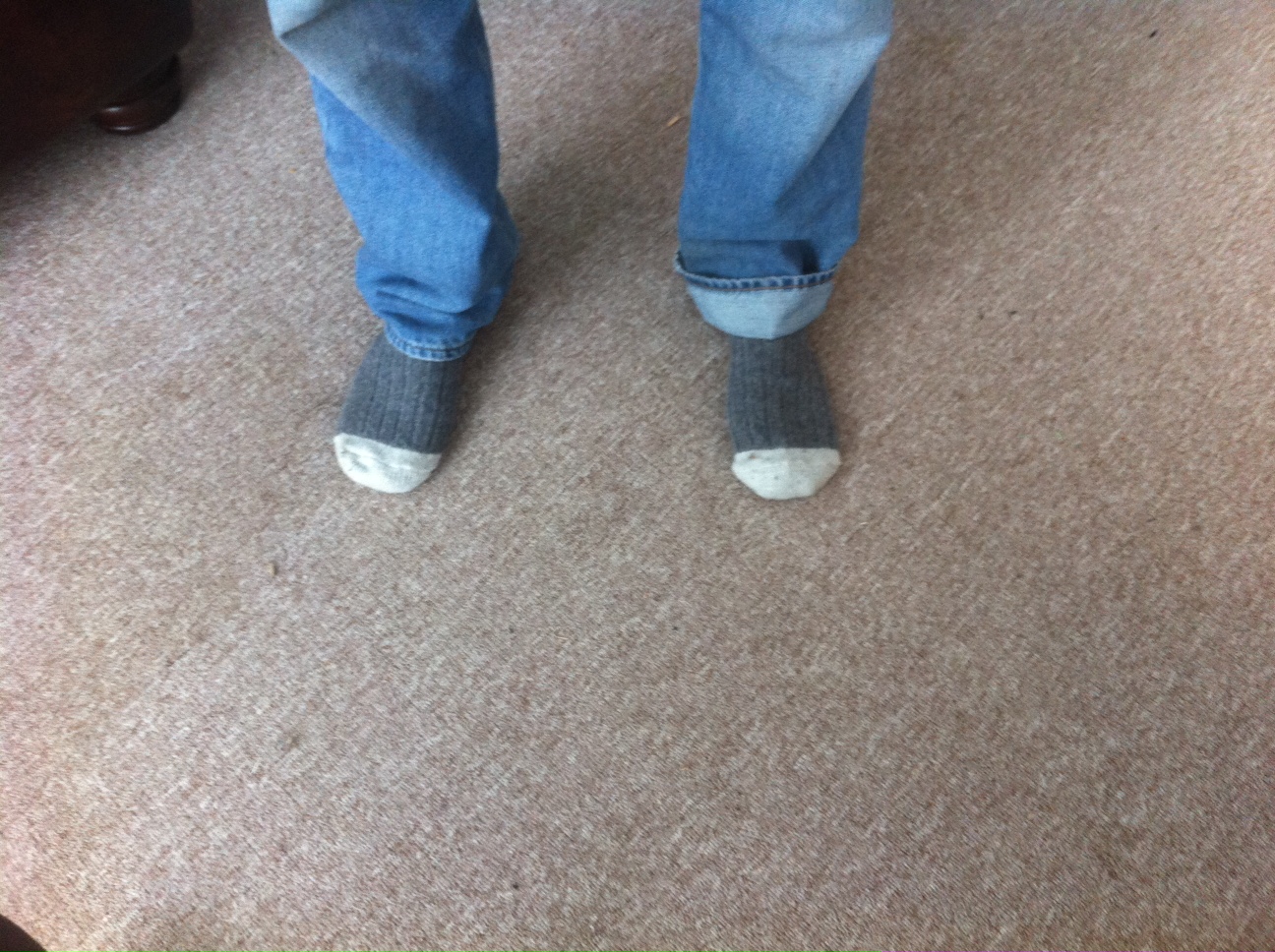
And when they say in-house they mean literally in their house. The offices of Blue Planet are in a large two-story century home surrounded by woods; the house is complete with an indoor pool for testing new devices and prototypes.
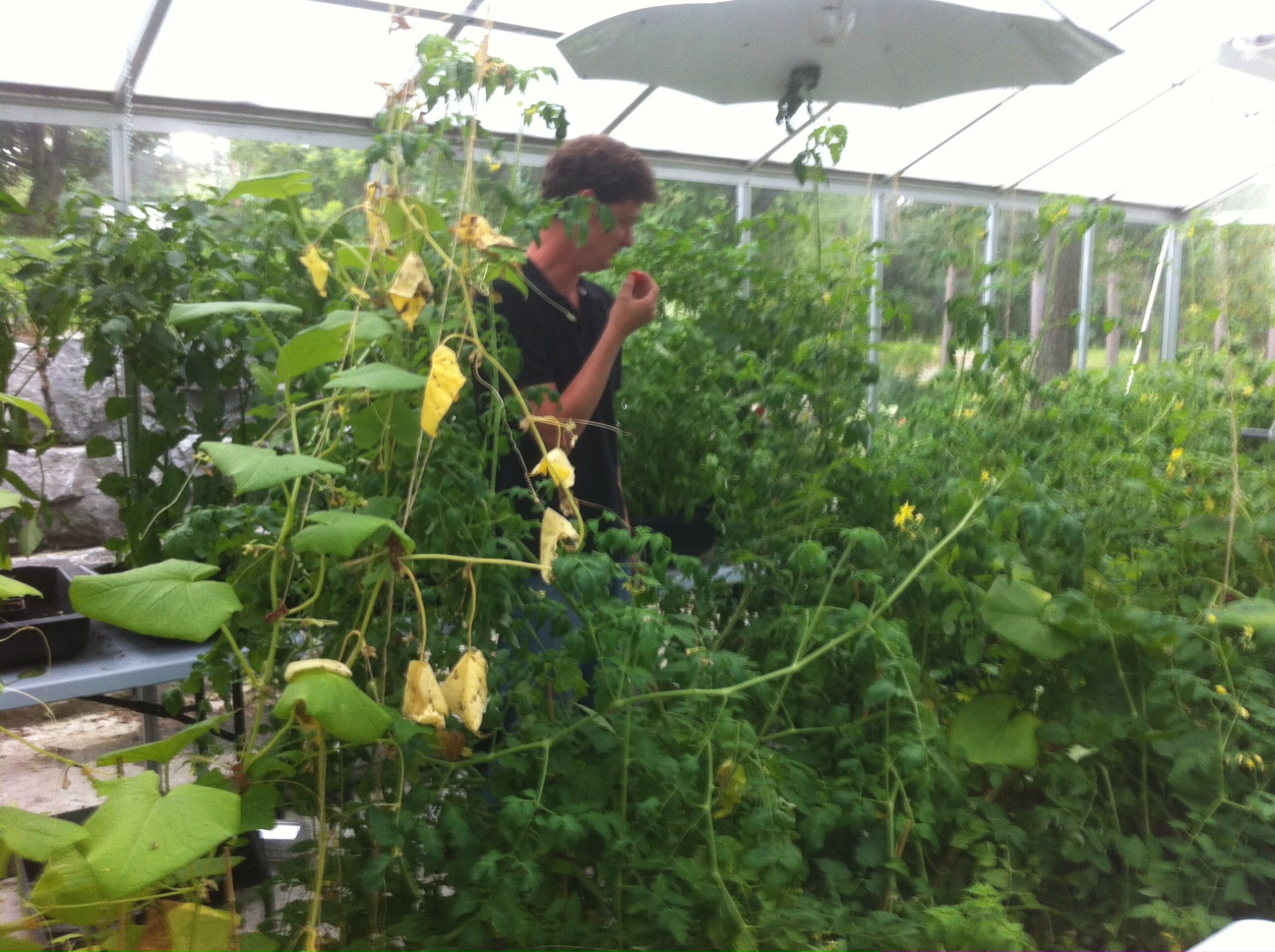
In the lower back of the house is a greenhouse where basil, cherry tomatoes, yellow cucumbers, and some of the hottest peppers on earth, using nano-bubblers, are being grown. I think Dave (in our pictures) called the peppers Scorpions.
Blue Planet founder Richard Lonetto saw the potential in bubbles, and with Blue Planet’s engineers have been patenting and creating systems based on their core technology over the last 8 years.
Blue Planet clearly encourages creativity and inventions that can have a wide variety of uses on a global level. In New York City his company supports Blue Planet Consulting where Henry Gordon-Smith (see him below) advises schools, real estate owners and private people on how to set up hydroponic and urban farms.
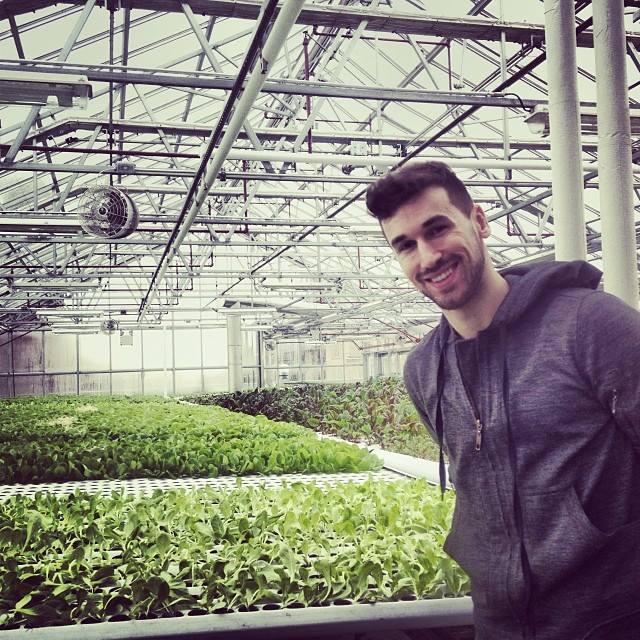
The company also takes on custom turnkey builds; for example Sweet Unity, a fair trade coffee company that grows coffee in Tanzania had a complete system design and shipped by Blue Planet. The farm is owned by David Robinson, the son of baseball legend Jackie Robinson.
It all goes back to bubbles.
The Blue Planet group is also keen to talk about their BioBoost water remediation and maintenance solutions which are installed in a number of PGA golf courses in the United States. BioBoost uses a natural system to insure that ponds do not become stagnant while encouraging beneficial bacteria to grow and thrive in the ponds. Blue Planet estimates there are a hundreds of thousands of such ponds in the United States alone. The BioBoost system is submerged in a pond for maximum effect. The standard BioBoost system is about the size of a large aquarium, and maximizes the dispersion of bubbles throughout the pond on a continual basis.
Being at Blue Planet makes one want to linger longer too. We look into the fish tank and see nano-bubbles quietly keeping the fish tank crystal clear –– nano bubbles are everywhere.
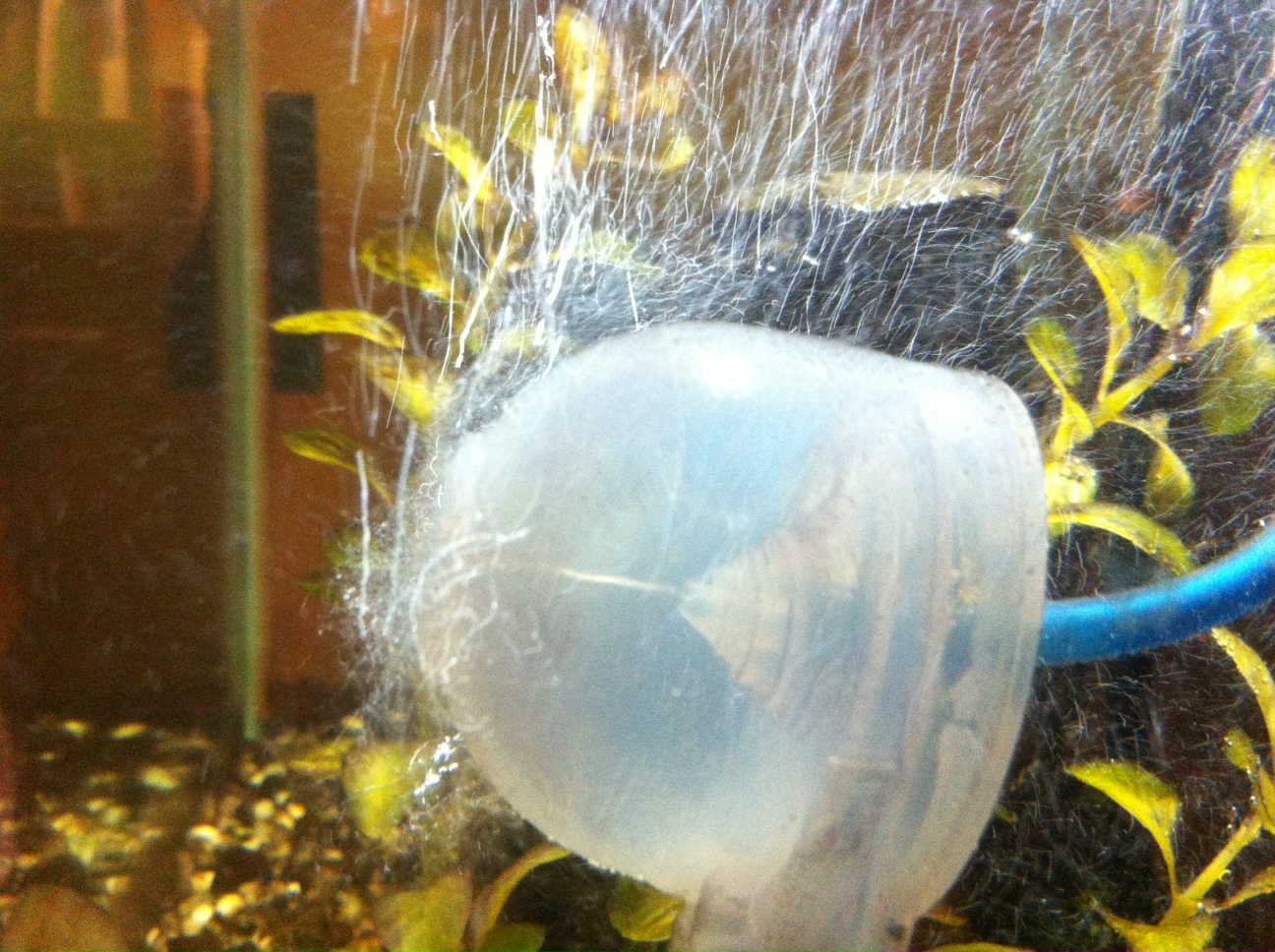
When asked, Dave admits that Richard does sing about tiny bubbles frequently. And yes, the Don Ho song has come up:
[youtube]https://www.youtube.com/watch?v=mlCiDEXuxxA[/youtube]
So if you haven’t been sold on Richard’s bubbles yet, why not give them a taste? His company is producing drinking water by combining spring water on the property with their technology. If that’s what it takes to be as creative as the people at Blue Planet –– then sign me up for a few bottles. Made from recycled materials, we hope.
Relive your childhood with adult-sized modular ‘lego’ bricks


EverBlock is a modular system of full-scale plastic blocks that, like Lego, interconnect without fasteners or special tools. But these playful widgets aren’t toys. They are a functional, full-scale building system that can be used to create furniture, walls and entire rooms. Green Prophet caught up with company founder and president Arnon Rosan to find out how more. his product responds to environmental issues in the Middle East.
Hebrew Roots of 10 English Words
 Grow up near New York City, you’re forgiven for thinking that every mensch makes with the Yiddish.
Green Prophet informs you about enviro-issues, sheds light on other cultures, and keeps you hip to current green building news. Our effectiveness comes down to making nice with the words – like sustainability. Words help us hop cultural fences. Look to anyplace with a “melting pot” street cred: cities along the old Spice Road or places popular with conquering hoards. Their languages bend to become more accessible. Adopting each other’s words brings us all a step closer. I’ll paint my point with a bit of the Yiddish I absorbed as a non-Jewish American:
In Manhattan, Muslims, Jews, Protestants and atheists all schlep to work, grab a coffee and nosh. We rub schmutz off our bubkes after sitting on a subway, and schmooze in the elevator with the schlemiel with the big schnoz.
The Marx Brothers can be credited with nudging Yiddish words into American mainstream, taking their Lower East Side vaudeville act to motion pictures in the early 20th Century. The films of Jewish Brooklynites Woody Allen and Barbra Streisand further schmeared the fun-to-say vocabulary far beyond the city’s shoreline.
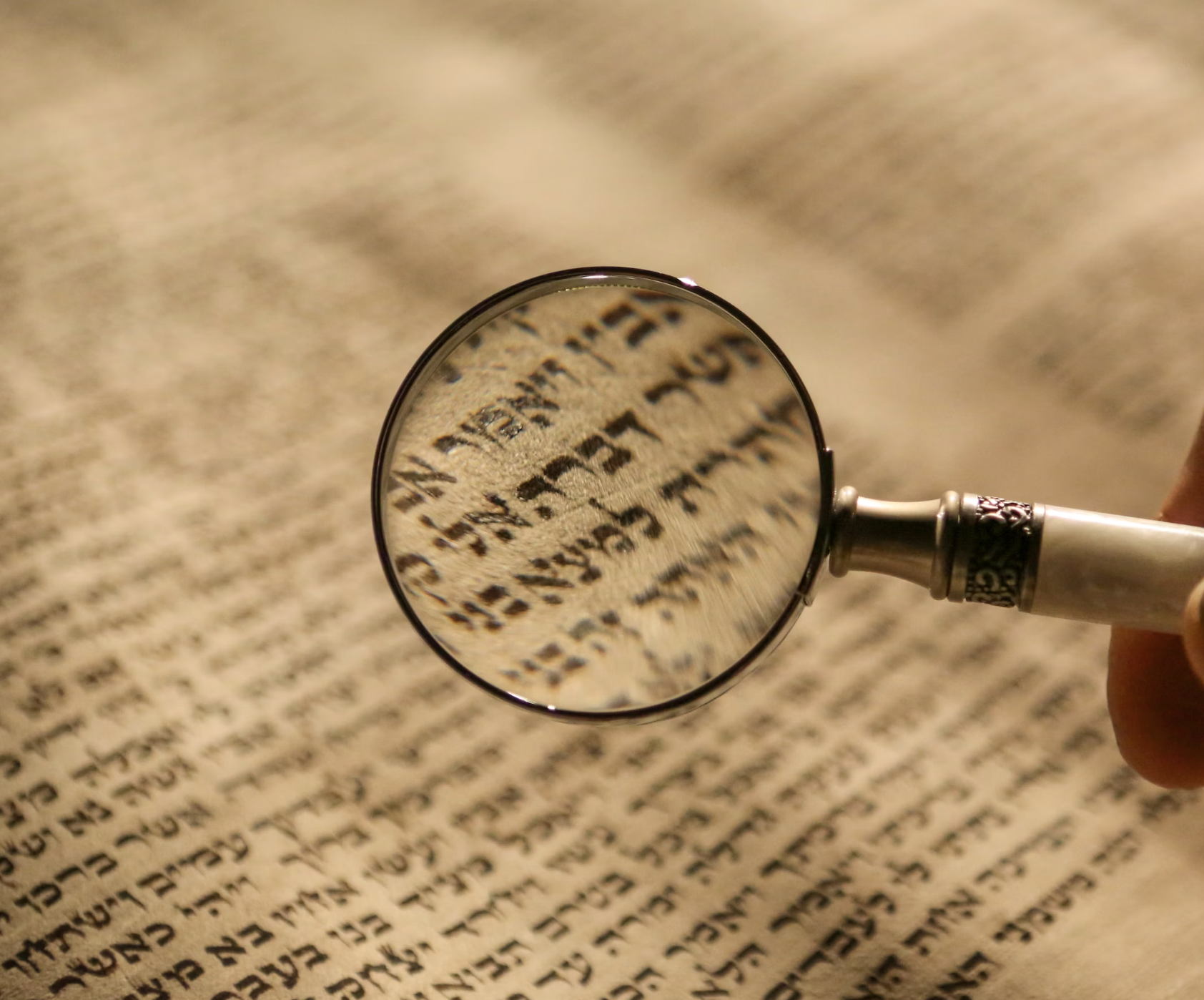
Yiddish is written using the Hebrew alphabet, but it’s not Hebrew. It’s a fusion of Aramaic and Hebrew and German, flavored with input from both eastern and western European tongues. So did the formal language of the Jews and Samaritans also seep into American English vernacular? Oy vey, did it ever.
- Cherub – (כרוב) – winged toddler darlings of Catholic stained glass windows grabbed their name from the Hebrew kerubh, or celestial angel.
- Satanic – (הַשָּׂטָן) – supremely evil Yin to chubby cherubic’s Yang, this comes straight from the Hebrew word for adversary: satan.
- Bath – (בַּת) – pours forth from its Hebrew homophone (bath) which is a liquid measure – about ten gallons.
- Brouhaha – (אשרי מי שבא)- likely sourced from the Hebrew phrase barukh hab-ba, meaning “blessed is he who comes” (makes sense today only of “he who comes” is the loud, Life-of-the-Party).
- Sabbatical – (שׁבת ) – no stretch to see how a break from work stems from shabbat, or ceasing.
- Maven – (מבין) – describes a pro in any field, an off-shoot of the word mebhin which means “someone who understands”. Think Oprah, or insert your favorite schmaltzy TV “expert”.
- Leviathan -(לויתן) – liwyathan, meaning coiled or twisted, was used to describe a Biblical sea monster: the whale of a word continues to describe “immensity”.
- Jot – (יד) – probably from “yodh” which means hand. But in this age of computer keyboards, the art of “jotting” may soon be as quaint as the art of “wooing”.
- Jubilee – (ובל) – did Queen Liz realize that her summertime celebration was named after a ram’s horn? Yobhel is the word behind today’s term for big party.
- Cider – (שכר) – shekhar means strong drink, which is what I’ll need when true Hebrew scholars drop comments to correct me on all of the above.
Modern languages are as fluid as the people who speak them and the places where they’re spoken. It’s always sound advice to think before we speak: but if we think on the origins of words we use, we’ll discover that we all share more than we might’ve guessed.
Key to Yiddish words: mensch = good guy; schlep = drag oneself; nosh = snack; schmutz =dirt; bubkes = bum; schmooze = chat; schlemiel = dopey guy; schnoz = nose; nudge = push; schmear = spread; oy vey = oh my; schmaltzy = cheesy
If you like this, read our post on the Arabic Roots of 10 English Words
Amman Jordan’s approach to pollution is upside-down


The Greater Amman Municipality (GAM) this week announced expansion of its “tidy-roofs” campaign, which kicked off last June to tackle residential buildings deemed unsightly by city officials. Back then, Raed Haddadin, director of GAM’s building control department, told the Jordan Times that the goal was to make the buildings “look more beautiful than before”. Good news for people with hilltop views, and the local bird population, but far better if the city followed universal career guidance and started in on the ground floor.
We hate cancer: 7 ways can you prevent it in your modern world
Few health issues remain at the forefront of minds more than cancer. This deadly disease affects millions daily, and there are many habits in our modern world that contribute to the likelihood of cancer. While no bona fide cure has been located as of yet, there are many easy solutions you can use in your everyday life to reduce your risk of cancer.
1. Quit Tobacco
News flash: tobacco kills, and causes a host of different cancers. No doubt you’re aware, but many still find it hard to put down that cigarette. Luckily, there is a solution for even the most staunch of smokers. In recent years, many smokers have switched to electronic cigarette alternatives, and one study claims using these in place of traditional cigarettes may be 95 percent safer.
Companies who offer e-cigarettes or vape pens offer multiple flavors and a feel that resembles smoking without thousands of toxic chemicals.
Users looking for an alternative to dangerous tobacco products can try NJOY vaping and greatly reduce their intake of cancer-causing agents. Another benefit? Vaping pens and electronic cigarettes don’t form toxic secondhand smoke, meaning those around you are safe.
3. Put Down the Fast Food
Another simple fix to help you avoid cancer is to ensure your BMI is in a healthy range. Certain studies purport that falling in the correct body mass index range for your height can reduce your risk of cancer by a whopping 18 percent. This combines a mixture of lifestyle habits. Fried foods provide no nutritional value, can lead to obesity, and a regular diet of fatty, fried creations can mean a 37 percent higher chance of cancer. Heating foods in oil at high temperatures can cause the creation of carcinogenic compounds. In its place, load your plate with a healthy diet of fresh fruits and vegetables, and non-processed foods.
3. Get Active
In today’s world, many jobs revolve around an office, leading workers to sit for hours at a time. It turns out, lack of movement can lead to a higher risk of cancer. There are a variety of ways to combat this unhealthy habit. Set an alarm and walk around for five minutes each hour, ask your boss if you can switch to using a standing desk, or check out a product designed to increase levels of movement and reduce a sedentary lifestyle. Along with your daily movement, add in about an hour of physical exercise every day.
4. Tan Skin Isn’t Worth It
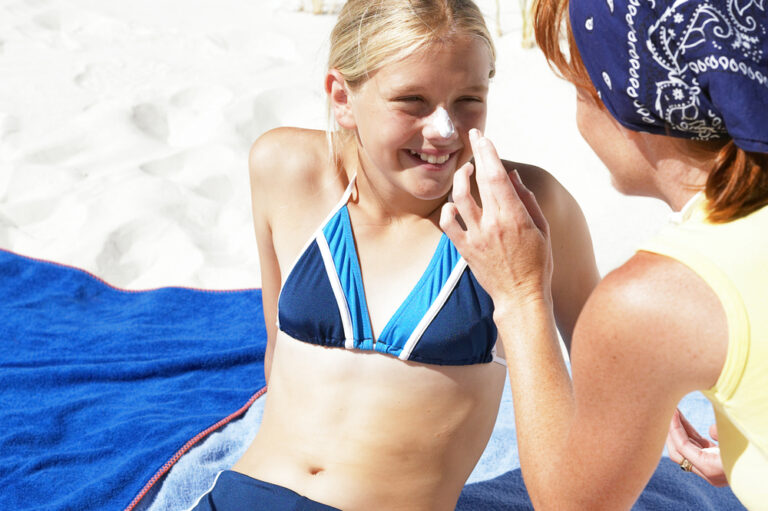
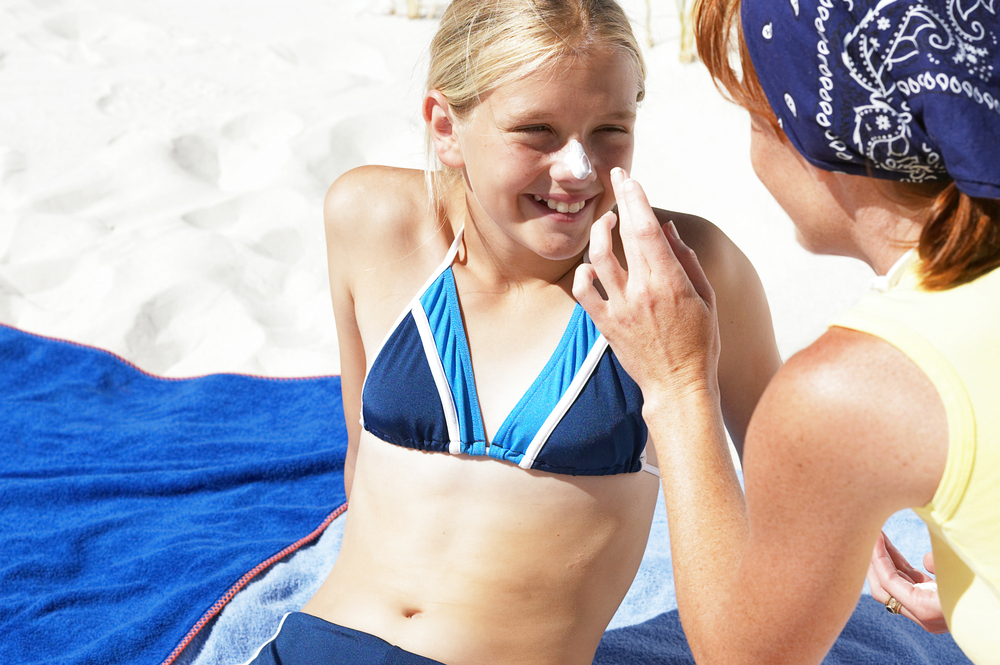
If you’re going to tanning beds to bronze your skin, stop immediately. The UV rays soaked into your skin during even a single session damage the surface of your skin and can quickly lead to cancers like melanoma. The same goes for natural sunlight.
Before venturing out, slather on sunscreen to make sure your skin is protected. Using a sunless tanning spray like Kiehl’s Sun Free Self-tanning formula can provide that bronzed look you crave, without the risk of cancer.
5. Breastfeeding
Mothers who breastfeed their babies are more likely to avoid breast cancer later on in life. Breastfeeding your child for as long as possible reduces the risk of cancerous cells, especially if you do it for over a year. Keeping the breast cells stimulated and active for a longer period of time thwarts their ability to misbehave. Breastfeeding also slows or prevents the menstrual cycle, meaning women have lower levels of estrogen that can result in cancerous activity.
6. Better Rest, Better Life
A bad sleeping pattern and insufficient rest are correlated to a bevy of health issues. One of the most dangerous is severe sleep apnea, and those who suffer from this sleeping issue are five times as likely to die of cancer. If your partner has repeatedly complained about your snoring and you wake up feeling more tired than you did before going to bed, talk to your doctor about a sleep apnea diagnosis. Fixing this health issue can greatly reduce the risk of cancer, and help you finally get a good night’s rest.
7. Screening Sessions
Making cancer screening sessions a priority can mean the difference between life and death. Those who have a family history of cancer, even those experiencing no symptoms at all, can greatly benefit from regular exams and testing for cancerous agents. Earlier detection can mean a better chance of full recovery. Depending on risk factors, whether from genetic and environmental causes, doctors can prescribe a variety of tests to look for early signs of cancer. If you’re eligible for cancer screening, seize the opportunity. It could change your life.
Scientists continue to work on cures for all types of cancer, but in the meantime, there are plenty of things you can do to reduce the risk for yourself and for those around you.
Image of mother and child sunscreen from Shutterstock
World’s best eatery NOMA reborn as an urban farm

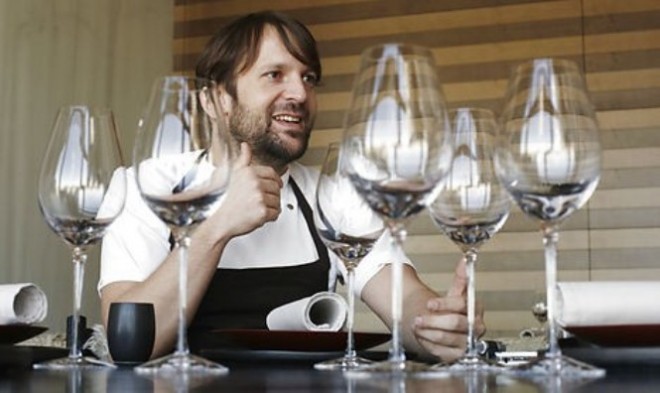
Celebrity chef and foraging superstar René Redzepi told the New York Times on Monday that he is closing his Copenhagen restaurant Noma at the end of 2016 and resurrecting it in 2017 with a new menu and a new site in an urban farm setting. This man on a radical new mission had led a popular restaurant four times voted the best eatery in the world. So why fix what isn’t broken?
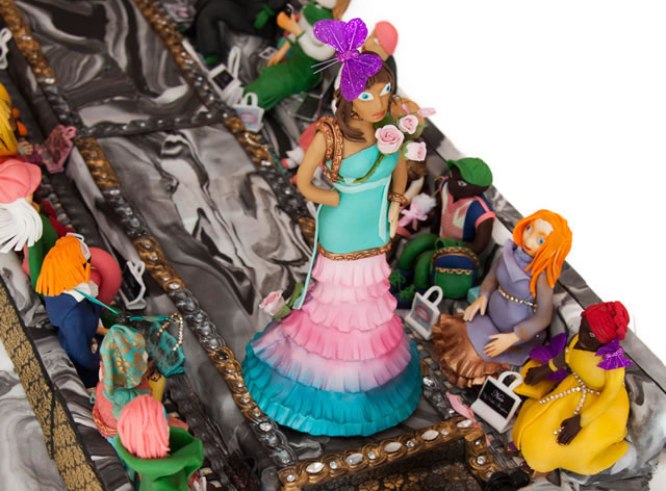
Solar retreat in the Liwa Desert – futuristic functionality or rich man’s folly?


An unnamed client hired London-based Baharash Architecture to design a luxury home that could fully function off the energy grid. That’s a tall order for any residence in Abu Dhabi, now consider the challenges for one sited in the punishing clime of the hyper-arid Liwa Desert where summer temperatures top 100°F.
Costa Rican tourists thwart sea turtle nesting, a surreal mirroring of the crisis in the Med
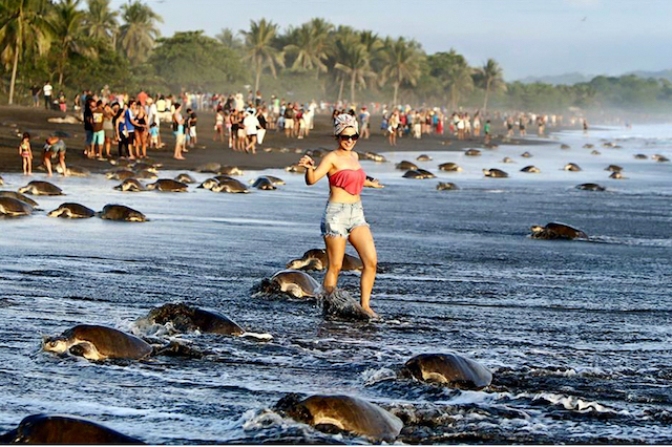
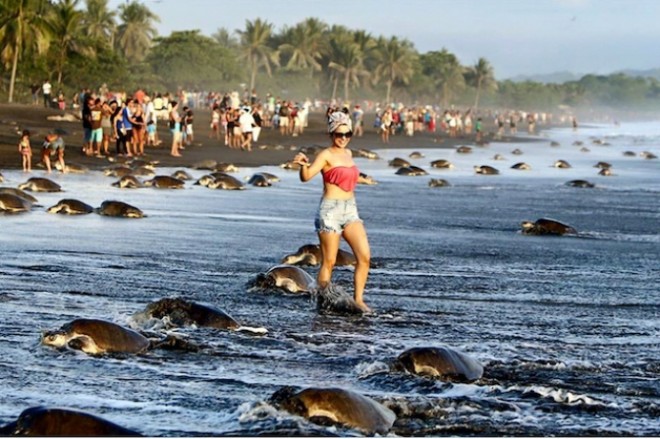
This story is not about the Middle East, although the images are a surreal reminder of what is happening on our Mediterranean shores – albeit with a different species. A world apart, both events are variations on an alarming theme that undermines our effectiveness in protecting this planet. Humans are losing connection with the natural world, and empathy for all living in it.
Free training for Levantine green entrepreneurs

Are you a green entrepreneur? Need to grow a business model that creates environmental and social value? Want to launch your new green service or product but don’t know where to begin? A new entrepreneurship program is seeking participants from Palestine, Lebanon and Jordan for their November training event. It’s free – but you need to act now.