Home Blog Page 242

Japan rents out hydroponic gardens to busy city workers

0

hidroponic lettuce farms

What do you do if you live in a cramped, workaholic country like Japan and still want to grow veggies in your precious, quality leisure time? This desire to be a weekend urban farmer is relevant for other locations too. Hydroponic farming projects are fast becoming popular everywhere, including Egypt and other parts of the Middle East.

Japan, in particular, has an acute land availability problem for people who cannot afford traditional weekend countryside retreats for gardening due to being confined to high-rise urban environments.

To help make gardening a reality for more city dwellers, a Japanese company Tanabatake Sukusuku now offers rental hydroponic growing containers on a monthly basis.

Opened in 2014 by Kajima Tatemono Sogo Kanri Co., a Tokyo based building and maintenance company, individuals and families can rent small hydroponic growing containers or “beds” and choose from 51 kinds of vegetable seeds; or bring their own.

“A cityscape becomes dark when the number of vacant buildings increases. Lights for gardening can illuminate the city, and I hope the greenery of the vegetables is like a downtown oasis and refreshes passers-by,” says Tsuneaki Ihana, who works in the company’s technical information section.

The rental space idea appears to be gaining popularity as more people are becoming involved. Staff advisors are on hand to assist with various aspects of hydroponic gardening, including humidity and temperature control and measuring the correct amount of fertilizer required.

American companies like flux are building the “brains” for hydroponic gardens and farms, to make it easy and hassle-free, and tell Green Prophet that multi-billion companies from Japan have contacted them to see how urban farming can go wide in Japan: Hydroponics can green city rooftops and grow high quality food for the discerning Japanese, but it’s also is a great hobby for Japan’s growing senior population. The government wants them engaged but they can’t bend over to tend to regular soil gardens. Hydroponic gardens can be raised on tables or built on walls on solve this problem.

One part-time gardener in Japan growing food this way said that it would be much harder to look after such a project if done from home and enjoys the flexibility community-style farming allows: “Here, I can casually enjoy farming when I have time,” she says.

Read more on urban and hydroponic agriculture:
Gaza produce on the menu at swanky American event in Jerusalem
Saving our food and planet requires bubbles
Khalifa hydroponic farms paying off

Photo of hydroponic lettuce farms by Pengertian Hodroponik

Remote Saudi beach gets a makeover: would you book a beach holiday there?

world environment day 2016This year’s World Environment Day (WED) put a high beam on illegal trade of wildlife. Event sponsor, the United Nations Environment Programme (UNEP), called on everyone to “go wild for life” and take action to help safeguard species under threat. In Saudi Arabia, a team of environmentalists and corporate volunteers took to a beach along the southern Red Sea to do their bit for marine life.

This Ramadan, drop unwanted weight with mindful eating – it works!

0

mindful eatingEight pounds in as many weeks.  Painlessly (and surprisingly) gone. Not enough to drop a dress size, but enough to send me hunting for a belt. And I credit…mindful eating. After a lifetime of core health beliefs built on the twin towers of eating less and moving more, this stuns me. Does it really come down to mind over matter?

Jordan hydroponics supported by USAID

0

Visit to an hydroponic bell pepper farm

Growing crops without soil, otherwise known as hydroponic agriculture, is not a recent innovation. In fact, it can be traced back to ancient times and kingdoms like Babylonia, whose Hanging Gardens were said to have been created and nurtured by use of hydroponics.

The modern day Middle East, especially water-deprived countries like Jordan and Syria, has had on-going problems in that local agriculture cannot provide sufficient amounts of local food due to lack of sufficient water and arable land to grow crops. Other resource-rich countries such as Saudi Arabia, Qatar and the United Arab Emirates see hydroponics as the only solution for providing hyper local, fresh, nutritious food.

Jordan-hydroponics-eco-consult-a

As a result of this water scarcity problem, Jordan sees potential in hydroponic agricultural projects, which are said to use as much as 90 percent less water over conventional soil-based agriculture.

The Kingdom of Jordan is seeing commercial opportunities for local hydroponic farming and is getting some help from the USAID Hydroponic Green Farming Initiative (HGFI). Hydroponic agricultural projects growing vegetables by both hydroponic and organic methods were the subject of an event held in May 2015, where US Ambassador to Jordan Alice Wells featured these vegetables in an event with Jordanian governmental officials and local producers.

The event was aimed at showing how use of hydroponic growing techniques not only saves water resources but produces high quality yields as well. Ambassador Wells told the participants:

“The future of hydroponic farming techniques is bright in Jordan. Hydroponic farming techniques are well-suited toward maximizing Jordan’s scarce supply of water. From my visits to hydroponic farms in the Jordan Valley, I’ve seen that the potential to grow more produce through hydroponic techniques is significant, given the minimal additional investment required to implement them.”

vilsack-wells-jordan-2015-may_0

She added that hydroponic agriculture maximizes Jordan’s scarce water supplies. Her visits to hydroponic projects in the Jordan Valley indicate a good potential for this type of agriculture, with just a minimal additional investment required.

Chefs who attended the event were able to see the quality of the hydroponically-grown produce, which often uses no pesticides. Um Ali, who heads a woman’s agricultural cooperative in the north of Jordan, told the gathering that production of herbs like thyme is much better using hydroponic agriculture than by traditional soil methods:

“Our thyme production from hydroponic farming is far better than traditional soil farming. It uses much less water, which is scarce in Jordan. Our production is clean from soil diseases,” she said.

[youtube]https://www.youtube.com/watch?v=J4gIkPSah6c[/youtube]

Building reliable markets for hydroponically-grown produce is equally important. The USAID program is designed to build greater awareness of the advantages of hydroponically-grown produce, and the chefs in attendance at the reception were able to experience first-hand the quality of produce from hydroponic fields. Developing strong domestic markets for produce will assist farmers in balancing the cyclical nature of produce grown for export.

Developing tools and an industry for hydroponics in the Middle East is just as important. Consider this super cool American company flux from New York powering up the entire industry by providing powerful monitors and controls for hydroponic farms, in the same way that Mobileye enables self-driving Tesla cars. The global market flux is tapping into will grow from about $19 billion today to $27 billion in 4 years. It’s a massive opportunity since there are few global players with no dominant, affordable solution for new businesses.

Jordan can and should be a part of that.

https://www.youtube.com/watch?v=UHkYcgcRyFk

More about hydroponic agriculture in the Middle East:
Hydroponics in Qatar
Saudi Arabia’s OAXIS hydroponic food belt
Khalifa hydroponic farms paying off
Grow fresh food in the middle of Manhattan?
Hanging gardens of Babylon inspire water farming called hydroponics

Dubai learns from London’s traffic woes

dubai-traffic-london

Dubai is one of the fastest growing cities in the world and, as with all major cities, traffic congestion is becoming an ever present issue. Traffic causes smog and respiratory illness, as well as a major part of our world’s greenhouse gases. According to the latest statistics, Dubai’s metropolitan area is now home to just over 2.5 million people and, while the current road network is managing to cope with the current demands, it won’t stay that way for long.

To ensure the city continues to grow and remain both a business hub and a tourist destination, the United Arab Emirates’s Ministry of Public Works recently announced its intention to explore new projects heading into 2017. One of the major areas of investigation for transport experts is the possibility of a new federal road connecting northern emirates to Abu Dhabi and Dubai.

New Roads Planned

Set to run parallel with the Emirates Road, the new road would complement plans to expand the E611 road from three lanes to seven in Sharjah and six in Dubai. One of the main reasons for wanting to ensure a smooth route for commuters is city’s growing tourist population. Back in 2012 the country welcomed a record breaking 10 million tourists and in 2015 the government set out plans to achieve 9% annual growth in the coming years.

However, for the city to remain a tourist hotspot it will need to ensure its travel links to and from Dubai International Airport are the best they can be. Acting as a source of comparison for city planners is London. Home to London Heathrow, the third busiest airport in the world, the UK’s capital poses a number of difficulties for the travel industry.

Dubai’s Own London Underground

london-underground-subway

UK, London – Underground train” (CC BY-SA 2.0) by  Lukes_photos 

Indeed, according to the INRIX 2015 Traffic Scorecard, London is the most congested city in the world with commuters facing an average of 101 hours stuck in traffic each year. On top of this finding, studies have also shown that the average journey across London (15 miles) take 56 minutes. Naturally, with time being of the essence when it comes to flying, the best way to get around this issue is the underground.

As suggested by the travel company ebookers, getting a train from Central London to Heathrow can significantly reduce a commuter’s travel time. For example, the Heathrow Express from Paddington Station will take 15 minutes compared to driving times in excess of 30 minutes.

Of course, one of the reasons most travel experts recommend the London Underground as a way to get across the city is the lack of scope for building more roads. However, the environmental benefits of this system can’t be overlooked.

Don’t Rely on Roads is the Message from Experts

london-underground-travelling

London underground” (CC BY 2.0) by Negativexpositive 

Dubai has already taken a leaf from London’s travel book in this regard by opening a driverless metro system that can take people from various parts of the city right into the airport’s main terminals.

Naturally, Dubai has similar space restrictions to consider, but it shouldn’t simply rely on road links when it comes to tourism as London has shown.  Indeed, despite London having 5X more residents than Dubai, passenger numbers at Dubai International Airport are just 18% lower than Heathrow which suggests ministers should focus more resources on the Metro system.

With experts pointing to the underground system as the best way for travelers to cross London to get to Heathrow, this should serve as a lesson to Dubai’s travel ministers currently assessing the city’s roads. Indeed, Dubai is fortunate in that is can avoid London’s mistakes and prevent congestion issues before they happen by focusing on the Metro system.

While there are certainly reasons to increase road links in Dubai, the government shouldn’t lose sight of the need for solid rail links if it wants to meet its target of 9% growth in the tourism industry over the next decade.

Top image via “Dubai” (CC BY 2.0) by  bonus1up 

Satellite Points finger to Persian Gulf for Emissions Under-Reporting

1

so2-emissions-map

You can run but you can’t hide.

Canadian researchers have found a new, satellite-based technology that -accurately- detects polluters from outer space, and caught 39 large polluters red-handed for non-reporting of their emissions.

Fourteen of those were located in the Persian Gulf, with total contribution to global sulphur dioxide emissions of staggering 6 to 12%.

The study, published this week in the journal Nature Geoscience, used a satellite-based simultaneous detection, mapping, and emission-quantifying procedure to locate pollution ‘hot spots’ across the globe, and compile an inventory of pollutants. The results were then compared with three conventional state-of-the-science inventories, including the Hemispheric Transport of Air Pollutants, which depend on bottom-up approach for quantifying emissions. This latter approach, however, might not mirror actual emissions, especially from developing nations that might lack comprehensive reporting requirements and infrastructure. Enter the satellite detective.

Seven to 14 million metric tons of sulphur dioxide emissions, which have gone missing from inventories, came from polluters in the Persian Gulf, accounting for 6 to 12% of global sulphur dioxide emissions. Most of the hotspots turned out to be large oil refinery complexes.

The plot thickens.

Not only sulphur dioxide from remote oil facilities, but also nitrogen dioxide and nitrogen oxides were revealed to be emitted in large quantities and under-reported. Those latter two pollutants correspond to combustion sources in urban areas, which also happen to be the same sources of carbon dioxide. And yet, some of these missing nitrogen dioxide sources were also missing from the carbon dioxide inventories, as per the study.

Guld-map

In a nutshell, polluters in and around the Persian Gulf are under-reporting all sulphur dioxide, nitrogen oxides, and carbon dioxide. That’s a 3-strikes.

These pollutants have deadly effects on human health, the environment, and the economies. It’s worth noting that countries on the shores of the Persian Gulf are way up on the list of nations with highest carbon dioxide emissions per capita.

More insights on Canadian-Gulf environment bilateral dynamics, here

Photos sourced from cbc.ca and nature.com

10 refugees heading to Rio as first-ever nation-less Olympic team

ioc CHAIRMAN The International Olympic Committee (IOC) last March defined a plan to create a team of refugee athletes to compete in the 2016 Rio de Janeiro summer Olympics, a scheme first announced at the United Nations (UN) in October, as record numbers of migrants and refugees fled war and poverty in the Middle East, Africa, and South Asia. IOC President Thomas Bach has today revealed the names of the 10 athletes who will represent the nation-less team called Team Refugee Olympic Athletes, or Team ROA.

Has Zika virus come to Israel?

833px-Aedes_aegypti_feeding

The sheer horror of it was understandable when the first photos of deformed infants began appearing in local and international news reports. Perhaps not as deadly as Ebola, which was considered to be “out of control” in parts of West Africa in 2014, the Zika virus, said to be carried by a once common mosquito, Aedes aegypti (photo above), has now spread to many countries in the Western Hemisphere.

Concern about the Zika virus at the upcoming Olympic Games in Brazil, considered to be the “epicenter” of the Zika outbreak, has reached a stage that an international group of doctors are now urging that the games either be moved to another location or postponed.

Although still not positively linked to Aedes aegypti, the Zika virus, named after a forest in Uganda Africa, is suspected as being the cause of a steep rise in birth defects from a condition known as microcephaly. The deformity causes babies to be born with unusually small heads and brains.

Israel and neighboring countries such as Jordan and Lebanon are not  yet high on the list of countries where the Zika virus could spread, due to the Aedes aegypti mosquito being considered to be extinct there. The one case of Zika virus, that has occurred so far in Israel to a two year old child, was attributed to the child being exposed to it in Columbia. There is a possibility though of the virus being carried by another mosquito, the Aedes Asian Tiger mosquito.

According to Israel’s Health Ministry, Israel and 17 European countries have a “moderate risk” of having cases of Zika virus from Asian Tiger mosquitos, which are said to have come from Egypt’s Nile Delta region.

The Zika virus, although known in Africa for over 60 years, was not considered to be deadly; and has symptoms similar to cases of the flu. The steep rise of cases of infant deformities in South American countries like Columbia and Brazil, which are now strongly suspected to be caused by Zika, has caused the World Health Organization to issue an alarm warning about the spread of the Zika Virus to both Europe and North America.  The heart rending photos like this one of a South American mother and her microcephaly stricken child are enough to make fears of the Zika virus all the more real.

epa05156298 A picture made available on 12 February 2016 of Leticia de Araujo (L) holding her daughter, one-month-old Manuelly Araujo da Cruz, who was born with microcephaly after being exposed to the zika virus during her mother's pregnancy, in Rio de Janeiro, Brazil, 11 February 2016. The mother Leticia de Araujo, who caught the Zika virus during her third month of pregnancy, says that it is possible to raise her daughter in a completely normal way. 'The only difference is that Manuelly has a time when she cries a lot and gets very nervous waving her arms' but 'beyond that is normal'. EPA/ANTONIO LACERDA

Read more on viruses and other diseases that have caused concern in the Middle East:

How fast can Africa’s Ebola outbreak move to the Middle East
Deadly MERS virus spreading fast out of Sudi Arabia, raising panic before Hajj
Swine flu and other challenges to Hajj pilgrimage in 2009

Photo of Aedes aegypti feeding, by Wikipedia.org

Photo of woman with microcephaly stricken child by EPA/Antonio Lacerda

الجوري يذبل في سوريا بسبب الحرب و تغيير المناخ

Damask rose

الوردة الدمشقية، أو الجوري، تلك الوردة الخلابة ذات البتلات الثلاثين، هي الأخرى من ضمن من عانوا ويلات الحرب و تغيير المناخ في سوريا. و بينما باتت تُزرع الوردة في مناطق مختلفة في تركيا و إيران و غيرها، تُعتبر الجوري من أشهر المنتوجات التي حملت إسم دمشق إلى العالم لاستخدامها في صناعة العطور و نكهات الحلويات

و في الوقت الذي بلغت صادرات الجوري المجفف أكثر من 80 طنا في السنة من قرية المراح وحدها شمال دمشق قبل اندلاع الحرب، هوى العدد إلى أقل من 20 طنا بسبب الجفاف و الحر و هلاك المزارع و هجرة أهل القرية العاملين في زراعة الورد. و بينما كان عبق الجوري يملئ طرقات و شرفات القرية، أصبحت رائحة البارود هي الطاغية في القرية بحسب حمزة بلال، أحد مُلاك مصانع تقطير زيوت الجوري في المراح

Syrian picking damask rose

تاريخيا، أدرك الصليبيون الغزاة جودة وردة الجوري و نقلوها معهم إلى أوروبا في أيام الحروب الصليبية، و انتشرت بشكل كبير هناك حتى ذكرها الشاعر الإنجليزي الشهير ويليام شيكسبير في أحد بيوت الغزل من قصائده. و وصلت الصادرات أيضا دول الخليج العربي حيث زاد الطلب على زيوت الوردة هناك. أما الآن، بات الجوري ذابلا على سيقانه في ما تبقى من حقول الزراعة الناجية من المعارك المتواصلة في سوريا على مدى الخمس أعوام الماضية

و أخيرا، يقول أمين بيطار، و هو مزارع للجوري و رجل طاعن في السن، أن للوردة الدمشقية قيمة أكبر من قيمتها التجارية، فهي بالنسبة إليه كأحد أفراد عائلته، و  أن الوردة لن تعود للحياة حتى تضع الحرب أوزارها

للمزيد عن تغيير المناخ في الشرق الأوسط، اقرأ أكثر

جفاف الشرق الأوسط هو الأسوء منذ 900 سنة: وكالة ناسا

العالم يكسر رقمه القياسي في الحرارة – مجددا

ISIS uses Tabqa Dam in Syria as weapon of war

0

The_Tabqa_Dam

Dams tame wild rivers, they prevent floods, irrigate crops and generate billions of watts of renewable hydroelectric power. But some 25 miles from Raqaa, Syria the Daesh (aka ISIS) don’t see the Tabqa dam as a source of green energy. They see it as a military base, a prison and weapon of war.

Syria’s damask roses are dying

Damask rose

Used for perfumes, rose water; and for flavoring sweets like Turkish Delight, Syria’s famed Damask Rose, or Damascus Rose, once championed by romanticists like William Shakespeare, is experiencing hard times due to the ongoing war in Syria.

Although also grown in Turkey, Iran and other countries, the 30-petaled Damask rose, which achieved its most fame in areas of Syria near Damascus, has been in steady decline due to ravages of climate change in Syria and warfare.

Long exported to Europe and other regions, this unique member of the rose family has been famous for centuries. Prior to the outbreak of hostilities in Syria, more than 80 tons of damask rose petals were exported annually from the town of El Mrah for distillation into the oil used for both perfumes and food flavoring.

The heady smelling rose has adorned gardens and balconies of residents in the Syrian capital; and especially in El Mrah, 65 km east of Damascus, where an annual rose festival used to be held:

“Now the area reeks of gunpowder instead of roses,” says a local area resident, Hamza Bilal. Bilal owned a distillery for producing oil from damask rose petals. After several years of civil war and drought, less than 20 tones of rose petals are now exported abroad.”

Syrian picking damask rose
Photo of Syrian picking damask roses via AFP Photo/Louai Beshara

The qualities of the damask rose became known to the Crusaders, who brought it back with them to Europe during the Crusades. This began a love affair with a flower and its fragrance that inspired Shakespeare to exalt it in his Sonnet 130 about a less than favored damsel: “I have seen roses damask’d, both red and white. But no such roses I see in her cheeks.”

Damask roses and oil have also been exported to markets in the Arab Gulf, where fresh Damask rose flowers were heavily in demand.

Such is the fate of this famous flower, now literally withering on the stalks of the dwindling numbers of rose bushes still not destroyed by more than 5 years of civil war:

“It’s not just a business relationship we have with the flower, it’s part of the family,” said Amin Bitar, an 80-year old Damask rose cultivator from El Mrah, who has grown the flowers all his life.

He added that the Damask rose will not “come back to life until this war is over.”

Stores in California sell the damask rose but we can’t authenticate that it will smell as sweet as the ones growing in Syria. But growing a damask rose, a gooseberry bush, a fig tree or an olive tree in a pot or container is an action that can change the world by keeping plant diversity and seeds , and your place in it. We believe in growing.

More on climate change and war in Syria

NASA calls Mideast drought “worst in 900 years”
Watar, wars and an uncertain future
How climate change contributed to the Syrian uprising


EU decision will pull Monsanto weedkiller off market shelves

rodale's organic lifeControversial weedkillers sold by Monsanto, Syngenta and Dow face an uncertain future after a European Union (EU) committee failed to reach consensus on new licensing for glyphosate, the primary ingredient across all brands. It is the second time the European Commission stalled on re-approval, and may result in a recall of the products from all EU markets by June 30.

The deadlock centers on whether the chemical poses a health risk to humans, a question that has divided scientists and politicians across the EU. Even the World Health Organisation (WHO) can’t make up its mind, with one internal unit determining that glyphosate could be “probably carcinogenic to humans” while another declaring human health risks as unlikely.

Glyphosate is the most widely used weedkiller in Europe, commonly used on food crops that have been genetically modified (GM) to resist it. Over 80% of GM crops worldwide are now sprayed with it, and several studies have linked usage to damage to surrounding flora, fauna and the entire food chain. Increased use of pesticides have been found to increase nervous systems diseases such as MLS.

According to a report in the Guardian, glyphosate residues are often found in breads, beers and human bodies. A recent German survey found that more than 99% of people have traces of the compound in their urine, 75% of them at levels five times the safe limit for water or above.

In March 2015, the International Agency for Research on Cancer (IARC) convened a meeting to evaluate the potential carcinogenic risks to humans from several pesticides, including glyphosate. After that meeting the IARC panel classified glyphosate in Category 2A – probable carcinogens – a group that also includes red meat.

The IARC is part of the WHO. It has no regulatory role and its decisions do not automatically lead to bans or restrictions, but campaigners use their findings to put pressure on regulators. The IARC reached its decision based on the view of 17 experts from 11 countries, who met in France to assess the carcinogenicity of 5 organophosphate pesticides.

Last November, EFSA – the European Food Safety Authority – released a report stating that the chemical was an unlikely carcinogen, which kicked off the efforts for re-licensure. EFSA formed in 2002 following a series of food crises in the late 1990s to be a source of scientific guidance on food chain risks. Funded by the EU, it operates independently of EU legislative and executive institutions and EU Member States. Its November findings sparked accusations that the agency was unduly influenced by glyphosate proponents.


Earlier this month, the U.S. Environmental Protection Agency (EPA) published its official classification of glyphosate as “Not Likely to be Carcinogenic to Humans.” The EPA is the third regulator to publish this conclusion since the International Agency for Research on Cancer (IARC) announced an opposite finding in March 2015.

The European Food Safety Authority (EFSA) determined in November 2015 that glyphosate is “unlikely to pose a carcinogenic hazard to humans.” That same year, the Canadian Pest Management Regulatory Authority (PMRA) concluded the same. These findings are refuted by environmentalists who assert that chemical industry giants underwrite scientific research, influencing report content.

Greenpeace EU food policy director Franziska Achterberg said on the Greenpeace website, “The agencies contradicting the [IARC] WHO cancer warning seem to either rely on officials who prefer not to be named, or lack a watertight policy to protect their impartiality. Any decision affecting millions of people should be based on fully transparent and independent science that isn’t tied to corporate interests. It would be irresponsible to ignore the warnings on glyphosate and to re-licence this pesticide without any restrictions to protect the public and the environment.”

Philip Miller, Monsanto’s vice president of global regulatory affairs, condemned the EU’s failure to reapprove glyphosate as “scientifically unwarranted”. He blogged, “This delay undermines the credibility of the European regulatory process and threatens to put European farmers and the European agriculture and chemical industries at a competitive disadvantage.”

Monsanto brought glyphosate to market under the trade name Roundup in the 1970s. With estimated annual sales of USD $6 BIL, the herbicide accounts for one third of Monsanto’s total earnings.

Anti-glyphosate campaigners welcomed the EU decision as a sign that public concerns were being heard. Over 1.4 million people signed an online petition calling for the herbicide to be banned. Pascal Vollenweider, the campaign director of Avaaz, which organized the poll, told the Guardian, “Governments are beginning to understand that their citizens refuse to be treated as lab rats. Monsanto and other chemical giants are used to getting their way, but public pressure has forced politicians to stand firm behind the precautionary principle.”

The EU Commission decision could be appealed, or the committee could override the heads of the EU states and independently reauthorize glyphosate. EU president Jean-Claude Juncker has said that he opposes doing this and officials doubt it will happen, although the procedure has been used to approve GM crops for import.

The IARC’s assessment of the 5 pesticides is published in the latest issue of The Lancet Oncology. You can access the full document – link here – register for free access.

Image from Rodale’s Organic Life

مشروع للطاقة الشمسية لمزارعي الضفة الغربية: بأيدي عربية و يهودية

SOLAR west bank panels

تُواجه عدة مناطق تحت سيطرة السلطة الفلسطينية في الضفة الغربية صعوبات في إنتاج الطاقة، مما يجعلها تعتمد على إسرائيل لتلبية احتياجاتها الكهربائية. بينما لجأ بعض الفلسطينيين هناك إلى إنتاج الكهرباء عبر الطاقة الشمسية أو الحرارية الأرضية، و ذلك لتخفيف اعتمادهم على إسرائيل التي تٌصدرهم الكهرباء بتكلفة أعلى. و قد بائت مشاريع بنية تحتية مشتركة بين الفلسطينيين و إسرائيل بالفشل لأسباب سياسية، عدى عن الصراعات الدائمة بين الفلسطينيون و المستوطنون اليهود في المناطق الحدودية على ما يُعرف بالخط الأخضر

على كل الأحوال، تبنت مؤسسة أمريكية غير ربحية مؤخرا تمويل مشاريع للتطوير في فلسطين، بما فيها مشاريع للطاقة الشمسية. و تطلق هذه المؤسسة على نفسها اسم ”ابنوا إسرائيل و فلسطين“، و تقول على موقعها أنها مؤسسة مكونة من مسلمين و مسيحيين و يهود، يسعون سوية لتطوير مشاريع عابرة لحدود المنطقتين. و بحسب مقال نشر مؤخرا في جريدة نيويورك تايمز، بدأ مشروع للطاقة الشمسية بالفعل بمساعدة المزارعين و السكان في قرية العوجا الفلسطينية في الضفة الغربية

auja

و بحسب المقال، يُعتبر مشروع الطاقة الشمسية في قرية العوجا مبادرة من رجل يهودي من نيويورك يدعى بن جابلونسكي، و الذي قد ساهم في بتزويد الكهرباء المتجددة لحوالي 45 مزارع، بالإضافة إلى بقية سكان القرية البالغ تعدادهم 5,000 نسمة. و تساعد الألواح الشمسية المزارعين بتوفير الطاقة لمضخات المياه الجوفية التي يستخدمونها لري المحاصيل. و قد لاقى المشروع ترحيبا من جمعية مهندسي الصرف الصحي الفلسطينية، و التي هي شريك في تنفيذ المشروع. و قال منذر هند، و هو أحد أعضاء جمعية أصدقاء الأرض في الشرق الأوسط أن المشروع سيستغل كمية أشعة الشمس المتواجدة بكثرة في الوادي حيث المشروع لإنتاج الطاقة

أما المشروع بحد ذاته لا يعني أبدا أن العلاقات بين الفلسطينيين و الإسرائيليين في تحسن. فقد صرح محافظ القرية فخري نجوم أن المشاريع المشتركة بين إسرائيل و الفلسطينيون غير مرحب بها، بينما أظهر عدد من السكان المحليين في القرية رضاهم بنتائج المشروع. و يُنتج مشروع الطاقة الشمسية في العوجا 25,000 واط من الطاقة الكهربائية في الأيام المشمسة عن طريق مجموعة من الألواح الشمسية تبلغ مساحتها مجتمعة 3,000 قدم مكعب

رادار مُتخفي في حاوية نفايات في دبي يضبط 40,000 مخالفة سرعة

dubai trash can robo cop

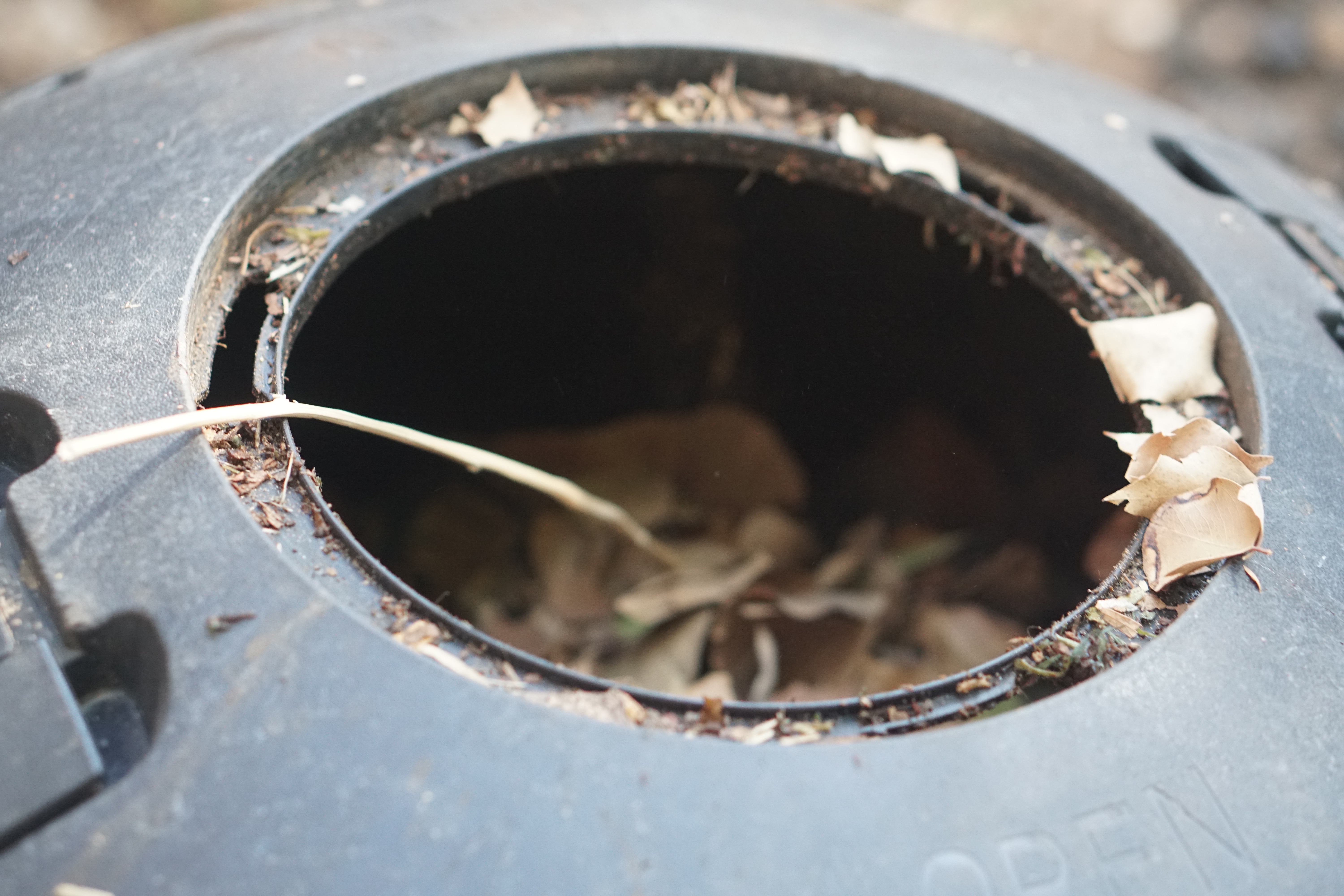
من برج خليفة إلى الجزر الاصطناعية مرورا بصالات التزلج على الجليد – تُعرف مدينة دبي بتصاميمها الغير إعتيادية. و آخر تلك التصاميم هي رادار متخفي في حاوية نفايات -أعزكم الله- و الذي تمكن من ضبط أكثر من 35,000 ألف حالة مخالفة للسرعة المحددة على شوارع المدينة في شهر مارس لوحده. و جائت تفاصيل المخالفات على شارع الفرسان المُحَددة سرعته القصوى ب60 كيلومتر في الساعة كالآتي: 22,903 مخالفة لسرعة تفوق ال90 كم/ساعة؛ 9,217 مخالفة لسرعة تفوق ال110 كم/ساعة؛ 152 مخالفة لسرعات بين 131 و 140 كم/ساعة؛ و أخيرا، و في انتهاك صارخ لقانون السير، ضَبط 11 مخالفة لسرعات تفوق 140 كم/ساعة، أو ما يعادل 130 بالمئة زيادة فوق السرعة المسموح بها

و قال مساعد القائد العام لشؤون العمليات في شرطة دبي اللواء محمد الزفين أن هذا الرادار يُسجل المخالفات التي تتعدى ال90 كم/ساعة، أو أكثر ب50 بالمئة من الحد المسموح به على الشارع، مُنوها بانتشار ظاهرة التسابق على الشوارع بشكل عام. و أثار هذا الرادار المتنكر الجدل على مواقع التواصل الاجتماعي، إذ كتب سائقون بأنه يتسبب بمخالفات متكررة و مكلفة، بينما دافعت الشرطة عن هذا الابتكار في التخفي قائلة أن تصميم الرادار لا يشكل أي مانع عن الالتزام بقوانين السير

بجانب مخالفات السرعة، يستطيع هذا الرادار ضبط مخالفات أخرى قد يرتكبها السائقون، كعدم الالتزام بربط حزام الأمان و استخدام الهواتف النقالة في أثناء القيادة. و بإمكانه أيضا ضبط سرعات المركبات من على بعد 150 كم/ساعة، فيصعب على السائقين خداعه و تخفيف السرعة فقط عند الاقتراب منه. و أخيرا، يعتبر هذا الرادار آخر الابتاكارات التصميمية في مدينة دبي، و الذي من شأنه تدريب السائقين على الاتزام بقواعد المروو حفاظا على سلامة الجميع في شوارعا