“In the midst of uncertain time, renewable energy remains consistent and steadfast in its expansion,” said Francesco La Camera, IRENA’s Director-General. “A more decentralised energy system, with a growing share of renewables and more market players, is structurally more resilient.”
Health insurance is a regulated financial product. Insurers operate under binding contracts, overseen by state insurance commissioners, that legally obligate them to pay claims meeting policy terms. Policyholders who believe a covered claim was wrongfully denied have legal recourse through state regulatory channels.
The New Zealand Merino Company, now rebranded as Zentera, has quietly removed the phrase “world’s leading ethical wool brand” from its website, a notable change that comes after a disturbing investigation by PETA Asia-Pacific into the company’s ZQ-certified wool supply chain, PETA reports to Green Prophet.
Somehow vegetables with short seasons excite the imagination and appetite more sharply than produce that’s available all year around. Good Middle Eastern cooks have many recipes for delicate fava beans, and this turmeric-fragrant soup is one.
“In the midst of uncertain time, renewable energy remains consistent and steadfast in its expansion,” said Francesco La Camera, IRENA’s Director-General. “A more decentralised energy system, with a growing share of renewables and more market players, is structurally more resilient.”
Health insurance is a regulated financial product. Insurers operate under binding contracts, overseen by state insurance commissioners, that legally obligate them to pay claims meeting policy terms. Policyholders who believe a covered claim was wrongfully denied have legal recourse through state regulatory channels.
The New Zealand Merino Company, now rebranded as Zentera, has quietly removed the phrase “world’s leading ethical wool brand” from its website, a notable change that comes after a disturbing investigation by PETA Asia-Pacific into the company’s ZQ-certified wool supply chain, PETA reports to Green Prophet.
Somehow vegetables with short seasons excite the imagination and appetite more sharply than produce that’s available all year around. Good Middle Eastern cooks have many recipes for delicate fava beans, and this turmeric-fragrant soup is one.
“In the midst of uncertain time, renewable energy remains consistent and steadfast in its expansion,” said Francesco La Camera, IRENA’s Director-General. “A more decentralised energy system, with a growing share of renewables and more market players, is structurally more resilient.”
Health insurance is a regulated financial product. Insurers operate under binding contracts, overseen by state insurance commissioners, that legally obligate them to pay claims meeting policy terms. Policyholders who believe a covered claim was wrongfully denied have legal recourse through state regulatory channels.
The New Zealand Merino Company, now rebranded as Zentera, has quietly removed the phrase “world’s leading ethical wool brand” from its website, a notable change that comes after a disturbing investigation by PETA Asia-Pacific into the company’s ZQ-certified wool supply chain, PETA reports to Green Prophet.
Somehow vegetables with short seasons excite the imagination and appetite more sharply than produce that’s available all year around. Good Middle Eastern cooks have many recipes for delicate fava beans, and this turmeric-fragrant soup is one.
“In the midst of uncertain time, renewable energy remains consistent and steadfast in its expansion,” said Francesco La Camera, IRENA’s Director-General. “A more decentralised energy system, with a growing share of renewables and more market players, is structurally more resilient.”
Health insurance is a regulated financial product. Insurers operate under binding contracts, overseen by state insurance commissioners, that legally obligate them to pay claims meeting policy terms. Policyholders who believe a covered claim was wrongfully denied have legal recourse through state regulatory channels.
The New Zealand Merino Company, now rebranded as Zentera, has quietly removed the phrase “world’s leading ethical wool brand” from its website, a notable change that comes after a disturbing investigation by PETA Asia-Pacific into the company’s ZQ-certified wool supply chain, PETA reports to Green Prophet.
Somehow vegetables with short seasons excite the imagination and appetite more sharply than produce that’s available all year around. Good Middle Eastern cooks have many recipes for delicate fava beans, and this turmeric-fragrant soup is one.
“In the midst of uncertain time, renewable energy remains consistent and steadfast in its expansion,” said Francesco La Camera, IRENA’s Director-General. “A more decentralised energy system, with a growing share of renewables and more market players, is structurally more resilient.”
Health insurance is a regulated financial product. Insurers operate under binding contracts, overseen by state insurance commissioners, that legally obligate them to pay claims meeting policy terms. Policyholders who believe a covered claim was wrongfully denied have legal recourse through state regulatory channels.
The New Zealand Merino Company, now rebranded as Zentera, has quietly removed the phrase “world’s leading ethical wool brand” from its website, a notable change that comes after a disturbing investigation by PETA Asia-Pacific into the company’s ZQ-certified wool supply chain, PETA reports to Green Prophet.
Somehow vegetables with short seasons excite the imagination and appetite more sharply than produce that’s available all year around. Good Middle Eastern cooks have many recipes for delicate fava beans, and this turmeric-fragrant soup is one.
“In the midst of uncertain time, renewable energy remains consistent and steadfast in its expansion,” said Francesco La Camera, IRENA’s Director-General. “A more decentralised energy system, with a growing share of renewables and more market players, is structurally more resilient.”
Health insurance is a regulated financial product. Insurers operate under binding contracts, overseen by state insurance commissioners, that legally obligate them to pay claims meeting policy terms. Policyholders who believe a covered claim was wrongfully denied have legal recourse through state regulatory channels.
The New Zealand Merino Company, now rebranded as Zentera, has quietly removed the phrase “world’s leading ethical wool brand” from its website, a notable change that comes after a disturbing investigation by PETA Asia-Pacific into the company’s ZQ-certified wool supply chain, PETA reports to Green Prophet.
Somehow vegetables with short seasons excite the imagination and appetite more sharply than produce that’s available all year around. Good Middle Eastern cooks have many recipes for delicate fava beans, and this turmeric-fragrant soup is one.
“In the midst of uncertain time, renewable energy remains consistent and steadfast in its expansion,” said Francesco La Camera, IRENA’s Director-General. “A more decentralised energy system, with a growing share of renewables and more market players, is structurally more resilient.”
Health insurance is a regulated financial product. Insurers operate under binding contracts, overseen by state insurance commissioners, that legally obligate them to pay claims meeting policy terms. Policyholders who believe a covered claim was wrongfully denied have legal recourse through state regulatory channels.
The New Zealand Merino Company, now rebranded as Zentera, has quietly removed the phrase “world’s leading ethical wool brand” from its website, a notable change that comes after a disturbing investigation by PETA Asia-Pacific into the company’s ZQ-certified wool supply chain, PETA reports to Green Prophet.
Somehow vegetables with short seasons excite the imagination and appetite more sharply than produce that’s available all year around. Good Middle Eastern cooks have many recipes for delicate fava beans, and this turmeric-fragrant soup is one.
“In the midst of uncertain time, renewable energy remains consistent and steadfast in its expansion,” said Francesco La Camera, IRENA’s Director-General. “A more decentralised energy system, with a growing share of renewables and more market players, is structurally more resilient.”
Health insurance is a regulated financial product. Insurers operate under binding contracts, overseen by state insurance commissioners, that legally obligate them to pay claims meeting policy terms. Policyholders who believe a covered claim was wrongfully denied have legal recourse through state regulatory channels.
The New Zealand Merino Company, now rebranded as Zentera, has quietly removed the phrase “world’s leading ethical wool brand” from its website, a notable change that comes after a disturbing investigation by PETA Asia-Pacific into the company’s ZQ-certified wool supply chain, PETA reports to Green Prophet.
Somehow vegetables with short seasons excite the imagination and appetite more sharply than produce that’s available all year around. Good Middle Eastern cooks have many recipes for delicate fava beans, and this turmeric-fragrant soup is one.
لرُبما الشمس في غياب على رفيقة الصباح، إذ أن 50 بالمئة من صناعة القهوة قد تتضرر بسبب تغيير المناخ بحلول العام 2050، و ذلك بحسب تقرير أصدره معهد المناخ. و قد يكون هذا الخبرسيء لمحبي القهوة، و لكنه كارثي على ال120 مليون شخص في مختلف الدول النامية و الذين يعتمدون على صناعة القهوة كمصدر أساسي لكسب قوت يومهم
و يتوقع التقرير هبوط إنتاج القهوة إلى النصف خلال العقود الثلاثة القادمة بسبب ارتفاع معدل درجات الحرارة و تغيُر أنماط هطول الأمطار، و الذي من شأنه جعل بعض مناطق الزراعة المشهورة عاجزة عن تلبية الطلب العالمي للبن. و ستعاني تحديدا المنخفضات الاستوائية من تغييرات مناخية محلية تؤثر سلبا على كمية الإنتاج و نوعيته، مُجبرة بذلك المنتجين على نقل مزارعهم إلى أعالي الجبال المغطاة بالغابات، مما يؤدي ذلك بدوره إلى تأثيرات بيئية سلبية على تلك المناطق. و في هذا الصدد علق المدير التنفيذي للمعهد جون كونور قائلا أنه لوحظ وجود زيادة في الأمراض التي تصيب النباتات في تلك المناطق العالية و التي هي حديثة العهد بزراعة القهوة، بالإضافة طبعا إلى الإرتفاع في نسب درجات الحرارة في تلك المناطق و الذي يجعلها قابلة لزراعة البن
و بالرغم من أن بعض المناطق أظهرت زيادة في إنتاج القهوة في السنوات القليلة الماضية كالهوندوراس و إندونيسيا و فييتنام، إلا أن مستقبل الصناعة بشكل عام يبقى قاتما، فالمكسيك ستغدو غير قابلة للزراعة أولا، تتبعها نيكاراغوا في عدم القدرة على الإنتاج التجاري للقهوة بحلول العام 2050. أما البرازيل، و هي أضخم زارع للقهوة عالميا، فمازالت تعاني من موجة حرارة منذ العام 2014 كانت هي السبب في تدمير المحاصيل، رافعة بدورها أسعار سلع التجزئة على المستهلكين. و يُعتبر البن العربي من مرتفعات اليمن و إثيوبيا و بن الروبوستا من أكثر المتضررين من هذه المتغيرات، إذ أن هذا الأخير من المتوقع أن ينقرض من موطنه في مزارع الكونغو بحلول العام 2050
و بحسب تقرير المعهد، يستهلك العالم حوالي 2.25 مليار كوب من القهوة يوميا، و بينما هذا العدد في ازدياد، يتوقع التقرير أن تُباد القهوة الطبيعية بحلول العام 2080 إن لم تُعالج قضية تغيير المناخ. و بينما أيضا باستطاعة شركات الإنتاج الكبرى تشكيل تحالفات من شأنها الضغط على الحكومات العالمية لمعالجة تغيير المناخ، يستطيع الفرد العادي أن يُساهم في هذا المجال عن طريق شراء القهوة المُنتجة بطرق تضمن استدامتها و تضمن أيضا عدم المس بتوازن الكربون في المناخ، و يتسنى ذلك للفرد عن طريق التأكد من وجود ختم موثوق على تلك المنتوجات في الأسواق
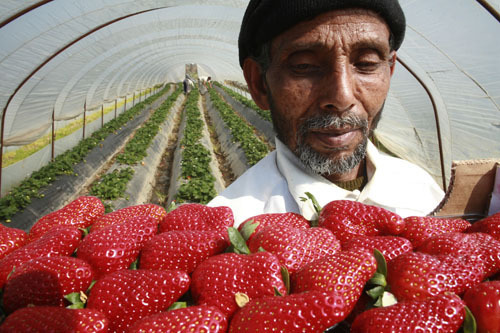
If a tree falls in the woods, does it make a sound? If a food worker in Egypt fails to properly wash his hands, does it cause an epidemic in another nation? More than 80 people in seven US states have been infected with food-born Hepatitis A, and at least 32 people have been hospitalized. The outbreak is linked to frozen strawberries from Egypt that were served up in smoothies in a Virginia restaurant chain. Well, hello there, global food network.
Hepatitis A is a highly contagious liver infection and a “self-limited disease that does not result in chronic infection” according to the US Centers for Disease Control (CDC). Symptoms include jaundice, fever, fatigue, nausea, vomiting, and abdominal pain, and they can range in severity from a mild illness lasting a few weeks to a severe illness lasting several months, as per the CDC.
The virus is transmitted through direct contact with someone who has Hepatitis A or by consuming food or drink that has been contaminated with the virus. This commonly occurs when contaminated fecal matter finds its way to food items via improper handling, according to the Mayo Clinic.
Most of those infected are Virginia residents, according to that state’s Department of Health and the federal Centers for Disease Control and Prevention (CDC). Confirmed victims also hail from New York, Maryland, North Carolina, West Virginia, Oregon and Wisconsin, a CDC spokeswoman said Tuesday. All had consumed strawberry smoothies from the Tropical Smoothie Cafe chain.
Tropical Smoothie Cafe immediately removed the fruit from all of its locations, according to CEO Mike Rotondo in a YouTube video posted Sunday by the chain. They are now sourcing strawberries from suppliers in California and Mexico, but health officials are braced for more illnesses to arise due to the disease’s long, asymptomatic incubation period. That incubation period can last for 50 days, making outbreaks are difficult to identify and investigate.
Virginia health officials became aware of the current cases between May and the end of August, but did not identify them as a cohesive outbreak until early August, at which time they notified the restaurant. The state did not alert the public for another two weeks.
That two week delay is now central to looming victim litigation because of the narrow window for administering post-exposure Hepatitis A vaccinations, which are only effective if given within 14 days of exposure, according to Virginia health officials and CDC.
“I think it’s important for the Virginia Department of Health and Tropical Smoothie Café to say why they didn’t alert the public sooner,” said Bill Marler, a Seattle food safety attorney who is representing outbreak victims. “By not coming forward they kept people who had been exposed from having the opportunity to protect themselves and their families from Hepatitis A.”
The state health department said officials waited because they wanted to gather as much information as possible “to determine with enough scientific certainty what the risk to the public was so we could understand the risk and communicate it accurately.”
But even with confirmation from CDC on August 12, Virginia officials waited before warning the public. A September 2 editorial in the Charlottesville Daily Progress asserts that there are more reasons to question the health department than the delay in issuing a public alert.
A lawyer (among a group of attorneys who have been in contact with victims and potential victims who might eventually file lawsuits) is complaining that Tropical Smoothie franchises took up to four days to remove all of the suspect strawberries.
Attorney William D. Marler says that two-week gap was critical, as – if warned – people can stave off infection by getting vaccinated. Some victims contracted the disease who, if forewarned, might have protected themselves.
Virginia officials continue to urge anyone who had a smoothie at any restaurant “within the last 50 days” to monitor themselves for symptoms of Hepatitis A.
Stave off spread of Hepatitis A with frequent hand-washing before preparing food and after using the bathroom or changing a diaper. Eat food that is grown local, by people you know, using processes that are clean and safe. Hydroponically-grown food is a great way to better “know” the source as its highly monitored.
Routine vaccination which involves two injections given six months apart has reduced cases of Hepatitis A in the past ten years. Injections are specifically recommended for children, travellers to certain countries, and for people at high risk for infection.
This is the second recent outbreak of food-borne illness linked to frozen produce.. A listeria outbreak in May led to a massive recall of frozen vegetables that touched 50 states.
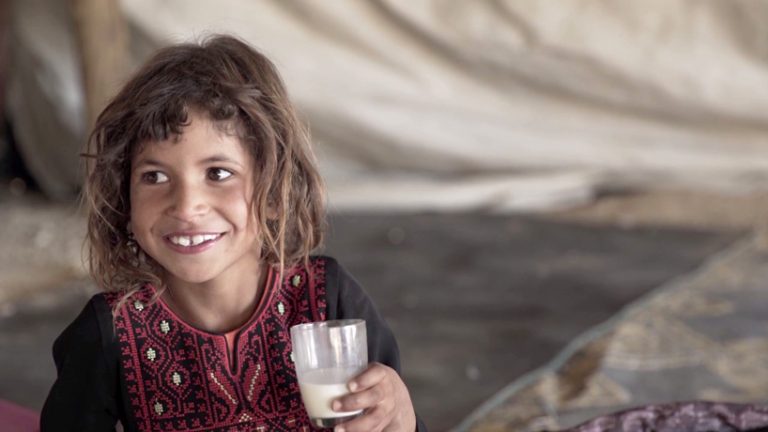
Jerusalem’s Bezalel Academy of Art and Design – Israel’s oldest institution of higher learning – is a prolific incubator of brilliant ideas, with its post-grads serving as the school’s best advertising. They move on to produce beautiful artifacts, while kicking forward the antique design credo of “build a better mousetrap”. Now one student has developed a device that can pasteurize raw milk, and do it off-grid, improving human health and safety and the environment, and it looks good too. Meet Guy Feidman Reshef’s battery-powered milk machine.
The sun may be setting on a popular morning brew. According to a new report issued by the Climate Institute, global warming will underpin an estimated 50 percent drop in coffee production by 2050. Bad news for coffee lovers, but catastrophic for the 120 million people in dozens of mostly developing nations who depend on the coffee trade to make ends meet.
The report predicts that worldwide coffee production will drop by half over the next three decades due to climbing temperatures and changing rainfall patterns, rendering regions historically suited for coffee cultivation unable to meet global demand. Production may be forced to move away from low-level equatorial regions and higher up into forested mountains causing new negative ecological impacts. Significantly altered micro-climates will affect both coffee quality and yield sizes.
Climate change is creating more coffee plant disease
“It’s not just the heat, which is a big factor which is driving some of the regions where coffee is produced uphill,” John Connor, Climate Institute’s chief executive officer, told ABC. “We’re also seeing extra diseases increasing and being able to go up into those areas.”
The overall outlook is bleak, although earlier studies had indicated that Honduras, Indonesia and Vietnam are producing more coffee than usual. Mexican coffee fields will become “nonviable” first, followed quickly by Nicaragua; both regions are expected to lose commercial productivity by 2050.
Brazil, the world’s largest coffee grower, has been crippled by heat waves since 2014, which have devastated harvests and prompted retail price hikes.
Coffee has grown increasingly gimmicky in our lifetime. It’s earned faux foreign-language drink names and secret drinks menus at top franchises. We can sip coffee crapped out of a marsupial’s bum and crunch edible coffee cups.
Lady Gaga donned a dress made from coffee filters and Green Prophet even brought you 15 #LifeHacks using coffee grounds. But all that spin-off is done if the beans disappear.
NEW YORK, NY – AUGUST 19: Singer Lady Gaga enters the “Good Morning America” taping at the ABC Times Square Studios on August 19, 2013 in New York City. (Photo by Ray Tamarra/Getty Images)
Beans most affected have been popular Robusto and Arabica, the latter requires sequential rainy and dry seasons to mature. This is noteworthy since Arabica beans, which originated in mountainous regions of Ethiopia and Yemen, are the basis for 75 percent of the world’s coffee. Robusta – so named as it is more tolerant of climactic differences – is expected to become extinct in the Congo (its birthplace) by 2050.
Currently, according to the folks at Climate Institute, we drink about 2.25 billion cups of coffee daily, and global demand is rising. The report concludes that unless climate change is addressed, wild coffee could become extinct worldwide by 2080.
“We have a cloud hovering over our head. It’s dramatically serious. Climate change can have a significant adverse effect in the short term,” Mario Cerutti, a director at Lavazza, one of Italy’s top coffee roasting companies, told Think Progress. “It’s no longer about the future; it’s the present.”
Industry officials have been issuing warnings for years. In 2011, Starbucks director of environmental affairs, Jim Hanna told the Guardian, “What we are really seeing as a company as we look 10, 20, 30 years down the road — if conditions continue as they are — is a potentially significant risk to our supply chain.” Hanna pointed out that farmers were already seeing how climate change was creating severe hurricanes and more resistant bugs.
While big business forms coalitions to press governments to tackle a changing climate, what can the individual coffee drinker do? The report urges consumers to choose carbon-neutral brands and also demand action from companies and governments to ensure all products, business models, and economies are carbon neutral or carbon negative. Green Prophet suggests you also cultivate an appreciation for plain water.
“Our concern is primarily for the 25 million farmers out there whose entire livelihoods depend on this incredibly important global commodity,” Molly Harriss Olson, chief executive of Fairtrade Australia and New Zealand, which commissioned the report, told ABC. “We’ve got to build a new economy that doesn’t threaten things in our lifestyle such as our coffee.”
Consider coffee brand Maxwell House and its iconic slogan, Good to the Last Drop!, which may turn out to be the world’s most prescient advertising motto. Download the full report – link here.
Last week in Florida, a judge ruled on an ordinance banning front yard vegetable gardens. This allowed the upscale village of Miami Shores to take legal action against residents who to grow food in their yards on the grounds that vegetable patches are “ugly.” Seems, in at least one part of America, that growing your own food is now a crime.
It’s coming up on two years sinceCameron Sinclair announced the shutdown of Architecture for Humanity, probably the best thing to ever emerge from an architect’s imagination. That San Francisco-based nonprofit brought pro-bono architecture to the world’s neediest communities. Now a young husband/wife team have stepped into the void, launching a venture to make affordable, ecological housing accessible to everyone.
Dip a dowdy dress into one of the world’s saltiest lakes and see what happens. Artist Sigalit Landau did, and ended up growing a crystalline gown straight out of Frozen. Take a look at these images. It’s unlikely you can “Let it go”.
When there is nothing left to do, you might as well do something. In Syria, where the war is five years and counting, dancing might be the last thing on anyone’s mind. But for Ahmad Joudeh, it is a priority. Dance is his lifeblood, and he is fueling others with it, too.
Joudeh teaches dance classes to young people, including a large group of orphaned children. The studio must seem like an oasis in the middle of a desert of smashed concrete. While not necessarily a safe haven – really, nowhere in Syria is safe – it is a refuge for the soul.
As a dancer, I know that dance stimulates both the body and the mind. Joudeh teaches, among other styles, ballet – the most exacting genre of dance there exists. For the young students, working on a higher leg extension, to name an example, could be a metaphor for getting past the extreme hardship they face every day.
The inspiring teacher has had a great deal of success in his career as a professional dancer. Most notably, he was a top contestant on Yalla Nor’os, the Pan-Arab version of the show So You Think You Can Dance.
These days, though, he can’t devote as much time to dance as he wants. Survival is not a guarantee, and so he has altered his lifestyle to help ensure it. As it shows him kneading dough in the video above, one of his main responsibilities is to quite literally put bread on the table.
And yet, and yet…he still makes time to teach dance classes. Not only is his teaching a special effort; it is also a huge risk. Joudeh has received several violent threats. One promised to shoot him in the leg, so as to handicap him, if he continued to dance and teach dance.
But with his strength of character, he refuses to be intimidated. “Dance or die” – that’s his motto, written in ink across the back of his neck. If we must fight for what we believe in, then he is a leader in the battle.
Dance or Die, Ahmad Joudeh
“You hear the guns?” He asked the cameraman . “They are shooting us. But they will never kill us.” He knows that he feels the most alive when he dances, and that dance itself can never die.
In the meantime, before something changes for the better or worse in his world, he dances for lost souls – on a rooftop in Damascus, in the streets at the place he once called home, in the rubble of Palmyra – sweeping up shards of glass and debris, and the occasional bullet, with his feet.
Art can come from any emotion, and it can create any emotion: grief, joy, anger, grace. It is clear that the young dancers under Joudeh’s instruction love the opportunity they have to learn something new and express themselves.
They are growing stronger, as dancers and as people, with each class. The electricity cut during filming for the video, right as the kids were talking about never giving up. In the darkness, you can hear their laughter and – unless I imagined it – a “Welcome to Syria!”
Update 2023: Joudeh made his way to safety in Amsterdam with the help of the Dutch National Ballet.
Flavorful figs are Middle East natives. Green Prophet Linda Pappagallo wrote about this in a swell story about the versatile little foodstuff. Did you know they come in more than 750 varieties? They also come with a little surprise tucked inside – a secret ingredient that will delight and disgust you in equal measure.
The brainiacs at NASA conducted a long-ago study on the impact of common house plants on indoor air pollution. Their findings are as relevant today as when first released in 1989: easily grown indoor gardens can work wonders in filtering airborne toxins. Green up your home and clean up your airways with some easily acquired, low-cost, and energy efficient house plants.
Anyone who spends a good deal of time looking for eco-friendly solutions in everyday life probably also wants to do their part even when going on holiday. If you are among the growing number of people who are always seeking a way to accomplish what you want or need to do without further endangering the planet, why not also carry that through to your summer holiday travelling plans?
Did you ever stop to think that there are ways to travel that use fewer resources and places to go where you won’t be using electricity made by fossil fuels and where sustainability is a way of life? There are actually loads of things you can do on a summer holiday that can be considered environmentally friendly, so make your next summer holiday a green one.
Choosing the Best Mode of Travel
When travelling, unless you plan on bicycling across the country, you will be using fuel of some kind. In fact, if you take the time to plan your trip well, you can use half (or less!) the amount of fuel you did last year. One suggestion that comes from a global environmental group is to consider exactly how far you will be going.
Most people automatically believe that flying uses less fuel than going by car but what about the amount of carbon being released into the atmosphere? When travelling short distances, your ‘share’ of the fuel used might be better spent in a car than on a plane as they do take a huge amount of fuel to take off and also during flight. When you arrive at your destination, how far will you be from attractions you intend to visit? Walk whenever possible to conserve fuel.
Places to Go that Are Considered Sustainable
You can actually have a lot of fun planning trips to sustainable locations throughout Europe. In fact, there are even travel agencies that specialize in locations that pay special attention to the environment and make a concerted effort not to make a negative impact on it.
Some exotic locations even use revenue from tourists to pump back into the community towards sustainable projects and to support the locals. These are wonderful learning experiences for those of us travelling from developed nations and as interesting as the local sights and sounds may be, their emphasis on a green economy is simply amazing.
Choosing Environmentally Friendly Accommodations
Of course you can always backpack it and camp in a primitive campground but when choosing a hotel or hostel, check out what they do about waste management and whether or not they derive some, or all, of their power from eco-friendly sources.
Most people who are really serious about conservation at home are also sincere in their efforts to choose eco-friendly lodging. If you put your mind to it and do a bit of searching online, you can find accommodations that use alternative power and operate in a green environment.
With so much emphasis on sustainable living, most countries around the globe have stepped up their efforts to do their parts in reducing their carbon footprint and working towards a greener tomorrow. Support those destinations that are making a real effort and travel there on your next holiday.
Mash-ups of tech with temporary tattoos are not new. Versions are currently used to measure blood alcohol levels and detect exposure to ultraviolet rays. Designers from MIT Media Lab have teamed with Microsoft Research on a project to develop “smart tats” able to interface with remote technology. They can also report on their users health and environment, essentially turning human skin into a gadget.
Legalization of recreational marijuana in American states is on the upswing, spurring entrepreneurs to devise new ways to use the flowering psychoactive herb such as CBD and THC as an ingredient in retail food products. California-based chef Christopher Sayegh is taking Arab haute cuisine even higher, cooking up traditional Middle Eastern fare infused with cannabis.
Marijuana edibles created by companies such as Wyld offer a popular alternative to the traditional way we enjoy weed (smoking marijuana by joint, pipe, or bong).
They also offer a convenient – and discreet – way to consume cannabis, particularly for those who dislike smoke. Many users report that edibles offer a more relaxing high than smoking pot – described as a “full body” high instead of a “head” high.
On the downside, the effects of edibles can be unpredictable, varying wildly among users.
To date, 24 US states have legalized medical marijuana and recreational pot use is fully legal for adults in Alaska, Colorado, Oregon, Washington and the District of Columbia. Cannabis is now legal in Canada. As the stigma surrounding marijuana gradually lessens, the entrepreneurial rush to capitalize on its appeal increases.
According to cannabis investment and research firm Arcview Group, legal pot sales in the US totalled $1.2 billion in 2015, a 232 percent increase over 2014. They predict sales to exceed $22 billion by 2020.
Let’s get back in the kitchen with Chef Sayegh. Midway to a degree in molecular biology, he dropped out of university to explore cooking, then honed his culinary skills working in Michelin-starred restaurants in New York and California.
Sayegh got in at the start of the edible drug craze. In 2014 he started The Herbal Chef, his Los Angeles-based business that focuses on cannabis-spiked foods. “I am trying to give people a cerebral experience,” 24-year-old Sayegh told Indoology. “But I’m also really careful in how I take them along on this journey.”
“I am literally changing people’s brain chemistry as the dishes go on,” he said, “By the third course you feel it a little, by the fourth a bit more and by the fifth course, you’re starting to hit your groove. So it’s like a symphony,” he added. “I have to make sure that as the come-up is happening, the dishes correspond with that and as it’s coming down, the same happens.”
Pot food products are made by infusing “normal” recipes with cannabis. The first wave of edibles came in the shape of simple snacks, think pot-laced baked goods, candy and popcorn. Sayegh took it up several notches, introducing cannabis to haute cuisine. He works exclusively on private affairs for people who hold medical marijuana cards. His meals, which cost up to $500 each, aim to bring diners on a unique “immersive” journey. It’s not just about getting stoned.
The Jordanian-born cook fills syringes with a cannabis compound, and injects sauces, breads, and juicy cuts of meat. He experiments with classic Middle Eastern fare such as stuffed grape leaves and falafel, and puts a nouveau twist on Levantine ingredients: pot-primed pomegranate sorbet, and cannabis and chickpea beignets.
He has cooked up “medicated” oysters, a decidedly non-halal dish. But he returns to his roots with za’atar-topped pot biscuits (below).
Sayegh says that getting high on a cannabis meal is not a joke. “You have to be extremely careful because not only does heat play a very important role when cooking with cannabis, but you’re also taking people on a trip, literally, and you have a responsibility to make sure it’s done right.”
Consumer advisory:
There are real differences between eating and smoking cannabis. When smoked, cannabinoids enter the body through the lungs. The cannabinoids in edibles are absorbed through the gastrointestinal tract, resulting in a more intense high that lasts much longer. Effects from marijuana edibles take longer to start working, usually up to an hour. However, effects reportedly last longer than smoked weed.
State laws require that total milligrams of THC and number of servings be included on the wrappings of pre-packaged foods. There is currently no standardized regulation to advise consumers to THC content of individually cooked meals. Weight, gender, and metabolism influence how fast you’ll feel the effect from edibles.
Signs of an edibles overdose include paranoia, lack of coordination and hallucinations. Symptoms usually subside within a few hours. Stay calm, stay hydrated and eat non-cannabis food.
A weightlifter from Kiribati is our favorite Olympian. After completing a move called the “clean and jerk lift”, he steps away from the barbell and transitions into jubilant dance. He wasn’t celebrating his sixth-place finish in the 105kg weightlifting competition; he’s not aiming for gold on social media. His message is serious, belying the grin on his face. David Katoatau is dancing to save his island nation from climate change.
Stuff. We’ve all got it. Unless we’re from the Nomad class, we’ve got stuff to move and ship. Lighter stuff can be packed in a small envelope or box and sent in the mail. Just about everything else from printers to mattresses to books and clothes. We can’t send it over high speed Internet, yet. That stuff moves around our lives inefficiently. If you have the smarts and social network you can get your stuff moved around for free by asking your buddy a favor. But who has the time and friends for that?
My biggest problem when shipping stuff around is finding the company who can do it. I can spend hours trying to find a company that can handle what I want to ship. The price? Usually something completely outrageous that I don’t even bother. Should it be like that?
And remember the fad when cargo biking your stuff around cities, even for moving day, became all the rage? We love human-powered shipping, and Summer, one of our buddies in Tel Aviv runs a one-woman show move-anything company with her little van. But eco-friendly stuff-movers like Summer can’t scale. And cargo and courier biking, while romantic, cannot solve the problem of shipping between cities. Or loads of trucks and couriers going to one drop-off, returning empty handed.
The UK’s Shiply has the answer. The company has developed software that now links with massive companies like eBay to solve inefficiencies in the shipping industry. The vision is to be the most sustainable transport system in the world, using any system it takes, as long as it’s the most efficient one to get from point A to point B. It works like an auction.
Here’s how it works: Have something to move? Create an account and list what you want to transport, saying how much you can pay and when you need it delivered. The item goes into the auction. Expect to pay less for being flexible on the dates. Transport companies and people bid on deal. Transactions are then enabled by a fee paid for by the bid winner. Wait for your delivery!
Ways your stuff can be moved: by bicycle, by private car, by boat, by motorcycle, by furniture movers, by handle-with-care freight companies and many, many more.
The results for our planet we love:
Stuff that we love can be loved longer by other people or by us again, but in new places
Greenhouse gases for shipping can be cut at least in half if transport vehicles are in use in both directions
New channels of operators such as biking couriers, van companies, Uber drivers, taxies, and small businesses can access the supply chain, previously limited to big shipping and courier companies
Prices for shipping can be drastically lowered
Shipping becomes democratized, and available for the masses which is good if you are starting a new business or sending stuff to your kid in college
The company was founded in 2008, and within 2 short years had 17,500 companies listed as transport services, clearly greasing the wheels of a very outdated and inefficient industry.




 If a tree falls in the woods, does it make a sound? If a food worker in Egypt fails to properly wash his hands, does it cause an epidemic in another nation? More than 80 people in seven US states have been infected with food-born Hepatitis A, and at least 32 people have been hospitalized. The outbreak is linked to frozen strawberries from Egypt that were served up in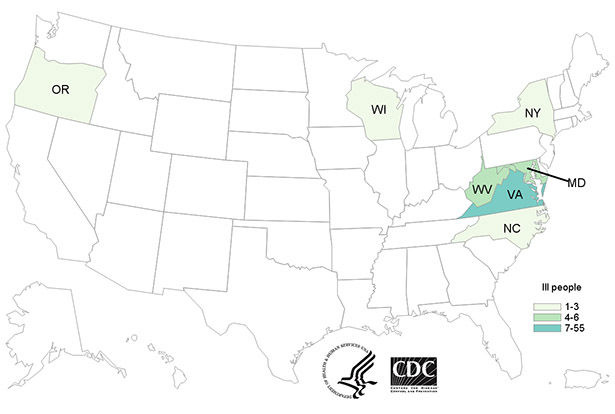
 Jerusalem’s Bezalel Academy of Art and Design – Israel’s oldest institution of higher learning – is a prolific incubator of brilliant ideas, with its post-grads serving as the school’s best advertising. They move on to produce beautiful artifacts, while kicking forward the antique design credo of “build a better mousetrap”. Now one student has developed a device that can
  The sun may be setting on a popular morning brew. According to a new report issued by the Climate Institute, global warming will underpin an estimated 50 percent drop in coffee production by 2050. Bad news for
 “Our concern is primarily for the 25 million farmers out there whose entire livelihoods depend on this incredibly important global commodity,” Molly Harriss Olson, chief executive of Fairtrade Australia and New Zealand, which commissioned the report, told ABC. “We’ve got to build a new economy that doesn’t threaten things in our lifestyle such as our coffee.”
 It’s coming up on two years since Cameron Sinclair announced the shutdown of Architecture for Humanity, probably the
 Dip a dowdy dress into one of the world’s saltiest lakes and see what happens. Artist Sigalit Landau did, and ended up growing a crystalline gown straight out of Frozen. Take a look at these images. It’s unlikely you can “Let it go”.

 These days, though, he can’t devote as much time to dance as he wants. Survival is not a guarantee, and so he has altered his lifestyle to help ensure it. As it shows him kneading dough in the video above, one of his main responsibilities is to quite literally put bread on the table.

 Flavorful figs are Middle East natives. Green Prophet
 The brainiacs at NASA conducted


 Mash-ups of tech with temporary


 Sayegh says that getting high on a cannabis meal is not a joke. “You have to be extremely careful because not only does heat play a very important role when cooking with cannabis, but you’re also taking people on a trip, literally, and you have a responsibility to make sure it’s done right.”
 A weightlifter from Kiribati is our favorite Olympian. After completing a move called the “clean and jerk lift”, he steps away from the barbell and transitions into jubilant dance. He wasn’t celebrating his sixth-place finish in the 105kg weightlifting competition; he’s not aiming for gold on social media. His message is serious, belying the grin on his face. David Katoatau is dancing to save his island nation from