Home Blog Page 220

Top Secrets of Successful Business

0
UK Green Investment Bank and UAE’s Masdar hope agreement will deliver better solar future.

Organizational skills, effective scheme, and money can make you a successful businessperson. Majority of people think that they will open shop and customer are at the doorstep. It is a hard job to take the small business to great heights. Appropriate use of time, implementation of planning and proper investment of money are keys to success in the business world. Remember, you have to compete with the business tycoons to rise and prosper.

Take Your Business Out of the Crowd

You must be a creative person to attract and target the customer in the implementation of your business plan. If you are offering the traditional products, people don’t find any reason to buy your product. Your competitors have already won the customers’ trust. Uniqueness and quality can bring people to your doorstep. Consult with the professionals who have experience in the field. They may tell you about the new approaches, seek these new ideas and apply them.

Know the Risks and Rewards

No business can give you 100% guarantee of success. Business may collapse so you must understand the risks and rewards associated with the business. Demand and supply is the principle that plays the primary role in the success of a business. Don’t invest money in a business that is out of order. It is true that risk is necessary to grow, but you should take the calculated risk. Many businesses push to the wall only because their owners to take into consideration the business’ downsides.

Look for the Most Profiting Business

Always go for the profiting business. Don’t invest money in an industry that may collapse like a bubble. Investment in a real estate is a fascinating option. It gives enormous profit; that’s why it is called cash deposit business. Additionally, investment in stock markets can provide the massive advantage. You can give a physical form to your dreams. However, similar to other business, you may lose hard-earned money in stock markets. Get help from the professionals of different forums such Investors Hangout to mitigate the challenges and risks.

Learn from Your Competitors

Your competitors can be your teachers who teach how you can build a successful business. Analyze the companies that are ruling over the market. Study their tactics and apply them to your business. It is better to polish their schemes instead of copying them thoroughly. You must remember that success doesn’t come within few nights. Show your patience and work hard until reaching the wished destination. Your business logo will be a brand, but it will take time. Also, you must have excellent knowledge of the business. If you invest money without experience, you are going to flop; this is a rule of thumb. You can beat your competitors with knowledge and positive approach.

Get Advice from the Professionals

You must look for the sources of inspiration and intelligence. All of us have limitations so we can’t be the master of everything. Always learn from the professionals and seek experienced advice people who know how to run the business. There will be many well-wishers who want to take you a better place. Join the community of business people; it is a hub of new ideas. Follow the suggested provisions and enjoy the warmth of successful life.

Green is the Color: Your Guide to an Eco-Friendly Life

0

These days people seem to be much more preoccupied with living healthier lifestyles and embracing a greener way of life. This is great because it helps us ensure that we are doing more to look after the planet and protect the environment. You can make changes to your life that will help you to start becoming more environmentally friendly and putting Mother Earth first.

The great news is that it is easier than ever to be more eco-friendly nowadays, so there is no excuse. You must make sure you come up with changes in your life that can help you be greener. It’s important for you and your family to embrace this, and you will notice positive changes as a result. These are some of the great things you can to become more eco-friendly in your life.

Renewable Energy

More and more people each year are turning their attention toward the world of renewable energy. It’s so great that we can embrace things like wind energy and solar power these days, and you need to make sure you do more to integrate this into your life. For instance, you might decide to go for solar panels on your property as a way of enjoying free energy. Sure, there will be some outlay initially, but you’re going to be making a lot of savings as a result.

Recycling

teach your child to recycle

Recycling needs to be much more of a focus in your life as well. Fortunately, this is something we are all generally pretty good at – but we could also probably do more. There are so many things that make recycling important, and it is essential for protecting animals and the environment. Make sure you recycle everything you possibly can as this will ensure that you do your bit to help protect the planet.

Change Your Skincare Products

smart tattoos

We use so many cosmetics and skincare products on a daily basis, and we often don’t think about what they are doing to the environment. That’s why you need to make sure you change to products that are a little greener. This might involve educating yourself about cosmetics through places like the Ogle School in San Antonio or even researching individual products. Many of these are much less toxic and damaging than others and finding out which is which is really important.

Drive Less

Driving causes pollution which is harmful to the planet. We all know that, and yet many of us drive on a daily basis. You should try to cut down on your car usage in order to help protect the planet more. You could do a car share with friends, use more public transport, or cycle and walk instead. Driving less is one of the most important factors when trying to reduce your carbon footprint and embrace a greener way of life.

Going green is the first step toward making the planet a better and healthier place once again. There are a lot of options when it comes to things you could do to be more eco-friendly. Start at home, and then try to incorporate a greener approach into other areas of your life.


Applying Mountain Thinking to Artificial Intelligence

forest bathing, woman hipster contemplating nature in dark green forest

If a tree falls in the forest, does anyone hear? Does your artificial intelligence-driven software even ponder this philosophical paradox? With so much of our world out of whack these days, I mean, you know … you are reading the news. The ice caps are melting. The North Pole is warmer than Bucharest, and famines in Africa are so dire that it hurts to hear more about them. We can easily trace our planetary perils to humanity, a hungry species that has tipped the scales, and has created imbalance in resource allocation. And yet another agtech startup comes along, sometimes with hardware, sometimes with software — or both — claiming they have the answer to world hunger and that it’s called artificial intelligence.

How does that work? Artificial intelligence isn’t a plug and play solution that you can build in a bunker or basement at an MIT weekend hackathon or buy through the Google Play app store. It’s a distinctly specific thing that is architected from day 1 into the company business model and which should be superbly flexible, sophisticated and nuanced in design, application, deployment and oversight.

Now, hundreds of new agriculture companies are springing up building greenhouses, putting sensors into the ground or onto satellites. They are sending out drones and airplanes to collect scads of data from millions of IoT sensors. We know this pattern. It’s the same as what we have done in the past but only faster now. But as eloquent as the technical white papers may promise in these new companies, artificial intelligence is only as good as the people and values creating the rules. It is only as good as the players and stakeholders.

I am going to give you an example. AI is supposed to be a rule-based system. Define, let’s say, what success looks like on a farm, such as ample fertilizer to the tomatoes, quickly-remediated pest infestation, a harvest that’s bountiful, and red. And indeed those sound like reasonable goals. But today when we dream up what we want from or food system, we are setting them with human rules from the West, with our limited understanding of how people and nature behaves.

Developing Nations where most food is farmed is a black box. Nature, which presents infinite complexities is even more vexing. It represents the equivalent of billions of black boxes stacked like the (those Russian dolls…?). We are just beginning to learn how the vast communication networks in forests as species of the same even learn to communicate outside their species “caste” to other unrelated species about where nutrients, water and the sunshine lies. There is a notion that if the forests survives, we all survive. Read the book The Hidden Life of Trees for a primer.

In many ways the way of Nature is to think like a mountain, as famed American environmentalist Aldo Leopold put it. Decades ago, he witnessed the destruction of wild wolves on the mountains of Wisconsin and how their extinction there led to the overpopulation of deer which then destroyed all the trees on the mountain. The mountain was not happy and took decades to recover. Leopold coined the term “mountain thinking” to mean having a complete appreciation for the profound interconnectedness of the elements in our ecosystems. Think like a mountain, rather than an isolated individual.

Today, I see how simplistic the rule-based system is for artificial intelligence and I see who is building these systems: young guys drinking Soylent in Silicon Valley. They are often isolated individuals or worse, profit-only driven enterprises. And we know well how that story has been doing until now… (Psssst .. Monsanto, Syngenta, Dow, Dupont…)

So when we humans are building AI for a planet in peril and when we need to recalibrate our food system, we need to consider all the stakeholders, not just us. What about the trees, the wolves, the deer, the aspen trees, the mountains? The mycelium, the bees, the bacteria that should live in the soil had we not destroyed it by over fertilizing and over pesticiding it? Are they not stakeholders too?

Consider the barriers you as a parent, uncle or auntie might setup up for a toddler. You would just step over the baby gates, right? That’s about how easy it is for a far more intelligent AI than us to bypass the rules and morality we are putting in place. If we don’t think about this now, it might be too late and computers will try to do it for us. We aren’t alone, and we aren’t crazy.

We love Elon Musk, not because he sends cars in space, or builds Boring Companies, we love him mainly because he shares our concerns. That AI not built correctly, will be more dangerous that nuclear warheads in the hands of a Middle East dictator. We desperately need a coalition of bright minds, elders, scientists, naturalists; we need to understand the language of plants, of the wind and the soil, and only then can we begin to lay down the rules of how nature should be governed. Of how AI can be created for the planet.

We believe that using blockchain technologies we can connect billions of people to billions of data points, and together decide unanimously what is morality and what success should look like.

To continue a recent Musk quote at the SXSW 2018, “that AI should maximize the freedom of actions of humanity,” we’d like to add that AI should maximize the freedom of actions of humanity and the natural world. In short, to survive and thrive into the next 100 years we need to go back to a little more like mountain thinking.

Karin Kloosterman is the editor of Green Prophet and the founder of Flux, a hardware company putting agriculture on the blockchain

Drinking Plastic, Every Day

0

tap water

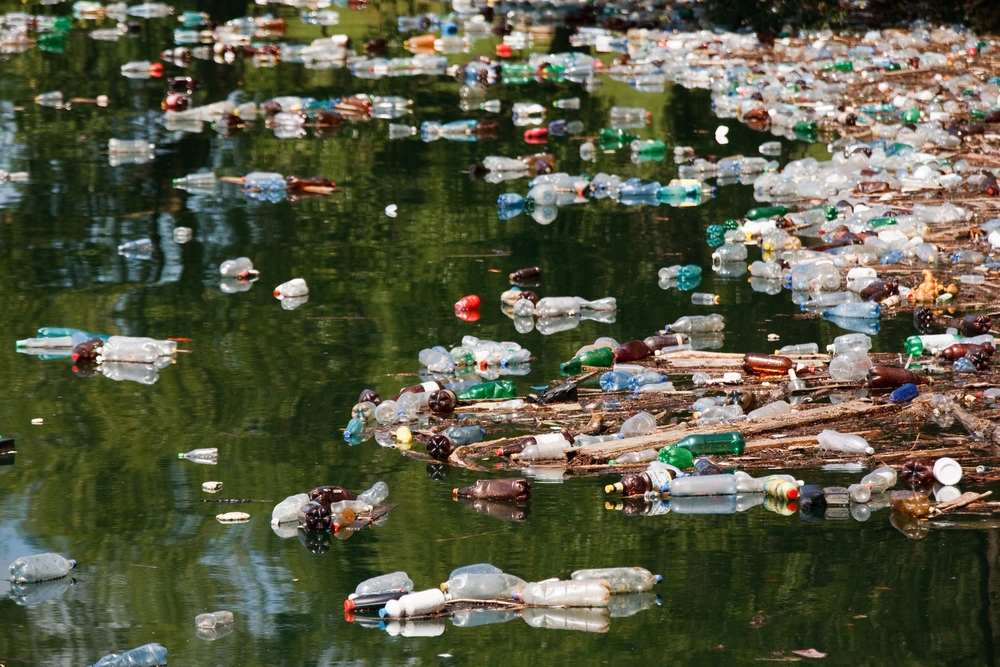
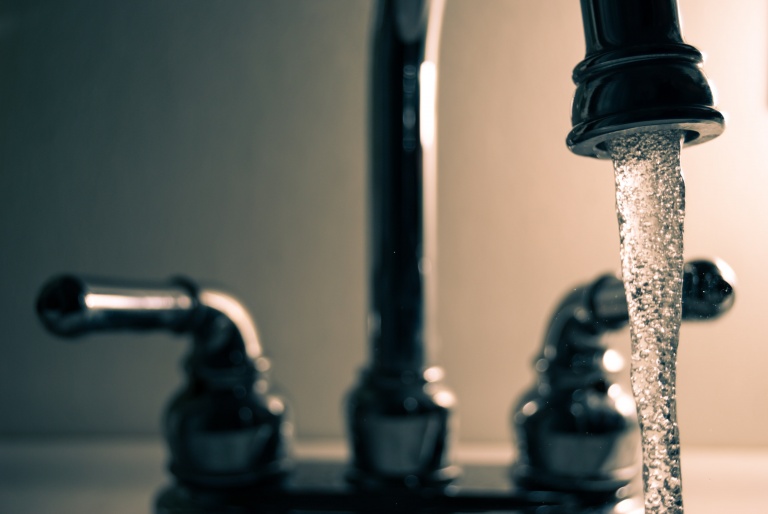
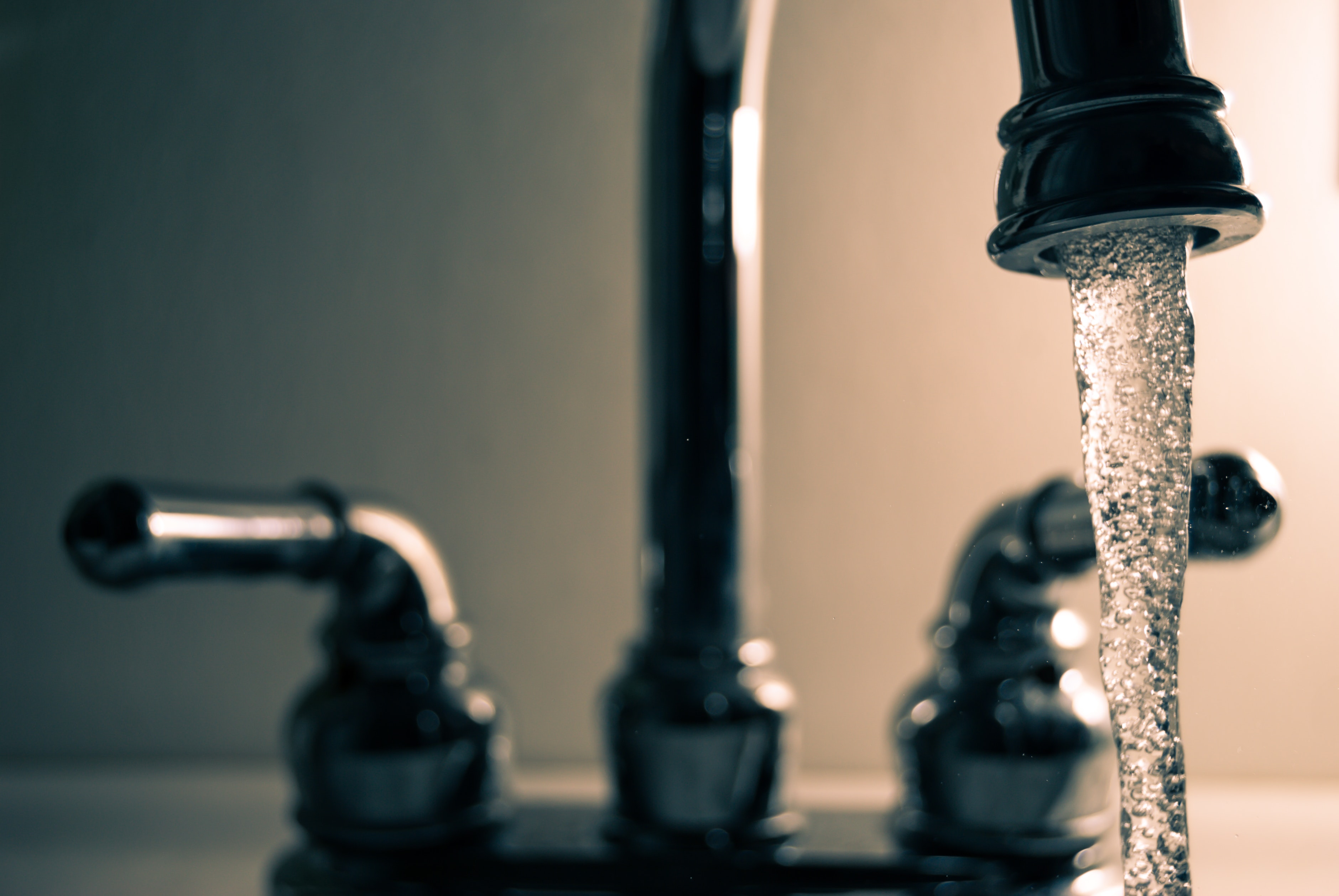
In September of 2017, Orb Media, a non-profit digital newsroom based in Washington, released the results of the first scientific study on the presence of microplastics in tap water. The study tested water flowing from taps in 14 countries around the world. From New York to Uganda, microplastics were present in 83% of the samples. The challenge today is to reduce plastic pollution in water and the air. We’re not sure if  installing a refrigerator water filter will do the job, but it might at least make you feel better.

What are microplastics? They’re minuscule particles of plastic that break free from all kinds of products in daily use, such as fabrics based on synthetic fibers, and from industrial waste. These particles continue splitting off into ever smaller pieces by ordinary friction – for example, in the rub and tumble of polyester-based clothes in your washer and dryer. That’s a major contributor to microplastic pollution. Or the tides grinding plastic bags against the ocean’s rocks and sand.

Microplastics originating in homes and factories get rinsed away into the water system, or are released into the air. Such as tire dust, the dust rubbed off tires in use. It enters water ways via sewers when rain rinses streets and highways. House paint and paint for industrial use erode, and their dust drifts into the atmosphere to settle on the surface of the ocean.

Plastic never goes away, it just keeps breaking down. That’s how it can enter the human body. According to the Orbs report, microplastics may erode into particles minute enough to pass through the intestinal wall and travel through the body to settle in the lymph nodes and organs.

Consider lymph nodes, those body filters that fight invading viruses and microbes. How well can they function when clogged with plastic sludge? According to the National Cancer Institute, the number of cancer cases will grow  to 22 million in the next 20 years. Can it be said that microplastics in our bodies are one more factor raising today’s rampant cancer statistics?

Molly Bibngham, founder of Orb Media, says, “Scientists say they don’t really know how these microplastics reach our taps or what the health risks might be. But microplastics have been shown to absorb toxic chemicals from the marine environment, and then release them when consumed by fish and mammals.”

In other words, microplastics are like sponges for toxins from sewage, industrial chemicals, pesticides, and other pollutants in the oceans. Fish absorbing the toxin-laden microplastic particles pass them back to us when we eat the fish. This news isn’t new. Studies have been conducted on the topic for years, such as this one, published in 2013. We reported on deaths of marine creatures from plastic pollution back in 2011.

What about meat from animals who drank water polluted with microplastics? Or even vegetables irrigated with such water? And ultimately, how is plastic already affecting the billions of adults and children who absorb the invisible particles in their drinking water – inhale them with every breath?

The scenario looks dire, but there’s hope. The  Orb Media investigation has raised red flags with environmental scientists around the world. Movements such as The Story of Stuff Project got microbeads banned from consumer products in the US in 2015. You can do your bit too.

Examine labels on cosmetic products – if they contain polyethylene, polypropylene, polyethylene terephthalate or polymethyl methacrylate, they contain plastic. If you can, buy clothes made from natural cotton, wool, hemp, linen and silk fabrics. Wash laundry less often (use your bath towel at least twice, for example).

Take the plastic supermarket bags you already have to the store and re-use them, instead of putting your purchases into new ones. Never mind looking like an eco-nut; soon recycling bags at the store will be mainstream.Take your own mug or drinking glass to work or school, instead of using disposable cups. Buy a metal straw or two so you won’t be tempted to pull out a plastic one out when you buy a drink.

You get the idea. Choose the natural over the synthetic; reuse what plastics you have. It would take an unprecedented, globally coordinated effort for individuals to make a difference, but at least, you’ll be setting an example. The best thing you can do is educate yourself and make your voice heard via petitions and trustworthy bodies dedicated to reducing plastic pollution. Spread the word.


Guide: Writing a Research Paper on Solar Energy

0

freaky art solar energy sculpture

You already know how to deal with the research paper in general. Let us pay 2-minute attention to the basics just to freshen up your memory and then we will talk about the specific rules and ideas for writing on solar energy. You research paper should include:

  • Abstract. Short summary of your work, like the annotation in a book.
  • Introduction. Clear and precise thesis statement is a must.
  • Annotated bibliography/Materials. Sources of information you used to complete the research paper.
  • Methods/Methodology. Scientific methods you used to conduct a research and evaluate the results.
  • Results. What you have understood as a result of the research.
  • Discussion. The interpretation of your recent findings.
  • Summary/Conclusions. Summarize your findings and draw a conclusion. If the dilemma wasn’t solved, state what you think is needed to solve it.

You have this list in your course book, definitely, but most probably the description of each part is rather vague which might be rather confusing.

How to Write a Stellar Research Paper on Solar Energy

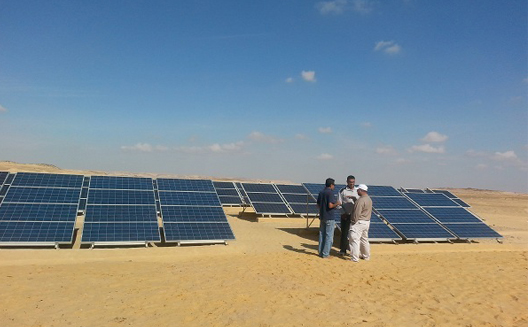
egyptian solar energy for residential consumers

Idea #1. State the topicality

You should show that your research covers actual issues, relevant to the moment. Example. Solar energy was the fastest growing source of global energy in 2016, showing dynamics better than other types of energy production. Such data is contained in a recent report of the International Energy Agency, which is one of the most credible organization for quoting in your solar energy research paper. There are services that offer people to write my research paper for me.

Idea #2. Show the understanding of trends

Don’t just state something, explain it and show international correlations.

Example.The result is largely due to lower prices and a change in government policy that facilitates a departure from traditional energy sources such as coal. For example, China plays an important role in expanding the use of renewable energy sources. This country accounts for almost half of all new solar panels installed around the world.

Idea #3. Pay attention to negative sides and assumptions

Don’t make your paper too shallow — elaborate on side effects.

Example. Today, harmful substances are used, for the manufacture of solar cells, which in one way or another can harm nature. Already ready photocells contain poisonous elements, such as lead, cadmium, gallium, arsenide. The service life of solar batteries is 30 – 50 years, so the problem f the subsequent processing of modules arises, and the solution of the issue of their utilization has not been found so far. A significant drawback of the process of obtaining solar energy is the so-called impermanence. Solar systems are not able to work at night, and in the evening the efficiency of stations significantly decreases. Just as the absence of sunlight and its excessive radiation reduces the efficiency of the system as a whole, it is necessary to provide for the cooling of the modules additionally.

Idea #4. Give illustrative real-life examples

Solar power may have been on the verge of breaking in the MENA region, but it appears back on track.

To make the results of your research more descriptive, use engaging examples.

Example. In 2016 Tesla, Inc. joined by the company SolarCity, which creates solutions for the transition of homes to solar energy. One of their first joint projects was the almost 100 percent conversion of the Pacific island of Tau to “green” energy. The new “goal” of Tesla was the island of Kauai, which is part of the Hawaiian archipelago. Enjoying a year-round abundance of sunshine, this US state practiced “green” energy before the arrival of Tesla. Nevertheless, the solutions on the island could not solve the problem of electricity consumption at night, since solar panels generating energy without saving it. The new system installed by the company is equipped with 52 MWh Powerpack 2 accumulators assembled at the Tesla factory in the United States, and the power of the solar farm itself is 13 MW.  Now the Hawaiian Islands have the opportunity to increase the share of solar energy consumption up to 100, what they intend to achieve by 2045.

Idea #5. Show the ability of big-picture thinking

Show that you understand the market’s perspectives.

Example. Many experts note that the “new era” of solar electricity has come, expecting that the growth of solar electric power will be higher than any other types of renewable energy sources up to 2022. In fact, the agency’s experts admitted that they underestimated how fast green energy is growing, noting that many countries will be in the center of the solar boom in the coming years. For instance, it is expected that the renewable energy potential in India will double by 2022, outstripping the EU. However, representatives of the International Energy Agency said that, despite these encouraging figures, there is still uncertainty ahead. This is due to Donald Trump’s plans to revive the coal industry.

Writing on solar energy don’t forget that it is a speedy growing field and you should use only the most recent case study and reports. Otherwise you can hire professional research paper writers online who provide academic writing services for students. Good luck!

Saudi Arabia wants to be the new Ibiza

Saudi Arabia beaches on the Red Sea, new resort

You can get thrown in jail in Saudi Arabia for making out on the beach, but with its new leader’s mission to modernize the ultra-conservative Islamic society, Saudi Arabia may become one of the top 10 beach destinations in the world. Maybe even topless? Well, let’s not go that far. But it is located on one of the world’s most gorgeous seas and geographies, on the Red Sea below Jordan and Israel and opposite Egypt’s Sinai Peninsula. A new project is underway to make the Red Sea a western friendly destination: hijab optional, kissing encouraged.

Saudi Arabia hosts several million foreigners every year, but it’s limiting religious and social codes are a major turnoff for tourists who want to have fun, western style: drinking a beer, holding hands, sunbathing.

Saudi Arabia is beautiful but many westerners find the restrictive Islamic laws fundamentally not that “fun”

The whole move is part of Prince Mohammed bin Salman’s social movement known as “Vision 2030,” and to fulfil it a tourist zone will be built around the 50 islands of the Red Sea – a location where visa restrictions for tourists will be more relaxed. And this is specifically, for women who are shamed for wearing western style clothing.

Today Saudi Arabia is one of the only Muslim-majority countries that legally imposes a dress code. Regardless of their religion practice, Muslim women must wear a loose-fitting robes known as an “abayas” in public, along with a headscarf if they are Muslim. This is also true in Iran, Saudi Arabia’s enemy #1.

Rules are loosening so that women can drive, yet in practice they still need a man to accompany them wherever they go. Obviously all these rules can be a big downer for tourists, but also for anyone who wants to come to work in Saudi Arabia. A friend of mine teaching English said he felt choked over there and would never go back again.

As for tourists, if you don’t want to stay in a Bedouin tent in Sinai, Saudi Arabia is reserving about 150 miles of coastline just for you. Future travellers can expect to see protected coral reefs, volcanoes, and a nature reserve inhabited by rare wildlife like Arabian leopards and falcons. We do caution however that if environmentalists aren’t brought in soon there will probably be no reefs or leopoards or falcons left to see.

Among the Red Sea attractions are the ancient ruins of Madain Saleh, a Unesco World Heritage site. Try also parachuting, trekking and rock climbing. Or just enjoying the vista — across the Red Sea is God’s Mountain and all the spiritual stories from the bible.

Image of Saudi Arabian Petra, by Richard Wilding

Expect construction of the new resorts to start in 2019. The first phase will include building a new airport, luxury hotels and accommodation and is expected to be complete in 2022. If you are a LEED-certified or Estidama-certified architect get yourself to Saudi Arabia immediately for new work. The region needs you.

Ending human trafficking, one stitch at a time

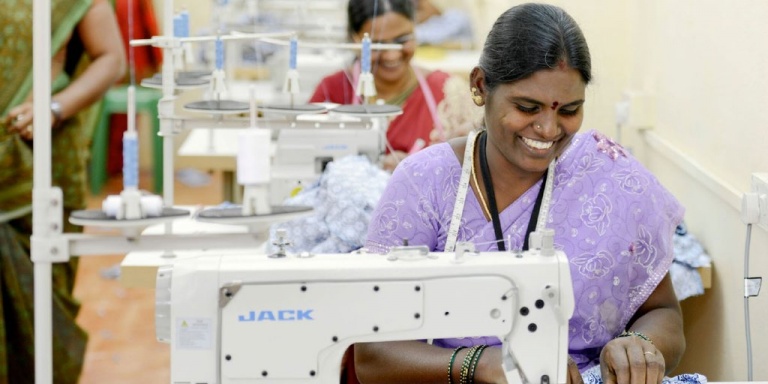
sudara loungewear

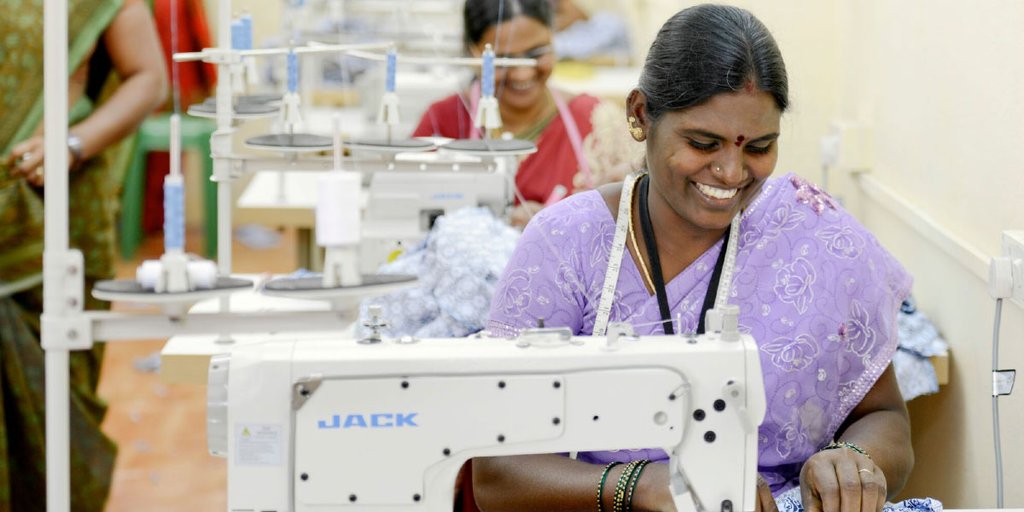
A holiday trip to Southeast Asia introduced an American tourist to a rich culture, delectable cuisine, and spectacular architecture. It also gave her a window into a darker side of India. Others may sleepwalk past realities that – if consciously observed – would ruin a holiday buzz. Shannon Keith chose to take notice, and more critically – take action.

How Much More Expensive are Electric Cars?

0

Electric car, Tesla, red roadster

Electric cars are enjoying a surge in popularity right now and becoming an increasingly common sight on the roads. This is largely due to the Government’s clean air plans and the planned 2040 ban on the sale of petrol and diesel cars, but also the wide range of excellent electric vehicles available and the various incentives for making the switch.

While more and more motorists are starting to make the switch and join the electric car revolution, there are also those that remain hesitant. One of the main reasons for this is the perceived cost of buying electric and how much more expensive they are than regular cars.

Electric Cost

Much like regular cars, the cost will vary drastically depending on the manufacturer, model etc. The cheapest can be found for around £14,000, whilst a top of the range Tesla will cost over £100,000. The best selling electric car, the Nissan Leaf, starts at around £21,000.

Comparing BMW Models

The best way to gauge how much more expensive these cars are is to compare electric and non-electric models from one manufacturer. As an example, BMW’s highly rated i3 is a subcompact available from £33,340. The subcompact 1 Series is the obvious comparison, with this car available from £21,460 when you buy new. Other BMW models that are cheaper than the i3 include the 2 Series (sports car), X1 (SUV) and 3 Series (mid-size) amongst a few other popular models of various sizes. These are all to buy new and will be cheaper to buy used, but you will also need an extended warranty from a specialist like ALA.

Savings with Electric

Zerotracer, green transportation, Masdar City, Abu Dhabi, electric motorbike, world's most efficient luxury vehicle, the bike that wears its own helmet, Swiss design, electric vehicle

It is clear then that it is much cheaper to buy a regular car and even when purchased new. However, this can be misleading because they can actually be much more cost efficient in the long run. You are exempt from road tax when you purchase an all-electric, you can avoid charges like the Congestion Charge (which are becoming more common in major cities) and the running costs are significantly lower – you will pay about a quarter of the cost per mile as charging is so cheap compared to fuel. In addition to this, you can also receive a Government grant of up to £4,500 to buy electric.

twizy renault electric car israel

While it is true that it can cost a lot more to buy an electric car than a regular car (particularly when it is in a similar class), the savings that you can make in the long run make them the smarter financial investment and especially when you consider the upcoming 2040 ban and increasing number of charges on polluting vehicles.

Methods to make coconut oil at home

0

image-natural-moisturizer

Coconut oil is an important component of numerous hair and body beauty care goods, but you can also use it for your food cooking purposes. You can buy this oil everywhere, yet, what if you could make it on your own, in the comfort of your home and without heat? Here it is – a useful guide to making virgin coconut oil without heat!

Coconut oil – what is it?

Coconut oil is one of the most popular vegetable oils, which is squeezed out of copra (a name for dried coconut kernel). The oil has a rich chemical composition and contains plenty of useful elements. There’s an opinion that the oil is dangerous for health, but it’s not true if you take only a little of it. Below, you will find more about the possible uses of coconut oil.

Now, let’s find out how to make coconut oil and what you may need for it. The first method involves a hot press that squeezes the oil out of the freshly dried kernel. The second one requires the use of cold pressure.

The first method is much more effective because it allows squeezing practically the entire amount of oil that’s in the kernel. At the same time, it destroys plenty of useful elements in the oil. The cold method is way less effective, bringing only 10% of the oil that’s there in the kernel but the usefulness of the oil is not ruined. This is why the cold-pressed coconut oil is so expensive.

Cold-pressing coconut oil at home

As it was mentioned before, the cold pressing is quite costly so prepare your wallet for the parting with a significant amount of money. Besides that, be prepared for three whole days of waiting until the oil is done. The preparation will only take you several hours while the rest of the time is purely waiting.

Your materials and tools:

  • Ripe coconuts – 3 items
  • A hammer and a screwdriver
  • One tea towel
  • A big bowl and two smaller ones
  • A small but sharp knife
  • A device for peeling vegetables
  • A blender or a food processor
  • 3 cups of clean non-chlorinated water (1 cup per each coconut)
  • A piece of cheesecloth
  • A sieve
  • A ladle
  • A sterilized glass jar to store the oil (big enough to contain about ½ cup of coconut oa il)

Your steps:

Step 1: Make 2 or 3 holes in each coconut and drain the water into one of the prepared bowls. You can use a drill or a screwdriver with a hammer, whatever you like.

Step 2: Open the coconuts by wrapping them one by one in a towel and smashing with a hammer. Several powerful hits will be enough to open the shell and discover the white kernel pulp.

Step 3: With the help of the small knife, start separating the pulp from the husk. Then, use the peeler to remove the thin brown film. In the end, there will remain the empty husk, the white pulp, and the bowl of coconut water. Husk is out of use now, so you can throw it away.

Step 4: Wash the pulp with clean water and put it in your blender together with the coconut water. Then, blend all this finely on very high speed until you can see that the texture is even and smooth.

Step 5: Put the blended mass into a large bowl and add the prepared non-chlorinated water. Wash your hands thoroughly and prepare for the most interesting. Grab the coconut mash into your fists and squeeze as hard as you can. Keep doing it until the water resembles milk with its whiteness. Allow it for a few hours.

Step 6: With the help of the ladle, scoop the coconut into a sieve that’s additionally covered with the cheesecloth. When you have everything in, squeeze the cloth so that the coconut flakes are almost dry. The flakes are now out of play, but you can use them for cooking purposes or so.

Step 7: Find a suitable lid and cover the coconut milk in the bowl. It will need one or two days before you can proceed. At best, leave it in a fridge.

Step 8: In some time, you will notice how the liquid separates into three layers. A cloudy one closer to the bottom, the layer of the oil in the middle, and some cream on top of all this.

Step 9: Remove the cream, which can be used for cooking purposes. Use the cheesecloth to filter the rest of the liquid.

Step 10: Place the oil into a glass jar, and here it is, ready for being used!

Possible uses for coconut oil

There are many ways to use the coconut oil you have just prepared on your own. It’s really impossible to list all of them here.

  • You can add it to your tea and feel the boost of energy.
  • You can use it as a base for a body scrub with sugar and the same leftover flakes of the coconut pulp
  • You can use it on your skin as a sunscreen or treat the existing sunburns
  • You can add some baking soda and brush your teeth with this natural toothpaste
  • You can use it as a shaving means that soothes you skin
  • You can apply it to your hair to style it and to make it grow strong and healthy

Now, when you know how to make this oil, you can have it easily and find a number of uses for it without problems. Give the method a try, share it with friends, and enjoy the positive effect of the cold-pressed virgin coconut oil.

Recipe: Roasted Parmesan Butternut Squash

0

It’s springtime in the Middle East. Afternoons are warm, but chilly evenings still make oven-roasted vegetables an enjoyable option for dinner. Butternut, and other hard-skinned squashes, are in season, and will be for at least another month. Here’s April’s seasonal produce, all detailed out for you. I picked up a medium-sized butternut squash to make this easy recipe, in which the cubed squash is caramelized in the oven together with red onions and Parmesan cheese. Aged Kashkeval cheese is also very good.

This makes a lovely vegetarian main dish; I like to serve it with rice and a good mixed salad for family dinners.  Here’s a delicious and quickly made rice-and-vermicelli recipe. You can easily make this recipe vegan by omitting the cheese and adding 1 tablespoon Balsamic vinegar to the olive oil indicated in the recipe.

Peeling and chopping the squash is the biggest part of the preparation. If you think you’ll be pressed for time in the evening, you can get the knife work out of the way earlier and stash the prepared cubes in the refrigerator, covered tightly. While you’re at it, peel and chop the red onion too. Refrigerate the onion with the butternut cubes. The next steps will take only 10 minutes, and then you can just slide the whole thing into the oven and forget about it for the next half hour or so, while you put the rest of dinner together.

And by the way, some prefer to eat butternut squash with the peel on. It’s perfectly edible, with a crisp/tender texture.

Roasted Parmesan Butternut Squash

Serves 6

Ingredients:

4 cups butternut squash, peeled and chopped into 1″ cubes

1 large red onion, peeled and cut into medium-sized chunks

3/4 cup white flour

1/2 teaspoon baking powder

1 teaspoon finely chopped dried rosemary

1/2 teaspoon salt

1/2 teaspoon ground black pepper

1/3 cup grated Parmesan or other aged cheese

2  garlic cloves

1/3 cup olive oil

Preheat oven to 400° F (200° C).

Put the flour and dry seasonings (but not the cheese) in a large bowl.

Dredge the vegetables in the flour/seasoning mixture. Place the pieces on a parchment- lined baking sheet, leaving a little space in between the pieces.

Sprinkle the cheese over the vegetables.

Crush the garlic. Scrape it into a bowl with the oil (and the Balsamic vinegar, if doing this vegan). Drizzle the garlicky oil over the vegetables.

Bake for 30-40 minutes. The butternut squash should be soft and caramelizing slightly.

Enjoy!

Why offsetting programmes can work for you… wherever you live!

carbon capture and storage, carbon dioxide, Masdar city

There are many arguments for and against carbon offsetting programmes. Some people see the wider-reaching value they offer, while others argue that the concept is flawed. And then there are others who don’t really understand how they work.

And there’s truth in the for and against sides of the argument.

There’s no point leaping to conclusions about carbon offsetting programmes—and, most importantly, whether they can work for you—without taking a look at both sides of the coin.

Are they really a good option or just a distraction? Is this a Western fad or does it have worldwide potential? Let’s take a look.

What are offsetting programmes?

Before getting started, there’s no point launching into pros and cons of a concept that might seem abstract.

So, let’s take a second to figure out exactly what offsetting programmes are.

They are typically used by larger businesses and industries who want to ‘offset’ – or balance out – the often-unavoidable carbon emissions produced in the course of doing business.

Essentially, you make up for your emissions elsewhere.

Say, for example, a company produces lots of emissions thanks to their delivery trucks. They might reduce the impact as much as possible—loading each truck up more, making the delivery routes shorter and more economical. But they still emit a lot of damaging greenhouse gases because of the heavier load.

What do they do?

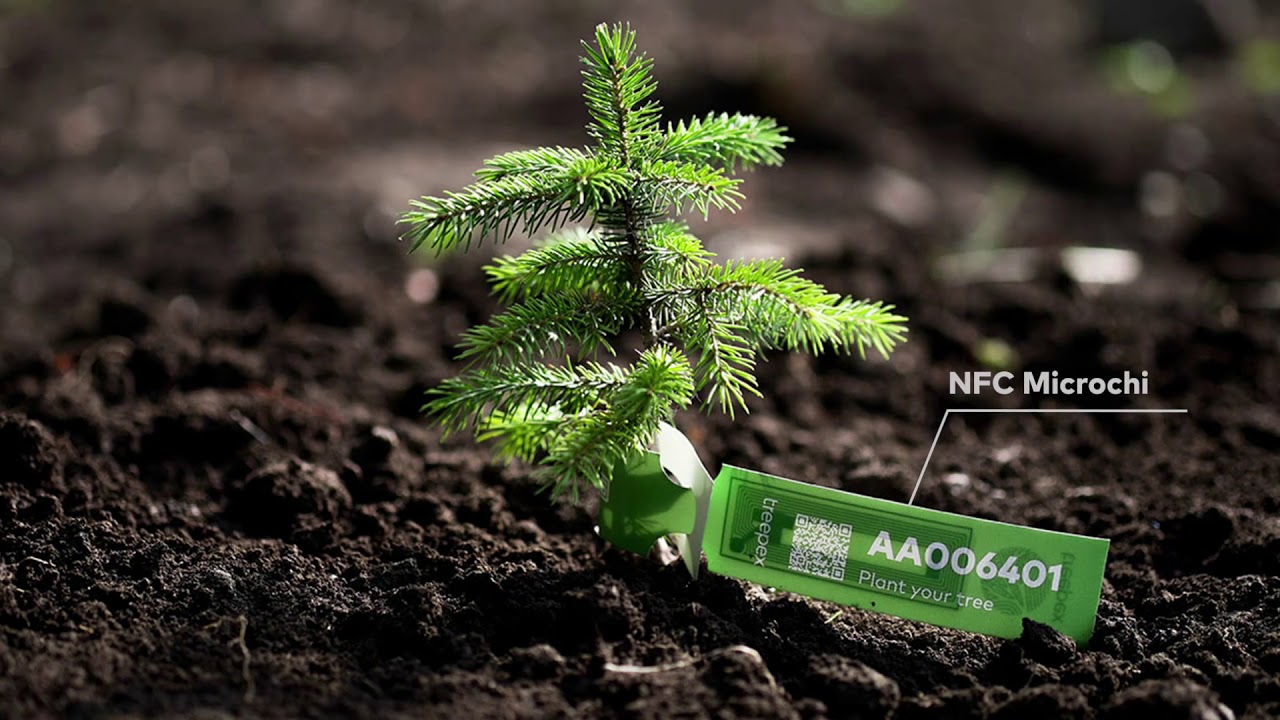
Well, they invest in an offsetting programme, such as Trees for Life. Trees for Life works in the Caledonian Forest in the Scottish Highlands, replanting trees and repopulating existing woodland in order to offset carbon emissions from elsewhere.

In fact, this was just what Buzzmove, a comparison website for removals did, when they were looking to offset their greenhouse gas emissions. Now Buzzmove have their own grove in the Highlands and are pushing for the removals industry as a whole to work towards being more carbon neutral.

 What are the benefits of offsetting programmes?

Now you know exactly what an offsetting programme is, and just how it can have an impact even the most unexpected of industries (like home removals). But what are the specific benefits of investing in one?

Firstly, carbon offsetting programmes can work great as a last resort for neutralising harmful emissions. As in the above example, once you’ve tried everything else you can, like investing in more efficient technology and streamlining your services, carbon offsetting schemes can work really well to write-off those remaining emissions.

Secondly, offsetting programmes—which often work in endangered natural habitats like the Scottish Highlands or smaller communities around the world—can create wider social change, beyond that of just reducing greenhouse gases.

This is even recognised by Leo Hickman, widely considered one of the concept’s loudest detractors. He has said that there’s no point disguising ‘the fact that many of the projects that carbon offsetters support are in and of themselves ‘good’ projects worthy of our support.’

Of course, that’s not to say every project is like that, so doing your research before investing is crucial. For example, you could follow the example of Buzzmove and invest in a more local programme. This allows you to really see the impact your investment has. After all, going to visit far-flung places and track how effective their programme is will only contribute further to your carbon footprint!

Are there any downsides?

However, it’s fair to say that offsetting programmes have their downsides. Doesn’t everything, after all?

The biggest con according to detractors is that offsetting programmes simply shift responsibility, allowing companies to feel ‘off the hook’ when it comes to controlling and lessening their carbon emissions. In the Independent, Sophie Morris even likened carbon offsetting schemes to buying a Diet Coke with a supersized burger, noting that it was a smokescreen allowing consumers to reduce their own guilt, rather than actually help.

This can certainly be the case, but as mentioned in the ‘upsides to carbon offsetting’ section above, offsetting programmes should simply be a last resort to neutralise unavoidable emissions. Prior to that, working to reduce carbon emissions in the first place should be a priority.

Another negative to these schemes is that sometimes the programmes themselves aren’t all that sustainable. In “Current Carbon Offset Model Won’t Work For Saudi Arabia, 3 Reasons Why” Bushra Azhar point towards to failure of Coldplay’s forest in India, planted to offset emissions generated during their tour. However, this unfortunate outcome was likely due to environmental factors and bad planning. In short, one bad apple doesn’t spoil the bunch when it comes to carbon offsetting schemes. Trees for Life forests are flourishing, for example.
That said, research is crucial. Looking for transparency and a way to see the results when using these schemes could not be more important. That’s why Buzzmove chose a programme closer to home, rather than one further afield.

It’s also important to note that, especially when trees are involved, adding to an established woodland will always be more effective than just plonking a sapling in an empty field and hoping for the best. Common sense, it seems, is also important when looking into carbon offsetting schemes.

Finally, some people criticise carbon offsetting schemes for being a Western trend, a concept that plays into our lifestyles and responsibility-shirking sensibilities.

Is carbon offsetting just a Western trend?

Well, yes. And no. Carbon offsetting can certainly be applicable worldwide. After all, every society around the world has more similarities than they would perhaps care to admit.

Take Saudi Arabia, for example, a country which Bushra Azhar said enjoys too comfortable a lifestyle for carbon offsetting to even register as useful. After all, utilities have been described as ‘dirt cheap’ and fuel can ‘cost less than a can of soda’ there. While this is perhaps the case, a country’s situation doesn’t set the tone of each individual’s mindset.

Even in places such as the US and the UK, many people blindly refuse to accept that global warming even exists. So, despite having less incentive to use carbon offsetting schemes from a financial perspective, that doesn’t necessarily mean they wouldn’t work.

Bushra Azhar argued that thanks to Saudi Arabia’s so-called ‘lavish lifestyle’, the aforementioned shirking of responsibility would come strongly into play. Once again, the same could be said for Western societies and if offsetting schemes work in those areas, why not elsewhere?

Please comment below if you think carbon offsetting just a Western trend or can work in any part of the world.


High beam lights in sync with road safety rules

The number of cases of road accidents is increasing rapidly in India, posing a threat to individuals’ life. Every year, more than 1 million people die on roads due to vehicle collisions. A road accident is one of the leading causes of poverty in countries like Bangladesh, because either it leads to the lack of income or excessive out-of-pocket expense for medication. Many children die aged between 10 and 24 due to car crashes, as they walk or cycle across unsafe roads.

While some countries make it mandatory to own auto insurance plans to provide financial security when such unfortunate events occur on roads, it is important to know how you can avoid such a contingency. Sometimes, you may unknowingly pose a threat to someone else’s life, like using high-beam lights while driving in the night.

As the use of high-beam lights is quite common in India, this post is to bring some awareness of the potential threats that can be posed by these lights. Here’s why we need to know road safety measures.

Actual Use of High-beam Lights

High-beam lights help the drivers to have a clear view while driving, especially where there is no proper source of light or where traffic is limited. This means that you should use low beam light if a vehicle is not more than 200 meters from you. This is also applicable when a vehicle is crossing from the opposite side or approaching you right from the front. In both the cases, if you use the high-beam light, the other person on the driving seat won’t be able to see through due to excessive light. The consequences can be horrendous, especially if the person is driving at a high speed. As the use of high beam lights at night is unsafe, you should know its actual use to avoid accidents.

Use of High Beam Lights in the Fog

Fog or rain slows down a huge chunk of traffic. Be it road, air or rail transport, it is difficult to navigate during the rain or fog. Most people use high beam lights during the rains and fog, they’re unaware of the fact that this can lead to a mishap. When you use high beam lights in the rain, it produces powerful lights that get reflected by the water drops. It emits sharp glare that prevents the other drivers from seeing through and thus, might result in an accident.

Therefore, the next time you want to use high-beam lights in snow, fog or rain, remember this! Avoid taking someone’s life.

What else…Besides a moral responsibility, let’s us tell you that unnecessary use of high-beam lights is an offence and has legal implications as well.

Since we’ve discussed a lot about the incorrect use of high-beam lights, let’s know about the ideal ways of using lights in different conditions.

Lights to be used Instead of High-beam Lights

As it comes with strong illuminations, it is recommended to use these lights on highways, the areas where traffic is less, or particularly when the other vehicle is 200 meters away from yours. If you notice other vehicles within your vicinity, use other lights, such as the parking light, tail lights, license plate lights, DRL or daytime running light. Let’s have a whole nine yards of how to use these lights:

Use of Low Beam Lights

If go with the road safety rules, one should use low beam lights, especially at nights when there are sufficient sources of light on the roads. It is applicable in case of heavy rain, fog and snow as well.

Best Time to Use Tail Lights

It is recommended to use tail lights half an hour after the sunset, especially on the public roads when there is not sufficient amount of light to identify a vehicle at a definite distance. Drivers can use low beam lights as well.

Bottom Line!

Road safety is a must and has become a trouble for people in developing countries. It is high time we take up road safety measures seriously. Road accidents can become a main reason of emotional as well as of financial hardship. There is no harm in little awareness, as it can save many lives. Now that you know how the use of high-beam lights can be fatal at times, spread the message because a stitch in time saves nine!

Israeli investors are high on cannabis company stocks

Medical cannabis is now being accepted more by medical authorities; including the World Health Organization (WHO), which recently said that oil made from cannabis seed, CBD hemp seed oil, is safe to use for a number of medical conditions. In many countries where cannabis plants are still not accepted for recreational usage, the use of variations of the hemp plant known as Cannabis Sativa is being accepted more and more as a medicinal herb.

Israel’s growing acceptance of the use of “medical marijuana” in treating or relieving the symptoms of numerous ailments has resulted in a recent surge in agricultural ventures to innovate and grow new varieties of cannabis plants. This has created  a growing number of cannabis producing companies and ventures, some of whom have “gone public” by issuing shares on the local stock exchange. In fact, some of these shares have performed so well that investors are literally “getting high on Israeli cannabis stocks” as reported in a recent article in Globes, Israel’s leading financial news site. These shares have been so enthusiastically received by local investors that some have risen more than 400% in a matter of a few months.

Foreign cannabis entrepreneurs have also jumped on the Israel cannabis bandwagon; including a Dutch company which plans to invest nearly 2 million Euro in an Israeli cannabis venture.

The Dutch company, Barney’s Farm, grows cannabis seeds and operates the Barney’s Coffee Shop in Amsterdam, a favorite visitation spot for tourists, including Israelis. Barneys Farm plans to invest in an Israeli cannabis farm that is now planning to merge with Medivie Therapeutic Ltd., a company that produces pain soothing devices for the dental industry. Medivie plans to obtain a 51% ownership of the Israeli cannabis farm, now located on a local kibbutz.

Although recreational use of cannabis products is still not accepted in many countries, including Israel, ventures like the above mentioned one, plus the enthusiastic attention being received by investors in Israeli “pot stocks”, indicate that increasing use of cannabis as both a medicinal and recreational product has a high future in Israel and elsewhere.

Read more on cannibis and related topics:

World Health Organization calls cbd oil safe
New cannabis curriculum at City College of San Francisco
How Agtech is Going to Pot

Cruel Cat Woman deported from Abu Dhabi

0

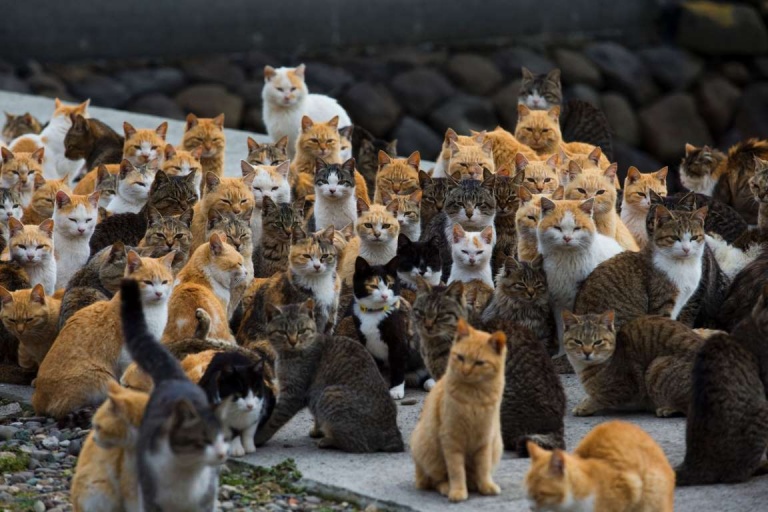
animal protection in UAEAn Abu Dhabi court has ordered the deportation of a woman who kept 40 cats in a crammed room in her private villa. All the cats were in very poor health condition, with one found dead. If only she had satisfied her cat cravings by watching YouTube cat videos.
Area residents had reported her to authorities after noticing foul odors coming out of her villa, which was also infested with flies. Abu Dhabi Police found 40 cats in her home, all malnourished and in poor health. One cats was found dead. “The cats were found crammed in a small place and in a manner that would not allow them to move freely.

“The place was also dirty with cat feces scattered everywhere,” said authorities. Subsequent medical examination showed that the cats suffered from fever, had intestinal worms and skin rashes that required urgent treatment.

Officials stated that the Arab woman had been rounding up cats and keeping them in her villa. She would then sell them to people without having a commercial permit. She was detained, and ordered to pay a fine for mistreating the pets and “denying them freedom”. Prosecutors also ordered that all the cats be transferred to the Emirates Wildlife Center for proper treatment and care.

The woman denied mistreating the cats, saying that raising and selling them was her hobby and that she has been keeping pets for over 40 years. She told the court that she loved pets and that she only gathered them so she could take good care of them and provide them with food.

The Abu Dhabi Appeal Court, however, found her guilty on all charges.  She was fined and ordered to be deported from the United Arab Emirates (UAE).

According to UAE law on domestic animals, anyone who harms, mistreats pets, denies them food and healthcare or keeps them in a poor environment that can harm them or restrict their free movement and other related violations, faces a penalty including an imprisonment for a period not exceeding one year and/or a fine of not more than USD $55.  And then there’s the risk of deportation.

Kudos to the situationally-aware neighbors who phoned this in to the police.

Clean Electricity Flows From The Negev Desert

0

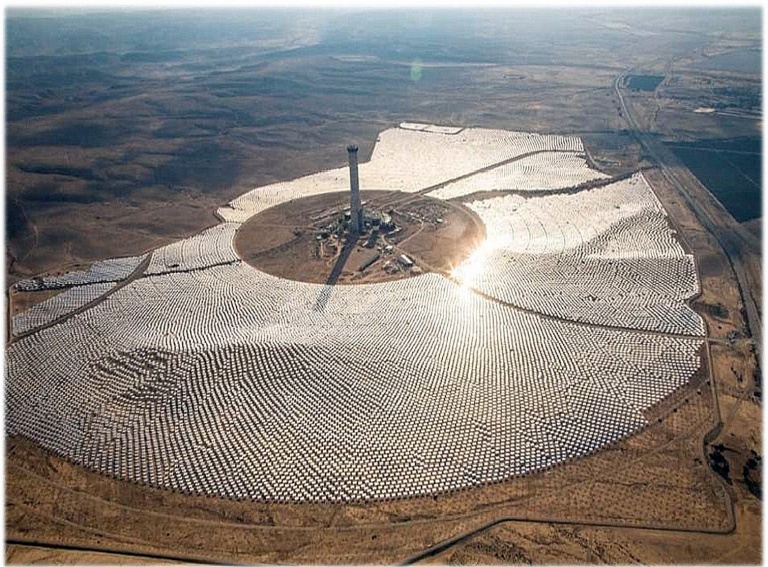
Close to 60% of Israel’s land mass lies under desert. Lots of sand. And lots of sun. Resolving to view how Israel exploits that solar abundance, I traveled through the Negev on a late-winter day in March with Ofer Tsimmering, head of the demographics department of the Ramat HaNegev Regional Council. I watched the highway rolling over flat, sandy land dotted with olive trees and greenhouses. As we drove, I saw side roads that trace the gentle curves of hills still veiled in winter’s short-lived greenery. Tsimmering came to a stop on the side of the highway so I could gaze at the fantastic, other-worldly sight of the Ashalim solar project.

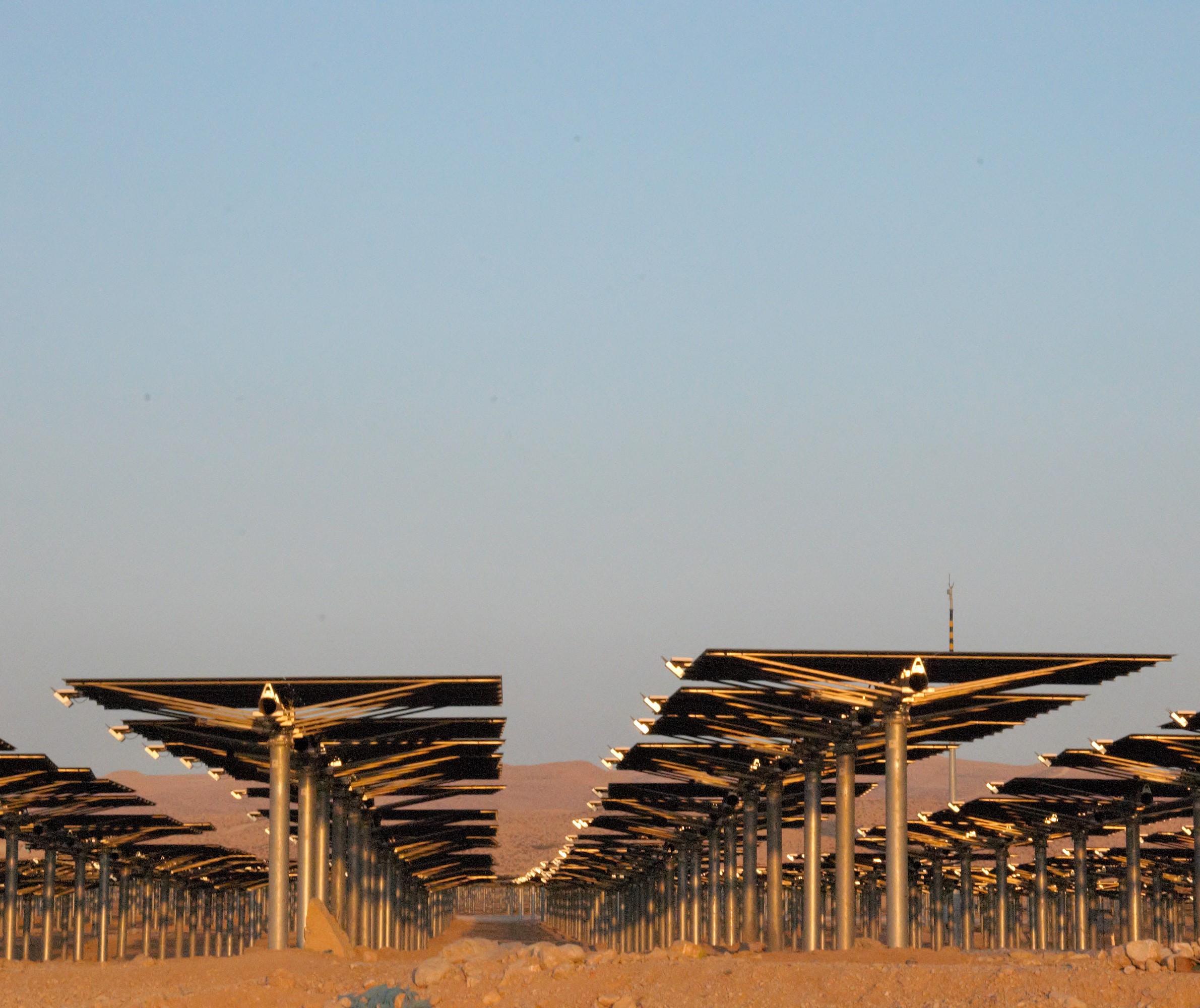
In a field sprawling over 988 acres of undulating sand, 50,000 heliostats – immense mirrors that rotate with the sun, are planted in circles around a tower that stands 285 meters high (820 feet). The heliostats reflect the sky’s white glare, harvesting solar power and transferring it to the tower via glass-insulated steel pipes containing thermal oil. The oil, heated to almost 400°C, heats water, creating steam that powers an electricity-generating turbine in the tower.

AL17_02_23_DJI0136

It is one of the world’s largest solar energy projects, and one of four thermo-solar projects in the Ashalim area. Together, the four produce 250 megawatts every day: enough to supply Israel with 2.5% of its electricity. Work continues on the projects towards the goal of 310 megawatts daily by 2020, enough to supply about 130,000 households throughout the country. Even better news: these combined technologies prevent about 245,000 tons of C02 emissions.

Each of the Ashalim plants uses a different technology; some thermo-dynamic and some through photovoltaic panels. Nowhere else is this combination of solar technologies to be found.

In an interview at the Ramat HaNegev Regional Council offices, mayor Eran Doron told Green Prophet, “We strive to achieve Ben-Gurion’s vision. He envisioned populating the desert as in ancient times, using modern technologies to establish the Negev as a scientific research laboratory and source of energy for the entire country. Our job is to embody those goals, while preserving the desert’s unique ecological character.”

It’s hardly possible that such a massive project wouldn’t disturb the local ecology. When I asked what effects the solar project has had on the desert environment, Doron explained that animal crossings have been built; rare plants such as the desert tulip have been taken out and replanted; and soil removed during construction spread elsewhere. In human terms, the residents of Ashalim village, on whose edge the plant stands, first viewed the construction with resentment. But over time the plant became a market for local services, improving the village’s economy. The plant management itself employs about 300 Beduin and other residents of the south, making about half the work force local.

Other, smaller projects in southern Israel also make clean electricity; in fact, the farther south you go, the more solar power you get. The Arava Power company installed a 40-megawatt photovoltaic panel field next to Kibbutz Ketura, which supplies 70% of the region’s needs. It’s expected that by 2020, the Arava will function under 100% solar energy. The Arava project innovated a method for cleaning the photovoltaic panels by robots, without the use of water. A new 60-megawatt field is under construction in the Timna Valley.

Photos via Megalim Solar Power and by Tsurit Stern.