“In the midst of uncertain time, renewable energy remains consistent and steadfast in its expansion,” said Francesco La Camera, IRENA’s Director-General. “A more decentralised energy system, with a growing share of renewables and more market players, is structurally more resilient.”
Health insurance is a regulated financial product. Insurers operate under binding contracts, overseen by state insurance commissioners, that legally obligate them to pay claims meeting policy terms. Policyholders who believe a covered claim was wrongfully denied have legal recourse through state regulatory channels.
The New Zealand Merino Company, now rebranded as Zentera, has quietly removed the phrase “world’s leading ethical wool brand” from its website, a notable change that comes after a disturbing investigation by PETA Asia-Pacific into the company’s ZQ-certified wool supply chain, PETA reports to Green Prophet.
Somehow vegetables with short seasons excite the imagination and appetite more sharply than produce that’s available all year around. Good Middle Eastern cooks have many recipes for delicate fava beans, and this turmeric-fragrant soup is one.
“In the midst of uncertain time, renewable energy remains consistent and steadfast in its expansion,” said Francesco La Camera, IRENA’s Director-General. “A more decentralised energy system, with a growing share of renewables and more market players, is structurally more resilient.”
Health insurance is a regulated financial product. Insurers operate under binding contracts, overseen by state insurance commissioners, that legally obligate them to pay claims meeting policy terms. Policyholders who believe a covered claim was wrongfully denied have legal recourse through state regulatory channels.
The New Zealand Merino Company, now rebranded as Zentera, has quietly removed the phrase “world’s leading ethical wool brand” from its website, a notable change that comes after a disturbing investigation by PETA Asia-Pacific into the company’s ZQ-certified wool supply chain, PETA reports to Green Prophet.
Somehow vegetables with short seasons excite the imagination and appetite more sharply than produce that’s available all year around. Good Middle Eastern cooks have many recipes for delicate fava beans, and this turmeric-fragrant soup is one.
“In the midst of uncertain time, renewable energy remains consistent and steadfast in its expansion,” said Francesco La Camera, IRENA’s Director-General. “A more decentralised energy system, with a growing share of renewables and more market players, is structurally more resilient.”
Health insurance is a regulated financial product. Insurers operate under binding contracts, overseen by state insurance commissioners, that legally obligate them to pay claims meeting policy terms. Policyholders who believe a covered claim was wrongfully denied have legal recourse through state regulatory channels.
The New Zealand Merino Company, now rebranded as Zentera, has quietly removed the phrase “world’s leading ethical wool brand” from its website, a notable change that comes after a disturbing investigation by PETA Asia-Pacific into the company’s ZQ-certified wool supply chain, PETA reports to Green Prophet.
Somehow vegetables with short seasons excite the imagination and appetite more sharply than produce that’s available all year around. Good Middle Eastern cooks have many recipes for delicate fava beans, and this turmeric-fragrant soup is one.
“In the midst of uncertain time, renewable energy remains consistent and steadfast in its expansion,” said Francesco La Camera, IRENA’s Director-General. “A more decentralised energy system, with a growing share of renewables and more market players, is structurally more resilient.”
Health insurance is a regulated financial product. Insurers operate under binding contracts, overseen by state insurance commissioners, that legally obligate them to pay claims meeting policy terms. Policyholders who believe a covered claim was wrongfully denied have legal recourse through state regulatory channels.
The New Zealand Merino Company, now rebranded as Zentera, has quietly removed the phrase “world’s leading ethical wool brand” from its website, a notable change that comes after a disturbing investigation by PETA Asia-Pacific into the company’s ZQ-certified wool supply chain, PETA reports to Green Prophet.
Somehow vegetables with short seasons excite the imagination and appetite more sharply than produce that’s available all year around. Good Middle Eastern cooks have many recipes for delicate fava beans, and this turmeric-fragrant soup is one.
“In the midst of uncertain time, renewable energy remains consistent and steadfast in its expansion,” said Francesco La Camera, IRENA’s Director-General. “A more decentralised energy system, with a growing share of renewables and more market players, is structurally more resilient.”
Health insurance is a regulated financial product. Insurers operate under binding contracts, overseen by state insurance commissioners, that legally obligate them to pay claims meeting policy terms. Policyholders who believe a covered claim was wrongfully denied have legal recourse through state regulatory channels.
The New Zealand Merino Company, now rebranded as Zentera, has quietly removed the phrase “world’s leading ethical wool brand” from its website, a notable change that comes after a disturbing investigation by PETA Asia-Pacific into the company’s ZQ-certified wool supply chain, PETA reports to Green Prophet.
Somehow vegetables with short seasons excite the imagination and appetite more sharply than produce that’s available all year around. Good Middle Eastern cooks have many recipes for delicate fava beans, and this turmeric-fragrant soup is one.
“In the midst of uncertain time, renewable energy remains consistent and steadfast in its expansion,” said Francesco La Camera, IRENA’s Director-General. “A more decentralised energy system, with a growing share of renewables and more market players, is structurally more resilient.”
Health insurance is a regulated financial product. Insurers operate under binding contracts, overseen by state insurance commissioners, that legally obligate them to pay claims meeting policy terms. Policyholders who believe a covered claim was wrongfully denied have legal recourse through state regulatory channels.
The New Zealand Merino Company, now rebranded as Zentera, has quietly removed the phrase “world’s leading ethical wool brand” from its website, a notable change that comes after a disturbing investigation by PETA Asia-Pacific into the company’s ZQ-certified wool supply chain, PETA reports to Green Prophet.
Somehow vegetables with short seasons excite the imagination and appetite more sharply than produce that’s available all year around. Good Middle Eastern cooks have many recipes for delicate fava beans, and this turmeric-fragrant soup is one.
“In the midst of uncertain time, renewable energy remains consistent and steadfast in its expansion,” said Francesco La Camera, IRENA’s Director-General. “A more decentralised energy system, with a growing share of renewables and more market players, is structurally more resilient.”
Health insurance is a regulated financial product. Insurers operate under binding contracts, overseen by state insurance commissioners, that legally obligate them to pay claims meeting policy terms. Policyholders who believe a covered claim was wrongfully denied have legal recourse through state regulatory channels.
The New Zealand Merino Company, now rebranded as Zentera, has quietly removed the phrase “world’s leading ethical wool brand” from its website, a notable change that comes after a disturbing investigation by PETA Asia-Pacific into the company’s ZQ-certified wool supply chain, PETA reports to Green Prophet.
Somehow vegetables with short seasons excite the imagination and appetite more sharply than produce that’s available all year around. Good Middle Eastern cooks have many recipes for delicate fava beans, and this turmeric-fragrant soup is one.
“In the midst of uncertain time, renewable energy remains consistent and steadfast in its expansion,” said Francesco La Camera, IRENA’s Director-General. “A more decentralised energy system, with a growing share of renewables and more market players, is structurally more resilient.”
Health insurance is a regulated financial product. Insurers operate under binding contracts, overseen by state insurance commissioners, that legally obligate them to pay claims meeting policy terms. Policyholders who believe a covered claim was wrongfully denied have legal recourse through state regulatory channels.
The New Zealand Merino Company, now rebranded as Zentera, has quietly removed the phrase “world’s leading ethical wool brand” from its website, a notable change that comes after a disturbing investigation by PETA Asia-Pacific into the company’s ZQ-certified wool supply chain, PETA reports to Green Prophet.
Somehow vegetables with short seasons excite the imagination and appetite more sharply than produce that’s available all year around. Good Middle Eastern cooks have many recipes for delicate fava beans, and this turmeric-fragrant soup is one.
Do those look like condoms? But they are. Gazan protesters are pumping helium requisitioned from hospitals to send condom-balloons as far as possible into Israeli areas. The condom-balloons have explosives attached to their tails. Some can be ignited by remote control.
Helium condoms have made their way to Israeli homes. On Sunday, a family in Moshav Beit HaGadi found two tangled in backyard trees.The Israel Police bomb squad was able to dispose of the explosives safely.
Families in the towns of Sderot and Netivot also found the distinctive white condoms in their backyards. In one case, a child ran out to inspect what she thought was a toy that had floated in, but her grandfather managed to get her out of harm’s way until the sappers arrived.
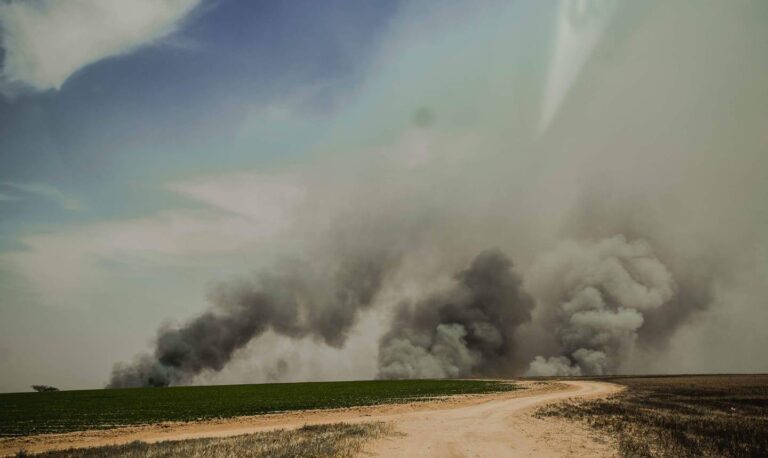
Molotov cocktails and chemical bombs tied to kites and helium-filled balloons have been launched from inside Gaza for the past 78 days. The fire bombs ignite when they land on the Israeli side of the border. Low-tech tactics, but they work. As of this writing, 412 fires have blazed in Israeli farm fields and conservation areas. Over 17,500 dunams (4,300 acres) lie scorched to the ground, at least 10,000 dunams (2,471 acres) of which are parks and nature reserves.
At least one-third of Israel’s land along the Gaza periphery has suffered extensive damage. Financial damage to Israel’s agriculture already stands at $1.4 million. Food crops that could have fed thousands; irrigation equipment, and farmers’ livelihoods, have gone up in smoke. In the past 24 hours alone, 17 fires have broken out in the Gaza envelope. Hundreds of turkeys in Kibbutz Ein Hashlosha have choked to death, filling the air with the stench of burnt flesh.
But eco-terrorism isn’t limited to burnt turkey runs, wheat fields, and avocado groves. The pasture that Beduin communities depend on to feed their freely roaming flocks now offers nothing to hungry sheep and goats but ashes.
Damage to Be’eri Crater National Reserve. Photo credit: Luke Tress
Eucalyptus, pine, and mesquite forests, each tree planted by hand fifty years ago in the Gaza periphery, are now but blackened stumps. Slow-moving reptiles and mammals trapped in the fires die horribly.
Over 40 beehives have perished in flames near Tel Gama. That means 40 fewer bee colonies to pollinate crops on both sides.
Tens of thousands of tires are set on fire to create a smoke screen along the border fence for the arsonists to hide behind. With every breath, hundreds of children and adults on both sides of the Gaza border inhale air heavily polluted from burning tires, ash particles, and tear gas.
Photo Credit: Abed Rahim Khatib/ Flash90
The helium that keeps fire-carrying balloons floating far into Israeli land has been siphoned off Gazan hospital supplies, depriving the struggling medical system there of yet another precious resource. What will be the toll on human health?
Scenes of billowing smoke, flames licking farm fields and trees, and dying wildlife, are still happening as of this writing. Arson fires have threatened a college in Sderot and come perilously close to houses. It’s been happening since March 30th. But the international press is indifferent.
Green Prophet interviewed Adele Raemer of Kibbutz Nirim in the northwestern Negev, near the border with the Gaza Strip. Nirim farmers work almost up to the rim of the Gaza Strip barrier. Raemer is a teacher and teacher trainer working in the regional high school.
“We’ve been lucky in Nirim,” she says. “We’ve had only three fires, all of which were put out quickly. The crops we raise by the border grow underground, such as sweet potatoes, so they survived the fires; and we managed to harvest our wheat in time.
“But it’s the same as during the previous war, when we were getting all these bombs and rockets. These aren’t just little kids’ kites, they’re weapons. As for the other side, how can people who claim to love the land do this to it? I can understand the frustration in Gaza, where life is unlivable. But this isn’t going to solve anything.”
There are other, yet-unacknowledged ecological disasters happening in the Gaza strip.
“The sewage system in Gaza is falling apart because they don’t have electricity to run the pumps,” Raemer notes. “The sewage runs in the streets there. It goes into the Mediterranean and into the underground aquifers, and it will eventually pollute water and land all around.”
Kibbutz Mefalsim, with 2,718 acres located four kilomers from the Gaza strip, has suffered greater agricultural losses from the fire-bearing kites and balloons.
“It’s horrible,” says Mefalsim resident Helen Zilser. “The fields catch fire and burn up incredibly quickly. You could be walking around and suddenly something burning will fall near you. We’re always breathing in smoke and tear gas that the IDF uses to break up violent demonstrations on the border. We have to close our windows so as not to breathe it in.
Photo credit: calevbenyefuneh.blogspot.com
“The biggest frustration is not seeing a solution to this situation. I feel that the other side suffers, and we suffer. People in Gaza are slaves to Hamas. People are people, but Hamas are terrorists.
“I live in the Negev, where 98% of the residents are farmers. We have enough damage from natural causes, and now we have this. We live with fear; fear that our livelihoods will disappear, fear for personal security. On the other hand, I can’t not think that on the other side, people wake up in the morning with no bread on the table, no hope. They have nothing to lose, so they do what they’re told.
“I don’t take a political stance, neither left, right, or in the middle,” Zilser concludes. “I simply believe that people can live together in peace, without having to be like each other. But how?”
Israeli authorities struggle to bring the ongoing eco-disaster to international attention.
“It is inconceivable that the international community would allow Hamas not to be held accountable and pay for its criminal acts — not only against the citizens of the state of Israel, but also against the environment, which has been severely hurt by this criminal environmental terrorism,” said KKL-JNF world chairman Daniel Atar.
The Coordinator of Government Activities in the Territories, Major General Yoav Mordechai, sent a letter to the head of the World Health Organization.
“The Hamas terrorist organization, which controls the Gaza Strip, has issued an order to burn about 10,000 tires this Friday along the border with Israel,” he wrote. “The burning of tires in such a huge quantity will cause severe damage to the ecosystem in the area, will severely harm the life, the flora and health of the residents, and will add to the severe damage to the aquifer and lead to unprecedented air pollution.
“I call upon you, as the head of an international organization whose goal is to promote health and protect natural and environmental resources, to do everything in your power to publicly warn against this ecological catastrophe and to protest Hamas’ irresponsible behavior.”
The WHO hasn’t responded.
Yesterday, June 17, was World Day to Combat Desertification and Drought; a day established by the UN. Israel is the only country in the world who succeeds in making the desert recede into green productivity. The same UN who recognized Israel’s leading environmental role is doing nothing to condemn Hamas for the ecological and humanitarian catastrophe in the area.
No one has.
This is the least-reported ecological and humanitarian disaster in the media.
More than two thousand years ago, Greek philosopher Aristotle observed that larger animals tend to live longer than smaller ones. However, today, in the journal Developmental Cell,scientists report that it is cell size—not body size—that affects lifespan. Researchers in Israel, Canada, and Germany examined the pancreases of 24 mammalian species—from the smallest (shrew) to the tallest (giraffe)—and found that animals with larger pancreatic cells tend to age faster, while those with smaller cells seem to live longer.
“A correlation between two things that are so remote was shockingly beautiful and unexpected,” says senior author Dr. Yuval Dor, who studies developmental biology at The Hebrew University’s Hadassah Medical School in Jerusalem.
Previously, scientists had thought that after birth, most mammals’ organs, including the pancreas, grow by cell proliferation. However, Dor and his colleagues made a serendipitous observation: they needed a higher magnification to look at pancreatic cells of new-born mice through a microscope than they did to look at those of adults, suggesting that each cell’s volume was substantially increasing from infant to adult life.
Repeated measurements showed that the growth of individual exocrine pancreatic cells, known as acinar cells, is responsible for much of organ growth after birth. “This was surprising because the assumption was that post-natally, the pancreas grows by increasing the number of cells, just as most organs do,” said Dor.
But when the researchers looked at the same cell type in humans, they realized that cell replication—not individual cell expansion—was solely responsible for pancreatic growth. This got them curious, so they ventured to neighboring labs, at the Jerusalem Biblical Zoo and Kimron Veterinary Institute. There they examined pancreases from a variety of mammals, from tiny Etruscan shrews to tigers.
Upon analyzing the data, the scientists found a strong negative correlation between the size of individual acinar cells and lifespan. Mammalian species that aged faster had larger acinar cells, whereas species that lived longer had smaller acinar cells.
To explain the correlation, the researchers focused in on the underlying molecular mechanism. Their prime suspect is mTOR, a protein that functions at the junction between cell size and lifespan.
“Our working hypothesis is that mTOR activity gives mammals an advantage in early life, possibly by allowing faster growth and a shorter time to sexual maturity and reproduction. However, mTOR also drives deterioration and aging later in life,” Dor shared. “This might explain why some mammal species sacrifice longevity for the rapid early organ growth associated with cell growth instead of replication: you get the selective advantage in early life but you pay the price later on,” Dor added.
This study gives a molecular “face” to the evolutionary theory of aging called antagonistic pleiotropy. The theory suggests that aging is the unintended consequence of mechanisms that are advantageous during reproduction age. More experiments are needed to test this hypothesis, concluded Dor.
With the increasing cases of obesity, a lot of people are looking for ways to cut the weight and lose the fats. One of the methods that have been greatly considered is the use of FAD diets. This is largely because most users have been able to get positive results albeit by pushing their bodies to the limits and depriving them of important nutrients. What most people don’t see coming are the long-term effects that these diets have. Even though they help you lose weight, the long-term effects prove that the trouble is not worth it.
Weight gain
FAD diets promise you great results in your weight loss agenda with minimal efforts. However, medical professionals and nutrition experts will tell you that the only way to lose weight and keep it off is by making sure that you make long-term changes to your lifestyle, embrace exercise and improve your eating habits. By taking a highly restricted diet, most of the weight lost weight is just water weight. Once you resume your normal eating habits, the pounds will jump right back and probably with a few more.
Your metabolism is altered
For a FAD diet to work, you need to eat a specific amount of food at a specific time. This forces your body to change its metabolism. Naturally, your body is able to tell you when to eat and when you need to stop eating. If you force it to go against this natural pattern, the negative effects can remain long after you have completed the diet which can be devastating to your body and health.
Malnutrition
To get the desired results, there are certain foods you will be prohibited from eating according to the diet you choose. Some diets will require you to remove carbohydrates from your diet and all types of fats. As a result, you deprive your body of these nutrients especially considering that foods like carbohydrates are essential for energy. This leaves you feeling easily exhausted, constantly tired and lacking vigor. Some of these fats like Omega 3 are also critical for the development and sustenance of your brain and lack of them can impact your mental health.
Hair and Muscle loss
The loss of muscle and hair is largely as a result of the nutritional deficiencies advocated for by the fad diets. For your hair to grow, it requires a sufficient amount of protein. When your body goes for long periods without such nutrients, the quality of your hair is affected which can lead to shedding. The low-calorie requirement of the same diets can also affect your muscle development. Denying your body its fuel for energy forces it to start digesting muscles. This can also impact your weight loss goals because the muscles also help you to burn more calories even when you are resting.
While there are plenty of ways to lose weight, it is important that you consult medical professionals on the safest and best ways to lose weight.
Along with improving your overall diet, using an exercise bike for weight loss helps keep you fit and healthy.
Natalie Portman is so vegetarian that she won’t even wear leather shoes. Here is her vegan alternative.
Have you ever tried a completely vegetarian diet? Believe it or not, it has several advantages! Vegetarianism is generally considered as a lifestyle. But it is more than that. It is also about good health and saving money. It helps to reduce cruelty on animals and promotes a greener way of living. Here below some advantages of vegetarianism.
Weight Loss
With a diet consisting of mainly vegetables and fruits, you can easily maintain a lower body weight. If weight loss is your aim, turning vegetarian is a good idea, even if it is for a short period of time. Vegetables and fruits are packed with vitamins, antioxidants and other essential nutrients which can greatly help in weight loss. They are also free from unsaturated fats that are present in most non-veg and fast food. As you cut out meat, the calories and fats in your body decrease, lowering your Body Mass Index (BMI). Also, as per studies, non-meat eaters live longer than those who consume it.
Protection from Diseases
Want to stay away from illness? Adopt a vegetarian diet! It is a fact that eating vegetables and fruits is beneficial for health. As they are full of fibres and antioxidants, they help in protecting the body from diseases. They are also low in fats and cholesterol. Most people in the world suffer from cancer, diabetes, heart diseases, chronic fatigue and cholesterol. All these can be avoided with a vegetarian diet. Plus, most fruits are alkaline and help with acidity or heartburn. A person with an alkaline body also has a reduced risk of suffering from cancer.
Find healthy and delicious fruits on fruit themed games at Lucky Pants Bingo! Some of them are: Fruit Bonanza Slot, Multifruit 81 Slot, Very Fruity Slot, The Fruit Factory Slot and many more. On the reels, you can see different fruits like oranges, cherries, plums, melons or grapes. Get ready for visual and juicy treats as you play these games on a desktop or mobile device at Lucky Pants Bingo.
Protecting Animals and the Environment
Apart from the different health benefits, vegetarianism also encourages protection of the environment. Greenhouse gas emissions are associated with meat production. Lowering them has a beneficial effect on global warming and climate change. These emissions are caused by factory farm animals which produce methane during food digestion and elimination. In addition to this, animals go through a cruel procedure during meat production. Farm animals are locked and cramped in cages and are rarely fed, to be finally slaughtered to produce meat. So, a vegetarian diet means less cruelty to these animals.
Saving Money
Do you want to save money? Become a vegetarian! The costs of meat are higher than those of vegetables and fruits. The average person spends less on vegetarian food than those who consume meat. Especially if you go for organic or hormone and antibiotic-free meat, it is even more expensive. Cutting out meat from your shopping list allows you to save money while remaining healthy.
Thus, vegetarianism is not only a lifestyle but it also has various advantages and health benefits. It promotes a greener planet.
Artist Marcelle Biton in front of her display at Jerusalem Design Week’s “Haready-Made: The Product in Orthodox Society” exhibition. (Credit: Yelena Kvetany)
Jerusalem Design Week happens every year, but it was a first for some artists participating in the exhibition “Haready-Made: The Product in Orthodox Society.” Relating to this year’s overall theme of “conserve,” the exhibition showcases objects used by members of the Haredi community—ultra-Orthodox Jews who reject secular life—in order to sustain their culture in socially liberal and tech-savvy Israel.
The exhibition, which was on display at the Jerusalem Theater, ran until June 14.
Noa Cohen, the exhibition’s curator, related to The Media Line how the idea for the exhibition arose. While doing research on a different topic for her PhD thesis at Israel’s Bar-Ilan University, Cohen stumbled upon the Art Shelter Gallery nestled in Jerusalem’s ultra-orthodox neighborhood of Mekor Baruch.
“I realized a lot of artists [in this community] pursued very unique ways of making art. I volunteered as their curator for a few years and now I manage the Art Shelter Gallery. The exhibition at the Jerusalem Theater,” she continued, “is a collaboration [between the gallery and Design Week].”
Cohen said that for some of the 15 artists participating in the exhibition, it is the first time they are showcasing their art in a public place. “I realized that there are many things in the ultra-orthodox community not known by outside spectators, such as the way they live and how they make their products specifically tailored to their needs,” she noted.
One of the displays at the exhibition consists of a mannequin whose head is covered by a bright, colorful head-scarf (tichel). A cellphone is visible between the mannequin’s head and the head-scarf. Artist Marcelle Biton told The Media Line that this work is an adaptation, depicting how Haredi women often speak—often without using their hands—on “kosher” cellphones conveniently tucked underneath their tichels.
“You can’t find these scarfs in the stores; they are hand-made. And kosher phones are usually small ones produced by Nokia or Samsung,” Biton explained.
A piece by Miriam Monk, a second year student in the joint Oman-Bezalel program for haredi women, submitted as a final project at the end of the school year. (Photo courtesy the Oman School of Higher Education for the Arts)
Unlike most Haredim, Biton did not go through the community’s educational system and therefore ended up with experiences atypical of ultra-Orthodox women.
“You are inspired and want to express what you’ve experienced. The fact my artwork is being displayed during Design Week is already an achievement. Opportunities for Haredi artists to show their work are already very limited,” Cohen said. “It makes it more interesting to consider that there aren’t enough young, female artists within the Haredi community.”
Bar Mayer is another female artist who grew up within the Haredi community, but left it behind in later years. Her display at Design Week features a large portrait of her family tree.
“The work is the first I’ve done to reconnect with my family after many years of distance,” Mayer told The Media Line. The decision to make a fresh start 19 years ago meant a formal break with her ultra-Orthodox community.
A quick glance at her art reveals signs of discord. Almost half of the family members presented in the tree were either absent in the space assigned for a portrait—which was often substituted by colored papers—or they appeared with their backs to the camera. Some members wore traditional Orthodox garb such as the black fedora and suit, although some did appear in modern clothing.
Second year students in the joint Oman-Bezalel program in their drawing studio. (Photo courtesy the Oman School of Higher Education for the Arts)
“Some of them didn’t understand why I was reconnecting with the community. Showing up with my camera was very invasive in a way. I don’t expect them to get me, because art is very marginal in the Orthodox world,” Cohen elaborated.
For artists in the Haredi community or closely linked to it, participating in shows can be very a thorny affair, especially if they take place on the Sabbath—the Jewish day of rest—or involve an international audience.
“This type of exhibition shows the diversity of the Israeli art world,” Cohen concluded. “It’s much more authentic and an opportunity to experience a broader range of Israeli art. I see the exhibition as a bridge.”
In addition to the Design Week exhibition allowing them to experiment with their artistry, both Biton and Mayer emphasized that the event has motivated them to reconnect with their Haredi heritage.
Nothing is more evocative of summer evenings than the odor of grilled food wafting around the yard. Even if you don’t have a yard, but only an apartment balcony. Chicken is much easier on the environment than other meats, so I recommend these quickly-cooked, spicy/sweet chicken wings for an unfussy barbecued meal.
As a young wife with few resources, I would sometimes balance a cheap electric grill on a window ledge and precariously grill chicken on it. The seductive odors had my neighbor’s kids ringing the doorbell, asking if they could eat dinner with us. They often did.
Although we still haven’t graduated to a powerful American outdoor grill – you know, the ones that look like a landed space ship – we often do light up some charcoal in a hibachi set up on the balcony, and grill us up some wings. The neighbors’ kids are all grown up, but we have grandchildren now, who like to gnaw on the crisp, highly flavored barbecued chicken just like they did.
The basting sauce has only three ingredients: garlicky, herby, spicy, harissa sauce, honey, and balsamic vinegar. Simple, but with big, big flavors.
As the wings are cooking, have someone else fry potatoes or cook rice. Or have a hearty potato salad chilling in the fridge. With a leafy tossed salad, you have a fine, summery dinner.
Consider serving 2-3 wings as a hot appetizer before a larger menu. The wings reheat well, set in a hot oven for 5 minutes if they’re at room temperature. If chilled from being stored in the fridge, heat for 10 minutes.
Grilled Chicken Wings With Harissa and Honey
Serves 4-6
Ingredients:
2 kg. – 4 lb. clean organic chicken wings
1/4 cup balsamic vinegar
1/4 cup honey
1/4 cup harissa hot sauce (available in Middle Eastern shops and in many supermarkets)
Blend the vinegar, honey and harissa in a medium bowl.
Grill the wings over low heat for 15 minutes, then turn them over with tongs and grill another 15 minutes.
Baste the wings with the sauce. Turn them over and baste them again.
Keep grilling, turning them and basting each side at least once more.
Take them off the heat when you’re happy with their color and crispness.
كشف تحليل مختبري لعينات المياه والثلوج التي تم جمعها خلال رحلة غرينبيس الأخيرة إلى أنتاركتيكا، وجود اللدائن البلاستيكية الدقيقة والمواد الكيميائية في غالبية العينات التي تم اختبارها.
وتعليقاً على ذلك، قالت فريدا بنغتسون من حملة حماية القطب الجنوبي في منظمة غرينبيس: “قد نعتقد ان القارة القطبية الجنوبية منطقة نائية ونظيفة، الا ان التلوث والتغير المناخي والصيد الصناعي للكريل، جميعها علامات تظهر بصمة بشرية واضحة.” وأضافت:”أظهرت النتائج التي توصلنا اليها أن حتى أكثر الموائل النائية في أنتاركتيكا ملوثة بالنفايات والمواد الكيميائية الخطرة، لذا علينا اتخاذ الإجراءات الضرورية من المصدر للحد من وصولها الى القطب الجنوبي في المقام الأول، ونحن بحاجة إلى محمية في المحيط المتجمد الجنوبي لإعطاء مساحة لطيور البطريق والحيتان والنظام البيئي بأكمله للتعافي من الضغوط التي يواجهونها. “
ويشار الى ان سبعة من أصل ثمانية عينات من المياه السطحية المختبرة احتوت على لدائن بلاستيكية، مثل الميكروفايبر (على الأقل عنصر واحد من اللدائن الدقيقة لكل عينة لتر واحد). وقالت بنغستون: “الآن تم العثور على البلاستيك في جميع أركان محيطاتنا، من القطب الجنوبي إلى القطب الشمالي وفي أعمق نقطة في المحيط ، خندق ماريانا. لذا نحن بحاجة إلى إجراء عاجل للحد من تدفق البلاستيك إلى بحارنا ونحتاج إلى احتياطيات بحرية كبيرة الحجم – مثل محمية المحيط الضخمة في أنتاركتيكا التي يدعو إليها أكثر من 1.6 مليون شخص حول العالم، لحماية الحياة البحرية والمحيطات من أجل الأجيال القادمة”.
وقد تم جمع العينات خلال رحلة استغرقت ثلاثة أشهر قامت بها سفينة ” غرينبيس آركتيك سانرايز” إلى القارة القطبية الجنوبية في الفترة الممتدة من كانون الثاني إلى آذار 2018. وقامت غرينبيس بأبحاث علمية هناك مستعينة بغواصات للتعرف على النظام الإيكولوجي غير المعروف في قاع بحر القطب الجنوبي. وتأتي هذه الرحلة كجزء من حملة إنشاء محمية بحرية في المحيط المتجمد الجنوبي والتي ستكون خمسة أضعاف حجم ألمانيا، وأكبر منطقة محمية على وجه الأرض. ويقترح الاتحاد الأوروبي إنشاء المحمية، وعلى ان يتم اتخاذ القرار في الاجتماع القادم للجنة المحيط المتجمد الجنوبي (CCAMLR) في تشرين الأول 2018.
Laboratory analysis of water and snow samples, gathered during a recent Greenpeace expedition to the Antarctic, has revealed the presence of microplastics and persistent chemicals, respectively, in the majority of samples tested.
“We may think of the Antarctic as a remote and pristine wilderness,” said Frida Bengtsson of Greenpeace’s Protect the Antarctic campaign, “but from pollution and climate change to industrial krill fishing, humanity’s footprint is clear. These results show that even the most remote habitats of the Antarctic are contaminated with microplastic waste and persistent hazardous chemicals. We need action at source, to stop these pollutants ending up in the Antarctic in the first place, and we need an Antarctic Ocean Sanctuary to give space for penguins, whales and the entire ecosystem to recover from the pressures they’re facing.”
Seven of the eight sea-surface water samples tested contained microplastic, such as microfibres (at least one microplastic element per 1 litre sample). In addition, nine samples were taken using a manta trawl and analysed for microplastics. Microplastic fragments were detected in two samples. Seven of the nine snow samples tested contained detectable concentrations of the persistent chemicals per- and polyfluorinated alkylated substances, or PFASs. These chemicals are widely used in many industrial processes and consumer products and have been linked to reproductive and developmental issues in wildlife. The snow samples gathered included freshly-fallen snow, suggesting the hazardous chemicals were deposited from the atmosphere. See here for the full Greenpeace International report.
There are relatively few data for microplastics in Antarctic waters, and this analysis provides valuable new information on the presence and status of such contamination in the region.
“We also saw all kinds of waste from the fishing industry down in the Antarctic,” Bengtsson continued. “Buoys, nets and tarpaulins drifted in between icebergs, which was really sad to see. We took them out of the water, but it really made clear to me how we need to put vast parts of this area off-limits to human activity if we’re going to protect the Antarctic’s incredible wildlife.”
“Plastic has now been found in all corners of our oceans, from the Antarctic to the Arctic and at the deepest point of the ocean, the Mariana Trench. We need urgent action to reduce the flow of plastic into our seas and we need large scale marine reserves – like a huge Antarctic Ocean Sanctuary which over 1.6 million people are calling for – to protect marine life and our oceans for future generations.”
The samples were gathered during a three-month Greenpeace expedition to the Antarctic from January to March 2018. Greenpeace was conducting scientific research, including landmark submarine dives to little-known Antarctic seabed ecosystems, as part of a campaign to create an Antarctic Ocean Sanctuary. At 1.8 million sq km, it would be five times the size of Germany and the largest protected area on Earth. The sanctuary is being proposed by the EU and a decision will be taken at the forthcoming meeting of the Antarctic Ocean Commission (CCAMLR) in October 2018.
A Tesla Cybertruck is powered using lithium ion batteries. What happens when you get in an accident with a truck, even a cyber one?
Unfortunately, the road is a dangerous place, especially in the Middle East where people drive into each other for sport. When you throw in the fact that you are on it every day for work purposes, the whole situation becomes truly frightening. So many individuals are just careless and tinkering when their cell phones when they should be paying attention to the road. Even if you were completely aware of what is going on at all times, it would be virtually impossible to avoid all accidental situations. This is why it is important to always have a good accident attorney in mind. In fact, if you are involved in an accident there are a variety of things that you can do to prepare for the road ahead.
Be Sure To Talk To Witnesses And Get Info
Fortunately, not all vehicular accidents are that serious and life threatening. After you experience an accident if you are physically able you should immediately start looking for witnesses that can verify what exactly happened. Be sure to get their name and contact information in the event that the police or your lawyer needs to speak with them. Even if a police officer responds to the scene he or she can act as a witness as well. This can be incredibly handy in the event that the other individual involved in the accident tries to dispute that you are at fault.
Acquiring The Police Report
If a police officer is involved in the accident there is a very good chance that there is going to be a police report filed. While different states and police departments will have different standards and laws, sometimes there might be a small fee associated with acquiring the report. However, this information can come in handy for a variety of different truck accident attorneys. A police report basically just reviews the collision and in some cases it explains what the officer thinks happened at the scene. Police reports can usually be obtained online at the police station’s official website or in person at the station.
Document The Scene With Pictures
Just about everyone has a cell phone these days that have some kind of camera attached. Just even the lowest of quality pictures could make all the difference in the world when it comes to documentation purposes. Don’t forget to take pictures of the vehicle and any injuries that you sustained in the process. This is extremely handy in the event that the insurance provider tries to haggle with you on the settlement or compensation. Sometimes insurance providers will try to claim that the accident wasn’t that severe, but these pictures could prove otherwise.
Chatham County drivers often hear from the top-rated car accident law firm in Savannah how these pictures can strengthen their claim and help demonstrate the full extent of damages sustained. Having clear, time-stamped evidence can make a significant difference in ensuring that their rights are protected throughout the claims process.
If you were involved in a truck accident, referring to a comprehensive Truck accident guide can help you ensure you’ve covered all the necessary steps to protect yourself legally and financially. Taking these precautions early can make a big difference in how smoothly your claim process goes.
Consider Going Ahead And Getting An Estimate For Damages
One of the first things that an insurance provider or attorney is going to have you do is get an estimate of the damages to the vehicle. If the vehicle is still in driving condition, you should probably take it to a local dealer right away. If the vehicle isn’t drivable, you can have it towed to a local dealership or shop where the professionals would be able to give you an estimate of the damages. Be sure to get the estimate written up in a professional manner, so they can be presented properly.
In Cuba, guarapo is simply freshly-pressed sugar cane juice, and is drunk on the spot, without waiting for it to ferment. But in Colombia, Venezuela, Peru and Mexico, they homebrew guarapo from pineapples or oranges, and the fragrant fluid sits on the kitchen counter top to ferment until it’s bubbly.
I learned to make guarapo de piña – pineapple homebrew – when I lived in Venezuela. It’s the most refreshing drink there is on a torrid summer day, and it has all the flavor and perfume of fresh pineapple. And it’s all natural, with a slight fizz that owes nothing to industrial additives. Venezuelan mothers used to ferment it only one day, and give it to their kids after school while it was still mild and non-alcoholic, to help them withstand the afternoon’s heat. It’s like ginger beer, but made from pineapples. Read below for the easy recipe.
Guarapo de Piña (Fermented Pineapple Juice) recipe
I like to let guarapo de piña ferment for several days and drink it as a mildl tipple. But watch out. If ferments more than three or four days, it gets strong. You won’t notice it, relaxing and quaffing along…till you get up from your chair.
Traditionally, guarapo is made with papelón, aka panela or rapadura; a chunk of unrefined cane sugar. But lacking papelón, I’ve made delicious guarapo with brown sugar. The surprising part of guarapo de piña is that it’s made with the pineapple rinds, not the fruit itself. It’s a clever way to use every part of those expensive pineapples you buy as a treat, thus avoiding food waste too.
It couldn’t be easier to make guarapo de piña. Take a ripe, sweet-smelling pineapple, and scrub it, the rind still on, with water only. You want to get rid of any dirt, but not to destroy the natural yeast on the rind. That yeast is what will start the fermentation.
Now stand it on its flat end and slice the rind off, taking some flesh with it. You may want to cube and freeze some of the fruit to drop into the drink instead of ice cubes.
Place the rind pieces in a large bowl or jar with 2 liters (8 cups) of fresh, filtered water.
Stir a cup of brown sugar in.
Cover the jar with a clean kitchen towel. Preferably, the jar should sit in a dark corner. But covering it entirely with the towel will protect the contents from the light and keep houseflies off.
Stir the rinds and water once a day. White bubbles will form on the surface; that’s fine.
Wait 1 day for a mild drink that’s safe for kids to drink. Allow it ferment 2 to 3 days if you want an alcoholic kick to it. Taste the guarapo after 2 days and decide if it’s strong/sweet enough for you. Don’t let it go longer than 4 days, especially in the summer, or it will ferment out and become vinegar.
Strain into a pitcher and sweeten again if needed. Serve with plenty of ice. Transfer it to a clean bottle and store in the refrigerator, but drink it up over the next couple of days. And don’t close it hermetically; it will continue to ferment, even in the fridge. I found that out at dinner once when I opened a tightly-closed bottle of guarapo that fountained all over my lasagna.
Recent reports confirm that Amazon is ramping up its plans for moving toward the long-term goal of only using renewable energy for all of its global operations. The opening of a 1.1 megawatt solar rooftop installation in Las Vegas is the latest piece of the plan to fall into place.
It is clear that Amazon is now well on the way to moving its global operations footprint to a completely sustainable basis. If you haven’t yet heard about their plans then you might be surprised to see that the recent Las Vegas installation is just one part of a huge global effort.
What Have They Done So Far?
It is worth getting a feel for the scale of this mission by looking at the project that was recently completed for their North Las Vegas fulfillment center. This involved putting 3,145 solar modules on top of an 813,000 square foot roof, as Solar Novus reports. Amazon says that the potentially harmful emissions that are avoided thanks to this installation add up to 3.3 million miles of driving in the average gas-powered car. Even more impressively, this is their 17th rooftop solar installation in the US in a little over a year.
Indeed, if we cast our eyes across the country, we can see that there are now 28 Amazon wind and solar energy projects, creating jobs and lowering the impact of their activities. This is their second solar project on fulfillment center rooftops in Nevada, with others located in New Jersey, Maryland, and California.
They have also added wind farms in Texas, Indiana, Ohio, and North Carolina. The Amazon Wind Farm Texas is their biggest wind project yet. It is based in Scurry County and boasts more than 100 turbines, which are capable of adding a million megawatt hours of sustainable energy to the grid every year.
Interestingly, the 2018 Solar Means Business Report released by the Solar Energy Industry Association lists Amazon in tenth place for American solar installations in 2017. This puts them behind companies such as Macys, Apple, and Walmart. Target took top place in this list, with 435 new installations generating 203.5 megawatts in new energy.
Other smart ways of making the company greener include the way that they heat their corporate headquarters in Seattle. This is done by recycling waste heat from a neighboring building, owned by Westin Building Exchange. It is hoped that this innovative heating solution helps Seattle achieve its goal of being carbon neutral by 2050.
The Powerful Reasons for Going Green
All of this work is part of the Amazon Corporate Social Responsibility program. Yet, despite the size of this company, they aren’t in the habit of releasing an annual CSR report or sustainability report. Their first-ever sustainability executive, Kara Hurst, was appointed in 2014, leading to suggestions that Amazon may have neglected this area before then.
Since 2014, they have built up a strong sustainability team at Amazon, though. Their CEO, Jeff Bezos, has also been involved lately in other green projects such as a massive indoor farm and the opening of a $1 billion green energy venture fund with Bill Gates, Richard Branson, and other high profile investors. Going green is a sound business move that helps Amazon to remain one of the most profitable companies in the world. CNN reported that profits for the first quarter of 2018 doubled, to $1.6 billion.
Bezos took just two years to move from being a millionaire to becoming a billionaire, which he was by the time he was 35. His net worth is estimated to be $90 billion at the moment, which is the same as that of Microsoft founder, Bill Gates.
Naturally, however, this move also has to be seen in context of what the planet’s other biggest corporations have been doing lately. For instance, Apple recently released their 2018 Environmental Responsibility Report with the news that they have achieved 100% renewable energy use across their operations. Numerous companies in many different countries now buy in renewable energy to meet their CSR targets. Amazon states that it is the biggest corporate purchases of sustainable energy in the US, although a report from Bloomberg suggests that Google may be slightly ahead of them in some metrics.
Yet, none of this takes away from the good work that Amazon has done to date in this area. The financial benefits, competitive advantage, and growing personal wealth of their CEO are all just part of the story. Amazon being sustainable is good news for all us, rather than just for the company.
What Comes Next?
It is clear that Amazon has plenty of ideas to carry on making their business even more sustainable energy in different ways. At the time of writing, they have plans underway to generate an extra 3.6 million megawatt hours on projects that have been announced or have already had work started on them.
One of their overall goals is to install a minimum of 50 rooftop solar systems around the planet by 2020. In this way, their move towards a fully sustainable basis will be a lot closer. In terms of overall targets, Amazon reports that at the close of 2016, over 40% of their global infrastructure was powered by renewable energy. Their target for the end of 2017 was then raised to 50%.
While their solar rooftops and wind farms are a US initiative, their move towards a greener future isn’t just limited to their US centers. Amazon also has plans for generating a more sustainable business model all across the world. The book Sustainable Energy – Without The Hot Air, on sale at eBay, is a good starting point for understanding what the future should be like.
A good example of what they have been doing so far comes with the Passo Corese center near Rome, in Italy. This is one of their most sustainable European projects to date and it has been certified as “Very Good” by BREEAM standards. The details here include highly energy-efficient lighting and electric vehicle charging stations.
They have already committed to using 100% renewable energy in all of the Amazon Web Services (AWS) data centers that are dotted around the globe. Customers looking to host their cloud computing on a carbon neutral basis can choose from the following regional options; Oregon, Frankfurt, Ireland, US, and Montreal.
The trend for Amazon to become more sustainable is definitely good news for the company’s reputation and profits. However, it is also something that everyone who wants to see a healthier planet should be happy to welcome as well.
Moving to Sharjah is an incredible experience, but chances are you might feel a little overwhelmed. After all, there’s so much to see, do, and experience in Sharjah. Where should you begin looking for a place to call home? Fortunately, there’s Aljada’s Central Hub. This is one of the key features of Aljada’s new development in Sharjah. Full of restaurants, activities, shops, community centers, and parks to make your family feel right at home, the Central Hub is one of the most important and valuable features of Sharjah. Here’s what you need to know.
Design
Aljada’s Central Hub is an incredible 176,516 square meters in size. It’s large enough to provide everything the community needs, including grocery stores, retail outlets, fashion shops, art museums, and healthcare offices. With the Central Hub, you don’t even have to leave Aljada to enjoy going to a movie, spending time with your friends, or enjoying a romantic evening with your spouse. The Central Hub was designed by Zaha Hadid Architects who thought of everything you need to make your experience in Sharjah one to remember.
Development
ARADA plans to launch phase one of Central Hub’s development in Q4 2018. After a global competition to select the perfect architectural firm, Zaha Hadid Architects was the clear choice. One of the primary reasons this firm was chosen to bring Central Hub to life is Zaha Hadid Architects’ understanding of environmental concerns and considerations. Aljada is an incredibly green and forward-thinking community that focuses on creating a sustainable living community for generations to come.
Drawing Points
Central Hub and Aljada as a whole bring many wonderful benefits to the local community. The design for this, according to ARADA, “conceptualizes the first moment a water droplet strikes the earth’s surface, captured in an array of elliptical buildings designed to channel prevailing winds into civic spaces and courtyards to facilitate cooling during the summer months.” Whether it’s winter or summer, Aljada’s Central Hub is designed to be an incredible place to build memories, spend time relaxing, and living your life with your loved ones.
One of the primary design features is the hub’s observation tower. This incredible building overlooks public squares that have been designed to incorporate a number of different water features. The best part? They feature recycled water. The focus on water will assist in maintaining the beautiful gardens and parks in the community, as well as sustaining the plant species native to the area.
Sharjah of Tomorrow
While there was fierce competition in designing Central Hub and Aljada’s community in general, the chosen architectural firm clearly demonstrated an understanding of the primary vision of Aljada: to create a beautiful, environmentally conscious community that will be a primary drawing point in the Sharjah of Tomorrow.
Read more about Sharjah’s new developments, including the Central Hub, here. Ready to learn even more? Visit the Aljada website today to discover how you can find the home of your dreams, get involved in the community, and spend time enjoying one of the many art galleries or local parks designed to make you feel right at home in Aljada.
Hiding your IP has a bad rap out there for video pirates and people seeking illicit material on the Internet. But it’s not only swarthy characters that hide out in Internet cafes (wait, do they still exist?) and use IP switchers to hide their identity.
While people in the United States, Canada and Europe enjoy fairly open and transparent media and communication I would have to say that most people in this world do not enjoy the same level of freedom as those citizens experience.
Over the years we have had hundreds people of people reach out to us at Green Prophet wanting to tell us about atrocities happening in their backyards; in their cities; in their provinces then their countries but they know that whistleblowing or reporting something that might seem just like chemical contamination by a factory or illegal bird hunting or the dying of a great lake might wind them up in jail or even worse you might disappear.
That’s what happens in places like Iran. That’s what happens in countries like Egypt where we had a high level managers working on a project for an energy company tell us about toxic nuclear radiation being handled by an unqualified group of local Egyptians exposed to deadly levels irradiation on a daily basis. And even if you do happen to live in a place like the United States which seems liberal you still have to be careful about what you talk about and what know if it connected to big business and government and powerful people.
So what we’re saying and what we’re going to tell you now it’s not about breaking the law it’s about making sure that you’re well protected if you were going to report and environmental catastrophe or social injustice or something illegal.
But if your intuition tells you that you should do what you’re doing and you should find a way to hide your tracks: a way to hide your IP address. There are plenty of guides on the internet that will teach you how to hide your IP address and it usually involves working with some sort of online company that can provide you with an alternate IP from any other country in the world. There are services that are free and others that require small monthly payment; in my opinion it’s better to pay a little then to deal with the hassle of trying to figure out all the services, and to sift through what’s legitimate and what’s not.
Bluetooth is everywhere from speakers in our car to our home and office environment. But everyone knows that Bluetooth is extremely energy intense and the quality can be blah. So today we will compare audio options between hard line cables and Bluetooth. This is a big debate in the audio-tech world. Hard lined cables versus Bluetooth connection. Which is better? Which is the future? It’s a pretty divided war in the audio world it seems, creating the classic clash between the old schooler’s and the tech junkies. But, by the end of this article, you just may find that there are great benefits to both of these wondrous forms of connection, and our world really wouldn’t be the same without either one!
The best way to end this war is to talk pros and cons. So, let’s begin.
Hard Lined Cables
The always dependable, ever so trustworthy choice, cables! You simply can’t go wrong when you get a good device with a quality cable like the Chord Mojo digital audio converter.. With the easy attachment of a simple cable to your smart phone, this device can amplify your iPhone’s audio beautifully. This is just one example of the amazing devices out in the world, that wouldn’t serve its function without a hard lined cable. Though some people dream of a wireless world, there will always be a need for hard lined cables because the benefits are too practical to hate on.
Pros:
It’s no secret that hard-lined cables are the best option if reliability is your priority when it comes to tech gear. Unless you have a dog that loves to chew through cables, they last forever and if you take care of them or don’t lose them, won’t ever have to be replaced.
The biggest reason why people can’t seem to hop on the Bluetooth train is just because the sound quality that comes from cables is simply unmatchable. From a high-end cable, you can hear the purest and smoothest form of sound. Something that all audio-enthusiasts and engineers strive for.
Another great thing about cables is that most are versatile and universal! They are easy to lend and borrow, and even easier to set up. All you do is plug it in! With Bluetooth connection, there are all sorts of passwords and steps to follow in the set-up process. Nothing beats just plugging in and letting the magic happen.
Cons:
An obvious con to the hard-lined cable life is the fact that cables are ugly and annoying to have around. If you are a clean freak or a minimalist, you probably despise cables and the chaos they create. It’s true, they don’t look as nice as wireless gear.
Another bad part about hard lined cables is the fact that you have limited range of motion for your device. This wouldn’t be an issue for stationary products, but for things like your laptop, speakers and phones – cables can get annoying really fast. Another annoying thing about cables is storing them. If you don’t store them neatly, you are setting yourself up for a stressful and frustrating untangling experience.
Hard Lined cables can lack functionality these days. As each year comes and goes, people are wanting things to not only be easy to use and reliable, but also being portable, minimal and good looking have become huge factors in the past few decades. For the old schoolers, minimalism and aesthetics aren’t entirely a priority on their check list for gadgets. Through this perspective, I can entirely understand why some people may prefer Bluetooth.
Bluetooth
Let’s think of a world without Bluetooth connection for a moment. First of all, Beyonce would not have a career because let’s face it, she can’t pull off those dance moves without a wireless microphone. Maybe without creating Bluetooth connection to your phone inside your car, the number of texting-related car accidents would still be on the rise. Maybe, without Bluetooth connection, we would still be taking 5-10 minutes out of our day just to unravel the cables to our Xbox controllers. All jokes aside, Bluetooth has been super important to the advancements in our modern world and it is kind of hard to imagine a world without it now.
Pros:
A great feature of Bluetooth is the wider range of motion that you can’t get with hard lined cables. If you have a Bluetooth speaker, you can bring your phone with you just about anywhere inside your house. Otherwise, it’s extremely annoying to have to keep your phone near the speaker at all times. Bluetooth headphones have also become extremely popular these past few years. Even the latest iPhones are not made with headphone jacks and rely on Bluetooth connection, unless you buy an adapter. This was a bold move in the audio world, but some people truly enjoy being able to listen to music without pesky cables in the way!
Without the development of Bluetooth connection, we wouldn’t have all of these amazing home appliances that have been designed the past few years. From Alexa, to refrigerators that tell the weather, to home security systems. Some people are suspicious of such inventions – but whether you are into it or not, it is hard not to appreciate these advancements.
As mentioned before, hands-free calling has certainty saved many lives behind the wheel. Though we all feel the need to scream into the car speaker so the person on the other side can hear us, it’s an invention that, along with all other Bluetooth devices, will only improve as time goes on.
Cons:
The biggest drawback that humans face with Bluetooth connection is the fact that the connection itself can be very unstable. It can be hard to connect to and stay connected to. If you have good service or a stable WiFi connection, you have no problems. But, having good connection isn’t always easy. It is hard to rely on Bluetooth connection because there are so many factors that go into making it work properly. Your connection could give out at any time, which is something you really never had to worry about with hard lined cables.
Bluetooth also requires you to stay on top of charging all of your devices and keeping them charged. Even though it’s great to have a wireless speaker you can take with you camping or to the beach, you still have to find a way to plug it in and charge. Bluetooth is also known for sucking the life out of phone batteries, so it is something that will definitely need improvement in the future. If Bluetooth device battery life would last longer, I think it would be even more popular and efficient.
Most of all, Bluetooth does not provide the same sound quality as hard lined cables and iem headphones. This is a deal breaker for most every audio nerd in the book. But, I do think that in our future – the sound quality for Bluetooth will drastically improve!
Speakers in a mosque
At the end of the day, what it all comes down to is what type of person you are. If you are an old school, music enthusiast who finds joy in the purest form of sound – then you probably don’t want to mess around with Bluetooth and all of its chaos. If you are a future-forward, tech junkie – you are probably attracted to the wireless appeal and prefer that over sound quality. You can’t really go wrong either way in the end, which is the beauty of living in such modern times that we live in – you have endless options and choices and you don’t have to be one certain way. Bluetooth and hard lined cables have both become so important in our world today, and will keep improving as time moves on!
What is your preference? Are you a fan of the clarity and range of sound that is provided by analog audio cables, or do you prefer the portability and small footprint of a bluetooth device? Leave a comment with your thoughts in the section below.