
Home Blog Page 209

Is Knowledge of English Enough for Eco-Tourism in Japan?

0

electric bike japan

Japan is strongly associated in many people’s minds with high-tech and super-innovative megapolises. But is that all about Japan? Definitely, not! The country has recently launched a new direction in tourism – eco-tourism – which enables newcomers to discover Japan from an entirely new perspective. Learn the nuts and bolts of eco-tourism in Japan here and get ready for a safe, pleasant travel with our recommendations.

Eco-Tourism in Japan – a New Land to Discover

At present, tourists who wish to stay in Japan in a sustainable and eco-friendly way may enjoy trips to hot springs, shrines and temples, involve in river rafting, mountain climbing and hiking, as well as snorkeling and scuba diving. Though eco-tourism starts gaining popularity only now, it emerged 20 years ago in Japan, as soon as the Japan Eco Tourism Society was founded to promote safe, responsible travel. The JES’s aims include:

  • Promotion of eco-tourism in Japan
  • Stimulation of local economy
  • Social contribution to the environment and culture with the help of tourism.

JES also collaborates with the Japanese national forest office Erinsho to conserve environmentally sensitive areas and restrict tours to those places. JES employees organize regular river cleaning activities and hold volunteer events to involve both residents and tourists in sustainable, responsible environmental practices.

Bluefin Tuna, endangered species, captive breeding, conservation, Israel, sushi

Minimum Language Skills for Safe Travel

For those who are concerned about their safety and fear to get lost in a distant, unknown country, it is strongly recommended to learn some Japanese before travel. The reasons for this are numerous:

  • You will find it easier and more rewarding to communicate with native speakers.
  • You will be able to get acquainted with the authentic culture and learn new words, which is generally impossible if you don’t know any Japanese.
  • You will be able to train authentic Japanese when being immersed in the local culture and community. If you studied Japanese before, this will be an immensely useful language practice.

No matter how you study Japanese – alone via the Internet channels or with skilled tutors of some online platform, such as Preply, your efforts will definitely be rewarded when in Japan. Locals are always friendlier to those knowing their language, and you won’t ever get lost or misunderstood in a strange setting.

So, which words should you know at minimum to feel comfortable in Japan? Here is a list to cover first of all:

  1. Learning numbers. This will make it easier for you to find out the date and time, the number of your hotel room, the number of the platform from which your train/bus departs, etc. In other words, numbers will give you the basic opportunity to navigate in an unknown place by knowing the date, time, and other essential numbers.
  2. Learning directions. Even if you can ask where to go in English, and the person understands you, there is no guarantee that he/she can respond in English as well. So, knowing such words as “right,” “left,” “upwards,” “downwards,” “forward,” “backward,” etc. can save you from much trouble if you are occasionally lost.
  3. Mastering questions. In terms of basic interactions with the Japanese locals, you might need such words as “where,” “when,” “how much,” and “who.” It’s crucial to learn these fundamentals to get what you need in Japan.

Additional things to know include colors, praise (for instance, you can praise the food you have been served in a café or when being in someone’s house as a guest), polite words like “thank you” and “please.” Knowing these few simple words in Japanese will definitely contribute to your having a much better travel experience.

Is It OK to Travel without Knowledge of Japanese?

Yes, totally. You can never bother to learn even a couple of Japanese words and still find it great to travel across Japan, especially if you visit only large, developed cities. In such locations, many people know English and will be friendly to you. However, traveling to rural areas is impossible without English, and you should stay away from such locations without basic understanding of the local language. Moreover, we recommend to master some Japanese etiquette basics; it will be a good sign of respect and effort of a positive cultural interaction that locals will appreciate.


 

4 Mistakes that Can Ruin a Successful Eco Ecommerce Website

0

recycled designer wallet

People love shopping online. It’s convenient, reliable, and often, cost-effective. As such, it’s imperative that all companies, from eco-friendly conglomerates all the way down to humble small businesses, allow shoppers to find their products online. Unfortunately, setting up an online store is more difficult than it might appear at first blush. Still, if you want your business to experience sustainable growth, you need a competent online platform to support it. The good news is, we’re here to help. Take a look at these four ecommerce faux pas –– so that your business can avoid making any huge mistakes online:

Confusing Layout

refugee blankets

 If you can’t see the “BUY NOW” call-to-action button on your ecommerce site from across the room, then it’s too small. Don’t make your leads hunt to find the product they want to purchase. Many transactions carry a level of impulsiveness, and if your company’s site creates “friction” and forces a visitor to pause, you risk losing potential customers at the most critical moment.

Broken Pages

As alluded to above, ecommerce transactions need to go smoothly. The main advantage an online store presents over a retail location is that of convenience. Remove that convenience and many visitors will eschew your site. With that in mind, make it a priority to perform regular testing and maintenance on your ecommerce pages. Broken pages, unintuitive redirects, and even slow loading times can confuse and irritate digital visitors. Like anything else, the more TLC you give your online store, the better results you can expect to see from it.

Failing to Market

Believe it or not, all businesses can find innovative ways to market products featured on their ecommerce store. Blogging, social-media posts, and well-constructed email threads will all help you get the word out on new or intricate products within your inventory. At the end of the day it doesn’t matter if you’re trying to promote a vanishpoint blood collection set or an anti-pollution air filter –– solid marketing can make a difference for your company regardless of your industry.

Internal Failure

Perhaps there’s nothing wrong with your online store. Maybe all aspects are working correctly and your customers have no problem completing their orders. But what about order fulfillment? Indeed, messing up someone’s order with an incorrect or massively delayed delivery can wreck all of your good work up to this point. Don’t take a risk when it comes to shipping your goods and instead consider reaching out to a third-party logistics company if the problem persists.

The Bottom Line

Online stores are eco-friendly, cost-effective, and user-friendly. However, that doesn’t mean you can take for granted that your digital shopping center will be a smash hit immediately. Always remember to test your site vigorously before launching. After all, it’s better to be safe than sorry!

Traveling to the Middle East? 5 Things You Need to Know

0

Let’s start with this: traveling to the Middle East is a profound and life-altering experience that everyone should do at least once — but ideally many times. Forget what you think you know about the Middle East based on awful movie stereotypes and extreme media bias. The Middle East is not just another region: it is like another world.

And you don’t have to take my word for it. Each year hundreds of millions of people a year visit the Middle East, and their only regret is that they didn’t make the journey sooner. Like I said, there is nothing and nowhere like it, and I could write a book and fail to capture all that the Middle East is about. You simply have to immerse yourself to truly understand it (and trust me, you will!).

However, just like heading to any other part of the world, there are some basic — and important — dos and don’ts when it comes to visiting to the Middle East. Here are some key things to keep in mind to ensure that your trek is rewarding instead of regrettable:

  1. Dress modestly and conservatively.

No, this doesn’t mean that you need to be covered from head to toe, or wear formal attire. After all, you’re on vacation — not back at the car wrap shop, insurance company, or wherever you happen to work. However, generally speaking, it’s important to dress modestly and conservatively. Exceptions to this might be if you’re staying in certain private resorts.

moroccan argan oil cookbook

  1. Men: physical contact with women is frowned upon.

In many parts of Europe and North America, it is common for men to have appropriate physical contact with women, such as helping them get on a bus, handshakes, and so on. However, in the Middle East, physical contact between men (especially strangers) and women is frowned upon.

And while we’re on the subject: in places like New York, Los Angeles, London and of course Paris, public displays of affection — PDA — are very common (maybe even too common sometimes!). However, this is not something that you’ll see in the Middle East. As such, if you’re traveling with your significant other, then save your PDAs for the hotel or other private places.

  1. Be respectful of all holy and sacred spaces.

This is a no-brainer, but worth mentioning because some tourists can get carried away — especially if they’re in a group and having fun (which is what vacations are about, right?). Behaving respectfully in and around holy and sacred spaces is a must. Voices should be lowered (or better yet, silenced), shoes should be removed, and the camera should be nowhere in sight.

Ramin Rahmani Nejad Asil

  1. Be careful with praise.

This is an eye opener for many tourists: it’s not a good idea to praise something that is owned by a local — like a beautiful rug or elegant table — because they may feel obligated to give it to you!

bedouin carpet sidreh

  1. Use common sense!

Because of endlessly negative news coverage, many people are surprised to discover that life in the Middle East is very peaceful. However, it’s also true to acknowledge that there are some trouble areas where protests, demonstrations and violence or the threat of violence can erupt (which of course is not unique to the Middle East — even suburban America with its white-picket fences, lawn trolls, and minivans as far as the eye can see isn’t immune to problems).

The advice here is simple: don’t leave your common sense back at home when you’re on vacation in the Middle East. If you find yourself in a troubling situation, then obey the authorities. Better yet, avoid certain areas if you know that trouble could arise. Remember: you’re a tourist looking to enrich your life and have fun. Not a journalist looking for a scoop. Don’t get carried away!

The Bottom Line

What — you’re still reading? Stop wasting time, contact your travel agent (or head to your favorite travel website), and start planning your magnificent journey to the Middle East. Just make sure that you keep the above in mind. Happy travels!

Live in Sustainable Booths for the Jewish Holiday of Sukkoth

sukkah succah succoth Jews in Israel will live for a week in a sukkah, starting next week. It’s a time to get back to nature, and one’s roots.

We’ve had a marathon of Israeli holidays the past while. There was Rosh Hashana,  Yom Kippur, and next week the holiday Sukkoth. For the Jewish nation in Israel and around the world, there is probably no better time for them to reflect on one’s place in nature and the health of the environment than during Sukkoth, the Festival of Booths or the Jewish harvest festival.

If you are in Jerusalem or tel Aviv next week you’ll see small make-shift huts (sukkahs) being erected everywhere – each one with at least three walls made from wooden clapboard or cloth with a simple roof made from plant cuttings (skakh). It’s a time to remind Jews whether they are rich or poor that all this civilization that we’re accustomed to, a Jew should go back to nature to remind him of the basic things: where he came from.

succah, succa, succoth, sukkah, israel decorating

Integral in this experience is the sukkah. The building of a sukkah is that it must have an uninterrupted view to the sky and stars (and you can decorate it with recycled items). All the week’s meals are to be eaten in the hut and some of the more hardcore types sleep in it as well. There is a host of elaborate customs during Sukkoth (also spelled Succoth) which involve waving plants and blessings on a strange aromatic fruit (etrog) from the citrus family (here’s a great etrog recipe), as well as a mitvah (commandment) for people to travel and explore the land.

From the time of the wandering Jew

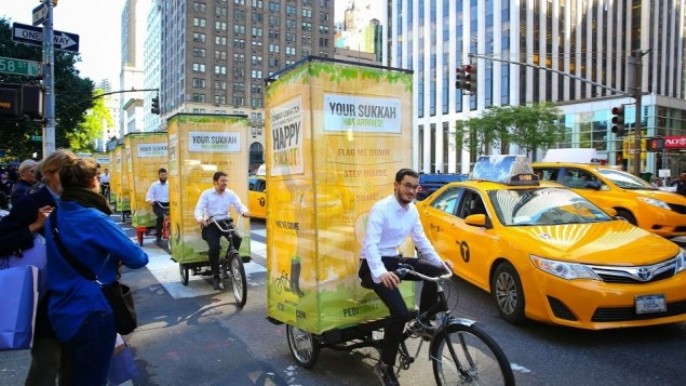
sukkah on wheels in NYC

What we like most of all about Sukkoth, is that it is a leveller. Rich or poor, young or old, it is a time when people cast aside their worldly possessions and take life’s speed down a notch or two (inside their hut). It is also about living among nature, not as a conqueror but as an equal to other creatures.

There are many different interpretations about the spiritual meaning behind Sukkoth – and one we like is that it teaches that existence is fleeting and momentary. We think that a little bit of reflection on the environment can go a long way around this time. Hey, and if you build a sukkah and are not storing the skakh for next year, don’t forget to compost it. We also hear that etrog makes a fabulous jam.

More on having a sustainable Sukkoth:
Make Etrog Jam (Beware of Toxic Etrog)
Recycled Decorations for Your Succah
Theme Park and Design Studio Go Green On Succoth

Getting Along Together: Why ITAM and ITSM Need to Play Nice

1

Two very different management concepts that are inextricably linked within the same network of information technology, IT Asset Management (ITAM) and IT Service Management (ITSM) govern a very broad aspect of the IT environment. Despite the similar acronyms, ITAM and ITSM don’t so much occupy different pages in the same book as they do different books on the same shelf. The success of any ITSM implementation can be judged on the asset management foundation it’s built upon, which will in turn be improved by good service management.

Combining these two concepts isn’t always an easy process, but it is beneficial to long term cost effectiveness and IT strategy. Understanding how the service desk is impacting individual assets, and receiving relational information on how these assets are impacting service desk time is a critical step in improving the RoI on IT spending.

There is already software available that can help marry these two platforms together, like IT asset management software by Sysaid. Having the right tools is a useful first step, but combining the two takes more than just a software upgrade; it requires a rework of the way these two, often separate, departments work together.

What Asset Management Isn’t 

Asset management is not intended to be a service department. It can’t be used to fix an aging router, or run a software update on an old desktop. It has no set of instructions to handle directly servicing a broken printer. It’s not a financially focused service desk.

What it does do (or should, if properly implemented) is provide a repository for determining contracts and service agreements related to the aging router, the old software running on a desktop, or the busted printer that’s now coughing up ink all over the boss’ pie charts. It has the relevant information needed for an attached service desk to quickly resolve issues related to these assets.

Strictly speaking, asset management is far more involved with the financial impact of technology assets than the continued operation of them. This means that individuals involved with ITAM are going to lean towards the finance side of business. The procurement, finance, and contractual obligations of technology assets currently in use are the asset management wheelhouse, and that’s generally going to be largely segregated from direct service management.

What Service Management Isn’t

 IT service management does not look at asset costs. It generally doesn’t have procedures to track the life cycle of a device, the RoI on individual assets, or the impact a given outage has on a company’s bottom line. It doesn’t track assets or populate an asset list.

Service management does, however, relate to all of these things in a financial sense in that it keeps assets working and functioning. When a new asset is brought in, the service desk is often called in to perform setup, and when an asset breaks service management will outline the procedures used to fix it. It’s a set of processes laid out to govern the handling of incidents and ensure that assets continue to operate smoothly throughout their life cycle.

Service management deals with the front-lines of technology on a day to day basis within a company. It’s responsible for maintaining a consistent, efficient, and effective approach to the assets in use by a business or organization. More specifically, ITSM itself is a set of guidelines to address the complications that IT will inevitably introduce into the infrastructure and tools used by an organization.

The Shelf

Returning to the earlier used shelf analogy, the shelf, that both of these books sit on is the assets themselves. The most common way this is used is through a Configuration Management Data Base (CMDB), a service focused version of an asset registry. The CMDB can be used to take assets, labeled as Configuration Items (CIs), and keep a set of relational information that can be modified to keep asset status up-to-date and readily available to service personnel.

The CMDB is useful for service desk personnel as it can be used to track the current status of a malfunctioning asset and make calls based on that information. It’s also invaluable thanks to its use as a relational database, giving personnel the ability to quickly understand how one asset being modified will affect another. In this way, the CMDB can be used like a set of architectural plans for the service desk to base their work on.

Configuration databases are just the most practical example of the link between ITAM and ITSM. It’s the easiest thing to point to and say “Look at how useful this is!” but it’s far from the only shared aspect these two concepts can benefit from. Asset and service management working together is integral to the continued efficiency of technology in an organization.

Let’s Get Together

Making ITAM and ITSM work effectively together requires more than simply throwing a CMDB towards the service desk and proclaiming a job well done. In order to get the most out of these two systems coordinating with each other, businesses must look at designing their ITSM strategy in tandem with the way they approach asset management. This integration can’t be a secondary consideration; it requires a fundamental understanding of how they can benefit each other. When service management is given the tools to succeed from an asset standpoint, those assets are able to be used to their fullest.

Establishing these concepts together will save time in the end. Being able to generate an asset registry with the foreknowledge that it will eventually be populating a service-oriented CMDB will lead to a better end solution for the service desk to make use of. Likewise, a service desk that’s aware of its role in asset tracking will be able to better provide key information on asset performance and give a more clear picture on how individual assets are effecting the bottom line. This will inevitably lead to better RoI on investments into technology and enable a more cohesive service for the business.

More and more businesses are beginning to see the value in bringing these two concepts together, starting from the ground up, in order to get more out of their technology assets. It will be exciting to see how new and emerging concepts can further integrate asset tracking and service management together to create a seamlessly blended IT picture.

The Great Reef is recovering

1

Positive news for a change! The Reef & Rainforest Research Centre (RRRC), a non-profit enterprising Australian organization, has reported substantial signs of recovery for corals affected by mass coral bleaching on the Great Barrier Reef. A milder 2017-18 summer as well as cooperation between science, industry and government is supporting the recovery of the Reef in many important locations.

The majestic Great Barrier Reef is one of the seven natural wonders of the world and the world’s largest living organism, stretching 1,430 miles and featuring an abundance of marine life with over 3,000 individual reef systems and coral cays as well as hundreds of tropical islands with some of the world’s most beautiful sun-soaked, golden beaches.

coral reef, oil spill, oil slick, Egypt, Ras Mohammad National Park, Red Sea, Marine Reserve, Sinai

As an iconic natural wonder and an unforgettable lifetime experience, the Great Barrier Reef is one of the world’s most sought-after tourism destinations, offering an abundance of experiences for travelers such as snorkeling, scuba diving, aerial tours and marine educational tours. Tourism provides critical support of the Great Barrier Reef, as visitor fees contribute to the Great Barrier Reef Marine Park Authority, the federal agency with oversight for the protection and scientific research to support the sustainability of the reef, including regulations that provide a global benchmark for responsible tourism practice.

Reefs around the world experienced bleaching in 2016 and 2017, and while the northern part of the Great Barrier Reef did experience some severe bleaching, this condition did not affect the entire Reef and there are currently encouraging signs of recovery at a variety of key tourism sites. Recent photos taken in June and July 2018 show healthy, vibrant coral at numerous locations that suffered during the back-to back coral bleaching events in 2016 and 2017 including Fitzroy Island, Moore Reef and Saxon Reef near Cairns, among other locations.

Coral bleaching occurs when corals experience too much stress – i.e. from high water temperatures or poor water quality – and eject their symbiotic zooxanthellae, losing their distinctive colors.  If stressful conditions persist, the corals will die, but if conditions return to acceptable levels, some corals can re-absorb zooxanthellae and recover. A relatively cooler 2017-2018 summer in the northern Great Barrier Reef has helped many corals affected by the mass bleaching to start the journey back to good health.

The Reef Restoration Foundation, a nonprofit social enterprise creating optimism for the Great Barrier Reef through innovative coral reef restoration techniques, established the first ocean-based coral nursery in the Great Barrier Reef in December 2017 to regenerate damaged coral reefs at Fitzroy Island, Cairns, and have plans to install a series of other nurseries throughout the Great Barrier Reef. They are pleased to report that the first crop of corals have exceeded expectations, increasing in size 2.5 times in six months with nine out of 10 corals thriving and 222 new coral fragments resulting from the initial 24 pieces of coral initially harvested. They will soon attach about 100 of these thriving corals onto damaged coral reefs at Fitzroy Island.

Tourism operators have also reported improvements in the condition of corals at their high-profile dive sites. Quicksilver Group Environmental Compliance Manager Doug Baird said there had been widespread recovery from the 2016 and 2017 mass bleaching events at the company’s regular sites.

“All of our sites that survived the mass bleaching events have shown strong signs of recovery, they look great now. We were fortunate that the effects of bleaching were very patchy,” Doug said. “I was in the water a few weeks ago at our pontoon site at Agincourt Reef and it looks stunning, there’s staghorn coral that’s budding out and regrowing.”

The Reef and Rainforest Research Centre (RRRC) in cooperation with the Association of Marine Park Tourism Operators (AMPTO) conducted detailed surveys of bleaching levels at key dive tourism sites around Cairns in 2016. While many of the primary dive sites were not affected in the 2016 bleaching, quite a few were quite strongly affected in the 2017 event. Fortunately, these are the same reefs showing strong signs of recovery.

“It is important to realize that bleaching occurs in multiple stages, ranging from the equivalent of a mild sunburn to coral mortality – so when a reef is reported as ‘bleached’ in the media, that often leaves out a critical detail on how severe that bleaching is, at what depth the bleaching has occurred and if it’s going to cause permanent damage to the coral at that site,” RRRC Managing Director Sheriden Morris said.

“The Great Barrier Reef is a very large and diverse coral system with a high level of biodiversity and has significant capacity to recover from health impacts like bleaching events. Increasing temperatures experienced around the world from climate change means that the pressure on the Great Barrier Reef is going to continue into the future. In addition to government and community actions to reduce carbon emissions and improve the quality of water running into the GBR, managers and operators on the Great Barrier Reef will need to do all they can to protect and support their individual sites.”

Multiple recent reports and images from marine tourism operators and from the tourists themselves show some sites are recovering quite well.

“Saxon Reef, for example, suffered some form of bleaching on 47.1 per cent of its live coral cover during the 2016 event. Fortunately, much of the bleached coral recovered thanks to better conditions experienced in 2018. However, this recovery is always going to be contingent on environmental conditions. It is critical that all efforts are made to promote the health and resilience of the Great Barrier Reef. It is clearly a misconception that the whole of the GBR suffered from severe coral bleaching and that the reef is dead.  This is blatantly untrue” said Sheriden Morris.

Sheriden Morris added “We all know that the reef may suffer further bleaching events as the climate continues to warm, but we have to do everything we possibly can to help protect our Great Barrier Reef.”

The RRRC co-hosted a major Great Barrier Reef Restoration Symposium in July in Cairns, the traditional visitor gateway to the reef.  Over 300 scientists, engineers and marine tourism industry representatives from 14 countries explored ways to support tropical coral reefs in the face of the world’s warming climate.   The Great Barrier Reef Restoration Symposium was a first of its kind to be held that focused on restoration and recovery of coral reef systems.   The Symposium highlighted local actions that can be implemented to recover and be more resilient from impacts such as bleaching.

How technology helps the direct store delivery model stay relevant now and in the future

0

"modular furniture store"

Direct store delivery (DSD) is the method of delivering products from a distributor directly to the retail store, bypassing a retailer’s warehouse, with the brand or wholesaler managing the product from order to shelf. It could shake up a dangerous unsustainable business model (against small businesses) now with direct to consumer Internet shopping taking over the world in rapid, fast to home delivery. We won’t mention the retailer here so they won’t get more Internet juice than we think they deserve. Because frankly we want real stores to stay in business.

Traditionally the key strengths of this DSD model are that it provides quicker distribution; increased flexibility and reduced out of stocks. However, due to the challenges we will discuss below, the direct store delivery model is now facing competition from alternative distribution options.

So, how can the model evolve to meet present-day challenges and remain a valuable tool?

Up until now, most brands and wholesalers have used processes that offer excellent direct store delivery logistics, but according to experts, future processes will need to combine the capabilities of those logistics with sales and marketing activities to stay relevant.

What are the challenges for the direct store delivery model

According to a survey by Honeywell, 49% of organizations feel increased transportation costs have severely impacted profit margins in the past 12 months. These costs include transport, labor and warehouse costs. In addition, retailers want lower prices due to the increase in competitors constantly attempting to take their market share.

Therefore, to reduce costs, many brands and wholesalers are looking to combine other aspects of the sales process with DSD.

What is the future of Direct Sales Delivery?

To answer this question effectively we can briefly look at the requirements of each of the stakeholders and see how technology can help the DSD model to solve the issues.

What are the objectives of the brand or wholesaler?

  1. To deliver the right quantities according to each order.
  2. To avoid empty shelves.
  3. To receive payment as per agreed credit terms.
  4. To collect point of purchase sales information.

The latest technology means that sales software is now well equipped to manage all of the above requirements. B2B sales reps can visit each customer in their region and gain a full 360° picture of all the goods and products they have. They can take new orders to ensure there are never empty shelves, check customer payment terms and collect all the point of purchase data they need. All from one device and one solution! In addition, all this information can be seamlessly synced with the office and management to help predict future sales.

What are the objectives of the retailer?

  1. For goods to be available in the store at the right place at the right time
  2. To reduce distribution costs
  3. To reduce losses/breakages during transportation

Again, DSD as a solution can help. It will ensure the right goods are delivered to the right place at the right time. With the DSD model, the supplier pays for the cost of transportation, meaning a reduction in the retailers’ distribution costs thus increasing his margins. By transporting the goods directly to the store there is less chance of damage.

What are the retailers customer’s objectives?

  1. To always find the goods they want on the shelves.
  2. To see presentable and attractive displays.

Part of the beauty of a modern DSD solution is that it always ensures the right goods are available at the right place and at the right time.

What does the future hold for DSD?

The direct store delivery model of the future offers much more than just delivery information. With the capability to boost field staff productivity, optimize distribution logistics, provide ERP inventory and sales information, and more, it’s a timeless solution.

Sailing around the beauty of Croatia

sea organ

Not so long ago the dream vacation included a sail around Italy or a cruise around the Greek Isles. As adventurers become better travelled they look to novel destinations not covered widely in travel books or in Hollywood movies. One of those secret places, unspoilt nature, lovely locals, with a European vibe is Croatia.

There are more than one thousand islands to hop around on in Croatia and if you are a skipper you’ll have no trouble getting around. But there are plenty of sailing around Croatia companies who are willing and happy to make sure your trip is just about smooth sailing. We did a one week trip along the Mediterranean coast of Turkey and absolutely loved it.

Doing so supports a local business and it gets you off the grid. Power, if existent on your boat, is usually solar, and resources you use are kept to a minimum. Enjoy the treats from local fishing and what the captain and his skipper find from local markets. Because they are local you get a double bonus of a wonderful journey and having a local set of tour guides with you 24/7.

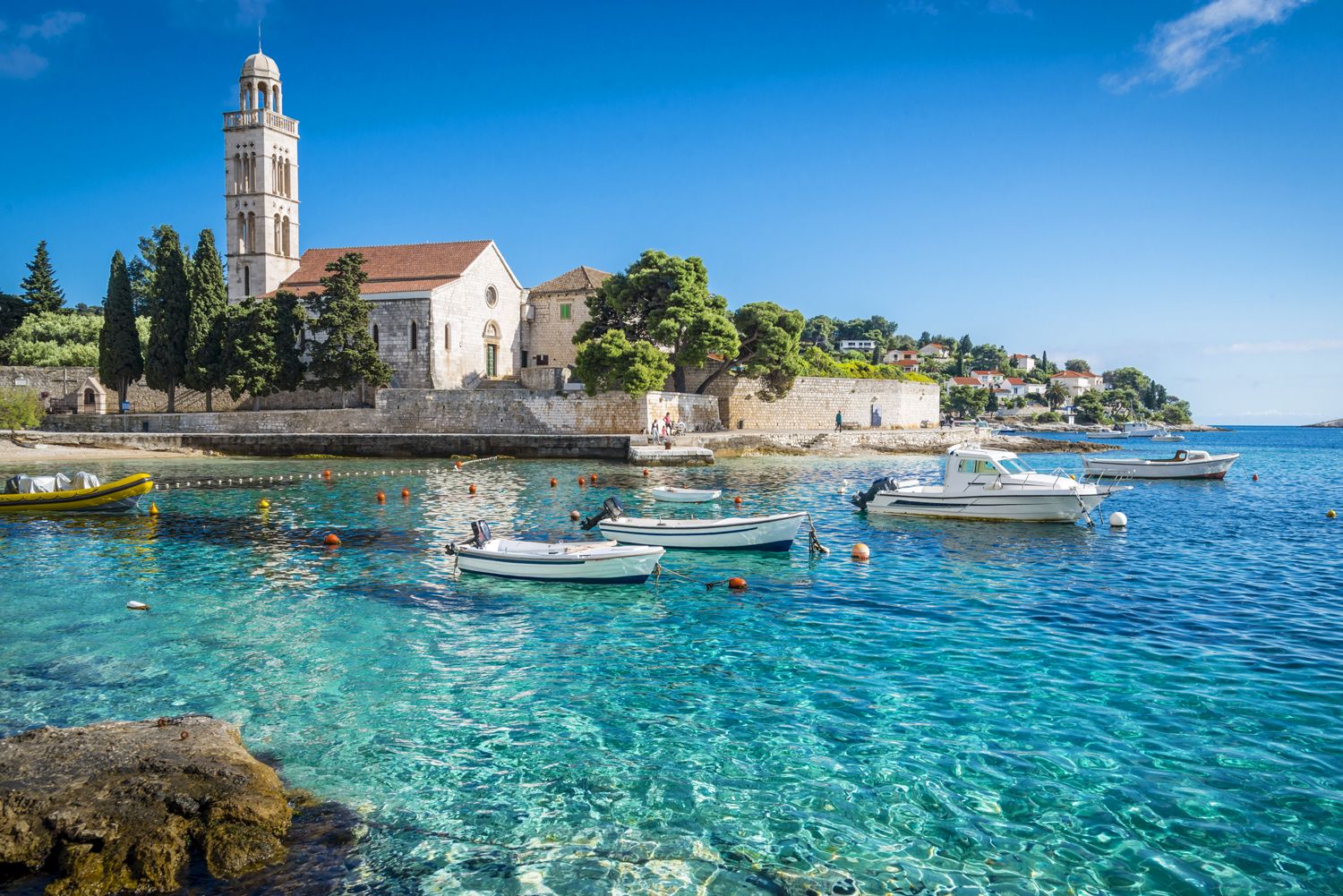
Croatia is situated along the Adriatic Coast and getting around by ship is the best way to peek into its secrets. There are however a few specific locations and islands you might not want to miss.

Hvar is a good place to start if you like parties and people. Ask the captain to turn up the music as you cruise to dock into town.

Around town you will find Gothic palaces from the 13th Century, alongside restaurants, bars and beaches. Go for a fine wine at Stari Grad, a local vineyard, and then get your dancing sailor shoes on at the Hula Hula Beach Bar for the sunset. Stay up partying or hop back onto your ship for the night.

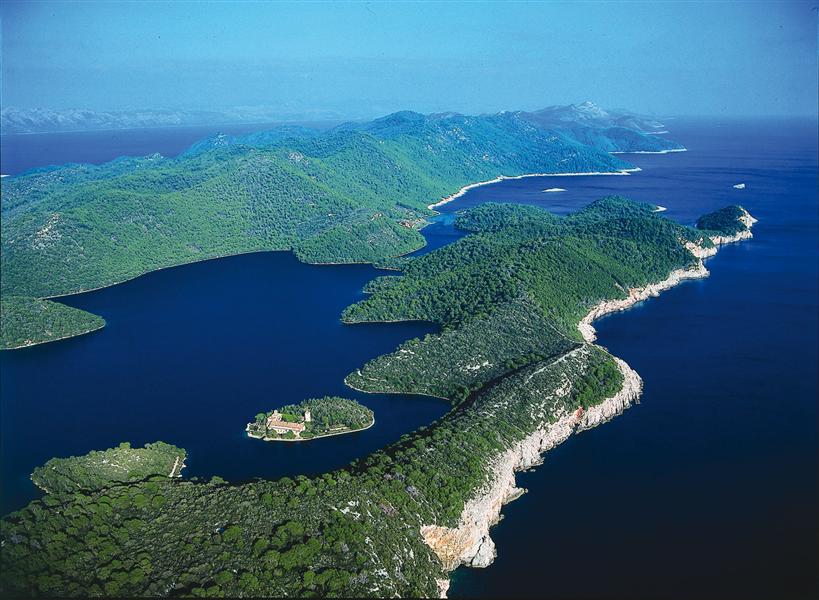
Because you are treehugger like us, right (and are socially aware like Croatians!,  you are going to want to get a bit into the wild. One of the sights to see is Mljet, lush with Mediterranean vegetation, pristine waters, super sandy shorelines and underwater animals and plants to die for.

Make sure your pack your SCUBA or snorkeling gear or find some to rent at Mljet Island, a National Park, made up from two inland saltwater lakes. Walk along the canal’s edge or get closer to it in a kayak. Dock for the night and listen to nature and the cool sea put you to sleep.

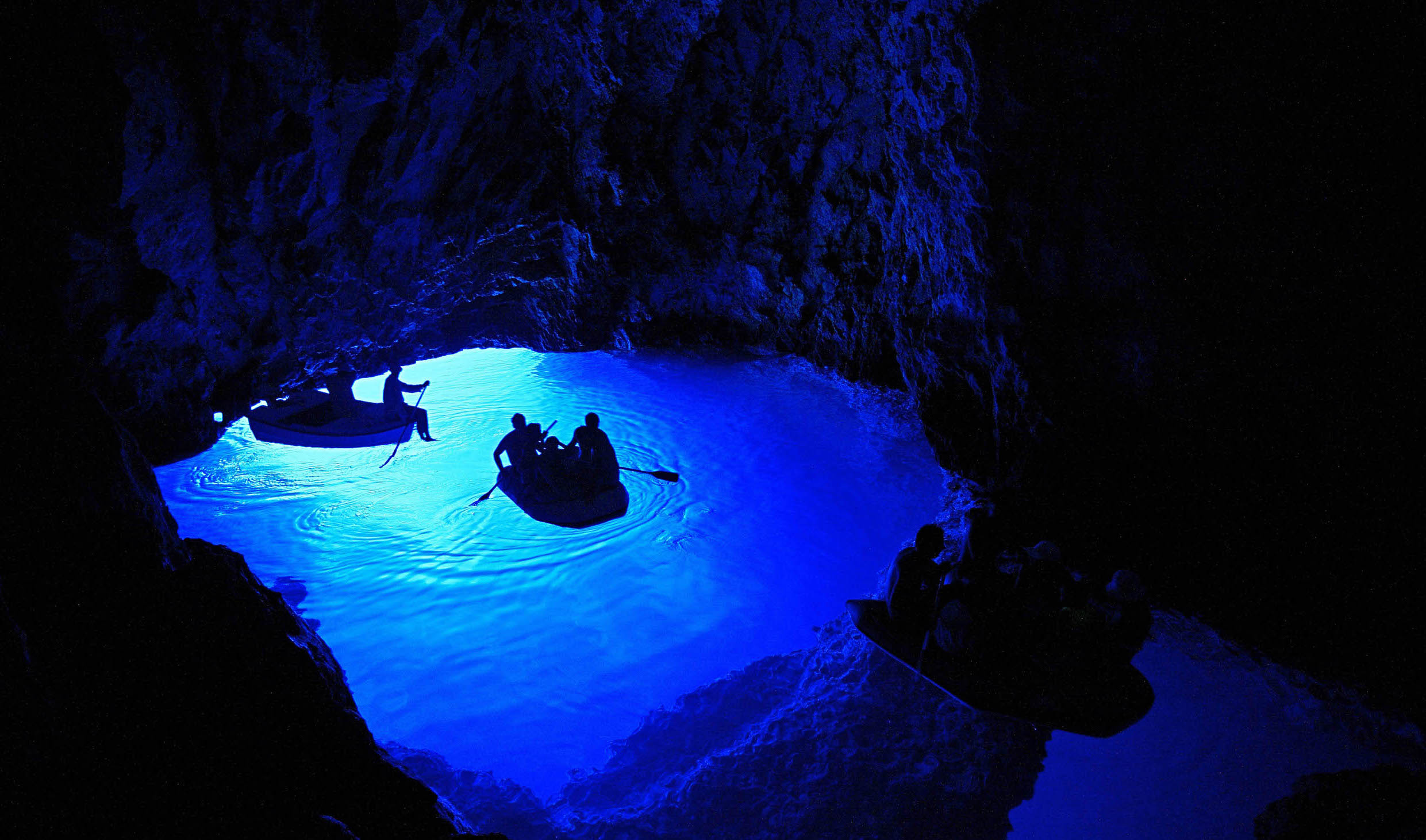
Vis is the furthest away from the mainland, so it’s a bit of a travel to get there it’s also one of the country’s loveliest. Up until 1989 it was cut off from the public because it was a military base so it had been preserved and its people isolated. It is home to one of Europe’s best beaches, and only small boats like sailboats can pass through the narrow cliffs to get to shore.

What an adventure awaits! Make sure you visit the Blue Caves when you are there, and notice the famous blue glow from beneath the water. We heard it’s pretty close to heaven.

Sustainable Travel in Utah

0

Utah with its towering mountains, deep canyons, and enchanting valleys is completely stunning. The geological wonder continues to lure tourists from all across the country and world. International tourist arrivals are still growing at a higher rate with many more people exploring new destinations and countries. With endless year-round outdoor activities and recreation facilities, it is no wonder to see the state list among the top destinations among the holidaymakers looking for special experience. There is a growing demand for vacation rentals in Utah, and it points to the increasing popularity of the state.

We have often heard the word sustainability and the concept of going green. The concept of sustainable tourism is based on the ecological, economic and social pillars. Sustainability in tourism evaluates how tourism and touristic activities can benefit local communities, protect the environment and preserve their cultures.

Ecotourism and sustainable tourism

With a steady rise in the number of tourists and travelers globetrotting across the world, it is no surprise to see a growing strain on the natural resources of the popular destinations. With millions of people landing in tourist hot spots, it is no wonder to see the damage caused due to overcrowding and swarming holidaymakers. Besides, there is a strain on local infrastructure and nature too. Unless and until nature gets back what we take from it, the environmental issues are going to mount. This is where sustainable tourism and responsible traveling comes in. Essential questions need to be asked regarding environmental and sustainable practices.

Ecotourism is fast becoming the fastest growing segment of the tourism industry. 2018 Environmental Performance Index shows that the most sustainable nations in the world when it comes to ecotourism include Denmark, France, and Switzerland. There are concerns about global warming, and air travel is one of the significant contributors to greenhouse gases. Utah allows you to create memorable encounters with nature and experience nature in all its glory. However, with that comes to responsibility too and to act as a responsible vacationer and avoid leaving any environmental footprints. For those planning to travel to Utah can help save the environment and prevent global warming by holidaymaker. As a ‘green’ tourist, lead by example and use embrace environmentally-friendly products and policies.

How to travel greener in Utah

The growing awareness of sustainable travel and tourism is good for the environment. When one travels in a responsible manner, they benefit the local economies and tourist spots.

  • Interact with the local people and respect their culture and way of living. When you care for the locals, you treat the nature around with respect and get closer to their culture
  • Look for green shops and services for your needs whether it is food or shopping or buying any other services.
  • Staying at green-rated hotels and vacation rentals is highly recommended to safeguard the environmental requirements. Book your room at environmentally friendly hotels in Utah.
  • Make use of disposable dishware and recycled paper products during your vacation. Say no to plastic and use only reusable or recyclable goods.
  • You can carpool and share your bike on your vacation to reduce your carbon print on the environment.
  • Wherever and whenever possible, take the train and avoid the plane. Walk whenever you can and add to your health as well as the environment/
  • If you want to donate, give to the reputable local organizations and charities. Give money or goods that can be used in local welfare programs.
  • Pack light and try not to overload the planes or yourself. No one really cares how you look during your vacation as long as you are decently attired and look presentable.
  • Support the local economy and shop for local crafts and souvenirs. It is always cheaper and better to add to the local economy that leads to much positive impact.
  • Go for non-stop flights whenever you can as most of an airplane’s carbon emissions get created during takeoffs and landings.
  • Use eco-friendly, hybrid and electric vehicles to consume less fuel and emit less carbon emissions.
  • Stay in greener hotels that promote sustainability initiatives and use solar power, energy-efficient lighting, wind turbines, low-flow toilets, and rainwater harvesting.
  • Conserve water and limit energy. Avoid the long steamy showers to save both energy and water and switch of the lights.

Benefits of sustainable tourism

Well, people would still travel, only they need to change their ways of traveling and holiday responsibly. The only solution lies in sustainable and responsible travel and protects the local culture and nature, no matter where one goes. One should keep in mind the future generations too and ensure that those touristic hot spots remain as attractive and alluring. Decrease your carbon footprint whenever you travel by being a responsible traveler. Here are seem of the significant advantages of going green as a traveler.

  • Any negative environmental and social impact is minimized.
  • The local people enjoy more significant economic benefits, and there are better associations made between the locals and the travelers.
  • The working conditions and well-being of host communities enjoy significance improvements.
  • Getting involved with local people not only affect their lives and chances, but one becomes a wiser traveler in the process.
  • Meaningful connections with local people mean a greater understanding and more enjoyable experiences.
  • There are positive contributions made towards the natural and cultural heritage, and the world’s diversity is conserved and maintained.

Exploring Africa by Train

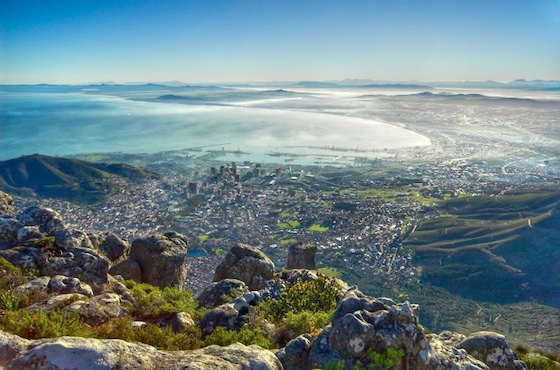
Africa is one of the most visited continents world over. The reason simply being that the continent has a lot to offer. Talk of incredible scenery from Cape to Cairo, ancient cities and buildings, vast tracts of plains housing all sorts of species plus the warm hearts of the African people among many others. Attracted by diverse attractions, many people flock to Africa including other Africans travelling around the continent.

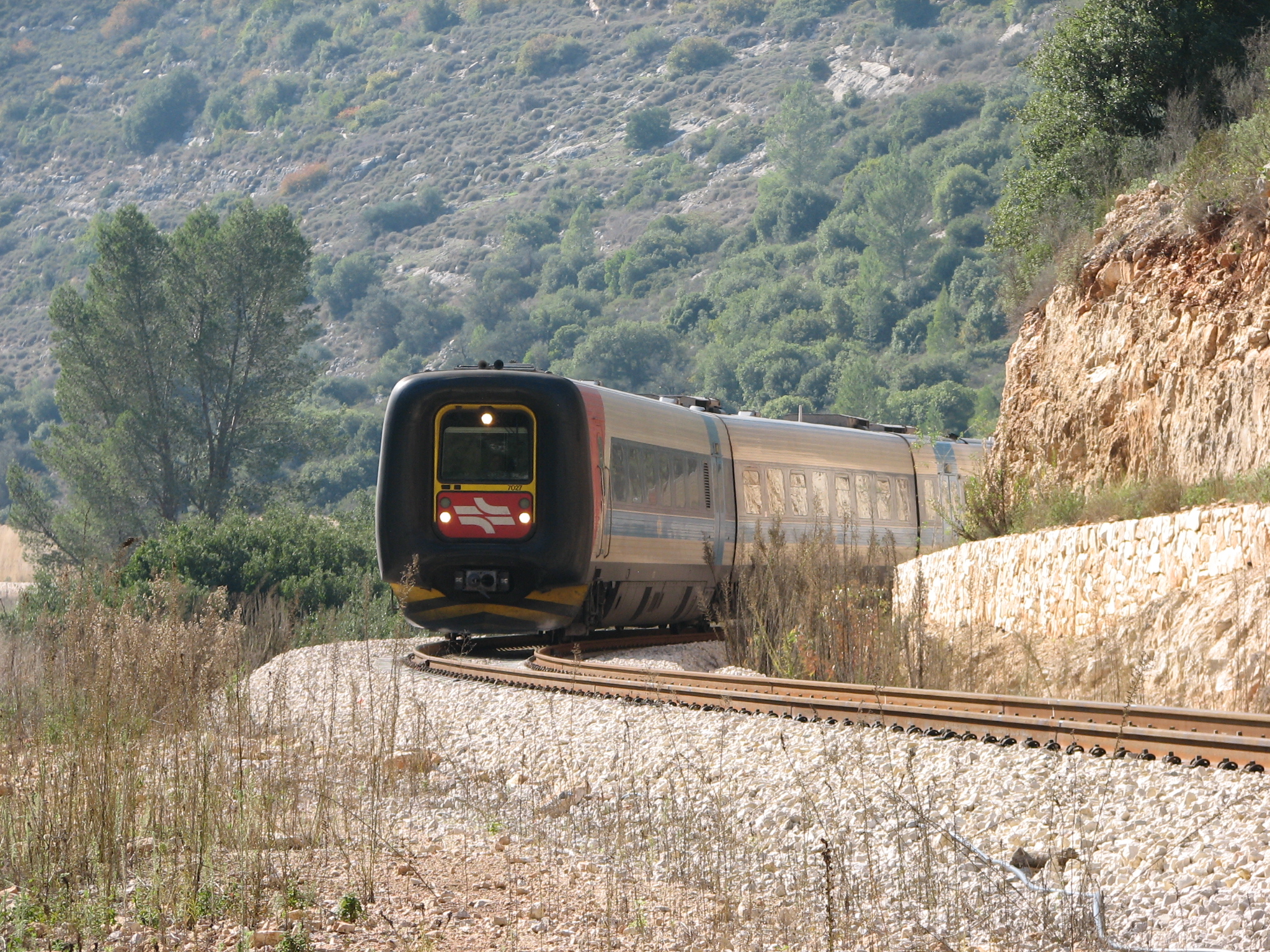
They say that when it comes to travelling, it’s the journey that matters most rather than the destination and as such, an increasing number of visitors to Africa and from Africa now prefer travelling via train. This is because a train takes its time moving from point A to point B in the process giving visitors ample time to enjoy all that Africa has in store.

urban design, High Line, green space, urban planning, Jerusalem, green space

Below we highlight some of the most popular train travels in Africa.

Rovos Rail (Around Africa)

Rovos Rail is regarded by some to be the best train travel in Africa. Rovos Rail service two routes i.e. the Cape Town to Dar es Salaam route and the Cape to Cairo route. The first route takes 14 days and visitors get to explore four countries starting with South Africa, Zimbabwe, Botswana and then Tanzania. On some occasions, visitors can also be afforded the time to enter Zambia and see the majestic Victoria Falls from the Zambian side (this allows visitors to get a better and more beautiful view of the Devils’ Pool along the Victoria Falls). The second route takes 28 days and visitors get to explore a number of African countries all the way south from South Africa up north to Egypt. However, the Cape to Cairo route occurs only once every couple of years.

Blue Train (South Africa)

The Blue Train is one of Africa’s most popular train travels. The train got its name from its colours i.e. an indigo hue which strikes across the train’s sides. Blue Train serve the Durban to Pretoria route and it takes 27 hours to arrive at its destination. Inside the train, visitors enjoy spectacular views of the South African savannah in the process getting glimpses of common wildlife popular in this part of the world. The train has some top chefs so visitors can expect to be served with the best in terms of wine and food.

Zimbabwe Rail (Zimbabwe)

To relive life in the 1950s and thereabouts, visitors can get on board Zimbabwe Rail. The train serves the Victoria Falls to Bulawayo route. This is a night journey which sees the train depart Victoria Falls around 8 pm and arriving in Bulawayo the next morning around 9 am. The beauty of boarding Zimbabwe Rail is that visitors get to travel overnight in a 1950s era British built coach. Not just this but visitors get to wake up to the sights of baboons, monkeys, and other animals common in this part of the world.

Travel to Morocco

1
Morocco, travel, Hole in the Donut Cultural Travel, photo essay, travel photos, Fez, Marrakech, Volubilis, Sahara Desert
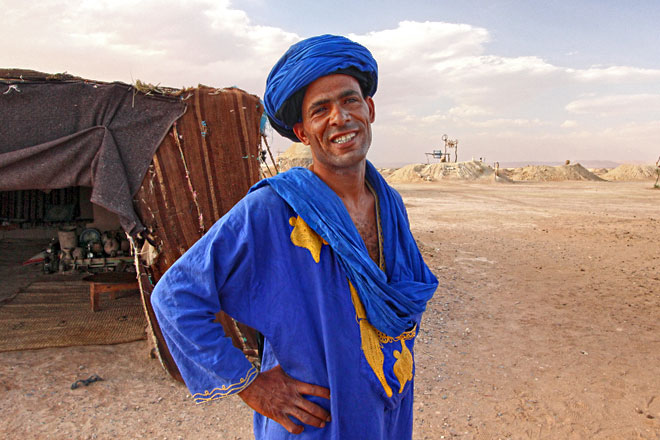
The men of the desert

Morocco, a state thriving mainly on tourism as its primary source of foreign exchange, has manifold ventures to offer. Maintaining its place as the top vacation spot in the North African region, Morocco boasts its insights into wonderful surf and yoga facilities, a deep sense of culture and a rich history. Original Surf Morocco is undoubtedly the best option for visitors to lodge in for a satisfying yoga, surfing adventure, eat delicious Moroccan food and experience Moroccan culture.

Middle East, beaches, 10 sublime beaches in the Middle East, Turkey, Egypt, Libya, Oman, Abu Dhabi, Morocco, Beit Yannai Beach, Zuwarah, Marsa Alam, Oludeniz Lagoon, Farwa Island, Al Gharbia, Saidia, Mediterranean, Red Sea, Aegean Sea, Atlantic OceanBandar Jissah, Muscat, Paradise Beach, Iztuzu Beach

Desertec, Dii, Spain, Morocco, Solar Energy, Ourzazate, Solar Power, Desert, Renewable Energy, Alternative Energy

It is imperative for a traveler to keep himself abreast of the recreational opportunities that a place has to offer. Many platforms speak much about their recommendations for the tourists; Original Surf Morocco has come up with a unique comprehensive list of things and activities you must do when coming to Morocco. So, this one’s a must read:

  1. Must shop a tannery from Fez

Fez, being the signature cultural city of Morocco, holds many talents of leather artistry hidden inside the clustered bazaars. Since medieval ages, these tanneries have sustained their glory and grace in the eyes of both the locals and the foreigners. Even if you don’t plan to shop much, buying a leather item can be the best souvenir from the city of Fez. The skins of animals put out on the canopies and the vibrancy of hues being tainted on the canvases of dried leather will be worth letting your senses absorbed in the atmosphere.

  1. Public Hammams:

Bathroom seems a bit cliché; in Morocco, they have this ancient term “Hammam” symbolizing a place where people used to take a bath in the form of groups long before the concept of separate bathrooms came into being. Morocco still preserves the age old trend of collective hot steam baths and relaxing restrooms as a form of tourist attraction. If you are an enthusiast of relishing the details of Moroccan culture, you must try some time at a Hammam; they have separate “Woman-only” sections to suit your personal preferences as well.

  1. Don’t miss the indigenous food:

Moroccan food, period! It’s famous for its hygienic content as it serves the necessary ingredients that help a dieting aspirant achieve its goals of bodily health; hence the prevalent culture of yoga and meditation. The cuisine here is a mesh of different cultural impressions coming from Arabs, Spanish and French people. If you are planning to stay a little longer, you should indulge yourself in any of the cooking workshops being widely conducted by many outlets. The skill remains, the health continues.

Tafline Laylin, nature, travel, photography, art, eco art, Earth Day, Morocco, Sahara desert, sand dunes, Merzouga, tourism, Berber

  1. Savour the peace of Djemaa el Fna:

This hub of tranquility in the form of a central square location lies at the heart of Marrakesh. Fna has its tantalizing colours in the form of vibrant mornings and peaceful evenings where people dine out all over the place. The area glows more when jugglers, musicians and live performers steal the moments in public, making the family meals of the nearby diners all the more worthwhile and enjoyable. The stalls and the small hideouts in the vicinity add more life to the overall atmosphere. A meal Fna should be in your to-do list.

Morocco Granary, Aga Khan Award for Architecture, green design, earth construction, sustainable design, berber culture, Salima Naji, Atlas Mountain Architecture,

  1. The coastline adventures:

It would not be an exaggeration to say that what the Moroccan coast has for the tourists surpasses all other recreational magnets of the region. A perfect way to make the most out of your surf breaks, availing of the Taghazout surfing opportunities. People come here to fish, to swim and to have the ultimate surfing experience. The coast also provides equal facilities for kite surfing and surfing for beginners. But it is highly recommended that you plan your vacation during winters, precisely between September and April, to make the most out of tide strength.

  1. Majorelle Gardens for the win:

Being an epitome of natural beauty and having been designed by a famous French painter, Jacques Majorelle. The garden portrays an image of a ravishing oasis with flaunting date palms and a wide range of floral and botanic beauty. To cherish the blossoming air in these gardens, think about spending some time there with a book in hand or, probably, a picnic bag would do.

  1. The grandeur of Atlas Mountains:

The Moroccan land is blessed with the splendor of the gigantic range of Atlas Mountains, spanning up to 1500 miles and touching the borders of Tunisia. Jebel Toubkal, the highest mountain, remains the foremost trek-to cliff for many climbers and adventurers from across the globe. People having a good knack of hiking always opt to try this one and they prepare for it seriously. The pathway to the top is facilitated by many resting spots and the adjacent villages are a source of joy where you can do your photography or make amazing vlogs as they say nowadays.

  1. The blue of Chefchaouen

Some places amaze you not only because of their landscape beauty but also by their aesthetic appeal. The blue isles of Chefchaouen exhibit an ocean of blue coloured spectrum in the way it is painted. This city is a landmark of history because of its warmth that it had for refugees fleeing from Spain, Germany and many other war stricken countries during the World War 2 era. The blue streets therein are embellished with pure artworks and busy cafeterias. A photograph is a must here.

  1. Schedule your tour during the festival days:

If you really want to witness the revival of Moroccan culture and wish to sniff the air of a spectacular aura, time your travel during the days of the festivals. They have a handsome variety of festivals that attracts cultural aspirants from everywhere; the Fez Festival of World Sacred Music, the Essaouira Gnaoua, World Music Festival, the date festival in Erfoud and the Dades Valley roses festival speak high of the Moroccan identity, to name a few.

Morocco, travel, Hole in the Donut Cultural Travel, photo essay, travel photos, Fez, Marrakech, Volubilis, Sahara Desert

  1. The Casablanca Mosque:

If you really want to get a gist Moroccan architecture in less time, we would suggest you pay a visit to this glamorous mosque. It was named after King Hassan II and is known to be the largest mosque in the country with the tallest minaret of them all. Muslims can visit during the praying times, and it is also open for Non-Muslims so that they can appreciate the work that took seven years for its completion.


7 Green Benefits of Using Eco-Friendly Asphalt

0

Although there are so many pavement materials for servicing the roads, parking, and the driveways, asphalt have proven countless times that it is the best in the market. What makes it stand out and win over other pavements is the fact that it has fewer effects to the environment plus the cost of production is relatively low as opposed to other materials. Therefore, apart from providing the best road services, the paving materials possess several benefits to the environment and to human beings too.

Seven benefits of using the eco-friendly asphalt.

1. Energy conservation

A report published about the production of the asphalt pavement materials showed that the process uses less energy as opposed to when making other paving materials. This is because the same old materials are recycled to mold new raw materials. It is estimated to save up to 20 percent less energy usage in both production process and when conducting the repair services on the roads. The asphalt pavements take less time to dry up which makes it possible for the city to maintain smooth movements of vehicles on the streets being repaired. So, this reduces the traffic congestions which mainly occur when the roads are being fixed since the cars are forced to divert to other functional roads. You don’t have to use other longer routes to get to your destinations since if the roads get repaired at night, the cars can use the same ways the following morning. The asphalt sets pretty quickly, unlike other pavements thus ensuring continued use of the streets.

2. Can be recycled

The asphalt manufacturers have been voted as the leading recycling company in America as they reuse a total of 95 percent of their initial materials. In most cases when the roads are being repaired, they usually utilize the damaged materials and recreate them a fresh or reuse them for other functions. Apart from recycling the road materials, the company also reuses other items like the roofing products, rubbers, tires, and even the glasses.

3. Easy to maintain

As long the asphalt pavements are handled by a well-experienced engineer, it becomes quite easy to maintain the roads or the areas where the sidewalks are installed. The materials require keenness when laying them on the ground as the foundation determines their durability. Research shows that the roads paved with asphalt can stay for decades before undergoing any repair. Also, if the streets at all require any replacement, the constructors are advised only to remove the topmost layer and replaced it with a new one. The maintenance or repair services do not take too much time as it can be done over-night to ensure convenience, especially on the roads.

4. Cost efficient

Asphalt pavements do not require much work mainly in the repair services. This means that few labors will be needed during this time. Also, the top layer of the damaged road is the only part removed when the repairs and maintenance services are being done. This reduces the cost of hiring trucks since only a few of them will be needed to dig up the top layer. The previously used materials are reused during the repair process too. In most cases, the concrete that has been damaged is recycled to form the rubber materials used as the foundation for the new replaced asphalt. Due to the recycling process and fewer damages which occur on the roads, the services reduce the expenses significantly.

5. Does not leach

The asphalt is eco-friendly and does pollute the environment even after prolonged use. This is because the liquids used in manufacturing the materials do not leach even after a long time. Therefore, there is no liquid such as petroleum from the pavements emitted at all. This feature makes it safe to install the roadways in homes when constructing the parking areas and the driveways. When choosing a company to build the sidewalks in your premise, look for a company that provides the best services such that you will not need to worry about repairing your asphalt pavements for several years to come. Research about the best paving companies around you and ask for referrals from your friends and neighbors. Hundreds of paving companies have an online website for easy reach by their customers. Therefore, research on different websites to find the best paving companies near you.

6. Safe for drivers

Asphalt is known for creating the best and smoothest roads for easy passage of the cars. They do not form potholes thus ensuring the safety of the streets even during the extreme weather conditions. The asphalt pavements do not sink even when heavy-duty vehicles occasionally pass on the roads. All these are prevented by the open-graded asphalt materials which ensure there are no splashes of water by the moving cars when it rains. This in return assists the drivers have a safe drive even when it is raining heavily.

7. Environmental friendly

The majority of the asphalt material used in the repair services is recycled. This assists to conserve the environment in a mighty way since there are no extra chemicals added on the road. There are no much impurity and chemicals emitted to the air most especially from the compounds recycled.

Asphalts are eco- friendly pavements which can be used in the construction of the roads, driveways, and even the parking lot. The materials save the expenditure as most of the materials used are recycled. The pavements take limited time to dry up, hence allowing the roads for continuous usage. This has contributed significantly to ensuring that there is no traffic on the highways or accidents which tend to occur when there are massive traffic jams. With asphalt, the safety of the environment is guaranteed considering there are no liquid and chemical fumes that are emitted on the pavements. When having the roadway constructed in your home, invest in a well-experienced construction company to ensure the job is well done such that you will not worry about repairing your pavements for a long time.

How to Port Your Medical Insurance Plan

0

Maybe you are a free spirit that travels the globe. Maybe you save rainforests or are just working on saving yourself. Health insurance is key to your well-being and safety. Before renewing any health insurance plan, it is important for you to have a look at your policy and then analyze that whether its premium is worth the benefits that you received. If you think that your plan is a little expensive then you have the right to switch to a new insurance company. Within a few clicks, you will get free health insurance quotes from top insurance companies of India. The best thing about a health insurance plan is that you can port it any time. For the same, all you have to do is a little research. With this article, you will come to know about different ways through which you can easily port your health insurance plan.

Why port a Health Insurance Plan?

One of the biggest benefits that you will get on porting health insurance is the affordable premium or you can say better benefits. With the same, you can easily enjoy the continuous benefits. Let’s take an example that if one of your medical condition is not included in the coverage for initial two years, but in the new health insurance plan the waiting period is 3 years then 2 years of your previous policy will be deducted and your waiting period will be 1 year only.

However, this feature does not go well with the medical insurance policy in India. The porting of a health insurance plan is easier for young people. Mostly, insurance companies hesitate to offer the port option to senior citizen. The reason behind the same is that under the same, the waiting period is either reduced or entirely waived off and the new insurance company’s liability comes into action earlier. When it comes to portability, those people who have undergone a hospitalization or chronic illness receive limited options.

Required Time to Port Health Insurance Plan

A health plan can easily be get ported within the 45 to 60 days of the policy expiry date, the procedure associated to same vary from insurer to insurer. The process of porting is quite simple. You don’t have to go through a lot for porting your existing health plan.

Check Features and Benefits of you new Health Insurance Plan

If you are planning to port your medical insurance policy in India, then it is advisable for you to pay attention to all the features and benefits of new plan. Analyze the new insurance plan thoroughly and compare its features such as waiting periods, exclusions or co-payments etc.

There is no doubt in saying that the premium is also an import factor when it comes to porting, but don’t take it as a sole feature to consider. Do not forget to look at the Incurred Claims Ratio (ICR) of your preferred insurance company. According to the experts of the insurance industry, it should be around 70 percent to 90 percent.

Some insurance company might think of porting a plan after adding a few conditions. You must also check that doess the preferred insurer has imposed any waiting period, or introduced a permanent exclusion so that there is no hassle at the time of filing the claim.

When it comes to port, you should not miss the No Claim Bonus (NCB). It is a reward that you may get for every claimless year.

Time Taken

According to the Insurance Regulatory and Development Authority of India, the portability applications have to be acknowledged by the insurer within 3 working days.

It is mandatory for the new insurance company to provide coverage at least up to the amount of the old insurance policy. All the policies effective from July 1, 2011, are liable to avail the portability option.

If you own a health insurance plan, but now you are thinking of porting the same then you must explore all the available options and can take help of an online insurance web aggregator- PolicyX to choose the best one according to your needs.

Wrapping it Up

If you have the option to port then there is no insurance company which can reject your application only if your details are going well with the insurer’s terms and conditions. As we all are aware of the fact that porting is a little difficult thing. It is not a beneficial thing for the insurance company so they basically avoid such applications.

Start looking out for new plans at least 3 months before the due date so that you can research well and find the best plan. Always crosscheck all inclusions of your chosen policy so that your claim process become smooth.

#hashtaglunchbag sparks a delicious global movement!

0

Schools are back in session, and a crazily fun global movement may inspire you to spread some love (along with the peanut butter) into your child’s school day, and ideally – well beyond. Check out #HashtagLunchbag. It’s the perfect example of how a small group of people on a local level can make a tremendous impact, one small act at a time.

#HashtagLunchbag began on Christmas 2012 in a Los Angeles apartment when a group of friends kicked around ideas on ways to find a fun and meaningful way to give back. After a few failed attempts, they decided to hit up a local grocery store to buy enough food to prepare 100 lunches.  Stellar lunches that would make everyone not eating them jealous.

They hit the streets near the Santa Monica Pier and Venice Boardwalk looking for anyone that could use a meal. They smiled when asking people if they were hungry, exchanging small talk while handing over their mini-feasts, acknowledging a shared humanity. When they finished, fired up from the day, they shared images of the experience on their personal social media platforms, jokingly tagging posts with #HashtagLunchbag.

The posts attracted an abnormally large amount of likes/comments/calls/texts/emails from people wanting to join in for “the next one.” (They hadn’t planned on doing a “next one”, but riding the high of their good deeds, decided to repeat the project a month later.)

More friends joined, more meals were made, and more people were fed. As they say on their website, “The ripple continued and more people were hitting us up wanting to know how they could get involved. We ran it back for another go ’round in February 2013, growing out of our apartment to a local restaurant. We set a goal of making 1,000 meals. 100 hundred people showed up for the party. We added love notes of encouragement to each meal to further acknowledge those we were feeding, reminding them that they weren’t forgotten. Just like we did, everyone went on to share their experiences on their social platforms, intriguing and inspiring their friends and their followers.”

Since then, they’ve hosted monthly #HashtagLunchbag events across Los Angeles, seeing others around the world  replicate their model. n their website, they shared simple do-it-yourself instructions so anyone can repeat their efforts. To date, the #HashtagLunchbag movement has grown to more than 100 cities hosting #HashtagLunchbag events around the globe

The organization’s rapid growth has led to the formation of the Living Through Giving Foundation, a registered 501(c)3 non profit organization that empowers humanity with the tools to create & benefit from organized acts of Love.

#HashtagLunchbag is more than just a program that feeds the hungry in local communities. With handwritten love notes as our secret ingredient, they use bagged lunches as vessels to spread love, acknowledging the humanity of both the giver and the receiver. Volunteers make the meals and embellish simple paper sacks, both of which nourish the receiver on so many levels.

Who knew what could grow from a Christmas morning conversation among friends.  Find out more on their website, link here.

All images from #HashtagLunchbag‘s Instagram page

Holy cow! Prophecy fulfilled after red heifer is born at Temple of Israel

1

Last week in Jerusalem a baby cow was born. Watch the adorable infant scamper around her mother in a short video released on YouTube by the Temple of Israel, below. Why is this worth your attention? Because – according to some Jewish and Christian scholars – this tiny red calf may be ushering in the end of the world