Somehow vegetables with short seasons excite the imagination and appetite more sharply than produce that’s available all year around. Good Middle Eastern cooks have many recipes for delicate fava beans, and this turmeric-fragrant soup is one.
Somehow vegetables with short seasons excite the imagination and appetite more sharply than produce that’s available all year around. Good Middle Eastern cooks have many recipes for delicate fava beans, and this turmeric-fragrant soup is one.
Somehow vegetables with short seasons excite the imagination and appetite more sharply than produce that’s available all year around. Good Middle Eastern cooks have many recipes for delicate fava beans, and this turmeric-fragrant soup is one.
Somehow vegetables with short seasons excite the imagination and appetite more sharply than produce that’s available all year around. Good Middle Eastern cooks have many recipes for delicate fava beans, and this turmeric-fragrant soup is one.
Somehow vegetables with short seasons excite the imagination and appetite more sharply than produce that’s available all year around. Good Middle Eastern cooks have many recipes for delicate fava beans, and this turmeric-fragrant soup is one.
Somehow vegetables with short seasons excite the imagination and appetite more sharply than produce that’s available all year around. Good Middle Eastern cooks have many recipes for delicate fava beans, and this turmeric-fragrant soup is one.
Somehow vegetables with short seasons excite the imagination and appetite more sharply than produce that’s available all year around. Good Middle Eastern cooks have many recipes for delicate fava beans, and this turmeric-fragrant soup is one.
Somehow vegetables with short seasons excite the imagination and appetite more sharply than produce that’s available all year around. Good Middle Eastern cooks have many recipes for delicate fava beans, and this turmeric-fragrant soup is one.
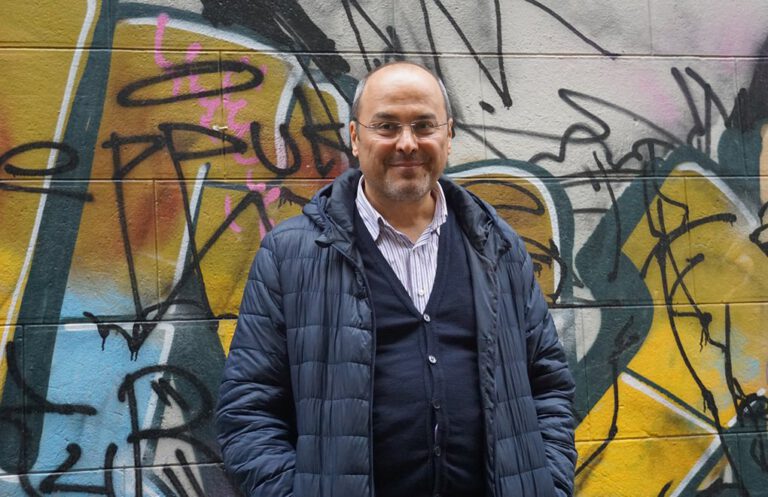
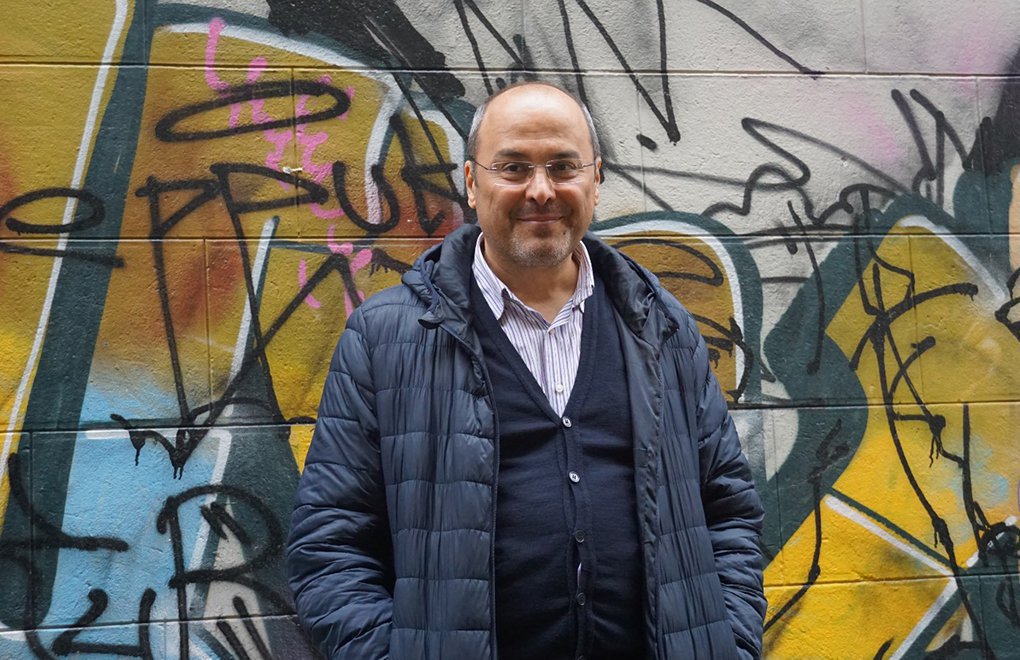
In 2019, the court in Istanbul found Bulent Sik guilty of “disclosing classified information”—a verdict described as a “travesty of justice” by Amnesty International. Sik is a Turkish food engineer, environmental and human rights activist and a whistleblower. He was convicted after disclosing the results from a government study on environmental pollution and carcinogens.
Sik last year in 2018 revealed the results of a study carried out with other scientists for the Ministry of Health between 2011 and 2015 linking the toxicity in soil, water and food to high rates of cancer in several western provinces.
He wrote articles in the Cumhuriyet newspaper after realising the government was not acting on the study’s findings. The study “clearly revealed the extent to which water resources were contaminated by toxic materials,” Sik told reporters after the verdict.
Brothers Ahmet Sik and Bulent Sik fight the Turkish system
“The court ruling shows that the results of a study that directly concerns public health can be hidden. This is unacceptable,” he added.
Sik remained free on Thursday pending appeal. In 2021 he was acquitted but in an interesting turn of affairs his brother, a human rights journalist, went to jail for continuing to reporting on human rights abuses to Kurdish nationals. After serving 14 months he was released.
Pen.org offers more on Ahmet Sik’s story: “Sik is an investigative journalist and writer dedicated to reporting on human rights abuses and government actions in Turkey. He was charged on December 30, 2016, with disseminating terrorist propaganda and denigrating the Turkish Republic in news articles and tweets. The trial of Ahmet Sik, as well as of 17 other writers and administrators associated with the paper Cumhuriyet, began on July 24.
On March 9, 2018 an Istanbul court issued a report releasing Ahmet Şık on bail. In September 2019, Turkey’s Court of Cassation ruled that the Cumhuriyet journalists should be acquitted, with the exception of Şık, who would be tried on separate charges. On November 21, 2019, however, a court reversed that ruling and upheld the conviction of Ahmet Şık and eleven other former Cumhuriyet journalists. Sik has been sentenced to seven years, six months’ imprisonment but has continued to appeal the conviction and is free while the appeal is ongoing. On November 24, 2020, the European Court on Human Rights ruled that Şık’s treatment in the Cumhuriyet trial was a violation of his rights to liberty, security, and freedom of expression.
Talking out against pesticides and children
Bulent Sik, Ahmet’s brother has been outspoken about the effect of toxic pesticides used in agriculture. He told a Turkish newspaper, “The pesticide named chlorpyrifos, which is still a very serious problem in our country in our country, severely harms the development of the nervous system, constitutes a critical example. In other words, this poison has a negative effect on children 6 times longer than an adult. Therefore, the focus of food safety studies is I think it is necessary to put the protection of child health at the top of the list,” he said.
Pollution from the industrial zone of Dilovasi, around 60 miles from Istanbul and home to many chemical and metallurgy factories, was singled out in the report for having cancer rates well above the international average.
“The case against Bulent Sik has been, from the start, a travesty of justice,” Amnesty’s Turkey researcher Andrew Gardner told AFP. “Instead of pursuing a whistleblower through the court, the Turkish authorities should be investigating this important public health issue.”
Turkey has seen a wide-ranging crackdown on many aspects of free speech, especially since a failed coup against President Recep Tayyip Erdogan in 2016.
Bulent Sik had faced up to 12 years in prison, but the court found him not guilty of “obtaining classified information”.
Journalist Ahmet Sik was released from prison after 425 days in Turkey. But the charges against him haven’t been dropped. He’ll be back in court next week so keep showing solidarity with him & all those jailed in #Turkey. #FreeTurkeyMedia
As of 2022 he has been free but appeal after appeal suggests he could face up to a dozen years in jail for doing the right thing.
Human rights violations in Turkey should not go unreported. If we can’t stop them physically we need to stop supporting Turkish tourism, exports or buying food products from countries that punish people for doing the conscionable thing.
According to the news many people in some parts of the world are getting richer, the 1%, and they own most of the world’s economy while the rest of the world, the other 99% divides it among ourselves. Whether you inherited your money in a trust, earned it by growing a startup and cashing out at 27, or just won the financially lottery, then hats off to you. One of the problems with having a lot of money is making choices. When you can hire a private helicopter to take you from one city to the next for dinner the last thing you might be thinking about is how to travel more lightly on the earth.
Solar Impulse, a Swiss-run venture uses solar power to fly around the world – showing it can be done.
First off you can make sure you buy carbon offsets every time you fly, or estimate for the year and purchase credits once a month or once a year like when you do your accounting. It’s okay to tell your cousin to go plant a few hundred trees in your estate in Colorado, but being part of a scheme helps you quantify and report and may even help you qualify for tax credits.
Speaking of which, wealthy eco heros are welcome to earn tax credits. Whenever you donate to a US-registered NGO or charity registered in your country, you can earn valuable tax credits which reduces your tax burden.
Carbon can be offset by planting trees, creating renewable energy.
A few charities off the cuff, is the Sierra Club (for Nature Lovers), Charity: Water for those who care about water. GreenPeace, links below, also has international groups that can help with tax receipts if you live in the Middle East.
Taking a deeper dive for those who want to put some big money into the environment (maybe you won the jackpot on online slots 918Kiss-malaysia.net – well hell, yeah. Bring that money back into a cycle of healing and goodness.
If you are based in the Middle East, The Emirates Environmental Group (EEG) is dedicated to environmental protection and responsible waste management through education, community engagement and action projects. They sponsor a lot of fun and educational activities in a region where community life can be dull thanks to terrible urban planning in towers. Founded in 1991, and the first environmental NGO in the world to be accredited with the ISO 14001 certification, EEG has made a positive contribution to sustainable development in Dubai and the United Arab Emirates.
The Nature Conservancy
The Nature Conservancy based in the United States protects ecologically important lands and waters around the world with the help of more than 500 staff scientists. It spends over 70% of its operating budget on preservation programs that address climate change, fresh water, forests, invasive species, and marine ecosystems. We can get behind that!
Recognized as the world’s largest NGO, Greenpeace has campaigned since 1971 to address environmental threats faced by our planet. These include protecting our oceans and ancient forests, working towards disarmament and peace and – the greatest risk – climate change. Today Greenpeace is active in 40 nations.
Travel
More and more places around the world offer experiential travel. While your hands may not be the most helpful if you have only flown into a country for a week or two, what you can do is to connect with a local NGO where you are travelling and offer them business advice, or fundraising advice, or help them run their instagram account.
There are a great number of bridges you can form without “using” the locals – in that I mean taking selfies with a poor kid from China, Africa, Latin America – making you look like the hero and them look like the one being saved. We all need saved from something, sometimes even ourselves. Look deep and apply the skills you have to make this great world even better. With the confidence of money behind you you have nothing to lose.
Want to get a job in the environmental field? Get your English up to speed
So if you are like most people in the world who speak English – it’s your second language. But what if you need certification to work as a tour guide or study to get your master’s degree in ocean ecology or to get hired as an engineer at the best electric car company in the world? What if you need to ace that test? The majority of IELTS test-takers believe it’s almost impossible to get the band score 9 on the “English as a second language test” based on some false assumptions that only native speakers are the one who can reach this level. In fact, you would be surprised to know that even native speakers like me may even do poorly in some areas like grammar which I never studied formally. But we say it’s completely normal and we are going to show you how to get 9 score in IELTS by following some simple tips.
IELTS listening tips
The listening test needs practice and listening to as many dialogues as you can, because with time you develop and strengthen your ability to comprehend faster therefore answering properly in addition to the fact that the recordings in an IELTS test are either by British or Australian accents depending on the center you’re taking the test in. So there you go, one additional reason for you to listen to more sample recordings so that you’re familiar with the language and tone of the speaker. Also you need to keep in mind that you’ll get a chance to listen to the audio module only once, so you have to clear your mind and listen carefully to the audio.
When you’re answering the questions it’s preferable to use a pencil to avoid any spelling mistakes because you might answer the question right but have spelled it wrong which might make you lose points in the test. You can get one more step closer to get 9 score in an IELTS by investing an extra 10 minutes at the end of the test in case you’ve missed any answers.
IELTS reading tips
To get a 9 score in IELTS you need to develop an important skill in the reading test which is skimming and scanning and by doing that you will easily grasp the general idea of the given passage. Skimming and scanning doesn’t necessarily mean to fully understand the passage rather than developing a sense of what the topic is about which will make it a lot easier for you to connect the dots and answer the questions efficiently and fast.
You’re not supposed to take more than 3 minutes in scanning the passage and it’s recommended that you highlight or underline the keywords you think are important. Acing the reading test requires you to answer fast because there’s a time limit and that wouldn’t be an issue if you skimmed the passage efficiently and were able to locate the answers of the questions carefully.
Pay attention to grammar when you’re answering a summary question as might answer correctly but get a wrong answer due to a grammatical error so definitely practicing your grammar is a key point for getting a 9 score IELTS in reading.
IELTS writing tips
You need to make sure of one thing first when it comes to the writing test which is never write words less than the number given in the task. The second thing is you need to know how many words on average you usually write in one line and by doing that you’ll save plenty of time counting the words while you’re writing.
People usually get surprised by their low unexpected grade in writing when claiming they’ve done great in writing, but the thing is that there is a great chance you wrote off the topic so you need to take your time before start writing and fully understand the question before starting to write.
A good writer uses a variety of phrases structures so make sure to do that as the examiner will get an idea of how your grammar and writing sense is well built, which is something all band score niners have in common.
IELTS speaking tips
While most people consider this the hardest IELTS test, we guarantee you that it’s not as normal as the other parts of the tests. Make sure to speak fluently without any form of resistance as if you’re just talking to a friend or someone you know.
Don’t speak too quickly to avoid mispronouncing and sending some of your words to the land of lost words.
If you didn’t understand the question or you need something to be clarified don’t hesitate to ask the examiner to repeat or elaborate more.
There is mixed emotions with your speech as if you’re talking about the topic to someone who is close to you and that shows how confident you are and definitely will bring you a lot closer to the 9 score in IELTS.
Getting a 9 score in IELTS is not as difficult as many people think and just by good practice and following these useful tips you’ll actually enjoy taking the test and expect 9 score before getting your results back.
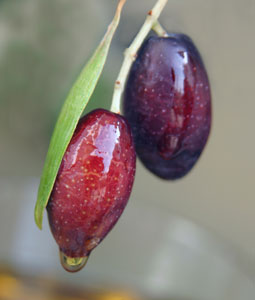
Barnea, suri, kalamata? Your supermarket or farmer’s market usually offers a good variety of olives. Juicy green, black, brown or purple olives glistening in their own oil. Olives seasoned with chilies, lemons and herbs; olives pitted and left empty; olives stuffed with red pimentos; olives in brine or in wine marinade – enough olives to make your senses reel.
And like grape varieties for wine, there are more kinds of olives in the world than you’ll ever know. Every region where olives are grown yields a particular variety, each with its unique shape, size, and flavor.
What Are Olives, Exactly?
Are olives a fruit or a vegetable? Technically, an olive is a fruit. Well, a drupe to be specific. A drupe is a fruit that has a pit in the middle. In addition to olives, other drupe fruits include cherries, plums, and apricots.
Olives grow on trees, and unlike some other drupe fruit counterparts (like the cherry) raw olives picked right off the tree are not very tasty. This is because raw olives contain a phenolic compound known as oleuropein, which is very bitter. The fermentation or curing process is what makes olives so yummy and edible.
Also noteworthy – black and green olives are not different types of olives. They are the same, but their change in colors and flavors is based on the time they are harvested (black olives are riper than green ones). Now the next time the question, “What are olives?” comes up in a casual conversation, you’re ultra-equipped to wow your friends with your impressive knowledge about these beautiful morsels.
How Many Types of Olives Are There?
Considering olives have been cultivated for over 6,000 years, you might assume there are a lot of different types of olives. If so, you’ve assumed rightly. But how many types of olives are there? According to the International Olive Council (yes, there is such a thing, thank goodness!), there are about 139 types of olives, and they are grown in every continent save one (Antarctica). From kalamata to koroneiki, you’re bound to find the perfect olive that suits your fancy. The only trouble is – with so many olives from which to choose, how do you know which ones to pick? Read further for more details on all types of olives and varieties.
You should also know that it gets confusing to list the names of the olives grown even in relatively small cultivating areas, because one variety may be known by different local names, or different olives may go by the same name. To add to the confusion, some olives are grown for oil, some for the table, and some are sold to be consumed either way. An attempt is being made to sort out olive varieties via DNA identification.
Black olives are those that were allowed to ripen before harvest. In other words, all olives start out green, and grow darker as they ripen. Different varieties will mature into blue, red, brown, purple, or black. The flavor of the same olive will change the longer it stays on the tree. How it’s fermented and seasoned after the harvest changes its flavor too, and there are infinite ways to treat an olive, subject only to the imagination and local resources of the producer.
But buyer beware: all that’s olive is not gold. Canned black California olives are green olives that have been cured in a lye solution then treated with oxygen and ferrous gluconate to fix the black color. Harmless, but bland. Olives treated with lye cure quickly but have lost much of their original flavor.
Here are a few of the best-known olives, and one or two particularly popular in the Middle East.
Kalamata
A distinctive flavor from the kalamata region. Tastes like wine.
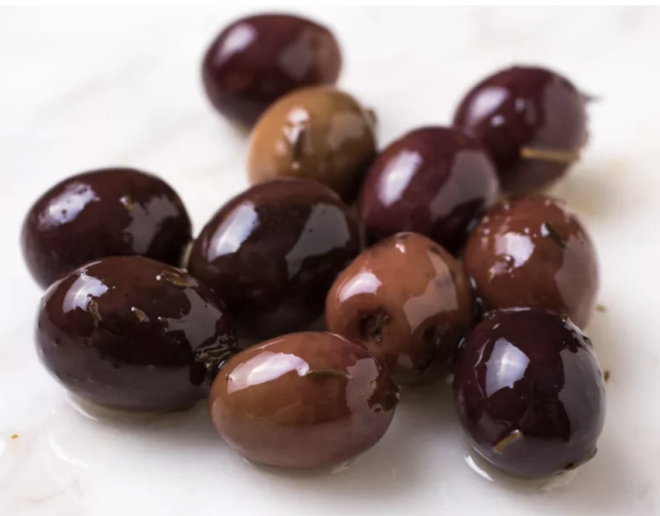
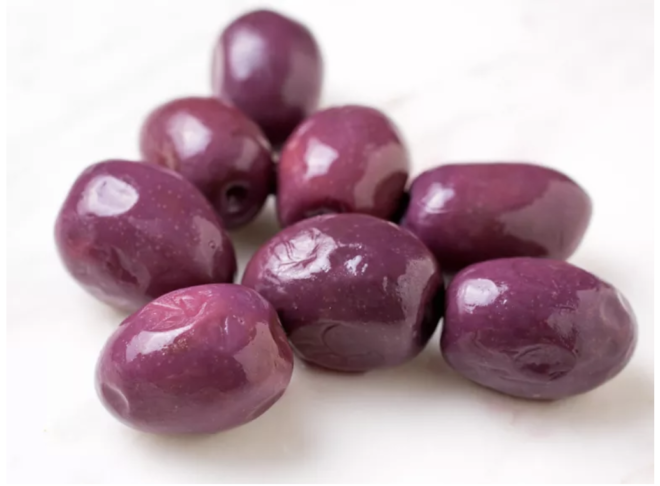
Kalamatas are the best-known Greek olive. Its color is deep purple and is often preserved in red wine. Sometimes you can find black or red Kalamatas. Check ingredient links on the black olives of any variety. Sometimes they have added ingredients that are purely for coloring them.
Castelvetrano Olives
Castelvetrano, an Italian olive, said to be the country’s favorite snacking olive. It’s light green, meaty, and mild.
Manzanilla
Manzanilla or in Spanish “little apple.” Eaten green or black. One of Spain’s most popular varieties and often with a pimento inside. Since Spain is still the world’s largest olive exporter, it’s likely you’ve eaten Manzanilla olives, and can find them easily in the supermarket.
Beldi
Intense. Yummy. Chewy.
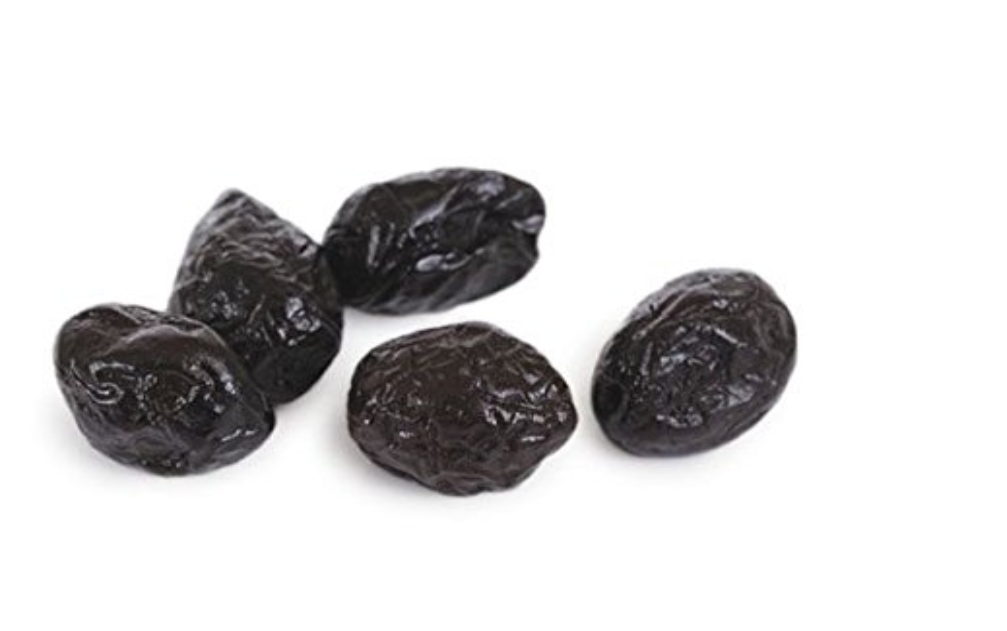
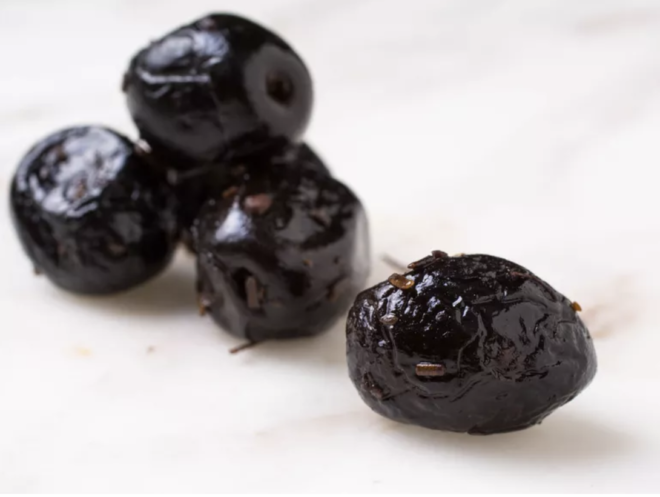
Beldi is the Moroccan olive dry-cured in salt. Black, shriveled, chewy, and with an intense flavor. The texture is comparable to that of sun-dried tomatoes. Salty, salty, salty! Pair Beldi olives with mild cheeses, fruit, and white or rose wines. Very good on pizza, although a pain to pit. They are salty and delicious. Look at the labels before you buy to make sure they aren’t colored with artificial ingredients which may not be healthy.
Gordal
The Gordal olive is the Queen of all olives.
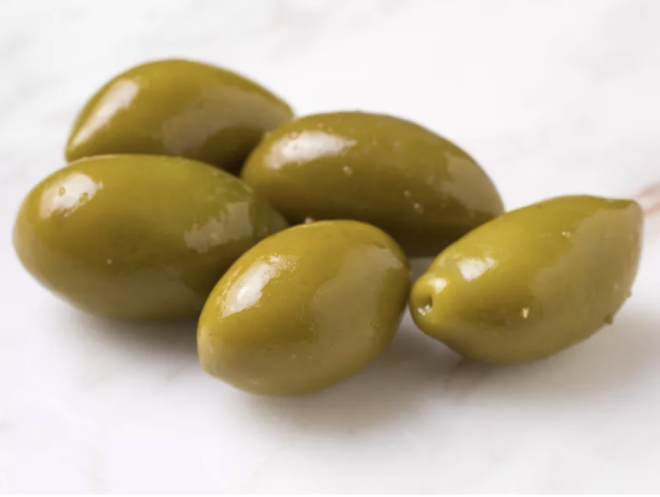
Gordal often called “jumbo olives.” Gordals come from Sevillia, Spain, and are cured while green. They’re handy for stuffing with cheese, almonds, cured meat, capers… anything you think will taste well inside these huge olives.
Picholine
Small, nutty picholine olives from France.
Picholine. Small, green, and with a nutty flavor, picholine olives originated in France but are now grown all over the world.
Suri olives
Suri olive from Lebanon. A favorite in the Levant region.
Suri olives originated in Lebanon and considered to be one of the oldest varieties. It’s harvested green and produces a peppery oil.
Barnea
Barnea olives are a favorite in Israel
Barnea is an olive variety claimed by Israel. Nowadays the Barnea is grown in Argentina and Australia too. Grown mostly for its mild, fruity oil.
Gaeta
Gaeta olives come from Italy. They’re small and oval-shaped. Black Gaetas are salt-cured, which gives them a wrinkled texture. Brine-cured Gaetas are smooth and dark violet color. After curing, Gaetas are stored in olive oil.
Leccino
Leccino olive trees, are drought tolerant olives that came from Tuscany, although today Leccinos are cultivated around the world. They have a light brown skin and a unique sweet/spicy flavor.
Mission Olives
Mission olives are the only American variety recognized by the International Olive Council. Tradition has it that Franciscan missionaries from Spain brought the trees to California in the late 1700s. The fruit is small, harvested while green, and considered an endangered heritage variety by the Slow Food movement.
Cerignola
Named after the town in Italy from which they are harvested, the Cerignola is a green jewel that is mild and makes a perfect parcel for stuffing. Gently remove the pit and stuff with primo partners such as cheese, capers, garlic, or anchovies. Because of their mild yet complex taste, they blend well with bold flavors so they make a great feature in antipasti or cheese platters.
Nyon
Dry cured and then aged in brine, these wrinkly, flavorful gems are growing in the south of France. They have a slightly bitter taste that works well when tossed into salads. You can also cook with Nyon olives, which bring out a heady aroma in comfort food dishes such as casseroles or roasty veggies.
Niçoise
These dark beauties are born in the Provence area of France, and are best known for their leading role in Niçoise salad, which is a freshy-fresh French tuna salad. The Niçoise olive is also commonly found in tapenade because its flavor can stand tall yet also blend, especially when mixed with fine olive oil, anchovies, and capers. These types of olives possess a bold flavor, but not so bold as to overpower.
Liguria
Whether cooked or uncooked, the Liguria is a versatile olive with a rich, deep flavor. This type of olive is typically cured with intoxicating aromatics such as rosemary, bay, and thyme. These olives come from the northwestern region of Italy and they come in both green and black varieties. Because they are so versatile, you can concoct a variety of culinary feats with them. Top them on your pizza for a lightly piquant flavor or toss them in your pasta dishes or salads. These olives are also great companions for poultry and fish accents.
Alfonso
Lovingly cultivated in the foothills of La Yarda mountains in Chile, the Alfonso is a purple pearl in the olive family. These babies are big, beautiful, and a bit bitter. Their acerbic taste is attributed to the brine-curing process that involves submersion in either vinegar or wine. Because they can be a bit puckery in taste, these types of olives are mostly used as a flavor enhancer in soups, stews, or other cooked comfort foods.
Amfissa
Hailing from the ancient, prophetic hills of Delphi, the Amfissa olive is a treasure to the Greek population. Thankfully, these glories are imported, so we can all savor these mild, fragrant, melty, juicy flavor bombs. Picked at the peak of ripeness, these black and green olives are a perky addition to cheese plates and charcuteries. The Amifissa olive has a bright flavor that is scrumptious on its own, but it can also be used to flavor stews, casseroles, or soups.
What Is The Most Common Type of Olive?
Hands down, the kalamata olive (and all its varieties) is the most commonly recognized olive. Their popularity is mostly due to their versatility because they are used for a buffet of different culinary specialties. From the topping on your pizza to Mediterranean salads or as an accent for drool-worthy Italian dishes – the kalamata is a royal champion in the olive world.
Perhaps the kalamata’s fame is due to its rich, smokey, lively flavor. Or maybe it’s because the Greeks have cultivated, cured, and preserved these olives with a standard of excellence that is beyond reproach. You be the judge. Try them in your next tapenade or appetizer plate before cocktails. Serve them in a salad, or top them on your next pita bread sensation. You’ll quickly understand why these are top on the leaderboard as olive fan favorites.
What Are the Best Type of Olives to Eat?
Where do we begin with this question? If you ask us, all olives are worth savoring. However, there are some that are more inclined toward tastebud pleasures than others – depending upon your end-purpose. For example, if you want the best health benefits of olives, choose kalamatas. Aside from the fact that kalamatas are delicious, their health benefits are one of the main reasons these olives are so popular around the world. To explain, the kalamata is like having vitamin B12 supplements in your back pocket, because these beauties are packed with this vitamin more than many of their counterparts.
In terms of flavor, the best type of olives to eat are the ones that suit your epicurean fancy. For instance, you might want to grab a jar of Manzanilla olives. These are typically stuffed (usually with pimentos), but they have a sharp, bitey flavor that is undeniably delicious when paired with a bloody mary or spiced homestyle dishes such as paella.
However, if you’re a purist, you might want to lean towards the Castelvetrano olive. This is an ace olive as a stand-alone due to its tart, scintillating flavor for snacking. It’s also a winner as a fine-dining accent.
What sort of health benefits do olives offer?
If you know about the benefits of olive oil, then the same applies to olive (the fruit) health benefits. Olives are cram-packed with vital nutrients such as vitamin E, A, calcium, and iron. Olives are also high in antioxidants. Studies on Mediterranean diets have revealed that the nutritional value of olives supports health in various ways, such as improving heart health, preventing diabetes, and even reducing the risk of some cancers. While olives are clearly beneficial to our health (and tasty), you should consult your physician or nutritionist to get the full scoop on how olives can improve your health.
Which country produces the best olives?
We don’t want to ignite a worldwide debate here, but common opinion seems to lean towards Spain as the country that produces the best olives. This is likely due to the country’s ideal climate conditions that nurture olives to sublime perfection. Of course, you’ll have your own opinion about the best source of olives. To wit, Greece and France are arguably some of the best purveyors of some of the most pristine olives (and olive oil) on the face of the planet. The best way to answer this question is to sample different olives from different countries and judge for yourself!
Which olives are buttery?
If you’re not sure about the best-tasting, buttery olive, then grab some Castelvetrano or Cerignola olives. These are by far the most melt-in-your-mouth, delectable choices for that rich, toothsome awesomeness you crave from olives. If you can’t locate these two particular buttery olives, you can always lean on the popular favorite – kalamata. It will provide you with the salty, soft, sensual flavor you can depend upon in a well-cured olive, and yes, it’s buttery too!
What is the sweetest olive?
When you think of olives, you might not think of sweetness. However, certain olives have a milder, more fruity, or sweet tinge in their taste that is worthy of recognition. While every taste preference is different, the International Olive Council deems the Cerignola as top-notch in terms of sweetness. You might also want to sample the Portuguese Galega olive, which is a sweet, juicy, rich, and resonant olive that is arguably a tasty treat on any table.
Which Olives Have the Strongest Taste?
There is not much debate about this – the strongest-tasting olives are typically of the green variety. Because they are plucked during their early development, green olives have a tangy, tart, titillating taste-twinge that can’t be denied. Having said that, you may find kalamata (which are black) to have a pinchy, strong flavor because they are preserved in puckery solutions such as vinegar or wine. Nevertheless, we still hold firm on our opinion that greenies such as the Castelvetranos olive grown in Sicily have that punch of bitey flavor if you’re looking for a strong sensation on the tongue.
Make your own olive marinade
Make your own tasty marinade, no matter what olives you have at home.
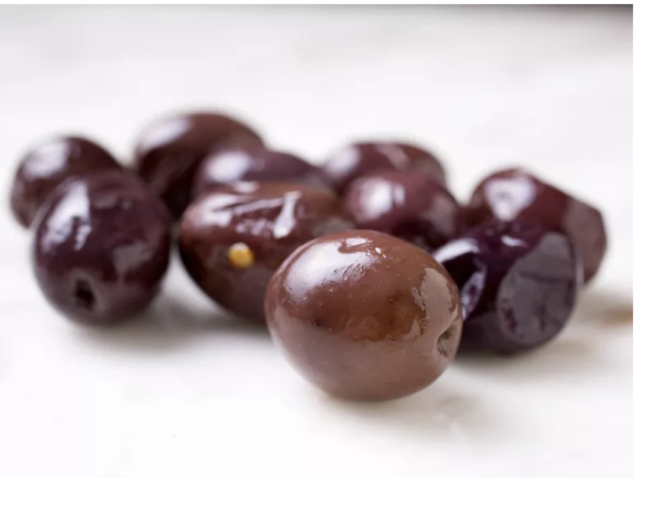
Want to make your own marinated olives, like the ones pictured above? Here’s a recipe.
Marinated Olives Recipe
Ingredients:
2 cups olives, either one variety or an assortment of different colors and sizes
1/2 cup extra virgin olive oil
Peel of 1 large lemon
2 large garlic cloves, thinly sliced
1 large bay leaf, broken up, or 2 small whole bay leaves
1/2 teaspoon crushed, dried thyme, or rosemary, or oregano, or za’atar
1 tablespoon coriander seeds
2 tablespoons red wine vinegar
Optional: 1/4 – 1/2 teaspoon chili pepper flakes, or to taste
If using black olives, rinse them separately to prevent discoloring the rest of the olives.
Drain all olives; place them in a large bowl.
Smash the coriander seeds in a mortar once or twice. Don’t pulverize them. If you don’t have a mortar and pestle, wrap the seeds in a kitchen towel and bang them with the bottom of an empty bottle or jar a few times.
Toast the coriander seeds in a dry pan for 2 minutes, or until the fragrance rises. Remove from the heat.
Combine the oil, coriander seeds and the rest of the seasonings, except for the vinegar, in the pan. Heat this seasoned oil over low heat for 2 minutes. Remove from the heat and allow it to cool.
Pour the marinade over the olives. Drizzle the vinegar in. Mix gently.
Cover the olives and allow them to marinate at least a couple of hours at room temperature, turning them over twice. But they’ll taste better after a week in the refrigerator, and will keep for up to a month there, the flavors improving as they mature. Take the olives out of the fridge an hour before serving, to let the solidified olive oil thaw.
Even if you take the most low key eco holiday, like at this off-grid hut in Sinai, you still need to be smart and think about insurance should something go wrong.
Travels are exhilarating and scary in different conditions. If you want to avoid financial stress during a trip, you will need the best travel insurance. Spending some money on travel insurance can protect you from numerous unexpected events.
Cost of a vacation may vary between hundreds and thousands of dollars. By purchasing an insurance plan, you can protect this investment. It can be tricky to choose the best travel insurance; therefore, compare different deals. iSelect makes it easy for you to compare & save on travel insurance policies.
Types of Travel Insurance Plans
For a safe journey, you will need different kinds of covers. Here are some popular types of travel insurance policies.
Trip Cancellation Insurance
With this insurance, you can cover the cost of a trip if any party finds it necessary to cancel. If a cruise line or tour company goes out of order before departure, you will get a refund amount of this trip. Moreover, if a person in your group is injured or sick during a trip, insurance will cover you. Remember, exact circumstances for return are specific to a policy. Carefully read an insurance policy to understand the precise situation your insurance covers.
Insurance for Baggage
Damaged, stolen, and lost luggage is unavoidable during a vacation. These events can be costly and unhappy. To avoid inconvenience, you must have baggage insurance or personal effects insurance. It will cover your luggage in case of mishaps.
Tour operators and airlines may cover a particular portion for lost baggage. A homeowner insurance policy will offer a partial cover for your trips. This plan can cover a small percentage of damage or theft. Carefully understand the terms and conditions of an insurance provider before purchasing luggage insurance.
Medical Assistance
Medical assistance is necessary to cover the expenses of health care. If you are seriously ill or injured on vacation, this insurance plan will help you to save money. To cover emergencies, you will need emergency medical insurance.
Remember, personal health insurance can cover particular costs for you. For this reason, you can’t depend on this cover. Contact a service provider to find out specifications of an insurance plan. You must have sufficient medical assistance for emergencies.
Death Insurance (Accidental)
Accidental death insurance plans are common in different cases. You may get this cover under different policies, including life insurance. Before getting this cover, check other policies to ensure the availability of this benefit. With an accidental death insurance plan, you can protect your family. If you expire during traveling, your family will get financial support.
Medical Evacuation
Before traveling in a region or a remote area without medical facilities, it is essential for purchasing an evacuation insurance plan. A travel policy may offer this coverage. Under this policy, you will get emergency transportation to a clinic or hospital. Moreover, you will get suitable services for injury or illness. Remember, you can’t risk your health to save a few pounds. Buy an appropriate plan to receive medical assistance in case of emergencies.
Hassan Fathy’s off-grid living and architecture inspired generations of architects in the Middle East and beyond.
There is something romantic about living off the grid and off our own devices. Every summer I go to Northern Canada with my kids and experiment with off-grid living ideas and applications. While we own 200 acres and the last home on the grid for miles and miles, it is tempting to cut off from the polluting power industry and power our own needs from the sun and Mother Earth.
Maybe you have been reading the books about Hassan Fathy (and his vision for vernacular architecture in the Middle East – the opposite of what we see in Abu Dhabi and Dubai today)or are following people who want independence from the rat race, like this English woman who built an off-grid home in Turkey for less than $4000.
Some of my off-grid friends use solar panels. Some have been too ambitious and too inexperienced and ended up wasting $20,000 on solar energy systems when they didn’t drain the batteries correctly in the winter when they weren’t using them. If you are planning on generating clean energy and then selling it back to the grid because you are still on it and want to make the system better, make sure you do a lot of research first. Look for companies like this Texas-based First Choice Power. Not all electric companies are transparent and not all will agree to buy back your power. This is important to know if storing it is a limitation for you.
Ancient windmills in Nashtifan, Iran.
Using Off-grid Wind Power
If you live in area that is close to a large lake, sea or open space, home wind turbines might be an option for you. I have seen small installations on rooftops in cities like Tel Aviv, and even in dense urban areas there is still energy worth collecting. Maybe it’s enough to power a lightbulb, but like turning off the tap when you are not brushing your teeth, every drop counts.
Wind turbines can be pretty and when collected in little bits the wind energy can be meaningful.
Using Off-Grid Solar Energy
As much as I’ve learned up until now, home solar panels require quite a bit of electrical know how. So try to find a local handyman or woman who can help you if you can’t install or operate the system yourself. Running home solar panels (systems running as low as a few hundred dollars to several thousand) does require a constant state of awareness especially if you have a small system and can expect cloudy or rainy days in your future. A friend of mine was stumped as to why her battery kept draining. By the end of the day she didn’t have enough power to light lights in her living room. By chance we stumbled on a light left on in one of her cottages! That was after she did a thorough electrical overview with her specialist friend.
Grampa Gnome taught people about the “good energy” that comes from going solar. In the beginning he taped down the light switches before he switched over to solar.
But as much as work as it might be and the hassles that come with it, even when you make mistakes, you learn something from it. A friend of mine once said that energy from the sun and energy we collect from nature is the best vibrational energy out there we can collect. Why not? It’s made just for us. To think about us damming rivers, burning coal, burning oil and even natural gas — all limited resources, it just doesn’t make sense. A small leap and investment can take you to a new way of life and will certainly make your neighbors very curious.
A wind turbine that uses dragonfly biomimicry to maximize the wind’s energy.
The government of the United Kingdom has announced their new energy policy, which is called Smart Export Guarantee. It is to replace FIT, which is designed to encourage uptake of a range of small-scale renewable and low-carbon electricity generation technologies. The new scheme has its critics who say that the UK government should encourage citizens to use renewable energy instead of withdrawing support from it, but others argue that the new policy is to support the UK’s economy.
Feed-in tariffs for renewables
Last year the UK government announced that the feed in tariffs (FIT) for small-scale renewables will end in 2019 and this caused many supporters of renewables to be alarmed. FIT officially closed in March, halting the payments of domestic and commercial green energy producers. The decision was widely criticized by the renewables industry, which has said that it will cost jobs and investment opportunities.
Since the creation of FIT in 2011, the scheme has facilitated vast growth in the solar industry in the UK, and many see it as one of the key drivers of the industry’s success. While it was uncertain what the government would do in response to the criticism, they have now introduced the Smart Export Guarantee.
Loans for the environment
This new scheme is being promoted as a mechanism that pays people to produce small amounts of renewable energy and electricity they export to the grid. This applies to those installing a renewable energy generating system using technologies such as solar PV panels, domestic wind turbines, hydropower, anaerobic digestion, and micro combined heat and power.
After the end of the FIT scheme, the UK government recognized that they needed to provide small-scale renewable energy generators for the electricity the export to the grid. The Smart Export Guarantee (SEG) was introduced by the Department for Business, Energy, and Industrial Strategy (BEIS) and will be fully realized on the first day of 2020.
With SEG, all licensed energy suppliers with 150,000 or more customers have to provide at least one SEG tariff. The smallest suppliers can also offer a tariff if they wish to, and all suppliers can choose to offer means of payment for exported electricity.
While renewable energy is the way of the future, it can be expensive to incorporate in your home. And incentives aren’t only for the British. Americans can also ask for help going green. One of our readers from Indiana asked how they can benefit from government grants and incentives: Consider looking into a title loan to help finance new renewable energy sources into your home. Want solar panels? Want to hire an installer or DIY? Read our DIY solar guide here.
Grants for solar energy?
Those with Solar PV systems, onshore wind turbines, anaerobic digestion, and hydro up to 5MW and micro-combined heat and power, with an electrical capacity of up to 50kW available. Any typical domestic system would be well within these size limits. The technology used by householders must be certified under the Microgeneration Certification Scheme (MCS) or an equivalent.
According to the site MoneyPug, which is known as a platform to find energy comparison sites, energy suppliers may ask you for a MCS certificate to prove that the installation meets this standard. Power that is exported must be metered using a meter capable of reading exports on a half hourly basis. It doesn’t matter whether the half hourly readings are not required for the tariff. Meters must also be registered for settlement. In contrast to FIT, there will not be any requirements for properties to meet minimum energy efficiency standards.
FIT vs. SEG
While SEG doesn’t require properties to meet any energy efficiency standards, it is generally accepted that SEG is less generous. Homeowners are only paid for the energy they export back to the grid, not simply for producing renewable energy.
Supporters of renewables argue that it doesn’t encourage the UK public to completely switch to green energy. With scientists everywhere warning about the harmful effects of fossil fuels and the need to transition to cleaner energy, SEG doesn’t facilitate this transition, nor the economic growth, as much as the FIT program. The government of the UK should encourage citizens to use renewable energy instead of eliminating their support for solar panels and other green energy sources that need to become the mainstay of the world’s energy production.
It is still possible to get subsidies for producing green energy, but you will need to produce more energy because people will only be paid for the power that export to the grid.
This is not enough incentive to help people get into the green energy business, and with no other direction, the government will likely regret their unwillingness to truly support the industry. If solar energy is the right fit for your business, installation can be expensive.
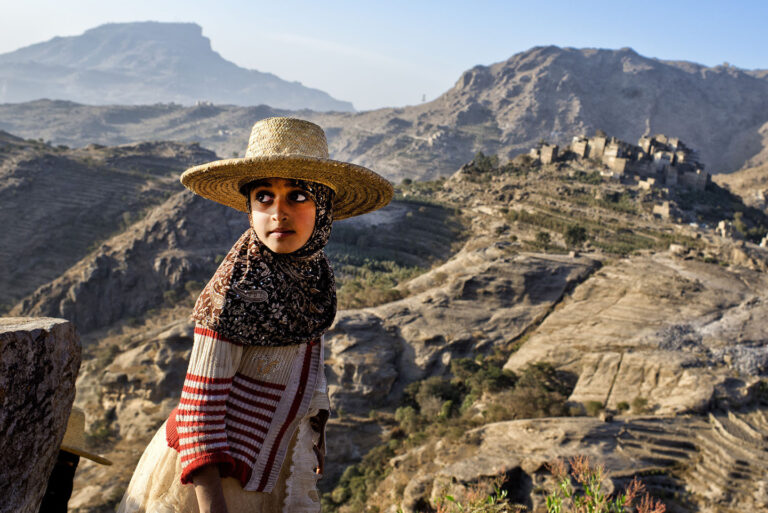
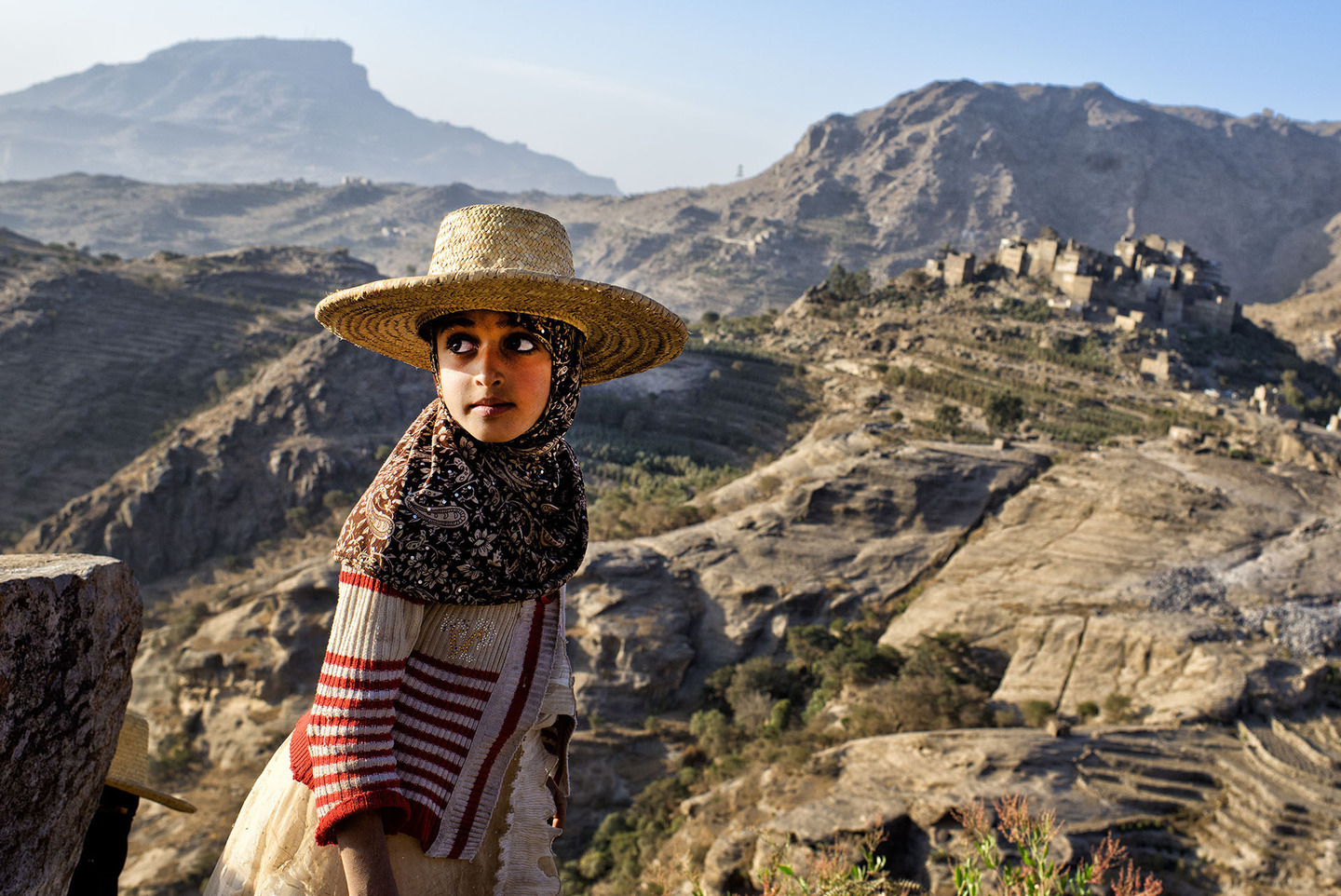
Yemen — Village in the Manakhah District of the Sana’a Governorate in the Haraz Mountains.
Some 41 countries continue to be in need of external assistance for food, with conflicts acting as the primary cause of high levels of food insecurity and adverse weather conditions – particularly rainfall shortages in Africa – acutely affecting food availability and access for millions of people, a quarterly report by the United Nations says.
The countries on the list, which include 31 in Africa, remained unchanged over the last six months, according to the Crop Prospects and Food Situation report issued today by the Food and Agriculture Organization.
The 41 countries currently in need of external food assistance are: Afghanistan, Bangladesh, Burkina Faso, Burundi, Cabo Verde, Cameroon, Central African Republic, Chad, Congo, Democratic People’s Republic of Korea, Democratic Republic of Congo, Djibouti, Eritrea, Eswatini, Ethiopia, Guinea, Haiti, Iraq, Kenya, Lesotho, Liberia, Libya, Madagascar, Malawi, Mali, Mauritania, Mozambique, Myanmar, Niger, Nigeria, Pakistan, Senegal, Sierra Leone, Somalia, South Sudan, Sudan, Syrian Arab Republic, Uganda, Venezuela, Yemen and Zimbabwe.
Meanwhile, cereal harvests promise to be strong in several countries of Latin America and Asia, while improved security conditions helped boost crop production in the Syrian Arab Republic.
While we love the UN, its siloed thinking makes progress to change at a snail’s pace. Read more about it here.
Conflicts drive hunger
About half of the 41 countries needing external assistance for food are home to civil unrest or full-fledged conflict, while others face severe resource strains due to large influxes of refugees from neighboring countries experiencing unrest.
In Afghanistan, 3.6 million people are reported to be in “emergency” (IPC Phase 4) levels of food insecurity, with another 10 million at “crisis” (IPC Phase 3) levels. In South Sudan, about 6.35 million people, or 54 percent of the total population, are estimated to be severely food insecure.
In Syria, while the increased output of the 2019 wheat harvest improved cereal availability in the country, still some 6.5 million people are food insecure with an additional 2.5 million people at risk of food insecurity without appropriate livelihood support.
Conflict and civil insecurity are also primary drivers of food insecurity in Burundi, Cameroon, Democratic Republic of Congo, Yemen and parts of Myanmar and Nigeria.
In Venezuela, hyperinflation has severely eroded local purchasing power, generating acute constraints on households’ access to food, while cereal production is expected to decline due to a lack of agricultural inputs. Some 4.3 million people have left the country and settled in neighboring countries, where their humanitarian needs are “significant”, the report says.
Scarcity of rains
Poor precipitation, including severe dryness in East Africa, is exacerbating the food insecurity situation in several countries in the region.
Overall cereal output in East Africa in 2019 is forecast to drop by 5.6 percent from 2018, with the sharpest output contractions expected to be recorded in Kenya and the Sudan. Prices of maize and sorghum have risen sharply to high levels around the region. Food security has deteriorated most sharply in Kenya and Somalia.
To the west, hydro-meteorological stations in Mauritania registered large seasonal rainfall deficits by mid-August and remote-sensing analysis for grassland conditions in parts of the country indicated the lowest level of biomass production in the last 20 years. Similar situation is reported in northern Senegal.
Adverse weather conditions halved the 2019 cereal harvest in Zimbabwe, where the number of food insecure people is expected to almost double in early 2020 compared to the same period the year before. Similar developments are expected in several neighboring countries.
Crop production in the Democratic People’s Republic of Korea is forecast to be smaller than usual, due to below-average rains and low water irrigation availabilities in the second trimester of 2019. Around 40 percent of the population are estimated to be food insecure and in urgent need of food assistance according to the results from a joint FAO/WFP rapid food security assessment conducted last April.
All told, FAO expects the 2019 aggregate cereal production for the 51 Low-Income Food-Deficit Countries (LIFDCs) to remain broadly unchanged at 473.5 million tonnes, a result emanating from growth in Asia offset by declines in Africa.
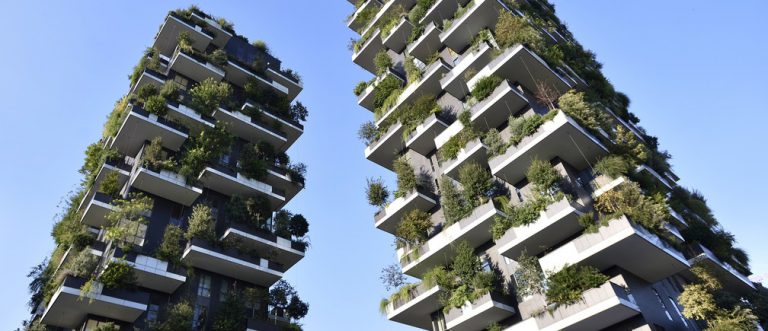
Vertical forests and gardens on buildings is one way to cut your carbon footprint.
Thanks to experts, more and more people are now being made aware of the importance of protecting the environment. However, a lot of us are still not aware that some of the things that we do every single day have negative effects on the environment in one way or another.
If you’re really serious about doing your part in saving our world, it’s important that you educate yourself about those things that you regularly do that may be harming the environment.
By knowing these things, you’ll be able to somehow help reduce the footprint you’ll leave on Earth.
Throwing Away Used Pet Litter
Instead of throwing away the waste and soiled bedding of your pet gerbils or hamsters, why don’t you consider composting them? Simply pile them in a compost bin and add some brown materials, such as dried leaves and wood shavings. Take note that not all pet beddings can be composted. This is only applicable to pets that don’t eat meat.
Using Plastic Bags
Make it a habit to carry reusable bags each time you live your home, even if you don’t intend to buy anything. Some stores would impose a fee to customers who want to use a plastic bag in an effort to discourage customers from using plastic. Yet the cost is very cheap so others would still end up paying, which defeats the purpose.
Shopping Online
Online shopping is all the rage these days, which is why websites like Famoid have become very popular since they help online sellers attract more customers into their business. However, with more and more people choosing to shop online and have stuff delivered in their doorstep these days, it’s been found that the emissions from those trucks that deliver packages have serious effects on the environment in the form of pollutant emissions. So, keep this in mind the next time you’re tempted to shop online.
Using Facial Wash
You may not be aware of this but some of the ingredients used in your facial cleansers have a negative impact on the environment. For instance, those tiny beads called the microbeads have been banned in a few countries years ago due to the danger that they bring to the environment. It’s been found that about 19 tons of these microbeads get into the water system each year. These can have damaging effects on marine life and the environment.
Using Plastic Straws
Sure, you may have minimized your use of plastic bags, but what about plastic straws? It’s sad that despite the harm that plastic stuff could cause in the environment, you can still find a lot of restaurants and cafes giving straws to their customers. According to reports, the United States alone is said to have thrown away more than 500 million straws each day. Just imagine how many straws people use all over the world in a day! If you cannot drink your favorite smoothie without a straw, consider using straws made from bamboo or get one of those reusable metal straws.
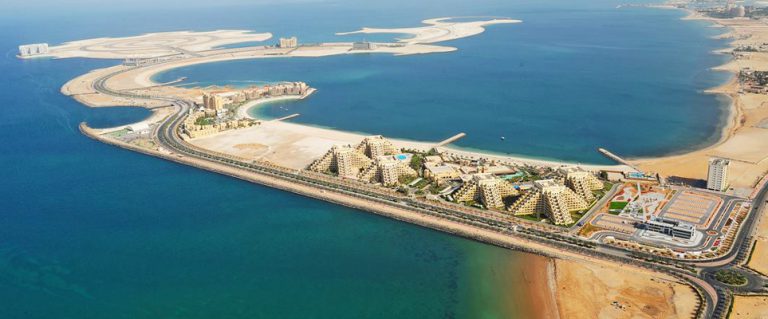
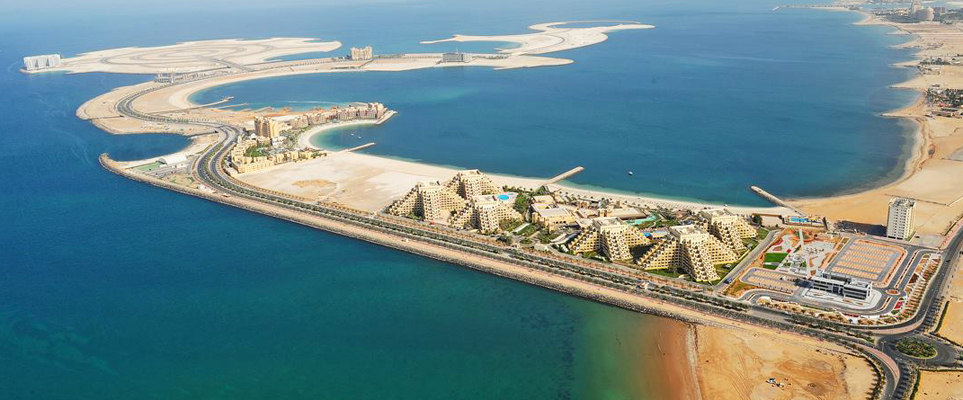
Ras Al Khaimah doesn’t have the global profile of Dubai or the economic heft of Abu Dhabi. But that doesn’t mean this low-key emirate isn’t an international leader.
Under the wise and steady leadership of His Highness, Sheikh Saud, ruler of RAK, the emirate has embarked upon an ambitious environmental program that’s quickly emerging as a model for other Middle Eastern nations.
This program has multiple dimensions, from implementing sustainable building practices throughout the municipality to setting aside large tracts of ecologically sensitive wetland for hundreds of marine species, some endemic to the region.
In this article, we examine four prongs of Sheikh Saud’s efforts to make RAK the most sustainable emirate in the UAE and transform his humble domain into a global leader in environmental stewardship for generations to come.
Protecting Wetlands in RAK and Across the UAE
Last year, The National reported that Sheikh Saud Bin Saqr Al Qasimi decreed the establishment of a three-kilometer-square wetland nature reserve in the Khor Mazahmi area of RAK.
The reserve is home to more than 500 unique marine species, some of which live only in this part of the Arabian Peninsula. Among the most notable of these is the critically endangered green turtle, a noble reptile that routinely makes the International Union for Conservation of Nature Red List of Threatened Species. The green turtle relies on the precious waterways and shorelines of RAK to reproduce and built its nests. A related species, the hawksbill turtle, nests on the reserve’s beaches in greater numbers, with 30 nests recorded in 2017.
Flamingos and other charismatic bird species also make their home in and around Khor Mazahmi, as do a number of less visible — but no less ecologically important — fish and amphibian species.
RAK’s move was timed to coincide with the 13th Meeting of the Conference of the Contracting Parties to the Ramsar Convention on Wetlands, hosted last year by the UAE. The newest reserve is now the UAE’s eighth recognized by the Ramsar Convention on Wetlands.
The First Green Building Rises in RAK
Back on solid land, His Highness Sheikh Saud and the government of RAK are shepherding the construction of the emirate’s first certified green building. According to a report in The Khaleej Times, the building is designed “to cut power consumption by 30 per cent, reduce water consumption by 20 per cent, and boost renewable energy use by 20 per cent.” It’s scheduled for completion soon, although no firm timetable has been given.
The first true green building in RAK is proof that sustainable development can be practical, too. The building will house a number of municipal functions, including sales transactions, customer contact, business meetings, and cafeteria service. Free WiFi and ATMs will be strategically located on-premises, and self-service kiosks will cater to customers that don’t need help from human staff members. Special consideration will be given to sound and light dampening with the aim of creating a building that’s pleasant for customers and workers alike.
Sustainable Tourism Comes to RAK
RAK has long been a popular destination for international tourists. Now, The Gulf News reports on a sustainable luxury camp that could draw a new crop of affluent, eco-conscious visitors to one of the emirate’s most beautiful places: the slopes of Jebel Jais, its highest mountain.
The camp would feature low water and energy use, dovetailing with RAK’s long-term plan to cut landfill waste by 75 percent through the end of 2021. And the views are to be second-to-none.
Camel Power for RAK’s Cement Industry
Last, but not least, the ingenious scientists at one RAK cement-making facility have settled on a new source of fuel for the essential but energy-intensive operation: camel dung.
At least 50 tonnes of camel waste per day flow into the furnaces at Gulf Cement Company and other producers. Because camels are fastidious consumers of carbon, using their dung instead of gas, oil, or coal could significantly reduce carbon emissions in an industry that’s presently one of the emirate’s leading sources of carbon pollution. And it’s sure to make some hungry camels very happy.
A Sustainable New Day for Ras Al Khaimah
There’s no disputing it: Due in great part to the wise leadership of His Highness Sheikh Saud Bin Saqr Al Qasimi, a sustainable new day has dawned in Ras Al Khaimah.
The projects described above are just the beginning of RAK’s push to become the most sustainable emirate in the UAE — and a model for sustainable development and tourism throughout the Middle East.
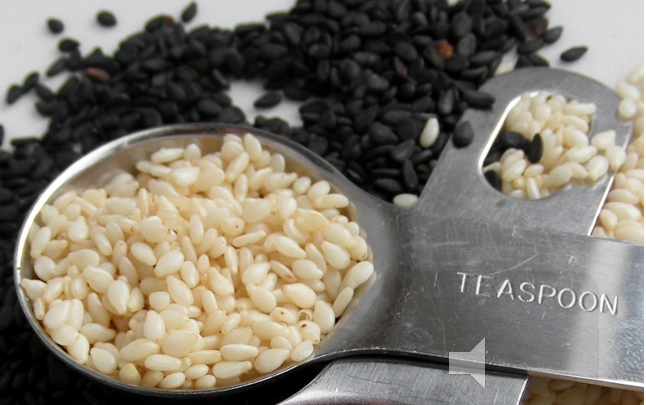
Climate change is a reality. New research shows that drought-tolerant crops like sesame (the main ingredient in tehini!) is an ideal alternative in regions that have relied on cotton or sorghum for this very same reason.
Texas has a long history of growing cotton. It’s a resilient crop, able to withstand big swings in temperature fairly well. However, growing cotton in the same fields year after year can be a bad idea. Nutrients can get depleted. Disease can lurk in the ground during the winter season, only to attack the following year. Thus, rotating cotton with other crops could be a better system.
Agronomists have been researching various alternative crops that will grow well in western Texas. This area is part of the Ogallala water aquifer, which has been hit extremely hard the past few decades by drought. Another crop, sorghum, grows well with low water availability, but the yield can be greatly affected by drought conditions.
Irish Lorraine B. Pabuayon, a researcher at Texas Tech University (TTU), is on the team looking at an alternative crop for west Texas: sesame.
Like cotton and sorghum, sesame is also a “low-input” crop. This means it does not need a great deal of water, something that vegetable crops, corn and wheat need regularly and in large quantities.
“When introducing new crops to a water-limited system, it is important for growers to justify the water requirements of the new crops,” says Pabuayon. “Properly determining the water requirements of the crops is important. Management decisions for wise use of limited water resources requires understanding a crop’s moisture requirements.”
Pabuayon and the TTU team found that even under conditions that lowered sorghum and cotton yields, sesame performed well. This could be good news for west Texas farmers.
“Our results showed that sesame yields were not significantly altered under water-deficit conditions,” says Pabuayon. “Sesame continued to have consistent yields, even when water-deficit conditions decreased sorghum’s yield by 25% and cotton’s yield by 40%.”
Having another crop that has good market value and can grow well during drought could benefit west Texas farmers. According to Pabuayon, sesame seeds are commonly used for food consumption and other culinary uses. The seeds are high in fat and are a good source of protein. Sesame is a major source of cooking oil. The remaining parts of sesame, after oil extraction, are good sources of livestock feed. Sesame has uses in the biodiesel industry, and even in cosmetics. This means there are multiple markets for the tiny seeds.
“Provided that the market price of sesame can support current yields, the results are favorable for low-input sesame production in west Texas,” says Pabuayon. “However, the relatively low yields of sesame (per acre, compared to cotton and sorghum) suggest opportunities for additional genetic advancement. Currently, sesame varieties available for Texas are well-suited as an alternative crop for water-limited crop production systems.
Saudi Arabia is poised to open the country to tourism. When it undertakes this historic step, you will be able to visit the country as a tourist. This should happen by the end of 2021. Right now, if you want to visit Saudi Arabia you can only do so as part of a religious pilgrimage. Sometimes the country will allow tourists if it is hosting a prestigious event such as Formula 1 motor racing.
The country itself is full of culture and history. There are some customs and rules you should be aware of and adhere to. Punishment is often severe in the country, but with a little common sense, you should be fine when visiting.
Saudi Arabia’s Current Travel Requirements
Currently, you can only enter Saudi Arabia on two types of visa. They are the Umrah and the Hajj which are both used for Islamic pilgrimages to Mecca. The Umrah is available at any time of year while the Hajj is available during the last month of the Islamic calendar. In western terms, this is August to September.
Even if you are going as a religious pilgrim you still need to check for VISA laws and requirements.
As there are restrictions on entering the country by gender, it is a good idea to check requirements for a Saudi Arabia visa and how to apply before departure. Make sure you apply for one in time for your trip.
Best Time to Go to Saudi Arabia
In terms of visiting the country, many prefer the winter months. The country is one of the hottest in the world with summer temperatures rising above 122°F. Even the locals tend to abandon cities and head for the mountains where coping with the heat is easier.
As such, many travel between October and March. In the winter, temperatures are more like western summers. It tends to rain, and even snow is not unknown. In the night, temperatures often fall below zero.
That said, if you plan to visit the Asir Mountains, then avoid coming during December to February as they are impregnable due to thick fog.
A beach in Saudi Arabia. In a country with no real beach culture, you can practically be here alone.
Vaccinations
Currently, Saudi Arabia demands that you are up to date on the following vaccinations before traveling to the country:
Yellow Fever– If you are from a country at risk from Yellow Fever then you will need to show a valid Yellow Fever certificate before to be let into the country.
Meningitis– You must be able to show you had a vaccine shot or booster within three years. This is a requirement for all countries.
Poliomyelitis– If you are from certain countries, namely Afghanistan, Chad, Nigeria and Pakistan, you must have had a recent OPV. This will be implemented for travelers from any country that has reported an outbreak of polio in the last 12 months.
Saudi Arabia recommends that all travelers should have the seasonal influenza vaccine.
Clothing
When in Saudi Arabia, you should dress conservatively. Ensure your chest, arms, and legs are covered when out and about. This is true for both men and women. That said as the country adopts more liberal attitudes, you should be able to get away with shorts if you’re a man. You should also rule out going native and wearing traditional Saudi dress as this is considered cultural misappropriation. There is an exception here, however, as women are expected to wear an Abaya when in public.
Women
As of 2019 the country has relaxed some of its stricter cultural laws. You can, for example, visit a restaurant or café with a friend who is of the opposite sex that you are not married to. This wasn’t always the case. Furthermore, foreign women can travel independently and no longer need to be escorted like they used to. That’s not to say it wouldn’t be a challenge, but it can be done. As of 2018, women are allowed to drive in Saudi Arabia.
Other rules to be aware of is that there are some places which ban certain genders or the establishment has areas for men and women only. Some establishments are either all men or all women.
Blasphemy
Blasphemy is considered a serious crime in Saudi Arabia. If you are an atheist or an agnostic, it is best to keep this to yourself. The best policy is to say you are a member of another religion should the subject come up.
You may find that outside of the big cities, you cannot be in shops or restaurants during prayer time, and you may get kicked out.
Other rules to be aware of are:
No drink or drugs. These are banned and if you are found with either is serious. This can incur horrible sentencing.
No public displays of affection. This extends to things such as holding hands and things most westerners would consider innocent.
Saudi Arabia is an amazing country, and when it opens to doors to tourism, much of the country will be open to you. The country offers a mysterious charm and adventure and one which you should savor as soon as you can.
Gadgets for the home are a saturated market at the moment with a number of companies producing the next best gadget. But what about gadgets to help your household develop an eco-friendlier lifestyle? With a number of eco-friendly gadgets costing a small fortune, it may seem tempting to apply for quick payday loans online to cover the costs. However, these should be used for financial emergency only, meaning that alternative finance will be needed to cover the cost of any gadget you choose to buy. Though some of these gadgets can be expensive, we have compiled a list of affordable gadgets under £50 that will help you to reduce your carbon footprint over time.
Smart Thermostat
With brands such as Hive, Honeywell and Google all providing smart thermostats for your home, you can help to reduce the cost of your energy bills and help to keep your house at a regular temperature. This can be programmed from your phone allowing you to turn the heating on and off before you even get home. This will help to reduce the cost of your energy bill month on month without spending a small fortune making it the perfect option for your home.
Solar Phone Charger
If you spend a lot of time on your phone there can be a lot of energy used up when charging it so why not reduce your carbon footprint by opting for a solar-powered phone charger. This mighty gadget is available from a number of different brands giving you a larger amount of power without breaking the bank. This is perfect for use in the garden or even taking away on a camping trip as it gives you the ability to charge your phone without relying on electricity, thus helping to reduce your carbon footprint.
H20 Powered Alarm Clock
A traditional alarm clock can also be a drain on your electricity bill and sometimes the alarm function on your phone is too unreliable, so why not opt for water powered alarm clock. This handy little gadget is powered by water and can be purchased from a number of different retailers for under £20. This completely removes the reliance on electric power allowing you to wake up knowing you are creating a greener home. Whether you are looking for one in the shape of a can or you are looking for something a little smaller, there are a number of options on the market for you to choose from.
Shower Timer
The final gadget that may be worth investing in is a shower timer. Whether it is an electric timer or a timer on the wall of your shower, this will help you to limit the water consumption of your home and maintain an affordable water bill. This will help you in the long term, particularly if you have a water meter as you are then ensuring that you are not charged extra as a result. There are a number of these handy gadgets on the market from retailers such as Amazon and eBay allowing you to gift it to someone you love or buy one for yourself.
With this in mind, there are a number of gadgets for you to choose from that will help your household to reduce its carbon footprint and save money on your monthly bills with just a few simple changes. Which of these will you be purchasing first?
The ancient olive tree. Ninety-five percent of all olive oil comes from the Mediterranean.
Is there any fruit more evocative of the Mediterranean than an olive?
We don’t know exactly where the first wild olive trees grew (though we know you can grow an olive tree in your living room), although it’s speculated that they first appeared in Syria, Lebanon, or possibly Jordan. It’s known that people began cultivating the olive tree about 7000 years ago. Olive pits have been discovered found in ancient tombs around the Levant, as well as fossilized olive wood fragments.
The desire to exploit the noble olive spread westward, such that from the Middle East, cultivation spread to Spain, Portugal, Italy, France and sub-Saharan Africa. And now we find Kurdish roots for the olive tree as well. Fossil evidence shows that olive trees grew in what’s now Italy and the eastern Mediterranean Basin 20 to 40 million years ago. Although the olive is now grown in California, Argentina, and other regions with the correct conditions of mild, rainy winters and hot summers, 95% of the world’s olives still come from the Mediterranean – though some of it is fake, watch out.
Ancient people soon learned to press oil out of the olive and use it for lighting. It took some good millennia to understand that the bitter olive could be tamed and made edible by leaching out its natural harshness, and fermenting it in salt.
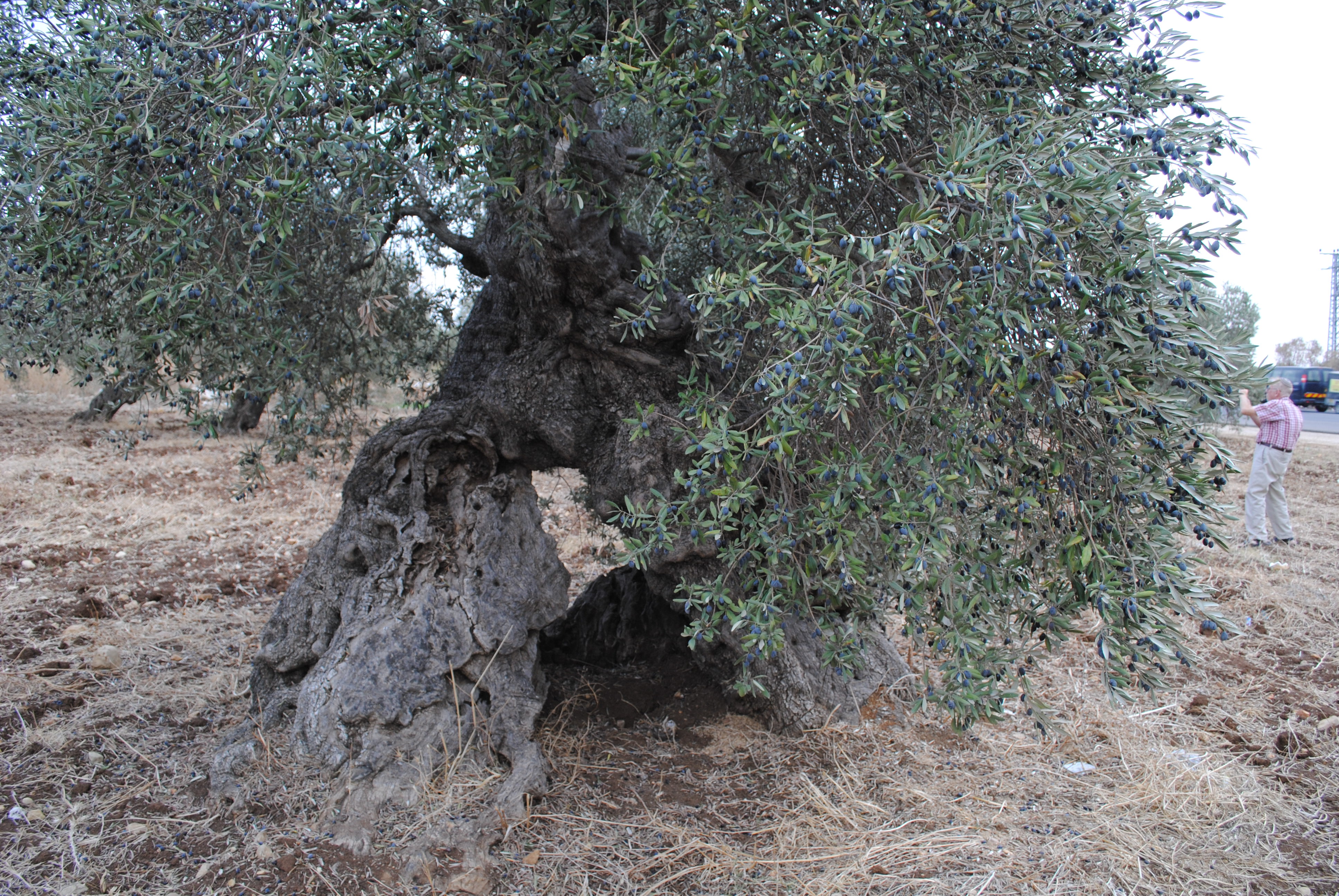
Dreamy, ancient olive trees.
There are pleasant legends about how this was discovered. One story relates that a Greek (or Italian, or Lebanese) fisherman stowed a bag of olives in his boat and forgot about them as he went about his daily business, letting sea water slosh in and out of the bag for weeks. When he finally decided to open the bag and inspect the contents, the delicious smell of ready-to-eat olives tempted him to eat… and that’s how humans learned what a delicacy we’d been missing. Who knows, eh? It’s a nice thing to think of.
Olive oil has long been considered sacred. The purity of olive oil, and the clear, soft light it casts, and its inoffensive odor when burned, has made it a natural choice for religious rituals since ancient times, and indeed until today.
In Judaism olive oil was infused with aromatic herbs according to a specific formula, and used to anoint the High Priest at the Temple in Jerusalem, prophets, and some kings. The “eternal light” in the Temple was naturally fueled by olive oil. Plain olive oil is still preferred for lighting Hannukah and Shabbat candles in Jewish homes. The olive is one of Israel’s “Seven Species,” fruits and grains native to the region and which have Biblical connection.
The custom of anointing a monarch at coronation was preserved by the Church and is used till this day.
Ancient Greeks also anointed kings with olive oil. The lamps that illuminated ancient shrines burned olive oil. Olive twigs were twined into wreaths crowning winners in athletic games, victorious warriors returning home, and distinguished citizens of any stripe.
Before the craft of making soap became known, olive oil was used in personal hygiene. The Greeks would smear themselves with it and scrape it off with a curved instrument called the strigil, thus carrying off dirt and sweat. Whoever could afford to then went off to the public baths and steamed themselves.
The silvery-green olive leaf is still a symbol of abundance, hope, and peace. Remember the Biblical story of Noah’s dove returning from land with an olive twig in its beak? The sign that the Flood had abated must have been a huge relief to Noah’s family – and the animals living close to each other in the dark lower levels of the Ark (to view a modern reproduction of Noah’s Ark, click here). Today, the phrase “offering an olive branch” indicates reconciliation and the hand of friendship.
In Islam, olive oil is eaten as a pleasing obedience to the Prophet Muhammad’s injunction to “Eat the oil of the olive, for it is a blessed fruit.” The Prophet also said, “Every kind of olive oil is for you; anoint yourself with it.” Legend says that the Prophet was so devoted to the oil that his very shawl was soaked in it.
Olive trees can live for centuries; even millennia. Those ancient trees’ trunks split over the centuries, but still produce a harvest of fruit every year. Some of them are known in France, Italy and Lebanon.
I have seen enormous ancient olive trees in the north of Israel as well. It’s awesome – in the original sense of the word – to contemplate those very old trees and think of the original farmers who put the saplings in the soil 2000 years ago or more. They may have hoped that their descendants would continue caring for the trees and harvesting the fruit, but could they have imagined that unknown people would cultivate their orchards countless years later?
The Druze communities in Israel and Syria (watch me make freekeh with the Druze) also hold the olive and its oil as quasi-sacred. A Druze woman told me this story about the olive and King Solomon:
Solomon was known to speak the language of every living creature, even the trees. When he died, all the trees shed their leaves in mourning, except for one – the olive.
“See how we show our grief to the world,” the trees said to the olive in reproach. “Do you too shed your leaves, to honor the memory of Solomon.”
“I keep my grief for Solomon’s passing in my heart, and have no need to show it,” the olive replied. “I will live longer than you, and even longer than Solomon himself, and in his honor I will bear good fruit as long as I live.”
We’re always looking for something new and creative to do with our homes. But eventually, you get tired of just rearranging the furniture and are at a loss as to what else to try. You’re in luck, because finding cool new stuff to do with your home is surprisingly easy, and a lot of fun to boot.
Some folks may not have the utmost confidence in their DIY skills or creativity. However, there are super simple changes you can make that don’t require a background as a contractor or an interior decorator. And, they will leave your home looking great nonetheless.
Let’s look at four of the coolest projects, adjustments, and other setup changes you can make to your home.
Turn your bedroom walls into alcoves or wall niches
If your home has drywall like in most modern homes (as opposed to the hard plaster walls from years gone by), then they have plenty of hollow space you can use for a nook or wall niche. It won’t be deep enough for full-on closet space. However, if you use a stud finder to locate the wooden beams in the wall, you can open the wall up and install shallow shelves for small items like your alarm clock, cell phone, wallet, or even a bedtime book.
Get smaller-scale furniture for your living room
Living rooms have gotten progressively bigger in houses built from the 1960s onward. Older homes tend to have much more modestly-sized living rooms. And as such, you can get the most out of the space by forgoing the huge, corner-hugging couch and wall-spanning entertainment center. Instead, get more reasonably-sized loveseats and chairs. You’ll be amazed at how much bigger the room looks just making that one change.
Ditch the dining room cabinets and go with shelving instead
Nobody will argue that the classic china closet looks great and adds a touch of class to any dining room. But, the downside is that they’re also usually huge and wildly space-inefficient. Another option you might try is floating shelves. They can be placed and sized to fit efficiently into just about any dining room. Since they’re designed to your specifications, floating shelves are one of the most flexible options available to you.
Put an adjustable standing desk in your home office
Although business professionals have been doing it for many years, a greater focus has recently been put on the fact that sitting all day is not healthy. Some experts say the effects of sitting at a desk all day are comparable to the effects of smoking. You can avoid the health risks by getting an adjustable desk. This will allow you to switch between sitting and standing positions at will, and keep your metabolism at a healthy rate while keeping your blood pressure down.
Keep the above ideas in mind when you’re shopping through the many news tiny homes for sale and imagine the possibilities of what you can do when you find the right home for you!