The Energy and Mines World Congress shows that 2019 will be considered the tipping point for solar and wind projects in the mining sector
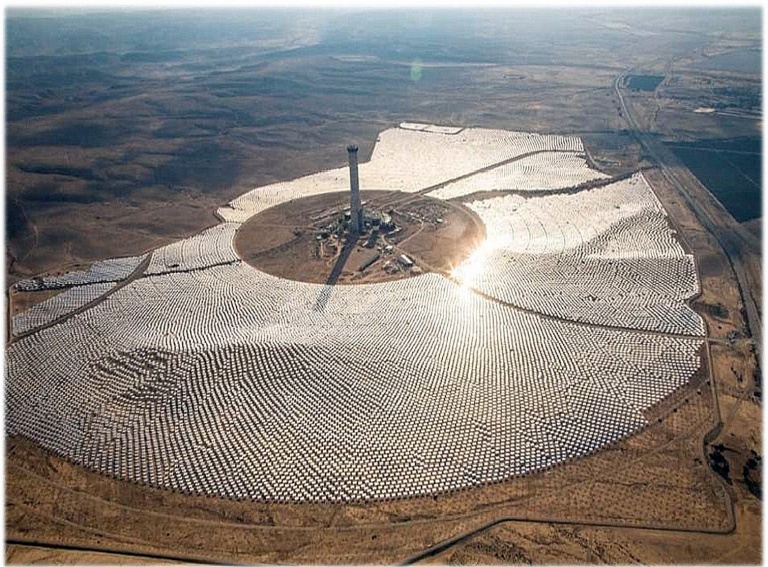
The Energy and Mines World Congress that took place in Toronto provided great insights into the recent developments of onsite renewable energy applications at remote mines. Getting power lines to remote locations is hard, very hard. Trucking in fuel for polluting generators is the only other solution. Now the industry is understanding that renewable energy makes sense and cents.
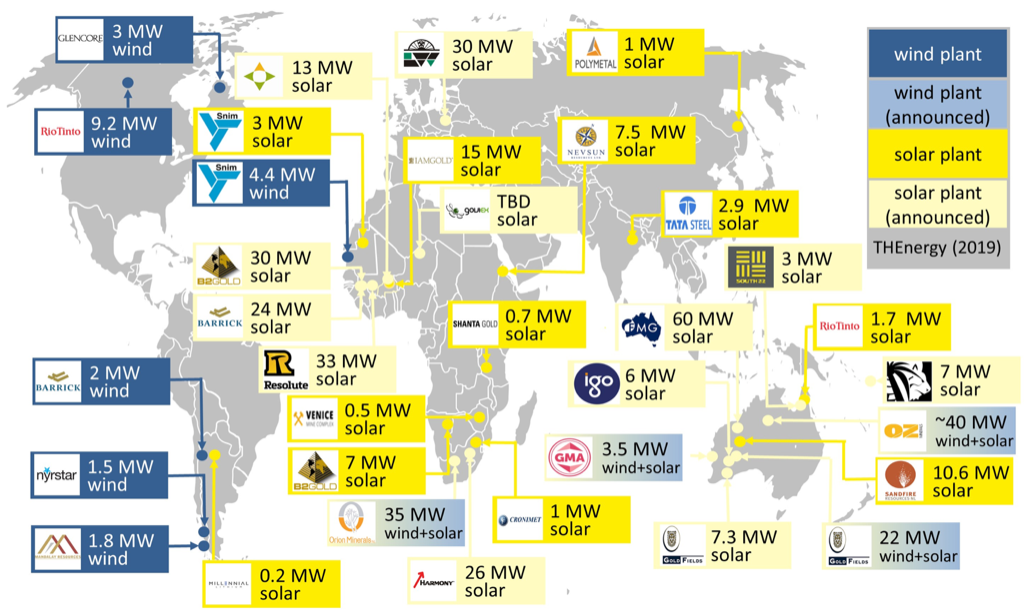
This year 2019 is the tipping point. The business case for partly substituting expensive fuel like diesel, heavy fuel oil (HFO) or gas by solar and wind had been positive on paper for years. However, actual projects have evolved slowly. In 2019, almost a dozen new projects have been officially announced and at the same time many more projects are under development and on the verge of being announced.
Enstorage can hold a charge in remote locations once the power is in
Nick Holland, CEO of Gold Fields, a mining company that is a pioneer in integrating renewables, pointed out that costs savings are possible, and a cost-efficient decentralization of power generation enabled by renewables comes with further advantages: “Renewables make for great business – lower cost and supply security. Independence from the grid is critical – microgrids are the future!” he said.
Sustainability goes well beyond renewables
Mining companies see the need to decarbonize and pursue initiatives that go well beyond renewables, such as electrification of mining vehicles. These initiatives will further increase the electricity demand in mining and in the long run the need for locally generated renewable energy.
Trust in renewables has been building up over the years
Miners are gaining trust in renewable energy solutions. The fear of production losses has been decreasing over the past years with every new renewable energy system that has been added to a mine globally. Before, the general attitude was characterized by “wait and see”, but the mode has been changing in 2019 to “let’s act now”.
The individual decision makers today run a relatively low perceived risk by driving forward renewable energy projects. The solutions that are being built now are often more sophisticated than they were before, and they incorporate a higher share of renewables that is also enabled by storage solutions. Read more here about types of solar panels.
Australia and Africa are leading the way
The epicenters of these developments are Australia and Sub-Saharan Africa, two regions having substantial areas with insufficient public grids and typically excellent solar resources.
At the same time, renewable energy development also has a local driver. Though the mining sector is rather global, the word-of-mouth and political pressure on mining players to add renewables unleashes additional speed on a local level.
Shorter power purchase agreements (PPAs)
In comparison to the physical lifetime of solar and wind assets, the lifetime of mines or the mining licenses are often rather short. In addition, miners are used to relatively short-term energy supply for diesel, HFO (or heavy fuel oil) and gas.
Long-term purchase agreements for renewable energy often require a change of thinking and have slowed down the development of many projects in the past. More and more companies have come up with redeployable solar solutions that allow for offering short-term PPAs. On the hardware-side, the costs of redeployable solar solutions have come down significantly, but at the same time this approach is a bet on future growth of this segment. Redeployability also means that new target projects need to be available within a reasonable time period in the future. If not, the solar assets would have to be stored in warehouses until new deployment, which can prove to be costly.
Combining different renewable energy sources and energy storage
Several newly announced projects combine solar and wind power. One of the biggest disadvantages of solar and wind solutions is that they generate unsteady energy. Solar and wind output are often negatively correlated, which means that when solar irradiation is high wind speeds are typically low, and vice versa. This phenomenon allows for increasing the renewable energy share in the system while minimizing the need for storage.
In his presentation at the Energy and Mines World Congress, Thomas Hillig, Managing Director of the consulting firm THEnergy, said that for mining companies it makes sense to consider all sustainability levers and that also hydro could experience a real renaissance:
“In a research project that is supported by the German government with approximately USD 1 million, THEnergy is analyzing in collaboration with two universities, RWTH Aachen and TU München, the potential of hydro-electric solutions in the mining sector. We are still looking for mines in Peru to participate – free of any charge.”
Nature-worshipping pagans touched every monotheistic religion in the birth places of Christianity and Judaism, and then the spread of Islam through the near Middle East. Some historical accounts by the who and the how.
The transition between paganism and three major monotheistic religions in the southern Levant is one of themes that intrigues Professor Robert Schick from the University of Mainz in Germany. Pagans were very connected to the cycles of the earth, and like all ancient people reckoned with nature to understand why they exist and how to survive.
An American historian and archaeologist, Schick has worked in Jordan since 1980 and has participated in various scholarly projects. His major focus is the Byzantine and Islamic periods, which includes research at sites on both the East and the West Bank.
The closer look should be taken at religious affiliation of the population in southern Jordan, namely from Wadi Mujib to Aqaba (ancient Ayla) in the Byzantine and Islamic periods after the end of the Nabataen (they pushed back the desert with water know how) and Roman age when pagans switched to Christianity in 4th Century AD.
The discovery of masks and more cultic vessels has bolstered confidence that ritual activity was taking place 3,200 years ago at Libnah, a Canaanite city that would become Judahite in the biblical era.
“By the mid 5th century AD the pagan population disappeared and after the Muslim conquest in the mid-7th Century AD we have a growth of Muslim community and shrinking of the Christian population, and, consequently, in the 10th century AD Muslims already became the majority,” explained Professor Schick at a lecture in Amman in December, 2019. The lecture “Religious Change in Southern Jordan” held at the American Center of Oriental Research in Amman allowed the scholar to share his research from the eastern part of the Byzantine province of the Palaestina Tertia, which included the Sinai Peninsula on the west and southern Jordan on the east.
Professor Robert Schick from the University of Mainz in Germany addressing a crowd in Amman. Photo courtesy of ACOR
The last major pagan temple built by the Roman empire was located in the city of Raba, he explained, and it was erected between 284 and 305 AD, during the reign of Diocletian and Maximian, the so-called Tetrarchy, while the first mention of the Christian community in southern Jordan is recorded during the final persecution of them between 303 and 311. This is when Roman authorities sent local Christians to copper mines in Faynan where many perished due to very harsh working conditions. (See Timna copper mines).
There are also accounts of Christian persecutions in Petra and ancient Zoara modern day Ghor Safi], Schick noted.
The interior of the Byzantine Petra Church built around 450 AD. Photo courtesy of Saeb Rawashdeh, July, 2019
In the meantime, the first bishop was attested in Ayla in 325 AD, and it marks the start of a Church hierarchy, the scholar elaborated.
Earthquakes and epidemics of plagues were the turning points for many civilizations of the ancient world and the same can be said for the catastrophic earthquake of 363 AD that hardly hit southern Jordan.
Many pagan temples were destroyed and left in the ruinous state until in the 6th century AD when the Christians inserted churches into some of already destroyed pagan temples.
“That was a period when paganism began to fade away and Christianity became the state religion so the pagans were persecuted by the empire,” the scholar said, adding that pagans of Petra did not rebuild these temples and after the earthquake no public manifestations of paganism was recorded in the city.
The destruction done by Mar Sauma
The minority of pagans lived in the area in early 5th century AD when a famous monk Mar Sauma appeared on the horizon.
Sauma travelled through the eastern Mediterranean with the band of monks who destroyed pagan temples and synagogues in Jordan and Palestine (modern day Israel). When they arrived to Petra the population wisely did not allow them to enter the city in order to avoid the trouble.
According to the hagiographic tradition Sauma prayed to God when he and his disciples saw closed city gates and the storm broke out destroying a part of the city wall. After Petra pagans saw the outcome of his prayers they massively converted to Christianity, including pagan priests.
Of course, these are events that can’t be scientifically verified and belong to every religious narrative, however, by the end of 5th century AD everyone in Petra is Christian and the churches are excessively built in 6th century, Schick said.
Drawings and inscriptions from Wadi Rum dating from 4th to 6th centuries have no Christian symbols, except the one out of thousands of them with the cross and Jesus written in Hismaic, Schick stressed.
“It occurs to me that the reason is that nomads continued to be pagans,” he underlined.
After the Muslim conquests, the pagan nomads are directly converted to Islam in the 7th century and later, Schick said, adding that in 634-636 Udruh and Ayla were the earliest Muslim settlements in southern Jordan.
Humayma (280 km south of Amman) is important as Abassid family lived there and from that site, which was previously occupied by the Nabataeans and had a huge Roman fortress, Abbasides plotted to overthrow the Ummayad dynasty in 749/50.
“Also the first two Abassis khalifs were born there,” Schick underlined.
“There were five Christian churches but they didn’t survive as temples, instead they were turned into houses for servants, which indicated that Christians did not live in that area anymore,” Schick emphasised.
On the other hand, the monastery near Lot’s cave (ancient Zoara, modern Ghor Safi) functioned until the beginning of the 9th century as a Christian shrine before it was abandoned, the scholar explained, while the tomb of Aaron is another site in Petra and this pilgrimage monastery was in use in 9th century” but not rebuilt.
“The 9th century is the end of Christian thriving in southern Jordan,” Schick noted, adding that Crusaders met local Orthodox Christians in Petra, Karak and Shobak.
During Mamluk period Christian communities in Karak and Shobak existed and prosper as merchants, Schick said, concluding that Ottoman census from first decades of their rule confirms the number of households.
In Karak Christians remained majority in the early Ottoman period, while in Shobak they already became minority, Schick underscored.
Yo homies, where is the best falafel? I am coming to Israel (Elon Musk, Tesla). Israel is recruiting a company manager and team, in Tel Aviv.
Rumors in Israel happen faster than the Internet. I was at my kid’s play last night at school and after it we were talking about what’s the best car to crash in. Unlike in Mediterranean climates like Sicily where people drive small cars for the small narrow lanes in the villages, so many people, seems like half of the nation, are driving SUVs.
When you have kids you get to talk about what’s the best car to crash in. And should it be electric or gas? And if we are talking about crashing, heaven forbid, are electric vehicles more expensive to insure? ←- offers some good take homes. At least when it comes to Canada.
We have a large, not fuel efficient VW Touareg and we don’t live in Canada. It’s an old car, drives like a tank, drinks gas while parked and is the opposite of what you would expect from a treehugger like me. The truth is I do ride my bike most of the time between here and there throughout the day. But my kids go to a Waldorf Anthroposophic school in Tel Aviv and well there is no choice to drive sometimes when I need to meet them out of school hours (normally they take the bus).
So if you want to crash in the city, I tell my friend Shai, you should crash in an SUV in Tel Aviv because well everyone else has an SUV, like we do. But I think our car might be the best to withstand a crash. I am not the only crazy one to talk about stuff like this. Read around the net and a lot of people care about it. Because if everyone has an SUV and you are driving a 2 person electric car, you will care what happens to you.
But Shai enlightened me on a couple of issues. One is that that newer cars actually crash better than my 12 year old VW tank because they are made to fold up on impact, resulting in a write-off. Write-off yes, but lives saves too. While the old cars don’t fold up so your bodies rather than the car take the impact. Something to think about. (The Volvo XC60 is the best according to crash test results).
Cars in Israel for prospective buyers of the new Tesla, you should know, come with a hefty import tax of 100% so expect it to be much more than a pretty penny when you try to buy one. I don’t know about payment options and how that will work. Israeli law used to have a tax break for people who buy electric and hybrid cars. The cost of electricity is still double here than in places like Europe but less than gas. Let’s hope the government keeps the tax breaks on. And yup, an easy Google search show Shai was right. Tesla is recruiting.
The Romans loved them some stinky fish sauce. Vats and vats of it. With wine.
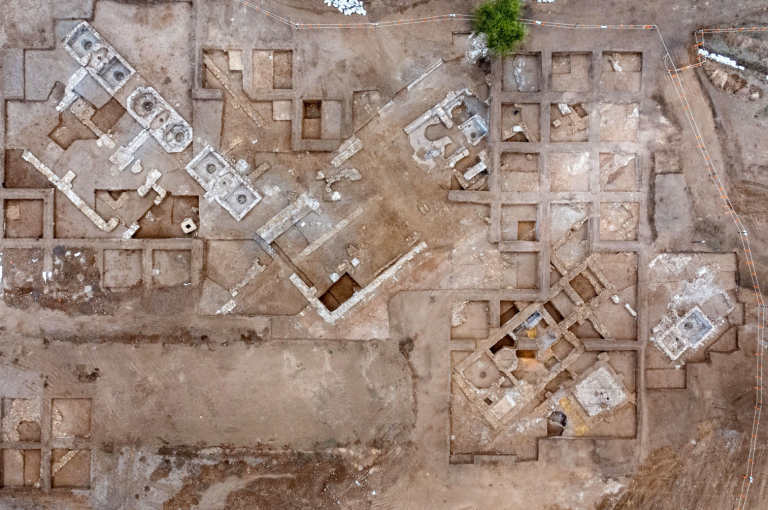
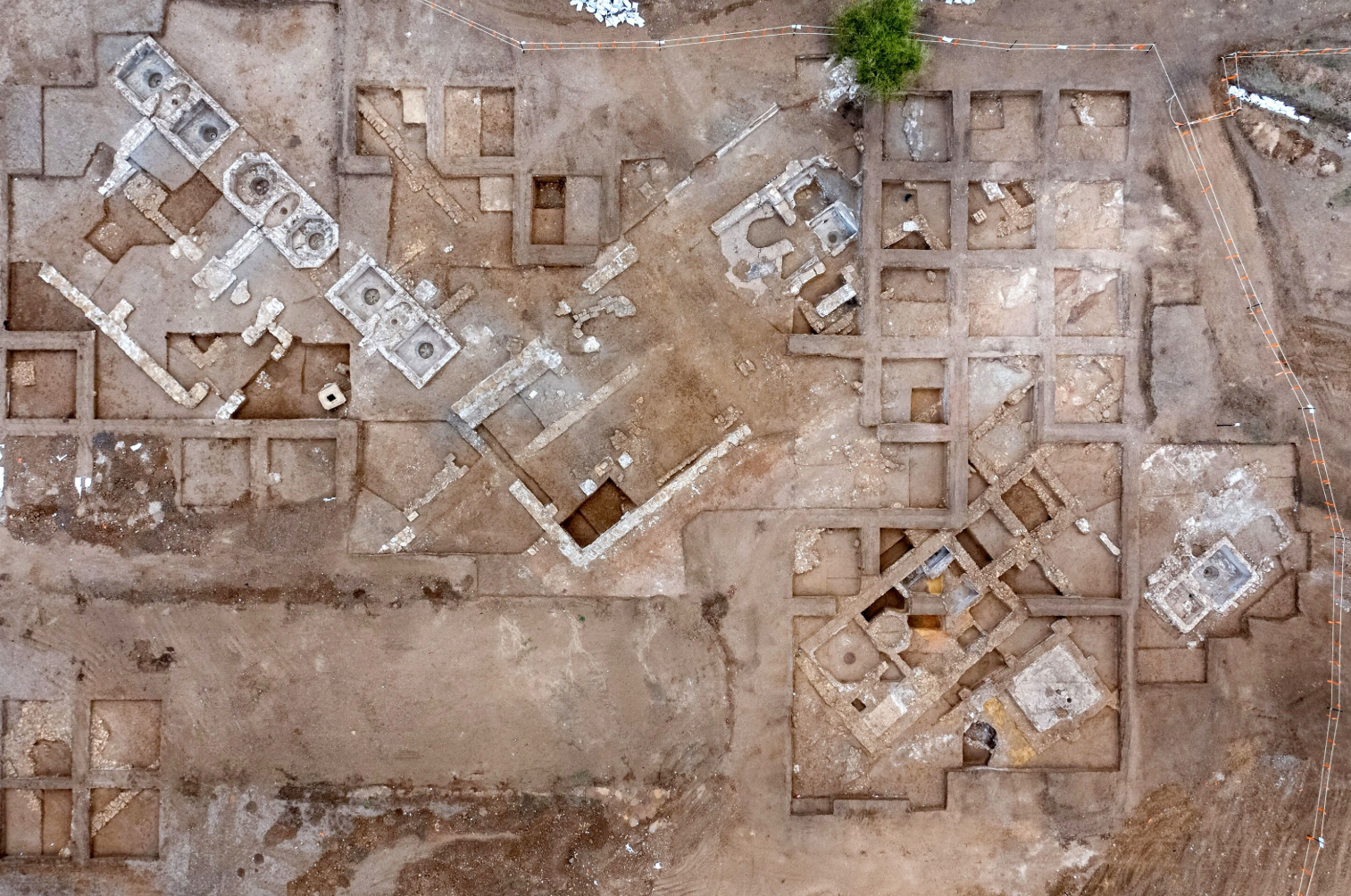
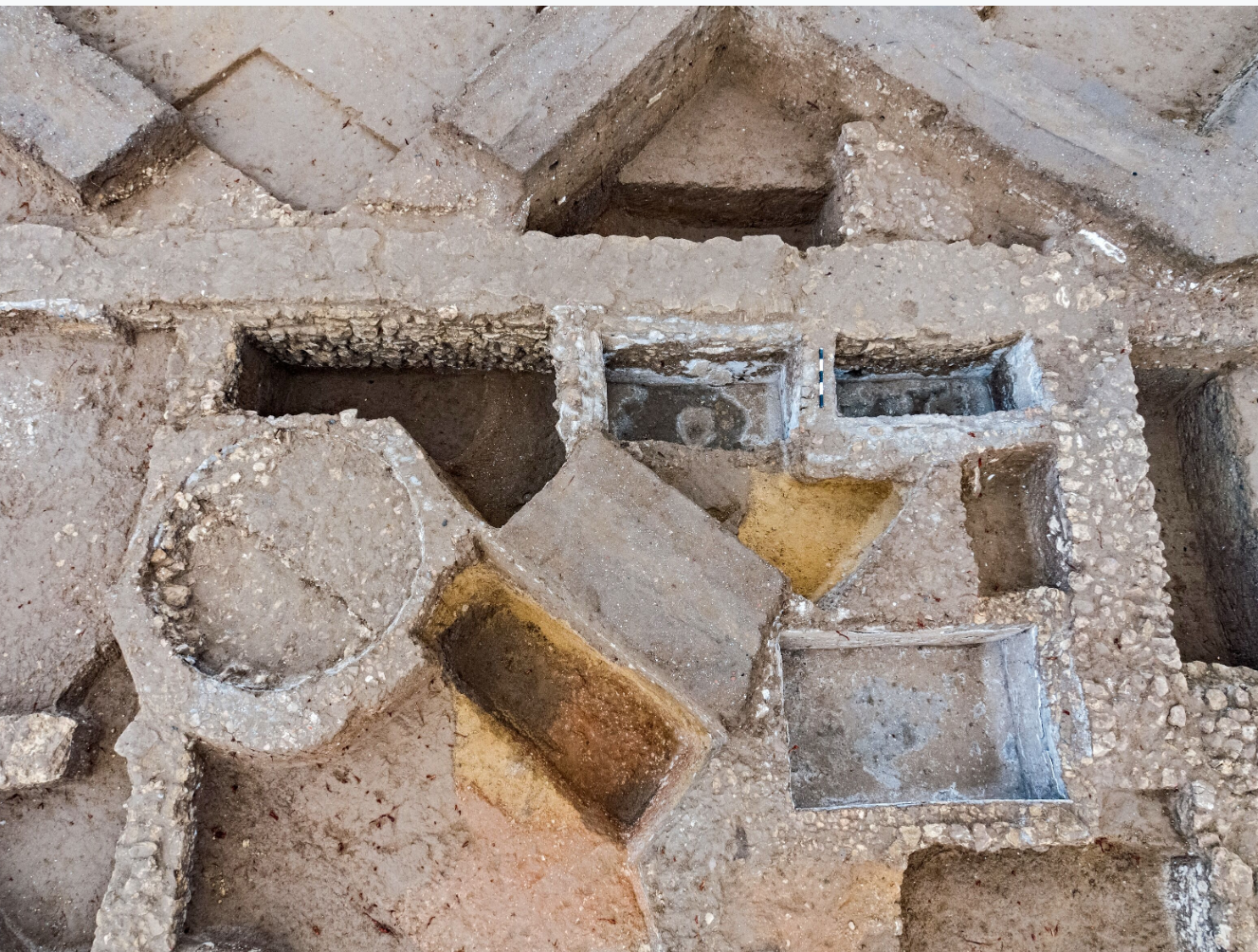
Vats used to produce fish sauce (garum) that are among the few known in the Eastern Mediterranean, were recently uncovered by the Israel Antiquities Authority in Ashkelon. The excavation was done before building and Eco-Sport Park, has revealed evidence of 2000-year old Roman and Byzantine culinary preferences.
According to Dr. Tali Erickson-Gini from the Israel Antiquities Authority, “Long before pasta and pizza, the ancient Roman diet was based largely on fish sauce. Historical sources refer to the production of special fish sauce, that was used as a basic condiment for food in the Roman and Byzantine eras throughout the Mediterranean basin. They report that the accompanying strong odors during its production required its being distanced from urban areas and this was found to be the case since the installations were discovered approximately 1.5 miles from ancient Ashkelon,” she says
Aha! Not only the Jews of the time loved stinky fish sauce. The Romans did too.
“This is a rare find in our region and very few installations of this kind have been found in the Eastern Mediterranean. Ancient sources even refer to the production of Jewish garum. The discovery of this kind of installation in Ashkelon evinces that the Roman tastes that spread throughout the empire were not confined to dress but also included dietary habits.”
The Roman site was eventually abandoned but the conditions that favored viticulture remained and in the Byzantine period in the 5th c. CE a monastic community began to thrive there, making a living from wine production: three winepresses were built next to an elaborately decorated church. Little of the church has survived but architectural fragments found at the site show that it was decorated with impressive marble and mosaics. A large kiln complex was located nearby that produced wine jars. These appear to have been used for exporting wine, which was the primary income for the monastery.
Dr Erickson-Gini: “The site, which served as an industrial area over several periods, was again abandoned sometime after the Islamic conquest of the region in 7th c. CE and later nomadic families, probably residing in tents, dismantled the structures and sold the different parts for building material elsewhere.”
Evidence of this activity was found in the vats of the winepresses, which were turned into refuse pits containing the bones of large pack animals, such as donkeys and camels.
The excavation, underwritten by the Ashkelon Economic Co., was conducted to facilitate the establishment of the large Eco-Sport Park that will include an artificial lake, an athletic stadium and other facilities for the residents of Ashkelon.
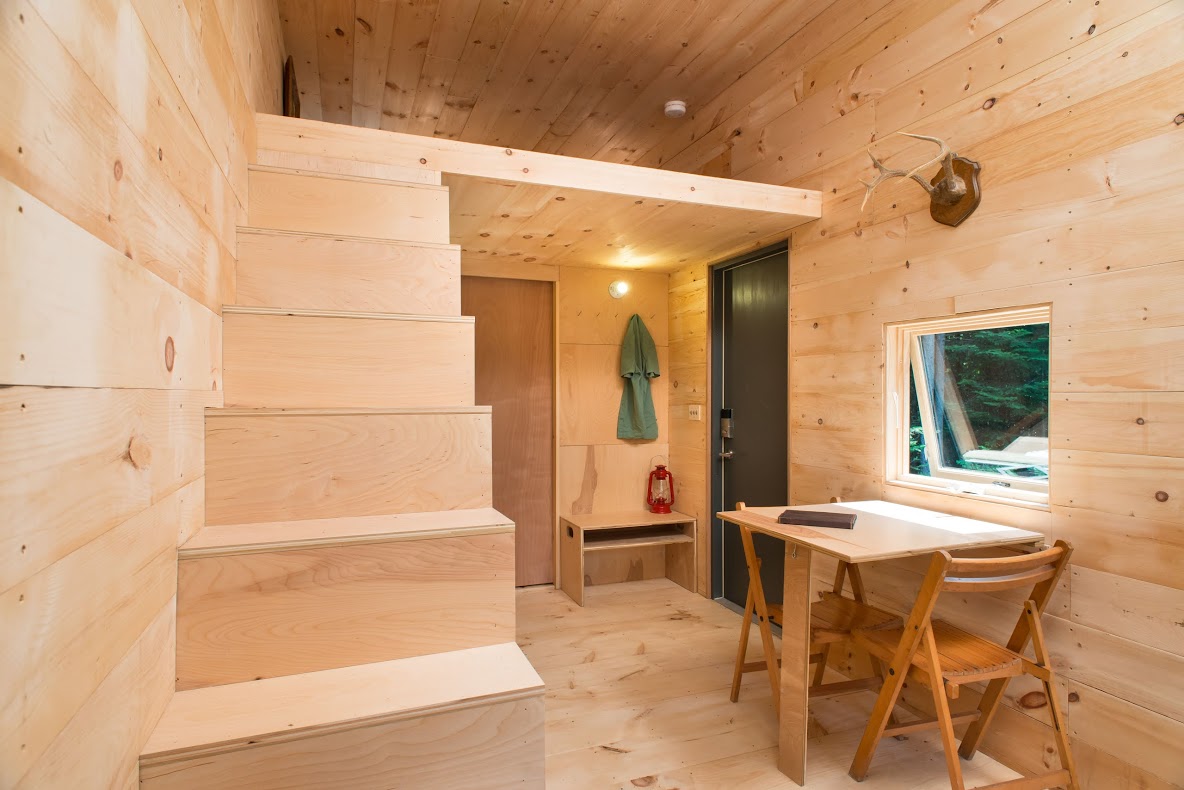
With more and more people living here on earth, the sustainability of suitable housing conditions is already compromised. Thereby, tiny homes have been a trend over the past couple of years, particularly in the city and urban areas where congestion is a common challenge.
Nevertheless, here are some reasons why living in tiny homes can prove to be more convenient.
Cost-effective
Smaller homes are by far cheaper compared to immensely huge houses. More often than not, owners oftiny homes tend to design and built their own houses, spending only on the materials needed for its construction. There are also various designers of tiny homes who will be able to help you turn your tiny dream house into a reality. While it may entail the need for additional costs, the overall price of building a smaller house is still just a fraction of the costs of building a traditional dwelling. More often than not, owners of tiny homes are able to pay for their house upfront, without having to take out a loan and pay for mortgages. If, indeed, there is still a need to take out a housing loan, the mortgage payments are considerably lower.
Portability and Mobility
Another notable advantage of living in a tiny home is that you can actually take it when you travel. More often than not, tiny homeowners only need to hitch their houses at the back of a truck and bring it wherever they go. This is a great way to travel without having to pack several suitcases. Another thing to note is that with a tiny home, you don’t really have to worry about having to move in case you get a new job in a different city or state. You just need a new spot of land and you are ready to go with your tiny home trailing behind your truck.
Energy efficiency
Often times, tiny homes are built with different sustainable resources that allow the homeowners to completely live off the grid. There are those built withsolar panels, while others use rainwater collectors. Whether you use solar panels or you may need to connect to a power source, the energy needed by your tiny home is significantly less than what is needed by a traditional home. This is because smaller appliances are more efficient in terms of power consumption.
Environmentally Friendly
There are tiny homes that are built from recycled materials such as empty water bottles filled with other plastic bottles. Apart from having the capability of building your own home to reflect your personality in a unique manner, you will also save the environment by reusing or repurposing salvaged materials instead of using new materials. In addition to this, the use of renewable resources such as solar panels or wind resources is excellent methods in making your house functional even while living off the grid. You also have the option of using rainwater filtration to supply your home with potable water, as well as a composting toilet to ensure that your wastes are properly disposed of.
Decluttering and Minimalism
Minimalism is a trend nowadays and the first step to practice this mind-calming strategy is to declutter. Living in a tiny home, you are really left with no choice but tominimize your stuff in order to fit in your house. But come to think of it, most of the things you keep are oftentimes unnecessary. You may be surprised that you are able to live without these things. Living in a tiny house, even encourages charitable deeds because in times that you need to let go of stuff that you no longer need, there are several charitable institutions waiting in line for your donations.
Cleaning Conveniences
It is truly more effortless to clean a tiny house compared to a traditional home with several rooms and floors. Sweeping and dusting your home will only take you a couple of minutes. Apart from tidying up in a matter of minutes, it is even easier to maintain this clean state of your house because there are only quite a few areas and spaces that you need to take care of. You will find that everything in your home has its own righteous place.
Living in tiny homes may prove to have its own challenges such as not being able to acquire stuff that may not really fit in your space. Nonetheless, the advantages brought about by living in small homes outweighs its drawbacks. Thereby, you should give tiny homes a second thought if you are currently considering your living space.
Are you ready for the future? Back in 1869, Russia’s Dmitri Mendeleev began to classify the elements according to their chemical properties, giving rise to the Periodic Table of Elements. “I saw in a dream a table where all elements fell into place as required. Awakening, I immediately wrote it down on a piece of paper,” Mendeleev recalled.
Fast forward 150 years to Israel where a team of scientists, led by Professor Uri Banin at the Hebrew University is reinventing the concept of the periodic table but for artificial atoms, otherwise known as colloidal quantum dots. The nanoscience research team developed a method that enables quantum dots to join together and form new molecular structures. Their findings were published in the latest edition of Nature Communications.
Quantum dots are nano-sized chunks of crystal, each containing hundreds to thousands of semiconductor atoms. When viewed through an electron microscope they look like dots. As with real atoms, when you combine artificial atoms together, they create a new (artificial) molecule with unique properties and characteristics. These molecules are referred to as “artificial” because they’re not one of the 150 million original molecules that have been formed by combining atoms from the 118 known elements in our Periodic Table.
Unlike their Periodic Table counterparts, quantum dot atoms are mercurial in nature, changing their physical, electronic and optical properties when their size changes. For example, a larger quantum dot will emit a red light, while a smaller one, of the same material, will emit a green light. Banin and his team devised a method wherein scientists may create new quantum dot molecules while still retaining control over their composition. “I began considering the infinite possibilities that could arise from creating artificial molecules from artificial atom building blocks,” Banin shared.
In the past twenty years, both scientists’ understanding of the physical properties of quantum dots and their levels of control over these tiny particles have increased tremendously. This has led to a widespread application of quantum dots in our daily lives—from bio-imaging and bio-tracking (relying on the fact that quantum dots emit different colors based on their size) to solar energy and next-generation TV monitors with exceptional color quality.
This new development lays the foundations for the formation of a wide variety of fused quantum dot molecules. “Considering the rich selection of size and composition among colloidal quantum dots, we can only imagine the exciting possibilities for creating a selection of artificial molecules with great promise for their utilization in numerous opto-electronic, sensing and quantum technologies applications,” explained Banin.
Buy Nothing Days every day. Except for maybe a bike.
A recent survey by Accenture interviewed 6,000 consumers in Europe, Asia and North America about their purchasing habits. Over 80% of respondents felt it was important that companies produce environmentally conscious products. In another survey by Nielsen, over half of all participants said that they’d pay more for eco-friendly products and services.
Now is a better time than ever to make your first business venture one with the environment’s best interests in mind. What’s more is that you aren’t constrained to starting a recycling company or becoming a solar panel installer. There are many great opportunities out there that are likely to be in line with your passions and skills.
To help inspire you, here are some low carbon footprint self-employment ideas to consider.
Ink Cartridge Refill Services
It’s no secret that ink cartridges are extremely overpriced, not to mention the waste associated with the packaging. This is why ink refilling services are in demand by both consumers and businesses looking to save money. In addition to being environmentally friendly, all you really need to get started is some ink supplies and filling equipment.
Online Trading
If you have a keen eye for numbers, then perhaps it’s worth considering a career in online trading. With enough experience, trading currencies or other assets like commodity or even cryptocurrency prices can turn into anything from a lucrative side income, to a full-time career. You won’t need much capital to start trading, which can be conducted entirely via an energy efficient laptop or mobile.
Selling Second-hand Books
Despite advancements in e-reading technology, many people still prefer the feeling that comes with paging through a traditional book. These days, you don’t even need to purchase premises, as you can sell your books online through fulfilment services. In doing so, you’ll be preventing countless amounts of paper from going to waste. If you are an eco hero consider classics like Spaceship Earth, Silent Spring, or Cradle to Cradle.
Cleaning Company
There’s money to be made in the cleaning service industry, especially if you can stand out from the competition by offering something unique. One such solution would be to use sustainable products, instead of wasteful and harmful chemicals. This is another business venture that requires relatively little capital to start and is always in demand.
Handmade/Organic Products
Do you see a potential demand for certain products that are otherwise only available in forms that contain harmful chemicals? This may be a great opportunity to start selling a natural, organic version of said product.
As awareness around the toxins contained in many household products today grows, demand for more health-conscious alternatives is soaring. You can run this type of business online and sell through a website, thus reducing start-up costs.
Tree Nursery
While it may seem more labour-intensive than other options on the list, business owners looking to open a tree nursery can start small. Provided you have some land to use, all you’ll need is the necessary seeds and some knowledge on suitable growing methods. You can even start a website and be paid to grow trees on behalf of your customers.
There are many more low carbon footprint business ventures out there to discover. Consider what you’d be most interested in and go for it before someone else does.
Travel, yes, but make a difference always – like Sivan Yaari Borowich did in Africa. Helping desperate people there access clean energy and water.
I guess it’s a reaction to Capitalism, but it is also a product of it. The lifestyle of the digital nomad. For people like Ofir Drori, travelling inspired him to become a hero for wildlife.
If you are travelling the world just to rack up experiences, you are basically just participating in another form of consumption. The only way someone can check out of society and really make a difference in this world is by giving it forward.
So from your #vanlife find a way to make you look less hot, and the experiences connected to the environment and people you share more urgent. Want to help single women out of poverty? Want to make seniors feel like they are still living? Save a peat bog? Give Africa clean water?
Improving digital nomadism?
Don’t tag where you are. Give general, not specific locations. This will help preserve nature. It’s what’s been happening in famous places like the Joshua Tree in California. But it can happen anywhere.
Take more photos of real people you meet. Share real stories, with pain and happiness.
Read books that celebrate simple nature and man in it: Hojoki. Walden. Sailing Alone Around the World. Or the children’s book the Snail and the Whale → if you no longer have an attention span.
Try not to make people jealous; work to inspire, not deflate.
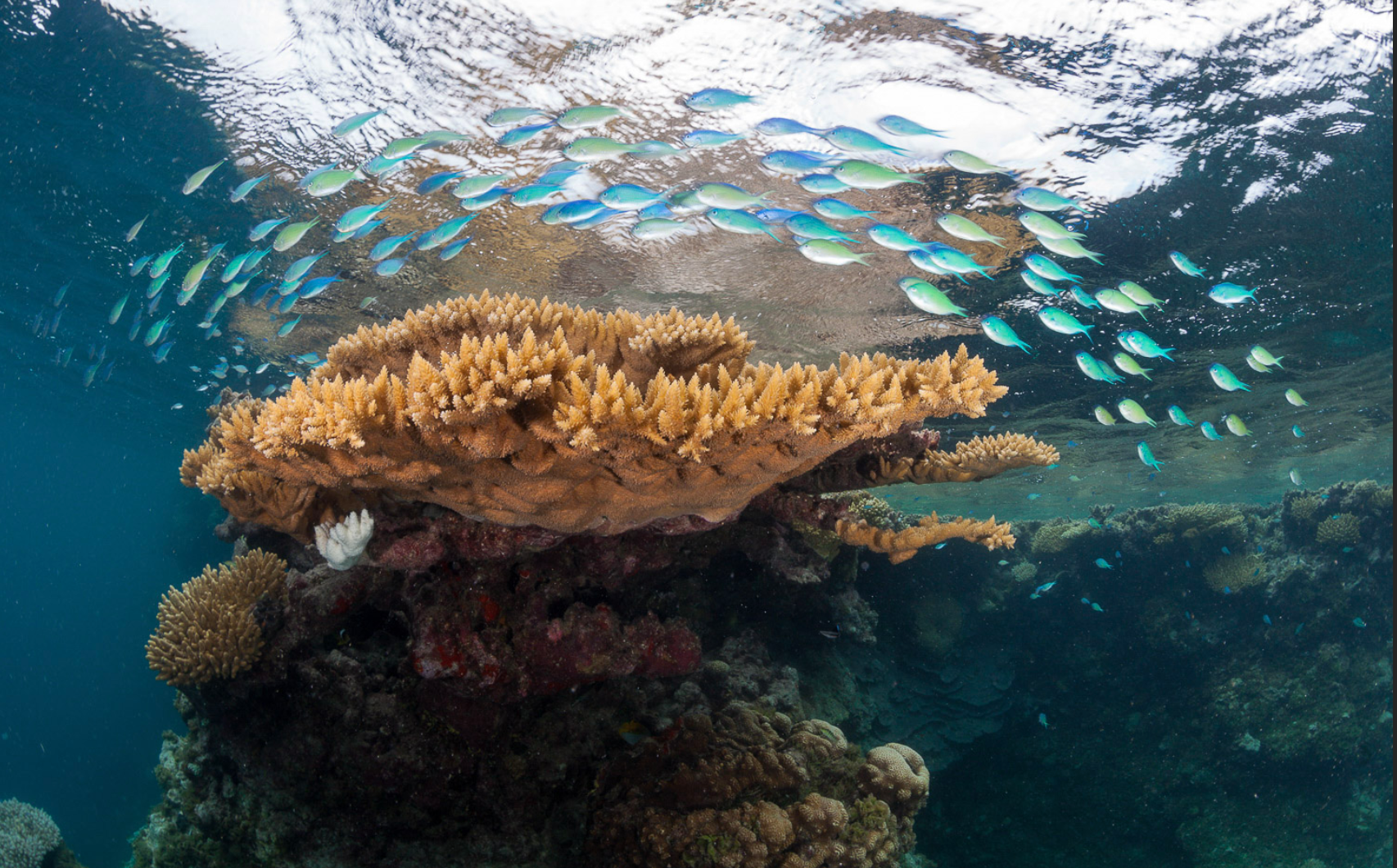
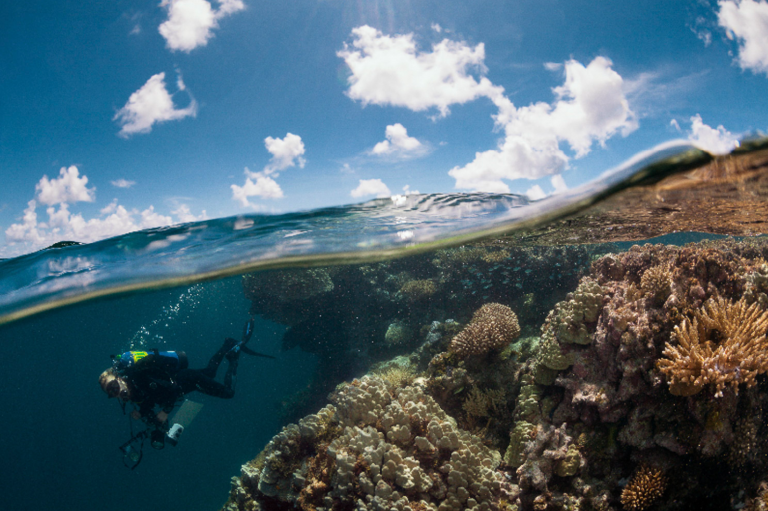
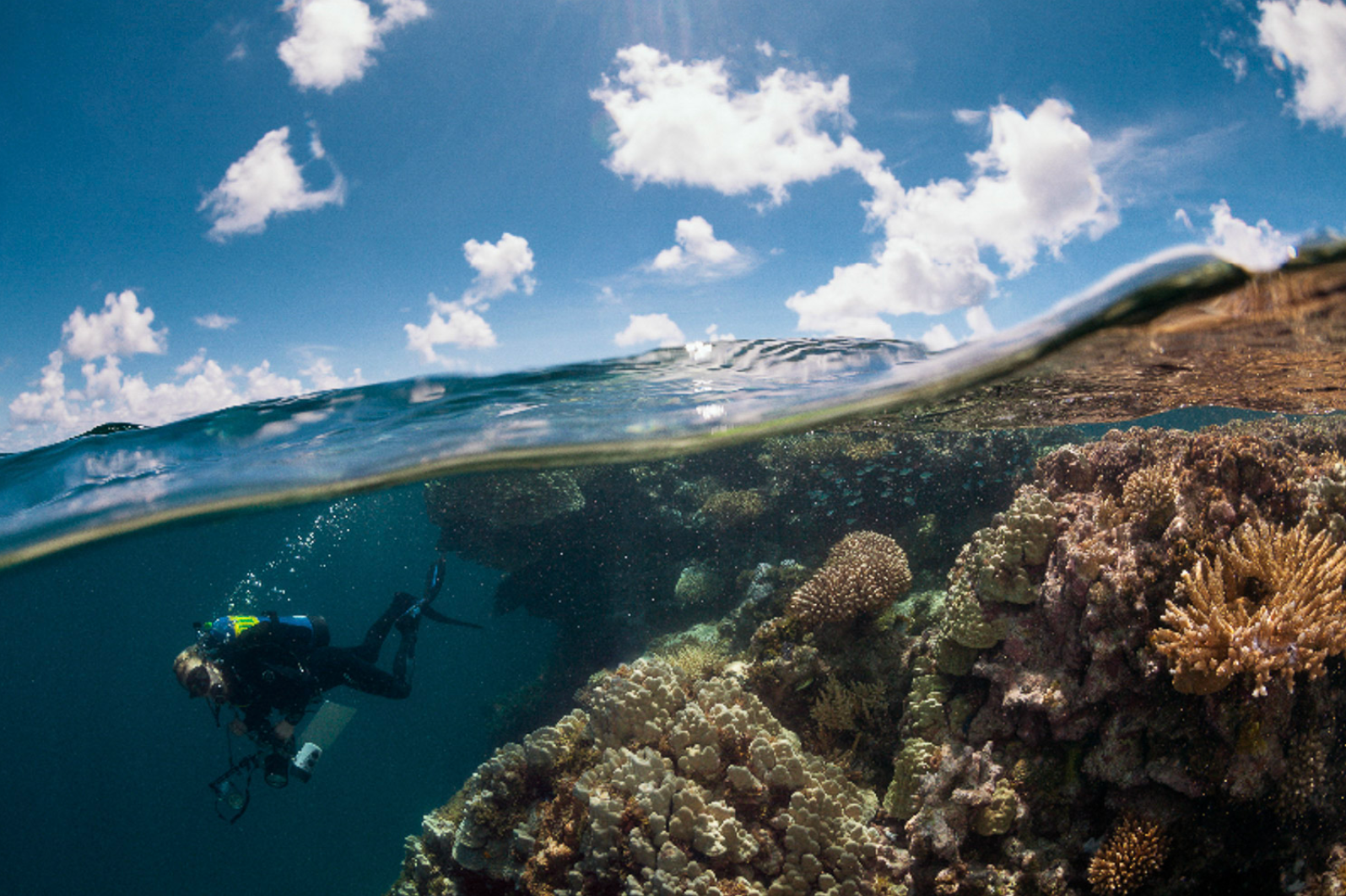
The Khaled bin Sultan Living Oceans Foundation has released their findings from the largest coral reef survey and mapping expedition ever conducted in French Polynesia. The Global Reef Expedition: French Polynesia Final Report provides a comprehensive summary of the research findings from the expedition, an assessment of the health and resiliency of French Polynesia’s coral reefs, and recommendations for preserving French Polynesia’s coral reefs into the future.
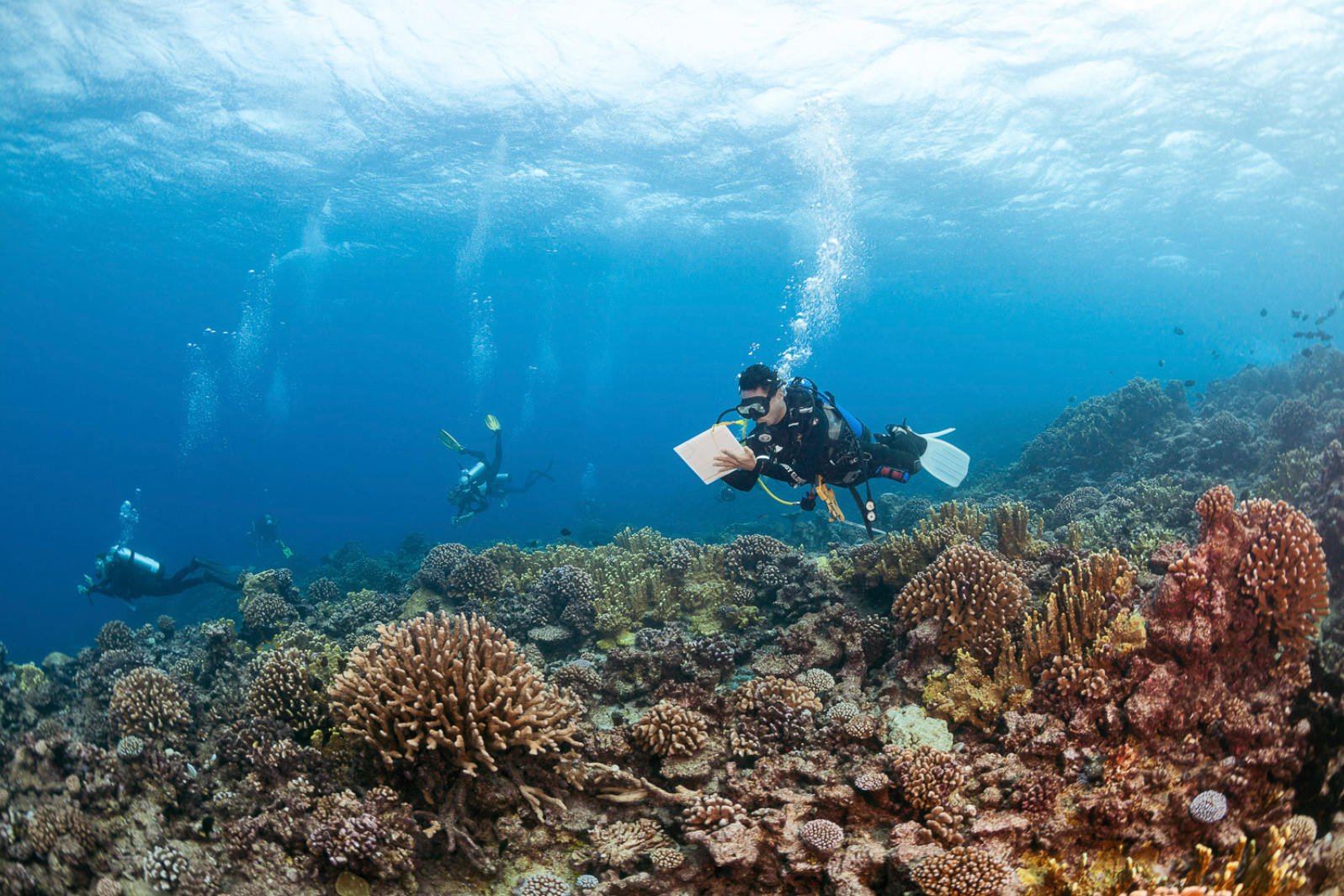
The Foundation embarked on the Global Reef Expedition to understand the coral reef crisis on a global scale. As part of the Expedition, an international team of 73 scientists worked side by side with local experts to gain a thorough census of reef health throughout French Polynesia. Over the course of seven months, they conducted standardized surveys of coral and fish communities and created high-resolution habitat maps of the seafloor using ground truthed satellite imagery.
“The archipelagos of French Polynesia are home to some of the healthiest and most expansive coral reefs on the planet,” said Dr. Sam Purkis, lead author of the study. “Recent models suggest that French Polynesia might serve as a climate refuge for the survival of reefs in the future. All these factors amplify the value of French Polynesia’s incredible reefs and motivated our expedition to this wonderful location.”
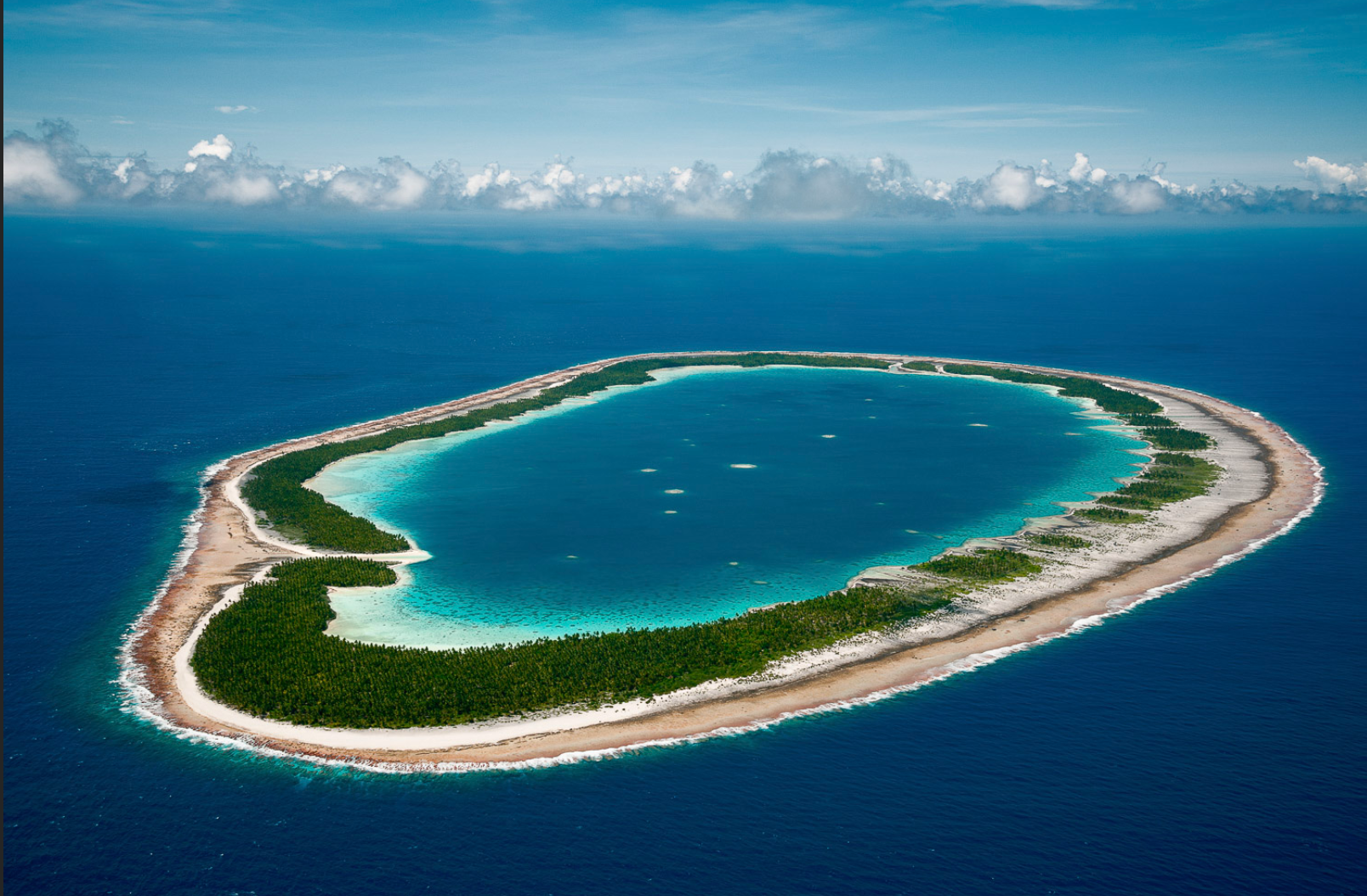
This unprecedented scientific mission mapped and surveyed reefs around 29 islands in the Society, Tuamotu, Gambier, and Austral Archipelagoes. The Expedition covered over 8,000 km and conducted nearly 4,000 SCUBA surveys of French Polynesia’s coral reefs and associated fish communities at 264 dive sites throughout the country.
“The field work we did in French Polynesia was a massive undertaking. There have been no other comprehensive coral reef surveys in French Polynesia that covered the vast area we studied. In fact, many of the remote reefs we visited had never been studied by scientists before,” said Alexandra Dempsey, an author of the study who helped coordinate the research mission.
What the scientists found gives us hope for the future of French Polynesia’s coral reefs. The health of reefs in French Polynesia were generally very good but varied greatly by location.
Gambier’s reefs were home to extraordinary coral and fish communities, and had some of the highest live coral cover observed on the entire Global Reef Expedition. In Gambier, for instance, coral cover exceeded 70%. For the South Pacific, these numbers were unprecedented. However, cyclones and severe crown-of-thorns starfish outbreaks decimated reefs in the Society and Austral Archipelagoes, locally reducing live coral cover to only 5%. The reefs around Tuamotu supported vibrant fish communities and the highest density of fish and sharks seen in French Polynesia. Generally speaking, the scientists found the healthiest reefs and fish communities were most likely to be found around islands with low elevation and few residents.
“Our research shows that there may be pockets of resilience in French Polynesia’s reefs,” says Renee Carlton, one of the authors of the study. “I am hopeful that in the face of continued natural and anthropogenic pressures, the coral reefs of French Polynesia will continue to flourish.”
In addition to assessments of fish and coral communities covered in the report, high-resolution habitat and bathymetric maps were created through the analysis of satellite data for all the reefs studied, which are available at https://maps.lof.org/lof.Although many changes have occurred to the reefs since the Expedition, this report should provide natural resource managers in French Polynesia with a valuable baseline on the status of French Polynesia’s coral reefs.
The Khaled bin Sultan Living Oceans Foundation hopes their findings will help protect and preserve French Polynesia’s coral reef ecosystems for generations to come.
Quintana Roo, where the Riviera Maya is located, became a Mexican state in 1957, and from them until the end of the North American Free Trade Agreement, the state focused its resources on building a tourism empire through tariff-free shopping. When the agreement ended in 1994, many flocked to the area lying between Playa del Carmen and Tulum to play on the beaches, shop in stores and see Mayan ruins. When the agreement ended, the foundation had already been laid to make the Riviera Maya a tourism hotbed that approximately 300,000 visitors annually. The number of people visiting the Riviera Maya continues to climb annually, and one of the main reasons is the many beautiful natural attractions in this area called the Mexican Caribbean. There are many natural areas that you will want to visit in Riviera Maya.
Sian Ka’an Biosphere
It only took one year for Sian Ka’an Biosphere to be recognized by UNESCO as a World Heritage Site after its establishment in 1986. Anglers will especially want to visit here because of the still saltwater lagoons that are brimming with fish. Fly fishing is particularly popular here. Tarpons arrive in April and are easily caught until mid-June. If you come from May 1 until about the end of June, expect to catch your limit of bonefish. Barracuda can put up quite a fight before being landed during the winter months when they come to the shallower water. The biosphere is also a great place to watch tropical birds, especially on a sunset cruise. The beach here is beautiful and is often less crowded than in other Riviera Maya locations.
Cenote Chaak Tun
Cenote Chaak Tun is only available on a guided tour, do not forget to bring your waterproof camera because the two main underground caverns are incredibly photogenic. After donning your wetsuit and storing everything in your locker, you will be treated to seeing many beautiful underwater cave formations. One of the draws of visiting Cenote Chaak Tun is diving in the first pool to see the replica of the Virgin of Guadalupe located near its bottom. Pay attention to the Mayan altar as you head to the second underwater pool. Spend some time exploring the jungle after your dives or stay for one of the tequila-tasting parties.
Puerto Morelos Reef
Just a short boat ride away from Puerto Morelos lies the world’s second-largest barrier reef. Since 1998, this part of the Great Mesoamerican Reef has been a national park where you can go scuba diving. You will have a chance to explore two unique areas of the reef. The one under the white breaking line holds lots of seagrasses that are surrounded by sea turtles. When you move to the second area, you will see much more corral. This corral area is home to large schools of grunts, butterflyfish, and parrotfish.
Xcaret Underground Rivers
While the three underground rivers were purchased in the 1980s by a developer, who has built a well-maintained amusement park, the real draw for nature lovers visiting Xcaret is the three underground rivers. You will ride in a boat down these underground rivers that are about 0.3 miles long past beautiful rock formation and pass through cenotes.
Coba
Combine nature with Myan history on a visit to Coba. You can climb the 130 steps on the 137-foot tall Coba Pyramid. Hike to see the Macanxoc Group, which is a series of altars built to worship the Mayan gods. See the sacbe commerce roads constructed by hand. These limestone roads were traveled mainly at night, counting on the moonlight bouncing off their limestone surface to illuminate them. For nature lovers, however, the main reason to visit Coba is to go birdwatching. Over 250 species of birds have been spotted in this area. You will also want to see the four lakes, which may have played an important role in Mayan worship located here.
There are many natural attractions to see in Riviera Maya, so you will want to book yourRiviera Maya luxury vacation rentals early. This area stays in the mid-80s year-round, but you may want to consider avoiding the wet season from July to September when over five inches of rain falls on average monthly. That still leaves plenty of time to visit the Riviera Maya’s natural attractions.
The Arctic region is heating up faster than any other place on Earth, and as more and more sea ice is lost every year, we are already feeling the impacts. Researchers explored strategies for cooling down the oceans in a world without this important cooling mechanism.
Scientists estimate that summer sea ice in the Arctic Ocean will be largely gone within a generation. This is bad news for the world, as ice and snow reflect a high proportion of the sun’s energy into space, thus keeping the planet cool. As the Arctic loses snow and ice, bare rock and water become exposed and absorb more and more of the sun’s energy, making it warmer – a process known as the albedo effect.
Given that it would be very difficult to reverse this trend, even if we do manage to reach the 1.5°C target set out in the Paris Agreement, IIASA (International Institute for Applied Systems Analysis) researchers explored what would happen if we were to reverse this logic and make the Arctic region a net contributor to cooling down the world’s oceans and by extension the Earth. In their new paper published in the Springer journal SN Applied Sciences, the authors analyzed what the Arctic’s contribution to global warming would be if there were no ice cover, even throughout the winter months. They also looked at ways the world could adapt to the resulting new climate conditions.
A beluga whale in the arctic
“The Arctic Ocean ice cover works as a strong insulator, impeding the heat from the ocean below to warm up the atmosphere above. If this ice layer were however removed, the atmosphere would increase in temperature by around 20°C during the winter. This increase in temperature would in turn increase the heat irradiated into space and, thus cooling down the oceans,” explains study lead-author Julian Hunt, who currently holds a postdoc fellowship at IIASA.
According to the authors, the main factor that contributes to maintaining the Arctic sea ice cover is the fact that the superficial Arctic Ocean (the top 100 meters) has a salinity that is around 5 grams per liter (g/l) lower than that of the Atlantic Ocean. This stops the Atlantic Ocean from flowing above the cold Arctic waters. The authors argue that increasing the salinity of the Arctic Ocean surface would allow the warmer and less salty North Atlantic Ocean current to flow over the surface of the Arctic Ocean, thereby considerably increasing the temperature of the Arctic atmosphere, and releasing the ocean heat trapped under the ice. The researchers propose three strategies to achieve this:
The first strategy entails reducing the flow of water from major rivers from Russia and Canada into the Arctic, by pumping the water to regions in the USA and Central Asia where it could be used to increase agricultural production in regions with low water availability. As a second strategy, the researchers suggest creating submerged barriers in front of Greenland glaciers to reduce the melting of the Greenland ice sheets, while the third strategy would be to pump water from the superficial Arctic Ocean to the deep ocean so that it is mixed with the more salty water below. The pumps in such a project would run on electricity generated from intermittent solar and wind sources, allowing a smoother implementation of these technologies.
The researchers’ analysis show that with an average 116 GW of energy during 50 years of operation, these strategies could reduce the salinity of the Superficial Arctic Ocean waters to 2g/l. This would increase the flow of the North Atlantic current into the Arctic and considerably reduce the ice cover on the Arctic during the winter.
Despite the concerns about the loss of sea ice in the Arctic the authors point out that there are several advantages to an ice-free Arctic scenario: Ships would for example be able to navigate through the Arctic Ocean throughout the whole year, which would reduce the distance for shipping goods from Asia to Europe and North America. In addition, the temperature in the Arctic would increase during the winter months, which would reduce the demand for heating in Europe, North America, and Asia during the winter. The frequency and intensity of hurricanes in the Atlantic Ocean could also be reduced due to the reduction in temperature in Atlantic Ocean waters. On top of this, the ice-free waters could also help to absorb more CO2 from the atmosphere.
Hunt however cautions that while there are benefits to an ice-free Arctic, it is difficult to predict what the impact will be on global sea levels, as the higher Arctic temperatures would result in increased melting of the Greenland ice sheet. It is also difficult to predict the changes in the world climate as the polar circle will be considerably weakened during the winter.
“Although it is important to mitigate the impacts from climate change with the reduction in CO2 emissions, we should also think of ways to adapt the world to the new climate conditions to avoid uncontrollable, unpredictable and destructive climate change resulting in socioeconomic and environmental collapse. Climate change is a major issue and all options should be considered when dealing with it,” Hunt concludes.
Hairbrained schemes to grow food on Mars. No way. We need a solution now for earth and the answer is regenerative agriculture.
Around the world, ocean dead zones are growing at alarming rates, making entire swaths of underwater habitats uninhabitable by marine life. Most of this is directly tied to agriculture and the way in which it contributes to a completely different, but connected, problem: soil or land degradation. Media coverage of the growing dead zones has failed to explain how and why these sections of ocean are devoid of oxygen and life, but a quick glance at a map of affected areas reveals a telling picture: dead zones exist along the coast and can be directly tied to human activity. The culprit is the copious amounts of chemical fertilizer and livestock manure collecting in runoff and making its way down rivers and into the oceans.
The Downstream Effect of Chemical Fertilizer
This year, scientists predict the Gulf of Mexico could experience one of the largest dead zones in history; an astounding 8,000 miles of ocean, an area the size of Massachusetts, will be hypoxic (or devoid of enough oxygen to support any form of marine life). Any time a river crosses an agricultural landscape and then empties into a body of water, the runoff brings nitrogen and phosphorous which causes a massive algal bloom. The blue-green algae then suffocate the ocean. Ultimately, the marine life is starved of the oxygen it needs and can no longer inhabit these dead zones.
This negative effect of chemical fertilizers and livestock runoff is often defended on grounds that the means justify the ends, that it is impossible to feed the world without chemical fertilizers and protein from animal agriculture. In fact, neither are a necessity, nor are they viable, long term solutions.
A Flawed Solution to Feeding the Planet
Chemical fertilizers are used because of a lack of nutrients naturally present in degraded soil. Land degradation is a process that begins when forests are initially cleared for agriculture and ultimately overfarmed or overgrazed until the carrying capacity of the land has dwindled. Once the original tree cover has been stripped from the entire piece of land, a slow death of desertification ensues as endless rows of a single crop (monocropping) are planted and harvested year after year, depleting the soil with every passing season. Most farmscapes around the world have long been degraded and denuded, leaving many farmers to resort to commercial fertilizers to meet their production expectations.
A monocrop field is left devoid of growth, protection, nutrients, and soil.
When fertilizers are applied to a field, much of it runs off the farm or percolates down through the soil. It not only changes the pH of the soil, it misses the roots of many plants. A small percentage of the nutrients find their way to the roots directly where plants take up the Nitrogen, Phosphorus and Potassium directly. Bypassing the soil to nourish crops creates a dangerous dependence on chemical fertilizers and kills the soil in the process. After adopting chemical fertilizers, the only way for a farmer to continue having productive yields is to purchase more chemical fertilizer.
In his book One Shot, Trees for the Future Executive Director John Leary identifies this rising dependance.
“Farmers used to ensure that everything they took out of the ground was put back in, in the form of biomass (organic material). This created a closed-loop scenario, where phosphate would have the capacity to be reused up to forty-six times as food, fuel, fertilizer, and food again. On the other hand, when phosphorus, in the form of DAP, is applied to nutrient-starved soil, it has the capacity to be used only once. Excess amounts of DAP application run-off into streams, creating algae blooms that pollute water and kill fish and other animals.” (Leary, 48)
These unsustainable practices are the reason for an 8,000-mile stretch of ocean in the Gulf barely capable of sustaining any form of life. The current way of farming is wasteful, expensive, and it’s decimating land and sea biodiversity. We must transition from these degenerative practices to regenerative methods now.
Damaging practices like clearing and burning fields for monocropping make agriculture the number one cause of deforestation.
Healthy soils don’t need chemicals: Transitioning from degenerative to regenerative agriculture
Healthy soils are the basis of any agricultural system and are vital for providing crops with the mineral nutrients and moisture they need, when they need it. Enhancing the air, water, and organic matter in the soil, and protecting all the beneficial organisms that live within it, will result in sustainably higher yields of better-quality crops, be it vegetables, field crops, fruits, or timber.
The solution is clear, cost-effective, and sustainable: Trees.
Instead of clearing fields, intensifying monocrop production, and ultimately degrading the land, agriculture focused on the power of trees (agroforestry) strives to protect the soil, diversify crops, and optimize the land sustainably.
The Forest Garden Approach is a well-planned, four-year regenerative methodology that uses the best techniques in agroforestry to guide farmers through the process of sustainably maximizing productivity.
Trees for the Future has 30 years of experience working with farmers to find innovative ways to revive degraded lands. That is 30 years of research and development, testing the most effective ways to use fast-growing trees to solve the most common and pressing problems farmers face. The Forest Garden Approach proves the power of trees.
“While chemical fertilizers contain just a few macro nutrients (nitrogen, phosphorus, and potassium), trees pull a variety of macro and micro nutrients from the depths of the soil and recycle them into the topsoil through their leaves. These leaves contain nutrients that are essential for people’s health and which have long leached out of the soil – like iron, manganese, zinc, and boron. By tilling leaves into the soil, farmers begin to restore the soil with minerals that help plants grow and ensure healthy nutrient-rich food” (Leary, 54).
Healthy soils are the basis of any agricultural system and are vital for providing crops with the mineral nutrients and moisture they need, when they need it.
Most species in a forest have evolved to grow and flourish in the cooler, more humid understory of other trees. When an area has been completely deforested, new seedlings must have the ability to tolerate 12 hours of hot sun beating down every day. We have learned how to use fast-growing, nitrogen-fixing pioneer trees that start to revitalize highly degraded soils. They rain down large amounts of leaf litter that build the top soil, and their small leaflets decompose quickly.
But the real magic happens in their roots.
Not only do the strong tap roots plunge down into the soil seeking lost moisture and nutrients, but many trees in the Leguminosae family have a symbiotic relationship with bacteria in their roots.
The regeneration process – in fact, the origins of life itself – happens at a microscopic level in the roots of trees. Root hairs trap specific types of bacteria which then enter into the root cells. Over time the root develops a nodule containing a package of nitrogen that may feed the tree now or release the nitrogen in the soil making it available to other plants in the future.
Trees for the Future teaches farmers how to plant diverse rows of nitrogen fixing trees (NFTs) across crop fields. Supplemented with compost and manure, this technique helps substitute and replace the need for chemical fertilizer. When farmers select NFTs that also produce fruit, peas or other valuable products the benefits are amplified.
A living fence of trees works double duty to protect the field from wind erosion and animals while the roots recharge the ground with water and nutrients.
The Forest Garden Approach is a well-planned, four-year regenerative methodology that uses the best techniques in agroforestry to guide farmers through the process of sustainably maximizing
productivity. Farmers first learn to protect their field with thorny barriers so that they can plant many rows of nitrogen-fixing trees across it. The first round of trees planted begins to improve the growing conditions by cooling the land and trapping moisture. Within the improved micro-climate, farmers are able to grow more valuable crops and fruit trees.
The third and final phase is when farmers learn to truly regenerate soil. They learn to make compost to enrich soil, mulches to conserve water, and cover crops to add organic matter. They learn to replace pesticides with non-toxic solutions, and they reduce their use of harmful chemical fertilizers.
The Long Road Ahead
It is visibly clear that ecosystems are dying across land and sea, and the reason is as equally apparent: the inputs and byproducts of wasteful food systems are the cause. If these systems are allowed to remain in place seafood will not be on the menu… there won’t even be a menu.
Changing the entire way in which this planet grows, sells, purchases, and consumes food will be no easy task. Consumers have a responsibility to refuse to allow the status quo of big agriculture business to continue, and farmers have the duty and obligation to feed the planet in a healthy, nondestructive, and sustainable way.
But if each actor can do their part to reduce consumption of meat and dairy, integrate trees into farming and livestock systems, and reduce the use of chemical fertilizer, life on land and sea has a chance. It won’t be easy, but it is necessary, so let’s get planting.
Trees for the Future is working to end hunger and poverty for smallholder farmers through revitalizing degraded lands. Learn more about Trees for the Future here.
Sexy or not, even hooka pipes carry second hand smoke dangers. If you are having a baby, just quit please! You are at risk for gestational diabetes of you smoke ANYTHING while pregnant. Even this man’s second hand smoke.
Smoking during pregnancy is one of the most significant risk factors for poor pregnancy outcomes. Like the world isn’t polluted enough so why would you do it? In the United States, 10.7% of all women smoke during their pregnancy or are exposed to second-hand smoke. In Israel and the Middle East at large where everyone seems to smoke probably every single woman is exposed to secondhand smoke. And yeah, nargillah or hooka pipe is about the same in terms of danger. In doing so, they place their babies at a higher risk for premature birth, low birth weight and developmental delays than do their non-smoking counterparts.
In addition to these risks, an international research team headed by Dr. Yael Bar-Zeev at the Hebrew University of Jerusalem’s Braun School of Public Health and Community Medicine, in collaboration with Dr. Haile Zelalem and Professor Ilana Chertok at Ohio University, found that smoking during pregnancy may also increase a woman’s risk of developing gestational diabetes mellitus (GDM). Gestational diabetes leads to higher risks for pregnancy and birth complications such as macrosomia (larger than average babies) and caesarean deliveries. The findings were published this week in Obstetrics & Gynecology.
Bar-Zeev and her team conducted a secondary analysis of data collected by the United States’ Centers for Disease Control and Prevention (CDC) called the Pregnancy Risk Assessment Monitoring System (PRAMS). For this study, they looked at 222,408 women who gave birth during 2009-2015, of which 12,897 (5.3%) were diagnosed with gestational diabetes.
The researchers found that pregnant women who smoke the same or higher number of cigarettes per day as they did before their pregnancy are nearly 50% more likely to develop gestational diabetes. Those pregnant women who cut down on their number of cigarettes still have a 22% higher risk than women who never smoked or who quit smoking two years before they became pregnant.
“Ideally, women should quit smoking before they try to become pregnant,” Bar-Zeev cautioned. “Further, due to the high risks involved, it’s imperative that pregnant smokers have access to pregnancy-specific smoking cessation programs. Currently, in the United States and Israel, these services are not accessible enough or not tailored for pregnant women and that needs to change”.
Tomatoes and cucumbers may be summer memories, but the craving for good salad doesn’t go away just because it’s winter. Please meet a vegetable that satisfies those salad cravings: kohlrabi.
Have you ever gazed at kohlrabi in the supermarket and wondered what on earth you could do with that strange, bumpy vegetable?
Here’s the news: you can cook it, but even better, make salad.
Being of the cabbage family, kohlabi’s mild flavor asks for a little zing from something acid. Its crunchy texture marries well with a creamy dressing, as coleslaw does.
But don’t reach for the mayonnaise: chef Yotam Ottolenghi developed a sophisticated salad of diced kohlrabi dressed in yogurt and sour cream and brightened with winter herbs. It takes minutes to put the refreshing, tangy salad together, and it keeps in the fridge for a day if there are leftovers.
A handful of baby watercress (Note: I used mixed baby salad leaves)
1/4 teaspoon sumac powder
Salt and white pepper to taste
Peel the kohrabies and chop into dice about 2/3″ – 1.5 cm. big. Place the chopped kohlrabi in a bowl.
Make the dressing in a separate bowl. Combine the yogurt, sour cream, mascarpone, garlic, lemon juice and olive oil. Add 1/4 teaspoon salt and pepper to taste. Whisk the dressing until smooth. (Note: I made the dressing the day before and kept it, covered, in the fridge.)
Gently stir the dressing into the chopped kohlrabi. Mix the fresh and dried mint in, plus half the watercress.
Note:Taste the salad for seasoning and don’t be afraid to add a little more lemon, garlic, salt or pepper to taste. Just take it easy; you don’t want to overpower the dressing.
Pile the salad up on a serving dish. Sprinkle sumac over it and top it with the remaining watercress.
Leftovers made a fine lunch next day, with a couple of hamine eggs (recipe included in our Ultimate Ful and Hummus post) and pita.
We need an oracle to get us out of this debacle. The UN climate group has met for the 25th time. Will anything ever change?
Countries are being urged to significantly raise renewable energy ambition and adopt targets to transform the global energy system in the next round of Nationally Determined Contributions (NDCs), according to a new report by the International Renewable Energy Agency (IRENA) that will be released at the UN Climate Change Conference (COP25) in Madrid.
The report will show that renewable energy ambition within NDCs would have to more than double by 2030 to put the world in line with the Paris Agreement goals, cost-effectively reaching 7.7 terawatts (TW) of globally installed capacity by then. Today’s renewable energy pledges under the NDCs are falling short of this, targeting only 3.2 TW.
The report NDCs in 2020: Advancing Renewables in the Power Sector and Beyond will be released at IRENA’s official side event on enhancing NDCs and raising ambition on 11 December 2019.It will state that with over 2.3 TW installed renewable capacity today, almost half of the additional renewable energy capacity foreseen by current NDCs has already been installed.
The analysis will also highlight that delivering on increased renewable energy ambition can be achieved in a cost-effective way and with considerable socio-economic benefits across the world.
“Increasing renewable energy targets is absolutely necessary,” said IRENA’s Director-General Francesco La Camera. “Much more is possible. There is a decisive opportunity for policy makers to step up climate action by raising ambition on renewables, which are the only immediate solution to meet rising energy demand whilst decarbonizing the economy and building resilience.
“IRENA’s analysis shows that a pathway to a decarbonised economy is technologically possible and socially and economically beneficial,” continued Mr. La Camera.
“Renewables are good for growth, good for job creation and deliver significant welfare benefits. With renewables, we can also expand energy access and help eradicate energy poverty in line with the UN Sustainable Development Agenda 2030.
IRENA will promote knowledge exchange, strengthen partnerships and work with all stakeholders to catalyse action on the ground. We are engaging with countries and regions worldwide to facilitate renewable energy projects and raise their ambitions”.
NDCs must become a driving force for an accelerated global energy transformation. The current pledges reflect neither the past decade’s rapid growth nor the ongoing market trends for renewables. Through a higher renewable energy ambition, NDCs could serve to advance multiple climate and development objectives.






 The Romans loved them some stinky fish sauce. Vats and vats of it. With wine.
 Aha! Not only the Jews of the time loved stinky fish sauce. The Romans did too.





 The
The