Home Blog Page 180

Make Your Own Oat Milk At Home

0
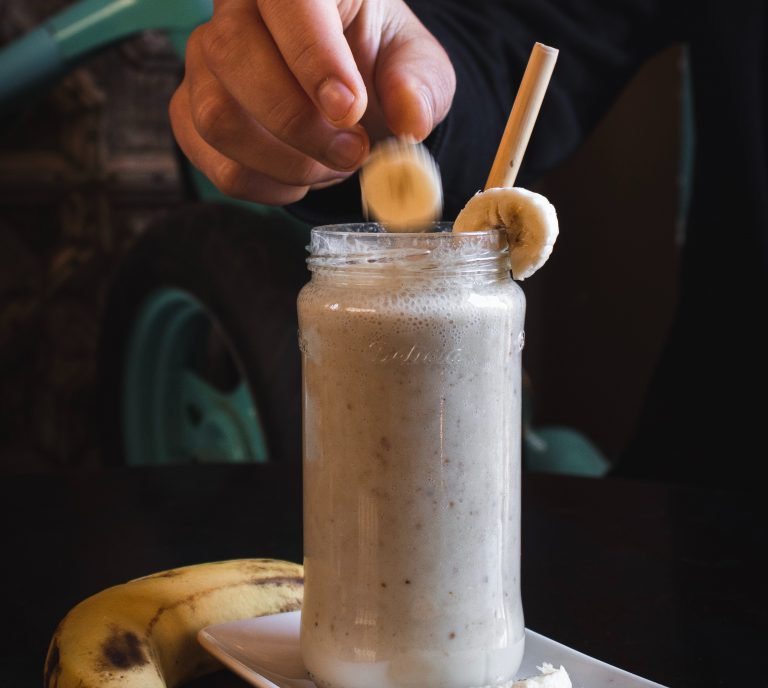
oat milk shake with bananas
Oat milk may the only option after milk and soy has let us down. We tried almond milk but that was killing the bees. Read on for our recipe.

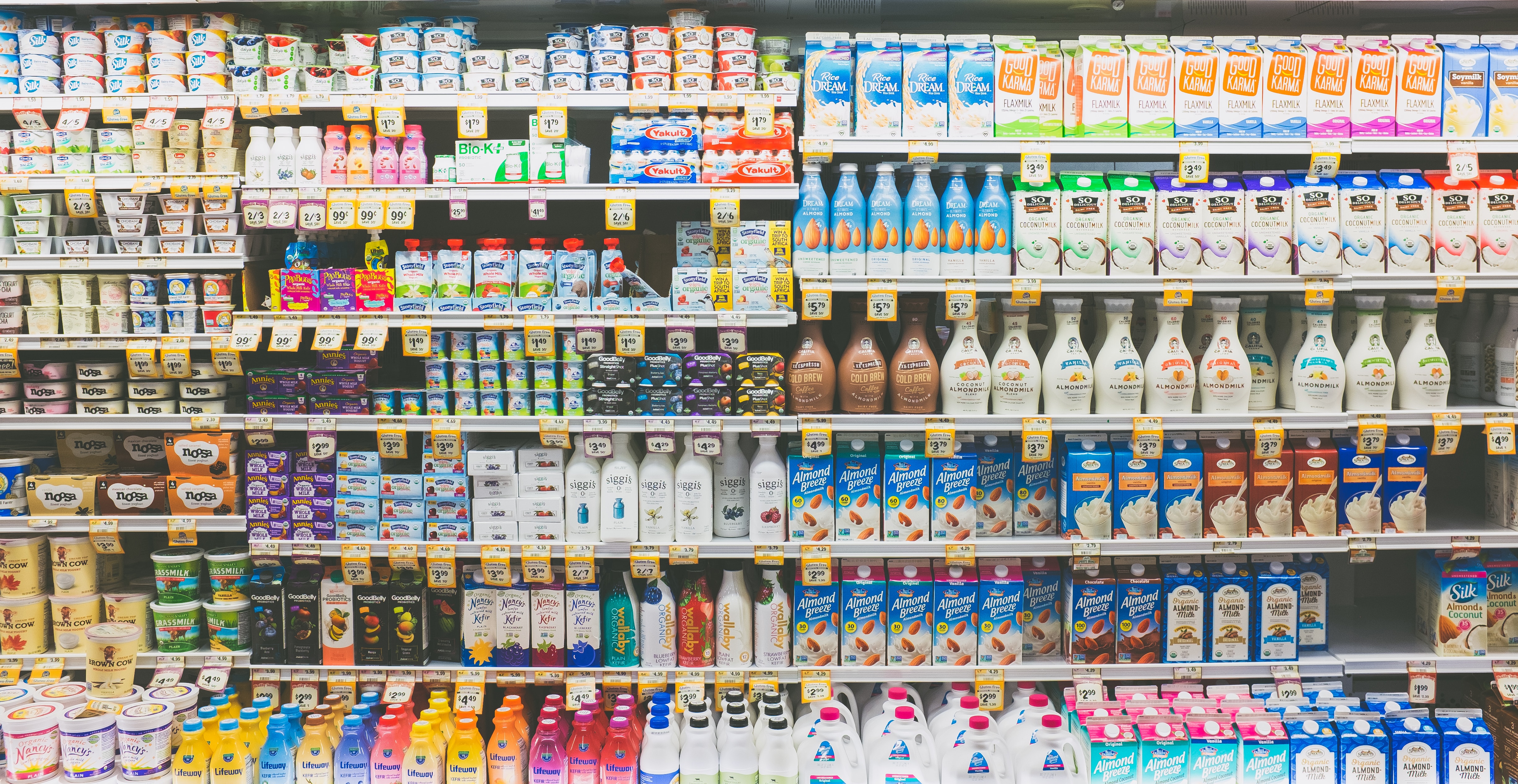
Almond milk presents serious problems to the ecology of our planet: see our post about how the almond industry is devastating bees. Soy milk’s popularity slid down as soy’s effects on hormones, and its mostly GMO origins, are now known.  Rice milk has almost no nutrients, or flavor, to justify its price.

Vegan protein powder shakes have become an industry. The growth of vegan protein for adults, kids, pets, is part of the “Veganification” meta trend. Other examples of this meta trend include pea milk, vegan jerky, vegan collagen and vegan ramen. We’re confused. What do we do?

What’s the solution, then? Voilá, oat milk. Make it from organic oats to avoid glyphosate and Roundup, the product made by Scotts and Miracle Gro

Oats have plenty of minerals and vitamins, but it’s not known at this time how much of that goodness remains in oat milk. Oat milk also has more carbs and less protein than dairy milk. Still, it’s nut- soy-, and dairy-free (read here why we don’t drink too much soy).  It’s also gluten-free, if it’s a brand that’s certified gluten-free. And it tastes good.

Oatly oat milk
This is Oatly, a popular brand of oat milk. You can buy it online or at the store organic food store; or our favorite way — just make it, without anything added.

Are you looking at the cartons of oat milk in the grocery store? Examine the label and see if the brand suits your needs. Commercial oat milks often have added sugar. However, they have the advantage of being fortified with vitamin D and vitamin A; sometimes vitamin B12, riboflavin and calcium as well. 

If you decide to go with home-made, you’ll be pleased to see how little time it takes to make it. It’s a boon if you’re allergic to nut and nut-based milks. And naturally, making it yourself saves money.  You can flavor or sweeten it if you wish.

A couple of pitted, chopped dates, vanilla extract, maple syrup or good honey can provide the slight sweetness most of us expect in milk. There’s some difference of opinion as to whether the oats should be soaked ahead of time.

What is phytic acid?

Those who are in favor of soaking explain that oats contain phytic acid, which disrupts the absorption of minerals in your food. (Not all the food you eat over the day, only what you’re eating while drinking oat milk; and not all the minerals and vitamins in that meal either.)

Others say that phytic acid, present in many grains and pulses, including wheat, shouldn’t be a concern to people eating an otherwise balanced diet that includes a large variety of produce, including the occasional meat or dairy meal. In other words, strict vegans may prefer to soak the oats. It’s up to you!

And the last word on the topic: phytic acid is destroyed in cooking, so don’t bother soaking if you’re planning on baking or cooking with oats.

Time needed: 30 minutes

Home-Made Oat Milk Recipe

Yield: 3 cups

Water to soak the oats, if desired 
1 cup rolled oats
3 cups filtered water
1 pinch sea salt or Himalayan pink salt

  1. Pre-soak

    If pre-soaking, cover the oats in plenty of filtered water for 1 hour or overnight. Longer is better to soften the oats and remove phytic acid.  Rinse the oats very well after soaking, to prevent a slimy, cooked-oats texture.

  2. Discard the soaking and rinse water

  3. Blend and strain

    Put the oats, 3 cups of fresh water, sea salt and optional flavoring in a blender. Blend 1 minute. Strain the blended mass through a clean kitchen towel or cheesecloth folded into several layers.

  4. Storing

    Keep the oat milk refrigerated up to 5 days. The milk may separate. Shake it up and it’ll be fine.oat milk

  5. Toppings?

    Optional: 2 pitted, chopped dates or 1 teaspoon honey, and/or 1/4 teaspoon vanilla extract.freshly dried dates

How Helpful is Technology When it Comes to Securing Your Home

0
home away from home
You probably don’t live in a grass hut in the middle of nowhere, so even as a green-minded person really need to think about common everyday things like keeping criminals out of your house.

Home security devices have been around for several years now. Although these devices are not without their disadvantages most of it have been proven to be a boon than  a bane. With 88 percent of burglaries happening in residential areas, according to recent statistics, it has become more of a need than a luxury these days to equip one’s home with security devices. 

Many homeowners have leveraged technology in keeping their homes and families safe. The survey shows that 75 percent of homeowners are willing to pay extra money for additional safety measures to be installed in their homes. The experts from www.ddcountermeasures.com, which is a reliable site when it comes to information about security devices, revealed that one of the most significant additions that one can have in his own home would be the security cameras. These devices can either be solar or battery powered, depending on your preference. But, whatever security device you choose, know that there are many ways that technology can be helpful in keeping your home safe. Some of these are the following:

It helps you keep an eye on your property without spending much on electricity costs. 

Some people are hesitant about installing security cameras thinking that this could mean an additional cost on their electric bill. Fortunately, today you can now purchase solar-powered security cameras that are equipped with high-grade solar panels that are capable of converting sunlight into direct current. When sunlight is not available, these cameras can still be powered using rechargeable batteries. If you are looking to buy one for your home, opt for a security camera that is IP65-certified. A security device that has this certification is able to withstand extreme weather conditions. It is also wise to choose a security camera that has intelligent alert, night vision  and motion detection features. 

It allows people to monitor their homes from anywhere.

This is perhaps one of the greatest benefits that technology has to offer when it comes to keeping our homes safe. It allows homeowners to keep an eye on their homes no matter where they are for as long as there is access to the internet. Interacting with your property is also made possible with the emergence of IoT-enabled security devices. So, even when a person is at work or away on a vacation he will still be able to receive notifications or alerts if someone forced entry or if an alarm has been tripped. There are also security cameras today that allows one to see who is inside their homes in real-time. The best thing about it is that these cameras have vivid images and not too grainy, making it easier for one to identify exactly the intruder. 

It spares you from the hassle of forgetting where you put your keys.

Gone are those days when you have to frantically search for keys inside your bag, in your car, in your bedroom and all over the place for your door keys. Today, you can just grab your smartphone, enter the code to your front door and voila! It automatically opens and closes for you. This smart lock feature prevents burglars from getting inside your home no matter how plenty the key duplicates they bring. Smart locks do not need physical keys, but instead only a smartphone with bluetooth or Wi-Fi connectivity to be able to activate its Smart Key feature. With this feature, house guests can be given temporary codes for them to have access to your front door. You can even decide the number of days that other people will have access to your home. You can also open up the door for them via your smartphone no matter where you are. So, stop the habit of hiding your front door keys under that fake rock in your front yard garden and consider using a smart lock device. 

It helps you easily recognize faces of people.

Some security cameras can only tell you that there is an intruder, but cannot give you a clear picture of that person. The good news is that today you can ditch those cameras with images that are too grainy, making it impossible for you to recognize the face of the person. But, with the rise of  high-powered infrared LED some security cameras these days have higher quality footage even at night. There are also security cameras that send the video snapshot or image to the homeowner’s smartphone. With these types of security cameras, it will become easier for you to tell whether the person entering your property is your neighbor trying to retrieve his dog or a stranger breaking into your entrance door. Some security cameras are also equipped with a feature called Familiar Face Alerts that enable homeowners to tag those people that they know. This way, they will be able to receive alerts if any of these people have been within the camera’s view. The same feature also has the capability to identify whether the person with the camera is someone whom the homeowner knows or a total stranger. 

It makes virtual boundaries possible. 

Some surveillance cameras have the capability to alert or notify homeowners if someone is trespassing on their property. For example, one can draw and set up a virtual perimeter around the home’s front yard or swimming pool so that he can be alerted right away if someone tries to enter within these premises. These are the kind of security cameras that have video analytics that enable smart detection of any event within one’s virtual boundaries. These video analytics are so intelligent, they can largely minimize false events and make it easier for you to access only those relevant occurrences. 

The concept of integrating security cameras and other devices that help keep your home and your family safe from burglars and criminals can no doubt ignite the excitement of homeowners. This is true especially to people who love everything to be “smart”. This is why it is so important to only purchase these security devices only from reliable sources. Otherwise, you run the risk of being a victim of security hackers and cyber criminals. 

The Great Race to Rule Streaming TV

0
forest bathing
Forest bathing is the best thing you can do in your down time (the Japanese do it, it’s a thing!) but if not nature then a good nature show on Netflix, Amazon or… ? Where to choose?

The technological advancements influence us. Why do they have such a great pull on us? Our smartphone is a treasure we can’t lose. Binge-watching your favorite TV series is a popular sport. How did we get here? We get the answer to all these questions from psychology. The reason why we are drawn to tech is that they provide easy ways to meet our psychological needs. These needs are autonomy, relatedness, and competence. This is why we relate to the Chandlers, Sheldon Coopers, and Michael Scotts. 

How did we get here? 

The days of cable TV with a limited set of channels playing selected shows at a particular time are long gone. In the US, there is a growing trend of streaming TV services like Amazon Prime and Hulu  and people are cutting cords. People follow preferred content wherever it goes regardless of the cable service provider or platform. A few years back, the geographical boundaries locked us with single service providers. We could only be serviced with content from a single cable company with limited choices.

Various cable companies used to lure us into buying their services by giving limited offers bundle. On top of that, we have to pay rent for the equipment, broadcast fees, other surcharges, and taxes for the basic cable TV service. Then there were contracts and cancellation fees to intensify our misery. The cost associated and a limited choice compelled us to move to cheaper and better avenues of entertainment. Thus Netflix and co. came into existence. 

Now that streaming is all the rage, many stakeholders have jumped into the bandwagon. So any company that owns the right to some content that people want to watch, launches its service. Netflix started this trend and now we have services like Amazon Prime and Hulu.

Netflix is leading the race. Period!

Netflix originally started as a DVD rental service. Now, it is the most dominant streaming service in the market due to multiple reasons. It is a storehouse of content and includes movies, documentaries, and TV series from every genre.

Secondly, customers have to pay a flat monthly fee for endless entertainment and streaming. However, the main reason why it’s so popular is that it offers series producers and showrunners a contract to create an entire season. The producers are given a creative leeway to make content without any notes from Netflix. Therefore, the shows on Netflix are so diverse and many critically acclaimed TV shows came out of it instead of the established networks. Shows like “The Crown”, “Black Mirror”, “House of Cards”, and “Orange Is the New Black” created a separate fan base. The original content mixed with shows/content from the past makes it very successful. Netflix subscription currently ranges from $9 to $17 and entirely depends upon the video quality you want to get. 

Amazon Prime is winning us by its numbers!

Amazon Prime is probably the only streaming service with a cost that gets you shipping included in the package. They flex tons of movies to choose from and are in the original programming game. Amazon Prime has a library of more than 14,000 movies and 2300 TV series. Amazon has played very smartly and offers Prime Members additional perks. Amazon announced that all the Prime members will get free Amazon Fresh deliveries. Previously, customers had to pay $14.99 for this fast delivery service. You have to pay as low as $8.99 – $10.99 per month for the service. 

Hulu is keeping up with the pace! 

Hulu is only available in the US but is slowly keeping pace ever since the streaming wars started heating up. It has close connections with CBS, NBC, Fox, and ABC. Hulu streams all the big-name shows from these networks after the premiere. On top of that, you get the likes of Comedy Central, Bravo, and FX. Hulu is home to popular shows such as The Handmaid’s Tale and Saturday Night Live. The library has more than 1400 movies and 1800 TV series. 

HBO 

HBO is well-known for its premium originals. It introduced us to the amazing world of Games of Thrones, Westworld, Sopranos, and The wire. You can get HBO in $14.99 a month. Although HBO Now is the most expensive service among its competitors and has less to offer the quality of series and specials you get on HBO are worth every penny. 

New competitors are stepping up their game!

Disney+ will be launched in November. Apple is launching its streaming service. NBC is running for 2020 with its Peacock service. Even Discovery is coming up with a streaming option to feature BBC content. All these streaming services have locked down popular shows to force people to add their service. Disney+ is getting Marvel Universe, HBO will be getting Friends and Doctor Who, and Peacock will have The Office. 

Final Verdict!

Amid these streaming wars, we are looking at a $100 bill per month to get the most of it. This is just the beginning though and the number is likely to be increased in 2020. So which one are you going to get?

Almond Milk And The Destruction of Bees

0
califia almond milk
Almond milk was so promising an alternative to cruelty-free cow milk, or hormone mimicking soy milk, but with the take on bees, maybe it’s time to kick the creamy liquid habit?

Bees are dying in huge numbers to supply your supermarket with almond milk. Last winter (2018-2019) saw a catastrophic 50 billion bees die off for a variety of reasons familiar to the eco-conscious public, including mites and loss of habitat. Even deadlier to bees is the mono-culture methods of the American almond industry, which rely heavily on pesticides and removes the orchards’ natural undergrowth. 

California supplies 80% of the world’s almonds. In 2019, that amounted to 2.5 billion pounds of the nuts. And the demand rises, with companies especially eyeing the growing Chinese market. California farmers have ripped out citrus trees and planted almond groves that cover over 1000,000 acres – an area comparable to the size of Delaware.

While Americans eat plenty of almonds – an estimated 900 grams every year – it’s the demand for almond milk that’s driving the industry.  At sales of $1.2 billion yearly, hugely topping other non-dairy milks, it’s easy to see why. 

The catch is that almond farmers can’t rely on native bees to pollinate their orchards. There aren’t enough of them, and they can’t be counted on to pollinate a predictable number of trees. The farmers contract commercial beekeepers to transport their hives to the orchards while the trees blossom. 1.6 million hives are needed to make USA almond trees produce every spring – over ten times what other crops, like apples, demand.

The strain on the bees begins in February, when almond trees begin to bloom. Normally bees are still hibernating in February, getting around to the almonds when the weather warms up more. To stand by their contracts with almond farmers, beekeepers put the bees to work early.

The hives stand in orchards heavily sprayed with pesticides, the main one being the Monsanto-manufactured Roundup. The bees do their job, foraging the almond blooms laden with chemicals deadly to insects, and return to the hives weakened by exposure. Another factor is the concentration of thousands of hives in one area, which raises the risk of spreading diseases. Every season, some 30% of bees die.

That’s bad news for beekeepers and almond farmers, but also for all of us who, to put it plainly, need to eat. We’ve been writing about how the world’s food supply depends on bees since 2014.

The almond industry is also killing off native bees, who can’t compete with commercially-raised European honeybees. Driven away from their home grounds when beekeepers place large numbers of rented hives on the ground, and deprived of plant diversity when farmers clear the grounds of native wild plants, they starve. 

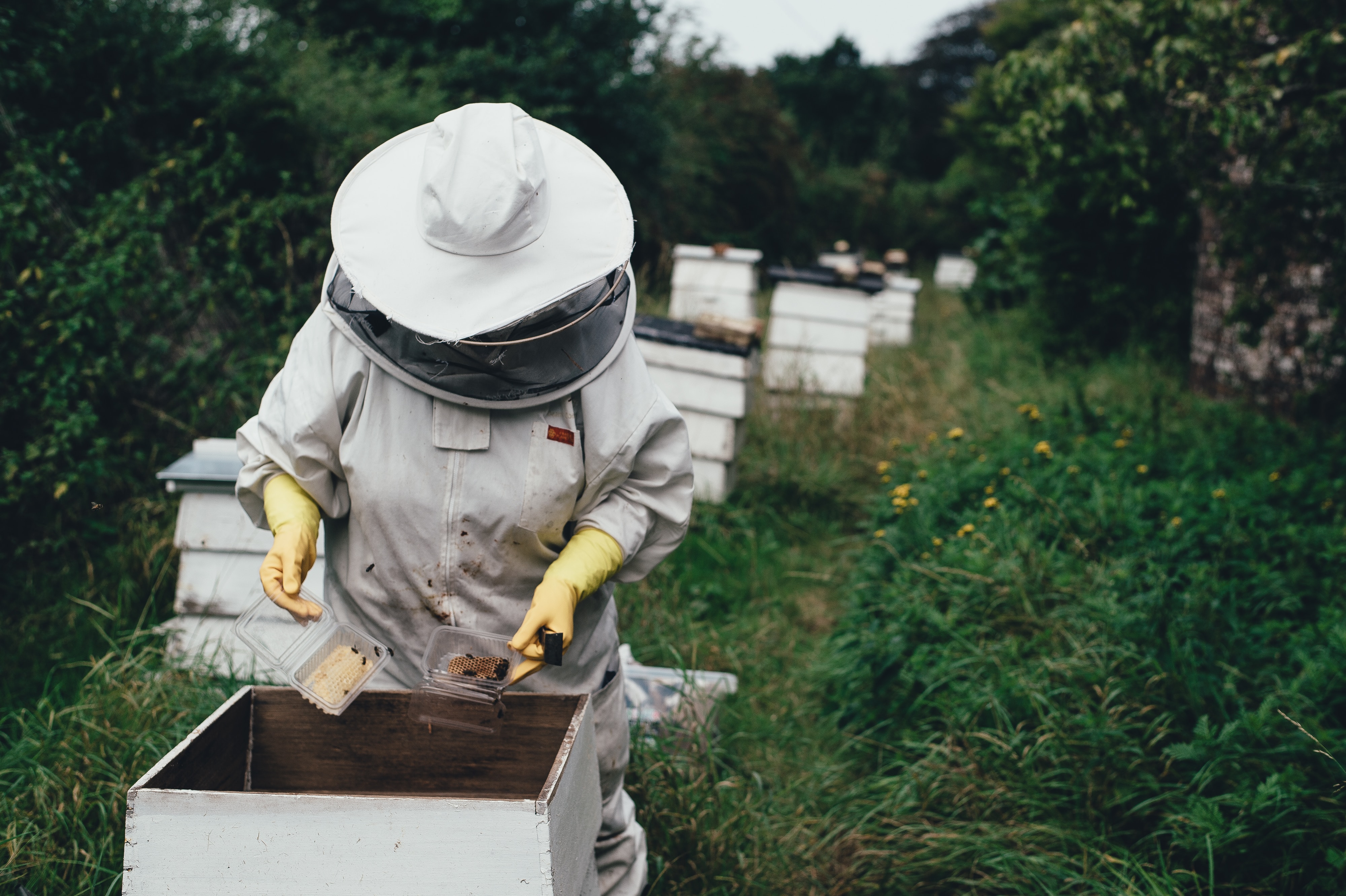
beekeeper keeping bees honey

New methods for reducing the risk to bees include breeding almonds whose trees need one hive per acre as compared to the present need for two. The Xerces Society For Invertebrate Conservation, an international nonprofit organization, teaches almond farmers to plant native wildflowers and herbs like clover and mustard between the trees and around the orchards. This controls pests naturally and prevents the bees from leaving the orchard to forage in nearby farms where pesticides are used.

Another note of hope is in a California pollinator protection law that, as of January 2019, requires beekeepers to register where their hives are located with county agricultural commissioners, and farmers to give advance notice of pesticide-spraying schedules. 

That sound a little better? Yet consider this: it takes 1.1 gallons of water to produce one single almond.

almond tree in the sky

Where does the water come from, in an historically drought-bound land? California’s underground aquifers were hugely depleted during the drought of 2011-2018, as companies drilled wells to supply irrigation. Although the California drought is officially over, the long-range ecological consequences of getting water for almonds are still felt. Reporter Tom Philpott writes in this 2014 article in Mother Jones:

“In a huge swath of the almond-intensive San Joaquin Valley, the ground has literally been sinking by an average of 11 inches per year, a 2013 US Geological Survey study found. The culprit: over-pumping of aquifers. Such subsidence, as its known, threatens vital infrastructure like bridges, roads, and irrigation canals. ” 

Philpott adds, “Meanwhile, groundwater depletion is also making the Sierra Nevada and Coast Mountain ranges slowly rise—enough to potentially trigger earthquakes, a 2014 Nature paper found.” 

Now let’s look at almond milk health benefits. Almond milk isn’t as healthy as it seems. It tastes good, has the creamy white color consumers seek, and satisfies those avoiding dairy milks for one good reason or another. But look at the label on the carton when you pick one up at the supermarket. Does it have fillers, sugar, emulsifiers? The popular brands Silk and Alpro contain all of 2% almonds.

Even home-made almond milk is mostly water; unless you’re eco-conscious enough to use the leftover pulp in baking, or compost it, most of the goodness is wasted. It’s eating the nuts that delivers their nutrients.

Knowing almonds’ ecological price, it makes sense to look at a more sustainable milk alternative.  The consensus is that the most sustainable plant-based milk is made from oats. And yes, we have the recipe. Click the link above or below. 

Make Your Own Oat Milk At Home

Growing THC to match your mind, mood and disorder 

0

passing the thc joint cannabis two hands It’s been going on since our parents and grandparents started growing weed in the 1970s. How can you grow a strain that helps relieve your pain, anxiety, PTSD and other medical condition while matching or enhancing your state of mind? Since cannabis was discovered in Jazz clubs last century it has been demonized as the Devil’s Weed despite clinical research in sleep, cancer pain, and trauma stress that proves otherwise. 

Or maybe you have heard about the story of Charlotte, a little girl from the United States that had epilepsy and was practically symptom free after the Colorado physician Dr. Alan Shackleford prescribed her cannabis with high levels of CBD and low levels of THC? The Stanley Brothers went on to build a huge business in CBD on that. In speaking with me over the years Dr. Shackleford has said that small amounts of THC may be important in the treatment of health conditions that cannabis helps, so the CBD alone supplements are probably not worth your while. 

How to reduce THC in your urine

So if you happen to live in a US state (sorry, I am a Canadian and we now don’t worry about this!) and you are self-medicating with cannabis it may be important to know about drug testing and what can happen if your employer demands you take one. It’s easy to get caught by employer on a random drug test. Learn how to speed up detoxification process on websites like MedSignals.com. While you may get a cannabis prescription that can remain off the record and which you can take to a legal dispensary there may be other personal reasons why you don’t want a trail of your medical marijuana use. Maybe you are a police officer, work in the army, are a professional athlete or a teacher? For some it’s deeply personal and private and for others they may wonder what other authorities such as the DMV might do with this information. 

You can search on Google for ways to eliminate THC from your bloodstream but if you are a heavy user it can take up to 77 days for it to pass completely. The website above offers some tips on approaches you can to metabolize cannabis faster (no, not water), but exercise and other tricks like eating pectin. 

We can’t vouch for any of these, nor can we say break the law, but honestly cannabis use has become so important — too important not to consider now that pain drugs are a number one killer of young people in the United States and Canada. My neighbor died of an overdose and she was only 27, with two kids. It’s so dumb that cannabis is illegal in the United States. Land of the free. 

We completely advocate for growing your own, and growing your own cannabis to get the desirable THC effects. And we can say this as a Canadian. You can get strains from friends if you love a plant that they grow, and also all sorts of online shops from Canada and Holland can send you seeds in the mail, usually in unmarked bags with no problems. 

And if you are really wild about the molecules inside the cannabis plant and how they match our endocannabinoid system, know that a new mind-bending molecule has been isolated and it’s from a sativa plant and it’s been called THCP. There is another called CBDP. See Leafly for more

When I interviewed Raphael Mechoulam more than a decade ago, he told me that he thinks there are about 80 or more useful cannabinoid molecules; and that he was the first in the world to isolate the main ones –– CBD and THC. His research, starting with a bag of hash in the 60s, has gone on to fuel an entire live of empirical research that may prove once and for all that urine tests are not fair and that cannabis is not a drug, not a bad one anyway. 

The Slow Food Movement defines Slow Meat

0
Slow Meat buffalo wild
Meat the Change – What is slow meat? Wild pastured? Whole animal meat. Organic. Raised with spirit? Bought at ethical prices? Slaughtered ethically? All of the above.

The Slow Food movement isn’t against eating meat. It’s for eating whole animal, better quality meat, less often. It is organic meat. Free meat. Happy meat. Are you slow? Take the quiz.

Today Slow Food launched the Meat the Change campaign, with the aim of reaching people all over the world.  The campaign aims to encourage people to reflect on the consequences of their food choices. 

How Slow Are You? is the title of a quiz on eating habits, which asks social networks users to answer multiple choices questions like “How much meat do you eat each week?” and “What criteria do you use for choosing meat when you shop?”.

Based on the final score, the users are judged to be more or less “slow” and receive advice to improve their consumption habits.

What is Slow Meat?

slow meat movement

But what exactly does “being Slow” mean?

It means eating less meat, of better quality. Sustainable farming guarantees quality meat because it puts the welfare of the animals first, leaving them free to move around in open pastures and feeding them with organic feed.

“Being Slow” also means having a lower environmental impact: sustainable farming contributes to the reduction of deforestation, land use, desertification. It can help to save biodiversity and improve soil fertility. A lower number of animals, when raised on pastures, has less impact on the climate. In this sense, the campaign promotes an environmentally- and climate-friendly lifestyle, starting with a lower consumption of meat, and of better, slower meat. It is not, let’s say, meat made with meat glue

Meat Glue (Transglutaminase): The Meat Industry’s Dirty Secret

You are what you eat, eats

The over-consumption of meat from intensive, industrial livestock farming is a serious problem, as demonstrated by numerous studies and surveys. According to the FAO, the livestock sector is responsible for 14.5% of total greenhouse gas emissions, while one third of the world’s cultivated land is used to produce the billion tonnes of feed required to feed these animals: mainly soy and maize monocultures.

Then there are the water resources required: 23% of our globally-available fresh water is used for livestock farming. The intensive farms have also a strong impact on ecosystems in terms of pollution from livestock manure and methane emissions. The animals that live and die in this system are considered as nothing more than simple meat machines, with no regard for their welfare or the distressing conditions in which they live.

The ultimate result is the production of cheap, poor quality meat that has a negative impact on public health, which contributes to antimicrobial resistance and to an increase in cancer and heart diseases.

If global annual meat consumption doubles between now and 2050 (as the FAO has predicted), from over 250 million tonnes of meat to 500 million tonnes, the system will collapse.

“The global industrial farming model forces us to deal with unsustainable environmental and social costs. We need to rethink our consumption in order to imagine a better future and consumer choices are crucial to influence and direct the market supply. However, the solution is not to remove meat from our diet, because a good way of breeding—good for the environment and good with animals—is  essential for good agriculture and quality meat. This is why we need to support those who practice sustainable animal husbandry, often taking care of marginal areas and saving biodiversity, like the many farmers who keep local breeds,” comments Ursula Hudson, member of the International Executive Committee of Slow Food. 

“The campaign is called Meat the Change, with a play on words that invites us to change the meat in our diet while at the same time inviting us to embrace the change. Through more careful consumption choices, we can indeed become protagonists.”

The Meat the Change campaign has been developed in collaboration with Meatless Monday, a non-profit initiative whose goal is to reduce meat consumption by 15% both for our health and the health of the planet.

Arab loan offers $105 million USD to fund renewables globally

0
Cuba will receive an Arab fund loan to develop solar power.

The Abu Dhabi Fund for Development (likened to USAID and the UK and German’s foreign aid) announced last week that it will provide renewable energy loans to 8 projects around the world. The projects will go to building resilience, mainly in island communities which will be able to repay the loans after the renewable energy projects go online. The Abu Dhabi Fund is partnered with IRENA, a global entity that assesses renewable energy opportunities and expectations from countries to stop climate change.  

Among the recipients are the island nations of Antigua, Cuba and Barbuda, but also the Maldives and Nepal. The full list is below. Like any nation seeking allies it is commendable that the fund went outside of the Middle East region, even though so much is needed here. 

Funding sustainable development

Investing in renewable energy in developing countries especially is important – it helps them secure low-cost capital to increase energy access, improve livelihoods and advance sustainable development on the ground. Once the facilities are starting jobs in all sectors will be affected but no doubt a range of renewable energy jobs will be offered at these 8 new projects. 

“Today’s announcement re-affirms the UAE’s and ADFD’s leading efforts to combat the effects of climate change by stimulating robust development across the global renewable energy sector,” said Mohammed Saif Al Suwaidi, Director General of ADFD.

The Fund’s commitment to this priority has enhanced long-term growth prospects and yielded socio-economic benefits for millions of lives in line with the national objectives of the beneficiary countries,” he added. 

Francesco La Camera, Director-General of IRENA, said: “Overcoming investment needs for energy transformation infrastructure is one of the most notable barriers to the achievement of national goals.

“Therefore, the provision of capital to support the adoption of renewable energy is key to low-carbon sustainable economic development and plays a central role in bringing about positive social outcomes.”

The 8 renewable projects in solar, wind and biogas

In Antigua and Barbuda, an 8 MW hybrid power plant (solar and wind) will receive an ADFD investment of US$15 million. The project is expected to benefit 5,500 households and allows for large reductions in the import of fossil fuels.

In Burkina Faso, an ADFD loan of US$5.5 million will contribute to the construction of a 3 MW solar PV power plant in the country. The project is expected to extend electricity to approximately 40,000 people in rural areas.

In Chad, the ADFD loan of US$15 million will contribute to the construction of a six MW solar power plant. The project is expected to benefit more than 215,000 people in six cities.

In Cuba, a project will receive an ADFD loan of US$20 million to install 8.5 MW of solar PV capacity, supported with 2 MW of energy storage, in Isla de la Juventud. The project will benefit 32,300 people, aims to support the energy sector, decrease fossil fuel consumption, reduce the level of carbon emissions and secure energy consumption from renewable and sustainable sources.

In the Maldives, a waste-to-energy plant project in the city of Addu will receive an ADFD loan of US$14 million. The 1.5 MW renewable energy project will utilise waste in generating electricity and reduce dependence on imported fuel benefitting 35,000 people.

maldives renewable energy

In Nepal, a project will receive an ADFD loan of US$10 million to support a total of 20 biogas digesters which will serve as demonstration units to 270 municipalities. The digesters will convert organic waste into useful energy and offset the use of fossil fuels by replacing it with renewable natural gas.

bioreactor nepal

In Saint Lucia, the 10 MW Troumassee solar power station, battery storage and setting up solar energy systems in the country, will receive an ADFD loan of US$15 million. The venture will support the whole population, economic development, advance the implementation of Saint Lucia’s national energy policy and reduce diesel fuel consumption.

In Saint Vincent and the Grenadines, an ADFD loan of US$10 million will support the installation of a 7 MW solar PV project and benefit 2,444 households. The renewable energy venture aims to reduce carbon emissions, fossil fuel consumption and operating costs.

Since the first cycle selection of projects in 2014, ADFD has successfully funded 32 renewable energy projects across the world, covering up to 50 per cent of the total project costs.

They will bring 200 MW of renewable energy capacity online and empower over seven million people with access to electricity, significantly improving their livelihoods. Spanning Asia, Africa, Latin America and Small Island Developing States, the projects encompass a broad spectrum of renewable energy sources – wind, solar, hydro, geothermal and biomass – and technologies.

Since its inception in 1971, ADFD has financed hundreds of development projects in the renewable energy sector around the world worth US$1.187 billion (AED4.4 billion). Driving the objectives of the United Nations’ SDGs, these projects have contributed to the production of more than 2,500 MW of renewable energy in 60 countries.

Energy UN group: we need 31% more renewables by 2030

0
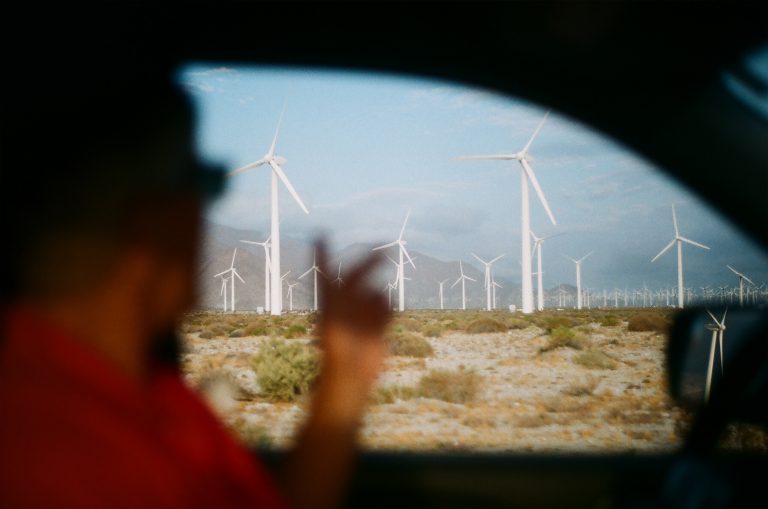
wind turbines
It’s easy. If you don’t want to read the whole article, here is the sum up: We need 31% more renewable energy to play it climate safe by 2030. It will cost $750 billion USD – but this can be investment stimulus people, and wind and solar can get us there. Let’s do it!

There is a meeting of the “energy” global superpowers every year in Abu Dhabi. It’s called IRENA, or the International Renewable Energy Agency. They function like a United Nations group, doing research, conducting meetings and presenting recommendations to the world.

Can we save the earth without the Arctic ice?

This year they issue a report: The share of renewables in global power should more than double by 2030 to advance the global energy transformation, achieve sustainable development goals and a pathway to climate safety. Renewable electricity should supply 57 per cent of global power by the end of the decade, up from 26 per cent today. That’s, well, up 31% and every country should step up to the plate and do their part. 

IRENA energy meeting 2020 abu dhabi
Meeting the press at IRENA in Abu Dhabi

A new booklet 10 Years: Progress to Actionpublished for the 10th annual Assembly of IRENA, charts recent global advances and outlines the measures still needed to scale up renewables.

We need $750 billion in investment please for renewables, for the planet

The Agency’s data shows that annual renewable energy investment needs to double from around $330 USD billion today to close to $750 USD billion to deploy renewable energy at the speed required. Much of the needed investment can be met by redirecting planned fossil fuel investment.

Close to USD 10 trillion of non-renewables related energy investments are planned to 2030, risking stranded assets and increasing the likelihood of exceeding the world’s 1.5 degree carbon budget this decade.

“We have entered the decade of renewable energy action, a period in which the energy system will transform at unparalleled speed,” said IRENA Director-General Francesco La Camera. “To ensure this happens, we must urgently address the need for stronger enabling policies and a significant increase in investment over the next 10 years. Renewables hold the key to sustainable development and should be central to energy and economic planning all over the world.”

“Renewable energy solutions are affordable, readily available and deployable at scale,” continued Mr. La Camera. 

Additional investments bring significant external cost savings, including minimising significant losses caused by climate change as a result of inaction. People are facing the effects of climate change in the Middle East. The conflict in Syria ongoing for more than a decade, a crisis about to hit a tipping point in Egypt for lack or water; flooding everywhere, most recently in Israel where people lost their lives.

Savings could amount to between USD 1.6 trillion and USD 3.7 trillion annually by 2030, three to seven times higher than investment costs for the energy transformation. These costs can outweigh a mass migration from North Africa and the Middle East to Europe. Because as climate effects strengthen, European countries will find it impossible to keep the gates closed, as they currently do. 

Solar and wind could cover a third of world energy needs

Falling technology costs continue to strengthen the case for renewable energy. IRENA points out that solar photovoltaic costs have fallen by almost 90 per cent over the last 10 years and onshore wind turbine prices have fallen by up half in that period.

By the end of this decade, solar PV and wind costs may consistently outcompete traditional energy. The two technologies could cover over a third of global power needs.

Renewables can become a vital tool in closing the energy access gap, a key sustainable development goal. Off-grid renewables have emerged as a key solution to expand energy access and now deliver access to around 150 million people.

IRENA data shows that 60 per cent of new electricity access can be met by renewables in the next decade with stand-alone and mini-grid systems providing the means for almost half of new access.

Yalla, let’s do this. Make smarter energy decisions starting at home

Baltimore city fixes racial water injustice according to income

0
black man baltimore water jordan shirt
If you are black and living in Baltimore you might not be able to afford your water. A new bill will alleviate income differences. A case study on how to fight privatization and allow access to all. 

Some people feel they can’t afford to turn on the tap in some cities while others waste water away. A new bill in Baltimore, Maryland (US) aims to settle water injustice, making sure that a water bill will be adjusted to a family’s means.

There is something to learn here as countries like Jordan still ship expensive water by truck; and in Israel where the cost of water climbs higher after every new desalination plant goes online, whether or not it is needed. Privatization of water we learn should be an injustice that a city, state or country fights against. Baltimore is a good case study.

“Baltimore is shattering antiquated water billing inequities, setting a new benchmark for billing fairness and government accountability, and rising up as a water justice champion in this country,” said Rianna Eckel, Senior Organizer of the new water bill just passed for Food & Water Action, an NGO.

In November 2019, the Baltimore City Council voted unanimously in favor of the bill, and Mayor Jack Young signed the bill making it an official law. 

The United Nations has declared that water bills should not exceed 3 percent of a household income.

In Baltimore Black households most pay disproportionately high bills. With the new Water Accountability & Equity Act, Baltimore has made steps to eradicate racial water injustice and become the second city after Philadelphia to set up a percentage-of-income water affordability program. 

“The Water Accountability & Equity Act will transform Baltimore’s broken water billing system to work for people,” said Molly Amster, Baltimore Director, Jews United For Justice. “

We have been a part of bringing this critical, desperately needed legislation from introduction to enactment and we will continue to diligently engage to ensure swift and successful implementation of the law.” 

Baltimore’s water justice leadership began with a historic win against privatization. In 2018, voters protected public ownership over the water system by passing a charter amendment to declare Baltimore’s water system a permanent, inalienable asset of the city.

After that, the City proved the value of keeping the water system public, by passing the Water Taxpayer Protect Act to protect homeowners, renters, and places of worship from losing their properties over unpaid water bills. 

Water bills will be based on percentage-of-income, ensuring all residents, including those of low-income and black households, can afford the price of their water. There will be a customer advocate’s office with a mission of promoting fairness to customers, and a structure for appealing high bills and other problems commonly faced by customers.

Similar affordability efforts are pending in Detroit and Chicago. Across the country, the water affordability crisis is growing. Baltimore is providing a model for a national water justice movement.

New lab test for antibiotic resistance better times treatment

0

bacterial in petri dishResearchers in Jerusalem have found they can test for antibiotic resistance to better treat sepsis and even target cancer treatments better 
Is it just us or do we seem to get sicker and sicker every winter? This last few months we have been at home sick more than we have been without. Indeed superbugs like the bird and swine flu virus H1N1 are reported to be going around, suggesting why everyone is getting a vaccine to try and beat it. But that’s a virus. When it comes to bacterial infections antibiotics are the only relief. 

Every year in the United States, more than 35,000 people die and 2.8 million get sick from antibiotic-resistant infections.  The medicine we have isn’t good enough.

Israeli tech to tackle bacteria resistant to antibiotics

But new research may prevent some unwanted deaths due to infections like pneumonia. It is published in the prestigious journal Scient. The team led by Hebrew University of Jerusalem (HU)’s Professor Nathalie Balaban and Shaarei Zedek Medical Center’s Dr. Maskit Bar-Meir describe their approach. 

Like all living organisms, germs like bacteria develop defenses against hostile elements in their environment.  One common tactic is “tolerance”, that is, lying dormant during antibiotic treatment.  In this way, bacteria evade antibiotic treatment because antibiotics can only spot and kill growing targets.  However, this intermediary stage called “antibiotic tolerance” lasts only a few days and cannot be detected in standard medical labs.  Therefore, doctors miss the tolerance window and with it the opportunity to treat a serious infection before it becomes altogether resistant.  This short window does not affect most healthy adults but for those patients fighting off a blood infection with a weakened immune system, this window is critical and could mean the difference between life and death.

Math tests if antibiotics will be effective

In a previous study, Balaban and student Irit Levin-Reisman studied lab-controlled bacteria.  They developed a mathematical model that successfully described, measured and predicted when bacteria would develop tolerance to a particular antibiotic. 

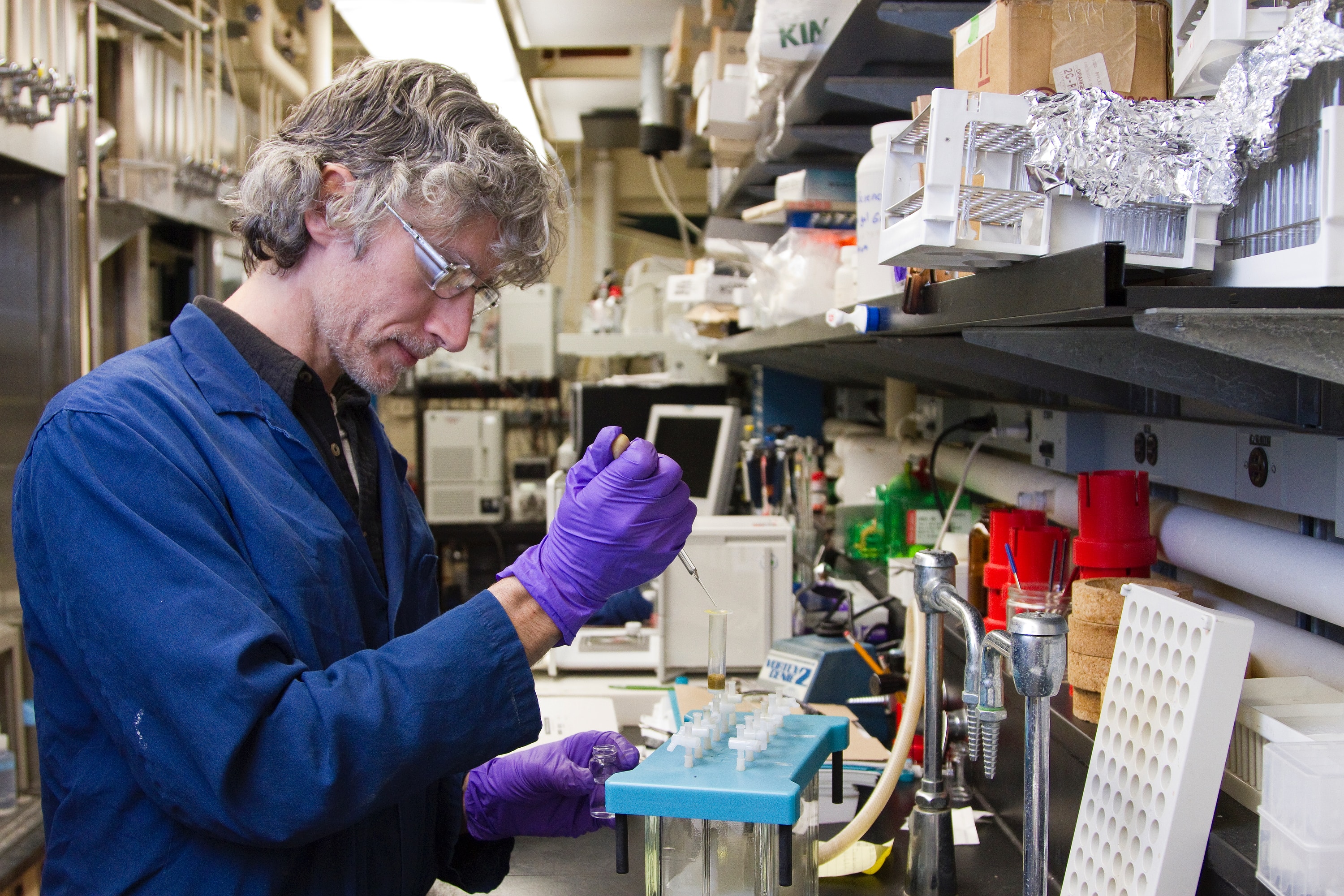
man testing bacteria resistance with pipettes in lab

Further, they observed that when bacteria developed tolerance to one antibiotic, they were more likely to develop tolerance to other antibiotics in the cocktail.  “We observed that bacteria acquired tolerance within a few days. These tolerance mutations then acted as a stepping stone to acquire resistance and, ultimately, treatment failure,” described Balaban.

Now, as published in the latest edition of Science, HU’s Balaban lab and Dr. Jiafeng Liu teamed up with Bar-Meir and repeated their study and tolerance test technique.  Only this time, they analyzed daily bacterial samples from hospitalized patients with life-threatening, persistent MRSA (methicillin-resistant Staphylococcus aureus) infections.  The pattern that they found was strikingly similar to their lab findings: First, the patients’ bacteria developed tolerance, then resistance, and ultimately antibiotic treatment failed. 

Applications for testing in cancer treatment

Looking ahead, Balaban believes that the same evolutionary processes involved in the development of antibiotic tolerance and resistance are likely at play in cancer and might be used to inform treatment.  For example, tumor cells might first become tolerant of chemotherapy, develop resistance to it, and then develop resistance to other cancer drugs, as well.

In the short term, Balaban and Bar-Meir would like to give new hope for patients with life-threatening infections by encouraging medical centers to adopt the laboratory test they developed which gauges antibiotic tolerance. 

This readout would enable doctors to quickly and easily detect whether a patient’s bacteria are tolerant of a planned antibiotic treatment before it’s administered.  Further, based on the patient’s bacteria profile, doctors could handpick antibiotics with a greater chance of success that, as is currently done, blindly choose antibiotics for which the patient may have already developed a tolerance.

“Using the right combination of available antibiotic drugs at the outset could dramatically increase a patients’ survival rate before their infection becomes tolerant to all the antibiotics in our arsenal,” Balaban concluded.

Team Israel and the UAE go leg to leg at the Tour de France in 2020

0

tour de france, Israel team

You risk your life walking on the streets of Israel, but cycling is another matter completely. Death by cycling are commonplace in cities like Tel Aviv where buses and trucks speed out of control and reckless newcomers barely in their teens speed around on electric bikes (really like mopeds) and e-scooters. In April 2018 a Netanyahu strategist and very well known publicist Moti Morel was killed in Tel Aviv on his e-bike.  

But risks aside, cyclists can also dream… in the the spring of 2014, two cyclists met on the summit of Nes-Harim, the legendary climb near Jerusalem, that draws hundreds of cyclists from the local Israeli bicycle community every weekend.  The older of the two, Ron Baron, was an Israeli businessman. The younger, Ran Margaliot, was barely 25, yet his professional career as a cyclist had come to an end a short time previously.

tour de france

They both had a vision of building a team dream of Israeli cyclists that could do the legendary Tour de France with an Israel Cycling Academy (ICA). This year they succeeded. 

How Israel accelerated uphill with a team

Sylvan Adams, an Israeli-Canadian philanthropist, now part of the team as a co-owner, greatly accelerated ICA’s development. The team rose to Pro-Continental rank internationally and began competing in more important races. Meanwhile, at the same time, an all-Israeli development team was established, serving as a greenhouse for U-23 local cyclists, to help them reach the level of the Pro-Team before and joining it.

By 2017 the team had already made impressive headway, exceeding its founders’ expectations. With promising young cyclists from all over the world, the team had participated in hundreds of race days, winning dozens of them, and promoting several Israeli cyclists who met the demanding standards of this sport.

In 2018, the Giro D’Italia Big Start (the starting stages of the race) took place in Israel, the first Grand Tour start outside Europe. ICA was invited to participate in this Giro D’Italia, allowing Guy Sagiv to become the first-ever Israeli to finish a Grand Tour.

The slogan “From Jerusalem to Rome” was used to dub the team’s journey. 

This race put Israel and Israel Cycling Academy on the map of the world cycling scene. 2019 sees ICA with its biggest roster ever. It is also the team’s most challenging season to date, with qualifying for the 2020 Tour de France by finishing among the two best Pro Continental teams the primary goal. 

In addition to four Israeli riders (Itamar Einhorn, Omer Goldstein, Guy Niv, and Guy Sagiv), the roster includes Matteo Badiletti and Patrick Schelling (Switzerland); Rudy Barbier, Alexis Renard and Hugo Hofstetter (France); Jenthe Biermans and Ben Hermans (Belgium); Guillaume Bovin, Alexander Cataford and James Piccoli (Canada); Reto Hollenstein and Matthias Brändle (Austria); Davide Cimolai (Italy); Alex Dowsett (Great Britain); Andre Greipel, Rick Zabel and Nils Politt (Germany); Dan Martin (Ireland); Travis McCabe (USA); Daniel Navarro (Spain); Krists Neilands (Latvia); Mihkel Räim and Norman Vahtra (Estonia); Rory Sutherland (Australia); and Mads Würtz Schmidt (Denmark).

Dan Martin, Team Israel cycling tour de france
Ireland’s Dan Martin switched teams from the United Arab Emirates to the underdog Israeli team this year.

We root for the underdog and hope more teams from the Levant and Near Middle East will join in on the sport. Among the 19 qualifying teams is a team from the United Arab Emirates, opening a new space for healthy dialogue, sport and good dynamics among men who normally never get to meet face to face…meanwhile looking at the faces and then just checking the names… nah, just like big league baseball these guys don’t look like they are from the United Arab Emirates, but are strong legs, lean bodies for hire. They are hot though. Follow Team UAE on Instagram. And Team Israel (less hot) here.

The UAE cycling team is posted below. 

United Arab Emirates tour de france


… and if you are a cycling lover there is this one story about a guy from Lebanon… there is ALWAYS a good story from the Middle East. Believe us. 

Are all flooring contractors as skilled as each other?

0

cowboy boots on a wooden floor

Choosing the right flooring contractors who will make sure that the room floor would get the best finishing and appearance is certainly a difficult task times. However, there are a few qualities that you should consider when you are choosing the flooring contractors and here are some tips that will help you during making the perfect decision. Check out to know more about the flooring contractors and what steps you should take in order to figure out which one is more skilled than other:

Decide your budget 

The first and foremost thing that you need to keep in mind is the budget of the flooring service so that you can plan accordingly and get the flooring of your choice and install it in your home. You can always negotiate with the service providers regarding the budget and arrive at a price that suits you both the best. In case you have a particular contractor in your mind who might cost you a bit more then you can either choose them as they might offer the best services for the home, just the way you like.

Know their work process

Different contractors have different working styles and who care about it make sure that their staff wears makes use of proper resources to carry out the task at hand. The quality of the services provided by them can be identified by the way they might have handled different projects before and how they serve on their local store. Even the smallest of details related to use of materials will leave a good impression on you which is why it is important that you do not compromise this level.

Look out for multiple flooring choices 

You would want to make a good impression on the people who come to your residential or commercial building especially the close family members who are regular at your home. In such a scenario, having multiple flooring options to find out the one that goes with the décor of your home would be a good idea. Choose flooring according to the taste in style and preferences of your choice. Check out some of their sample flooring sheets, and you will get to know whether or not you should consult them.

Check the servicing and quality of materials  

The services that you are going to get would depend on your budget as well. Make sure that the service provider is taking care of everything right from the finishes to the use of wooden flooring along with their placement. If you have somehow found an experienced contractor, you will probably be benefited by the years of experience that these contract services hold.

Follow up on recommendations

It is always good to take suggestions, and if you do not have a clear idea what to do when it comes to the contractors, it is always best to seek the advice of close family members and friends. Prepare a list of the potential contractors that you think would be best for your space and then contact them regarding their charges, variety of floor materials, services and so on in order to have a clear idea about what you exactly what. Once you are satisfied with a particular service provider, start arranging talks with them regarding your requirements.

Although it might be a difficult choice at first, but you should do proper research before choosing the right flooring contractor for installing the floor sheets in your home otherwise your space might get damaged due to improper utilization of resources that are important during the installation process.

Tech investors read this: you can speculate on digital risks for 2020

0

digital nomads rights of data

At a time of regulatory and geopolitical uncertainty, investors should look for tech companies that understand how human rights standards build trust.

Several companies have made notable improvements since the first RDR Corporate Accountability Index started evaluating many of the world’s most important internet, mobile, and telecommunications companies back in 2015.

Most of the industry, however, has focused on legal compliance and lobbying to shape further regulation. Companies otherwise have done little to be proactive in response to widespread public concerns about their social impact.

They continue to expose users and investors to risk by failing to disclose adequately what happens to users’ data or how they can control its collection and use.

Companies do not disclose enough information about who has the power to amplify online messages and under what circumstances, or about how online speech and access to or about information are enabled, restricted, and shaped through digital platforms, services, and devices.

The RDR Index offers investors a clear framework to evaluate how companies can prevent or mitigate risks to users’ privacy, expression, and information rights, in alignment with the UN Guiding Principles for Business and Human Rights.

Look for companies with policies, practices, and governance that go above and beyond legal compliance box-checking. Despite significant shortcomings in policy, practice, and disclosure, some progress has been made. The highest-ranked tech companies in the 2019 RDR Index disclosed policies and practices that exceeded baseline privacy and internet-related laws and regulations in their relevant jurisdictions, thereby meeting higher human rights standards in at least some areas.

One sign that regulatory drivers can reshape behavior came with the General Data Protection Regulation (GDPR). After the regulation came into force in May 2018, companies improved, albeit unevenly. The quality of privacy and security policies, practices, and disclosures by EU-based telcos varied widely in the 2019 RDR Index.

For example, Deutsche Telekom (the highest ranking European telco) out-scored Orange (the lowest-ranking European telco) by nearly double in the privacy category.

CEOs and boards need to take responsibility for the human rights risks and negative social impacts associated with their business models. The 2019 RDR Index evaluated whether companies carry out comprehensive due diligence addressing the full range of risks to internet users and affected communities associated with their business operations.

No companies disclosed any evidence that they conduct due diligence or human rights impact assessments in connection with targeted advertising business models. This performance gap is striking at a time when widespread media reports backed by academic research show that personal data shared by companies with advertisers can be abused to target specific groups of people with discriminatory practices or with blatant disinformation that can incite violence or sway political outcomes.

Investors need to focus on governance issues that affect how dominant social media platforms’ content rules are formulated and enforced as well as how algorithms and artificial intelligence are used to shape content or profile users.

Applying Mountain Thinking to Artificial Intelligence

These issues matter because Facebook, Twitter, and Alphabet’s Google (parent of YouTube) have not offered any evidence of having conducted human rights impact assessments on their rules, content policing processes, or their use of algorithms, machine learning, or other artificial intelligence tools.

Ranking Digital Rights (RDR), an independent research initiative housed at the Open Technology Institute at New America, is releasing its Winter 2020 Investor Update (links to PDF) this morning. The concise, 12-page guide is an easy-to-use tool for institutional investors, policy advocates, journalists, and others to evaluate technology companies using a methodology based on rigorous, peer-reviewed human rights research. 

The Investor Update is packed with original analysis and concrete, actionable information that investors can use to get a clear picture of risks and opportunities undertaken by some of the world’s most powerful tech companies. It contains uses data from RDR’s 2019 Corporate Accountability Index, an annual ranking of the world’s most influential digital platforms and telecommunications companies. 

The Update is written by digital rights expert and RDR Director Rebecca MacKinnon and by veteran investment analyst Melissa Brown. It draws on research conducted by a team of tech policy and human rights experts led by RDR’s research director Amy Brouillette. 

Says MacKinnon, “Responsible and accountable corporate governance of digital rights risks is a growing investor concern. Ranking Digital Rights’ Investor Update cuts through the fog of opinion and outrage about tech company ethics and provides a clear framework for investors to evaluate human rights risks, and engage with companies about how such risks can be better anticipated and mitigated.”

More regulation on digital privacy and online content is coming – but are companies ready? Given the pace of technological change, anticipating regulatory risk means thinking beyond compliance with laws that have already been passed.

The Ranking Digital Rights Investor Update offers clear guidance to investors on how evaluate tech companies’ ability to be proactive and responsible about how their products and services are affecting society. 

Sustainable commodities | A new trend in global finance

0

sustainable commodity

Commodities, or how most people would like to call them “goods” have been around forever. They are things that drive consumption and manufacturing all over the world. They can be in their raw form, which is very easily usable by the consumer, or could require refinement for better use as a product later on.

But understanding what commodities are isn’t what this article is about. It’s about understanding what sustainable commodities are, how people use them, why they use them and how they are becoming the most sought-after assets in modern times.

Simplifying commodities

In order to tackle sustainable commodities on a level that is very easy to understand we have to first see the difference between commodities and goods. The bottom line is that there is pretty much no difference besides the name, but who uses those names is very important.

You see, the word commodities are usually used in a speculative term, while goods are used in a more consumer term.

Commodities are things that are traded, bought and sold, invested in and etc. While goods are something found on the shelves of the supermarket and other stores. The only difference between these two words is the people that use them.

And today, we focus on those that use the word “commodity”.

Shifting trends

Although the idea of an investor is an older man trying desperately to generate a profit from his gold or oil investment, modern times have helped us tone down those perceptions.

You see, the modern investor isn’t a huge oil magnate anymore. It could be a person living in a very small apartment, trying to make ends meet and finish school. The digitalization of financial markets has helped us broaden the investor spectrum.

Because of this, environmental activists, green earth supporters and various others have managed to enter the market. Where in the past these people were mostly alienated from the markets due to serious financial disparities, nowadays they are able to make a real impact on the matter.

And due to such a large influx of investors like these, we start to see the shift towards sustainable commodities more than things like oil, coal, charcoal and etc.

What are sustainable commodities?

Almost everything can be a sustainable commodity, as long as the production process falls within a few ramifications.

  1. It does not damage the environment

  2. It has the potential to be infinite

  3. Production ethics are preserved

Nowadays there are only a few commodities that fall under these requirements. They are:

  • Coffee
  • Cocoa
  • Coconut
  • Palm Oil
  • Rubber
  • Spices
  • Timber

As long as the companies producing these goods follow the third rule of the list above, they have the possibility to be branded sustainable commodities well into the future.

Why are they becoming more popular?

The increasing popularity of sustainable commodities can be associated with the changing mentality of the investors themselves.

When in the past most people only cared about profit, now investors are moving towards generating profits while not destroying the world as we know it.

Massive shifts from large financial markets such as stocks, currencies and even commodities have been seen towards a more sustainable sector.

People that use Forex demo accounts to start generating immeasurable profits from currencies used to damage the environment, now trade on eco-friendly platforms targeting commodities that bring no harm to the nature around them.

Why such a strategy?

The world runs on profit. We have to face this in order to identify the issue. Although there is no issue running on profit, there’s an issue with how it’s being done. Right now, the most profitable commodities to invest in are things like oil, natural gas, coal and etc. All of these products are the worst things to use in an already damaged climate.

Therefore, by switching the attention to sustainable commodities, the market would be able to focus most of its capital on them, thus derive the value from eco-unfriendly commodities to eco-friendly ones.

Naturally, it’s a years-long process, but it doesn’t mean that it is impossible.

Is it still possible?

Considering all of the news of new innovative companies switching to sustainable energy, more eco-friendly manufacturing doctrines and the overall abandonment of oil and natural gas coming in the future it’s likely that the market will indeed start switching to sustainable commodities.

Once we run out of oil and dig enough coal, it will be up to the commodities that can be infinitely produced to drive the speculation aspect of the financial markets.

gold mine pollution commodity
Gold is an evergreen commodity, but mining gold in areas in Africa and Indonesia is far from sustainable. New movements are in store to reduce pollution and increase renewable energy uptake.

In fact, the process has already begun with new plant-based products seen in the Western world and the Sustainable Commodity Initiative signed in 2003 and expanded over the last couple of years.

Potential issues

The only potential issue that has been identified for sustainable commodities is that there might not be enough resources to support the entire demand. What this means is that eradicating non-sustainable methods of producing commodities is currently impossible.

There are also issues of increasing prices on these goods due to increased spending on eco-friendly production and mining.

Furthermore, considering that most energy sources will be moving towards electricity, additional methods of creating this electricity without the use of damaging materials need to be discovered as well, not to mention funding.

Global leaders make plans at world’s biggest energy shindig – IRENA in Abu Dhabi

1

IRENA, Abu Dhabi Fund for Development, clean tech, renewable energy, clean tech financing, Abu Dhabi Sustainability Week, World Future Energy Summit

IRENA was founded a decade ago to solve the world’s energy problems. It’s like the United Nations of Renewable Energy and anyone who is a serious stakeholder in renewables from government to news to suppliers goes to this annual event.

This year it’s happening today, with more than 1,500 delegates and high-level participants including prime ministers, bank CEOs and leaders from the private sector will gather for the 10th assembly in Abu Dhabi tomorrow. It’s a serious meeting because people don’t travel all that way for nothing. They also dovetail their attendance at the event prior to the Abu Dhabi Sustainability Week and the World Future Energy Summit, taking place from 13 to 16 January 2020.

Green Prophet has been invited to these events in the past, and they are a great way to see emerging technologies and use in the Middle East. Solar energy and renewable energy stakeholders should be there.

“As the lead intergovernmental agency for the energy transformation, IRENA and its Assembly, will endeavor to set in motion a decade of rapid energy sector development to ensure that renewables support a new age of universal energy access, sustainable economic growth and climate action,” said IRENA Director General Francesco La Camera. “There is no question we are moving in the right direction but a significant increase in the speed of transformation is critical to global development.

“This Assembly also marks an important moment in the Agency’s evolution. The need for multilateral cooperation and long-term decision making has never been greater in the context of energy planning,” continued Mr. La Camera.

The 10th Assembly will engage women and youth, address low-carbon investment needs, discuss climate and energy policy and explore emerging technology options, to promote actionable outcomes that advance energy transformation.

Ten years on things have changed for renewables: global goals also need to address key social needs and climate change while building sustainable economic outcomes.

The Assembly will be presided over by Uganda’s Deputy Prime Minister, H.E. Ally Kirunda Kivejinja.

A day of preliminary meetings and discussions will take place today January 10, including the IRENA Legislators Forum, a High-Level Meeting on the Geopolitics of the Global Energy Transformation and a High-Level Meeting on Accelerating the Energy Transformation in Small Island Developing States.

Youth will feature on the agenda for the first time at an IRENA Assembly. The Agency will invite young people from around the world to the first IRENA Youth Forum, offering young people an opportunity to make concrete contributions to the global energy discourse and stay informed on developments in the renewable energy sector. Guess Greta Thunberg had something to do with this. 

greta thunberg global walkout protest
She is not going to be happy.

Some countries will be given aid and long term loans to help them meet new and expected international energy goals. 

Meet windy women

A high-level dinner celebrating the role of women in the renewable energy sector will feature. The evening session will include the launch of a new publication on the role of women in the wind energy sector, presented by IRENA in collaboration with the Global Wind Energy Council and Global Women’s Network for the Energy Transition.

More about IRENA’s participation during the World Future Energy Summit can be found here.