Home Blog Page 170

Sustainable urban design in Rotterdam, my hometown

rotterdam yellow house, passive energy
Rotterdam is a test bed for sustainable cities. Practical solutions but also a playground of sorts.

When thinking about cities in the Netherlands, most people picture canals lined with charming old houses and narrow brick alleyways. Don’t expect to find any of that in Rotterdam. This is not your typical Dutch city. Rotterdam is known for its modern, experimental architecture and has turned it into a hotspot for sustainable urban design. Once an unappealing port city, the city transformed into a playground for innovation.

Rotterdam’s rising up from the ashes

The second-largest city in The Netherlands, home to about 600,000 people, has always been different from other Dutch cities – and for a long time, it didn’t stand out in particularly positive ways.

Rotterdam was long known as one of the poorest cities in the country, with high criminality and unemployment rates and a large population of unskilled immigrant workers. It was a working-class city, with an economy mainly fueled by the city’s port – once one of the largest ports in the world. It had a gritty image and didn’t appeal much to well-off Dutch people, tourists, and investors.

During World War II, Rotterdam was bombed and the city center was left in ruins. Hence the lack of a historic center, as you will typically find in other Dutch cities. After the war, instead of rebuilding the city center the way it used to be, Rotterdam decided to head in a new direction. It started to reinvent itself as a modern city, characterized by high-rise buildings and experimental architecture.

Over the years, the city has earned a solid reputation. The city that used to be looked down upon, is now a popular tourist destination with international allure, attracting creative minds and designers with big ideas. It is home to dazzling architectural structures and many recent additions to the city’s skyline stand out because of their innovative and sustainable character.

Dealing with Floods in Holland

Rotterdam’s inhabitants like to think of themselves as pragmatic people who aren’t afraid to roll up their sleeves and get things done. It might be their no-nonsense, entrepreneurial spirit that sparked the wave of green innovations in the city. But there is also another, more practical catalyst: rising water.

Like a big part of the Netherlands, Rotterdam is located below sea level. At approximately four meters below sea level, it is basically a big bathtub. Although protected by the country’s extensive water protection systems, climate change presents new challenges, such as rising sea levels and heavy rainfall potentially flooding the city.

water square in rotterdam at night

Several innovative projects were developed as part of plans to make the city climate-proof – Rotterdam aims to achieve this by 2025. Those projects include the construction of a Water Square, featuring concrete basins that serve as recreational facilities but can double as water storage facilities, and a Sponge Garden, where new concepts for collecting, retaining and returning rainwater to the natural environment are being tested.

Sustainable Floating Structures 

The abundance of water also triggered another phenomenon that characterizes sustainable design in Rotterdam: floating structures. While the city’s port is still huge, it is not as significant as it used to be and various old harbors are no longer in use. The space occupied by those harbors is being repurposed with a greener future in mind.

There is a floating pavilion, consisting of three large glass domes which are being used as an event location. The so-called bobbing forest is an artistic project featuring miniature trees floating about on buoys. The floating park, made entirely out of recycled materials, is designed to trap plastic and serve as an urban ecological habitat for animals.
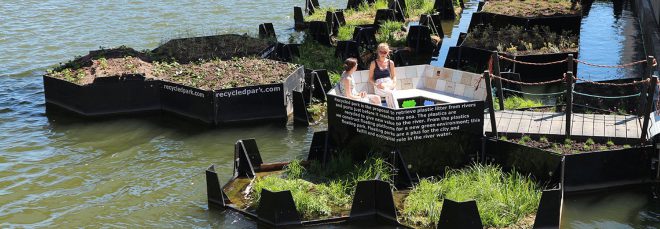
floating park, recycled park rotterdam, inhabitat

Meanwhile, the floating farm – a world premiere – is home to dozens of cows. It claims to prioritize animal welfare, promote circular farming, and produce healthy food right in the middle of the city, close to consumers. The cows are fed with residuals from local companies.

Circular economy across the city

Another innovation hotspot for the circular economy has arisen on the banks of the river Maas that crosses the city. The iconic former swimming pool Tropicana – every inhabitant of Rotterdam born before 1990 swam here at least once – has turned into a hub for sustainable start-ups, named BlueCity.

Blue City Rotterdam, Dezeen

It aims to support starting sustainable enterprises and connect them to each other, creating circular networks in which the output of one process becomes the input for another. At BlueCity, bee wax from a local beekeeper is used by a local carpenter and fruit peels from the local market are processed into fake leather for producing bags.

It all began with the start-up Rotterzwam when two green entrepreneurs realized the humid basement of the former pool was the perfect environment for a mushroom farm. They started cultivating mushrooms in coffee grounds from surrounding coffee shops. The veggie snacks made from the mushrooms are served in low-waste restaurant Aloha and bars and restaurants around town.
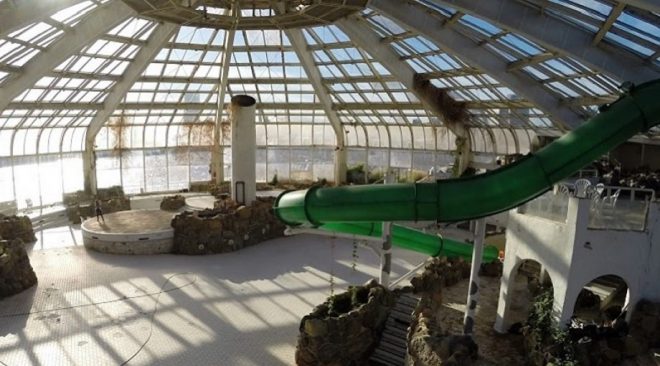
rotterzswam

Green spaces in the urban environment

Rotterdam’s concrete urban environment has been upgraded with green spaces. The city is home to the largest public roof park in Europe, the DakPark, complete with vegetable gardens and grazing sheep. In another part of the city, the roof of former train station Hofplein has been transformed into a public park. The nearby Schieblock features a large rooftop farm, measuring 1000m2, where city folks grow fruits and vegetables and keep bees.
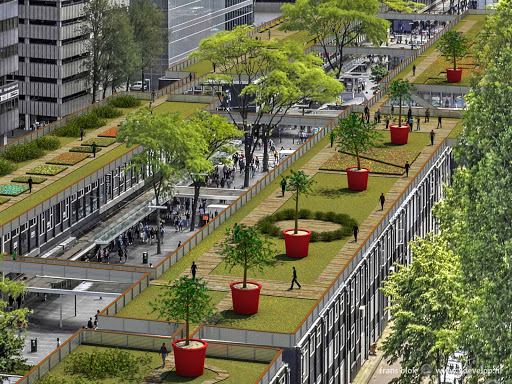
dakpark
DakPark

Sustainable housing, though not yet widely available, is being experimented with. The Concept House Village is designed as a test site for sustainable construction, where sustainable concept houses are realized in close cooperation with researchers from local universities. Across the city, the ActiveHouse is designed to have minimal environmental impact, with large windows facilitating natural light and passive heating and a heat pump connected to solar panels to generate energy.

Clean energy and air for Rotterdam

Green energy was also an important consideration during the construction of the new Central Station, which features an iconic angular roof. Over 10,000m2 of the roof is covered in solar panels, making it one of Europe’s largest rooftop solar projects. The solar panels account for an eight percent reduction in the station’s CO2 emissions.

The yet-to-be-built Dutch Windwhell is even more ambitious and aims to generate three times more energy than it uses. The gigantic ring-shaped skyscraper sets out to use a newly developed form of wind technology, combined with biogas from organic waste and solar panels.

Rotterdam is also home to the “largest smog vacuum cleaner in the world”. Funded by a Kickstarter campaign, the seven-meter-tall Smog Free Tower aims to rid the city of pollution by removing tiny smog particles from the air.
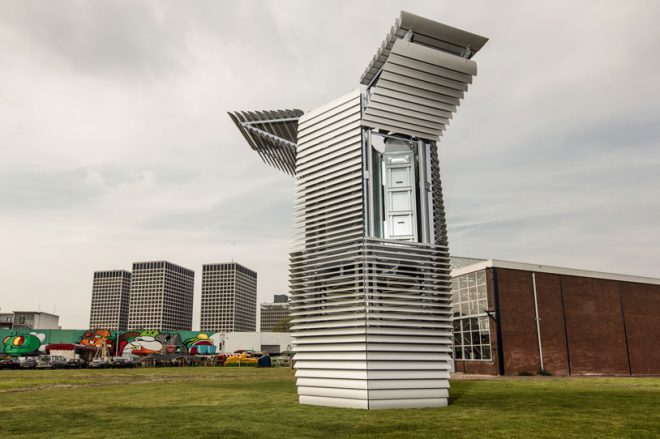
Roosegaarde daan smog free tower

The captured smog particles are used to make jewellery.

Prestigious green playground or functional sustainable innovations?

Rotterdam has clearly emerged as a playground for architects, who see Rotterdam as the perfect site for bold experiments. I have to ask myself: what are these innovations all about? Are they just another way for the city and architecture firms to gain prestige and publicity? Or is Rotterdam really leading the way towards a greener, more sustainable future?

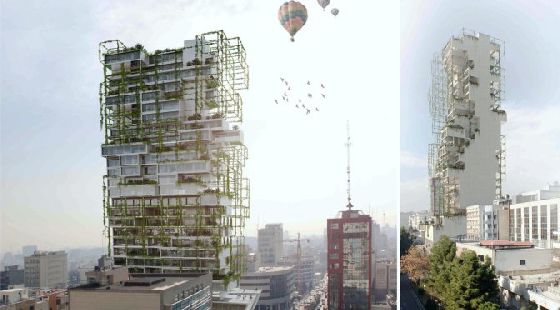
Some projects seem to have a high wow-factor but little added value. Others don’t have direct benefits yet but are designed as sites for testing and research – which is arguably important to come up with new technological solutions that can be implemented on a larger scale later. Like what we see at Masdar in the UAE. Or Vertical Forest in Dubai. Or Neom in Saudi Arabia.

Vertical Forest Dubai, Stefano Boeri Architetti

But the projects that really make my green heart jump, are the ones that have a direct impact on the local environment and community.

Those are the small local initiatives – not the fancy ones, but the smart ones. The ones that connect locals to entrepreneurs and city dwellers to nature. The ones that revive neighborhoods and strengthen local communities. The ones that make a big difference on a small scale. That is where transformation happens in real life.

Sure, a sustainable skyscraper is exciting and a carbon ring is cool. But what we really need are practical solutions for daily life that enable us, as urban citizens, to live as green as possible. It is the small local initiatives that are turning dreams of a green future into reality, from the ground up. That befits the city of Rotterdam. After all, groundwork is what Rotterdam has always been good at – even before it became a booming city.


Renewables hands-down cheaper than coal, new report

power county wind farm peat bog

Renewable power is increasingly cheaper than any new electricity capacity based on fossil fuels, a new report by the International Renewable Energy Agency (IRENA) published today finds. Renewable Power Generation Costs in 2019 shows that more than half of the renewable capacity added in 2019 achieved lower power costs than the cheapest new coal plants.

The report highlights that new renewable power generation projects now increasingly undercut existing coal-fired plants. On average, new solar photovoltaic (PV) and onshore wind power cost less than keeping many existing coal plants in operation, and auction results show this trend accelerating – reinforcing the case to phase-out coal entirely. Next year, up to 1 200 gigawatts (GW) of existing coal capacity could cost more to operate than the cost of new utility-scale solar PV, the report shows.

Replacing the costliest 500 GW of coal with solar PV and onshore wind next year would cut power system costs by up to USD 23 billion every year and reduce annual emissions by around 1.8 gigatons (Gt) of carbon dioxide (CO2), equivalent to 5% of total global CO2 emissions in 2019. It would also yield an investment stimulus of USD 940 billion, which is equal to around 1% of global GDP.

“We have reached an important turning point in the energy transition. The case for new and much of the existing coal power generation, is both environmentally and economically unjustifiable,” said Francesco La Camera, Director-General of IRENA. “Renewable energy is increasingly the cheapest source of new electricity, offering tremendous potential to stimulate the global economy and get people back to work. Renewable investments are stable, cost-effective and attractive offering consistent and predictable returns while delivering benefits to the wider economy.”

“A global recovery strategy must be a green strategy,” La Camera added. “Renewables offer a way to align short-term policy action with medium- and long-term energy and climate goals.  Renewables must be the backbone of national efforts to restart economies in the wake of the COVID-19 outbreak. With the right policies in place, falling renewable power costs, can shift markets and contribute greatly towards a green recovery.”

Renewable electricity costs have fallen sharply over the past decade, driven by improving technologies, economies of scale, increasingly competitive supply chains and growing developer experience. Since 2010, utility-scale solar PV power has shown the sharpest cost decline at 82%, followed by concentrating solar power (CSP) at 47%, onshore wind at 39% and offshore wind at 29%.

Costs for solar and wind power technologies also continued to fall year-on-year. Electricity costs from utility-scale solar PV fell 13% in 2019, reaching a global average of 6.8 cents (USD 0.068) per kilowatt-hour (kWh). Onshore and offshore wind both declined about 9%, reaching USD 0.053/kWh and USD 0.115/kWh, respectively.

Recent auctions and power purchase agreements (PPAs) show the downward trend continuing for new projects are commissioned in 2020 and beyond. Solar PV prices based on competitive procurement could average USD 0.039/kWh for projects commissioned in 2021, down 42% compared to 2019 and more than one-fifth less than the cheapest fossil-fuel competitor namely coal-fired plants. Record-low auction prices for solar PV in Abu Dhabi and Dubai (UAE), Chile, Ethiopia, Mexico, Peru and Saudi Arabia confirm that values as low as USD 0.03/kWh are already possible.  

For the first time, IRENA’s annual report also looks at investment value in relation to falling generation costs. The same amount of money invested in renewable power today produces more new capacity than it would have a decade ago. In 2019, twice as much renewable power generation capacity was commissioned than in 2010 but required only 18% more investment. 

Astroscale buys Israel’s ESS to extend the life of satellites in orbit

Israel and Japan join forces to remove space junk. Mission orbital sustainability.

Astroscale, the market leader in securing long-term orbital sustainability, today announced it has entered into a definitive agreement to acquire the intellectual property and other assets and to hire certain members of the staff of Effective Space Solutions R&D Ltd. (“ESS”), an Israeli satellite life-extension and servicing company.

These moves make Astroscale the only company solely dedicated to on-orbit services across low-earth (“LEO”) and geostationary (“GEO”) orbits and bring the company closer to realizing its vision of orbital sustainability for future generations. The closing of the transaction is contingent upon receipt of certain regulatory approvals and other customary closing conditions.

“Imagine if rather than spending hundreds of millions of dollars to replace a GEO satellite, you could affordably extend the life of that satellite in orbit — that is the opportunity we welcome today with our outstanding new colleagues and capabilities,” said Ron Lopez, President and Managing Director of Astroscale U.S. “Astroscale is known for blazing trails in on-orbit debris-removal services in LEO, and now Astroscale U.S. will do the same for satellite life extension in GEO. We are eager to start serving commercial operators, the U.S. government and partner governments around the world, all as a proud part of the U.S. space community.”

Astroscale U.S. has created a new subsidiary, Astroscale Israel Ltd., which upon closing of the transaction will be staffed by former ESS employees and headquartered in Tel Aviv. Astroscale U.S. will focus on meeting clients’ satellite servicing needs, including those of the U.S. government. Astroscale Israel will serve as the company’s satellite servicing research and payload development group for life extension of GEO satellites, which provide critical communications, navigation and national security services.

“Our remarkable engineering team has been pioneering the on-orbit servicing market for the past several years,” said Arie Halsband, founder and CEO of ESS, who upon the closing of the transaction will serve as managing director of Astroscale Israel.

“We share with Astroscale a similar vision and strategy for how our technology and platform could become a logistical solution for commercial and government GEO satellites, and beyond. Astroscale’s acquisition of ESS technology is a testimony to the viability of our work, and we are thrilled to join the Astroscale team.”

ESS has developed some of the most promising and novel on-orbit servicing technologies in the market and has deep experience designing complex GEO missions and programs. Its Space Drone program, which will evolve into an Astroscale U.S. life-extension platform, has been widely acknowledged by leading satellite operators — including prospective customers Astroscale U.S. is in discussions with — as a cost effective, innovative and compatible solution for satellite servicing.

“The world now relies on space-based services, and the COVID-19 pandemic only intensifies that reliance,” said Nobu Okada, Founder & CEO of Astroscale. “Our purpose at Astroscale is to enable space sustainability, and satellite life extension represents a massive leap in our ability to fulfill that purpose. We welcome the Astroscale Israel team and look forward to realizing our vision with them.”

Independent valuations estimate that life extension and other on-orbit satellite services will generate more than $4 billion in revenues by 2028. GEO satellites often cost well over $200 million to deploy, underscoring the value of servicing, repairing or upgrading such satellites rather than just replacing them.

In preparation for supporting this nascent market, Astroscale Holdings recently announced a Series E funding round to support life extension missions. I-NET CORP., a leading Japanese data center provider, became the first investor in this new round, which is expected to remain open through the end of 2020. Astroscale has raised a total of US$140 million in its previous four funding rounds, and this new raise will enhance the company’s already strong portfolio of on-orbit services for space debris mitigation.

Using coronavirus as a restart button for living a sustainable lifestyle

3

sustainable lifestyle buildings

The spread of SARS-CoV-2 has drastically affected the lives of people globally. Some have said that it has shown the worst of people, from hoarding toilet paper, alcohol, and sanitizers to taking advantage of the pandemic for their personal gain. However, the coronavirus has also had some positive effects. By forcing people to stay in their homes, there is less pollution. It’s been an effective way to let the world heal. We, as individuals, can even use the crisis as a reset button for our lives and use it as a means to live sustainably. Aside from making sure that you have a green home, here are some ways you can achieve this:

Limit the Use of Paper Goods

Do you notice how people flocked to grocery stores and hoarded as much toilet paper as they could at the start of the pandemic? It was the first time these grocery aisles ever ran out of toilet paper. Since there is a shortage of it, people are now more conscious of how they consume toilet paper and other paper goods. And if you think about it, before the virus spread, we didn’t even think about how many paper goods we consumed on a daily basis. We can use this crisis as a reminder of how we can be more conscious of our paper usage. Perhaps, we can learn from Asian nations where they hardly use toilet paper.

Limiting Commute

Before COVID-19 hit, many businesses said people couldn’t work from home. Now, it has become the norm. Enterprises are now considering making work from home an option. If you are a business owner, you should start thinking about how limiting the commute of your workers can help them contribute to living sustainably. It would be much more economical on your part, and you can help the environment by limiting the cars driving on streets and consuming gas.

Shopping Sustainably

After many countries imposed lockdowns, people are now seriously looking at buying only the essentials. As such, you can use this crisis as a time to rethink your shopping behavior and solely focus on what you need. It would also be ideal to use this time to consider buying healthier food items, such as more fruits and vegetables. Since it is harder to go out now and buy groceries, many have started their own home gardens where they can grow their food.

Supporting Local Sellers

Perhaps one of the good things that the coronavirus has brought is the growing support for local companies. There is a huge appreciation for local sellers and suppliers that continue to provide for their neighborhood. Farmers can now sell their goods directly to people. Local water and energy companies are lowering their water and electricity rates to help people better cope with the crisis. Building a local network can help you live a sustainable life. How? By realizing that you are not alone in this crisis. In the past it was easy to get lost in a fast-paced lifestyle where we forgot to say hi to our neighbors. Now that most people are confined in their homes, they have more time to look out and realize the great people we used to take for granted.

This Too Shall Pass

While disasters and crises will pass, how we come out of them will define our future. Use this time to self-analyze and see how you are going to adjust to a new lifestyle when this is all over. Living sustainably should not be short-lived. Make sure it becomes your new lifestyle, and you’ll never regret it.

How to control the environmental impacts of the internet?

project loon by Facebook
Loon LLC is an Alphabet Inc. subsidiary working on providing Internet access to rural and remote areas. The company uses high-altitude balloons in the stratosphere at an altitude of 18 km to 25 km to create an aerial wireless network with up to 4G-LTE speeds.

All of us like to buy broadband plans, and other internet connection without even considering their impact on our environment. This is getting serious as the use of the internet is becoming more common compared to the past times. All of us need to be conscious about this fact and start educating ourselves along with the creation of awareness from those who are ignorant about it.

Here in this article, we have compiled the information about the impacts of the internet, which you get through your broadband plans and other resources, on the environment, and how we can counter them to minimize their effect. Let us get started with impacts and then how we can control them.

Alarming Impacts of Internet on Environment

The impacts of the internet on our environment are alarming and becoming out of control. You need to know the facts to consider this problem seriously. Here is the list of few impacts that it creates.

  1. Use of a large carbon footprint as the consumption of energy is also increasing with it. So, this is the prime outcome or impact of the internet on the environment.
  2. Our digital activity is contributing almost about 2 percent of carbon dioxide into the atmosphere, and that is quite a big number to feel fearful about.
  3. Pollution is created due to more video streaming, more use of search engines, and frequent use of emails.

Control of Internet Impacts on the Environment

There are so many ways in which you can control the impacts of the internet on the environment. The most prominent ones are given in the section below. Let us get started with them now.

  1. Start using your gadgets for a longer time. This means that when you buy the laptop or computer system, keep it with you for any years before you throw it out and buy a new one.
  2. Try to learn better management and care of your laptop and similar devices so that they last longer and remove the chance of an environmental issue.
  3. You have to become more responsible and reasonable with the storage that you create online. Keep that to a certain limit, and do not cross it at all.
  4. Try to control your thirst for video consumption, and that is not easy. So, start with simple steps, slow down with time, and eventually switch to need-based streaming only.
  5. You should stop using multiple broadband plans for office and home, rather keep one and connect it everywhere. This is how you can reduce the use of the internet toa great extent.

How to choose a broadband plan

We are sure that now you will think about buying any connection or broadband before finalizing the deal. You can use one connection for multiple locations, like the same for office and home, etc. This is how we can tackle this situation wisely, but not completely.

Try to work on education yourself, become aware, make others aware of the impacts, and then take precautions to prevent it as much as you can.

A holy high? Ancient cannabis traces found at Jewish shrine

cannabis shrine
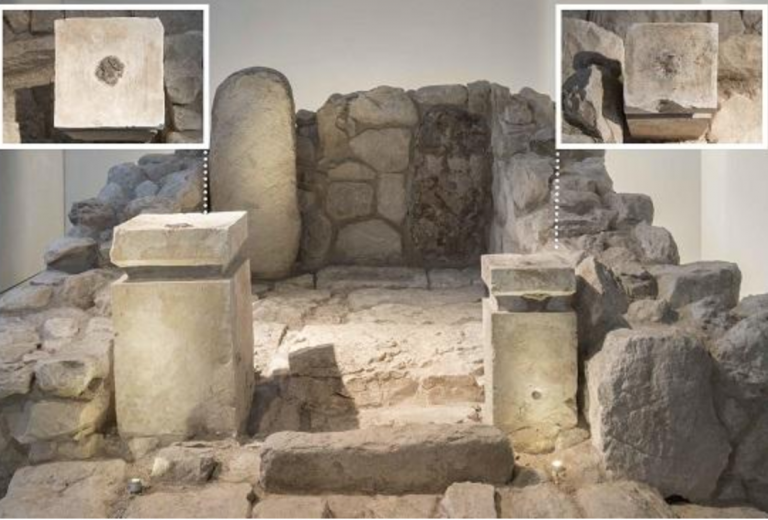
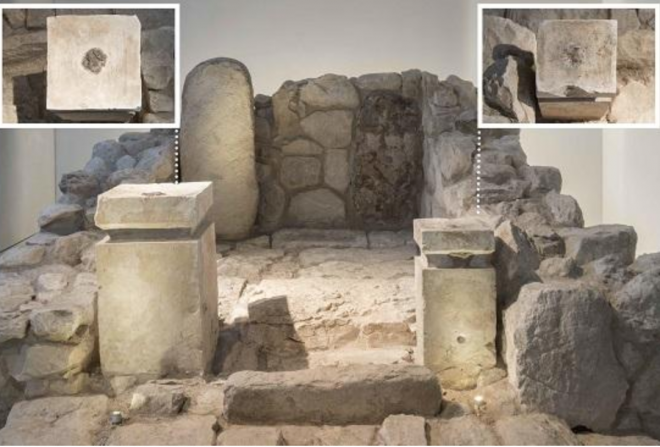
Front view of the shrine at Arad, rebuilt in the Israel Museum. The top down view of the altars show where you can see the black residue of cannabis and frankincense. 

A Holy High? It was often suspected to be part of religious rights. And cannabis or medical marijuana is being applied today in Israel to fight COVID-19. For the first time archeologists reveal that psychoactive cannabis was part of ancient worship rituals in the Holy Land.

Analysis of the material on two Iron Age altars discovered at the entrance to the “holy of holies” of a shrine at Tel Arad in the Beer-sheba Valley, Israel, were found to contain traces of cannabis and frankincense, according to new article in the journal, Tel Aviv.

Lead author Eran Arie from The Israel Museum in Jerusalem commented, “This is the first time that cannabis has been identified in the Ancient Near East; Its use in the shrine must have played a central role in the cultic rituals performed there.”

These unique findings shed new light on cult practices in biblical Judah, suggesting cannabis was used here as a deliberate psychoactive, to stimulate ecstasy as part of cultic ceremonies. Today people use CBD hemp oil for pain relief. Back then, the CBD and THC might have been part of a smudging ceremony.

Frankincense comes from Arabia. Therefore, the presence of frankincense at Arad indicates the participation of Judah in the south Arabian trade even before the patronage and encouragement of the Assyrian empire. Arad provides the earliest evidence for frankincense in a clear cultic context. Frankincense is mentioned as a component of the incense that was burned in the Temple of Jerusalem for its pleasant aroma. Today it’s used along with the cannabis plant as a popular smudge people use to clear the energy in their homes or offices.

Past excavations revealed two superimposed fortresses, dated to the 9th to early 6th centuries BCE, which guarded the southern border of biblical Judah. Highly important Iron Age finds were unearthed, including a well-preserved shrine that was dated to ca. 750-715 BCE.

Two limestone altars (the smaller altar is 40 cm high and about 20 × 20 cm at the top; the larger is about 50 cm high and 30 × 30 cm at the top) were found lying at the entrance to the “holy of holies” of the shrine.

Evidently, they had played an important role in the cult practices of the shrine. An unidentified black solidified organic material was preserved on the altars’ surfaces. Past analysis of these materials failed to identify their content and this dark material was recently submitted to organic residue analysis by modern methods.

The study reveals that on the smaller altar cannabis had been mixed with animal dung to facilitate heating, while the larger altar contained traces of frankincense that was mixed with animal fat to promote evaporation.

The “fortress mound” of Tel Arad in the Beer-sheba Valley in southern Israel was excavated over 50 years ago under the direction of the late TAU Professor Yohanan Aharoni.

Photo credit: Collection of the Israel Antiquities Authority, Photo © The Israel Museum, by Laura Lachman

Finding comfort and love in a plague

0

love plague, painting by magritte

Love is a minefield in good times. In bad times, love might make a bit more sense. It’s like that life raft that the universe sends to us, to give us hope and meaning. To help us navigate the next chapter of our lives, alone or with a spiritual partner?

There are all sorts of creative ways to find love in times of darkness. If you have been following Green Prophet for a while you will know that there is a quiet movement of people, connected or disconnected to each other; either way, they are finding love in nature, with trees, river stones, in the water, from the things that made us. They are self-loving out in nature, should we say, not to be confused with an ecosexual, who makes sure to improve or remove all the products that surround our reproductive health and love life, like foregoing the birth control pill, and choosing bamboo mattresses and paint that is toxin-free.

Unless you live in corona “light” countries such as Israel, New Zealand, or Australia, you might not be meeting much love soon. Until the virus has subsided virtual love might be the way that those of us not yet united or disconnected by countries and distance, might have to make do.

Some virtual ideas for love

Back when our grandparents were young, there were no Facebook or free long-distance calls on Whatsapp or Facetime. There wasn’t even Skype. The love birds of the past used to handwrite notes and wait days, sometimes weeks for a reply. When I was a kid I secretly hoped that the boy I loved, who did not see to return the affection, had sent me a letter in the mail and that when I was 30 it would come back to me and we would find each other and all would be right in the world.

A-Zoom yoga class? Find a yoga class online in a group or ask for a private session with a teacher you both love and Zoom into some asanas.  This is an intimate way of sharing some time, quality time not dozing off, or chewing on cornflakes. And how many more intimate wine meetings can you have? The coronavirus will be letting down soon and you both need to get in shape.

Knit your love a sweater. What says I love you more than something handmade and which takes time to knit? Put your love into every knit and pearl, and if you are like me listen to the podcast Modern Love to add a little more love into the weave.

Bake some biscotti and mail them to your love. Baked goods like biscotti keep well over time. I once wrote a story about an artist in New Mexico and she baked me biscotti and sent them in a box to Canada as a way to say thank you. Or try to make some delicious tehina cookies, you can make them in the shape of a heart. Feeling the love from something in something they made by hand is way more precious than just getting something shipped from the Amazon warehouse. Love comes in many forms and in many ways. I hope you find your true love, which might just be the path to yourself.

Upcycled oranges are used for CBD in Japan

CBD is a molecule that’s not only found in cannabis and hemp oil. Japanese researchers squeeze it from oranges too.

It takes a plague to figure out where we are putting our fears, our stress, or biggest worries. No doubt then that cannabis companies and those selling THC and CBD extracts –– the molecules or vitamins in medical marijuana –– are seeing a boon

It’s a historic moment for countries where cannabis is legal, like in the United States, Canada and Israel. But still, there are some places where the law is grey, like in about half of the states in the US, where CBD may be okay, but THC the molecule that comes with a high –– is definitely not. 

To steer clear 100% from all the legal issues, and potentially avoid trouble with drug testing at work, more and more people around the world are becoming hip to using CBD sourced from hemp plants, related to the cannabis plant. CBD oil sourced from hemp and hopefully organic hemp contains 0% THC the active material that makes you high. But all in all, CBD on its own has shown benefits, expressed by people, that it makes you feel calmer, it can help with stress, helps with sleep, and relaxes muscles. 

Cannabis supporters are all in favor of non-Ambien solutions to help us de-stress and alternatives to the nasty addictive pharmaceutical industry are very much sought out to relieve pain and anxiety. Clinical trials are now underway in hundreds of indications to show how cannabis oil, or products like a CBD tincture can give an important benefit, in a way that is more harmonious to supporting a healthy body. 

Some of the earliest evidence we see beyond anecdotal papers that CBD helps children with epilepsy was started with the work of Dr. Alan Shackelford in Colorado. And we see today parents flocking to his state to get the needed treatment for their children too.

In countries where rules are black and white about CBD and any potential “contamination” with THC no matter how low, one Japanese company says it can now produce CBD oil using orange peels.  The company Hiro International presented its solution at the Cosme Tokyo cosmetics trade fair and hopes to sell its products in cosmetics. 

Could CBD be an organic botox?

Hiro International claims that the product they are making contains exactly the same active ingredient as that extracted from hemp plants. The only difference is that the oil certainly and 100% contains no THC. This fact would otherwise need to be tested in a lab, and clearly this is a concern in Japan where they have no tolerance for marijuana products. 

You can find CBD oil and products all over Japan, but if you get caught with trace amounts of THC, you might end up in a Japanese prison. This is one of the reasons why Japanese are slow to consume CBD like the rest of the western world. 

“Some companies have run into huge problems because THC has been detected in their products,” Ryousuke Koseki, spokesman for Hiro says in a press announcement. “Many companies are now concerned and consumers are confused.”

Orange CBD offers customers the same active ingredient, the same effect and there are no legal concerns, Koseki claims: “With Orange CBD, you get the same ingredient, same effects and there’s no danger in terms of legality. It also provides a different story of CBD for the consumer that sounds better than being derived from the marijuana plant.”

The company has already developed a few prototypes including a lip balm, a hair product, and a make-up remover using the oil. The company’s main activities are the importing of fruit and fruit juice to Japan. 

Other beauty products trending in Japan? Banana extract, horse placenta extract (what?) and bean extract for nutritional, pharmaceutical and cosmetic purposes. They discovered the CBD in orange peels imported from the US. The peels are normally thrown out. Green Prophets everywhere will be happy to see them put to a new use. I think for now though that if given a choice between a company that deals with horse placentas, I might just buy my CBD from the hemp industry, thank you very much.

Desert Kites are how ancient man trapped his kill

desert kite trap jordan
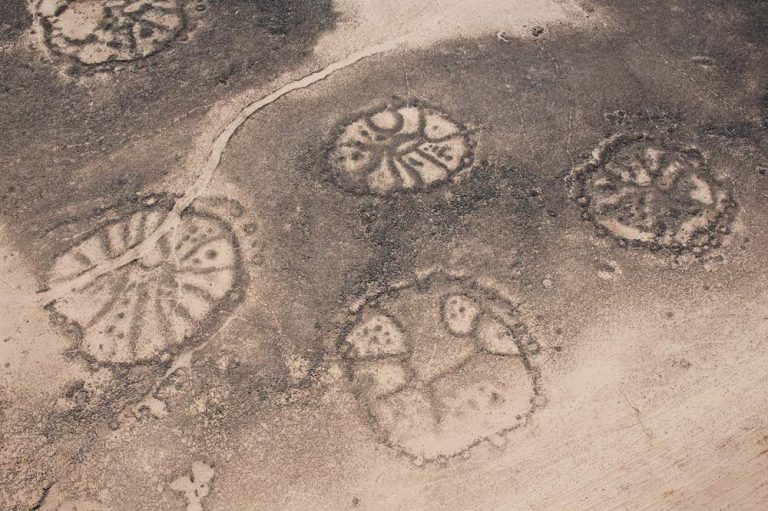
Desert kites seen by helicopter

The local Bedouin knew about them for thousands of years but in the 1920s, pilots of the Royal Air Force flying over the deserts of Israel, Jordan and Egypt saw mysterious line shapes in the ground that they named “Desert Kites” Because their outlines, as seen from the air in their planes, reminded them of airborne kites.

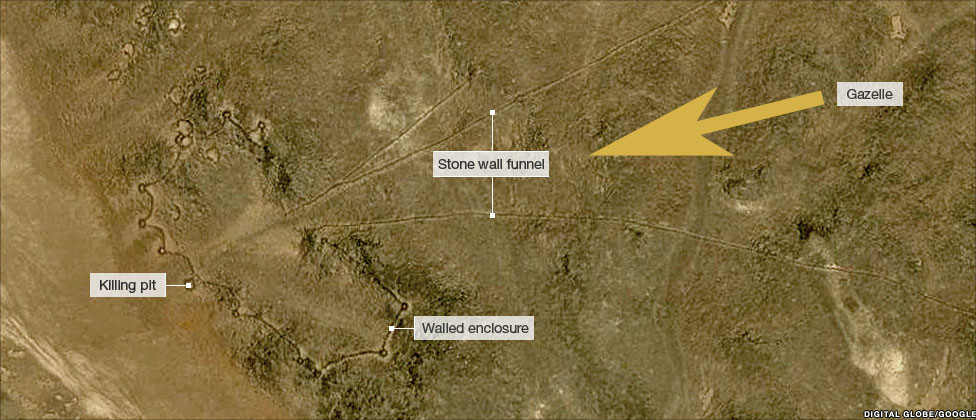
The Middle Eastern deserts hide many traces from the dawn of mankind. Some of them are so-called desert kites, structures used to capture game animals: gazelles, wild asses, Arabian oryxes, onagers, hartebeests, ostriches and ibexes. From the satellite images, these structures look like gigantic kites that intrigued scholars who spent years researching uninhabited areas of Eastern Jordan, Sinai, Negev Desert and Saudi Arabia.

desert kite

For many years scholars thought that some of the desert kites represented the border between the Roman and Sassanian empires in the Syrian Desert or water channels, but recently scientists reached a consensus that these structures served Neolithic nomads.

According to a French anthropologist Remy Crassard, it is possible that the “desert kites” in Jordan are some of the oldest in the world.

“Until now, we can estimate the use of the kites in Jordan and most probably in the neighboring regions to the end of the Neolithic, which was around 8000 years ago,” said Crassard in an interview for the Green Prophet. Crassard who leads the “Globalkites Project”, added that in northern Saudi Arabia, hunting traps were later constructed while in Armenia, where some 200 kites have been found, they appear to be used during the Bronze Age (around 5000 or 4000 years ago). By 2022, 6500 had been located in the Middle East.

The desert kites were found in areas far from the Middle East, like Kazakhstan where this human-made traps likely remained in use even in the medieval period.

Kites are different in shapes and sizes, the scholar continued, noting that thanks to a statistical approach, we are now able to propose groups of kites that show a real regionalization of them through time and space.  Also, kites might have been used not only for the hunting of wild animals but for their domestication in the Neolithic communities.

In northeastern Syria deposits of animal bones found near desert kites indicated non-selective hunting of animals whose age and sex varies. Some petroglyphs also depict scenes from gazelle and ibex hunting. The most common types of desert traps are bag-shaped kites, star-shaped kites, star-shaped kites with returned enclosures and clover –leafed kites.

In addition to the function of the desert kites, they consist of long dry-stone walls converging on a neck which opens into a confined space that ancient people used as the killing floor.  These walls can be hundreds of meters long and in more recent times, during the British and French mandate, pilots who flew over desert first spotted them in the1920s. T.E Lawrence, better known as Lawrence of Arabia, recorded desert kites in the Negev in 1913 while he explored the area before World War I.

Desert kites, ancient animal traps used by hunters

Regarding other finds, the excavations of the kites do not yield any artifacts, Crassard underlined, saying that the research team is also looking for datable elements, so that they can date the structure itself.

“During our last season of excavations in October 2019, we even found some prehistoric gazelles in one of these traps! After analyses, we will publish very soon our results in scientific journals,” Crassard noted.

Describing these enormous structures made to trap various animals by people from Neolithic period, he said that the research team recorded more than 6000 of them from Saudi Arabia to Uzbekistan in Central Asia.

“This is fascinating to study such mega-structures that were not so well understood before being excavated,” he stressed, underscoring that the new project will now provide many clarifications on the function, the dating and distribution of the desert kites that were until recently considered enigmatic structures.

In order to understand the economic and environmental impact of the desert kites, interdisciplinary studies are needed and they gather not only archaeologists but anthropologists, archaeozoologists and geo-archaeologists. The plan of the team of researchers gathered at The Globalkites is to analyze traps in different parts of the world and reconstruct the way game animals and Neolithic people interacted.

What’s Smudging, And Why Is Everyone Doing it?

smudging out demons
Got a djinn, demon or weird juju going on? Try smoking out your problems using this ancient western east practice, known in the west as smudging.

Seeking to clear sour, unhappy vibes out of the house and leave room for fresh, positive energies to enter, people are reviving the ancient tradition of smudging. This is burning medicinal leaves and sometimes resins, and is used in spiritual traditions around the world, in the belief that the smoke purifies the mind, the emotions, and the air. So smudge away, but keep windows open for ventilation.

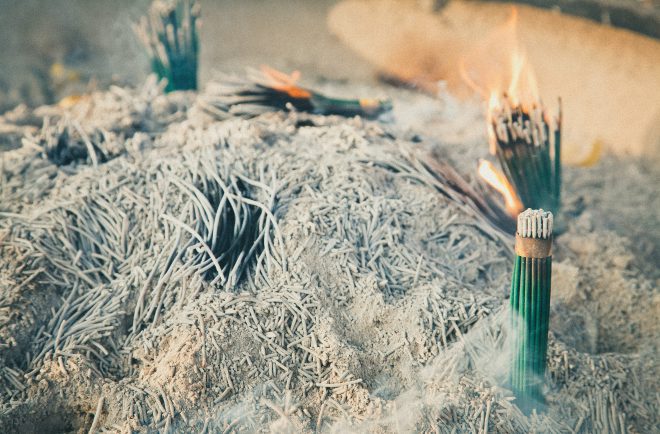
Burning incense is akin to smudging, although it’s a often a form of religious offering, rather than an attempt to change our circumstances. Think of the billows of incense rising at a Catholic mass; of joss sticks held in front of Oriental tombs; of the Biblical incense burned twice daily in Solomon’s temple. Some new research even suggests that cannabis was used there. Today people use all sorts of new applications of CBD oil products. Back then, they likely just used the simple and humble plant.

joss sticks
Joss sticks

Incense is also offered in Hindu, and Buddhist, and Islamic ceremonies, among others. Incense offerings carry religious intention and are usually done at set times and places. Burning incense for pleasure or to anchor meditation may be done anytime, anywhere, and usually for the satisfaction of the self. African societies also have a tradition of burning herbs as medicine.

Smudging also has two faces. The First Nations tradition comes to mind first. Traditional herbs burned are tobacco, sage, cedar and sweetgrass, although sage and sweetgrass are the most often used. A booklet released by the Manitoba Indigenous Inclusion Directorate for use in Canadian schools discusses smudging at school.

They quote a community grandmother who clarifies the purposes of smudging: “We smudge to clear the air around us. We smudge to clean our minds so that we will have good thoughts of others. We smudge our eyes so that we will only see good things in others.

“We smudge our ears so that we will only listen to good things about others. We smudge our mouths so that we will only speak well of others. We smudge our whole being so that we will portray only the good part of our self through our actions.”

In the First Nation view, “Smudging allows people to stop, slow down, and become mindful and centered. This allows people to remember, connect, and be grounded in the event, task, or purpose at hand. Smudging also allows people to let go of negative feelings and thoughts. Letting go of things that inhibit a person from being balanced and focused comes from the feeling of being calm and safe while smudging. The forms of smudging will vary from nation to nation but are considered by all to be a way of cleansing oneself. Smudging is part of “the way things are done” and is part of living a good life.”

There we see that smudging is done to elevate the individual. In other cultures, a smoking bundle of herbs may be carried in a skillet from room to room to drive out spirits intent on damaging the residents, or simply to sweep residues of anger or sadness out of the house. Some like to smudge every room of a new house or apartment before moving in.

I know a woman who would burn essential oils or spray bathroom refresher all around her house after she’d quarreled with her husband. “To clear the air,” she said. I don’t know if she was following tradition or her own intuition. But it must have helped: she and her husband loved and lived together for 62 years, until he died. That woman is my mother; her husband was my father.

In Ethiopian and Yemenite tradition, a mix of resins is burned after a family feast and passed around from hand to hand for people to inhale the smoke. I have also heard that when Jewish mystics gather to study and pray, the same crumbly, blue mix is thrown on a live coal and left burning in the room.

If you want to try smudging, you can buy smudge sticks online, made of white sage leaves wrapped tightly into a thick cigar. If you grow sage in your garden, you can make your own. There are instructions online, and it’s easy to do. Remember to keep the doors and windows open when you smudge – the stagnant air needs to escape.

Given the antibacterial properties of rosemary and again, sage, for example, it’s no wonder that in “primitive” cultures small herbal bonfires are made to burn where a woman is in labor or where a sick person lives. Now, how about driving away jinns? I’ll come back to that in a future story.

:: Smudging Protocol and Guidelines for School Divisions, Indigenous Inclusion Directorate,  Manitoba Education and Training, 2019.

Dubai Henna Artist Puts a Modern Mark on an Ancient Stain

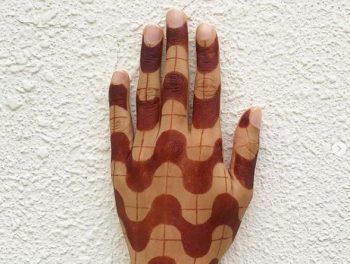
Henna artist Azra Khamissa has become an Instagram sensation for her non-traditional spin on this ancient form of body art. Instead of drawing traditional paisley shapes and floral themes, her designs emulate the sleek compositions more commonly seen in contemporary tattoos. This is not your mother’s henna.

Henna is an earthy, paste-like dye sourced from a flowering plant (or “henna tree”) used over centuries to temporarily stain hair and skin. It’s usually applied as an embellishment to hands, feet, and sometimes faces during Eid and for special celebrations such as weddings. The artform has been experiencing a bit of a rebirth, prompted largely by Middle Eastern millennials who are not willing to be permanently inked but still desire to express themselves.

henna tattoo

Khamissa’s family background is Canadian-South African. They moved to the United Arab Emirates when she was 12-years-old. “It was a fresh start in a new country, and I went to an Arabic school in Jumeirah,” she said in an interview with The National.

“We’re Muslim, I was covering, and we started adapting to Emirati culture.” A decade on, her style is fully Emirati, albeit with a modern, trendy flair.

A trained chiropractor as well as a handbag designer, Khamissa added “henna artist” to her resume purely by accident. While waiting for a photoshoot of her handbag collection to get underway, she passed time applying henna to her hand.

“We were waiting for the model to arrive, so we just took a photo of the henna with a camel, and the picture was so cool – it ended up getting featured in ID Magazine,” said Khamissa. She continued to experiment with new designs, posting images on her Instagram account, soon attracting followers who admired her minimalist patterns.

modern henna tattoo

“Traditional designs never really worked for me and my aesthetic, and a lot of girls obviously feel the same way,” she said. Her chiropractic training makes her very body-aware, “I look at the hand as a whole, so I use the joints and the different planes and try to incorporate the whole hand in the design,” she said.

MODERN HENNA

Khamissa says henna markings can be used to convey messages that are deep and effective, much like tattoos. “It’s a way of expressing how you feel, and it’s also a great tool for Muslims who cannot or do not want to get a tattoo.”

khamissa henna
Topography of a woman, a nation, a world

Last March, Puma recruited her for a collection launch where she worked on guests’ hands in a makeshift tattoo parlor.  The event was as daring as her designs, since conventional tattoo parlors are forbidden in the UAE.

Khamissa has recently launched her own Azra-branded henna cone, in time for the holiday. Made in Dubai, the henna is non-toxic and comes in a biodegradable plastic casing. Each cone costs Dh20 (about $5 US) and delivery is available within the UAE.

modern henna tattoo

She believes that henna can also help third-culture residents or long-term expatriates, connect with their cultures. “My great-grandparents are Indian and it is definitely within their culture, and henna is a deep part of the Emirati culture.

d. azra henna tattoo

“I’m very detached from my culture – my parents were brought up in South Africa, I was brought up in Canada and Dubai, but henna is one thing that I find connects so many different cultures together,” says Khamissa. “No single culture owns henna; it is just a plant.”

See more of her work on her Instagram page, where she posts as Dr. Azra – link here.

CBD, the echinacea of 2020

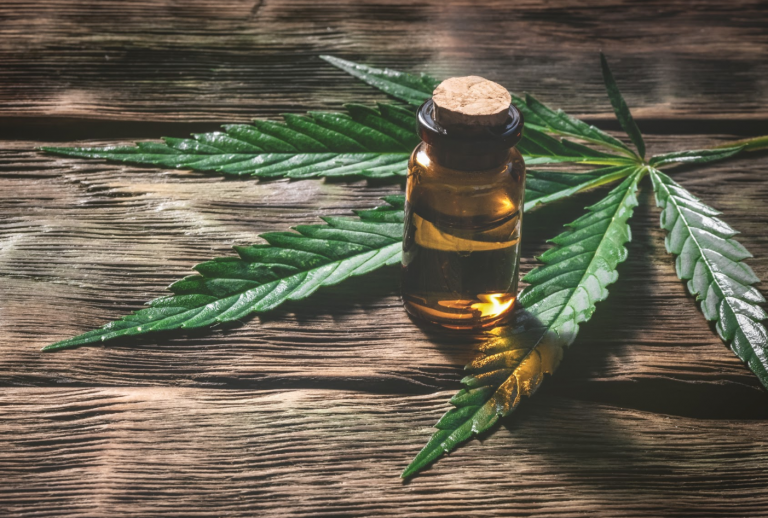
CBD bottle oil

What we are experiencing as a human race is unprecedented. The COVID-19 crisis gives us lots of different challenges in how we face stress and anxieties. But before that, some might argue that their lives were more stressful being part of the daily grind. Some of us have turned to Zoom yoga classes, cooking healthy food, making sourdough bread –– and others –– according to what I am seeing online, are looking to natural aids from herbs like CBD. 

Cannabis science over in Israel with the work of Raphael Mechoulam in the 60s started putting together a lot of anecdotal evidence about the healing properties of medical marijuana. In the beginning, research trickled in that cannabis could help with problems like epilepsy, or help people negotiate the evil pain that comes along with progressive cancers. For some it has been the only way to deal with pain, after the opiates have become too much. 

With so much in limbo over Federal laws and where it stands from state to state and business between states, a lot of young companies have thrown their hats to the wind and have understood that starting companies and making products for CBD, the non-psychotropic molecule in hemp and marijuana, is a safe and legal alternative that any American can turn to when in some medical distress. It’s even being safely used for pets. 

While the clinical or medical studies are not yet up to the speed of what consumers want, Americans are happily testing CBD (cannabidiol) on their own. Find people from one state to the next rubbing it into aching bones, putting strange drops under their tongues, chewing on gummies, or even taking a puff from a CBD-filled vaporizer. Does CBD or CBD hemp oil work? Does it chill them out without the high and munchies? 

According to Quartz, a growing number of people are turning to CBD. And the reasons they are using it? Quartz reports that more than half of the CBD-users they surveyed about 55% say that CBD helps them relax. Another half of those asked say it helps them calm down from stress and anxiety –– the unknowns about tomorrow, unemployment, the kids at home? Spouse in another country? And less than half said that CBD helps them with chronic pain, like joint pain, muscle pain and it helps them sleep. 

So smoke a joint and call me in the morning? Not necessary, probably. Smoking cannabis sometimes gives you too much of an experience, where CBD seems to be giving some of the benefits of the whole plant, without the high or groggy hangover. And street problems. 

Over in Canada where I am from, licensed companies sell CBD drops inside an oil carrier, but the market is well developed in the United States, in chewable gummies and even in health drinks or raw water. You can find low dose THC and high dose CBD strains on the market to grow your own, but when you are in a pinch, turning to local retailers is pretty much the best way to shop local. When you shop local, and not from the street – you support the growers, the scientists, the marketers, the shopkeepers.

5 eco-renovations for your home on a budget

0

floating home
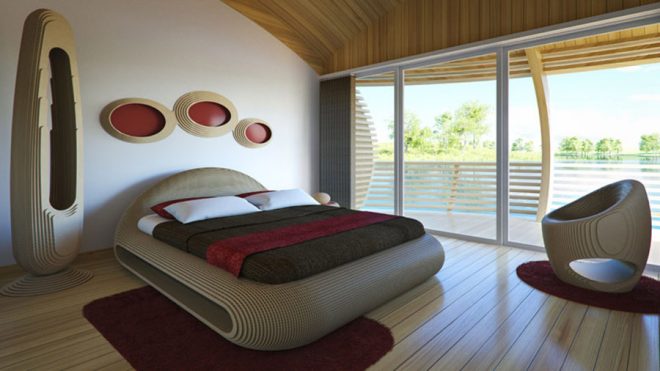
The hunt for the ultimate (and eco) bed is on!

One good thing about the coronacrisis is that we finally get to spend a lot of time at home. We might be alone with a loved one, or with a crew, but ask anyone you know and it seems like everyone has a little bit –– if not more –– home decorating going on. There are endless ways you can make your house a little more livable, after you have Marie Kondo-ed it. You have probably put away the winter clothes, and blankets and now have a little more space to enjoy. But COVID-19 times have brought on new meaning to home. It should be cozy, functional (maybe it’s an office and a daycare center now?), easy to clean and be uncluttered. 

So here are 5 ways you can ecofy your home without spending much money. 

1.  Make a list of what you need to buy, but don’t buy right now. First just make the list, then after a day or so, cross off half those things from the list. I used to do this when packing for cross-country adventures. The lighter the better. Then because you are eco conscious this means finding brands and deals that suit your mindset and budget. I remember the first time about 15 years ago when I discovered an online coupon for the Gap. It was a coupon that I downloaded online and which kept giving, at up to 70%. Saving money means working less, spending less resources making stuff for our planet. Find home decor coupons online everywhere, local to you. 

2.  Start a garden. Spending time in your garden is much better than spending it online or fighting with your spouse over who is going to do the housework. If you are able, start a small plot in your garden by cutting up some grass. Order seeds online or if it’s safe, go to a local garden center to see what they have. Best bets are herbs if you are new to it, and easy to grow things like zucchini, tomatoes, and cucumbers. Medicinal plants are always a good thing. Here are 7 herbs to grow at home

3. Bring out some eco paint. Yeah it will cost double but when you can find the eco paint, go for it. Paint fumes are nasty and can off gas for a year. Now that you are at home more than ever you will want to minimize the exposure risk. You can even buy a white paint or eggshell paint and stain it with products you have at home if it is acrylic paint. Try spirulina for green, turmeric for yellow, and beets for red and purple. You should have all three of these healthy things at home anyway. Make sure you strain the spices and colors after you add them to the paint. Or leave them in. Whatever floats your boat. 

4. Get a mattress you love. Spending quality time at home might mean turning your bedroom into an office or study, or college. If you have the means, find an eco option, like a bamboo mattress not one of those plastic pop out of the box mattresses. One of my favorites is a futon. Find them simple, great for your back, and buy them with cotton batting, preferably from hemp and cotton sources, organic if possible. 

5. Turn your rooms into multiple functioning spaces – like an art studio. Chances are you don’t even need all those rooms. Remember the days when mom or grandma had a sitting room covered in plastic? Rooms are made for truly living in. Maybe you want a pottery studio, a small carpentry shop, a place for putting glitter on the craft projects? Build yourself a hobby horse put an old door on top and you have got the ultimate work table. No need for IKEA or stuff you won’t need. Make smart design choices you will be able to live with and in, now and long after corona.  

Protecting birds from powerlines in the Middle East

0

desert mountain sun egypt power

Many species of birds are threatened by chemicals, alterations in their environment, aircraft, and electrocution. Larger birds, in particular, are more prone to suffering electrocution because their body size and wingspan exceed the phase-to-ground or phase-to-phase distance. When the wings touch the line or ground component, the body forms a path through which an electrical current can flow, leading to electrocution.

The region is located on the migratory route used by millions of birds twice a year between Europe, Africa, and Asia. The country also has almost 40 residents, migratory or rare visiting diurnal raptors, and nine species of owl. On their journey, these birds are using the power structures to perch, roost, or nest. By interacting with the electrical equipment, the avian population was also causing power outages. It was then an ecological and economical matter to find a solution to mitigate the possible interactions in this key territory.

In order to mitigate the risk, a protection plan was collectively developed by a utility in the region and the respective Parks Authority of the Ministry of Environment. A key Middle Eastern environmental NGO was also involved.

To get started the key stakeholders ran a 24-month study of the interactions of birds and high-risk overhead lines in the important bird areas of the region, to understand how birds were harmed by the powered equipment based on their habits. For example, the experts tried to understand where the problem commonly occurred and how often, and the species affected most.

Fixing the Problem

The study revealed key places where some birds were more likely to be electrocuted than others.

At first, the team focused on 22, 33 kV lines because the highest rates of electrocution were seen on these lines. By design, distribution lines and towers had relatively small clearances between phase to phase and phase to ground components and would readily benefit from an insulation solution.

Starting with the high-risk areas and then expanding into others, the local utility installed protective insulating covers from TE Connectivity on several thousand distribution towers all over the country.  The insulation covers were selected by utility engineers after careful consideration. Including materials long-term durability under extreme temperature variances and harsh environments. Post-installation studies have shown that the poles which were retrofitted did not have any electrocutions again.

The team also acknowledged problems that were unique to the transmission towers. The transmission structures located near bodies of water were prone to pollution flashover as well as many electrocutions and collisions into wires. They required another insulation need.

The utility engineer determined that the products available did not fix the issue at hand. They eventually installed a combination of TE’s guano shields to divert guano away from the insulators and insulation installed on the live elements beneath provided cover and protection against pollution flashovers.

The utility involved also selected other wildlife power outage mitigation solutions offered by TE that have been in use all around the world for decades. It installed these elements in 1996 and there are still no signs of degradation to this day, notwithstanding the guano and coastal salt contamination, the high temperatures, and the UV exposure for more than 25 years of use.

Calculate your cities’ solar power potential

viganella mirror on a mountain to let the village sun inViganella is a village in Italy where the sun never shines. So locals installed a giant mirror to project the sun’s rays back onto them. Image via The Atlantic.
There are companies and apps that do it already from the comfort of your own home: you can check the solar panel potential output from your roof. Is the angle right? Are you on the grid? Are you in the right latitude or longitude or what does it all mean? What company do you choose? Type of solar panel?  Local or from the big city? Contracts? Loans? There are lots of things to think about. Rather than have the individual homeowner or business brave it alone a new project out of Israel, masters of solar energy innovation and implementation, helps cities decide if they should go solar.

We already know the Middle East and Mediterranean can power the world with the sun’s solar power 3 times over. So what’s stopping us?

Knowing what cities work best for solar energy can help local planning councils offer tax incentives, attractive feed-in tariffs and market to the public for funds, grants or reimbursements. While there was a steep drop in greenhouse gas emissions over the first part of the year because of the coronavirus, the expectation is that the world will return to rising levels of emissions in the near future. We’ve had enough of cheap oil.

Alternative energy is a critical aspect in meeting reduction targets. Ben-Gurion University of the Negev researchers have developed an algorithm that predicts the best places to install solar panels on urban rooftops with 97% accuracy. Rooftop solar panels are considered the best way to utilize roof space, while weaning cities from dependence on fossil fuels.

The researchers combined ortho-rectified aerial photography (orthophotos) and LiDAR data to create an aspect-slope map.

Building rooftops are not uniform and the amount of solar radiation they receive is also variable. While previous tools provided some information, this is the first time an entire city could be mapped to such a high level of accuracy. Their findings were published in Remote Sensing.

The researchers, Profs. Arnon Karnieli and Isaac Meir, and Karnieli’s student, Arti Tiwari, used the southern Israeli city of Kiryat Malachi as their test site. They utilized an orthophoto produced by the Survey of Israel in 2012.

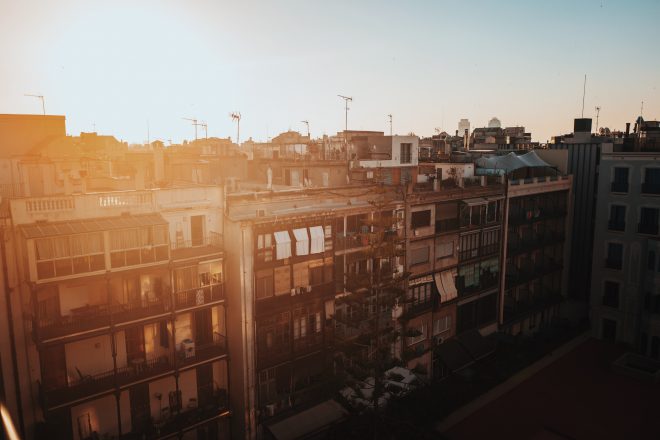
sun on roofs of apartments in barcelona

Digital Terrain Models and Digital Surface Models were created by an airborne light detection and ranging (LiDAR) map in 2015. After combining the data, an aspect-slope map was produced with a 97.39% accuracy.

As the climate crisis worsens, such practical tools are useful for the transition to renewable energy sources, already required by law in many OECD countries, the scientists report.

Zenith Solar, a solar company founded by David Faiman from Ben Gurion University, filed for bankruptcy in 2013. There was an explosion of solar energy companies starting around 2006 to 2007. The market burst in 2008, and it took basically un until now for costs to go down and financing mechanisms to find their right place.