People these days go online to purchase all sorts of products from weekly groceries to clothing, gifts, and electricals. Another thing that many people buy online these days is CBD products from reputable retailers such ashttps://www.cbdplanetuk.com/. Going online to purchase CBD offers a range of benefits, and this is why so many people use this method to access the CBD products that they are interested in.
Many of those who go online to purchase these products are pretty new to the world of CBD. By going online as a newbie, you can gain access to a huge range of products from a variety of manufacturers, which makes it much easier to work out which products are right for you. You can also get information about different products with ease online as well as look at reviews from other people. When you go online,you can even save money on the cost of your purchases. In this article, we will look at what you need to consider when buying CBD products online.
What to Consider Before You Buy
There are a few things you need to consider before you make your CBD product purchase online. Some of the main ones are:
Consider the Costs
One of the things you need to do is to look at the cost of the product so you can ensure affordability. Make sure you consider your budget and how much you can afford to spend on your purchases. You can then look at the prices of different types of products online to find ones that fit inwith your budget. Make sure you look for special deals and offers on high-quality products rather than opting for low-quality products just to keep costs down.
Look at Product Types
You also have to remember that there are many different types of products you can choose from these days, so you need to think about which types are best suited to your needs. You can even grow your own, and take on a pile of tips like how to trim weed. This includes CBD drops, capsules, edible sweets with CBD, topical products, vape liquid, and much more. The wide choice of products means that you can easily find something that is perfect suited to your needs as well as your pocket.
Check Out Reviews
Another thing you should do before you make your online purchases is to look at reviews of the products you are considering buying. You will find lots of reviews online, and they can prove invaluable in terms of helping you to make an informed decision as someone who is new to buying and using CBD products. Make sure you look at a range of reviews to get a good idea of what to expect.
The Reputation of the Source
Finally, look at the reputation of the seller and the manufacturer before you make your mind up. You need to ensure you find a source where you can get lab-tested products that are of excellent quality to ensure safety and effectiveness.
These are some of the factors to look at when it comes to buying CBD products online.
Medicinal plants can calm anxiety. Here are some we love.
Given our current pandemic and overflow of information, it’s understandable for a person to feel some level of anxiety. Sometimes, a little anxiety can be beneficial. However, some people live with greater levels of stress than others. It gets to a point where anxiety sucks the joy out of life.
Consider reaching out to a licensed professional if you experience moderate to severe anxiety consider reaching out to a licensed professional. Often, our anxiety stems from deeper problems we may not recognize right away. BetterHelp can help you find a licensed therapist specializing in helping patients with anxiety. For more information about which therapies work best for anxiety, visit the link below:
Many people turn to natural herbs and treatments to dampen their anxiety. Here are seven examples of natural herbs that can help manage your anxiety levels.
St. John’s Wort
St. John’s Wort is a yellow flowering plant that contains hypericin and hyperforin. This flower grows all over Europe and Asia and is easily accessible in pill form at most pharmacies. St. John’s Wort has been widely used for people with depression, but studies have shown it can also treat anxiety.
It is unknown which specific effect St. John’s Wort has on the body. Still, studies have shown that the flower promotes serotonin production. This hormone stabilizes our moods and happiness.
Valerian
Valerian is a perennial plant found in Europe and parts of Asia. Valerian is sold in tea form. Alternatively, its roots are extracted intend ground into pill forms. Valerian is used to treat people with sleeping disorders and calm someone’s anxiety levels.
Valerian has soothing properties that can soothe people who are feeling anxious or stressed out. The plant contains hesperidin and linarin. These chemicals have been shown to inhibit certain functions in the amygdala. The amygdala is the part of the brain that processes fear and emotional responses to stress.
Chamomile
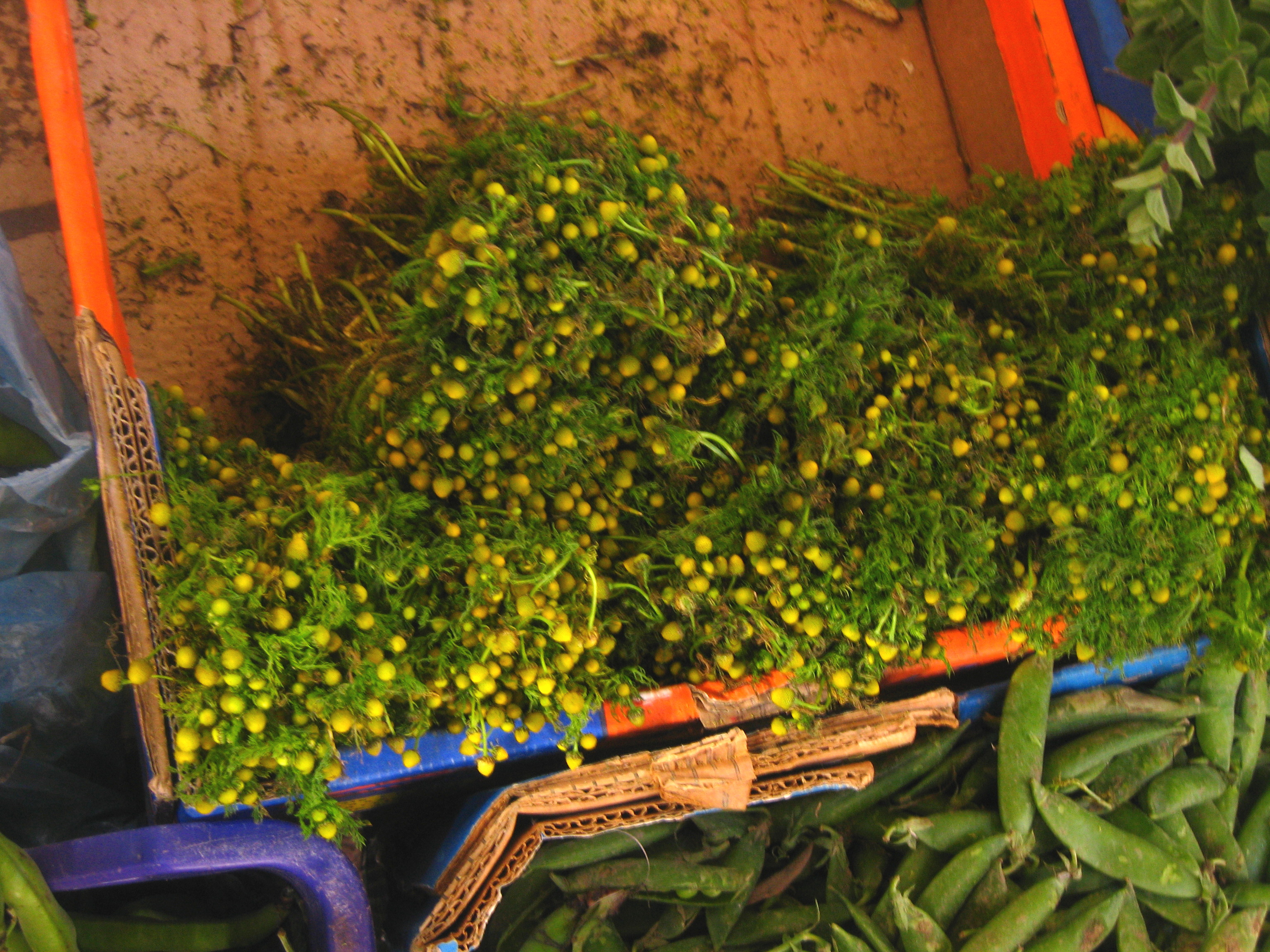
Wild chamomile in a crate
Chamomile, or Matricaria Recutita, is a versatile daisy-like plant that has been used for many other ailments. Chamomile can help reduce anxiety, inflammation, blood sugar, menstrual pains and even help cancer patients. Chamomile plants are usually dried and infused into teas.
Studies have shown that chamomile taken over time can help reduce anxiety and increase overall well-being. Chamomile contains the chemical apigenin, known to bind to brain receptors that produce anxiety and stress.
Lavender
Lavender is another versatile plant that treats a wide array of conditions. Lavender can be ground as boiled in tea, or its oil can be used in creams and lotions to apply topically. Some of the symptoms lavender can help with are anxiety, sleep problems, asthma symptoms, and pain management.
Lavender oil contains linalyl acetate, which has been shown to affect the parasympathetic system by reducing anxiety levels and regulating hormone production.
Kava
Kava, or kava kava, is a bright green plant indigenous to the Pacific Islands. This plant is known for its psychoactive properties and can cause sedation, relaxation, and relief from anxiety. Kava is usually mixed with a beverage as a plant or extracted into a liquid. If taking kava plant in liquid form, be sure to only take a small dose as it’s very potent as a liquid.
Be advised that kava plants should not be taken daily. Their sedative effects could cause side effects like addiction and severe weight loss.
Passionflower
Passiflora Incarnata is a perennial, woody vine that grows in the Americas. Some species are also found in Asia and the Polynesian Islands. It’s a beautiful purple flower used to treat anxiety, depression, and panic disorders.
Passionflower has been known to raise gamma-aminobutyric acid levels. This compound helps you relax and sleep better by reducing brain activity.
Ginseng Root
Ginseng Root is a popular alternative to taking antidepressants and has been used in Asia for centuries for its curative properties. You can boil the root into a tea, eat the root raw, or take ginseng root in pill form.
Ginseng root contains compounds that help regulate the immune system. It can also help with inflammation and anxiety if taken for no more than 8 weeks. Studies show that after 8 weeks, ginseng root’s curative effects begin to wane.
Final Thoughts
Please keep in mind that herbal remedies are not exempt from side effects. Kava, for example, can become addicting over time. Always be sure to check with your primary caregiver about taking herbal supplements. If you feel severe symptoms, reach out to a licensed therapist for professional help.
How does mindfulness help with gardening? It turns out that mindfulness is not reserved for meditation, yoga, or breathing exercises. To understand how gardening can help mindfulness, we should delve into what mindfulness is and what it isn’t.
What is Mindfulness?
Let’s clarify some things about mindfulness. Yoga and meditation are not interchangeable with mindfulness, though they may help you achieve it.
Mindfulness is the practice of being in the moment. It involves having a clear mind and focusing on your present state in all of your senses. Some people may achieve mindfulness with yoga or breathing exercises. If that’s you, great! If it isn’t, it’s not a big deal. There are many ways to achieve this level of focus and presence.
Mindfulness has become a hot topic because, as a society, we’ve gotten accustomed to staring at screens on our phones. Many people have a hard time switching their minds off and don’t know how to focus on a task. Mindfulness is a call back to a simpler time when we didn’t have phones to be glued to and did things. In the past, it wasn’t even called mindfulness. People just did something.
Practicing Mindfulness
Gardening is a great way to practice mindfulness without going too far. Here are 5 benefits to practice mindfulness while tending to your garden.
Appreciation
Before you start gardening, take a moment to observe your garden. The work you put into tending to it reaps its intrinsic rewards. Use this moment to get into a clear mindset and push out other thoughts.
Many people see what they don’t have but forget to acknowledge what they do have. Practicing appreciation can help you embrace the time to garden and can also help you show appreciation to loved ones and yourself.
Use your senses
While you’re in your garden, take the time to explore every sense you experience. What does the dirt feel like in your hands? Are there any songbirds or insects you hear? Can you taste anything in the air when you take a breath? What shades of color do you see? Does it have a sweet aroma or earthy smell?
This exercise helps to center yourself and fully embrace your moment through your senses. Studies have shown that this exercise is also effective with anxiety disorders or PTSD.
Study a Flower
Take a moment to observe a flower or plant. Is there anything you see that you hadn’t noticed before? Get up close to it. What can you tell about the flower from being up close? Do its leaves have any blemishes? Are there any signs of insects chewing through leaves? Write down what you notice in a journal and compare.
This awareness helps build focus and heightens your senses. Having awareness is a valuable skill in any setting and may help you discover things in your every day that had blocked out or forgotten.
Minimize Screen Time
It can be tempting to pull out your phone and snap a few pictures while gardening, especially if your plants have started to blossom. Try to resist the temptation until after you’ve finished gardening.
Mindfulness is about being fully present in your activity. When we grab our phones and post something, we spend more time finding the best filter and making the picture ready for social media. We can also get sidetracked and begin scrolling. Studies have shown that jumping to our phones while performing a task can rewire the brain to lose focus more easily.
Imagine you’re a master botanist, and your garden is your masterpiece. While you’re in your garden, that’s all that matters. The world will be there waiting for you when you’re finished.
Pruning and Weeding out
Gardening is a metaphor for life. At times, weeds grow wildly in our gardens and take over plots of land. The same can be said about negative thoughts. If unchecked, they can grow in your mind and take up valuable mental space.
Try to visualize pulling weeds as pulling out negative thoughts. Keep in mind that the term negative need not be a static definition. Many emotions can be necessary and shouldn’t always be considered harmful. However, some thoughts serve us, and others don’t. Use gardening to sift through these thoughts and weed out what ideas no longer help you.
Pruning can also be a metaphor for growth. As we mature and become older, some of our beliefs change over time. Maybe we had a difficult childhood that left some invisible scars. Maybe how you thought when you were young changed.
Pruning a plant can symbolize pruning your thoughts for thought processes that no longer serve you. By practicing pruning, you can begin to see what else in your life has outstayed its welcome and can be cut out.
Final Thoughts
Whether you’re just starting or already have a beautiful garden, gardening is a great activity to practice mindfulness every day.
Nature can heal us in ways we don’t fully understand, but we feel it. We feel better after spending time in a local park or sitting outside with ourselves. We feel energized after a brisk walk. Our moods boost after we walk past a flower bush.
While we cannot irrefutably explain the reason for this healing, many therapists have begun to incorporate nature into other therapy forms to benefit their client’s mental health further.
One way they incorporate nature into their therapy is with Eco-Art Therapy. This type of therapy takes Art Therapy and includes natural world elements, such as leaves and branches.
If you’d like to learn more about Art Therapy, visit the link below:
Eco-Art Therapy is a type of therapy that combines the healing power of nature and art into a joint therapeutic session. Art Therapy is an uncommon therapy form gaining popularity with patients who struggle with depression, anxiety, and trauma.
Therapists give patients the tools and space to explore art coupled with nature. Patients can paint outside and incorporate anything they can obtain into their artwork. Things like eggshells, dry leaves, pinecones, seashells, seed pods, weeds, flower petals, and grass clippings are all fair game.
Eco artist Dani Karavan
Eco-Art Therapy encourages patients to expand their ideas of art and find self-expression in everyday objects. It also helps patients find nature everywhere, not just in sprawling parks or acres of land.
How Does Eco-Art Therapy work?
Eco-Art Therapy works similarly to traditional art therapy.Therapists use art to diagnose and help patients in several ways, but they fall under three main categories.
Art as Therapy
In this approach, the journey is the destination. Patients enjoy the process of creating without fear of scrutinization. They can paint, draw, sculpt, build, collage, color, and design for the sake of creating. Making art is the therapy itself and can be a cathartic experience for helping patients realize what they’re feeling.
Art as Psychotherapy
Therapists will work with patients to uncover any symbolism or patterns they may find in their finished artwork. These patterns allow therapists to delve deeper into a patient’s psyche. Think of a Rorschach inkblot test, except the patient creates the art, and the therapist helps to find their meaning.
Therapists will usually employ other forms of therapy to couple with art therapy.
Art Therapy as Stress Relief
This final approach treats art therapy as a means to practice mindfulness. Patients experience a sense of calm while creating art and can get lost in their creation. This focus on their artwork can increase their concentration and block some of their negative emotions.
Patients can escape from their stress and anxiety with art. Art Therapy is a healthy, productive activity that transports patients into a different state of mind. Allowing their minds to just focus on their art may give them the time to find solutions to their problems and dissipate their anxiety.
What are the benefits of Eco-Art Therapy?
Eco-Art Therapy can be accessible to a broader group of people. Patients don’t need to buy expensive tools or equipment to begin. Therapists encourage patients to think creatively and use whatever they can find.
Some patients who live in highly urbanized areas may not have access to a park or nature. Eco-Art Therapy broadens the definition of “nature” and encourages patients to see nature everywhere. It doesn’t have to be a National Park or a reservation. You can find materials around if you just know how to look.
Eco-Art therapy also shares the benefit of giving patients a way to express themselves without the need to speak. Sometimes, a patient can feel overwhelmed by trauma or symptoms that they cannot communicate their feelings. Eco-Art gives patients a way to express themselves and begin to understand how they’re feeling.
Final Thoughts
Eco-Art Therapy is a growing field that promotes mental health and helps patients reduce anxiety and stress. If you feel you would benefit from Art Therapy, reach out to a licensed therapist today
Mental Health is at the forefront of science and medicine, with more and more studies being conducted to find treatments for mental disorders. While studies continue to be published about the importance of mental health, only recently has the topic become more socially acceptable.
Sites like BetterHelp know how important it is to put your mental health first. They can connect you to hundreds of licensed therapists and social workers to work with you. If you’re interested in learning more about therapy, visit the link below:
Many people have turned to alternative treatment forms to cope with their symptoms. One of these alternatives is pet and animal therapy.
Humans have always had a symbiotic relationship with pets like dogs and cats. Originally for utility, our relationship with our pets has evolved into one of love and family. We treat our pets like family members because we share a bond with them.
Pet owners can attest to the benefits of having a pet, but now science has studied how animals can help people with mental disorders. Their studies have shown that having a pet can reduce symptoms of mental disorders in many cases.
Case Studies
In a 2018 study, researchers found that subjects with pets experienced less severe symptoms of depression and PTSD. Patients quoted that their pets provide unconditional love and support without judgment or reproach.
Another study from the University of British Columbia found that therapy dogs contributed to a significant decrease in stress and anxiety among college students.
A 2013 study found that therapy pets effectively helped children with Autism. The research states that pets can be an emotional bridge to children by recognizing visible cues and rewarding children with affection and play.
While more research needs to be conducted, researchers are confident that a positive correlation between pets and people with mental illness exists.
Benefits of Pets on Mental Health
Below are some of the most widely accepted benefits of pet ownership.
Decrease in Stress Hormones
Having a pet can dampen your anxiety and stress just by interacting with your pets. Studies show that spending uninterrupted time with your pet can decrease the production of stress hormones and make you feel calm. People with social anxiety disorders have also benefited from less anxiety because of their pets.
High Self-Esteem
A companion that gets excited when you arrive home can make anyone happy. It’s this unconditional love and excitement that can raise someone’s self-esteem. When we have pets, we have to take care of them to make sure they live long lives. Caring for them gives us purpose and makes us feel important. This sense of obligation can help to dampen some symptoms of depression. A 2016 study showed that older adults experienced less depression when tasked with feeding and taking care of crickets over eight weeks.
Increased Physical Activity
Unless you have a house cat, pets need to relieve themselves outside. This forces pet owners to go out for walks and wake up early. Exercising 30 minutes a day has been cited as one of the best ways to improve mental health, and walking your pets can help get you outside and moving. Pets can also help us socialize and build social skills by interacting with other pet owners. This interaction may help people with social anxiety disorders practice skill-building in a safe setting with their pets to divert any anxiety.
Mindfulness
Having a pet lets you stay in the moment and forget about your worries. The here and now is all that matters to pets, and playing or interacting with them can help practice mindfulness.
Final Thoughts
Science proves that the bond between man and animal is special, and this bond can help dampen some of the symptoms of stress and anxiety. Please note that while they may be therapeutic, pets are not a replacement for therapy. If you feel you have moderate to severe symptoms, reach out to a licensed therapist.
Kids and the food they eat. Parents know that junk food affects their teeth, their BMI and their mood –– and now scientists see worrying and long-lasting effects on the bones of children who consume junk food.
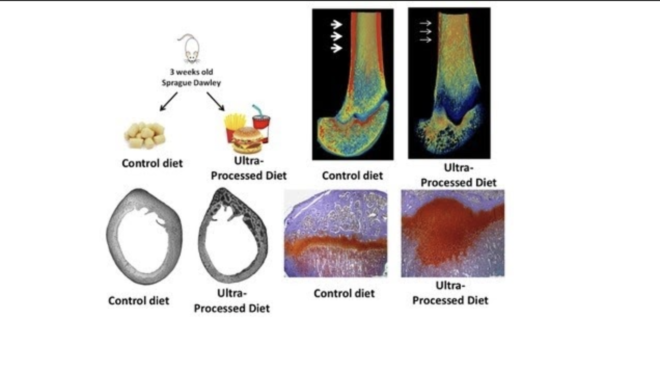
Researchers from the Hebrew University show how ultra-processed junk foods and reduce bone quality, unveiling the damage of these foods particularly for younger children in their developing years.
The study, led by Professor Efrat Monsonego-Ornan and Dr. Janna Zaretsky from the Department of Biochemistry, Food Science and Nutrition at the University’s Faculty of Agriculture, was published in the journal Bone Research and serves as the first comprehensive study of the effect of widely-available food products on skeleton development.
Ultra-processed foods—aka, junk food like McDonald’s, white bread, Coke, granola bars, sweetened breakfast cereal —are food products that undergo several stages of processing and contain non-dietary ingredients.
They’re popular with consumers because they are easily accessible, relatively inexpensive and ready to eat straight out of the package. And, well, kids love them. They are engineered that way. The increasing prevalence of these products around the world has directly contributed to increased obesity and other mental and metabolic impacts on consumers of all ages.
As much as 70% percent of their caloric consumption are estimated to come from ultra-processed foods. While numerous studies have reflected on the overall negative impact of junk food, few have focused on its direct developmental effects on children, particularly young children.
The Hebrew University study provides the first comprehensive analysis for how these foods impact skeletal development. The study surveyed lab rodents whose skeletons were in the post embryonic stages of growth. The rodents that were subjected to ultra-processed foods suffered from growth retardation and their bone strength was adversely affected.
Under histological examination, the researchers detected high levels of cartilage buildup in the rodents’ growth plates, the “engine” of bone growth. When subjected to additional tests of the rodent cells, the researchers found that the RNA genetic profiles of cartilage cells that had been subjected to junk food were showing characteristics of impaired bone development.
They divided the rodents’ weekly nutritional intake—30% came from a ‘controlled’ diet, 70% from ultra-processed foods. They found that the rodents experienced moderate damage to their bone density albeit there were fewer indications of cartilage buildup in their growth plates. “Our conclusion was that even in reduced amounts, the ultra-processed foods can have a definite negative impact on skeletal growth,” Monsonego-Ornan said.
These findings are critical because children and adolescents consume these foods on a regular basis to the extent that 50 percent of American kids eat junk food each and every day.
Monsonego-Ornan added: “When Carlos Monteiro, one of the world’s leading experts on nutrition, said that there is no such thing as a healthy ultra-processed food, he was clearly right. Even if we reduce fats, carbs nitrates and other known harmful substances, these foods still possess their damaging attributes. Every part of the body is prone to this damage and certainly those systems that remain in the critical stages of development.”
What is ultra-processed food?
According to Harvard, processing changes a food from its natural state. Processed foods are essentially made by adding salt, oil, sugar, or other substances. Examples include canned fish or canned vegetables, fruits in syrup, and freshly made breads. Most processed foods have two or three ingredients.
Ultra-processed foods normally contain ingredients that you wouldn’t add when cooking homemade food. You may not recognise the names of these ingredients and you won’t be able to pronounce them as many will be chemicals, colourings, sweeteners and preservatives.
The myth of Dracula haunting the living has a number of real-world side effects, and the worst one is the unfair demonization of bats. People have wrongly associated bats with death and disease. This is why they’ve been burned out of roosts and killed for years, though public education campaigns and government legislation are fighting these ancient misconceptions. Unfortunately, the years have taken a toll and caused bat populations to plummet. Asking people to install bat roosts helps, but it isn’t enough. Let’s learn more about the newest strategies to save bats from extinction.
Protecting the Bats’ Homes
It is already against the law to disturb bats in their roost (resting place) or nest. It is illegal to destroy where they rest or sleep, too, whether it is done intentionally or by accident. British law in recent decades has evolved to take endangered species like bats into consideration from the very start of any project. Do you want to build a new building? Do you want to renovate an existing one? You’ll need to bring in the experts from a company like arbtech.co.uk to do a site survey. This will identify where bats are and their habits. You are not allowed to block their access to a roosting or nesting site, but you can take steps to discourage them or outright relocate them.
Finding Homes for Bats
It is illegal for British residents to intentionally or recklessly kill bats. You’re not allowed to handle them unless it is for humane purposes, such as preventing them from being eaten by a cat or taking an injured one to the vet. But this only protects the bats for being killed outright. This won’t help them to prosper. The solution is to find homes for bats. And this is why bat boxes are being built, especially near ponds and lakes. The bat box gives the bats a home close to their favorite food source, flying insects. The ideal bat boxes will attract bats from their current home, allowing you to legally seal it up.
Bat boxes should be located in sunny locations that are not too sunny. East facing locations are generally ideal. The boxes should be high enough up to protect the bats from predators like cats. They’ll prefer sites near water, though this isn’t an issue if the bat box is near a pond. Once it is built, it is low maintenance.
Increasing Available Habitat
Bats that eat flying insects like mosquitos don’t have trouble finding food, though they may die if they eat too many mosquitos sprayed with insecticides. However, other species are literally starving for habitat. For example, pollinating bats are often critically endangered because there are not enough of the right trees and fruiting plants around that they’ve evolved to eat. In these cases, building bat boxes isn’t enough, while preserving their habitat becomes essential to their survival. For example, Bracken Cave is the largest colony of Mexican freetail bats in the world. A nonprofit organization initially purchased five acres of land around the cave to protect it. Over 25 years, they’ve expanded it to cover 1400 acres a short distance from the growing city of San Antonio, Texas.
Habitat restoration is the next step. For example, agave plants are being restored in Mexico to aid pollinating bats in the southwestern United States and Mexico. In other places, abandoned mines are being turned into literal bat caves.
Addressing Threats to Bats
White nose syndrome or WNS is a fungus that has killed millions of bats worldwide. There are natural control regimes that may prevent it from taking over in new areas. This is aside from things you can do to reduce disturbance around bat habitats like reducing outdoor lighting, not removing trees and leaving bats alone. While bats are not going to suck your blood, they can carry disease, so don’t handle them and always call-in professionals to deal with them.
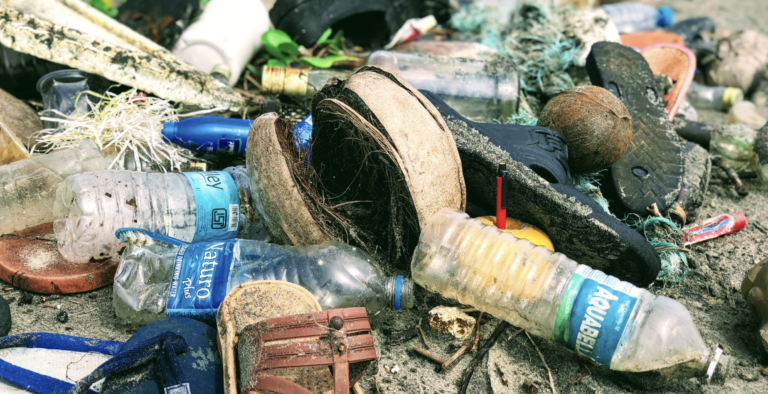
If you have ever spent Spring Break at a beach in Panama City you would be shocked. Get up at the crack of dawn and you find plastic cups and bottles as far as the eye can see littering the beach. When I was there some years ago with my parents we were also disheartened to learn that the bottles that don’t get swept into the sea, just get thrown into the municipal trash. Because while recycling efforts may take the sting or guilt from our hearts, most plastics we use today don’t get recycled at all.
With Covid times and one-time use more in demand, Americans consume 70 billion plastic water bottles each year on planes, at offices, at resorts, at school, at home –– only 8% of the U.S.’s plastic waste is recycled. Boxed Water is Better, a company that proposes an interim solution is better for the planet. After all, plastic waste simply cannot continue to build at this rate.. er!”
The brand gets the single-use rub. Their official motto is “Boxed Water is Better, Refill is best,” which is why they are focused on distribution channels where packaged water is unavoidable, e.g. airlines, hotels, restaurants, take-out, entertainment venues, sports, venues. And with our current annual rate of plastic water bottle consumption (again 70 billion!), it’s unrealistic to expect a network of purified refill stations to appear overnight in the immediate future.
Boxed Water sources 92 percent of its packaging from plants, the highest rate for any water product. Every carton is fitted with a plant-based cap that won’t take forever to break down in the environment.
“Recycling efforts can no longer keep up with the world’s plastic production, and the shift toward plant-based products is critical for our planet’s wellbeing,” Daryn Kuipers, the CEO of Boxed Water tells Green Prophet. “Our product is almost entirely plant-based, and we are proud to have the highest sustainable content in the water category, at about 92%.”
Daryn Kuipers
Caps made from FSC-certified wood waste
The plant-based cap is made from FSC-certified sustainably grown trees used for pulp and bioenergy and has lower CO2 emissions than petroleum and sugarcane.
Every Boxed Water carton offers a similar plant-based design, created out of paper sourced from trees in well managed forests. “We needed to create a better plant-based cap than what was currently being offered,” Kuipers adds, “by avoiding sugar cane, we are using substantially fewer natural resources and generating a lower environmental footprint.”
Boxed Water remains committed to their promise to always deliver 100% recyclable and BPA free packaging. Compared to aluminum (which is mined from Bauxite), Boxed Water is 50% lower impact on ozone depletion and smog emissions from smelting, and has a 33% lower impact on acidification due to deforestation.
U.S. consumes more plastic than any other country in the world. Our plastic recycling rates are at 8%
U.S. plastic waste inputs to the coastal environment were among the highest in the world: 51- 1.45 million metric tons
U.S. purchases 70 billion plastic water bottles per year.
These days everyone in the consumer and service industry is measuring their carbon footprint and just buying offsets or ESG investments won’t do. It’s easy to buy your way out of offsetting, hearder to do it in-house. But here is an easy way to slash the carbon footprint for hotels, events producers, and airlines. When we fully emerge from Covid, be ready: Compared to plastic, Boxed Water has a 64% lower carbon footprint (lower contributor to global warming), 43% less fossil fuel use, and 1,084% lower in impact on the ozone. Also, only 25% of plastic is recycled.
Currently available in multiple sizes, Boxed Water can be purchased in a 250mL, 330mL, 500mL and 1 liter box, and is packed in 6-pack, 12-pack and 24-pack configurations.
Boxed Water say they address the front-end of the problem too –– and that the environmental impact of oil drilling and blow molding needed for food grade plastic… and the strip mining and smelting required for aluminum is extremely damaging to the planet as well.
If you want to dive into the boxed water story, watch this recorded Zoom session:
An outside company, Anthesis Group, looked at Boxed Water and reported Boxed Water has a 36% lower carbon footprint global warming), 43% less fossil fuel use, and 95% lower impact on our ozone.
We spoke with CRO Robert Koenen, asking him some additional questions:
Robert Koenen
If your packaging could be 100% biodegradable and plant-derived, how would that look? Imagine 10 years down the line. Where would the materials come from? (Want to encourage chemists to start thinking how)
It’s a great question and we’re always trying to make our product more sustainable. We’re proud that our package is already 92% plant-derived, the highest in the industry. I think what so many people miss in the sustainability discussion is the importance of how you source materials. We know that plastic and aluminum are actually not sustainable because they come from finite resources that deplete the planet. Our paper-based carton is the only water that is made from a renewable resource- trees. Even some plant-based plastics, like sugarcane, are grown and harvested solely for the production of plastic. That’s why our Boxed Water’s plant-based cap comes from Nordic pine tree oil, which is leftover from the paper-making process. Our plant-based cap was a new innovation we announced in 2020, and our entire product’s history has been centered around new approaches to packaging.
In order for our carton to be 100% biodegradable, we would need to remove some barrier between the paperboard and the water to keep the water fresh and the box intact. We know that even with a sustainability mission, you still need to offer customers an exceptional product, so if any of your chemist readers want to work on a material to safely and sustainably protect the package and water, we’d love it. We are currently looking at ways to remove those layers ourselves, while still keeping the water pure. We’re still a small company trying to make a big impact, so the more that sustainability becomes “mainstream” the bigger impact we can make.
What are the most polluting industries for plastic bottles, in order with stats… hotels, travel, home? Schools?
The bottled water industry is the largest polluter–with Coke, Pepsi and Nestle leading the pack. Bottles, caps and ties make up the overwhelming majority of pollution that is found in the ocean. Hotels, travel, schools are all places you find bottles—we are blind to the amount of plastic that is around us. I challenge your readers to stop the next time they are in a grocery store to stop in the water aisle and just look at the tons of plastic–in just one store.
I will speak to the industries that we see making changes in a meaningful way. The high carbon footprint of the travel industry is well-documented. It makes such an impact when you have people from around the world coming and going for short amounts of time. While it would be wonderful to solely use reusable bottles, the travel industry is one of the more challenging situations when you look at it practically, and in the age of COVID, shared water pitchers or drinking fountains aren’t always a safe option.
While the travel industry generates a lot of plastic bottles, they also have an enormous opportunity for impact and we’ve seen them be some of our most-receptive customers. Much of the travel and hospitality industry is based upon the experience you provide customers, and customers take note when you offer a Boxed Water instead of a plastic bottle. We’ve even had hotel customers share that they make more sales because customers are happier and more likely to purchase a Boxed Water than a plastic bottled water.
We’ve seen a growing area of interest from schools as well because young people are so passionate about environmental change – it’s their future we’re talking about. While schools often encourage and have reusable water bottles more easily accessible, we’ve seen calls from the student-level demanding their schools shift from plastic water bottles.
Retail stores that provide water, specifically in the fashion industry, have made the switch to cartons. Handing a bottle of water to a consumer is like handing them a pack of cigarettes.
Of course, we think that small changes end up making the biggest impact. We continue to work with the industries that go through billions of single-use plastic bottles every year, the average American uses 167 single-use plastic bottles a year. If you made a change for yourself and your family, you could stop hundreds of plastic bottles from polluting the planet. We’re here to empower every person to make a change, by making the sustainable choice simple and convenient.
How do big box stores with low cost water contribute to the plastic problem? You can buy 24 bottles for .99 in some Costcos sometimes
There is a reason that plastic bottles are so prevalent: they are inexpensive to produce. These low costs lead to huge margins, and it’s a big profit generator for these stores. It’s literally a financial addiction. Unfortunately, these low cost items come at an astronomical price for our planet. While most importantly everyone should have access to clean water, we want to make the sustainable choice a simple and convenient one for consumers. We hope that you think twice about purchasing single-use plastic bottles and if you don’t see an alternative, ask for one. Only consumer demand can change this addiction for the big boxes.
How does plastic residue affect the water? Even if it’s food safe, I somehow don’t trust it. Explain what you think.
I trust it. We test our water constantly during the day to make sure it’s super pure and pH balanced. We are BPA free, and also remove impurities. Due to our package construction, we don’t need to use BPA plastic so it doesn’t affect your health or the taste. In fact, we’ve won awards for the fresh taste of our water. Plastic has infiltrated not just our lifestyle, but our food chain.
There are the negative effects of BPA in plastic impacting our health, and so thankfully with this awareness, there has been a push to ensure many products are free of BPA (like our Boxed Water!). However, the pollution of plastic in our oceans is breaking down into micro-plastics and being eaten by fish and other sea creatures. People consume a credit card’s worth of plastic every week. Again, there isn’t any doubt that for the health of our planet and ourselves, we need to be seeking alternatives to single-use plastic. ….I’d be more worried about residue in the plastic bottles.
Before Covid, we wondered if there could ever be a market for them –– those boxed kits full of plastic, junk and play-once STEM toys for kids. Some of them are packed with Japanese packaged foods. Eat a chip, toss out the bag. Consumption at a new level: monthly subscriptions for anything you fancy, even throwaway shoes.
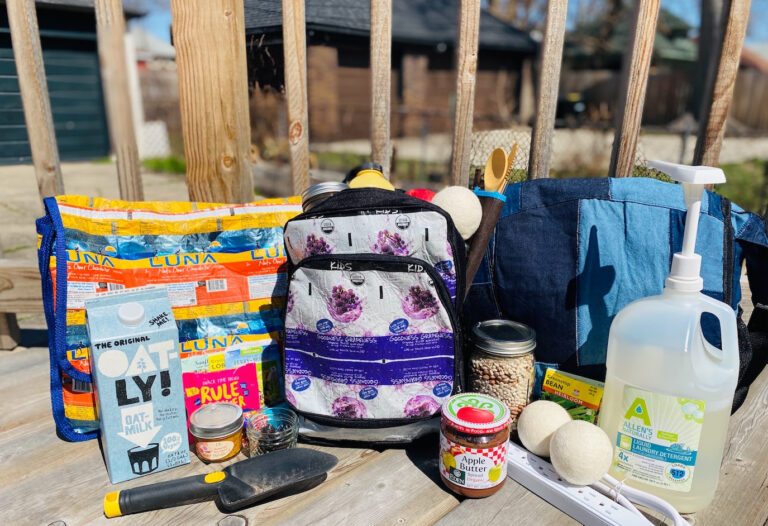
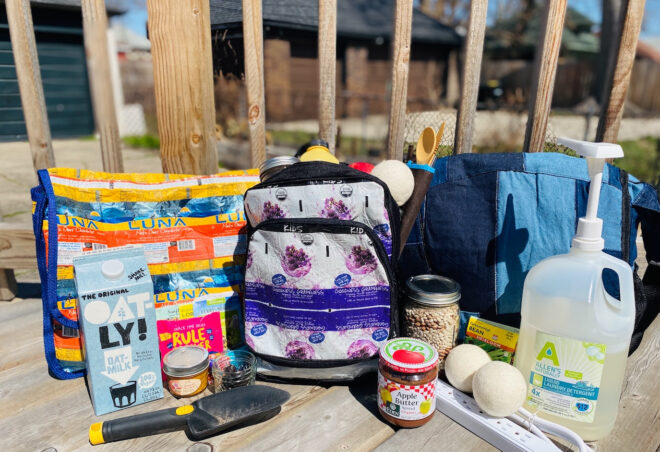
Other than sending me heirloom something from Italy so I can taste the regions, I’d say no if you offered me a subscription box for free. Until now. The American Jewish sustainability education group Hazon has started putting together sustainability kits to help you grow local, eat local, and act more responsibly to your planet and yourself.
Starting at $79 for six kits, you and your family can start using products that can limit your carbon footprint. While the most eco-friendly advice I could give you is to consume less products and buy less, trying out products and tastes you might not have encountered can help accelerate you into more sustainable channels and frameworks.
Hazon, while I have always known them for dealing with food and sustainability, call themselves a Jewish Lab for Sustainability. Their new sustainability starter kits are a practical step in that direction.
The subscription package includes six uniquely themed kits, each curated to help make going green just a little easier, according to Hazon. With your subscription “you will receive six kits filled with tasty treats, innovative products and ideas, informative climate insights, and inspirational Jewish connections.”
The kits are organized around the six categories of sustainable action so rookie recyclers, and even veteran composters alike will gain an interactive and experiential introduction to living a more sustainable lifestyle.
Kits are sold on a sliding scale and pick-ups will be spaced out for the rest of the calendar year, designed with Covid safety as a priority. It’s not clear if you can get the kit mailed to your home or if you have to pick it up. Either way, look at this as a means to inspire “your local.”
These are the themes of the kits in case you are curious or if you are a Christian or Muslim group and want to copy the idea. 😉
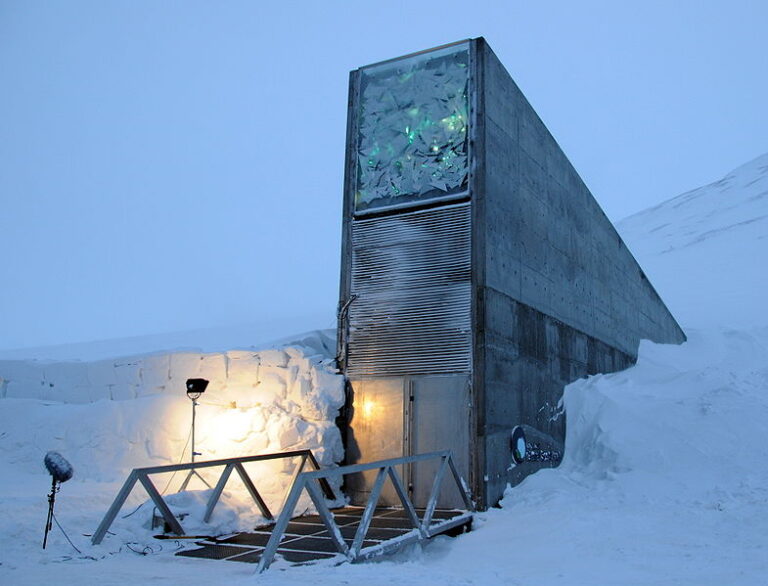
This is a Doomsday seed vault in Norway. Agile companies scale faster. Don’t keep everything buried in a snowbank.
The way companies used to operate and function is now changing at a rising pace. As businesses grow and operations start to get more complicated and complex, managers need a proper infrastructure that balances off the change required in an organization while being more efficient and effective than ever before. If you are looking for inspiration or need some practical advice, check out one of the most successful agility examples known in the IT industry.
Before moving forward, let’s give a few seconds to the understanding of agile. Agile is referred to the ability to be more quick and vigilant along with changing environments. Agile is best utilized at places where a change is necessary and quick and effective measures are required. When it comes to software development, the purpose of transforming to agile is improved quality and continuous delivery.
In order to dig in deep inside the concept of agile, it is important to understand that agile is related to project management that supports and provides assistance in software development. There are several misleading statements and definitions about agile that do not provide correct information about agile. Scrum and Kanban framework displays the most accurate meaning of agile. Agile is actually in real terms a set of values and principles that are listed on the agile manifesto.
Cisco
Cisco is one of the most well-reputed American multinational companies. It specializes in providing innovative software networking and also deals in networking hardware and other high-tech products and services.
Cisco was initially designed with a waterfall method, its subscription billing platform project adopted a different approach earlier, which was based on separate designs, tests, and deployment teams with each team working. This approach resulted in slowing down the development process, which further resulted in missed delivery dates, quality issues, and overtime.
Cisco then adopted(SAFe) and presented three agile release defects and fixes capabilities and projects. The purpose was to test minor features within SaaS complement and then sending them to the system integration. As a result, defects were reduced by more than 35%.
LEGO digital solutions
The company provides support to the famous toy-brick maker that communicates with customers through wearables, apps, computers, and other channels. At its initial stage, there were five development teams but later on when complexities due to an increase in the number of teams to 20.
Teams were doing good with sprints and scrums but faced problems in cross-team alignment, client collaboration, and release planning. In order to resolve the issues, the group moved forward with the scale agile framework (SAFe) in order to include a program between the portfolio management and teams.
This new approach resulted in improved planning and execution, improved client trust, and a reduction in real dependency issues.
Panera Bread
Panera bread is an American-based company that runs bakery-cafes with more than 2000 restaurants all over the United States and Canada. The company was having issues with IT solutions, as the business was facing a rapid change. It started off with agile-training workshops. After that, the company took one step ahead and tested two crucial projects under the supervision of an agile coach.
After the testing, the company introduced the Disciplined Agile Delivery framework all over the business. This step resulted in a faster and frequent delivery system, better quality solutions, and enhanced relationships between IT and the company.
The digital sales of the company increased drastically after DAD implementation and the company recorded a 25% contribution of digital sales in overall sales. This success came into existence due to an improvement in the mobile ordering process.
PlayStation network
The fact that not many people are aware of, is that each product that belongs to PlayStation, needs more than a thousand engineering members from “Sony Interactive Entertainment” teams across seven to eight cities. The company was already using Agile scrum and waterfall, but it was not enough to achieve the desired results.
The next step that SIE took was to adopt (SAFe) in order to achieve better collaboration, within a month of coaching, the company introduced a release train.
As a result, now more than 600 team members belong to 60 scrum teams now working with (SAFe). SIE managed to reduce initial planning time by more than 25% with the help of the framework. Furthermore, the downtime was reduced which enabled the company to save more than $ 25 million a year.
Fashion brand from the 80s, Teva, breathes new life into old soles.
It starts with a whisper from Rachel Carson in the 60s and starting now 2021, it’s going to be an ecological thunder. Maybe it’s COVID-19 or Greta Thunberg, or a general awakening of humanity, but haven’t you noticed how brands you love are adopting eco-friendly practices, even claiming to go carbon neutral from their source, and not by just buying carbon credits?
But companies unrelated to the just goal of saving the planet can also be part of the big idea. Here are companies doing cool things that are helping the planet in unexpected ways.
There are plenty of digital media companies out there providing a lot of information on eco friendly products, eco friendly brands, and what you should be looking for. We recommend you take a look at some of them and one of our favorites is the team over at Puratium. They go into extensive review of many brands and eco friendly products. Check Puratium out here.
Estee Lauder shows us that when it comes to the planet they are more than skin deep. To achieve Net Zero emissions and RE100 goals by 2030, Estée Lauder reduced its carbon footprint by investing in renewable energy. The company signed a Virtual Power Purchase Agreement (VPPA) for 22 megawatts of wind power from the Ponderosa wind farm in Oklahoma to cover more than half of the company’s electricity footprint with renewable energy technologies.
Next on our list is Everlane. It’s an American sustainable brand that focuses on timeless pieces, clothing, shoes and bags alike. If you visit Everlane’s website you will see that they give you a starting price point, but then you can chose to pay extra to sustain their green production process.
Everlane has headquarters in San Francisco, California, plus offices in New York. The company has now vowed that it will stop using virgin plastic by this year, 2021. In 2018 Everlane started a new campaign called ReNew where they create outwear crafted from the materials that were created out of 3 million recycled plastic bottles.
Teva sandals, seeing a revival from the 80s, just announced TevaForever, a partnership with the international recycling leader TerraCycle, dedicated to giving well-worn Teva sandals a new life. The recycling program reinforces Teva’s commitment to reducing its environmental impact and keeping waste out of landfills.
Well-worn Teva sandals have a soul of their own, shaped by every wild adventure they’ve weathered. When they are ready to be retired, there has never been a great place to go—until now. Through the TevaForever Recycling Program, well-loved Teva sandals can be mailed to TerraCycle at no cost to the customer, diverting them from landfills so they can be recycled into something new. Teva’s long-term vision is to work towards solutions to one day fully close the loop by recycling old Teva sandals into new ones.
Another fashion brand we love is Veja. Veja was founded in 2003 by Sebastien Kopp and Francois- Ghislain Morillion. The founders met with organic cotton farmers in North Brazil and wild rubber tappers in the Amazon to establish the production chain behind Veja. In 2006 Veja started using vegetable-tanned leather to produce its now world-famous sneakers.
The Veja trainers are made of organic cotton, wild rubber, and vegetable-tanned leather and recycled plastic bottles. These shoes don’t just look great, they are made from great things.
At present, we’re dealing with major disruptions to our daily lives because of the COVID-19 pandemic, with many people being forced to stay at home. Digital technologies help ensure continuity during these disastrous events by enabling the transition to an age of knowledge and productivity. It sounds so obvious and simple, yet digitalization is often overlooked.
What’s more, it’s commonly misinterpreted and misapplied. Digitalization means more than just making the conversion from analog to digital. It implies leveraging digitized data to impact how things get done.
Equally important, environmental sustainability can be achieved via digitalization. As digital technologies become more integrated, we and the planet benefit. Maybe digitalization won’t save us, but it will have a fundamental impact. Digitalization isn’t an option anymore. It’s a necessity. Our planet needs to be taken care of and there’s no question of delay or postponing. If you’re curious to know how digital transformation can lead to a greener planet, please continue reading.
Working from home
There’s no person that doesn’t like working from home in their pajamas. These days, many companies let their employees work remotely, which is great news for the planet. Working outside the traditional office environment reduces the number of cars on the road, so there are fewer greenhouse gases to worry about. Most importantly, people are motivated to save energy, which reduces air and water pollution. Different tools enable telecommuting, fully covering the needs of remote teams.
Influx of apps for communication
Effective communication is important no matter what times we’re living. Information needs to be accurate, authoritative, reliable, and easy to understand. Websites, but most importantly apps, help disseminate information and make it possible for people to stay connected. Social networking apps don’t exactly offer trustworthy information, but they help people stay in touch. It’s no longer necessary to use pen and paper. Even businesses can improve communication with clients through social media apps. All in all, electronic communication is more convenient for the environment.
To sum up, digitalization is a great way to accelerate the transition to a greener planet and a more resilient economy. Valuable time and energy can be saved by letting go of manual processes. There has never been a better time to digitize operations. It’s time to redefine how we do things to save the planet. If we don’t act now, who knows what will happen.
Oxford finds that 1 in 3 people feel the effects of surviving COVID-19 on the brain.
I am writing from Israel where most of the adult population has been vaccinated from COVID-19, yet a significant number of adults are holding out –– joining a global anti-vaccination brigade based on fear of vaccines, and a Bill Gates conspiracy theory. Sometimes you want evidence to show your friends and loved ones to help them make the decisions about getting vaccinated. A new study from Oxford, England has found a serious link between surviving a COVID-19 infection and brain health.
Researchers at Oxford looked at 230,000 American patients that survived COVID and found that one in three suffered significant neurological effects within three months. Some 34% had been diagnosed with neurological or psychiatric illnesses during that time.
The pandemic could lead to a wave of mental and neurological problems, scientists said last week.
Anxiety and depression were the most common diagnoses of the 14 disorders they looked at. Those hospitalized with COVID had a 7% chance of suffering from a stroke, and 2% from dementia.
“Although the individual risks for most disorders are small, the effect across the whole population may be substantial,” said Paul Harrison, a professor of psychiatry at Oxford University who co-led the work.
The new findings are published in the Lancet Psychiatry journal, and compared COVID-19 patients to comparison groups of people who recovered from flu or other respiratory infections over the same time frame. The scientists said COVID-19 had a unique impact.
“As a result, health care systems need to be resourced to deal with the anticipated need, both within primary and secondary care services,” Harrison said.
Until now, there have been no large-scale data examining the risks of neurological as well as psychiatric diagnoses in the six months after COVID-19 infection.
The most common diagnoses after COVID-19 were anxiety disorders (occurring in 17% of patients), mood disorders (14%), substance misuse disorders (7%), and insomnia (5%). The incidence of neurological outcomes was lower, including 0.6% for brain haemorrhage, 2.1% for ischaemic stroke, and 0.7% for dementia.
Dr Max Taquet, a co-author of the study from Oxford said: “Our results indicate that brain diseases and psychiatric disorders are more common after COVID-19 than after flu or other respiratory infections, even when patients are matched for other risk factors. We now need to see what happens beyond six months. The study cannot reveal the mechanisms involved, but does point to the need for urgent research to identify these, with a view to preventing or treating them.”
Dr Jonathan Rogers, who was not involved in the study, from University College London (UCL), UK, said: “This study points us towards the future, both in its methods and implications.
“Researchers need to be able to observe and anticipate the neurological and psychiatric outcomes of future emerging health threats by use of massive, international, real-world clinical data. . . Sadly, many of the disorders identified in this study tend to be chronic or recurrent, so we can anticipate that the impact of COVID-19 could be with us for many years.”
Have you ever sat down and wondered about the uncertainty of our future? With theworld population growing and expanding each day, will we reach a point where we might face a scarcity of food? It has been speculated that three decades later, our world population will reach nearly 10 billion people, and 11 billion people by 2100. And feeding such a massive population is nothing less than a challenge.
Due to urbanization and enormous industrial development, we are losing our natural sources and farming land each year, bit by bit. As a matter of fact, according to a report published in 2015, our planet has lost 1/3 of its cultivable lands, which is quite alarming given the fact that our population is expanding each year.
That said, nothing can be predicted for sure about how much more arable land humanity will lose in the upcoming decades. Nonetheless, food demands will continue to grow proportionally to the growth of the world population. Many believe that vertical farming andindoor vertical farming software installation is the ultimate solution to our potential world hunger problems. Some projects are going so far as to grow food on the moon to see if it will work.
Lunariums hope to help grow food on the moon to see if plants will grow on lunar soil
Read on to find out more about vertical farming and the future of our agriculture. Let us cover the basics first:
What is Vertical Farming?
You might have already figured out that vertical farming is all about producing and cultivating food on specifically vertically inclined surfaces. Instead of the traditional food cultivation methods of farming veggies and other food items on horizontally inclined surfaces, such as greenhouses and agriculture fields, the method of vertical farming intends to produce foods in vertically established layers with structures resembling a skyscraper. Nonetheless, the structures can also identify a shipping container and a warehouse.
For the effective production of foods in the vertical farming method, the integration of technology is mandatory. This is where the indoor vertical farming software comes in. With the integration of CEA (Controlled Environment Agriculture) technology, indoor vertical farming has been made possible.
The integration of the technology includes induced control of humidity, light, climate, temperature, and artificial gases that contribute to the possibility of growing indoor foods, herbs, and medicine. In this way, you can think of vertical farming in terms of a greenhouse where natural sunlight is induced with the help of metal reflectors and artificial light sources.
Nonetheless, indoor vertical farming’s primary goal is the optimization of food production within a limited space.
Why we need Indoor Vertical Farming software?
NASA has been growing potatoes in Mars-like conditions since the 80s using hydroponics. Plants also grow on international space stations.
Vertical farming is the ultimate solution that can save us from hunger and starvation in the long run. Vertical farming allows more output and food production while using a small area of cultivation. The below-given list includes the essential benefits of vertical farming:
As we mentioned earlier, four decades from now, our world population is more likely to expand to 10 billion. Not to mention that nearly 70% of the world population is expected to live in industrialized and urbanized areas, which will also peak food demand. The proficient use of vertical farming will prepare us for any upcoming challenges related to food scarcity.
All-Season Crop Production
Vertical farming enables us to produce more crops while using the limited square footage of the production area. If we were to make a rough estimation about the potential crop production, you could think of it in the following ways. For example, one acre of the indoor vertical farming area will allow you to produce crops worth four to six acres of outdoor capacity. Suppose you are running an indoor vertical farm inside a 30-story skyscraper that includes a basal area of five acres. With the integration of vertical farming software, you will produce food/ crops worth 2500 acres.
Unaffected by Weather and Climate Issues
Amongst the top benefits of indoor vertical farming is that this farming method is explicitly unaffected by unfavorable outside temperatures and weather conditions. Since everything is controlled and monitored inside, the crops and foods cultivated with indoor vertical farming are least affected by natural calamities. That said, indoor vertical farming allows you to produce food throughout the year without worrying about favorable weather conditions.
Indoor vertical farming is also good for biodiversity. This method is essentially environment friendly and exposes farmers to lesser risks and diseases.
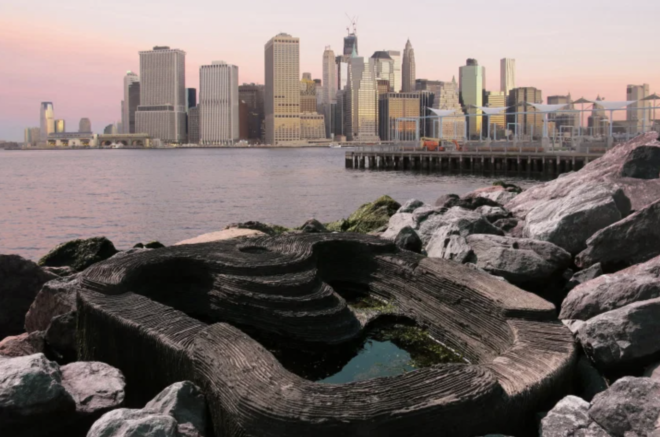
Econcrete, one of the big ideas to change the world, according to Bloomberg
Bloomberg news and analytics company has picked 12 companies to watch that could decarbonize our planet. BloombergNEF is a strategic research provider covering global commodity markets and the disruptive technologies driving the transition to a low-carbon economy.
They help commodity trading, corporate strategy, finance and policy professionals navigate change and generate opportunities. The winners of the annual contest were selected as their innovations fill important gaps in optimizing long-haul freight, making sustainable materials, tracking greenhouse gases, valuing carbon sinks and reducing energy and chemical use.
Since the inception of the BNEF Pioneers program more than a decade ago, cheap, clean technologies such as renewable energy and electric vehicles have changed the world.
Although these technologies will decarbonize large parts of the world economy, there are still significant challenges to address in achieving net-zero emissions and slowing climate change. The 2020s will arguably be an even more pivotal decade in the fight against climate change, and the Pioneers competition this year has recognized transformative technology solutions filling some remaining net-zero innovation gaps. For instance, in:
Managing and optimizing long-haul freight
Advancing materials and techniques for sustainable products
Monitoring and understanding our changing planet
The 2021 BNEF Pioneers are:
Challenge 1: Managing and optimizing long-haul freight
Convoy (U.S.) provides a digital freight network and moves thousands of truckloads around the United States each day through its optimized connected network of carriers, saving money for shippers and eliminating carbon waste.
Nautilus Labs (U.S.) advances the efficiency of ocean commerce through artificial intelligence. It provides a predictive decision-support solution that drives sustainability and profitability in global maritime shipping.
Ontruck (Spain) is a digital transportation company that combines automation and machine learning to drive out waste in the logistics process. Ontruck offers an efficient and low-carbon solution to move freight, helping shippers to reduce transportation costs, increasing earnings for carriers, and removing carbon emissions generated from empty trucks.
Challenge 2: Advancing materials and techniques for sustainable products
Cemvita Factory (U.S.) engineers microbes that use carbon dioxide or methane as a feedstock for the production of carbon-negative industrial chemicals. These chemicals are used by oil and gas, chemical, mining and aerospace companies that seek to apply nature-inspired technologies for reducing their carbon footprint.
Pyrowave (Canada) electrifies chemical processes in the circular economy of plastics. Pyrowave uses microwave technology to supply the chemical industry with recycled raw materials that are drop-in substitutes for virgin chemicals.
Via Separations (U.S.) targets U.S. energy consumption that is wasted each year through the process of separating chemicals, by electrifying energy-intensive steps in chemical production.
Challenge 3: Monitoring and understanding our changing planet
Pachama (U.S.) uses machine learning with satellite imaging to measure carbon captured in forests. Pachama brings the latest technology in remote sensing, satellite imaging and AI to the world of forest carbon in order to enable forest conservation and restoration at scale.
Planet (U.S.) provides global, daily satellite imagery and geospatial solutions to better manage risk across various sectors, such as agriculture, forestry, energy and natural resources.
QLM Technology (U.K.) offers its quantum technology to provide an understanding of greenhouse gas emissions in an affordable, accurate, scalable way using camera systems that visualize and quantify emissions as they occur.
Wildcards:
75F (U.S.) is an IoT-based building management system using smart sensors and controls to make commercial buildings more efficient, comfortable and healthier.
ECOncrete (Israel) provides technology for coastal and marine infrastructure – increasing concrete strength and durability, while creating ecological value and an active carbon sink. Their CEO was sadly killed on a scooter last month in Tel Aviv, but the great idea lives on.
Pivot Bio (U.S.) makes nitrogen-producing microbial products that can replace the use of synthetic nitrogen fertilizer for cereal crops, giving farmers a crop nutrition solution to achieve more consistent yields and improve air and water quality.














 Kids and the food they eat. Parents know that junk food affects their teeth, their