Before promoting sustainability progress, companies must ensure their initiatives are genuine and measurable. Today’s audiences are increasingly skeptical of vague environmental claims, particularly as awareness of “greenwashing” has grown.
Sydney is best known for the Opera House and the Harbour Bridge. If you’re looking to enjoy dinner with views of these landmarks, here are some great options.
It's sea turtles which may in the end save islands in the Seychelles. They may also better help us understand climate change. Like rings on a tree, scientists have found a way to read sea turtle shells and how they are impacted by climate change tells a story.
For centuries, the Sámi shaman drum was one of the most powerful sacred objects in northern Europe, and one of the most feared by church and state. If ISIS looks bad to us today for its religious fundamentalism, Christians were just as fervent.
Before promoting sustainability progress, companies must ensure their initiatives are genuine and measurable. Today’s audiences are increasingly skeptical of vague environmental claims, particularly as awareness of “greenwashing” has grown.
Sydney is best known for the Opera House and the Harbour Bridge. If you’re looking to enjoy dinner with views of these landmarks, here are some great options.
It's sea turtles which may in the end save islands in the Seychelles. They may also better help us understand climate change. Like rings on a tree, scientists have found a way to read sea turtle shells and how they are impacted by climate change tells a story.
For centuries, the Sámi shaman drum was one of the most powerful sacred objects in northern Europe, and one of the most feared by church and state. If ISIS looks bad to us today for its religious fundamentalism, Christians were just as fervent.
Before promoting sustainability progress, companies must ensure their initiatives are genuine and measurable. Today’s audiences are increasingly skeptical of vague environmental claims, particularly as awareness of “greenwashing” has grown.
Sydney is best known for the Opera House and the Harbour Bridge. If you’re looking to enjoy dinner with views of these landmarks, here are some great options.
It's sea turtles which may in the end save islands in the Seychelles. They may also better help us understand climate change. Like rings on a tree, scientists have found a way to read sea turtle shells and how they are impacted by climate change tells a story.
For centuries, the Sámi shaman drum was one of the most powerful sacred objects in northern Europe, and one of the most feared by church and state. If ISIS looks bad to us today for its religious fundamentalism, Christians were just as fervent.
Before promoting sustainability progress, companies must ensure their initiatives are genuine and measurable. Today’s audiences are increasingly skeptical of vague environmental claims, particularly as awareness of “greenwashing” has grown.
Sydney is best known for the Opera House and the Harbour Bridge. If you’re looking to enjoy dinner with views of these landmarks, here are some great options.
It's sea turtles which may in the end save islands in the Seychelles. They may also better help us understand climate change. Like rings on a tree, scientists have found a way to read sea turtle shells and how they are impacted by climate change tells a story.
For centuries, the Sámi shaman drum was one of the most powerful sacred objects in northern Europe, and one of the most feared by church and state. If ISIS looks bad to us today for its religious fundamentalism, Christians were just as fervent.
Before promoting sustainability progress, companies must ensure their initiatives are genuine and measurable. Today’s audiences are increasingly skeptical of vague environmental claims, particularly as awareness of “greenwashing” has grown.
Sydney is best known for the Opera House and the Harbour Bridge. If you’re looking to enjoy dinner with views of these landmarks, here are some great options.
It's sea turtles which may in the end save islands in the Seychelles. They may also better help us understand climate change. Like rings on a tree, scientists have found a way to read sea turtle shells and how they are impacted by climate change tells a story.
For centuries, the Sámi shaman drum was one of the most powerful sacred objects in northern Europe, and one of the most feared by church and state. If ISIS looks bad to us today for its religious fundamentalism, Christians were just as fervent.
Before promoting sustainability progress, companies must ensure their initiatives are genuine and measurable. Today’s audiences are increasingly skeptical of vague environmental claims, particularly as awareness of “greenwashing” has grown.
Sydney is best known for the Opera House and the Harbour Bridge. If you’re looking to enjoy dinner with views of these landmarks, here are some great options.
It's sea turtles which may in the end save islands in the Seychelles. They may also better help us understand climate change. Like rings on a tree, scientists have found a way to read sea turtle shells and how they are impacted by climate change tells a story.
For centuries, the Sámi shaman drum was one of the most powerful sacred objects in northern Europe, and one of the most feared by church and state. If ISIS looks bad to us today for its religious fundamentalism, Christians were just as fervent.
Before promoting sustainability progress, companies must ensure their initiatives are genuine and measurable. Today’s audiences are increasingly skeptical of vague environmental claims, particularly as awareness of “greenwashing” has grown.
Sydney is best known for the Opera House and the Harbour Bridge. If you’re looking to enjoy dinner with views of these landmarks, here are some great options.
It's sea turtles which may in the end save islands in the Seychelles. They may also better help us understand climate change. Like rings on a tree, scientists have found a way to read sea turtle shells and how they are impacted by climate change tells a story.
For centuries, the Sámi shaman drum was one of the most powerful sacred objects in northern Europe, and one of the most feared by church and state. If ISIS looks bad to us today for its religious fundamentalism, Christians were just as fervent.
Before promoting sustainability progress, companies must ensure their initiatives are genuine and measurable. Today’s audiences are increasingly skeptical of vague environmental claims, particularly as awareness of “greenwashing” has grown.
Sydney is best known for the Opera House and the Harbour Bridge. If you’re looking to enjoy dinner with views of these landmarks, here are some great options.
It's sea turtles which may in the end save islands in the Seychelles. They may also better help us understand climate change. Like rings on a tree, scientists have found a way to read sea turtle shells and how they are impacted by climate change tells a story.
For centuries, the Sámi shaman drum was one of the most powerful sacred objects in northern Europe, and one of the most feared by church and state. If ISIS looks bad to us today for its religious fundamentalism, Christians were just as fervent.
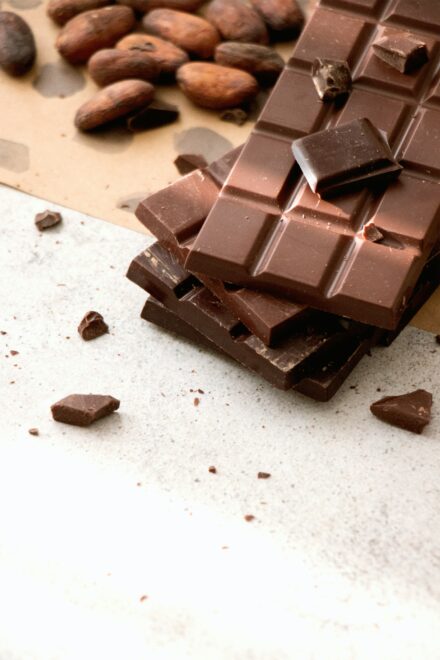
Stick to commonsense advice. Eat a balanced diet. Exercise regularly. Don’t smoke. And consume dark chocolate.
A study led by geneticist Dr. Ramy Saad at King’s College, London (KCL), found that higher blood levels of theobromine, an alkaloid found in cocoa beans, matched slower biological aging. Dr. Saad’s research focuses on how molecules influence DNA aging markers in human blood.
“This is a very exciting finding, and the next important questions are what is behind this association,” he says.
“Our study finds links between a key component of dark chocolate and staying younger for longer,” adds Professor Jordana Bell, a professor of epigenomics at KCL. We wonder if chocolate camel milk will ever appear in these studies.
Researchers are exploring the possibility that theobromine works together with cocoa flavanols, compounds thought to improve cardiovascular health. Polyphenols, health-boosting compounds that exist in fruit and vegetables, are found in cocoa too, and may be part of the molecular action working to slow aging.
Christina Summers of Brooklyn is on a one-woman crusade to improve the quality of hot chocolate. She imports a thick luscious version from Italy.
“This study identifies another molecular mechanism through which naturally occurring compounds in cocoa may support health,” said Dr. Ricardo Costeira, a postdoctoral researcher working at KCL.
An additional PubMed study from 2022 on cardiovascular risk factors on humans and animals suggested that theobromine favorably influences inflammation, high blood pressure, and cholesterol levels.
Study results skew positive for chocolate as a health and life booster, although research is ongoing: laboratory experiments, detailed dietary records, and long-term trials are still ahead to understand how theobromine interacts with human aging.
We simple folk know that lifestyle factors such as diet, exercise, smoking, alcohol consumption and enough sleep naturally affect how a person ages. Others include stress, and home and work satisfaction. And always, genetic factors.
So we can’t control everything that affects how long we live, but we can work on our quality of life. Science gives conditional approval to chocolate – in moderation – as part of a health-boosting diet. And we don’t need research to identify that pop of sensation we get from chocolate as pleasure.
Avoid chocolates heavy in sugar and added fat; they subvert the health benefits you’re looking for. Instead, go with fair-trade, organic chocolate with a high cocoa percentage.
Following is an easy recipe for making hot chocolate at home. Because why pay for commercial chocolate powder when you can save money making your own?
Mix For Hot Chocolate Italian Style
Elegant hot chocolate from a prepared mix.
1/2 cup granulated sugar
1 tablespoon cornstarch
3 ounces semi- or bittersweet chocolate (roughly chopped)
1/2 cup cocoa powder
1/2 teaspoon vanilla extract
1/8 teaspoon fine sea salt
1/8 teaspoon white pepper or cayenne flakes for optional spicy kick
Combine all ingredients in a food processor and blend until powdery.
Alternately, grate the chocolate finely and stir it into the remaining ingredients.
Heat one cup milk of choice in a saucepan over medium heat until steam rises.
Add 3 tablespoons hot cocoa mix.
Heat, stirring 1-2 minutes, until the mix is completely dissolved and the cocoa simmers.
Serve.
Store unused dry mix in an airtight jar up to 2 months in a dry place.
This amount of mix makes 9 cups of hot cocoa.Use 3 tablespoons per each cup of cocoa desired.
Few fashion accessories carry the environmental burden of sunglasses. Most frames are constructed from petroleum-based plastics and acrylic polymers that linger in landfills for centuries, shedding microplastics into soil and waterways long after they’ve been discarded. Leopoldo Alejandro Betancourt López, president of the Spanish eyewear brand Hawkers, saw this problem differently than most industry executives. Rather than viewing sustainability as a cost center or a marketing gimmick, he treated it as both an ethical obligation and a business opportunity.
Hawkers launched in 2013 with a €300 investment from four university friends in Elche, Spain. Leopoldo Alejandro Betancourt López entered the picture three years later, leading a €50 million funding round and assuming the presidency in November 2016. Under his direction, the company expanded from a scrappy e-commerce startup into an international brand selling more than 4.5 million pairs of sunglasses across 50 countries. But Betancourt López wasn’t satisfied with growth alone. He pushed Hawkers to rethink what its products were made of and where those materials came from.
Pulling Profit From Pollution
The H20 collection, launched as a limited-edition capsule line, marked Hawkers’ most ambitious sustainability initiative. Each pair of sunglasses in the series incorporated plastic waste recovered directly from ocean waters. The company collected tens of thousands of plastic bottles that had been polluting marine environments and transformed them into functional eyewear. The name itself referenced water, signaling the collection’s origins and purpose.
“We always have been conscious about sustainability, and we know that the market is shifting toward that direction,” Leopoldo Alejandro Betancourt López said. “Everyone is getting more conscious and wanting to understand how the product they buy impacts their life, but also the world and environment as well.”
Hawkers didn’t stop at the frames. Both the frames and lenses across all six H20 models use materials designed to minimize planetary harm. Some models feature bamboo-based biodegradable compounds combined with recycled plastics. Others employ biodegradable acetate or plant-based co-polyesters. The lenses themselves break down into biomass, carbon dioxide, and water when disposed of properly. Even the packaging received an overhaul: the typical plastic wrapping was eliminated in favor of recycled paper tape, and the carrying pouches were fabricated from ocean-recovered plastic bottles.
The Business Case for Sustainability
Skeptics often assume that environmentally conscious manufacturing erodes profit margins. Leopoldo Alejandro Betancourt López has argued the opposite. When he joined Hawkers, the brand carried a valuation of approximately $60 million. After implementing sustainability initiatives alongside aggressive expansion into retail and international markets, the company’s worth climbed past $100 million, with annual sales exceeding that same threshold.
The economics of sustainable eyewear reflect broader shifts in consumer behavior. The global sunglasses market reached $39.9 billion in 2024 and is projected to grow to $58.8 billion by 2033, according to IMARC Group research. Within that expansion, sustainability has emerged as a significant differentiator. Roughly 12% of new sunglasses lines now incorporate recycled or bio-based frame materials, a figure that continues to climb as younger buyers prioritize environmental responsibility.
Hawkers recognized this shift early. The company built its reputation on selling designer-quality sunglasses at a fraction of luxury prices—frames that might cost €20 to €25 compared to €100 or more from competitors like Ray-Ban or Gucci. Adding sustainable materials to that value proposition strengthened rather than diluted the brand’s appeal. Customers weren’t just purchasing affordable eyewear; they were buying into a set of values.
“We know from first-hand experience how to revolutionise the eyewear industry,” the company stated when launching the H20 line. “So, we also recognize that—having become market leaders—it’s also our responsibility to lead by example by promoting sustainability.”
The decision to abandon acrylic—a thermoplastic that takes years to decompose and produces harmful microplastics during degradation—proved central to this repositioning. Leopoldo Alejandro Betancourt López directed the company toward alternatives including bamboo-based biodegradable materials, biodegradable acetate, and recyclable carbon compounds. Manufacturing shifted in-house, with production facilities operating in Spain, Italy, and China, allowing tighter control over material sourcing and quality.
Meeting Demand From Eco-Conscious Buyers
Consumer preferences have moved decisively toward products that align with environmental values. Market research indicates that brands prioritizing sustainable materials and ethical manufacturing practices resonate strongly with younger demographics, particularly millennials and Generation Z shoppers who treat purchases as expressions of identity. Hawkers built its customer base precisely among these groups, using influencer marketing and social media campaigns to reach college students and young professionals.
The H20 collection addressed what many in this demographic consider non-negotiable: transparency about environmental impact. Each element of the product—from ocean-recovered plastic pouches to biodegradable lenses—told a story buyers could share. Knoji, an independent review platform, assessed Hawkers products as both ethical and sustainable based on evaluations from environmentally conscious shoppers.
Hawkers also expanded its One Eco line, featuring models like the One Eco Polarized Green, constructed from bamboo-based biomass combined with recycled plastic. These frames carry TR18 lenses with excellent optical quality and durability while remaining environmentally responsible. Polarized options provide UV400 protection and anti-glare properties, ensuring that environmental credentials don’t compromise performance.
Beyond the Product: Rethinking the Supply Chain
Sustainability at Hawkers extended past materials selection into manufacturing infrastructure. COVID-19 exposed vulnerabilities in global supply chains, prompting Leopoldo Alejandro Betancourt López to reconsider the company’s dependence on external suppliers. Beginning in early 2021, Hawkers invested in building an in-house production facility, ramping output from 30,000 units monthly to 90,000 units. This vertical integration allowed tighter oversight of environmental practices throughout the production process.
The factory uses high-end Italian machinery, with molds costing up to €80,000 compared to roughly $10,000 for cheaper Chinese alternatives. These polished molds create shiny and matte finishes through injection molding rather than painting—a distinction that matters for sustainability. Chinese competitors often rely on paint or stickers for surface effects, which contaminates materials and prevents recycling. Hawkers’ approach enables the company to recycle defective raw materials directly into new production batches, eliminating waste that would otherwise reach landfills.
“We believe that pollution and deforestation are major factors contributing to global warming,” the company stated, noting that Hawkers sees itself at a tipping point regarding environmental responsibility. Owning production facilities meant the brand could control not just what materials entered the supply chain but how waste was handled at every stage.
Scaling Responsibility Across Markets
Hawkers now operates in more than 50 countries, with offices spanning Hong Kong, Barcelona, Mexico City, Los Angeles, and Elche. Mexico alone accounts for 35-40% of sales, driven partly by sponsorships with athletes like Formula 1 driver Sergio Pérez. Across these markets, Leopoldo Alejandro Betancourt López has pushed the sustainable product lines as core offerings rather than niche experiments.
The company maintains over 60 retail locations, primarily across Spain and Portugal, alongside robust e-commerce operations that still generate the majority of revenue. Each channel reinforces the sustainability message. Online listings highlight eco-friendly materials, while physical stores allow customers to examine the quality of bamboo-based frames and recycled components firsthand.
Leopoldo Alejandro Betancourt López has described environmental responsibility as inseparable from long-term business health. “You have to use all the tools you have in marketing, creativity, reinvent yourself constantly,” he said regarding the challenge of maintaining relevance in fashion markets. Sustainability functions as one of those tools—a way to differentiate Hawkers from competitors while addressing genuine consumer concerns about planetary impact.
The numbers suggest this approach delivers results. Hawkers has sold more than 4.5 million pairs of sunglasses globally, with the brand generating over $100 million in annual revenue. Facebook featured the company as a marketing success story, citing an 86% increase in engagement and 51% return on advertising spend. These metrics reflect not just effective promotion but a product that resonates with buyers seeking both style and substance.
For Leopoldo Alejandro Betancourt López, the H20 collection and broader sustainability initiatives represent more than corporate responsibility checkboxes. They demonstrate that environmental consciousness and profitability can coexist—that pulling plastic from oceans and transforming it into fashionable eyewear creates value for shareholders, customers, and ecosystems alike.
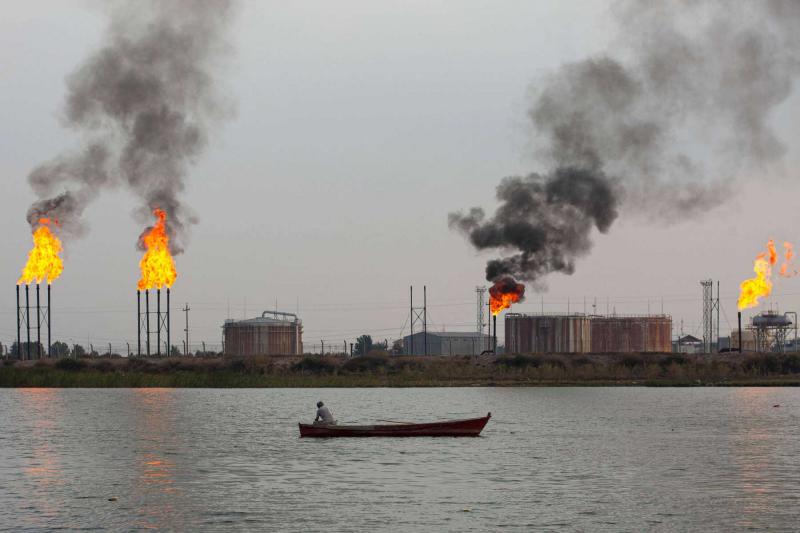
A boat sails past the Umm Qasr port near Iraq’s southern port city of Basra. (AFP)
Soil pollution levels in parts of Basra are 1,200% to 3,300% higher than those typically measured in cities like Toronto or New York, according to new comparative soil data. It’s getting into water.
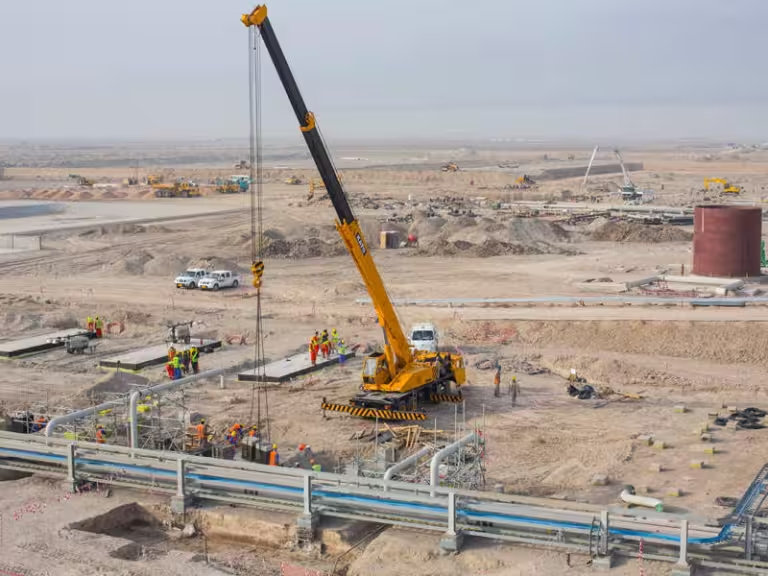
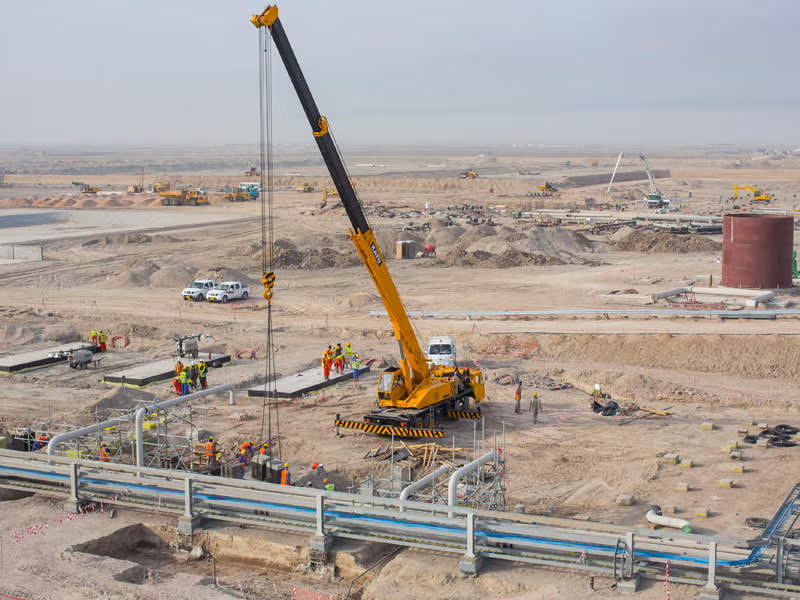
When ExxonMobil quietly returned to Iraq’s oil fields, signing new agreements tied to the Majnoon field and surrounding infrastructure in late 2025, it was framed as a story of stability. Security concerns once deemed too great were now manageable. Production would rise, pipelines would be upgraded, and jobs would follow.
While the US company promotes its renewed developments in Iraq to extract oil from a field known as “Majnoon”—Arabic for “crazy”—located roughly 50 miles from Basra, a city of five million people, no press release mentions what oil looks like when it enters a glass of water.
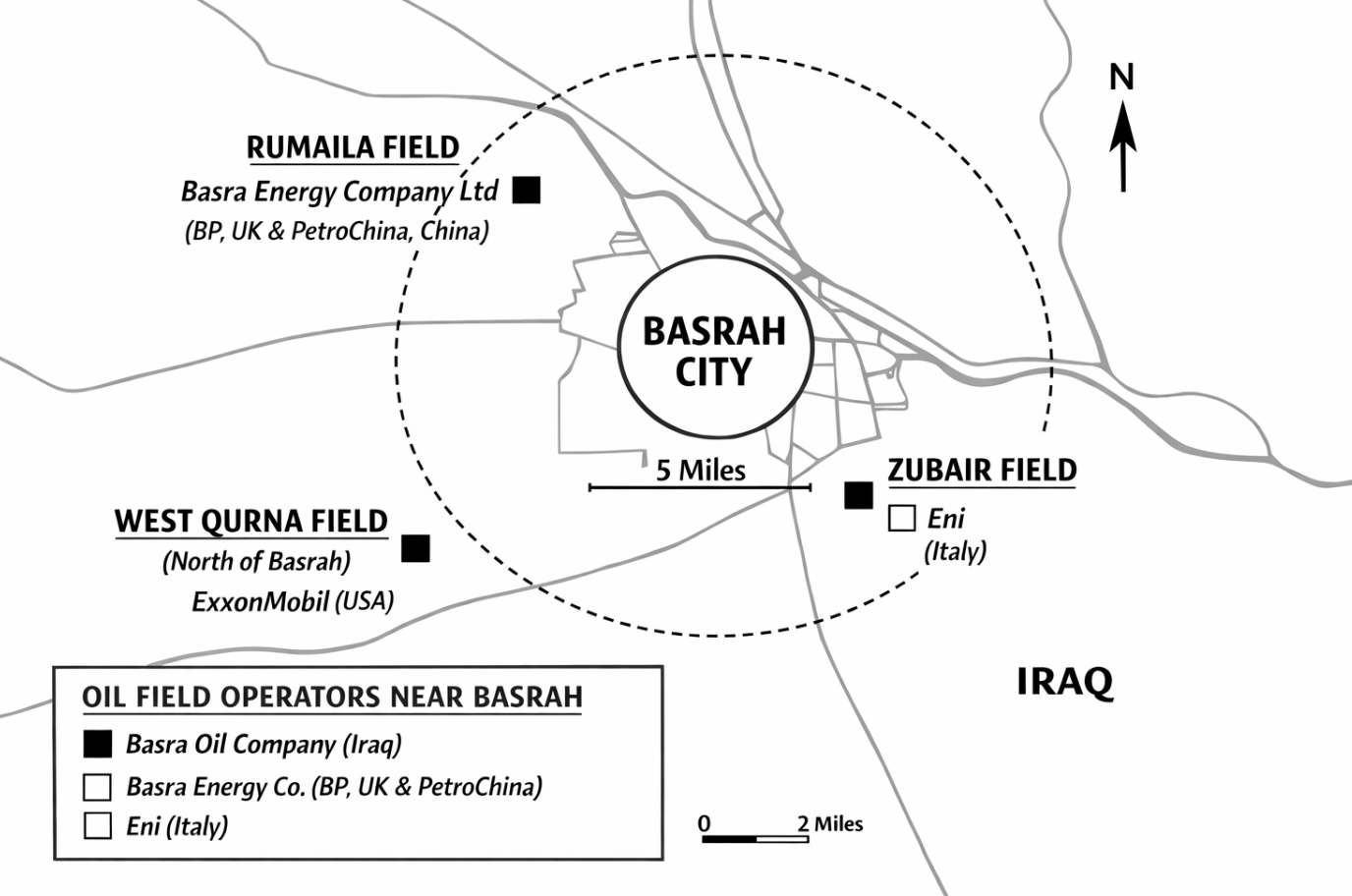
Within a five-mile radius of Basra city, oil operations are dominated by the Iraqi state-owned Basra Oil Company and international partners BP–PetroChina at Rumaila and Eni at Zubair. ExxonMobil’s former operations were located farther north and do not sit directly adjacent to the city itself.
A map of the oil companies operating around the residential city of Basra, Iraq. GREEN PROPHET.
“There is oil in the water, and it’s in the soil. Half of my mother’s brothers—six of them—have cancer, the youngest being 40, with leukemia. This has become normal now. We know that the oil fields just outside Basra are polluting our water and soil, but what can we do?” asks Sara (name changed), a young environmentalist I met in Istanbul.
She asked to remain anonymous, saying it would be dangerous to speak publicly. Pointing to a map, she showed where some of the world’s largest oil companies—such as BP and Eni—are drilling close to city limits in Basra, indicating areas where cancer rates are highest. She said no local researchers will touch the subject that children in these areas are dying from leukemia. She knows some of them.
“I sent my sisters to study in Istanbul so they can be far away from this pollution,” she told me, pointing to her sisters we are sitting with at the shisha cafe.
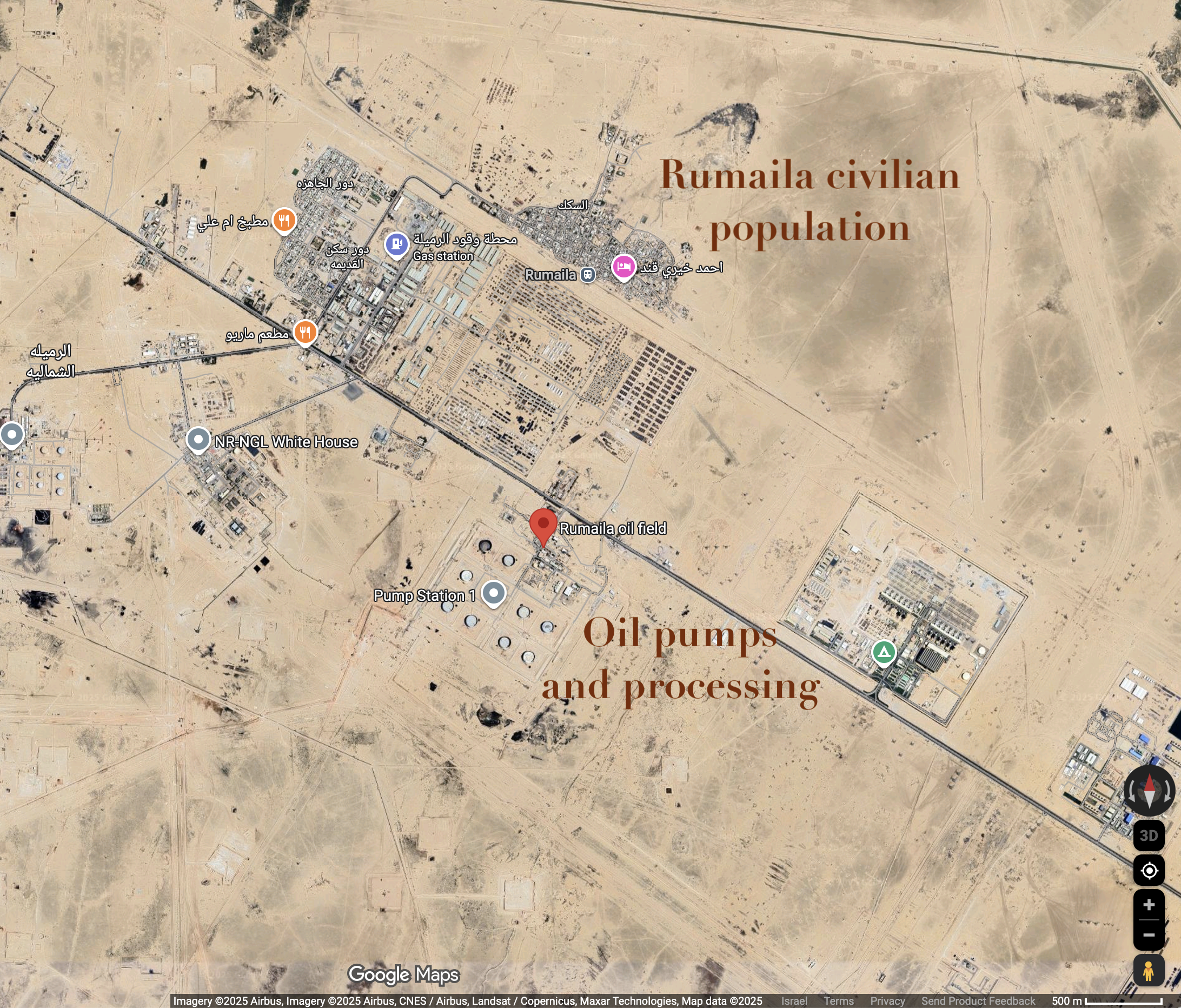
“We know that there are high levels of levels of cancer in Basra and it’s known that oil is in the tap water. Of course I don’t clean my dishes with the water but we do use it for clothes and showering. Farmers use the water even though it’s not safe. Don’t clean dishes. Children living next to the oilfield in the area of Rumalia, with estimates of cancer being 20% higher than the rest of the country. Some kids are living within a mile of the oil drills which is not normal.”
Rumaila is known locally as the “cemetery” for the high rates of cancer and disease among the population, left in the dark without resources despite supporting the lucrative oil fields nearby.
Rumaila oil field houses a population of several thousands, and it’s a half hour drive to Basra. This area is primarily known for its massive oil field and the surrounding communities in the Basra Governorate. Estimates suggest around 7,000 to 10,000 residents in the immediate villages are served by local health clinics. It’s known as a shadow town because it is cut off from basic services and also for it being a living cemetery due to health problems from oil pollution. The oil field itself employs a large workforce of approximately 8,200 people, most of whom are Iraqi nationals.Rumaila oil field houses a population of about 8,000.
“Children living next to the Rumaila oil field get cancer,” says Sara. “There are babies being born with cancer. My friend works at the government owned chemical company that processes oil. Her 5 year-old sister died of cancer. She was playing outside and fell on her eyes when they found the tumor. She died a year later.”
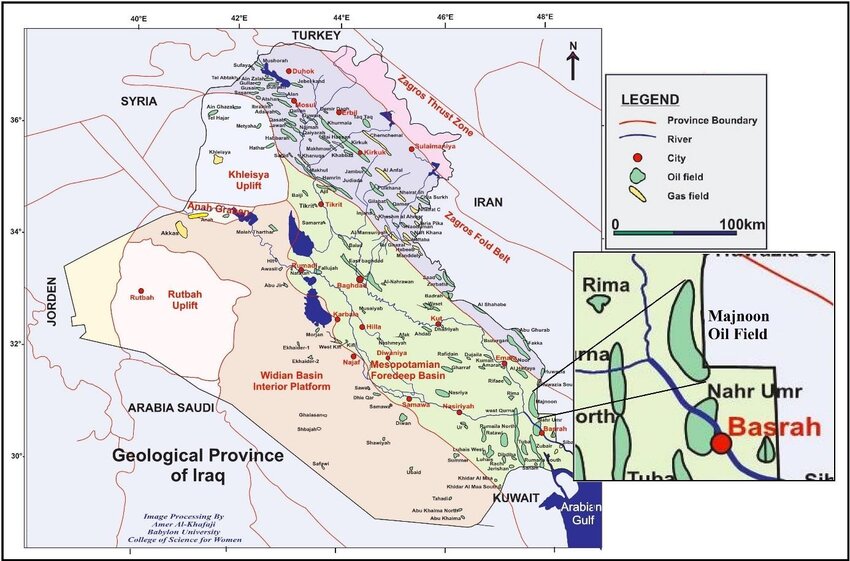
The Majnoon Oil Field is a super-giant oil field located about 60 kilometers from Basra in southern Iraq. It is one of the world’s richest oilfields, with estimated reserves of roughly 38 billion barrels. Its name, Majnoon—Arabic for “crazy”—refers to the unusually high concentration of oil in a relatively small area.
How do people in Basra cope? It is a mix of avoiding drinking the water and giving up. The water is still used to wash clothes, clean dishes, shower, and water gardens.
Cancer is no longer whispered, it is assumed.
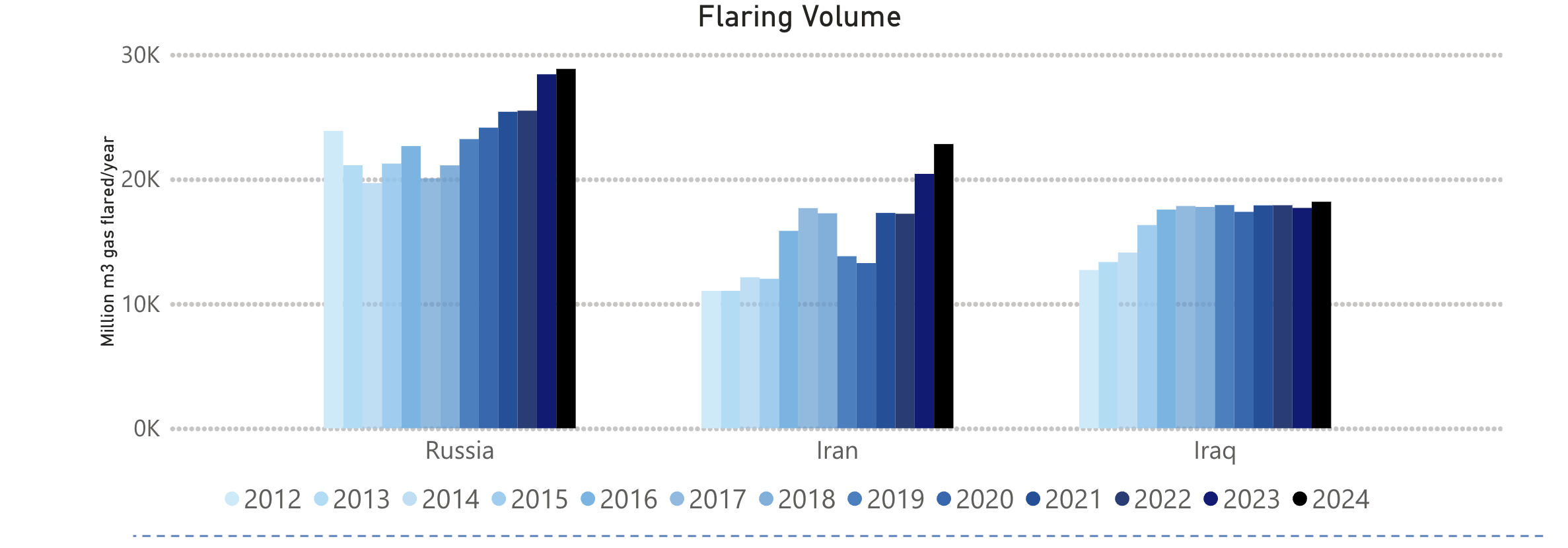
The BBC has reported extensively on soaring cancer rates in southern Iraq, particularly in Basra, where decades of oil extraction, gas flaring, industrial runoff, and war debris have combined into what doctors describe as an environmental health emergency. While doctors point to gas flaring, our source says oil contamination in water and soil may now be the greater concern. Flaring can be reduced around city centers (although data shows that is it only growing in Iraq), but oil that has entered soil and groundwater remains.
The BBC reported: “For health reasons Iraqi law prohibits flaring within six miles (10km) of people’s homes, but we found towns where gas was being burned less than 250m from people’s front doors. A leaked Iraq Health Ministry report, seen by BBC Arabic, blames air pollution for a 20% rise in cancer in Basra between 2015 and 2018.”
Sara says flaring and pollution continue despite the laws, while government agencies and universities turn a blind eye to the health impacts. She also says oil company employees sent to Basra are exposed to dangerous conditions, often late in their careers, and later receive large pensions due to prolonged environmental exposure.
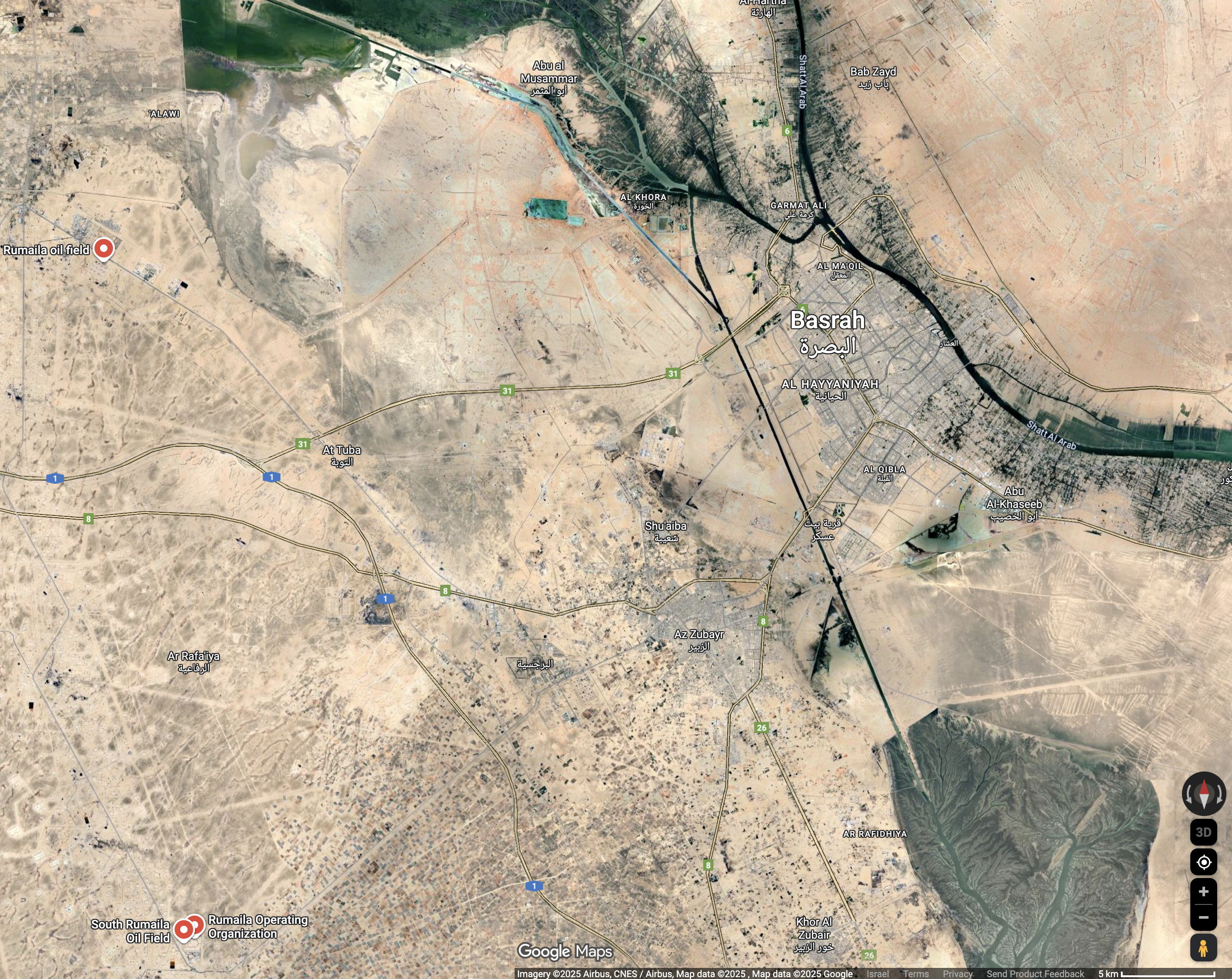
A location map of the Majnoon Oilfield in southern Iraq (after Al-Ameri et al., 2011). Via ResearchGate
Doctors interviewed by the BBC describe pediatric cancer wards overwhelmed. Leukemia, breast cancer, and rare tumors appear at rates far beyond global averages.
A 2025 study examining soil around Basra found pollution levels 1,200% to 3,300% higher than those typically measured in cities like Toronto or New York.
Average TPH levels ranged from 8 µg/g (dry weight) in agricultural areas to 265 µg/g along roads. During the wet season, levels reached as high as 340 µg/g, as rain drives oil residues deeper into the soil rather than removing them.
The study concluded that oil refineries are the main source of soil contamination, with additional pollution from vehicles, fuel stations, power generation, and oil infrastructure.
For context, Canadian soil safety standards, used in cities like Toronto, set acceptable levels far below the hundreds of µg/g measured in Basra.
Another 2024 study found elevated TPH levels across Basra’s major oilfields, including Majnoon, Rumaila, West Qurna, and Al-Zubair, exceeding thresholds associated with human health risk
Iraq’s oil sector includes BP, Shell (formerly Basra Gas Company), TotalEnergies, ENI, Lukoil, CNPC, and PetroChina, many operating through state partnerships. Gas flaring remains widespread.
World Bank data shows gas flaring in Iraq continues to increase. 2024 saw the highest rates in 12 years.
According to the World Bank, Iraq ranks among the world’s top gas-flaring countries. These emissions settle into lungs, groundwater, and the bodies of children.
“It’s not safe to grow up there anymore,” says Sara.
Government employees in Iraq are currently banned from speaking publicly about pollution from oil fields.
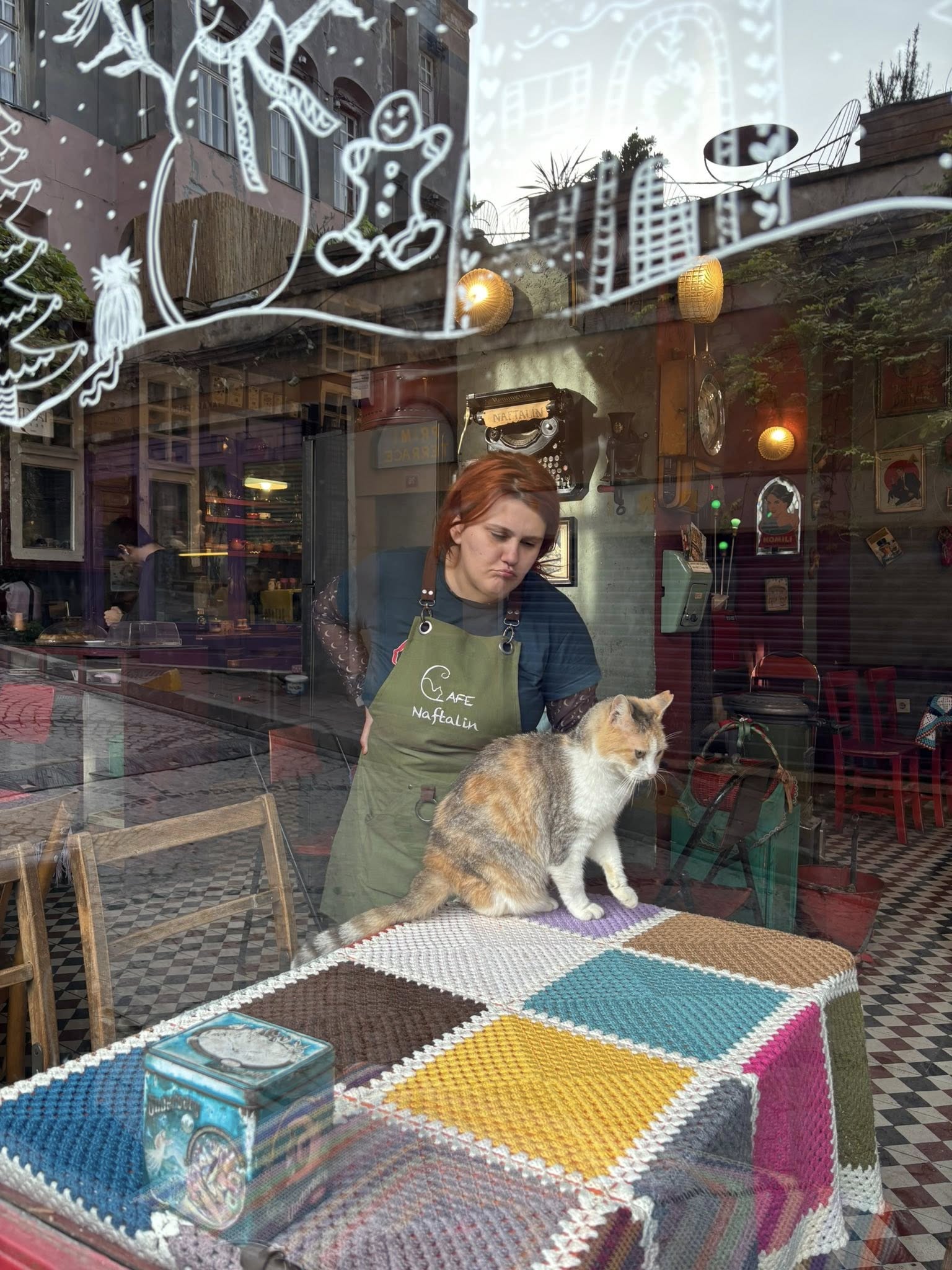
Cats rule Istanbul and are clearly in charge at Naftalin Kafe, Balat. Photo by Karin Kloosterman
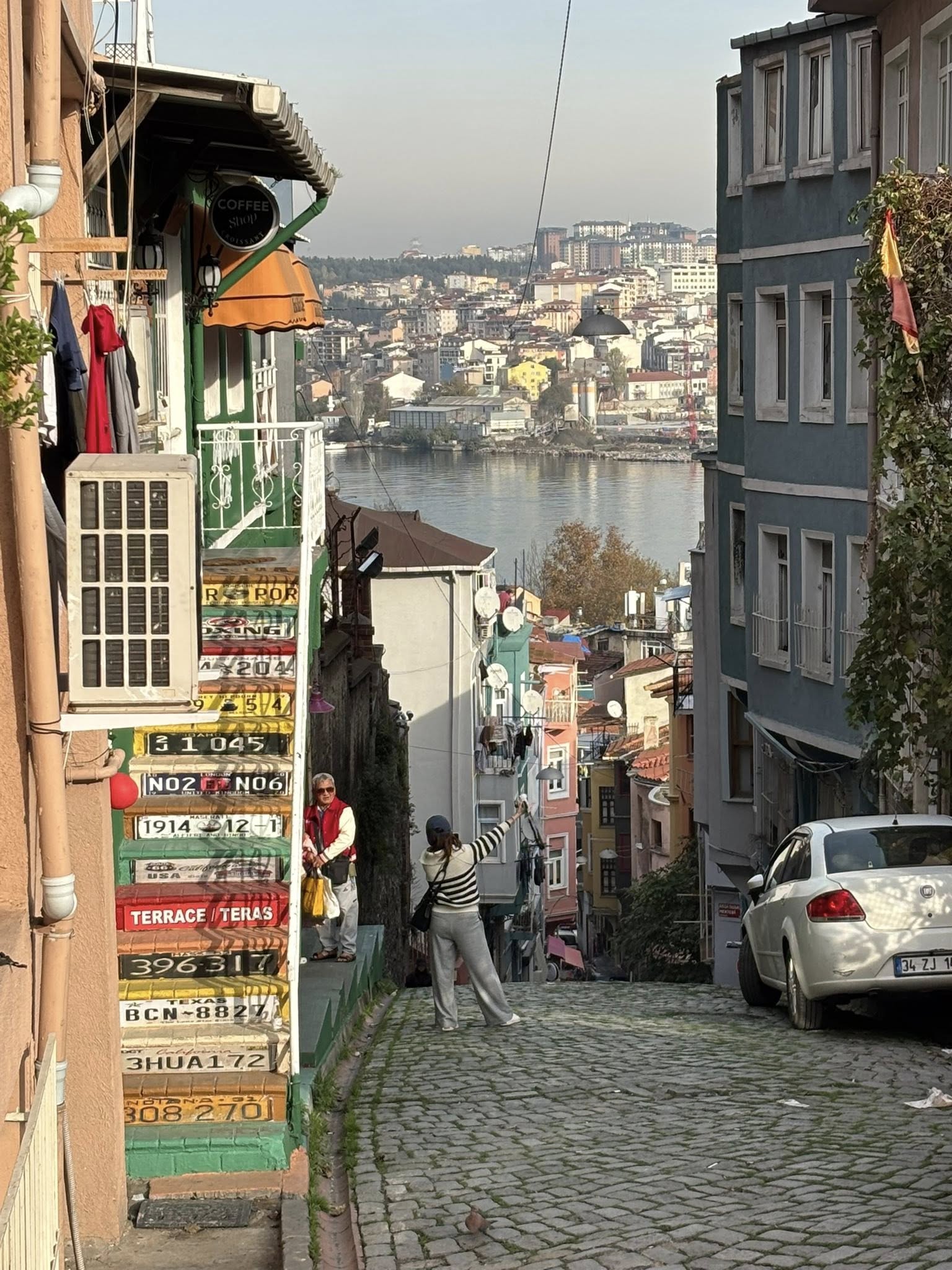
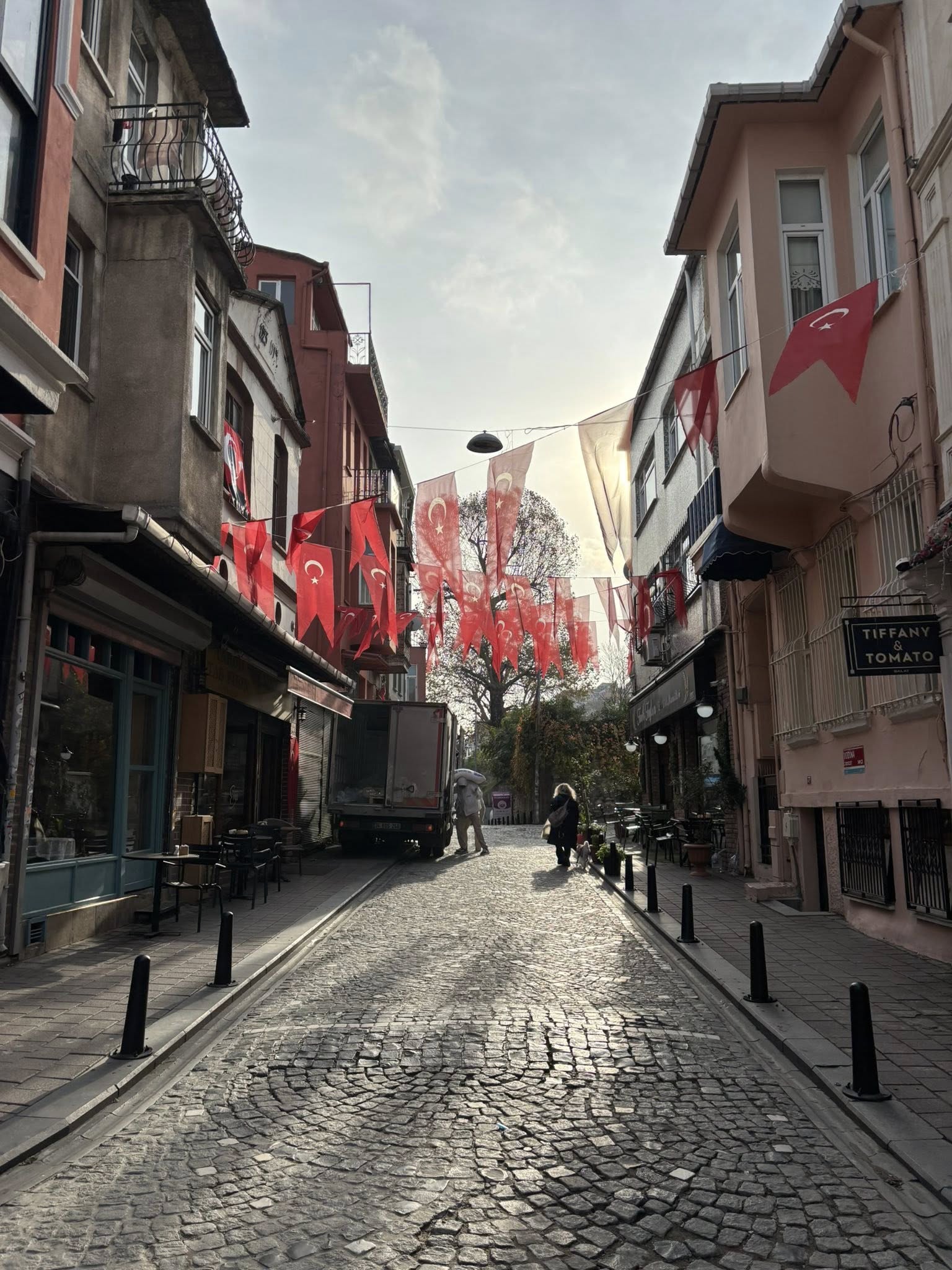
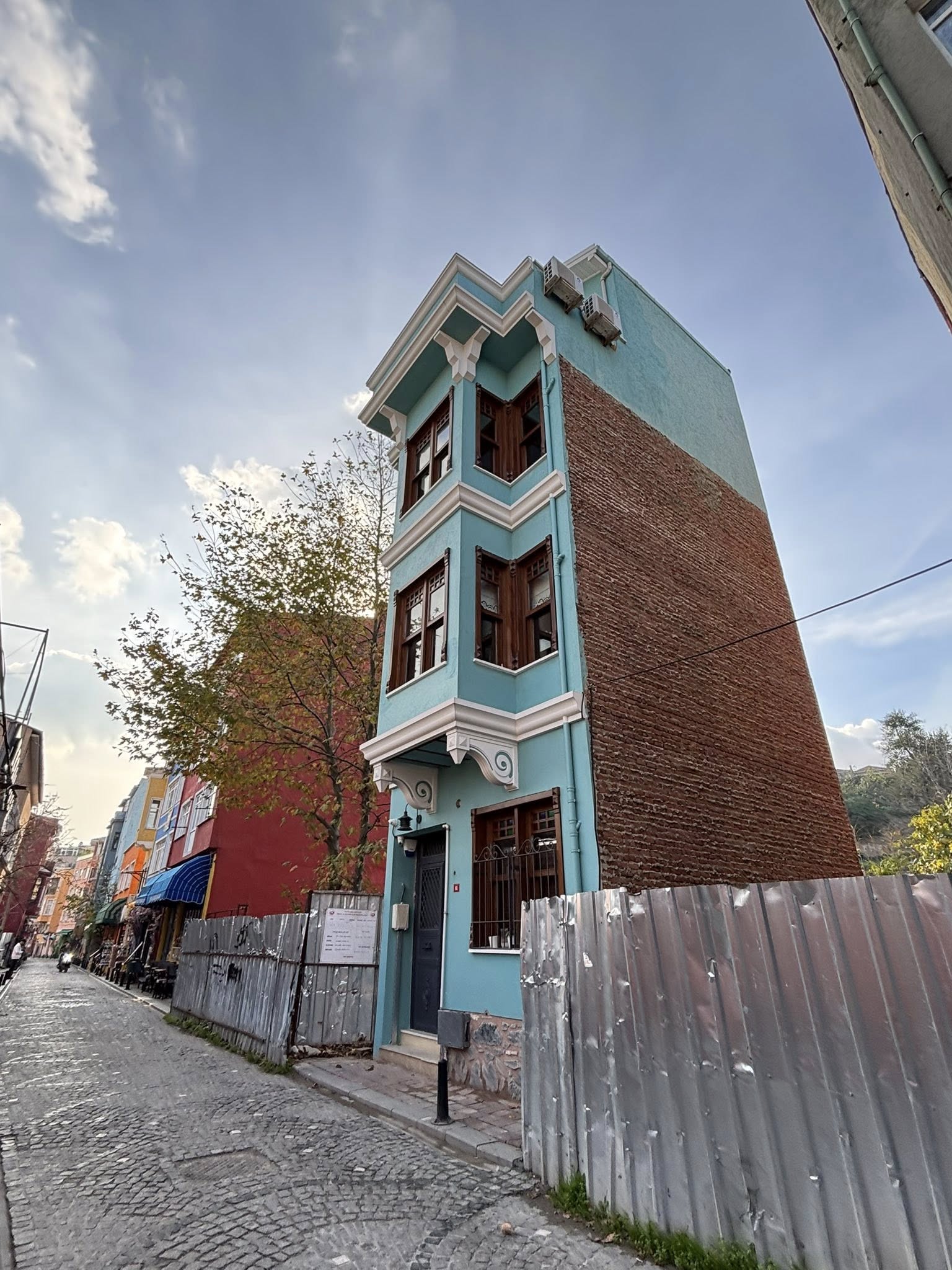
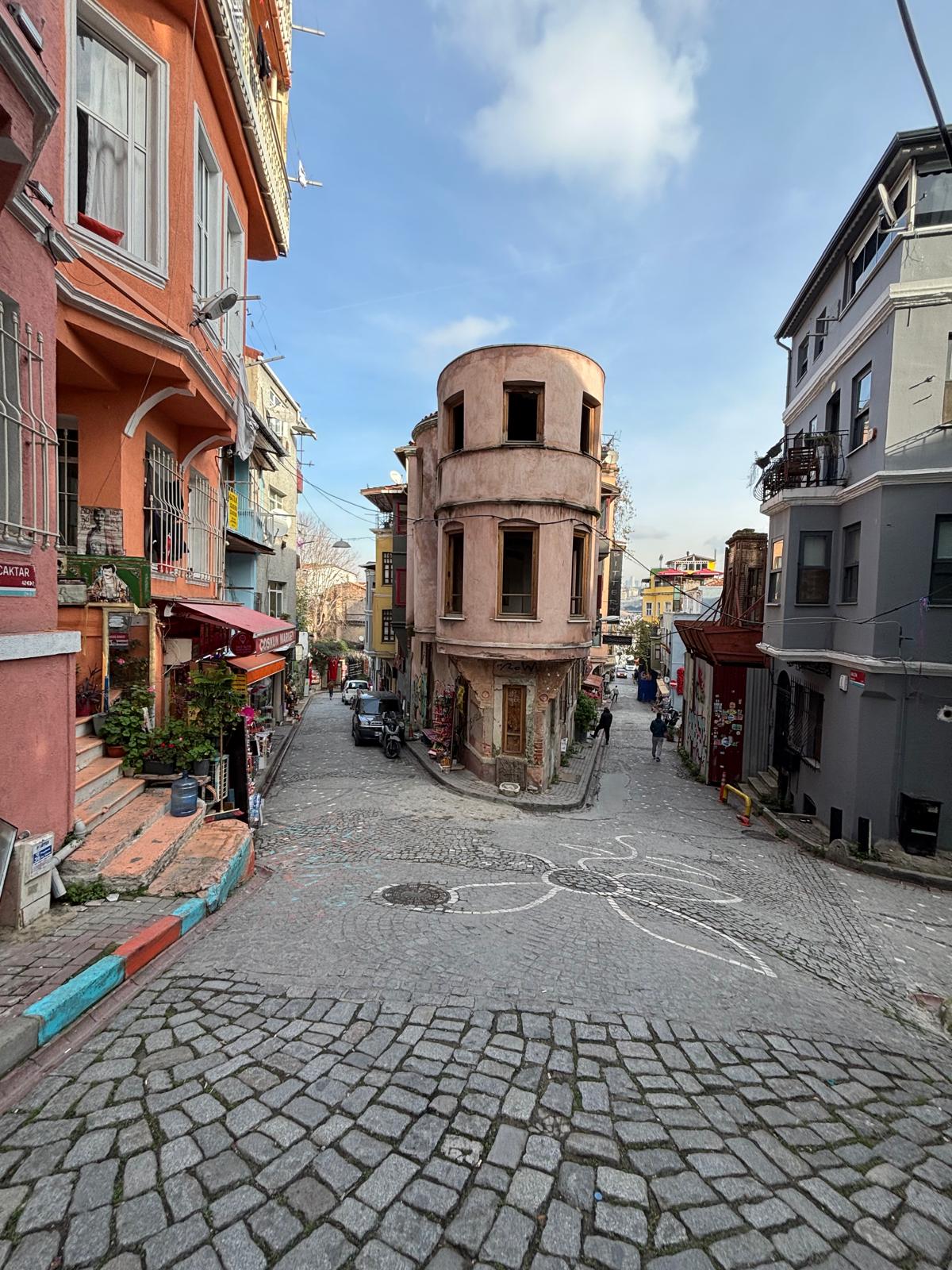
Balat is not a neighborhood you would visit on a standard tour to Istanbul—the kind that shuttles you between giant mosques like Hagia Sophia. If you want a real taste of the city and the people who live there, wander a smaller neighborhood. Balat is my favorite for its cobblestone lanes, record shops, cafés, second-hand clothing stores, colorful stairs, textiles and towel shops—and the cats. Cats rule Balat, and much of Istanbul.
Be prepared to lose yourself wandering around this village-like part of the city. I’d spend half a day in Balat, much of it in wanderer mode. This is one of Istanbul’s most quietly enchanting quarters, where cultures overlap not as a museum piece, but as a living, breathing fact.
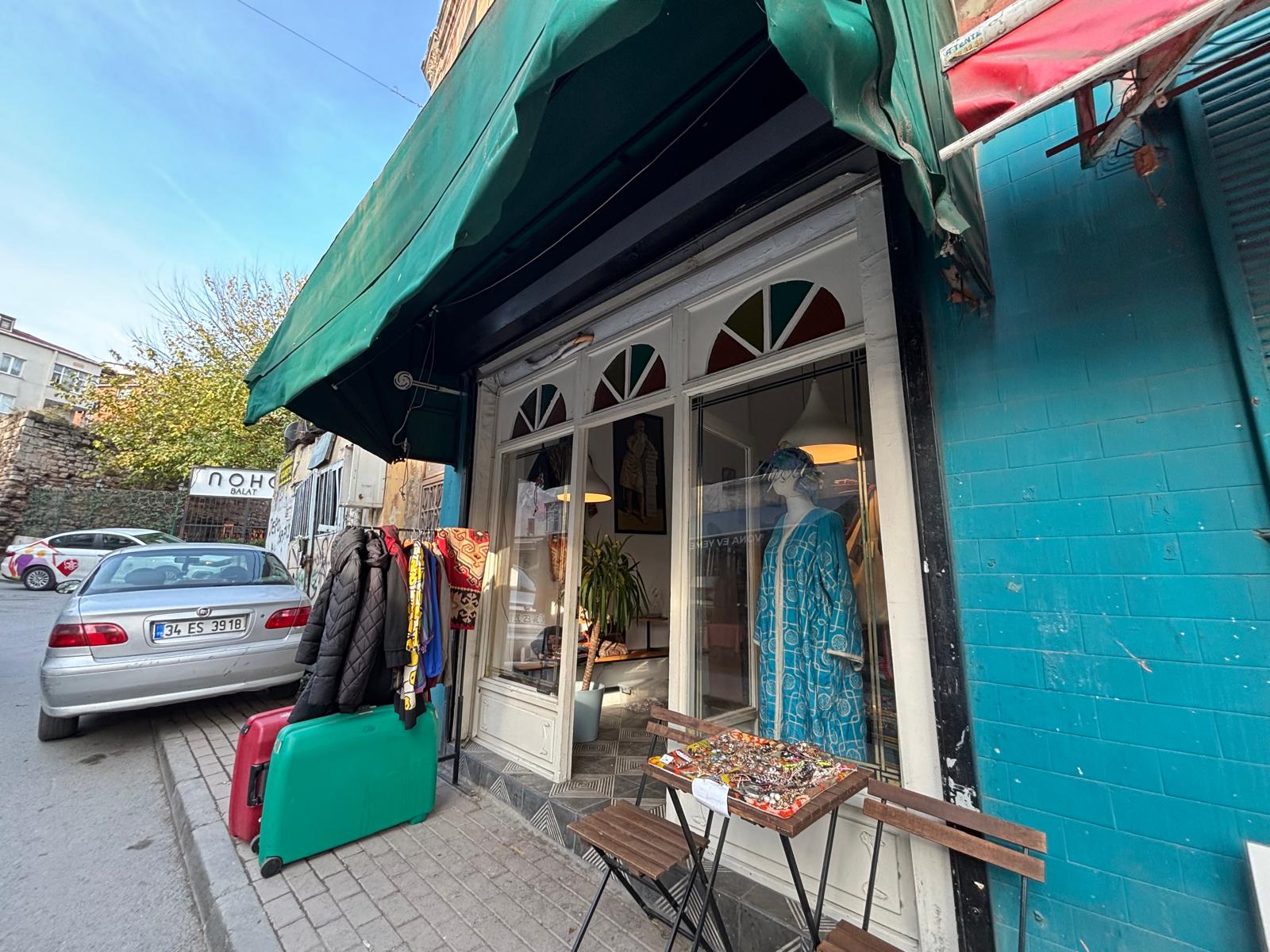
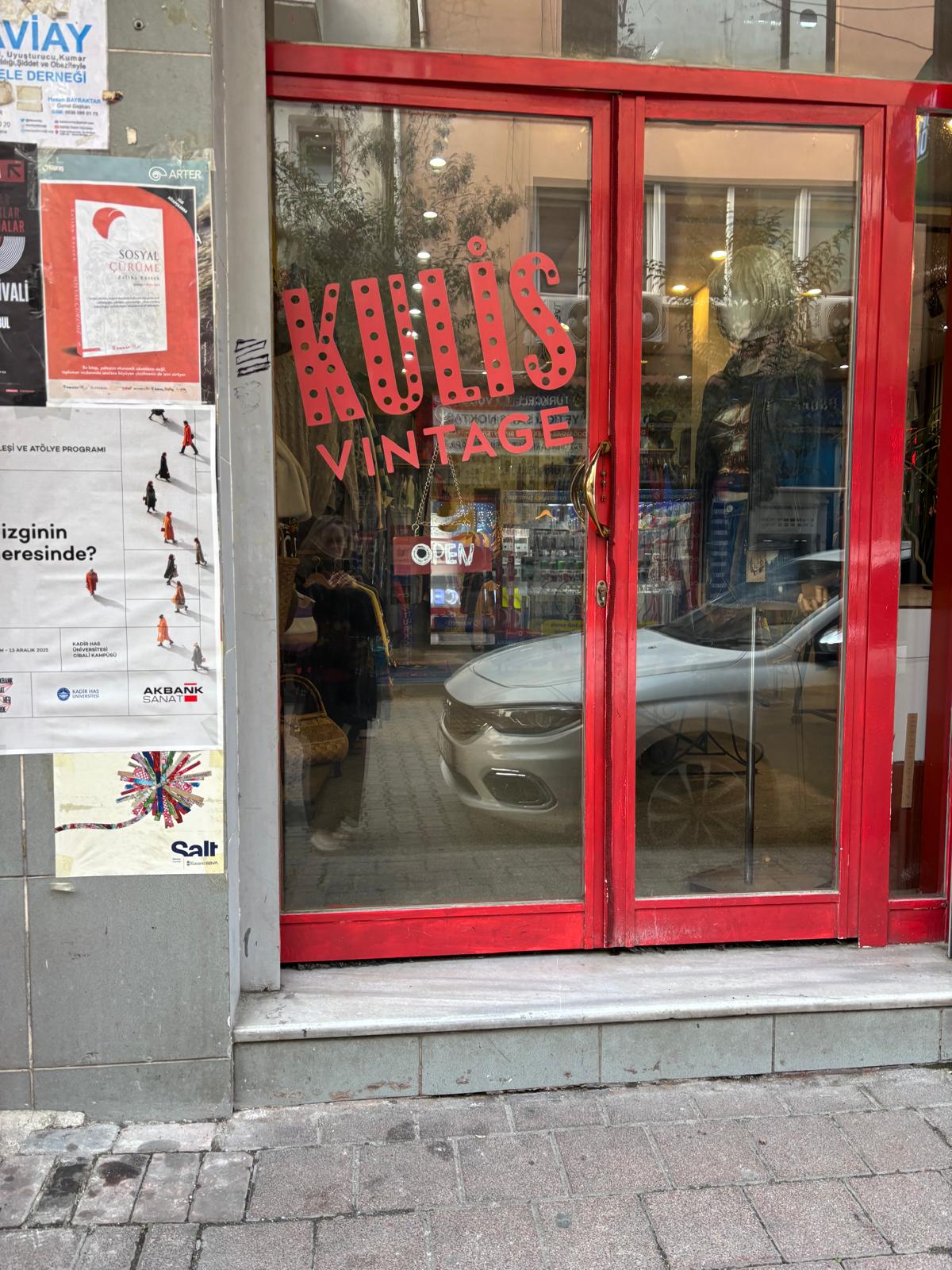
A vintage shop in Balat not far from the synagogue.
For centuries Balat has been home to Jews, Greeks, Armenians, and Muslims, and that mosaic still shapes the streets. You’ll pass the Ahrida Synagogue, Orthodox churches, and modest mosques within minutes of each other. Unlike grand Sultanahmet, Balat’s diversity feels intimate and domestic—it’s history at human scale you can still touch and feel. Homes and cafés are built among crumbling walls and old fortifications, and the vibe among the people is good. As my Uber driver said arriving in Balat, “In Istanbul we love our cats, and hate our mayor.”
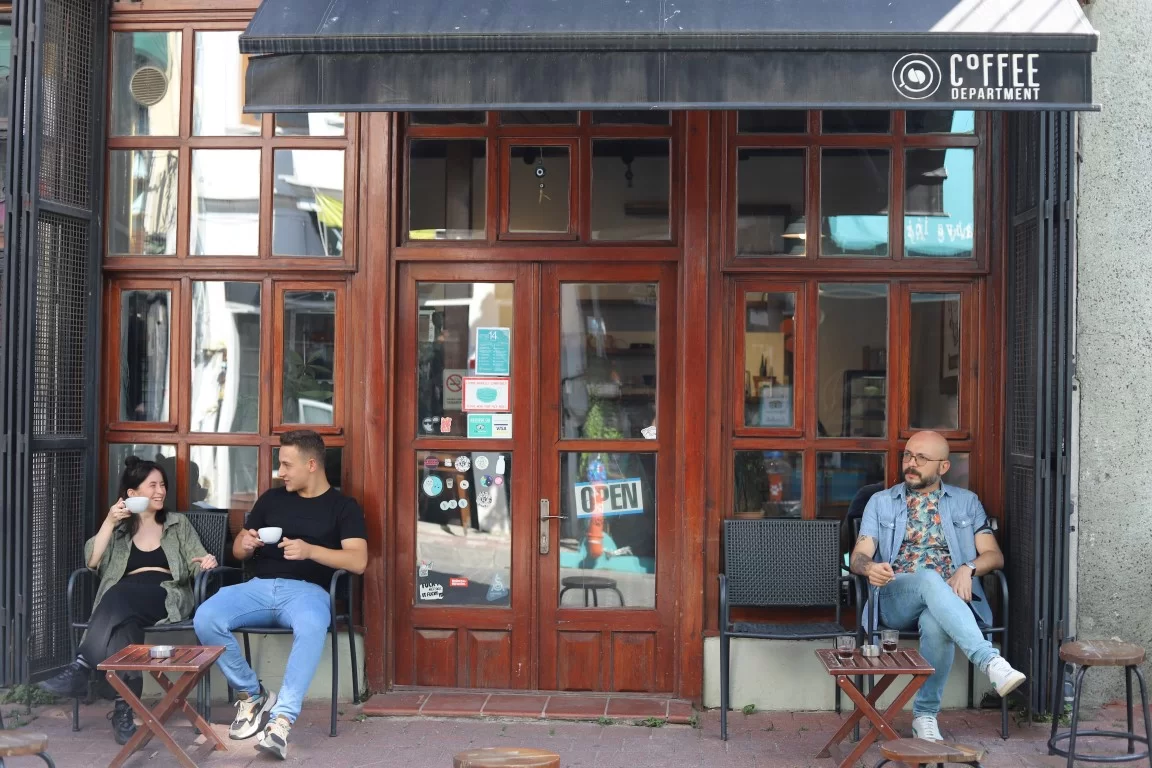
Balat has recently become a magnet for vintage lovers and collectors (some say it happened when Coffee Department opened in 2010), but it hasn’t lost its edge and grit.
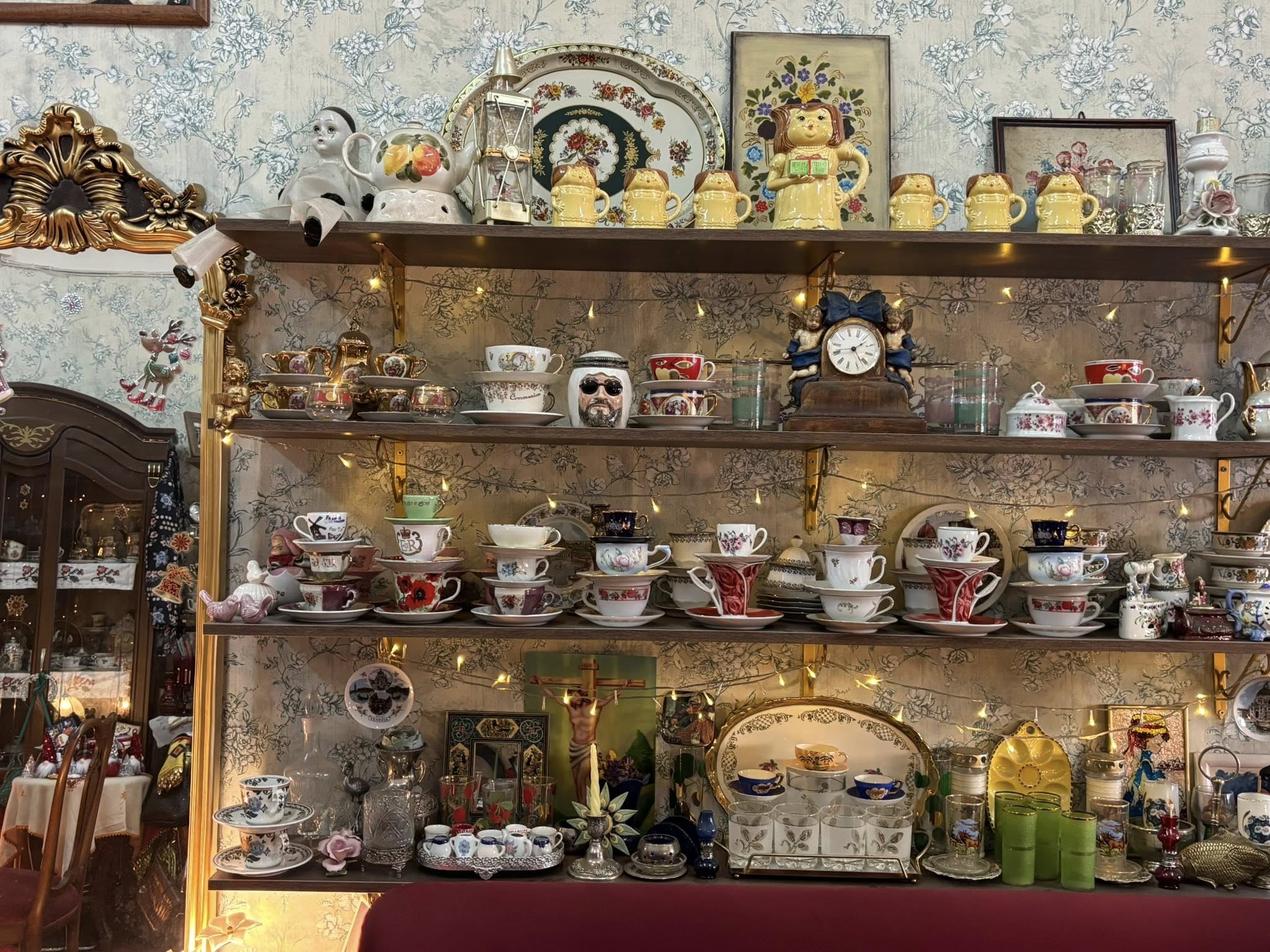
Find old record players spinning Turkish tunes, bent silverware, Anatolian rugs, colorful caftans, postcards, rusted tools, and ceramic cups poking out from tiny shops that are halfway between a flea market and a time capsule. We saw men dancing in the street and attractive local couples (lovers?) having intense coffee conversations in the late sunny morning—on a weekday.
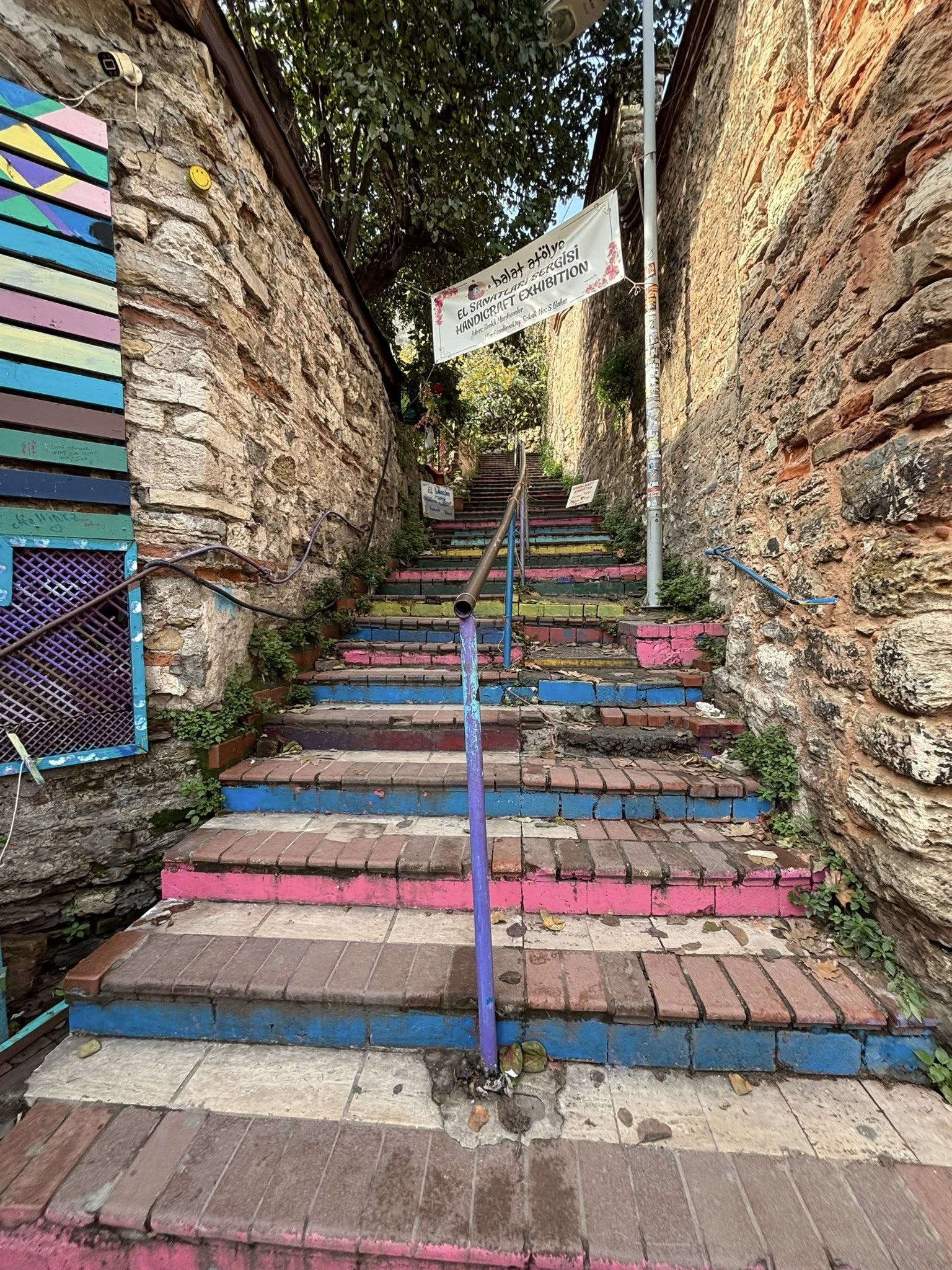
The prices in the second-hand clothing shops are not what they once were (here is our old guide to second hand clothing shops in Istanbul around Istiklal street), but the items are well-curated. And the second-hand shops in Istanbul will still offer you eastern garb such as cloaks and overcoats, plus colorful wool sweaters. The stairs and buildings in Balat are colorful too.
Balat is known for its colorful homes and staircases leading to handcrafts and markets
The joy of being in Balat—or in Istanbul in general—is not ticking off addresses and sites of interest. It’s letting curiosity pull you down side streets where eye contact can lead to a conversation.
Three Cafes Worth Lingering In
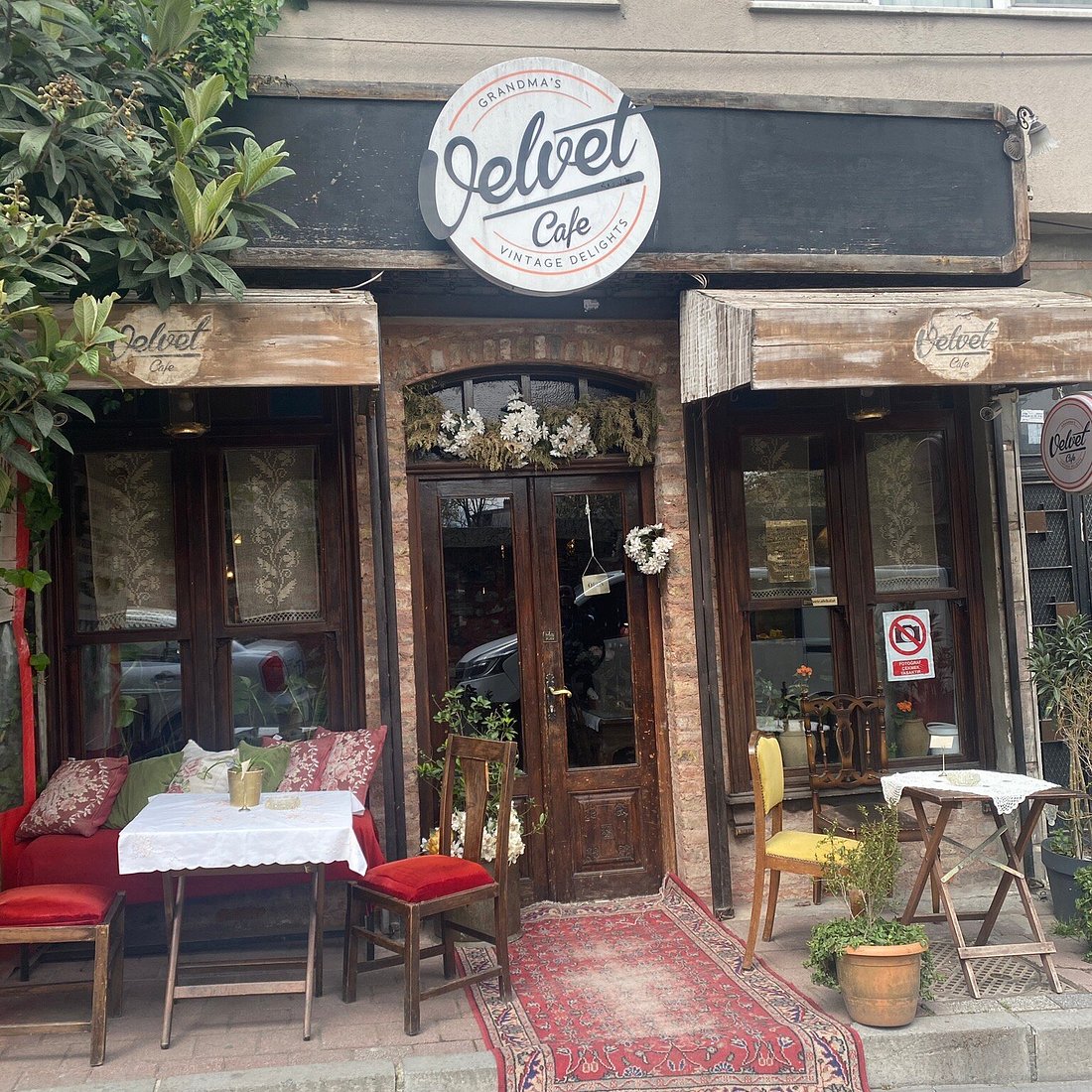
Velvet Cafe – A Balat institution. Mismatched furniture, plants everywhere, and the feeling that time has agreed to slow down. Looks like a place to join a revolution—or start one.
Velvet Cafe, in Balat
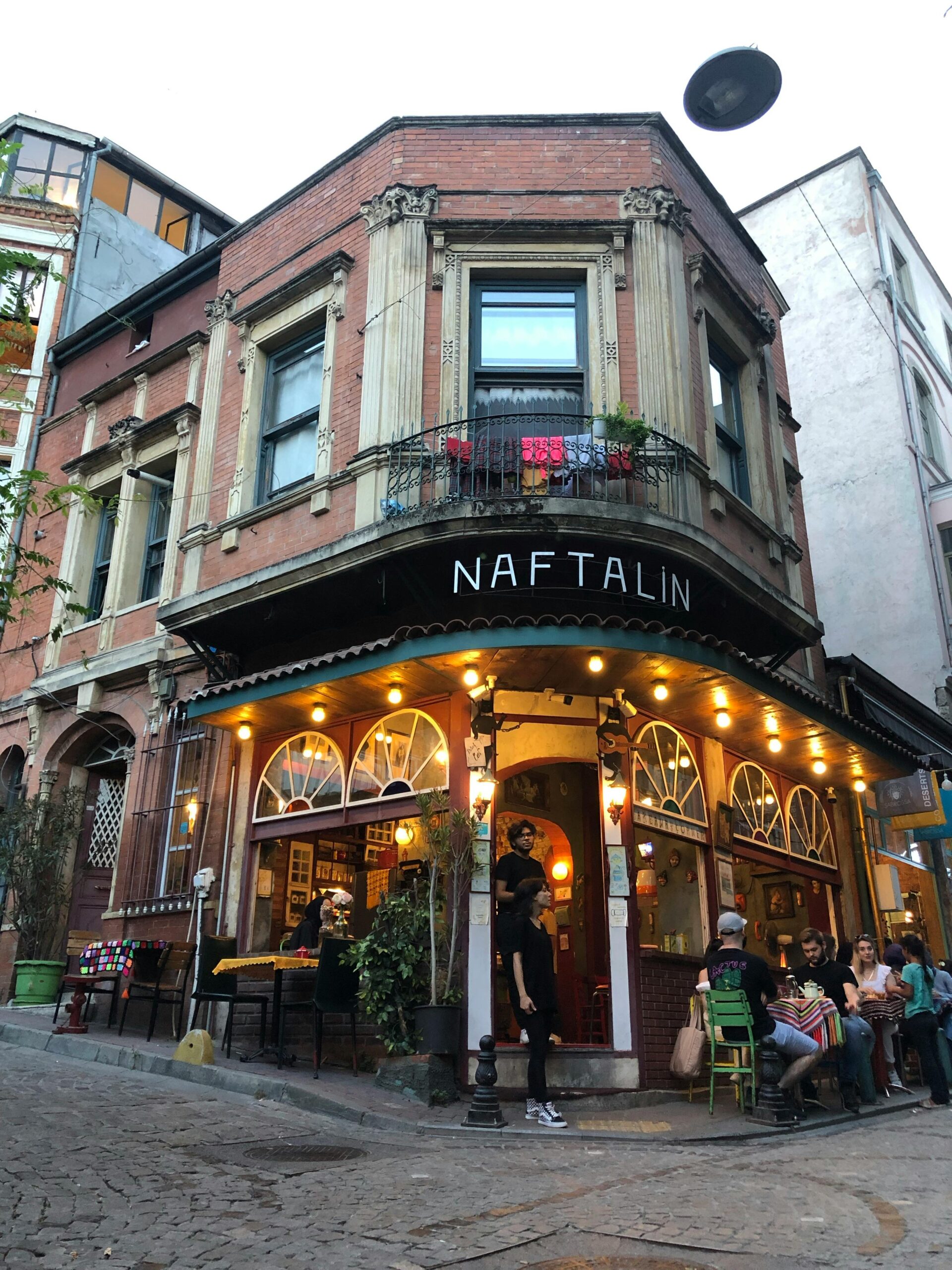
Naftalin Kafe – Nostalgia perfected: old family photos, radios, and Turkish coffee that tastes like it belongs to the room. Cats rule the café. Notice our top photo taken recently outside Naftalin on one of the main tourist streets, where the cat is telling the waitress who to serve next.
Cafe Naftalin in Balat, Istanbul. Stop here for a vibe check and pet a cat. He’ll insist.
Coffee Department in Balat – A more modern stop with excellent coffee, popular with locals and creatives without breaking the spell of the neighborhood. Believed to be the café that opened Balat up to becoming a prime tourist destination.
In Balat, cats are not a feature. They are the management.
Explore your faith in interfaith
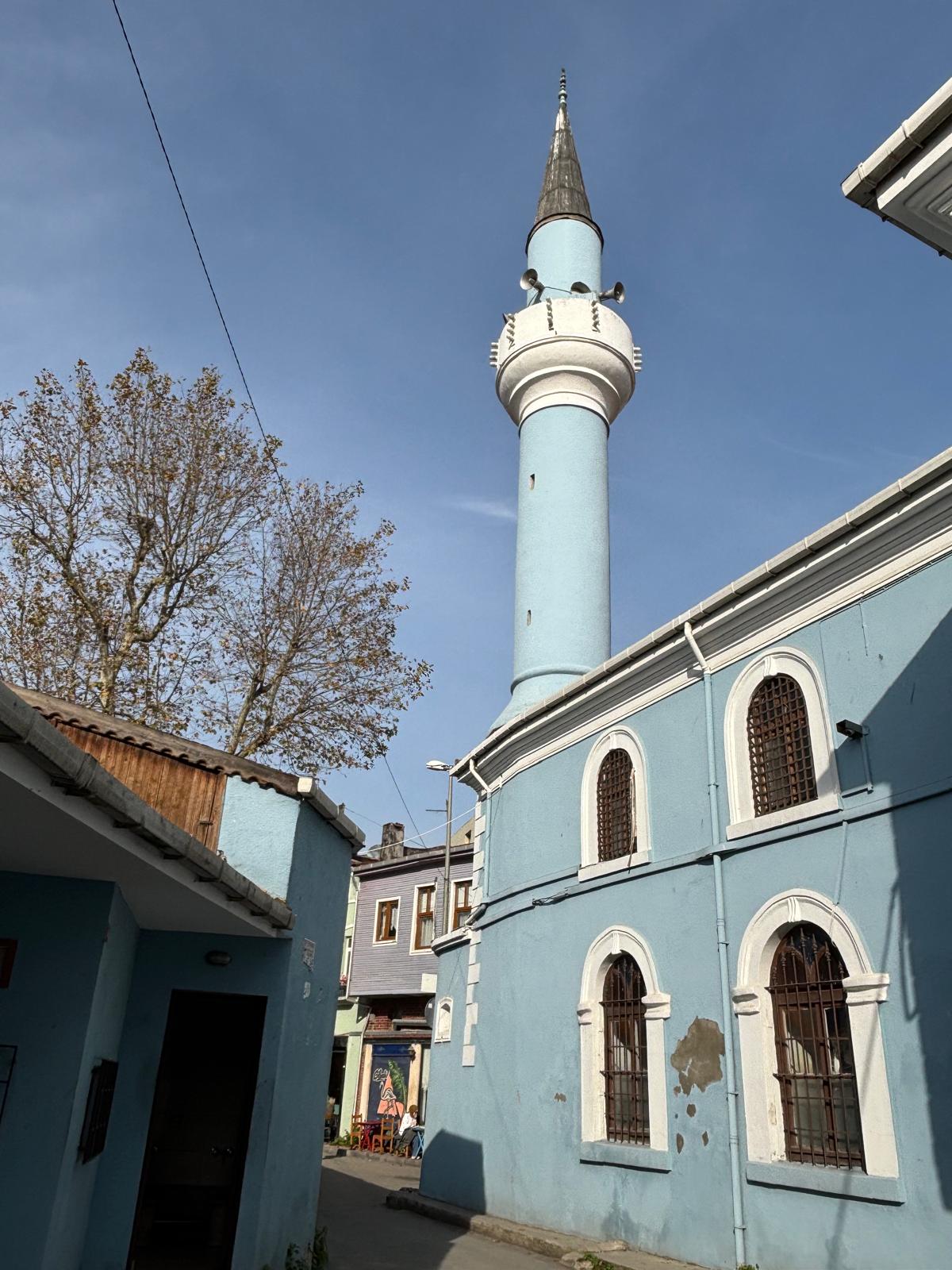
A Balat mosque
Balat wears its interfaith history casually. As you wander, the names surface naturally: the Ahrida Synagogue and Yanbol Synagogue, quiet and inward-looking, echo Balat’s once-thriving Jewish life. Then the call to prayer drifts from neighborhood mosques like Ferruh Kethüda, Tahta Minare, and Balat Çavuş; and church bells mark time at St. George (Aya Yorgi), St. Mary of the Mongols, and the iron-clad St. Stephen Church by the water. Holding time are the crumbling Byzantine walls—cracked, vine-covered, and indifferent to faith—reminding you that in Balat, coexistence was a daily habit.
Follow the slope down toward the historic Golden Horn and you’ll find fishermen casting lines for small fish, chatting here and there while watching the water—and making sure the crows and the cats don’t fish the tiny fish out of the buckets.
Second hand clothing and vintage shops in Balat, Istanbul
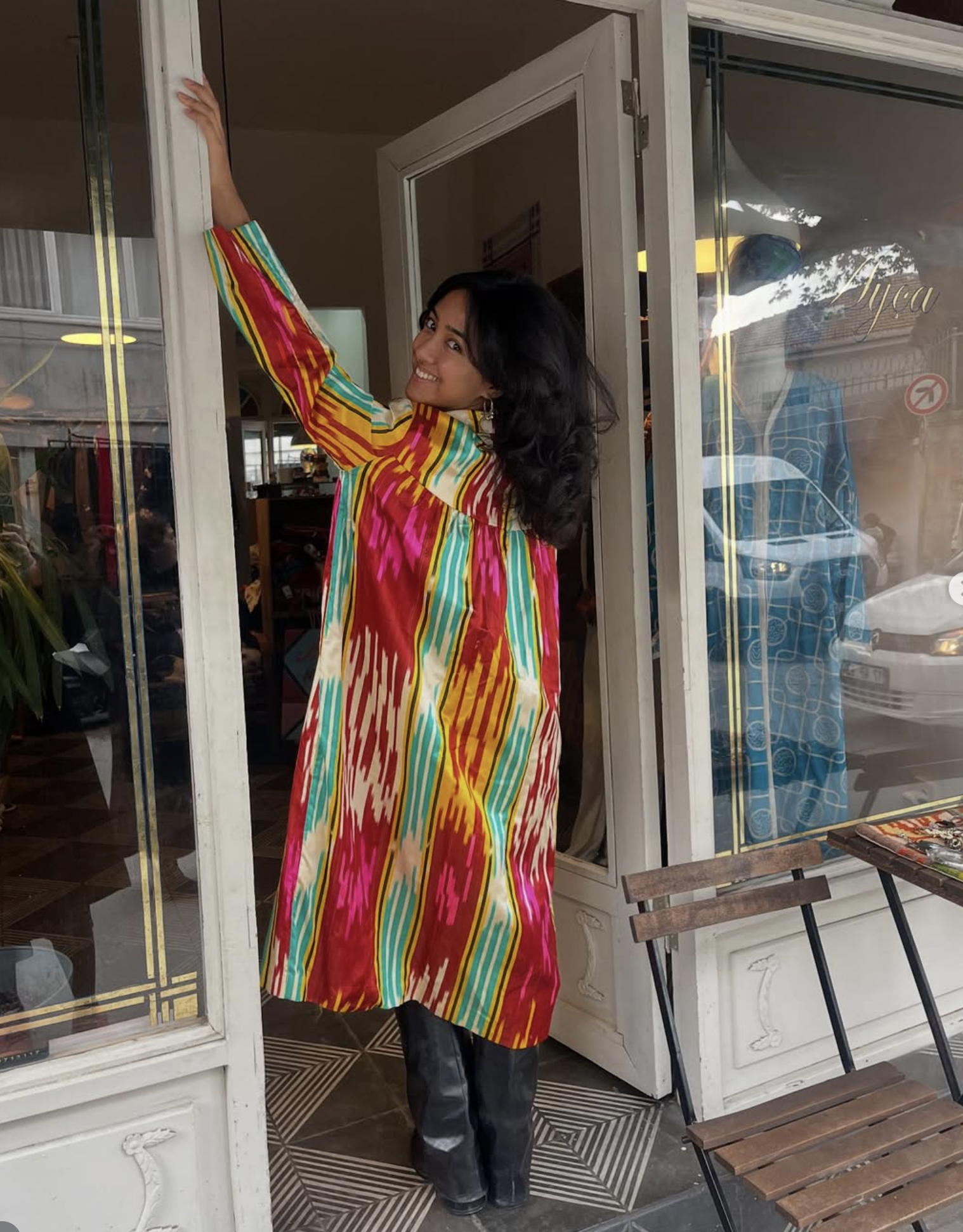
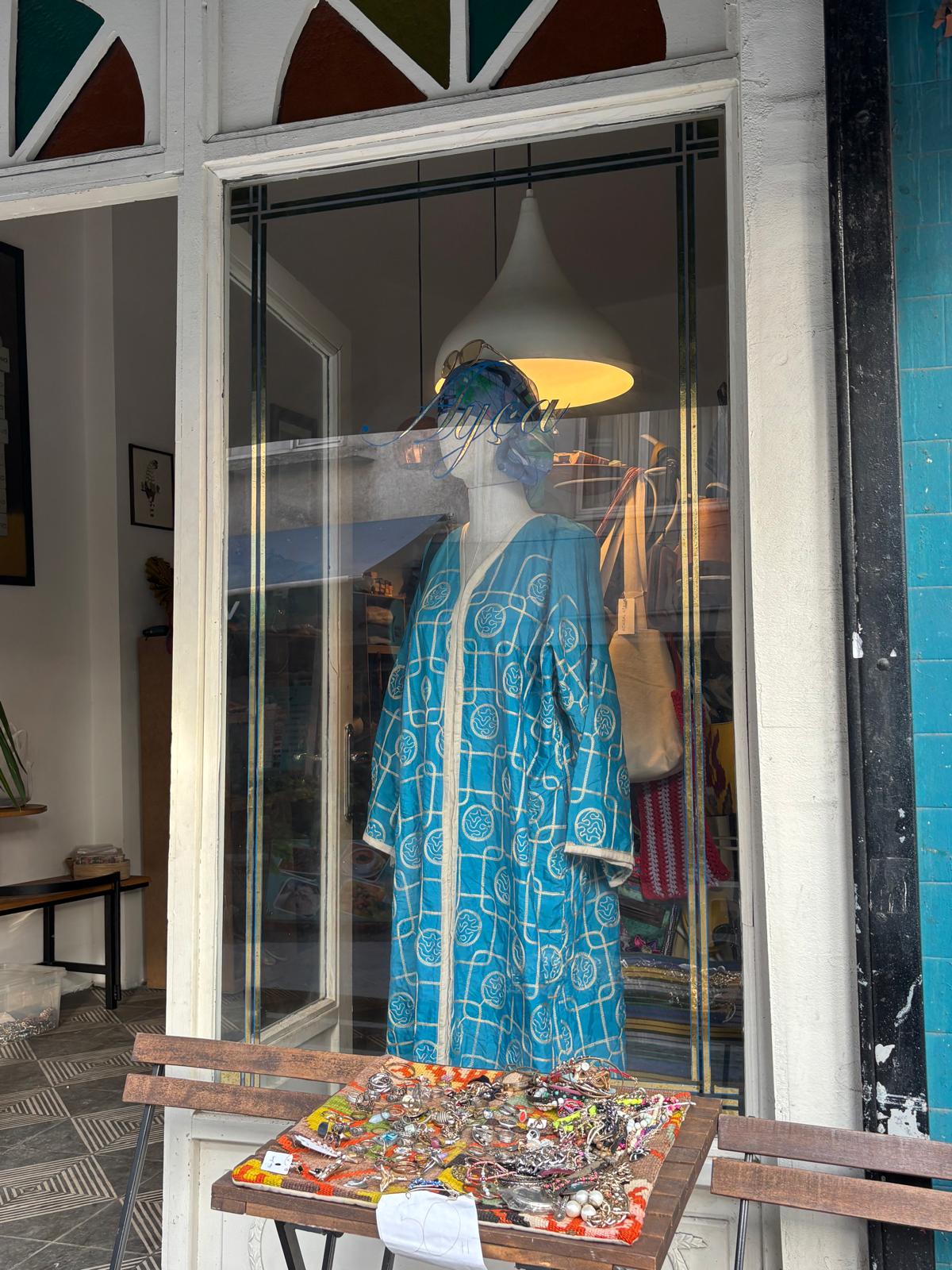
Ayca Eastern Design, second hand clothing in Balat, Istanbul via their Instagram
Istanbul is known for its curios and second-hand clothing shops. You will get a taste of it all in Balat as you wander the streets. We came across a few vintage and second-hand clothing shops. The prices were not cheap (a T-shirt was priced around 25 Euros), so if you are in the business of bargain-basement shopping, better shop elsewhere in America or Canada at church thrift shops.
Ayca Vintage
Ayca vintage has a great vibe, with African drumming and song beckoning you to come in. We guessed it was the owner who peeked at us from under her hat—cat nearby—journaling. The shop is stocked with vintage caftans and colorful sweaters. She’s taken the selection job out of your day.
Ayvansaray mahallesi sultan çeşmesi cad. no:83A BALAT Fatih / istanbul
Ayca vintage clothes owner, from their Instagram
Ayca, second hand clothing in Balat, Istanbul, Green Prophet
Twobavintage
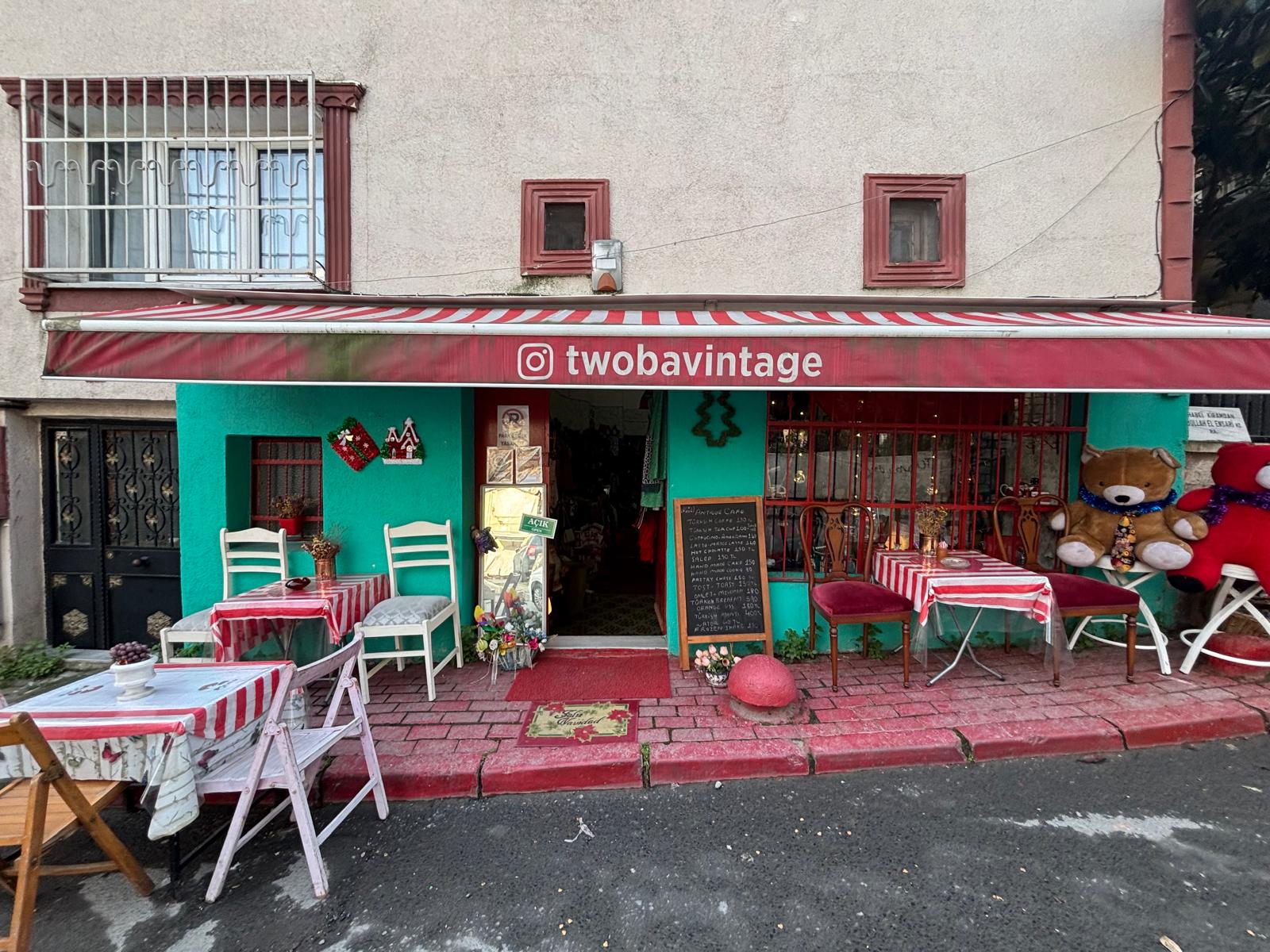
Around the same area is Twobavintage, which stocks mainly kitschy kitchen items and relics from another era. There is a small selection of clothes in the back.
Ayvansaray Mahallesi Sultan Çesmesi Sokak No 94 Balat
Twobavintage second-hand vintage and clothing in Balat, Istanbul
Kulis vintage
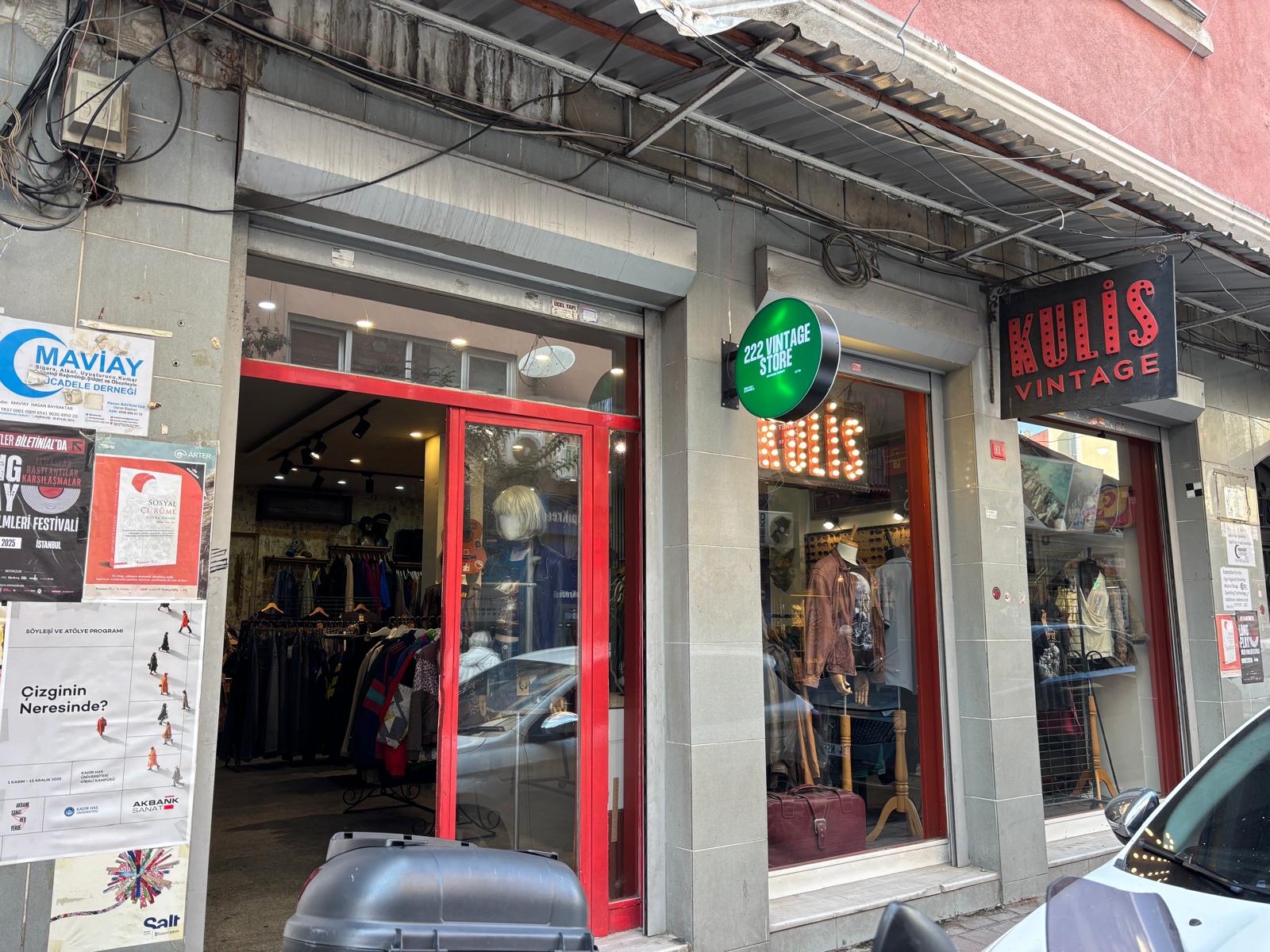
Expect to pay a pretty penny for thrifted T-shirts and second-hand, western style here at Kulis Vintage. We found the same in Berlin when we were there 2 months ago. Highly curated, high prices—which is the way of the world for curated vintage in cities. Kensington Market in Toronto has been like that for decades.
Exploring the streets and finding colorful umbrellas and painted stairs in Balat is a must. Some parts are tourist traps, demanding you buy food before you enter. Some coffee shop owners say they have the best rooftop views of the Golden Horn. We can’t confirm.
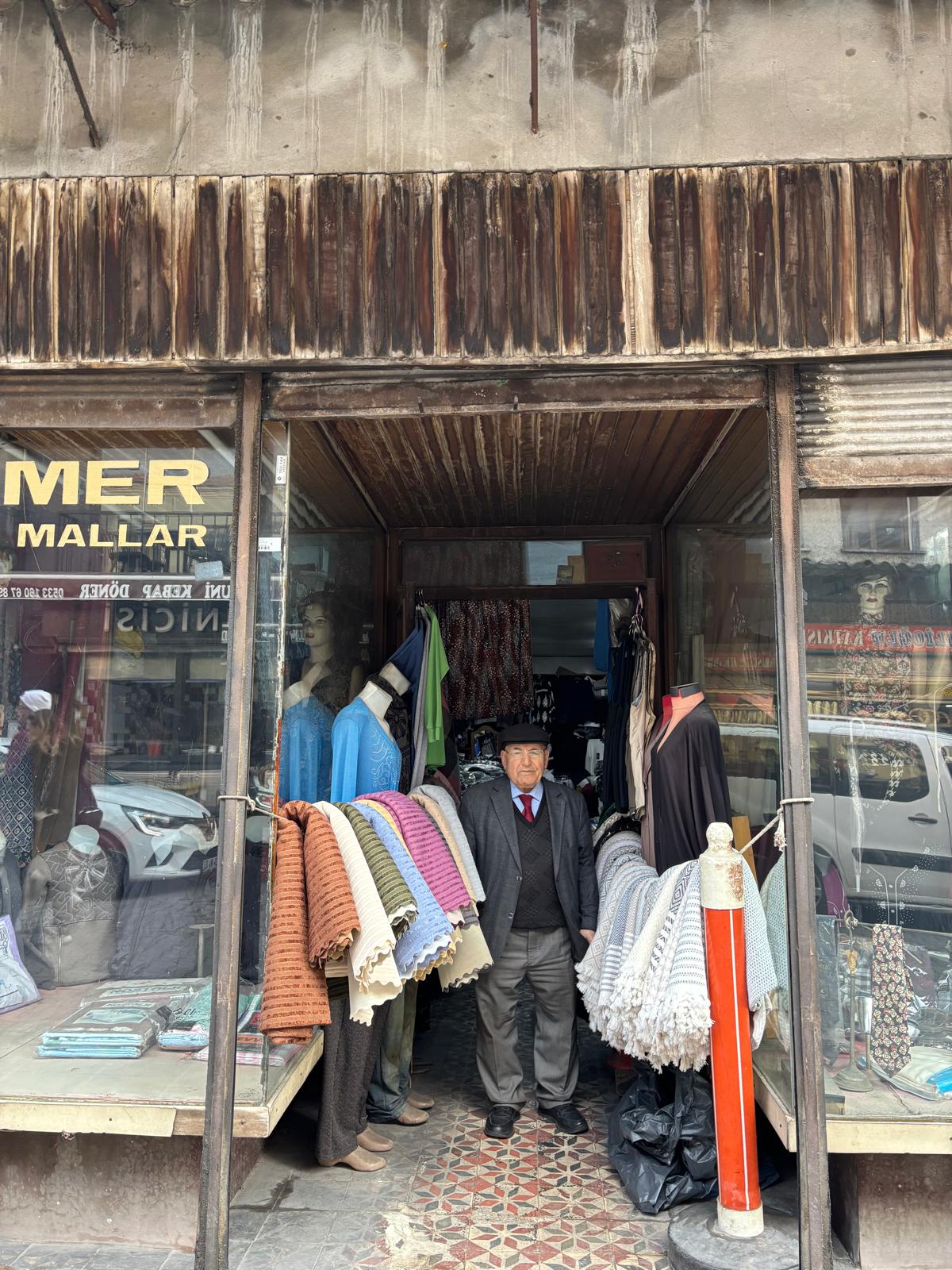
We found an excellent towel and blanket shop with great prices. Where you can still find a deal is if you are looking for high-quality Turkish cotton towels. We found a shop, pictured below, where we bought a few high-quality towels for 200 LR each, about $5 USD. We didn’t bother bargaining because the price was fair and the seller was very nice.
His shop was down the street from Ayca Eastern Design. We didn’t get the full name, so show this man’s photo around the neighborhood and the locals will point out the way.
Off the Path: Working-Class Istanbul
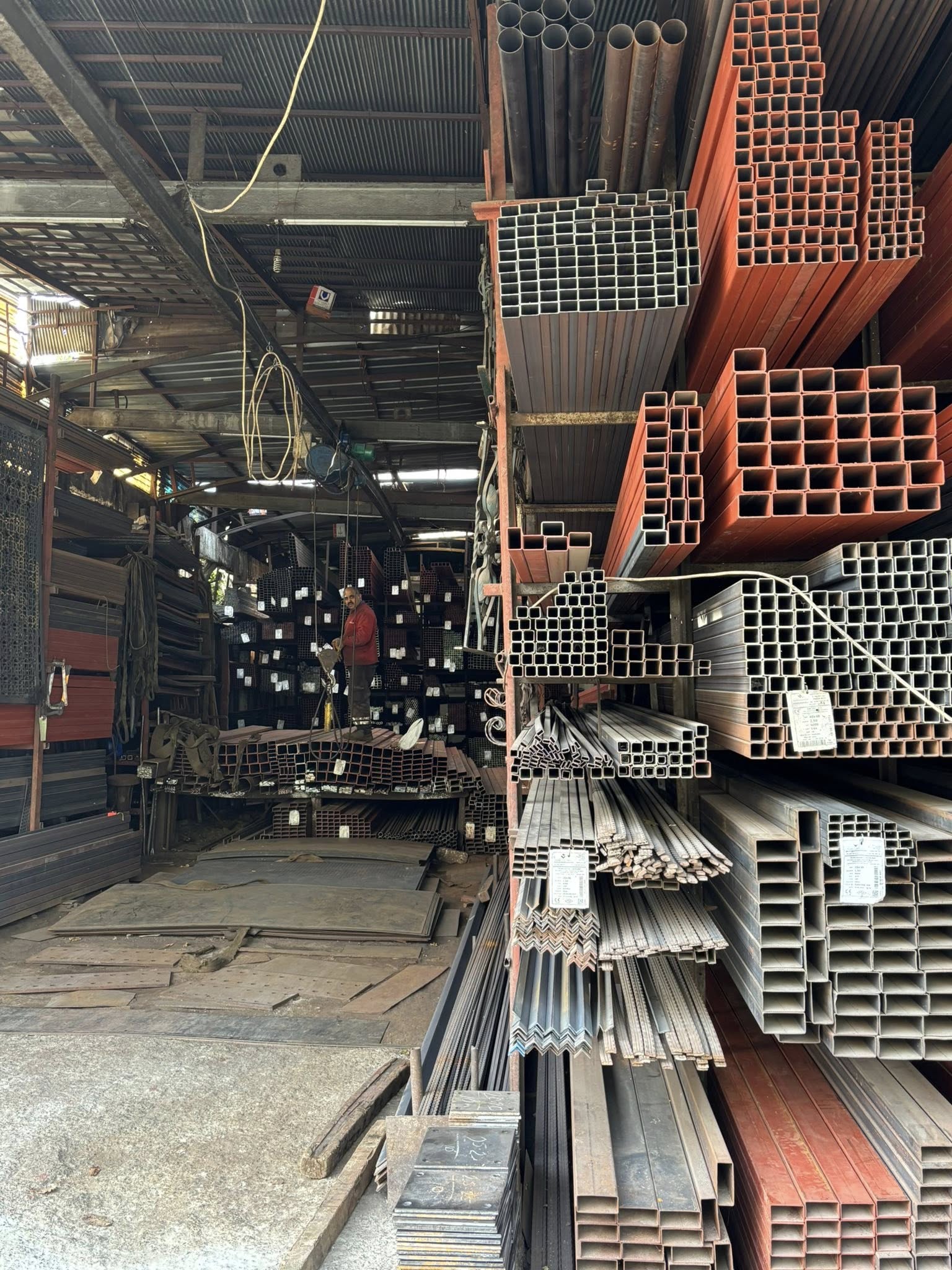
Another face of Balat reveals itself when you leave the “Instagram streets.” Wander toward Cibali, where workshops still hum—metalworkers, repair shops, small factories—and life feels practical. This is also where you brush up against literary history.
Orhan Kemal
Nearby lived Orhan Kemal, one of Turkey’s great writers of the working class. Kemal was the chronicler of laborers, factory hands, and the urban poor. He worked near the old Cibali Tobacco Factory (today part of Istanbul University), quite close to his former home, and wrote about the very people you still encounter here.
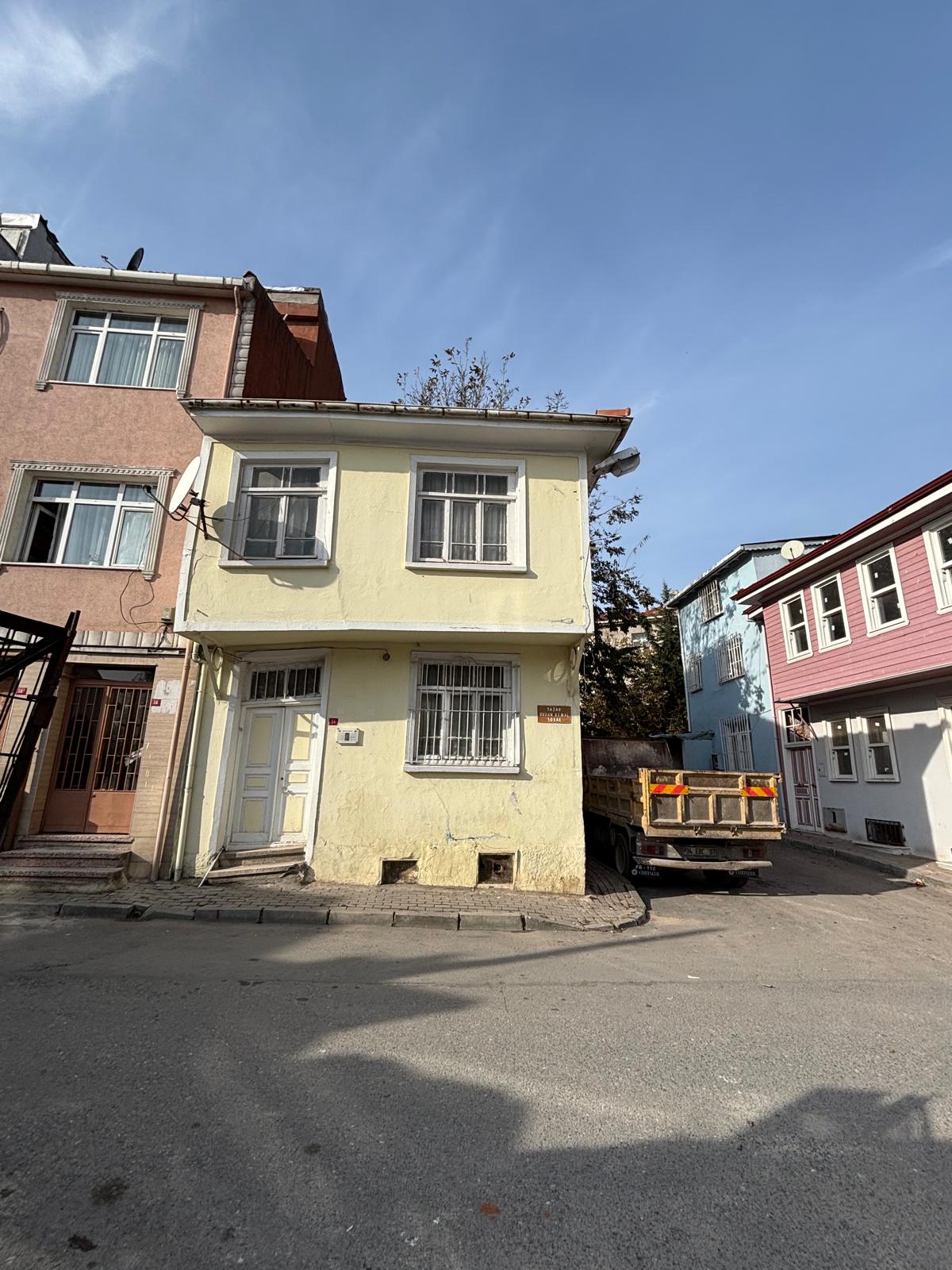
Orhan Kemal home in a working class neighborhood near Balat
His presence lingers not as a plaque-heavy attraction, but as a spirit. We walked past his modest corner house that holds a plaque to his name. Impressive wooden houses nearby are for sale, and we dream about being a writer from his vantage point in this now-charming location.
Metalworker smiles for Green Prophet in Balat, Istanbul near Orhan Kemal’s old house
Balat isn’t polished, and that’s exactly the point. It rewards slow walking and making mistakes. Tune into a few landmarks that interest you and wander toward them, noticing what you meet, smell, and hear along the way. On one of our meanderings we came across three schoolboys “cat-napping” a cat in their backpack to take home.
School boys taking home a cat
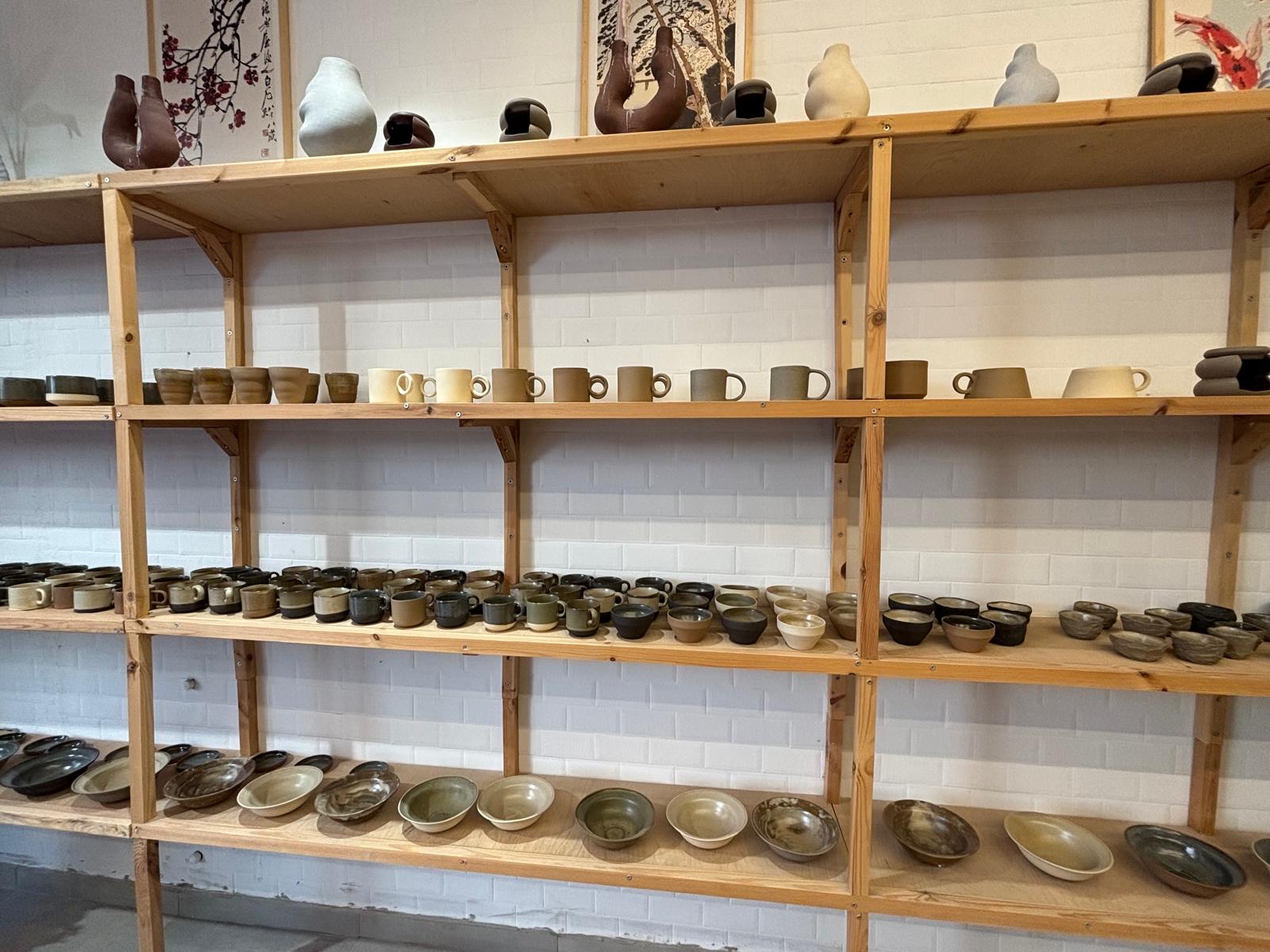
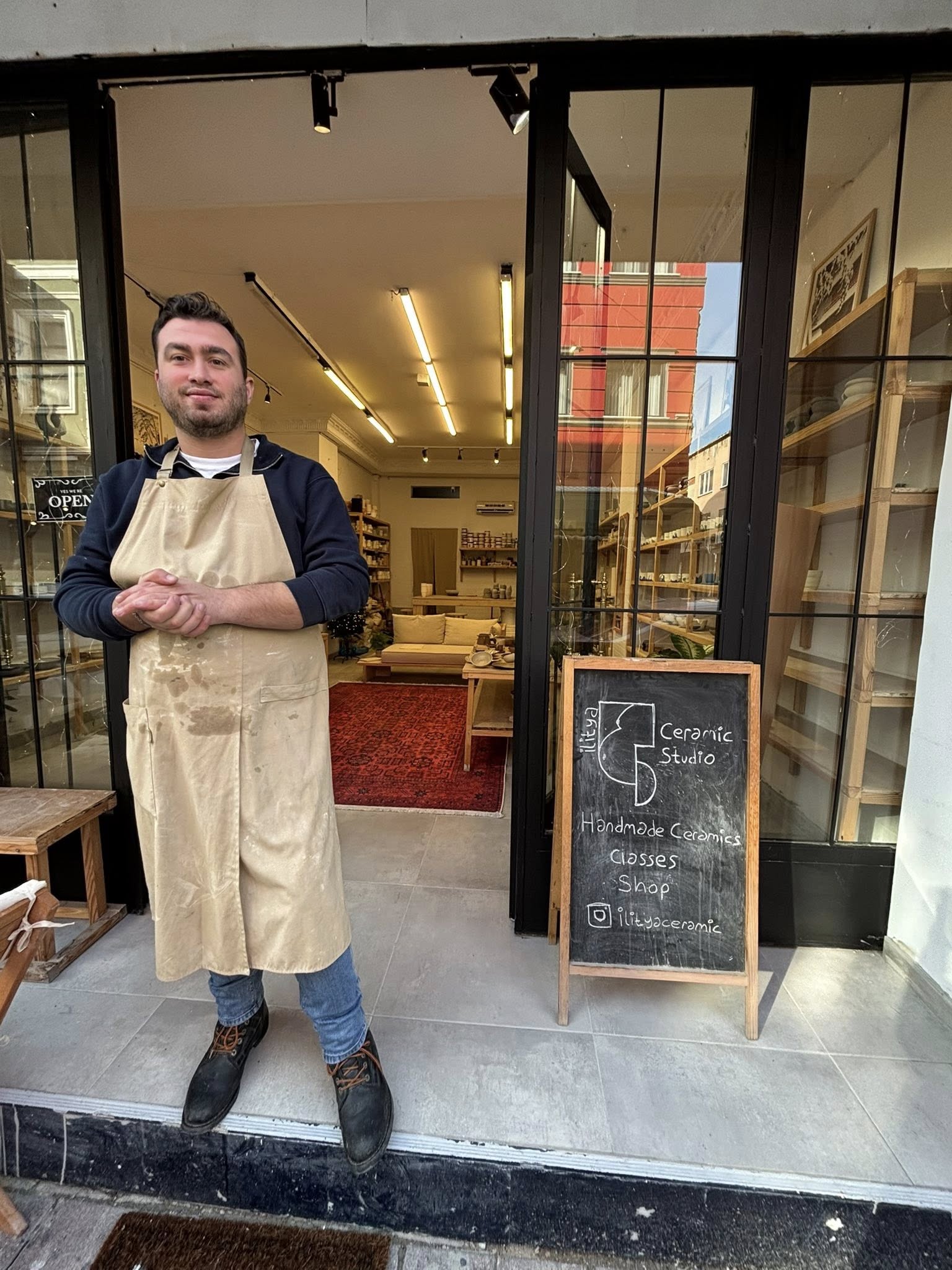
We also appreciated that some of the local artisans, like the owner of ilitya, are opening their studios for hands-on experiences. He is a graduate of design school and, unlike the thousands of traditional pottery studios in Turkey, he sells modern functional-ware. Made in molds and glazed in the studio, you can buy—or study and make your own—your choice.
We took a taxi to Balat from our hotel, but plenty of buses and trams run right to this neighborhood.
Green Prophet’s trip to Istanbul was sponsored by the United Religions Initiative, an interfaith network for peace and reconciliation. Their travel grant allowed us to tour Istanbul’s heritage independently to witness and report on the city’s diversity and heritage.
Dr. Tony Jacob figured this out the hard way after hundreds of investment deals and building a multi-million dollar healthcare network.
He’s now got a sixth sense about problematic temperaments, and they’re his number one red flag when sizing up potential partners.
Ego Alert Ahead
“The bigger the egos, the more nonsense usually,” Dr. Tony Jacob says. He’s seen countless smart entrepreneurs flame out simply because they were too stubborn to take advice, couldn’t collaborate, or dug in their heels when the market shifted.
Confidence absolutely matters in Texas business. But there’s a world of difference between confidence and egotism. Tony points out that even technically brilliant founders hit a ceiling fast when they lack self-awareness. They develop blind spots by shutting out feedback, eventually sabotaging their own success.
The EQ Edge
You know those super-smart people who somehow can’t keep a team together? Dr. Tony Jacob gets it. “I had zero emotional intelligence until I got married,” he admits. That personal wake-up call completely changed how he evaluates business potential.
High-EQ leaders actually listen rather than just waiting for their turn to talk, admit mistakes, and fix them without drama. They also build teams with different strengths instead of hiring mini-mes, keep their cool during crises, and know when to take charge and when to back off.
“Ambition and drive are important, but without the ability to listen, adapt, and grow, you’ll be doing it all alone,” Tony says.
The lone wolf genius might make for good TV, but real growth means bringing talented people along with you.
The Beer Factor
Here’s Dr. Tony Jacob’s deceptively simple investment filter: “If I like the person, their idea, and I can explain it in a sentence, I would probably invest.” There’s more wisdom packed into this casual approach than most 100-page investment theses.
His “beer test” cuts through the fluff that formal evaluations miss. Would you actually enjoy hanging out with this person? Can they explain things clearly without resorting to jargon? Do they seem genuinely passionate beyond just making money?
Years of experience taught him something crucial: people skills almost always trump raw intelligence in business. “People need room to own their work,” he notes. “If you set them up with the right tools and give them the trust they deserve, you’ll get results that far exceed what you’d achieve by constantly monitoring their every move.”
When he’s checking out a potential investment, he pays close attention to how entrepreneurs treat their team. Do they share credit? Can they explain complex stuff without talking down to people? Do they own up when things go sideways? These everyday interactions tell him more than any business plan.
True Power Comes From Humility
The most successful Texas entrepreneurs Tony meets share something unexpected: genuine humility despite crushing it in business. Far from holding them back, this humility helps them push further. They’re always learning, they’re great at collaboration, and they build the kind of teams most companies only dream about.
“When I trust my team to take charge, I can turn my attention to the bigger picture without constantly looking over my shoulder,” he explains. Relying on trust rather than micromanagement, he built an optometry network across multiple locations that maintained consistently excellent service.
Real humility looks different than most people think. These successful entrepreneurs still ask for advice even after they’ve “made it,” surround themselves with people who bring different skills to the table, and set up their businesses to run smoothly even when they’re away for two weeks. They let their employees call the shots in their areas of expertise. And when they suck at something? They admit it and either learn or hire someone who’s better at it than they are.
Proven Strategies Behind a Texas Million-Dollar Practice
Discover how Dr. Tony Jacob scaled from one Texas clinic to 11 thriving locations statewide.
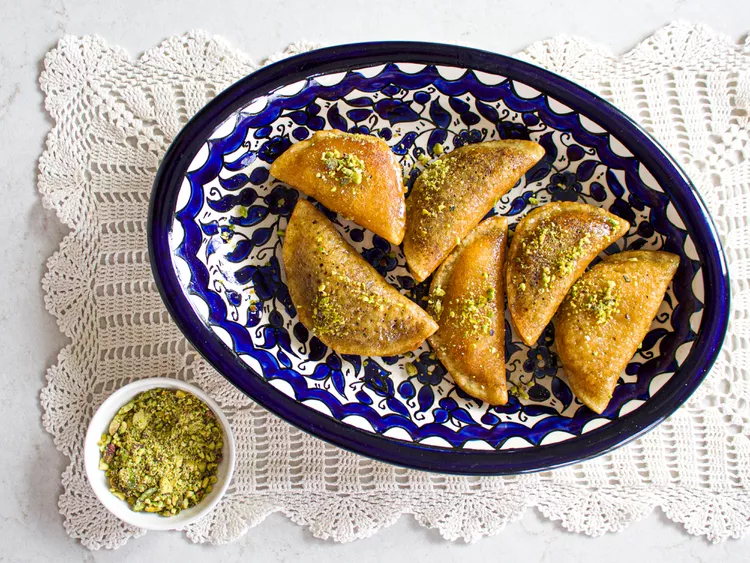
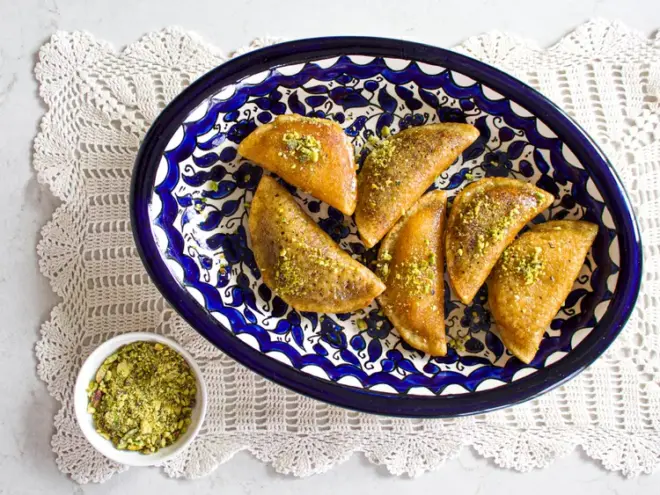
Imagine a pancake stuffed with sweet cheese. You may dream that the pancake’s filled with nuts, instead. Then imagine it was drizzled with perfumed syrup while still warm. Garnish it, in your dream, with pistachios and whipped cream. You’re dreaming of qatayef, the fabulous, fabled, Arabian dessert.
Qatayef – also spelled katayif or qatya’if – is traditionally eaten at Ramadan (get our Ramadan vegetarian ideas here), but it’s a treat anytime. In fact, it’s a treat that’s gone through history.
A recipe for qatayif appears in a tenth century Arabic cookbook by the writer Ibn Sayyar al-Warraq, who compiled recipes going back to the eighth and ninth centuries. People have been eating qatayif for a very long time.
The filled pancakes are still popular in the Middle East. All over the Levant, people buy qatayif from bakeries and pastry shops, or pick some up from street vendors. They can even buy them frozen and ready to fry at home. So can you; if not at a local Middle Eastern grocery store, then online.
But there’s nothing like home-made, although it does take some time and patience. Plan to cook qatayif on a free morning, or when you need to put your mind on something with gratifying results.
First, make the batter. Choose a nut stuffing or a sweet cheese one (recipes below). Or halve each recipe and have both kinds.
Qatayef, Stuffed Pancakes
An Arabian Dessert
Blender
skillet
The Batter:
1 teaspoon active dry yeast
1 teaspoon sugar
1-1/2 cups warm water
1-1/2 all-purpose flour
1/4 teaspoon salt
Vegetable oil for frying
Nut filling:
2 cups finely chopped (toasted walnuts or almonds)
3 tablespoons granulated sugar
1 teaspoon cinnamon
2 tablespoons orange flower water (not the concentrated essence)
Mix thoroughly.
1 tablespoon lemon juice
Cheese Filling:
13 oz. – 370 grams Mozzarella cheese packed in water
4 tablespoons sugar
2 teaspoons rose or orange flower water
The Syrup
The Syrup:
2-1/2 cups sugar
2 cups water
1 tablespoon lemon juice
1-2 tablespoons rose or orange flower water
The Garnish
3 tablespoons finely chopped pistachios
Whipped cream
Make the batter:
Put all ingredients in a blender until you have a smooth batter. Leave the batter in the blender.
Alternately, dissolve the yeast and sugar in the water; add the flour and salt and beat until smooth.
Cover the batter and leave at room temperature 1 hour. 2 hours is better if you have the time, to allow an appealing fermented flavor to develop.
While the batter is resting, make the filling and the syrup.
Make the Nut Filling:
Mix thoroughly
Make the Cheese Filling:
Drain the Mozzarella.
Put everything through the food processor to make a crumbly mass.
Make the Syrup:
Boil the sugar, water, and lemon juice until thick enough to coat the back of a spoon, 5-8 minutes.
Add the flower water. Cook a few more seconds.
Cool the syrup then put it in the fridge.
Fry and Fill The Qatayif
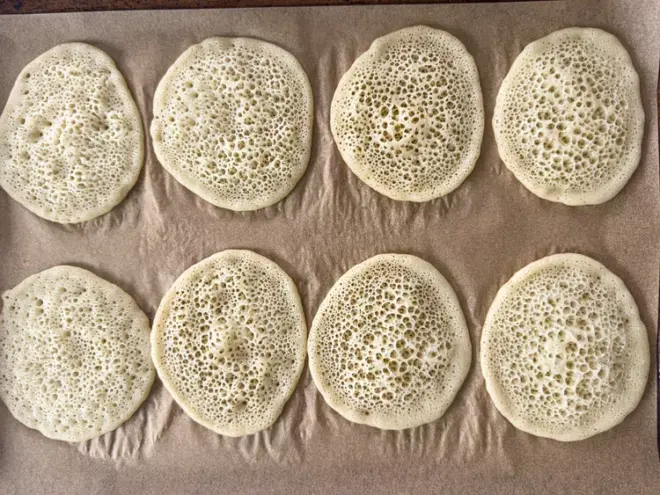
Blend the rested batter again for a minute, or whip it up if it’s in a bowl. This helps produce the characteristic little holes in the pancakes.
When the batter’s ready, take the syrup out of the fridge to have it ready.
Oil a frying pan, preferably non-stick. Start with high heat, then reduce to medium.
Pour about 2 tablespoons batter into the pan. Tilt the pan around to spread the batter into a circle, or gently push the batter into a circle shape with the back of a spoon. This is the first, experimental pancake, from which you’ll judge if the temperature is right or needs adjusting. It’s also practice for making the pancake circle. An oval is OK.
Let the pancake cook until it’s spongy, pocked with bubbles, and detaches from the pan easily. This is done in a few minutes. The bottom may be pale or golden according to your preference. Do not flip the pancake over.
Transfer the pancakes to a platter and cover with a kitchen towel to keep them pliable.
Fill the center of each pancake with about 2 tablespoons of your chosen filling.
Fold it over to make a half-circle.
Press the edges together well, to keep the filling inside while frying.
Heat oil to the depth of 1/2” – 1 cm. in a skillet.
Fry the qatayif on all sides until golden, 2-3 minutes altogether. Some prefer a darker color, but take care not to over-cook because that will harden the qatayif.
Put the qatayif on a rack to drain or set them on paper towels.
Dip them in the syrup with tongs or a long spoon while they’re hot. Let the excess syrup drip off. .
(A tip from the modern pantry: skip the boiled syrup and use your favorite pancake syrup to drizzle generously over the hot qatayif.)
Garnish with finely chopped pistachios and/or whipped cream. Pass any extra syrup around for those who want more.
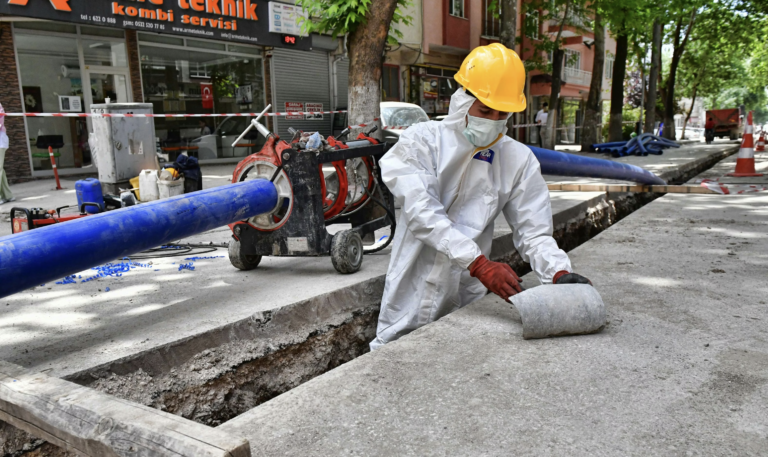
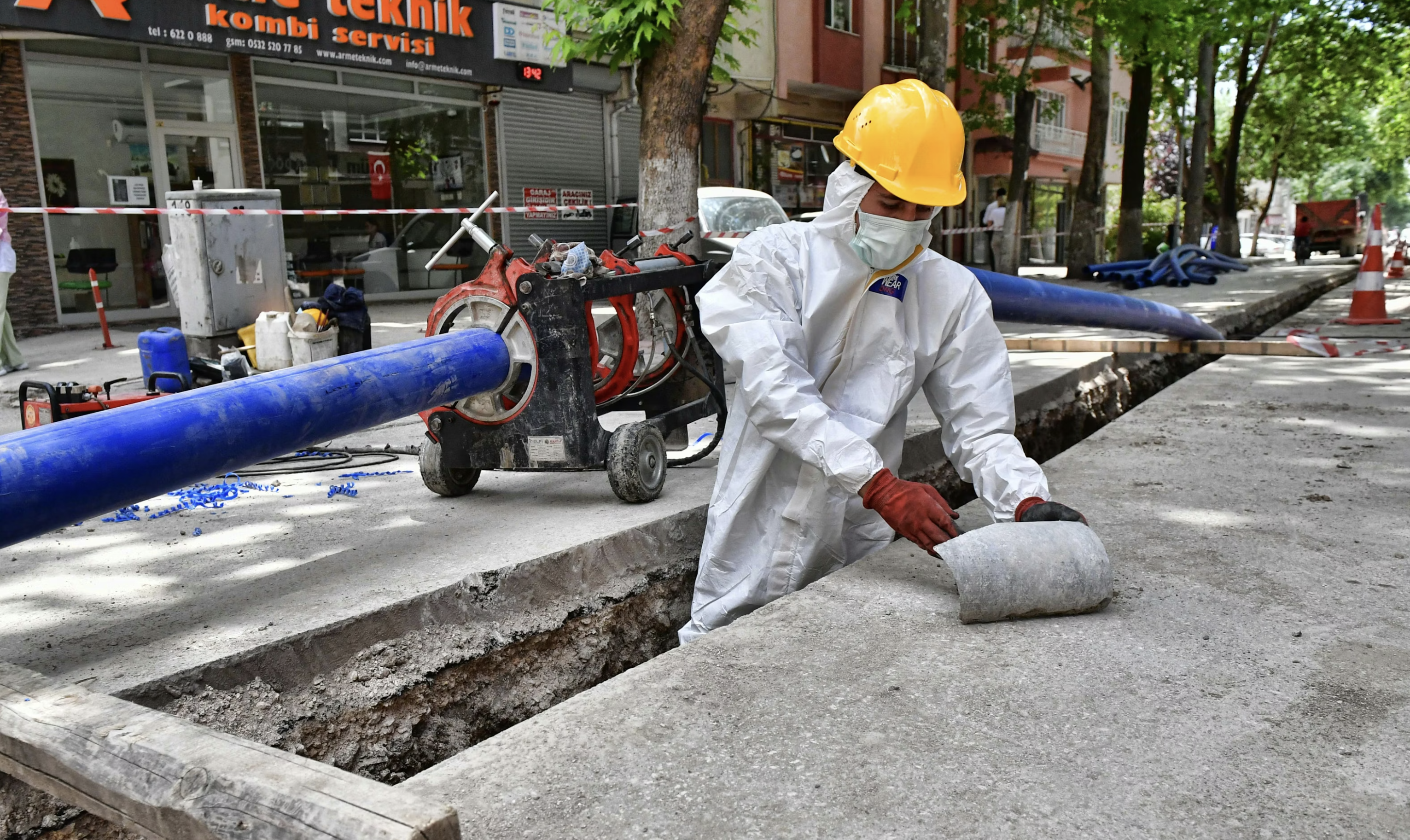
Cleaning up asbestos pipes. Asbestos particles can cause lung cancer. It is an environmental hazard.
Asbestos is a dangerous substance causing deadly respiratory diseases. In case of exposure, settlement payouts provide the much-needed financial assistance to many victims. Since each case is unique, the amount of compensation received can differ. Learning what influences these settlements helps you set realistic expectations for a smoother claims process.
Impact of Medical Diagnosis
An influential determinant of compensation is the severity of the diagnosed condition. Mesothelioma cases in particular are likely to attract higher settlements due to their fast progression and high treatment costs. Other asbestos-related conditions can also get large compensation in instances where they significantly restrict everyday activities. Having the right medical documentation is crucial, as it shows the entire medical impact of the disease, along with forming the basis of asbestos claims payouts.
Clarity of Exposure History
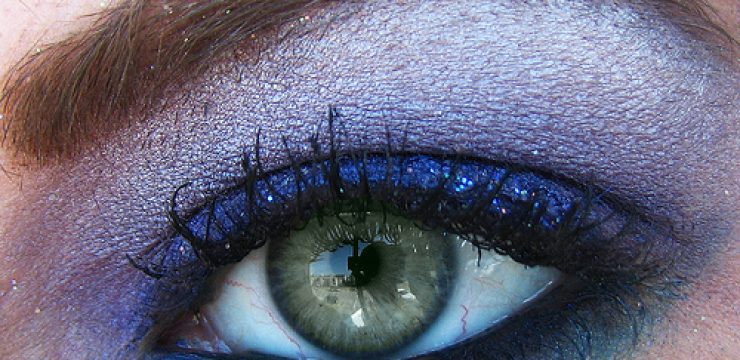
Asbestos is found in eye shadow and talc.
The outcome of settlements is largely determined by the cause of the asbestos exposure. Cases based on well-documented work histories or service records are usually stronger, since they correlate the illness with a particular employer or a product. The outcome also depends on the length and frequency of exposure; longer or repeated contact often creates a stronger case.
Medical Costs and Treatment Burden
Ongoing medical treatment is a significant contributor to determining the settlement value. People undergoing intensive care, such as major surgery, non-routine treatment, or ongoing respiratory care, may be more susceptible to a higher financial burden, affecting the compensation. Future medical needs are also taken into account in settlement discussions. An elaborate treatment regimen aids in a more precise evaluation.
Personal and Family Circumstances
Compensation can also depend on age, household duties and long-term care requirements. Younger claimants are more likely to feel the impact of asbestos-related diseases over a longer period. Similarly, those supporting dependents may face additional financial strain. These individual situations contribute to defining the overall financial and emotional effect of the disease.
Strength of Supporting Evidence
A claim’s strength comes from thorough evidence and medical records that demonstrate liability from a specific product or company. Cases with clear and consistent evidence tend to end with positive settlement outcomes.
Availability of Asbestos Trust Fund
Asbestos remains a silent killer across the Middle East—hidden in homes, rubble, and old infrastructure—posing long-term cancer risks from Israel to Syria.
Many corporations have set up trust funds to pay damages to people who suffered as a result of being exposed to asbestos. The accessibility of these funds, as well as the rate of payment they provide, may influence the ultimate settlement rate. In some cases, victims can make claims in more than one trust fund based on exposure history.
Role of Legal Representation
The settlement process can also be impacted by guidance of experienced lawyers. While a favorable result cannot be promised, lawyers with experience in asbestos lawsuits know how to be persuasive, settle cases, and maneuver through trust funds. Their plan and style may influence the schedule and the level of compensation.
Endnote
Settlement payouts of asbestos cases vary depending on a mix of evidentiary elements that are unique to each case. An accurate diagnosis along with good documentation and long term understanding of the effects of the illness are all crucial. With proper training and counseling, victims can secure compensation for maintaining their health and finances.
Lebanon food market celebrates the Christian Saint Barbara, with food
Souk El Tayeb in Beirut has always been more than a farmers’ market. It is a small miracle in the heart of Lebanon—a community place where farmers, cooks, refugees, artisans, and city dwellers gather around the simple idea that food can heal a country.
Founded in Beirut during a time of deep political strains, Souk El Tayeb became a meeting place where sect, class, and region dissolve into the shared pleasure of tasting ripe tomatoes, kneaded manousheh, or warm kebbeh made by someone whose village you may have only heard about.
A flower salesman at the Souk
What makes Souk El Tayeb remarkable is not only its insistence on local, seasonal produce, but its belief that dignity and sustainability must go hand in hand. Farmers are paid fairly. Villages are uplifted. Traditional recipes are kept alive not as nostalgia but as knowledge systems: real food is carbon-light, waste-free, and is adapted to the land.
And now Lebanon prepared for Eid el-Barbara, a celebration as rooted in the soil as in faith, it’s like a kind of Halloween, but gentler. As Souk El Tayeb writers described it: “It tells the story of Barbara (Saint Barbara), a pious Christian in Roman times, whose father, the pagan ruler of Baalbek, wanted to kill her for her forbidden Christian beliefs. It’s celebrated December 5 in the Middle East, and December 17 in Europe.
“To escape him, she disguised herself (hello costumes!) and ran through bare fields that miraculously grew into tall wheat to hide her as she fled.”
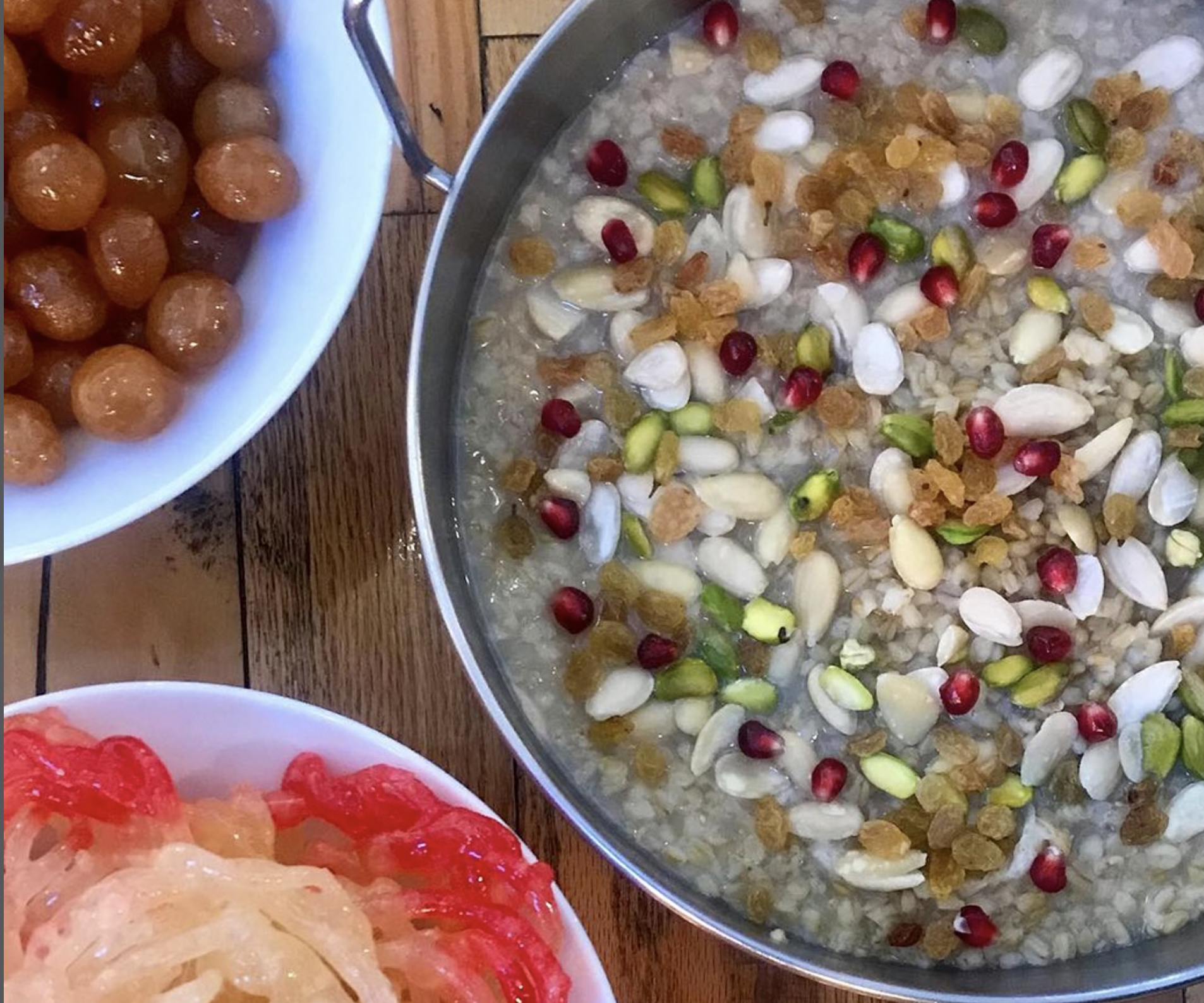
To remember the miracle of the wheat, families cook amhiyeh and atayef, and children plant soaked wheat, beans, or lentils on beds of cotton.
By Christmas, the sprouts become a soft green carpet for the nativity scene, the مغارة الميلاد.
This ritual also exists in Provence, where wheat is planted on Sainte-Barbe’s Day. Lebanon, France, and a shared tradition of sprouting hope in the darkest month of the year.
Another tradition is eating qatayef, a stuffed cookie, which is also eaten at Ramadan.
Eid il-Burbara or Saint Barbara’s Day, and also called the Feast of Saint Barbara, is a holiday annually celebrated on 17 December or 4 December amongst Middle Eastern Christians in Lebanon, Syria, Jordan, Palestine and Turkey. It is also celebrated as Barbaroba amongst Christians in Georgia.
I have my own little slice of paradise in a forest in Canada. It would be unsettling to say the least if the developers started carving up and developing the Crown Land, protected by law, around my land.
But this is what’s happening now in Iran, an a world-protected forest.
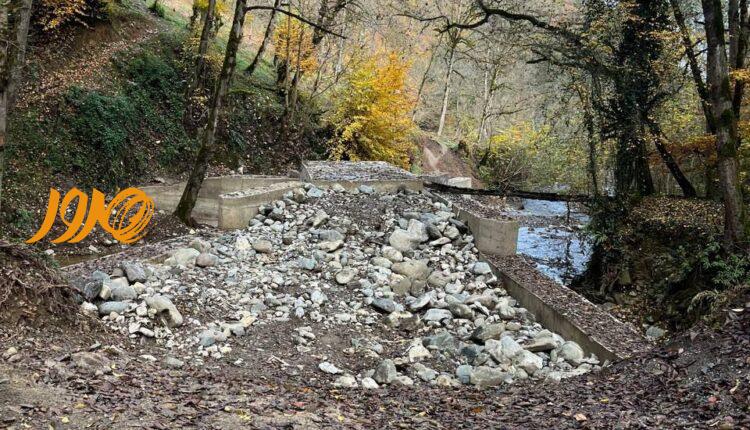
The story starts in a village called Sark, located in the Ponel–Khalkhal area, where road construction has begun to connect a newly built villa complex, and part of the UNESCO-protected Hyrcanian forests has been destroyed according to local reports in Iran.
Environmentalists speak of trees being cut down and heavy machinery entering the area. They say this organized destruction threatens the future of the Hyrcanian forests.
“Recently, we were informed by the local community that road construction is underway in the Hyrcanian Forests to enable the development of luxury villas. Our field observations and initial documentation show clear signs of land-use change, unauthorized construction, and the expansion of private holding companies into forested areas, agricultural lands, and the buffer zones of this fragile ecosystem,” she says.
“Such activities pose a serious threat to the Outstanding Universal Value (OUV) of the site, endangering its ecological integrity, landscape continuity, and long-term conservation,” says Roshan,
While in just the past few months new warnings have been issued about the intensifying destruction of the Hyrcanian forests, field reports from the village of Sark in the Ponel–Khalkhal corridor in Gilan show that large-scale road construction has begun in the heart of the region’s ancient forests.
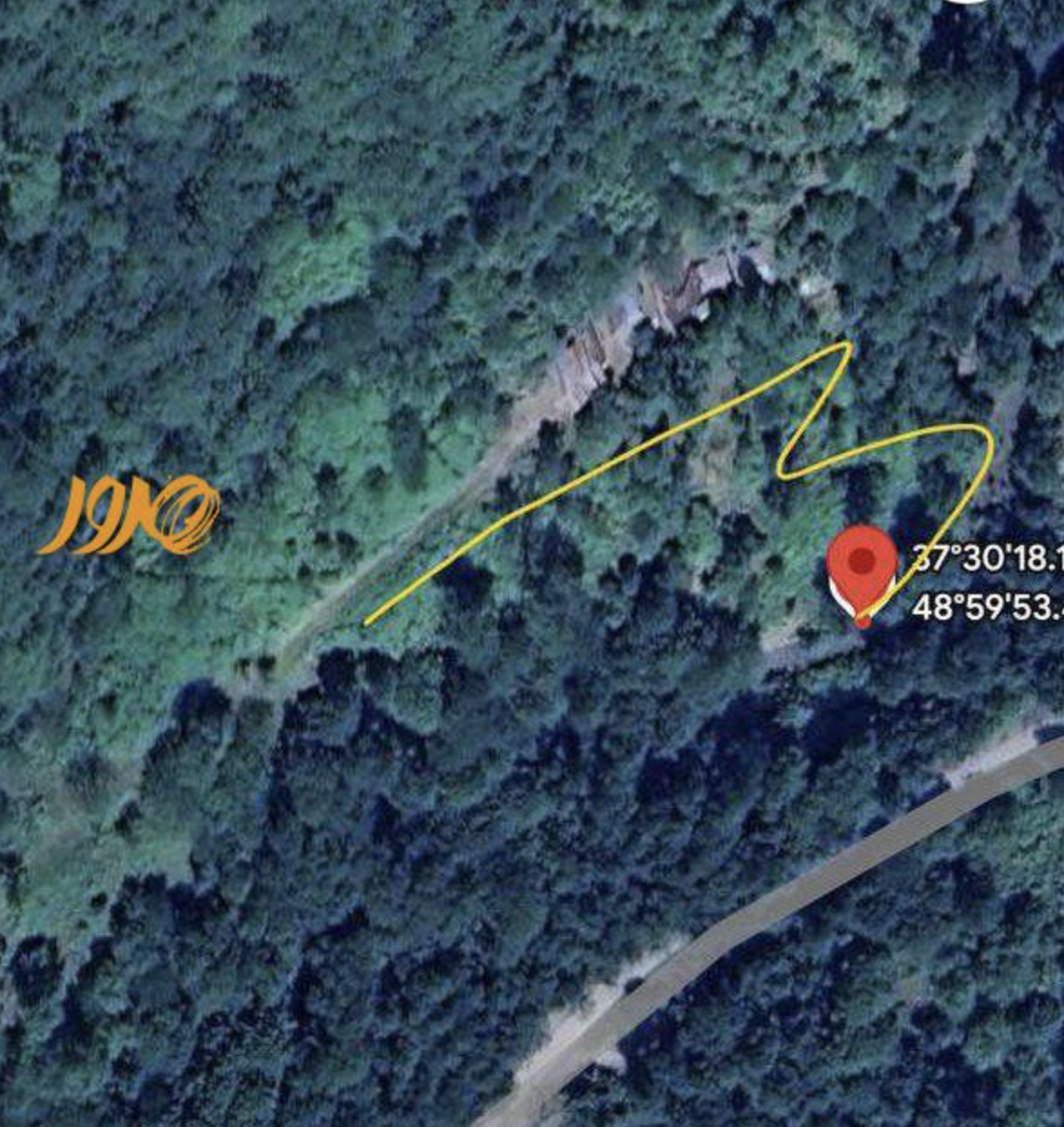
GPS location of development
According to environmental activists, this work is being carried out in order to create an access route for a villa complex known as “Behesht Complex” (Paradise Complex).
According to information from informed sources, in order to obtain permits to continue construction of the Behesht villa complex, a road is being built so that afterwards the responsible authorities can justify construction “within the road corridor” and issue permits for the expansion of the complex.
Following this request, the felling of thousand-year-old Hyrcanian trees and the destruction of pristine vegetation has begun. Only a few families live in Sark village, and for years they have used a wooden bridge for their comings and goings. But now, parts of the forest are under pressure from road construction and site preparation for building, including earth removal, mountain cutting and alteration of the topography.
At the same time, environmental activists have sent a formal letter to UNESCO, warning about the planned destruction of the Hyrcanian forests, a World Heritage site, and calling for urgent international action.
In their letter, environmental activists write that this destruction is not limited to Gilan. They say this trend has been continuously ongoing for several decades and, especially after events such as the “Gilan, Capital of Construction” conference, has accelerated under the influence of certain individuals.
The activists have asked UNESCO to order an immediate halt, send a fact-finding mission to the affected areas, and issue an official statement of condemnation.
In Shahrivar (August–September) of this year as well, road construction from Tarom County to Shaft County, along the Dayleh-Sar highlands, began with tree cutting and destruction of the natural terrain, without obtaining any legal permits from the relevant authorities. As a result, 8.5 kilometres of rangeland and forest land in Shaft were destroyed.
The Hyrcanian forests form a long belt of about 850 kilometres, stretching from the Gorgan plain to parts of the Republic of Azerbaijan. Nineteen percent of the total area of the Hyrcanian forests registered with UNESCO—about 58,000 hectares—belongs to Gilan.
Environmental activists in Iran often face significant personal risk when speaking out about illegal land grabs, deforestation, or the destruction of protected areas. In recent years, several high-profile environmentalists have been detained, interrogated, or imprisoned on broad national-security charges, sometimes without transparent legal proceedings.
International human rights groups have repeatedly expressed concern that environmental advocacy in Iran can be treated as political dissent, leaving local activists vulnerable to surveillance, harassment, and pressure from security institutions. This has created a climate in which many citizens are afraid to report ecological damage, making the documented cases of forest destruction even more alarming given the courage required to bring them to light.
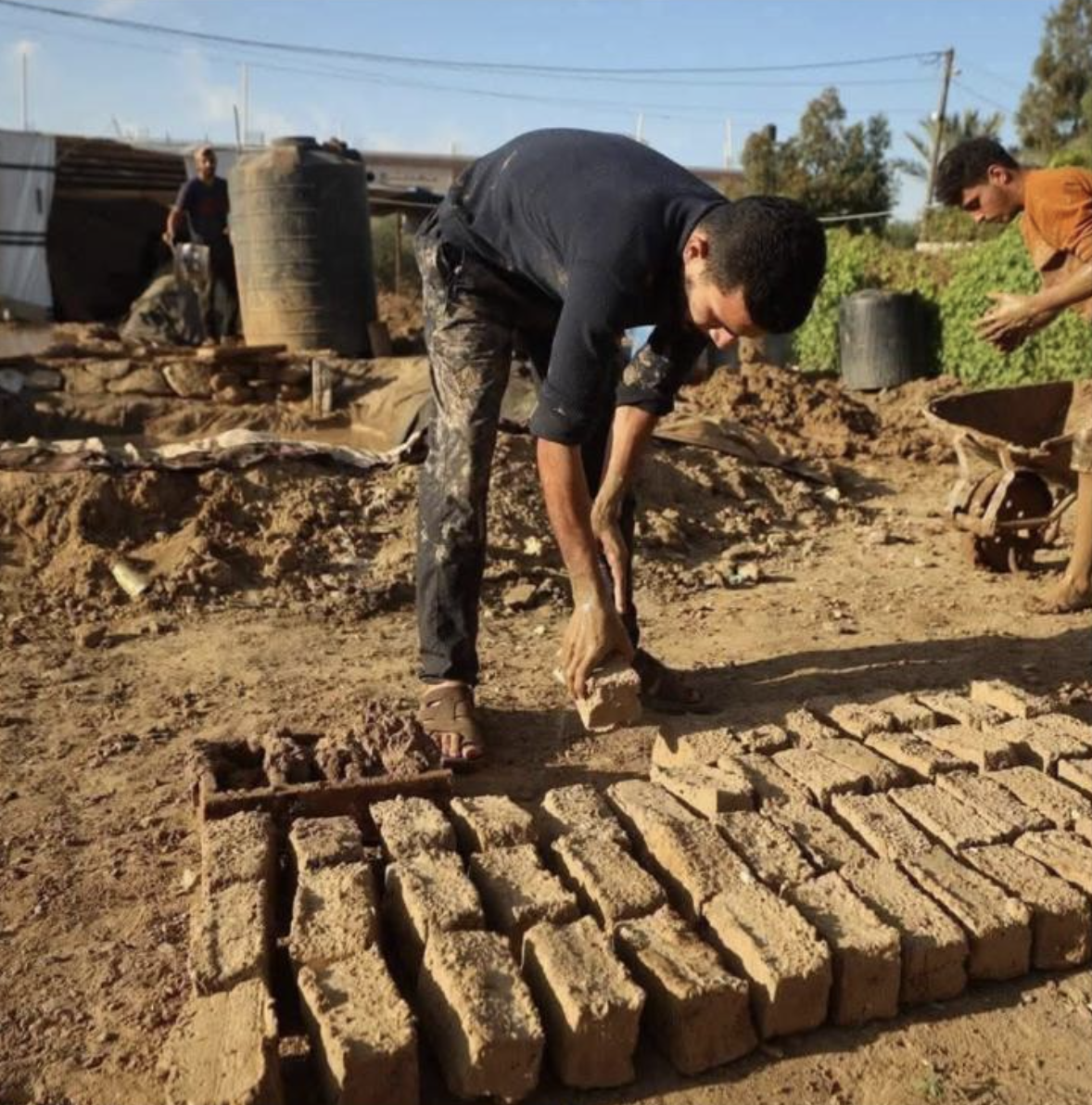
Mud bricks are made from clay, sand, water and a natural binder such as rice husk or straw. They are dried in the sun—no firing, no fuel required at all. Properly made, they meet compressive strength and heat-conductivity requirements, act as fire-resistant and sound-insulating walls, and keep indoor temperatures relatively stable in both summer and winter. This works as long as there is a protective roof and the bricks are maintained. People in the past used to know how to do this but concrete made us forget ancient wisdom. If you travel to places like Ethiopia, most rural people are living in mud houses.
Globally, around 30 per cent of the world’s population still lives in earthen structures; the material is traditional across the Middle East, North Africa, India and much of the global South. The research community has moved well beyond nostalgia: recent studies on compressed earth blocks and fibre-reinforced mud bricks in places as varied as Australia, Togo and North Africa treat earth as a serious, testable low-carbon material, not as a second-best stopgap. Mud is flame-proof, readily available and as Hathan Fathy of the New Gourna Village argued can give people an honorable place to live.
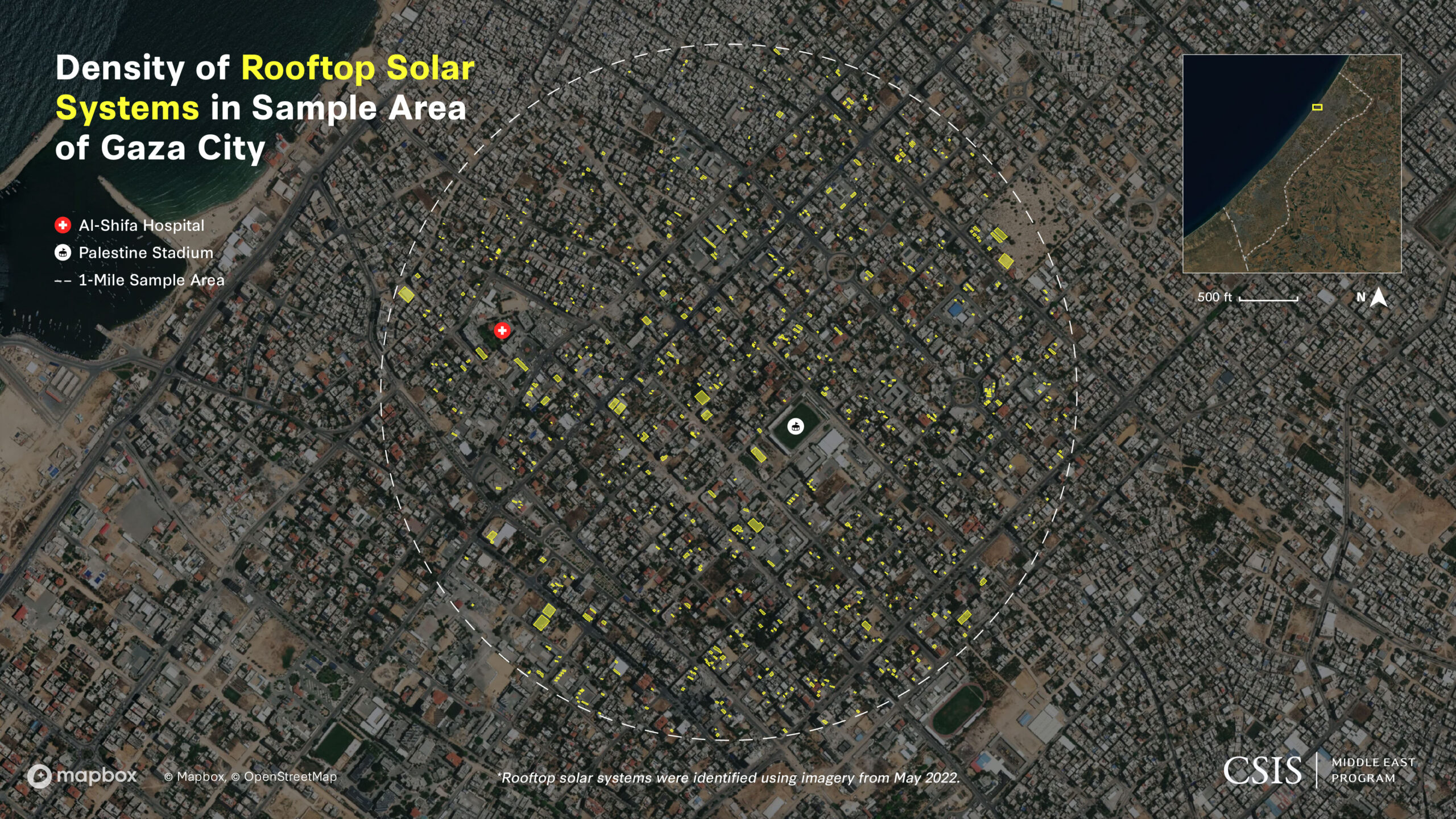
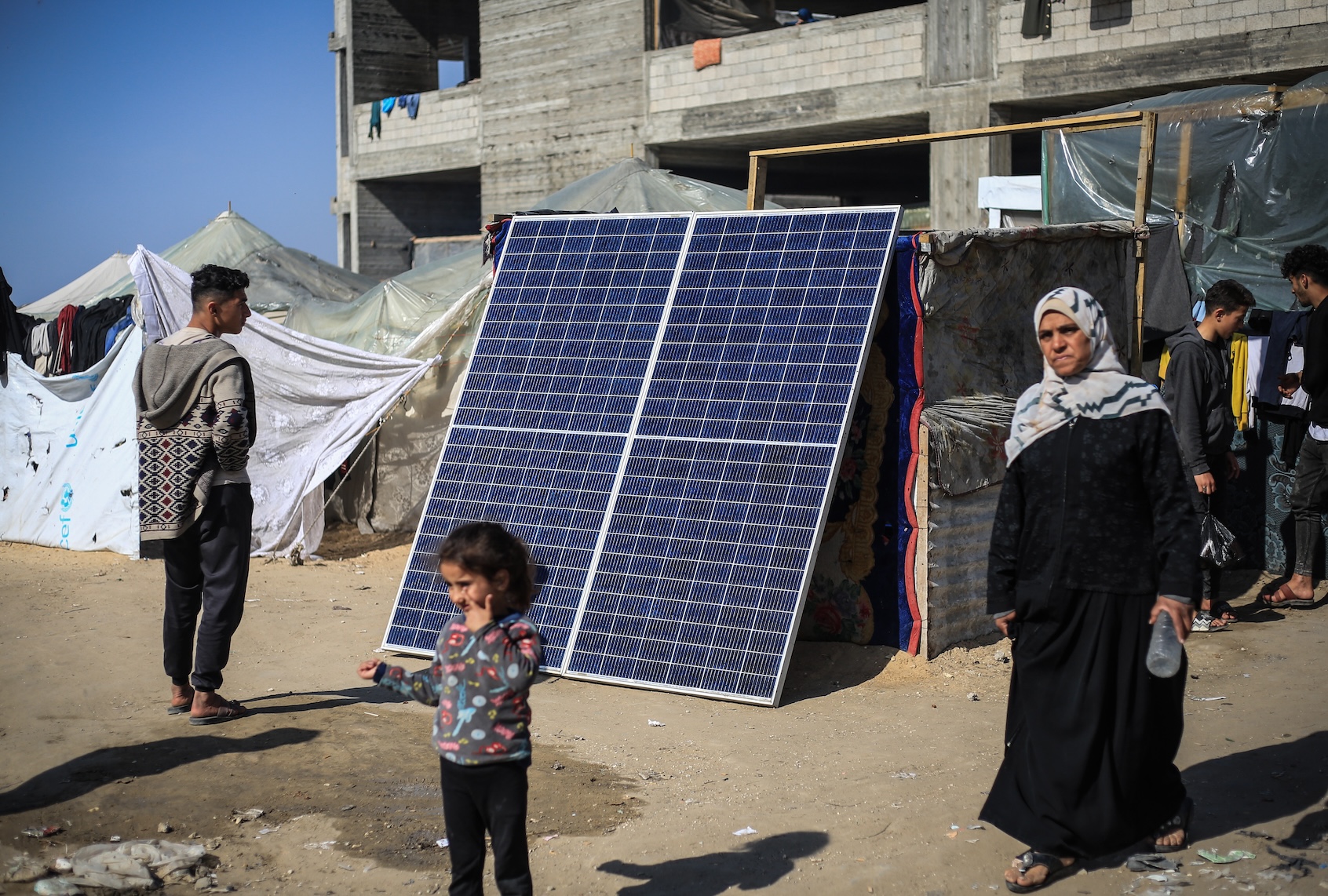
In Gaza, of course, energy and shelter are fused problems. Even before the current war, the territory never had enough grid power. Over roughly a decade, rooftop solar spread rapidly: one satellite analysis found at least 655 rooftop solar systems in a single square mile of Gaza City, and by 2022 the strip was estimated to have more than 12,000 such systems.
Solar became a genuine lifeline, keeping water pumps, small clinics, fridges and phones running when diesel ran out. See the map below of rooftop solar, which according to this source made Gaza the highest user per capita of solar rooftop energy in the world.
Much of that infrastructure has since been damaged or destroyed since Hamas started the war with Israel, but the lesson is still there in plain sight: when you give people robust, decentralised tools—sun and soil—they will use them to hold their lives together. Satellite-based damage assessments now show that a large share of solar installations have been hit, which only increases the urgency of planning low-carbon, distributed systems for any serious reconstruction.
For a practical NGO funder, this suggests a very grounded agenda that is neither experimental for its own sake nor romantic about “traditional” methods.
Gaza will need: field-tested earthen construction, training and demonstration yards that support local engineers, masons and women’s groups to run short, paid training programs in mud-brick and compressed earth construction. Small demonstration houses, clinics or community centers can double as real assets and training labs. Centers can also teach solar cooking and basic engineering skills.
A man in Gaza cooks food on his roof using a solar cooker, powered by the sun
The Jordan Gateway Hospital heralding peace between Jordan and Israel
Can a cross-border hospital between Israel and Jordan anchor environmental cooperation too?
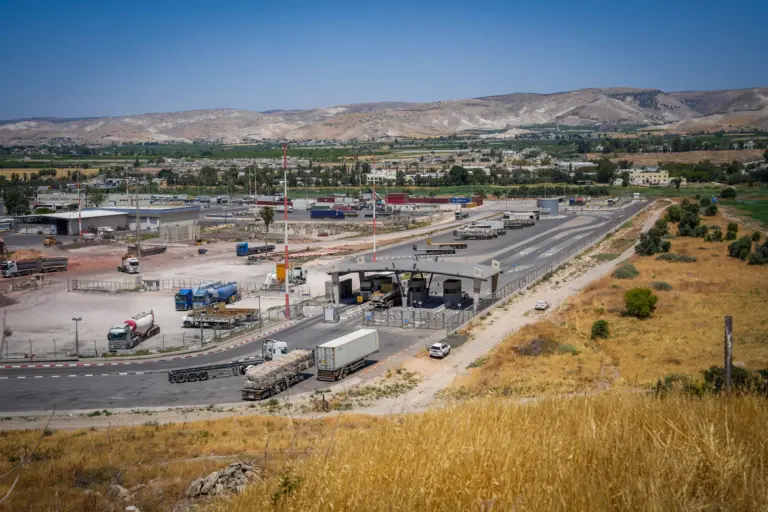
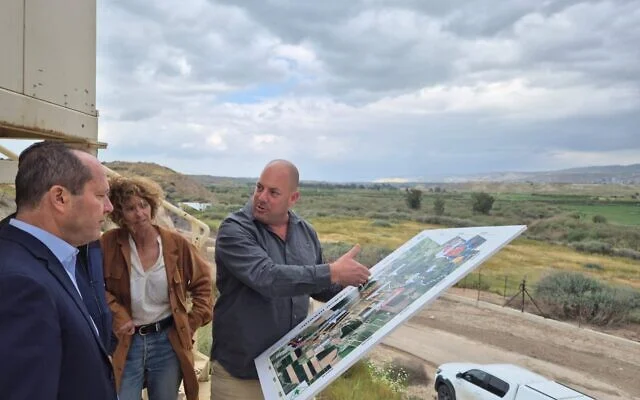
Israel and Jordan are moving ahead with one of the most ambitious cross-border development projects in the Middle East: the Jordan Gateway, a joint industrial and employment zone straddling the border near the Jordan River Crossing. Conceived during the 1994 Israel–Jordan peace talks, the zone is finally gaining momentum after years of legal disputes and construction delays.
Now, Israeli officials have confirmed that a hospital on the Israeli side, designed primarily to treat Jordanian patients, is under active government consideration. We’ve written about water cooperation and the Red Dead Canal which never happened. And now that Israel is cooperating with India, the UAE and Saudi Arabia, the region is gearing up for movement of goods, people and know-how form the east to the west.
The proposed medical centre, described by Emek HaMaayanot Regional Council head Itamar Matiash as “a centre for cancer treatment, so that people from Jordan or further away could come and receive treatment,” would become the flagship of a wider cluster of medical, academic and innovation-based services planned for the Israeli half of the zone.
Meanwhile, the Jordanian side is already home to several low-tech factories aimed at reducing unemployment, which remains around 18 per cent in the kingdom compared with roughly 3 per cent in Israel.
The defining feature of the Jordan Gateway is its carefully engineered border model. Workers from both countries will be able to enter the shared industrial zone while remaining inside an “ex-territorial bubble”. Jordanians entering the Israeli zone will not be granted entry to Israel beyond the site, and Israelis crossing to the Jordanian side will not enter Jordan proper. Full entry into either country will continue to require the formal Allenby Crossing procedures.
This controlled permeability reflects both diplomatic pragmatism and urgent security realities following the 2023 Hamas-led attack and subsequent regional instability, as well as recent violent incidents involving drivers crossing from Jordan into Israel to commit acts of terror. But not everyone should suffer from terrorism.
Jordan gateway map
Beyond bilateral cooperation, the project’s strategic significance extends far beyond the Jordan Valley. The site is now positioned as a critical node in the India–Middle East–Europe Economic Corridor (IMEC), the US-backed transport vision designed to link Indian manufacturing hubs to Gulf ports, Israel and ultimately to European markets. This route circumvents passing through Iranian waters and areas of the Red Sea being terrorized by Yemen’s Houthis and Somalian pirates.
Under current planning, goods could cross into Israel at the Jordan Gateway, be transferred onto rail lines to Haifa Port and then shipped onwards to Europe. Officials from the United States and European Union have already conducted site visits and expressed interest in the zone’s potential role as a resilient logistics alternative to traditional Red Sea and Suez routes.
But if the Jordan Gateway is to become a model for regional integration, its long-term success will depend as much on environmental governance as on geopolitics. The Jordan River Valley is an ecologically fragile corridor long damaged by over-extraction, pollution and climate-driven water scarcity.
Fortunately, the region already hosts some of the world’s most established cross-border environmental collaborations.
Its “Green Blue Deal for the Middle East” proposes exactly the type of shared environmental planning the Jordan Gateway will require. Likewise, the Arava Institute for Environmental Studies, located near the Israel–Jordan border, has trained more than 1,800 Israeli, Palestinian, Jordanian and international students in solar energy, desert agriculture and water-scarce resilience.
These networks offer rare and durable frameworks for cooperation that continue even during periods of political tension. Participation by Jordanian and Palestinian students, however, is often kept discreet, as some prefer not to publicize their involvement in cross-border programs to avoid potential social pressures when returning to their home communities.
If aligned with such environmental expertise, the Jordan Gateway could evolve into more than an industrial park or logistics hub. It could become a proof-of-concept for environmentally grounded peacebuilding—a space where economic incentives, ecological restoration and pragmatic diplomacy reinforce one another. In a region where borders often divide ecosystems that must function as a whole, this may be the most significant experiment of all. Peace comes only through shared values, and content.
Without that, peace making is an empty word.
“For a long time, my soul dwelt with those who hate peace,” says Psalm 120.
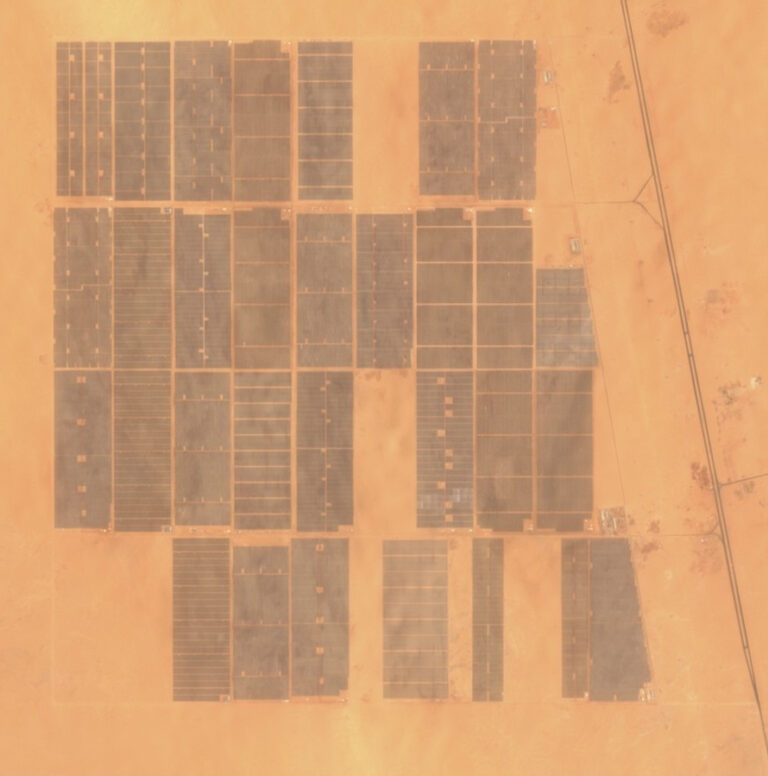
Benban solar park from above shows the individual solar units operating alone and delivering energy together. Data science can manage it all.
Many of today’s businesses feel like they’re drowning in data but starving for insights. Sound familiar? You collect customer information, sales figures, production logs, marketing metrics – yet still struggle to turn that data into decisions that move the needle. That’s where the data science lifecycle comes into play. It’s not just for big companies with massive analytics teams. When applied thoughtfully, even small and mid-size businesses can use it to create better predictions and drive real outcomes.
Here, you’ll walk through how to apply each stage of the data science lifecycle, how to make it practical for your business, and how modern platforms streamline the process so you don’t have to become a data scientist overnight.
Define the Problem
Data science doesn’t begin with the data, but rather with a problem you want to solve. The first stage of the lifecycle is problem definition. You need to ask: What decision are you trying to improve? What outcome do you want? What business processes need to change?
Maybe you want to reduce customer churn, optimize delivery routes, predict equipment failure, or increase high-value customer purchases. Whatever it is, you must define it clearly. Ambiguous goals lead to vague results.
For example, instead of saying “we want more sales,” define “we want to increase repeat purchases by 20 percent within 12 months from our top 25 percent of customers.”
Collect and Clean the Data
Once you have your question, the next stage is data collection and preparation. You’ll need to gather data that’s relevant to your question – customer history, transaction logs, equipment hours, social engagement…whatever applies.
Allocate time and resources to clean the data, if needed. Standardize entries, handle missing values, remove duplicates, and ensure your data is properly labeled and structured. This stage lays the foundation. If your data is unreliable, the models and insights built on top of it will be shaky. So take your time here.
Explore and Visualize
With clean data in hand, you move into exploratory data analysis (EDA). This is where you interact with the data to discover patterns, trends, anomalies, and relationships. It’s not about making decisions yet – it’s about understanding what the data is telling you.
You might ask:
Which customers are most likely to churn?
What repair incidents frequently precede equipment breakdown?
Are there seasonal patterns in your sales?
What cohorts of users behave differently?
Visualization tools help a lot in this stage. You might map customer segments, chart equipment failures, or link marketing campaigns to ROI. The insights you uncover here shape the next phase.
Model and Predict
Octopus energy in the UK: Octopus Energy chief executive Greg Jackson with the new ‘Cosy 6’ heat pump (picture: Octopus Energy). Data science can manage clusters of heat pumps in industrial settings.
Now you advance into modeling. Based on the patterns you identified, you build predictive models. These might forecast customer churn probability, equipment failure dates, sales volumes, or other outcomes relevant to your problem.
This is where data science often feels intimidating, but modern platforms are making this far more accessible. Advanced tools now allow you to build and validate models with less manual coding, and focus instead on interpreting results and making decisions.
Prescribe and Act
Here’s where the magic happens. Predictive insights are valuable, but only when they trigger action. This stage – sometimes called prescriptive analytics – transforms forecasts into decisions, workflows, and changes that move your business forward.
For example, if your model predicts that a fleet vehicle has a 70 percent chance of requiring maintenance in the next 30 days, the prescriptive step is: “Schedule maintenance now before breakdown.” Or if a customer is likely to churn, the action might be: “Offer them a personalized discount or onboarding call.”
Monitor and Improve
The final stage of the lifecycle is often underappreciated: monitoring and maintenance. Even the best models degrade over time because business conditions change, data evolves, and new patterns emerge. You need to track how your predictions perform and continuously refine your approach. This stage keeps your analytics alive and relevant.
Real-World Example: Fleet Maintenance
Let’s bring this to life with a concrete example. Imagine you manage a delivery fleet. You’re spending a lot on maintenance, facing unplanned breakdowns, and struggling to allocate vehicles efficiently. Here’s how the data science lifecycle helps:
Problem Definition: Reduce unplanned maintenance costs by 30 percent over the next year.
Data Collection: Gather data on vehicle hours, miles driven, past repair records, driver logs, fuel usage.
Exploratory Analysis: Visualize patterns – certain vehicles break down more under specific conditions, locations, or driver behaviors.
Modeling: Build a model to predict which vehicles are at highest risk of needing repair in the next 30 days.
Prescriptive Action: Using fleet maintenance software, schedule preventive maintenance for high-risk vehicles, replace tires proactively, and rotate drivers based on risk patterns. By tracking standard repair times and comparing performance against them, you create a culture of accountability and motivate staff to complete repairs more efficiently.
Monitor and Improve: Track breakdowns and maintenance costs. Measure whether the model’s predictions align with real outcomes. Tune variables, update thresholds, and adjust scheduling logic.
In this scenario, you move from reactive maintenance – “fix something when it breaks” – to proactive maintenance: “fix it before it breaks.” That shift saves money, improves uptime, and builds accountability across your fleet team.
Your Path Forward
You don’t need to hire a 50-person analytics team to start. Every business can begin with one clear question and one clean data set. Start small and add complexity only when you’re ready. This is your best path forward for sustained results!
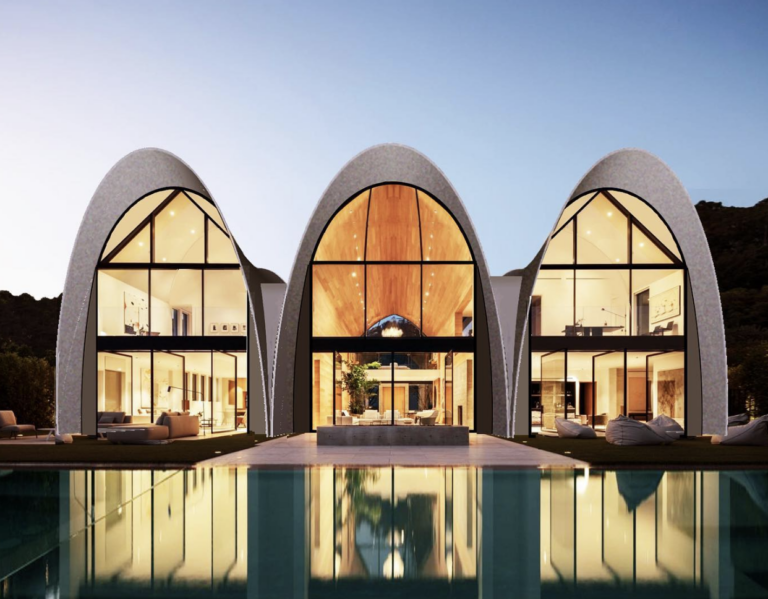
Binishell homes can be made for emergency house and high-end luxury dwellings
If you’ve seen “binishell homes” popping up across architecture feeds this year, you’re not imagining it. The iconic inflatable concrete house—originally invented in the 1960s by architect Dante Bini—is suddenly back in global headlines. And there’s one big reason: climate resilience. And hey, Robert Downey Junior lives in one.
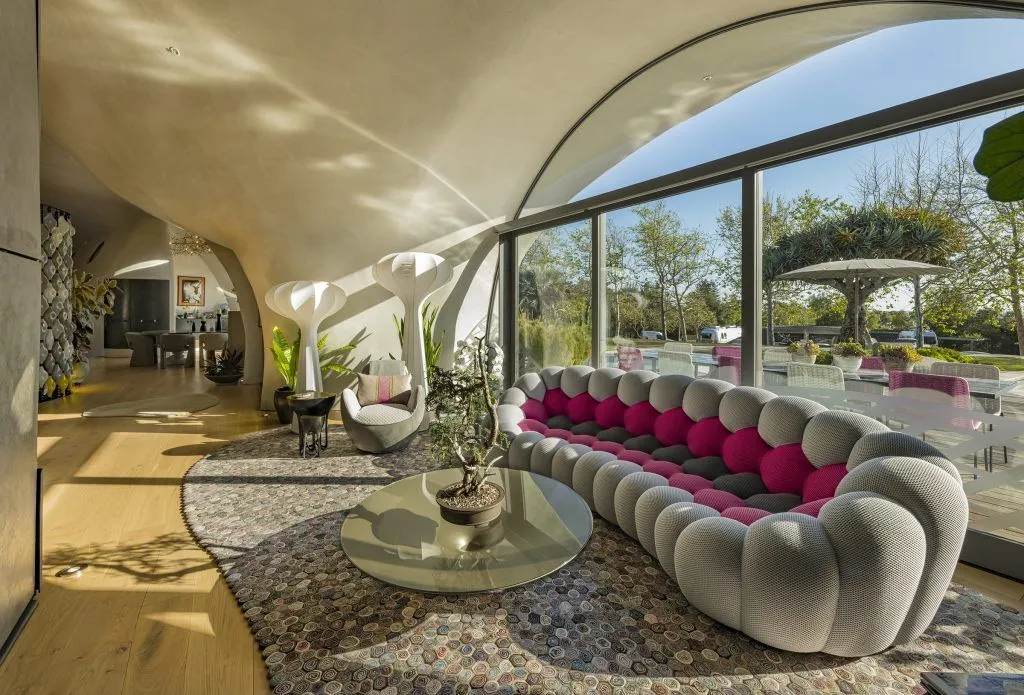
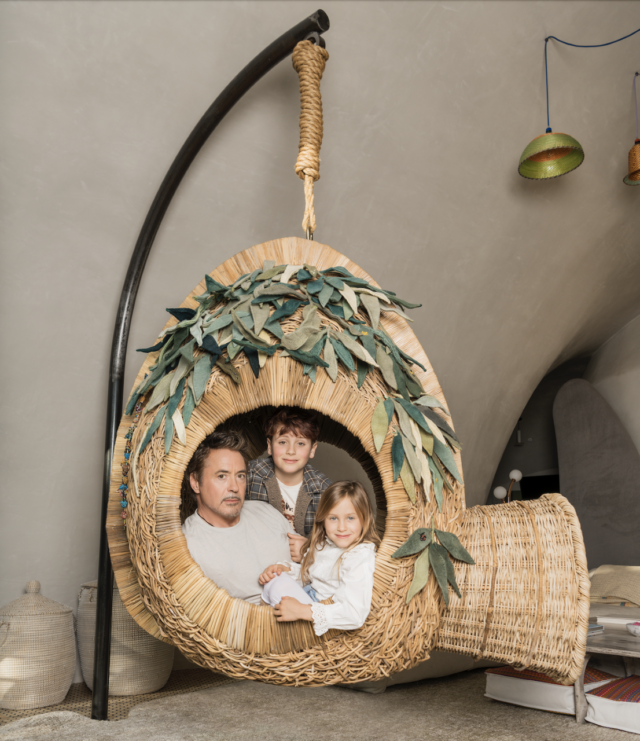
Binishell Robert Downey Junior home in Malibu
As heatwaves intensify and disasters become more frequent, governments and aid agencies are searching for housing solutions that are fast, affordable, low-carbon, and structurally strong. In California you can use hemp concrete and they are fire retardant.
Binishell is a dome-shaped building created by inflating a giant balloon and spraying reinforced concrete around it. The technique delivers astonishing speed—often under an hour per unit once the form is in place—and excellent durability, especially against earthquakes, cyclones, fires, and possibly even floods.
Search interest for binishell cost, binishell homes, and inflatable concrete house cost has jumped as engineers look for alternatives to slow, expensive, and carbon-heavy conventional construction. While full pricing varies by size, reinforcement type, and location, Binishells consistently reduce materials, labor hours, and waste.
A Binishell home, a modern eco-home works well in the warm, dry climate of California
Their air-form method uses up to 30–50% less concrete than a traditional box-shaped building and requires fewer skilled trades—an increasingly critical factor during emergency rebuilds when the local workforce is strained.
Inflatable concrete homes excel where disasters hit hardest. Their aerodynamic shape resists wind uplift, their monolithic shell minimizes weak points, and their thermal mass keeps interiors cool in summer and warm in winter—essential in regions struggling with both heat stress and energy scarcity. Concrete itself is not sustainable but new innovations using materials like hemp can make it so.
A growing number of countries and regions such as Gaza, Yemen, Somalia, Sudan, Afghanistan are Muslim and are naturally attracted to dome-shaped building, making Binishells an excellent idea if some company can actually make it happen.
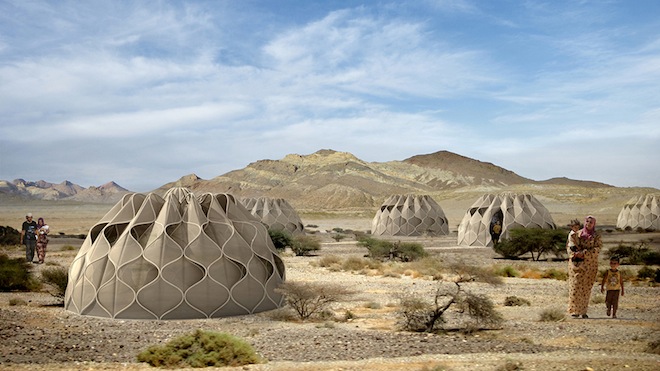
Abeer Seikaly’s Woven Shelters could be turned into a Binishell?
What makes this approach especially valuable is reusability: once the crisis passes, these strong, permanent structures can transition seamlessly into long-term public assets. They could be used as housing units for boarding schools or facilities where small businesses or artisans can work. If made moveable, they could function as a second space for homes in the region.
Turkey, for example, repurposed post-earthquake emergency housing built years ago with the help of Israel into into student dormitories. Binishells fit perfectly into this model: fast when needed, durable for decades, and flexible enough to become schools, healthcare posts, or creative workshops once families are resettled.
Ebikes are a great way to get around but make sure you are insured, sustainably
Riding a two-wheeler already feels like the practical way to beat traffic and lower everyday fuss. Smart, well-chosen cover quietly strengthens that habit. By removing friction, reducing out-of-pocket shocks, and supporting repair choices that keep a bike efficient, the right policy nudges everyday riders towards cleaner, steadier travel across India.
Why Smarter Cover Nudges Cleaner Rides
A rider usually sticks with what is simple, predictable, and stress-free. Smart bike insurance aligns with that instinct by:
Minimising uncertainty during breakdowns or minor knocks
Supporting timely repairs so the engine stays efficient and compliant
Encouraging regular riding over sporadic, high-pollution car trips
When maintenance is easier to budget and handle, riders are more likely to keep their two-wheelers roadworthy, which supports smoother, lower-emission commutes.
What Makes a Policy “Smart”
A smart approach is less about flashy features and more about practical, Indian-road realities:
Coverage That Matches Daily Use: Commuters weaving through peak-hour traffic, delivery professionals with long shifts, and students hopping between classes each face different risks.
Repair Flexibility: Options that make it viable to choose quality parts and timely service help the bike run cleaner for longer.
Paperwork Ease: Clear steps and digital-friendly servicing make life simpler after an incident.
The mix should feel like a toolkit rather than a single blunt instrument.
Where Comprehensive Bike Insurance Fits in
Comprehensive bike insurance is often the foundation for a greener riding routine. Beyond third-party liability, it typically includes own-damage cover that supports prompt repairs after mishaps or weather events. Timely fixes prevent lingering issues, misaligned wheels, dragging brakes, or rattling chains, which can hurt fuel efficiency and push riders to abandon the bike for less sustainable alternatives. With broader protection in place, riders tend to keep their two-wheelers in regular use and in better shape.
The ZUV Tricycle Is Quite Ugly, but It Still Puts Your e-Bike to Shame
How Zero Depreciation Bike Insurance Helps Sustainable Choices
Zero depreciation bike insurance (often called a nil-dep add-on) can reduce the sting of parts ageing. When tyres, plastic panels, or fibre components are replaced without factoring in depreciation, many riders feel comfortable choosing proper parts instead of delaying or settling for quick fixes.
That behaviour maintains ride quality, braking performance, and aerodynamic integrity, all of which support a smoother, cleaner commute.
Add-On Covers That Make Daily Riding Easier
Thoughtful add-on covers can make the greener choice the easier choice:
Roadside Assistance: Encourages riders to keep using the bike without anxiety about unexpected halts during monsoon evenings or early-morning starts.
Engine Protect: Useful where waterlogging or poor fuel quality can harm components; prompt care helps retain efficiency.
Consumables Cover: Supports replacement of small but vital bits, coolant, nuts, and bolts, that keep everything running tight and tidy.
Return To Invoice/Invoice Protect: Can reduce financial stress in severe incidents, helping riders continue with two-wheel travel instead of switching to less efficient modes.
Helmet and Riding Gear Cover: Reinforces safety culture, making daily riding feel responsible as well as practical.
These additions do not feel extravagant when they remove everyday friction that otherwise pushes riders towards costlier and higher-emission alternatives.
A Claim Process That Reduces Downtime
An Upway refurbished e-bike. Image supplied to Green Prophet by Upway.
An efficient claim process nudges greener travel by cutting idle time:
Survey and Approval Clarity: Predictable timelines help riders plan commutes without giving up on the bike.
Cashless Repairs With Transparent Communication: Smooth settlement means fewer delays and fewer compromises on part quality.
When the path from incident to repair is straightforward, riders keep riding—rather than parking the bike indefinitely.
How to Choose Without Overbuying
A balanced, greener-leaning selection often includes:
Base: Comprehensive bike insurance to handle most practical risks
Efficiency-Supporting Add-Ons: Zero depreciation bike insurance, engine protect, consumables cover
Convenience: Roadside assistance for monsoons, late shifts, and highway stretches
Safety and Documentation: Gear cover and support for digital-first processes
Consider riding patterns, local weather, parking conditions, regular routes, coastal humidity, hill traffic, or city flyovers, before finalising.
Simple Habits That Multiply The Benefit
Insurance works best alongside steady care:
Keep tyres correctly inflated and aligned after repairs
Service on schedule, especially post-monsoon
Maintain clean air filters and chains for smoother running
Retain invoices and photos to speed up any claim process
These habits pair with a smart cover to make the everyday ride cleaner and calmer.
Conclusion
Smart bike insurance does not transform the road overnight. It simply removes friction, helps riders choose timely, proper repairs, and keeps two-wheelers in daily service. With comprehensive bike insurance as the base, zero depreciation bike insurance for confident parts replacement, and add-on covers that reduce everyday hurdles, riders across India can keep choosing the nimble, practical commute.
A clear, efficient claim process then keeps momentum. Small, steady decisions, backed by thoughtful cover, are often what sustain greener travel.
One of the things I regret in my life is not buying a pair of Stella McCartney mushroom leather shoes at a TJ Max shop in Berlin. The price was within reach and they looked and felt so sturdy and iconic. All of us may have more chances to dance in sustainable style as Stella McCartney, the sustainable fashion icon and daughter of Paul McCartney, is working again with the fast fashion label H&M. Fast fashion, Zara, Shein, Mango and COS, show us that they aren’t going anywhere. What we can do is when we shop at these international chains is choose sustainable choices over those made from synthetics that leak microplastics.
Sustainable fashion, Stella McCartney
“I’m excited to reunite with H&M after 20 years since our first collaboration. Reworking pieces from my archive brought back so much energy and joy. This second partnership feels like a chance to look at how far we’ve come on sustainability, cruelty-free practices and conscious design – and to stay honest about how far we still have to go—together.
Sustainable fashion at a landfill runway, Stella McCartney
“I am thrilled to have H&M join me on this road, real change only happens when we push from both the outside and the inside, and I’ve always believed in infiltrating from within to move the industry forward,” said Stella in a press announcement.
What’s the plan with H&M? The collection isn’t launched yet but let’s hope it will be bold.
H&M’s Creative Advisor Ann-Sofie Johansson (pictured above) said: “Stella’s designs have changed the course of fashion history: they championed sustainable practices long before that conversation became mainstream.
“Her work is always joyful, playful, energetic.”
Ann-Sofie Johansson from H&M with Stella McCartney
The Stella McCartney H&M collection will launch in stores and online in Spring 2026. The collection will feature certified, responsible materials – many of which are recycled – showcasing examples of alternatives for conventional fabrics and textiles.
This announcement comes 20 years since McCartney’s first collection for the label where they celebrated sustainability, cruelty-free practices and conscious designs. We can’t wait to preview the collection soon!