
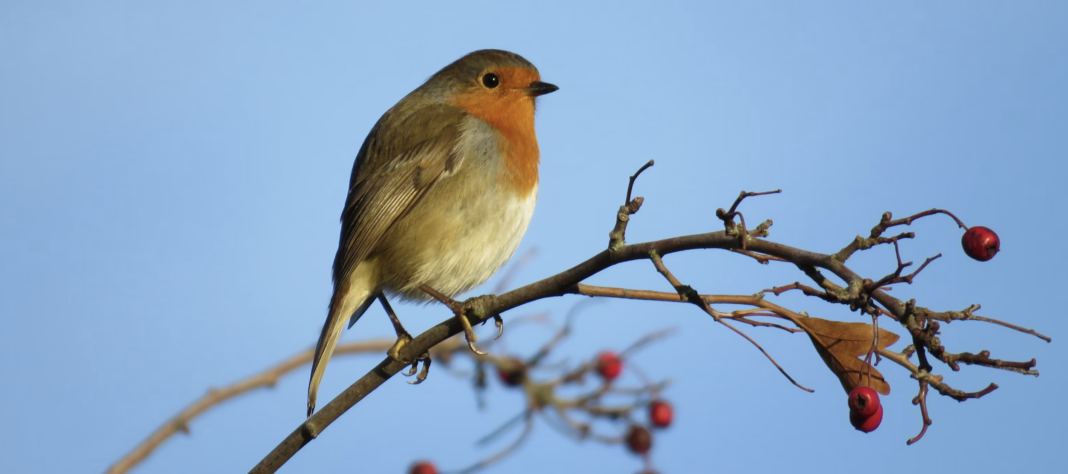

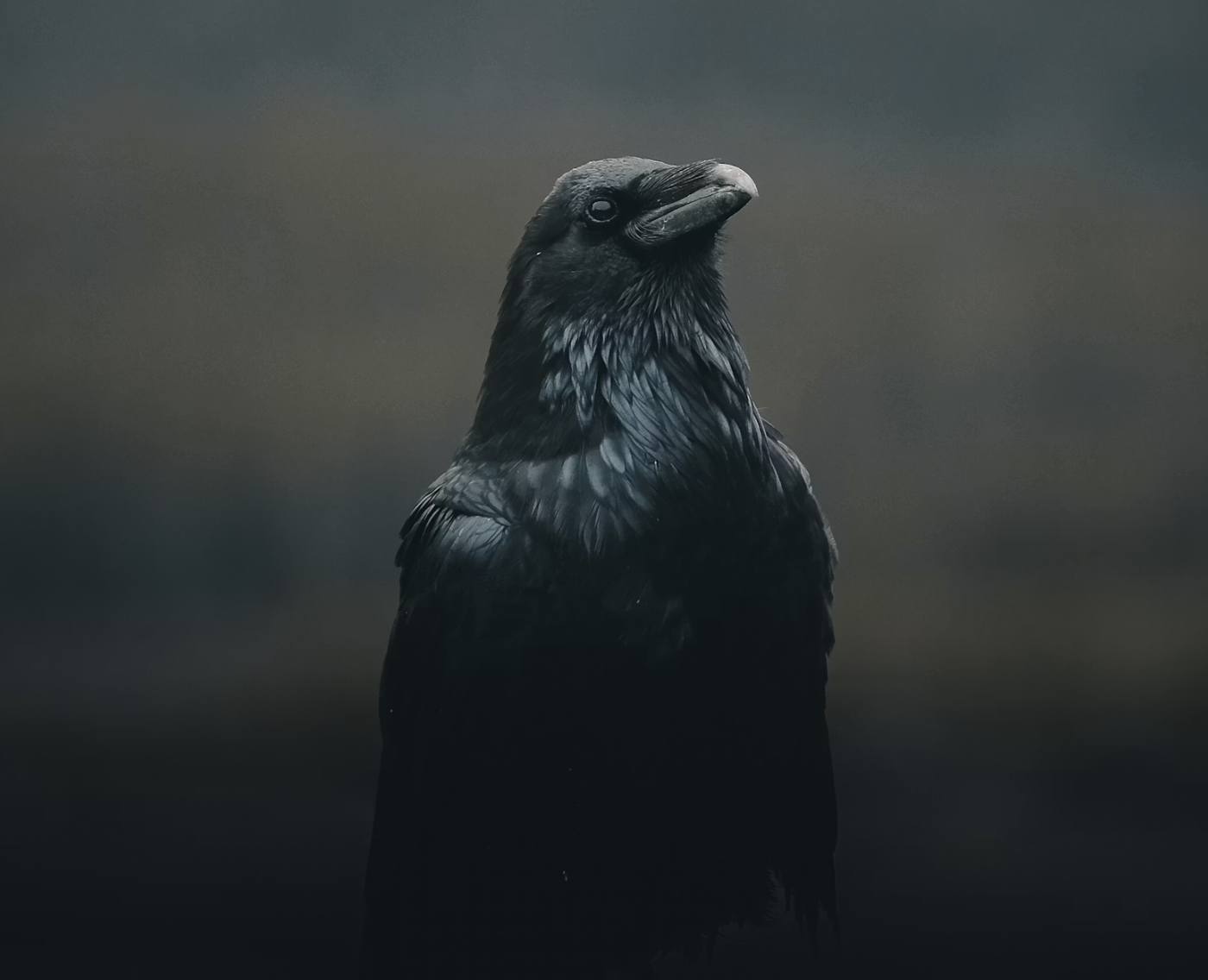
 Several days ago I saw a dramatic scene of destruction as I was chancing to look out my rear kitchen window. A pair of robins had been building a nest on top of a birdhouse hanging outside my room’s side window. I had even gotten a short video of one of them in the nest. Yet when I looked up a massive bird was squatting on the birdhouse, a raven. With a brief leap into flight the raven took back off, sweeping the nest off of the birdhouse, where it fell apart on the ground. At first I was devastated, relating the nest to my hopes and dreams for a relationship and a new home in the future. Yet things didn’t remain dismal for long.
Soon two small brown birds, maybe chickadees, were flying in and out of the bird house itself. At one time the birdhouse was intended as a bat house, yet never really used as such. Now a nest was being built inside of it to start a new life for two bright and cheerful birds building a new life out of something that had been ruined time and again.
A video I once saw by the spiritual psychotherapist, scholar, and torah speak Nili Salem, posits that everything breaks with divine purpose in order to make room for repair. In the moments of destruction, the circumstances of devastation can fill us with doubt and despair. Sometimes it takes time to see that foundations had to be cleared in order for new homes to be built on greater stability.
Looking back on the pain and heartbreak I’ve experienced in life, the raven might be seen as an agent of destruction or might be seen as an agent of change; it turned out to be the latter, leading to greater renewal. We never know which it’s going to be in the moment, yet one thing that smaller birds teach us is to be prepared to build when these moments of destruction occur.
In life, there are moments that seem deeply symbolic if our minds interpret them that way. Not everyone notices these things and when they do, it can be easy to start noticing too many connections and correlations, and overload of synchronicities. How we interpret symbols that we perceive comes down to what Ms. Salem frames as blessing and curse, or a practice I’ve been taught to think of as ayin tova; seeing the good with intention and gratitude for what is. Though awareness of possible negative outcomes can help us fly past them if we can loosen the grip of anxiety and fear on our minds. When we’ve seen too much of anything, whether it’s trauma, omenistic symbolism, simply the normal stresses of daily life, or any combination thereof it can crash our minds.
And this is another lesson that smaller birds teach: they were grounded while the robins were not, more importantly they pace themselves by taking turns and waiting for one another. Thus taking a pause to collect the pieces of what we’re working on mentally, then shifting to internally arranging things in a peaceful and fitting manner until completion, noticing our thoughts and keeping only the best materials to build our perspectives from.
One thing you will find different birds do is make different choices in nesting material; they build with what they can lift and fits both their needs and desires. Humans are not always any wiser than the robins, sometimes we site ourselves poorly or even choose still more poorly in what we build with. This applies to where we choose to live, our family, our friends, our education, our career, and any number of other situations and circumstances.
It can be easy to pick up too much, whether that’s material, our commitments, or so often an overwhelming amount of information. When we do that we fail to build with integrity, structural or otherwise. In some senses this puts the little birds at an advantage to the robins, who have more carrying capacity while lacking the discernment that the humble little brown birds practice out of natural necessity. Humans are no different in that, while we can learn from the life around us to take care in how we build our homes and what with, else we may load before looking.
Often we have to make the best with what we have, like squirrels who inherit nests and territories from generation to generation. Yet unlike squirrels, we can learn to bark and fight less before moving onwards. We can unlearn inherited mindsets and perspectives in order to have the room and resources we need in order to grow and expand.
When things seem like they’re falling from where we built them, it’s important to remember that we can pick ourselves up and move on to a niche that suits us, even if it’s flying further than we think we can. In the Torah, God floods the world and the small family of Noah sets forth with whatever plant and animal life they can bring with them in the ark that Noah built on God’s direction. So imagine being a dove, caged beneath the deck of a ship. Even just flying free to look for land would be a joy in a flooded world. And in a storm, flight is so often replaced by shelter in the closest thing to safety even if it’s no place to build our nests. And as soon as things are clear, that joy in taking flight to higher ground can become real.
However if we never knew flight and then God hid us from sight in the cleft of a rock, we might not know when it’s truly safe to emerge. We might even see what looks like clear weather and good signs, a good time to build yet still struggle to emerge without someone to fly with who can show us that the air truly is safe. You never seem to see birds building nests without a partner, so maybe this is natural. We’ve been taught that we can go it alone and maybe we can carry that burden ourselves, yet that means we have to make up the difference by picking up more and faster, not taking breaks or pacing ourselves. If we’re stuck in that cleft we may never even consider flying free and build our nest there with less than we truly need. And that can leave everything we build exposed to being brushed off whatever narrow space we find, whether by a careless visitor squatting where we made our nest or even just a strong gust of wind knocking us off our perch.
Half of learning to fly is probably falling, so we can find a blessing in these moments of unsteadiness by learning to build on a more grounded basis and weather the storms with the knowledge that the clouds will part in order for us to find our way home.
Maybe there are no secrets in life, just honest and direct conversations with the Universe. And the only way to do that is by being in the presence with what’s around us. Regardless of plumage, if you wait long enough any number of birds will pass by. The questions I find myself wondering are who lands and who stays to build.
So each morning from nine to noon I’ll be waiting on my porch to see what the Universe brings and what ends up staying.

