

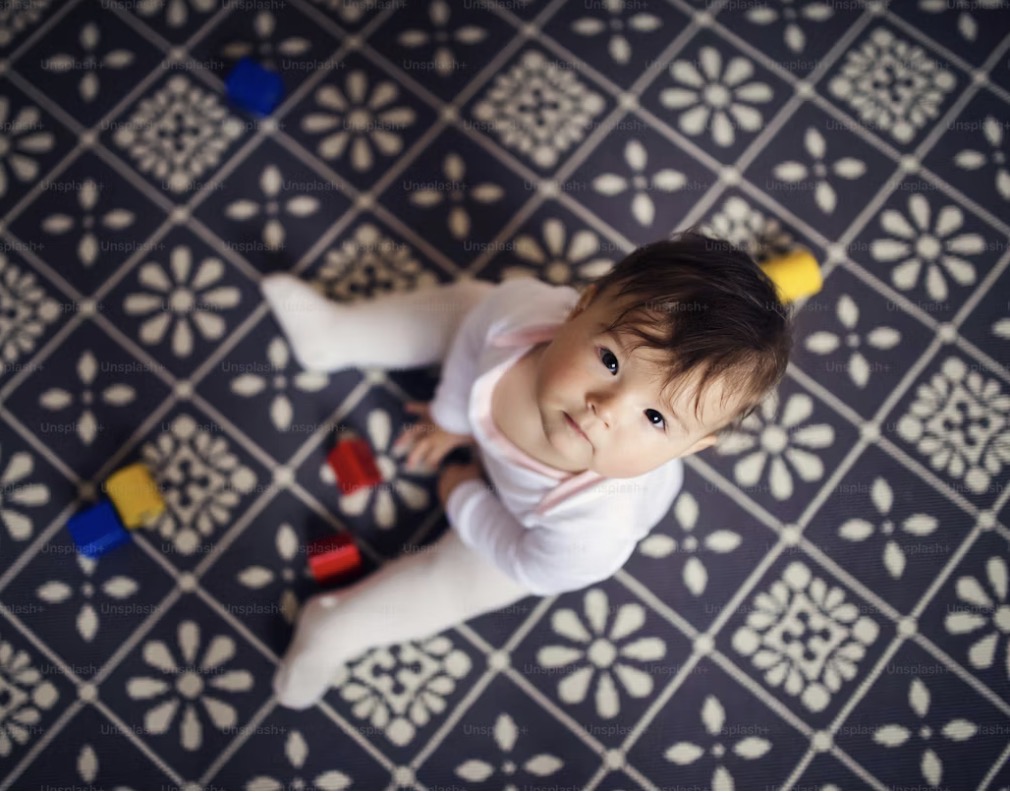
Children need warm, sustainably-made play mats that offer comfort and security.
Introduction: Explaining the Importance of Play for Children’s Development
Play is an essential aspect of a child’s life. It is through play that children learn and develop various skills that are crucial for their physical, cognitive, emotional, and social growth. Play allows children to discover and explore the world around them, express themselves creatively, build relationships with others, and develop problem-solving abilities.
As parents or caregivers, it is important to create a conducive environment for children to engage in play. This includes having designated play areas within the house where children can freely move around and use their imagination. One way to achieve this is by incorporating rugs and play mats into kids’ rooms.
Why Rugs and Play Mats Are Essential for Kids’ Rooms
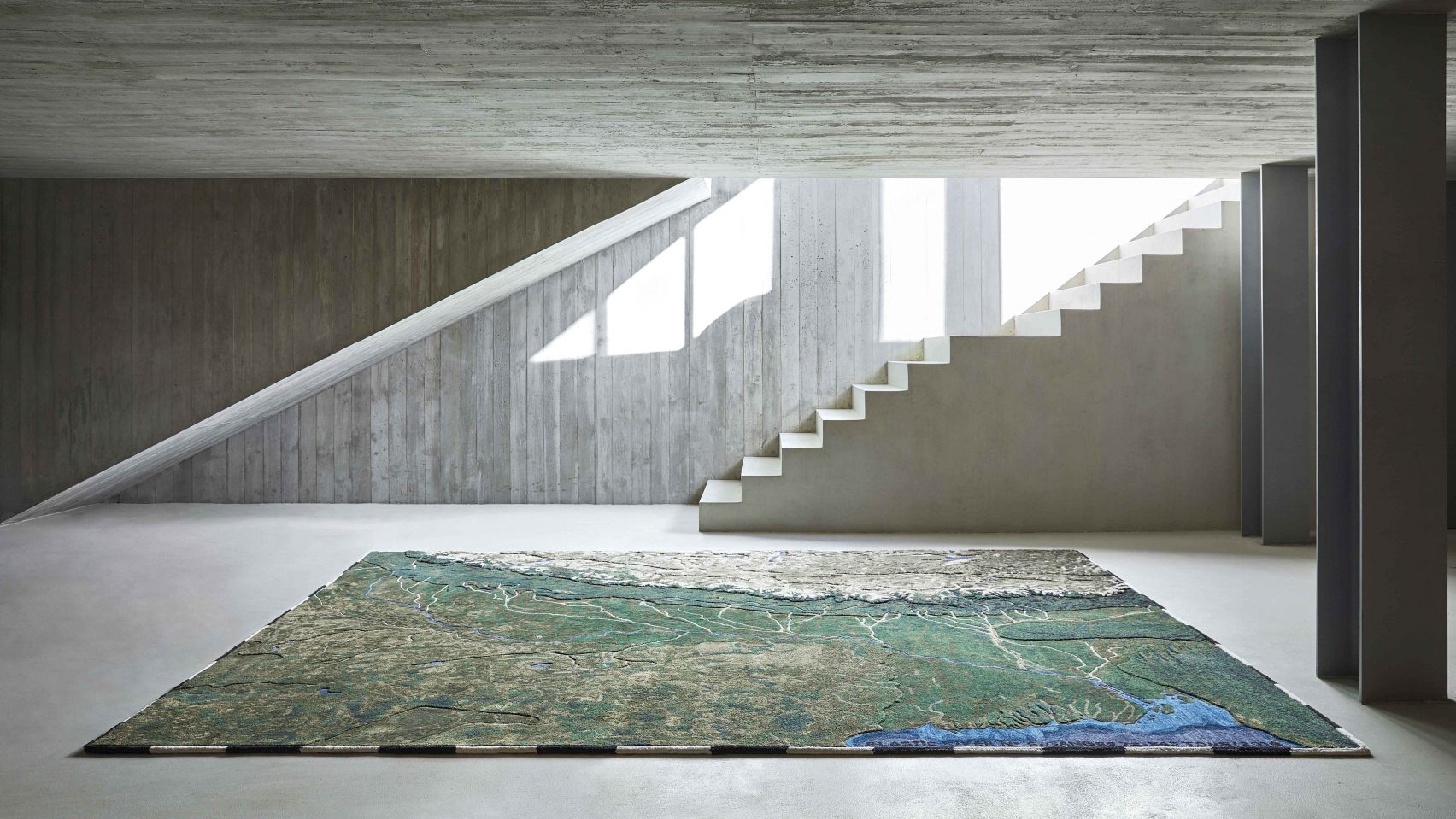
Made from recycled PET bottles, this rug is a river of good luxury
Rugs and play mats not only add aesthetic value to a child’s room but also serve as practical tools for promoting a child’s development. These soft and comfortable floor coverings provide a safe space for children to crawl, roll, sit, or stand while playing. They offer protection against hard surfaces such as hardwood floors or tiles, reducing the risk of injuries during rough play.
In addition to safety, rugs and play mats also aid in sensory development. The textures of these floor coverings stimulate a child’s senses as they touch, feel, crawl, or walk on them. These sensory experiences are important in building neural connections in the brain that support learning and development.
Benefits of Using Baby Play Mats for Daily Play
- Providing a Safe and Comfortable Space for Play: For infants who spend most of their time on their backs or tummies when playing, baby play mats for daily play offer a soft surface that supports their delicate bodies. The cushioned material provides comfort while preventing bumps or bruises. Many mats also include anti-slip backing for added stability.
- Promoting Sensory Development: Baby play mats offer different textures and materials that promote sensory development. Bright colors and patterns also stimulate visual curiosity and exploration.
- Adding a Playful Touch to the Room: Available in various designs and themes, baby play mats can serve as both a functional and decorative element while supporting early learning.
Incorporating rugs and play mats into kids’ rooms creates a safe and stimulating environment for children to learn through play.
Types of Baby Play Mats: Foam Mats, Interlocking Tiles, Activity Gyms, Etc.
When it comes to creating a safe and comfortable play area, baby play mats are essential. Below are common types:
- Foam Mats: Made from soft foam that provides cushioning and support. Lightweight and portable, easy to store or travel with.
- Interlocking Tiles: Puzzle-style tiles that connect to create larger play areas. Stable and visually engaging.
- Activity Gyms: Include hanging toys and sensory elements that support motor skills and coordination, with padded bases for comfort.
Choosing the Perfect Kids’ Room Rug
When selecting a baby play mat for your child’s room, consider:
- Size: Ensure the mat fits the available space and allows room for movement.
- Material: Choose non-toxic, hypoallergenic, and soft materials suitable for sensitive skin.
- Design: While aesthetics matter, prioritize functionality and safety. Explore kids’ room rugs with playful patterns that balance both.
DIY Ideas for Making Your Own Baby Play Mats
- Quilted Play Mat: Sew layers of fabric or blankets for added cushioning and warmth.
- Sensory Play Mat: Incorporate varied textures like faux grass or soft fabrics, plus interactive elements like zippers or pockets.
Conclusion
Having a dedicated play area supports children’s physical and mental development. Rugs and play mats provide both safety and comfort while enhancing the room’s design. Choosing the right option ensures your child has a secure and engaging space to grow and thrive.