The latest OECD Environmental Outlook focusses on the triple planetary crisis of climate change, biodiversity loss and pollution.
The OECD, or the Organisation for Economic Co-operation and Development, is a global policy forum that brings together high-income democracies to address some of the world’s biggest challenges and promote liberty and prosperity. It develops policies to protect individual freedoms and improve the economic and social well-being of people worldwide. The organisation studies issues such as health, education, trade and taxation — and over the last two decades, climate change has become one of its most urgent areas of focus.
The OECD has recently published a major climate change report (link at the end of the article) that companies and governments must understand. It outlines essential policy tools and highlights the need to manage potential trade-offs — for example, ensuring that rapid renewable-energy deployment does not unintentionally damage natural habitats or create new waste-management challenges when technologies reach end-of-life.
According to the latest analysis, climate change is projected to overtake land-use change as the leading driver of biodiversity loss by 2050, intensifying pressures on terrestrial and marine ecosystems. In turn, biodiversity loss weakens ecosystem resilience to extreme weather and pollution, directly affecting air, water and soil quality. As land use shifts, we can also expect more flooding and wider challenges in wildlife management — as seen in recent bear attacks in Canada and Japan.
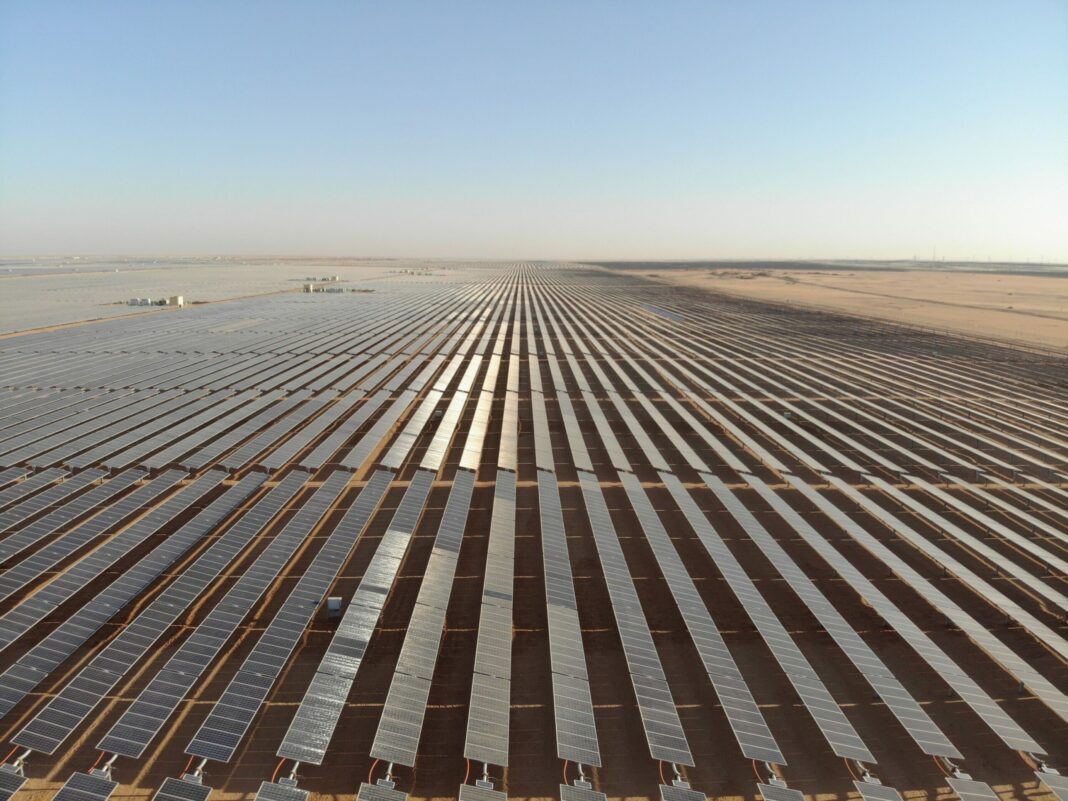
The new OECD Outlook emphasizes that policies addressing each environmental challenge are deeply interconnected. Climate mitigation policies that curb greenhouse gas emissions can also reduce co-emitted air pollutants. At the same time, expanding solar and wind power — essential for cutting emissions — can create new pressures on biodiversity if not carefully planned.
“Understanding the linkages between environmental challenges like climate change, biodiversity loss and pollution is essential for designing effective policy responses,” OECD Secretary-General Mathias Cormann said. “By co-ordinating their policy measures aimed at addressing these challenges, countries can more effectively advance their environmental objectives in line with their unique circumstances.”
The report examines national documents across ten countries — Argentina, Australia, Canada, China, France, India, Indonesia, Japan, Peru and Uganda — to illustrate how governments recognise these connections. While all countries acknowledge the two-way interlinkages between climate change, biodiversity loss and pollution in their Biennial Transparency Reports and National Biodiversity Strategies and Action Plans, gaps remain. What needs improvement? The report suggests that students, researchers and policymakers look closely at these findings to understand how to contribute to better environmental governance.
Overall, links between climate change and biodiversity are relatively well covered in national strategies, but the relationships involving pollution — including how climate and biodiversity pressures heighten pollution risks — are often missing. Policies designed to explicitly manage trade-offs, especially around pollution, remain limited.
To address these issues, the OECD identifies several practical levers for more integrated and effective policy action:
-
Align financing and investment with interconnected climate, biodiversity and pollution objectives.
-
Manage trade-offs in the clean-energy transition, including land pressures, material demand and end-of-life impacts.
-
Transform resource use and advance circular-economy approaches to reduce waste, pollution and demand for primary materials.
-
Improve the sustainability of food systems and land use to cut emissions, strengthen biodiversity and enhance resilience to climate and water stress.