Today, environmental information systems are essential weapons in the arsenal of organisations in the quest to promote environmental sustainability. These systems facilitate the dissemination of ecological data to assess climate impact, greenhouses, and other environmental pollutants and highlight measures and policies to address these issues.
Knowledge of environmental issues continues to grow, making information systems unique because of their growing use in decision-making to drive positive change, raise awareness and inspire many to be environmentally conscious. The impact of this revolution is already being felt, especially in the monitoring and control of emissions.
Globally, biodiverse-rich regions are under threat, facing several environmental issues, including climate change and land degradation. The result? Decline of natural resources and their unique species.
The global approach to environmental protection has significantly evolved over the past decades to become more comprehensive. This change demonstrates an increased recognition of the interconnectedness of various ecological issues and, hence, the need for multi-faceted solutions to address them effectively.
EcohubMap, an innovative online platform that serves as a comprehensive business directory, listing and promoting sustainable companies globally, stands at the forefront of information systemisation.
By recognizing that environmental challenges are interrelated and necessitate coordinated solutions, this platform has more sustainability sectors, but these are the most popular:
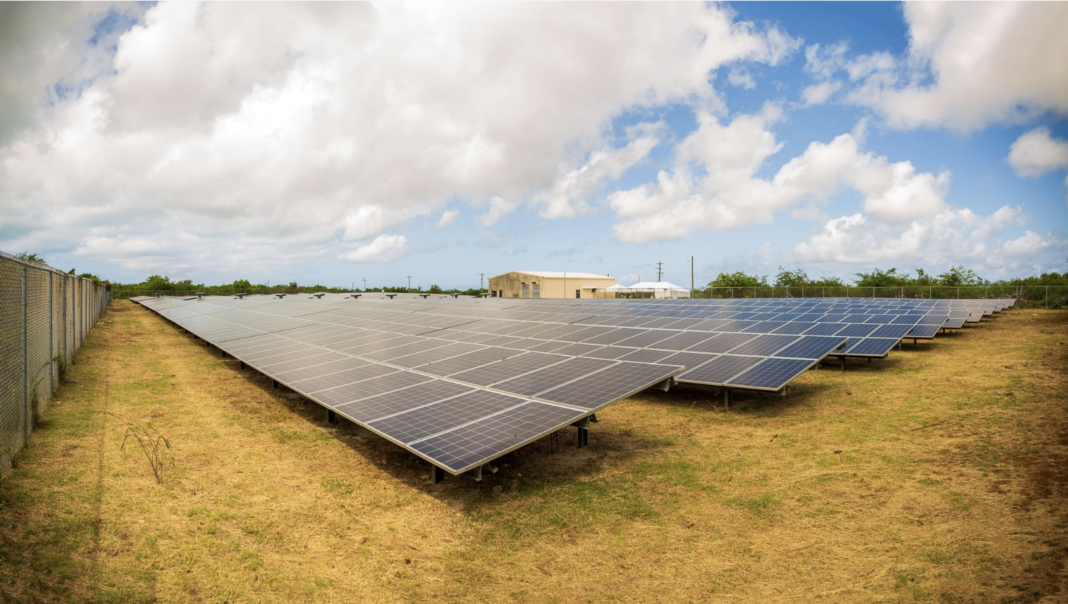
Renewable Energy: Companies in this sector are harnessing natural resources to produce clean energy from wind, solar, and bioenergy sources. These businesses are pivotal in transitioning the state towards a more sustainable energy future.
Agriculture: Innovative agricultural firms are implementing eco-friendly practices to boost productivity while preserving the natural ecosystem. They focus on sustainable land management and the use of renewable resources to minimise their carbon footprint.
Waste Management: With a commitment to the circular economy, waste management enterprises are finding new ways to reduce, reuse, and recycle waste materials. Their efforts are crucial in reducing landfills and promoting resource recovery.
Electric Vehicles: The electric vehicle industry is gaining momentum across the globe, with companies dedicated to reducing transportation emissions. They are at the forefront of developing and promoting electric mobility solutions.
Undoubtedly, sustainable businesses across the globe are growing every day to tackle challenges posed by climate change or loss of habitat. While advocating for sustainability, their efforts alone are inadequate in addressing global perturbations of natural systems, hence the need to utilise EcohubMap’s innovative platform.
How Can We Leverage Systematisation to Achieve Positive Environmental Change?
The current environmental issues demand innovative solutions, and most sustainable companies worldwide are well-positioned to be agents of change. Leveraging systematisation through EcoHubmap functions, businesses can achieve positive environmental impact.
Here is how:
Data-driven decision-making: Systematisation allows for data-driven decision-making, leading to better environmental initiatives.
Building robust feedback loops: Robust feedback loops are enabled through systemisation to help tackle the impact of our interventions. This ensures we are constantly improving and directing the efforts where they are most needed.
Habitat management: Systematisation facilitates mapping the conservation of natural habitats. This is achieved by mapping habitats and species distribution, status, and threats. As a result, this can help conversations identify environmental hotspots and do something to mitigate issues.
Environmental communication: Systematisation can help facilitate communication of ecological information to various policymakers, researchers and the media. When properly used, this can help raise awareness, educate people on environmental issues, and teach them to take action.
Leveraging on systematisation will enable an integrated economy while addressing environmental concerns that require a multidimensional approach. In many ways, systematisation will continue to contribute positively to the environment by advocating sustainable environmental practices.
How Does Ecohubmap Connect and Support Environmental Organisations?
EcohubMap is the world’s largest eco-business directory of environmental organisations. It connects and supports conscious business and environmental organisations by providing an innovative platform where they can easily be discovered and connect with others.
The platform achieves systematisation by fostering collaboration among different businesses to initiate environmental change or address environmental issues. Think of it as a one-stop shop for green changemakers.
Having been following up on the site for several months, EcohuMap has expanded the functionality of its platform, making it easier for sustainable businesses to be added to the business directory. It is easier to locate a list of green businesses globally. This allows organisations to share best practices, join forces, and tackle challenges.
Having a team working around the clock 24/7, the platform offers real-time monitoring of environmental issues. Thus, it keeps related organisations updated and empowers them to act swiftly on emerging environmental issues.
In essence, EcoHubMap nurtures a thriving network dedicated to ecological sustainability.
How Can Eco-Friendly Businesses and Non-profit Environmental Organisations Globally Use and Benefit From the Platform?
Climate change and renewable energy are pressing issues globally, but many other local issues include overgrazing, bushfires, pollution and land degradation. Addressing these challenges is paramount for the sustainable future of our planet.
Several sustainable companies worldwide are at the forefront of this fight, and they can significantly benefit from EcohuMap’s innovative platform. This platform offers practical solutions that can save time for such organisations.
Take, for example, an organisation aiming to show its green initiatives and connect with like-minded individuals. It can list its company in the business directory. It features more than 100 sustainable companies and environmental organisations, enabling them to showcase their environment-friendly initiatives.
While the planet grapples with various environmental challenges, a call to action resonates with this discourse – EcohubMap as an innovative platform that bridges ecological entities, facilitating sustainable practices and collective efforts. Organisations can easily add a business page to enhance their credibility and reach.
Mitigating climate issues globally requires collective effort. As a concrete step towards moving forward, it is essential to consider partnering with innovative knowledge systems such as Ecohubmap.
Conclusion
The global environmental crisis demands transformative solutions, and information systematisation offers a powerful tool to achieve them. EcohubMap is a transformative tool that paves the way for a greener and sustainable future.
Eco-businesses should consider partnering with this innovative platform in its more significant effort to unite them in their contribution towards world environmental protection. Every day, the platform gets even better with new features added. This is important for eco-conscious businesses worldwide with a shared commitment to safeguarding our planet’s environment for future generations.