
Plastic pollution and hazardous chemicals haunt remote Antarctic waters

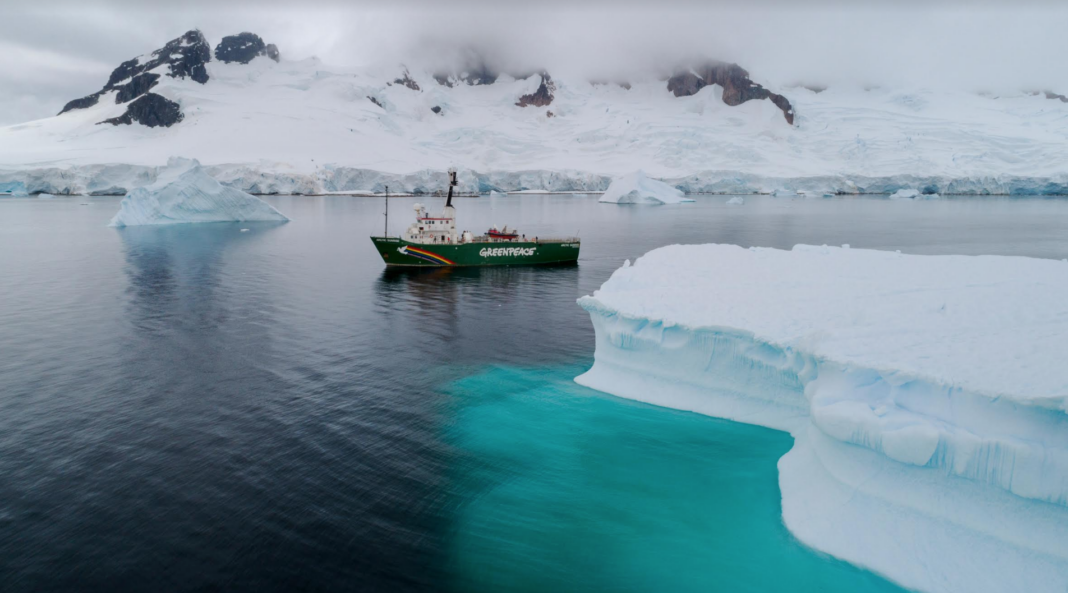
Laboratory analysis of water and snow samples, gathered during a recent Greenpeace expedition to the Antarctic, has revealed the presence of microplastics and persistent chemicals, respectively, in the majority of samples tested.

“We may think of the Antarctic as a remote and pristine wilderness,” said Frida Bengtsson of Greenpeace’s Protect the Antarctic campaign, “but from pollution and climate change to industrial krill fishing, humanity’s footprint is clear. These results show that even the most remote habitats of the Antarctic are contaminated with microplastic waste and persistent hazardous chemicals. We need action at source, to stop these pollutants ending up in the Antarctic in the first place, and we need an Antarctic Ocean Sanctuary to give space for penguins, whales and the entire ecosystem to recover from the pressures they’re facing.”

antarctica by kalle ljung

Seven of the eight sea-surface water samples tested contained microplastic, such as microfibres (at least one microplastic element per 1 litre sample). In addition, nine samples were taken using a manta trawl and analysed for microplastics. Microplastic fragments were detected in two samples. Seven of the nine snow samples tested contained detectable concentrations of the persistent chemicals per- and polyfluorinated alkylated substances, or PFASs. These chemicals are widely used in many industrial processes and consumer products and have been linked to reproductive and developmental issues in wildlife. The snow samples gathered included freshly-fallen snow, suggesting the hazardous chemicals were deposited from the atmosphere. See here for the full Greenpeace International report.
There are relatively few data for microplastics in Antarctic waters, and this analysis provides valuable new information on the presence and status of such contamination in the region.

“We also saw all kinds of waste from the fishing industry down in the Antarctic,” Bengtsson continued. “Buoys, nets and tarpaulins drifted in between icebergs, which was really sad to see. We took them out of the water, but it really made clear to me how we need to put vast parts of this area off-limits to human activity if we’re going to protect the Antarctic’s incredible wildlife.”

“Plastic has now been found in all corners of our oceans, from the Antarctic to the Arctic and at the deepest point of the ocean, the Mariana Trench. We need urgent action to reduce the flow of plastic into our seas and we need large scale marine reserves – like a huge Antarctic Ocean Sanctuary which over 1.6 million people are calling for – to protect marine life and our oceans for future generations.”

The samples were gathered during a three-month Greenpeace expedition to the Antarctic from January to March 2018. Greenpeace was conducting scientific research, including landmark submarine dives to little-known Antarctic seabed ecosystems, as part of a campaign to create an Antarctic Ocean Sanctuary. At 1.8 million sq km, it would be five times the size of Germany and the largest protected area on Earth. The sanctuary is being proposed by the EU and a decision will be taken at the forthcoming meeting of the Antarctic Ocean Commission (CCAMLR) in October 2018.


Karin Kloosterman
Karin Kloostermanhttp://www.greenprophet.com
Karin Kloosterman is an award-winning journalist, innovation strategist, and founder of Green Prophet, one of the Middle East’s pioneering sustainability platforms. She has ranked in the Top 10 of Verizon innovation competitions, participated in NASA-linked challenges, and spoken worldwide on climate, food security, and future resilience. With an IoT technology patent, features in Canada’s National Post, and leadership inside teams building next-generation agricultural and planetary systems — including Mars-farming concepts — Karin operates at the intersection of storytelling, science, and systems change. She doesn’t report on the future – she helps design it. Reach out directly to [email protected]

TRENDING

What are the best Mac cleaners to use today?

Using a Mac cleanup tool is one of the...

A Fact-Based Reflection on Sustainability and Tourism in Hormuz

A Documented Response to the Article “The Aga Khan...

Fix your Ozempec face with alloClae fat from a human cadaver?

How do you feel about you afterlife being a...

Should You Invest in the Private Market?

startustartup Unlike public stock exchanges, which offer daily trading, strict...

Jewish Vegans invite global community to “Compassionate Passover” event

As Passover approaches, a global online gathering is inviting...

Should You Invest in the Private Market?

startustartup Unlike public stock exchanges, which offer daily trading, strict...

How to build a 100-year-company

Kongō Gumi is a Japanese construction company, purportedly founded in 578 A.D., making it the world's oldest documented company. What can we learn about building sustainable businesses from them?

From Pilot Plant to Global Stage: How Aduro Clean Technologies’ 2026 Expansion Signals a Turning Point for Chemical Recycling Investors Like Yazan Al Homsi

The company's Next Generation Process (NGP) Pilot Plant in London, Ontario, has officially moved into initial operating campaigns, generating the kind of structured, repeatable data that separates laboratory promise from commercial viability.

How AI Helps SaaS Companies Reduce Repetitive Customer Support Work

SaaS products are designed for large numbers of users with different levels of experience, and also in renewable energy.

Pulling Water from the Air

Faced with water shortage in Amman, Laurie digs up...

Turning Your Energy Consultancy into an LLC: 4 Legal Steps for Founders in Texas

If you are starting a renewable energy business in Texas, learn how to start an LLC by the books.

Tracking the Impacts of a Hydroelectric Dam Along the Tigris River

For the next two months, I'll be taking a break from my usual Green Prophet posts to report on a transnational environmental issue: the Ilısu Dam currently under construction in Turkey, and the ways it will transform life along the Tigris River.

6 Payment Processors With the Fastest Onboarding for SMBs

Get your SMB up and running fast with these 6 payment processors. Compare the quickest onboarding options to start accepting customer payments without delay.

Related Articles

Popular Categories