Ancient jar of decapitated toad heads puzzle archeologists

toads without heads in jar isael archeology decapitated

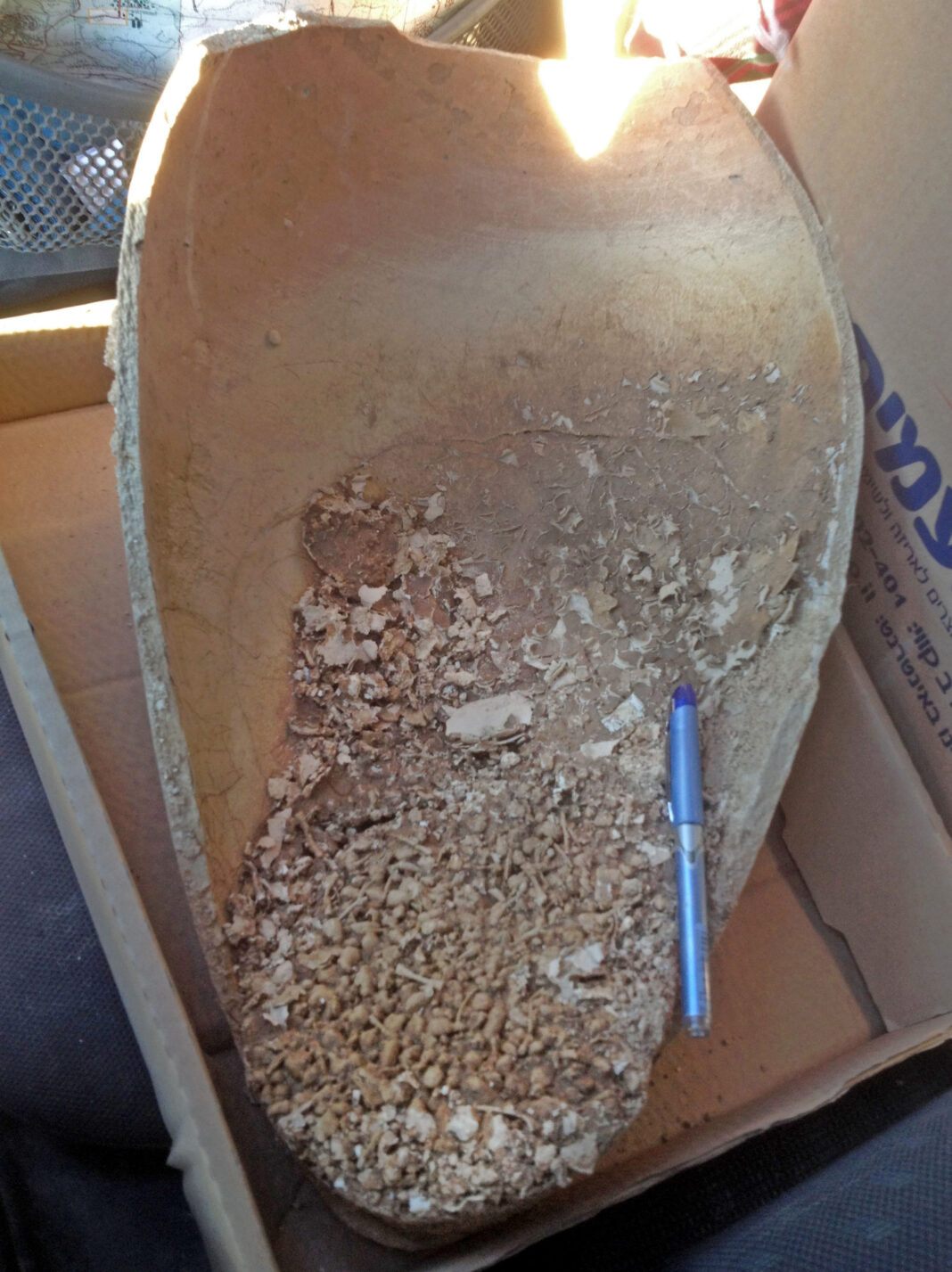
They were found in a 4000 year old tomb. Begging the question – why a jar of decapitated toads? What strange customs did our ancestors practice? According to archaeologists who uncovered the recent finding, the frogs were part of ancient funeral practices.

toads without heads in jar isael archeology decapitated


toads without heads in jar isael archeology decapitated

toads without heads in jar isael archeology decapitated

toads without heads in jar isael archeology decapitated

toads without heads in jar isael archeology decapitated

toads without heads in jar isael archeology decapitated

toads without heads in jar isael archeology decapitated

Researchers say these fascinating findings from an Israel Antiquities Authority excavation near the Jerusalem Biblical Zoo shed light on burial customs in the Canaanite period  – the Middle Bronze Age. The archaeological excavation yielded the remains of at least nine toads, and evidence of the cultivation of date palms and myrtle in the area.

toads without heads in jar isael archeology decapitated

According to the excavation directors on behalf of the Israel Antiquities Authority, Shua Kisilevitz and Zohar Turgeman-Yaffe: “This section of the Nahal Repha’im basin was fertile ground for settlement throughout time, especially during the Canaanite period. In recent years excavations in the area have uncovered two settlement sites, two temples and a number of cemeteries, which provide new insight into the life of the local population at that time.”

According to Kisilevitz and Turgeman-Yaffe: “For an archaeologist, finding tombs that were intentionally sealed in antiquity is a priceless treasure, because they are a time capsule that allows us to encounter objects almost just as they were originally left. At that time, it was customary to bury the dead with offerings that constituted a kind of “burial kit,” which, it was believed, would serve the deceased in the afterworld. When we removed the stone that blocked the tomb opening, we were excited to discover intact bowls and jars.

“In one of the jars, to our surprise, we found a heap of small bones. The study of the bones, by Dr. Lior Weisbrod of the University of Haifa, revealed at least nine toads. Interestingly, they had been decapitated.”

Another intriguing finding came to light through analysis of sediments collected from the clay jars and examined under a microscope. The examination, by Dr. Dafna Langgut of Tel Aviv University, revealed that shortly before the vessels were placed in the tomb, they came into contact with various plants including date palms and myrtle bushes.

This fact is interesting because this is not the natural habitat for those species, and they therefore seem to have been planted here intentionally. According to Dr. Langgut, in this period the date palm symbolized fertility and rejuvenation, which could explain why the ancients cultivated the trees in this environment, where they do not grow naturally. According to the scholars, these plants may have been part of an orchard planted in an area where funeral rituals were held, during which offerings of food and objects were made to the deceased. The scholars surmise that the jar with the headless toads was among these offerings.

The research will be presented for the first time on Thursday, October 18, at the conference “New Studies in the Archaeology of Jerusalem and its Region,” open to the public, at the Hebrew University of Jerusalem.

Karin Kloosterman
Karin Kloostermanhttp://www.greenprophet.com
Karin Kloosterman is an award-winning journalist, innovation strategist, and founder of Green Prophet, one of the Middle East’s pioneering sustainability platforms. She has ranked in the Top 10 of Verizon innovation competitions, participated in NASA-linked challenges, and spoken worldwide on climate, food security, and future resilience. With an IoT technology patent, features in Canada’s National Post, and leadership inside teams building next-generation agricultural and planetary systems — including Mars-farming concepts — Karin operates at the intersection of storytelling, science, and systems change. She doesn’t report on the future – she helps design it. Reach out directly to [email protected]
1 COMMENT

Comments are closed.

TRENDING

Explore Balat in Istanbul for a perfect day of coffee, cats, and second-hand clothing shops

Balat is not a neighborhood you would visit in the standard tour to Istanbul. If you want a real taste of Istanbul and the people who live there, wander around a smaller craftsman, artisan, coffee shops and second hand clothing shops on cobblestone streets in the neighborhood of Balat.

Canaan’s sacred wine and folk worship in the fields

Around the press, the team uncovered dwellings and courtyards that hint at an early village economy. The winemaking enterprise was likely community-based, tied to the cycles of agriculture and celebration. Megiddo’s residents were already part of a regional network that shipped jars of oil, grain, and perhaps even wine to Egypt and the wider Mediterranean world.

Have a little faith? How Islam dealt with its first plague, the Plague of Amwas

The plague of Amwas first struck the Muslim Arab troops encamped there before spreading across Syria–Palestine and affecting Egypt and Iraq. The Plague of Amwas was the first major pandemic that hit the early Muslim communities.

King David tolerated cults in Jerusalem? Archeology reveals religious diversity

Cult worship was largely practiced and even sanctioned in the Holy Land while Jerusalem's Temple stood.

Carved ghost turnip head way scarier for Halloween

Christian fires burned on hilltops where pagan fires had burned for 1000 years. The Irish made lanterns out of turnips to guide 'Stingy Jack' and other wandering souls caught in the netherworld while warding away the evil spirits with frightening masks and Jack O' lanterns made from carved turnips.

Should You Invest in the Private Market?

startustartup Unlike public stock exchanges, which offer daily trading, strict...

How to build a 100-year-company

Kongō Gumi is a Japanese construction company, purportedly founded in 578 A.D., making it the world's oldest documented company. What can we learn about building sustainable businesses from them?

From Pilot Plant to Global Stage: How Aduro Clean Technologies’ 2026 Expansion Signals a Turning Point for Chemical Recycling Investors Like Yazan Al Homsi

The company's Next Generation Process (NGP) Pilot Plant in London, Ontario, has officially moved into initial operating campaigns, generating the kind of structured, repeatable data that separates laboratory promise from commercial viability.

How AI Helps SaaS Companies Reduce Repetitive Customer Support Work

SaaS products are designed for large numbers of users with different levels of experience, and also in renewable energy.

Pulling Water from the Air

Faced with water shortage in Amman, Laurie digs up...

Turning Your Energy Consultancy into an LLC: 4 Legal Steps for Founders in Texas

If you are starting a renewable energy business in Texas, learn how to start an LLC by the books.

Tracking the Impacts of a Hydroelectric Dam Along the Tigris River

For the next two months, I'll be taking a break from my usual Green Prophet posts to report on a transnational environmental issue: the Ilısu Dam currently under construction in Turkey, and the ways it will transform life along the Tigris River.

6 Payment Processors With the Fastest Onboarding for SMBs

Get your SMB up and running fast with these 6 payment processors. Compare the quickest onboarding options to start accepting customer payments without delay.

Related Articles

Popular Categories