Bahrain, Qatar, Kuwait and the UAE among world’s top 10 wasters

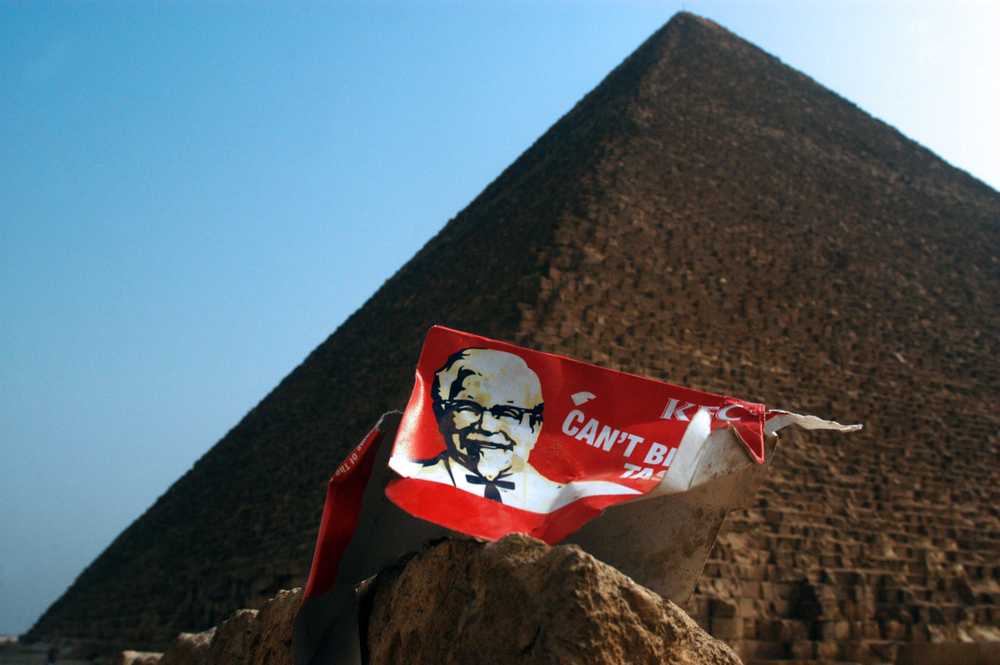
Garbage middle east pyramids

Bahrain, in the Middle East is one of the most wasteful nations on earth, according to the World Wildlife Fund’s (WWF) 2014 Living Planet Report (download the PDF here), published recently. Bahrain as the ninth worst offender in terms of the environmental impact it has on the planet, per head of population.

But Bahrain is not lonely among its neighbors: Kuwaitis, the report highlighted had biggest “ecological footprint”. They consume more resources per person than any other country in the world followed then by Qatar and the United Arab Emirates.

“We are on a totally unsustainable path … and are living beyond our boundaries,” says Marco Lambertini, general director for the WWF.

The rest of the top 10 offenders were Denmark, Belgium, Trinidad and Tobago, Singapore and the United States, with Bahrain and Sweden listed in ninth and tenth place, respectively. Funny, because Swedes consider themselves so eco-conscious. Maybe due to a bad conscience.

“The size and composition of a nation’s per capita ecological footprint reflects the goods and services used by an average person in that country, and the efficiency with which resources, including fossil fuels, are used in providing these goods and services,” the report summed up.

It continued: “If all people on the planet had the footprint of the average resident of Qatar, we would need 4.8 planets. If we lived the lifestyle of a typical resident of the US, we would need 3.9.”

Many of the poorer countries on the list, countries like India, Indonesia and the Democratic Republic of Congo had an ecological footprint that our world could sustain.

Resources monitored were based on trees being felled, groundwater pumped and CO2 being emitted faster than the earth can deal with it.

Ways Muslims can deal with excessive waste can include reusing water from prayer rituals by recycling it in gardens (for pious plants!), demanding more efficient modes of public transport and buying less packaged foods.


ChameleonsEye / Shutterstock.com

Karin Kloosterman
Karin Kloostermanhttp://www.greenprophet.com
Karin Kloosterman is an award-winning journalist, innovation strategist, and founder of Green Prophet, one of the Middle East’s pioneering sustainability platforms. She has ranked in the Top 10 of Verizon innovation competitions, participated in NASA-linked challenges, and spoken worldwide on climate, food security, and future resilience. With an IoT technology patent, features in Canada’s National Post, and leadership inside teams building next-generation agricultural and planetary systems — including Mars-farming concepts — Karin operates at the intersection of storytelling, science, and systems change. She doesn’t report on the future – she helps design it. Reach out directly to [email protected]

TRENDING

What Makes Artificial Turf Like AstroTurf Safe? University Research and Independent Testing Reveal Key Factors

A comprehensive analysis published by AstroTurf experts on turf field safety identifies several critical factors that separate premium synthetic surfaces from standard installations.

Endangered sperm whale washes ashore in southern Israel

A large sperm whale has washed ashore on Zikim Beach in southern Israel, marking only the eighth documented case of its kind along the country’s Mediterranean coast since monitoring began.

Luxury meets the textile waste stream with Coach – Bank & Vogue

A new collaboration between luxury brand Coach and textile reuse pioneer Bank & Vogue attempts to stitch those two worlds together: high fashion and the global textile waste stream.

Fishermen sue tire manufacturers on behalf of the salmon

A federal trial in San Francisco has brought US tire manufacturers, fishing groups, and environmental scientists into court over a chemical most drivers have never heard of — but which scientists say may be silently reshaping aquatic ecosystems.

Factors That Determine the Payout of Asbestos Cases

Asbestos is found in eye shadow and talc. Know your rights of this deadly environmental hazard.

Should You Invest in the Private Market?

startustartup Unlike public stock exchanges, which offer daily trading, strict...

How to build a 100-year-company

Kongō Gumi is a Japanese construction company, purportedly founded in 578 A.D., making it the world's oldest documented company. What can we learn about building sustainable businesses from them?

From Pilot Plant to Global Stage: How Aduro Clean Technologies’ 2026 Expansion Signals a Turning Point for Chemical Recycling Investors Like Yazan Al Homsi

The company's Next Generation Process (NGP) Pilot Plant in London, Ontario, has officially moved into initial operating campaigns, generating the kind of structured, repeatable data that separates laboratory promise from commercial viability.

How AI Helps SaaS Companies Reduce Repetitive Customer Support Work

SaaS products are designed for large numbers of users with different levels of experience, and also in renewable energy.

Pulling Water from the Air

Faced with water shortage in Amman, Laurie digs up...

Turning Your Energy Consultancy into an LLC: 4 Legal Steps for Founders in Texas

If you are starting a renewable energy business in Texas, learn how to start an LLC by the books.

Tracking the Impacts of a Hydroelectric Dam Along the Tigris River

For the next two months, I'll be taking a break from my usual Green Prophet posts to report on a transnational environmental issue: the Ilısu Dam currently under construction in Turkey, and the ways it will transform life along the Tigris River.

6 Payment Processors With the Fastest Onboarding for SMBs

Get your SMB up and running fast with these 6 payment processors. Compare the quickest onboarding options to start accepting customer payments without delay.

Related Articles

Popular Categories