

Photo by Miriam Kresh for Green Prophet
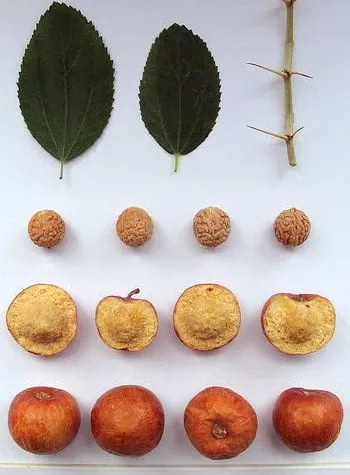
When you hear “jujube,” you might first think of the chewy, retro gumdrop candy with its brilliant red, yellow and green colors. But “jujube” started as English for sidr, the tree considered holy in Islam.
In the Koran it’s written that on the Day of Judgment the faithful, will dwell in Paradise “Among thorn-less sidr trees and clustered plantains, and spreading shade, and water gushing, and plentiful fruit.”
Perhaps because of this, sidr leaves are said to have magical, mystical properties.

Photo by Douglas Alan via Unsplash
We’ve noted the multiple medicinal qualities of the sidr fruit and mentioned the potential of the tree to hold off desertification.
Every year, one evening at mid-Ramadan, the tree shakes. The names on the leaves that fall are of those who will die in the coming year.
The sidr tree in black magic
Then there’s the intriguing use of sidr leaves as protection from black magic and the evil eye. We described what the evil eye is. Basically, it’s ill-wishing someone from feelings of envy, rivalry, and hatred.
Jealousy exists in the human heart; it can’t be shrugged off. Mature people recognize and try to overcome it; if we can’t exactly turn the other cheek, at least we hopefully move on to a healthier way of coping than secretly ill-wishing someone.
In Islamic culture, and in cultures who have lived in close quarters with Moslems, the evil eye is feared as one would fear a physical threat. In speaking of another’s child or property, it’s polite to raise one’s hand, palm outward, and say “hamsah” several times – to show there’s nothing to fear – all one’s intentions are good.
Women are especially susceptible to the suggestion of an evil eye. A pretty girl. A married woman wanting to conceive. A protective mother.
Men may fear that their success in business may cause envy, or that their virility will be impaired by witchcraft. Women are especially susceptible to the suggestion of an evil eye. A pretty girl. A married woman wanting to conceive. A protective mother.

To ward off the evil eye, a person may wear an amulet bracelet.
Or hang a five-fingered “hamsah” on the office or home wall. See our post on the evil eye and how to avoid it.

But for a person needing stronger protection, there’s another, more intimate way to deal with witchcraft and the evil eye: bathing with sidr-infused water. This is also said to expel demons.
On the positive side, the sidr tree may host the spirit of a saint. Far from pagan, pre-Islamic tree worship, the tree itself isn’t a holy object; rather, the holiness of a saint whose custom it was to sit in its shade has been transferred to the tree. For this reason, it’s considered lucky to sit or sleep under a sidr tree.
There’s a Moslem legend about a sidr tree (also known in English as a lote tree) that grows in Paradise. On its leaves are etched the names of all humans. Every year, one evening at mid-Ramadan, the tree shakes. The names on the leaves that fall are of those who will die in the coming year.
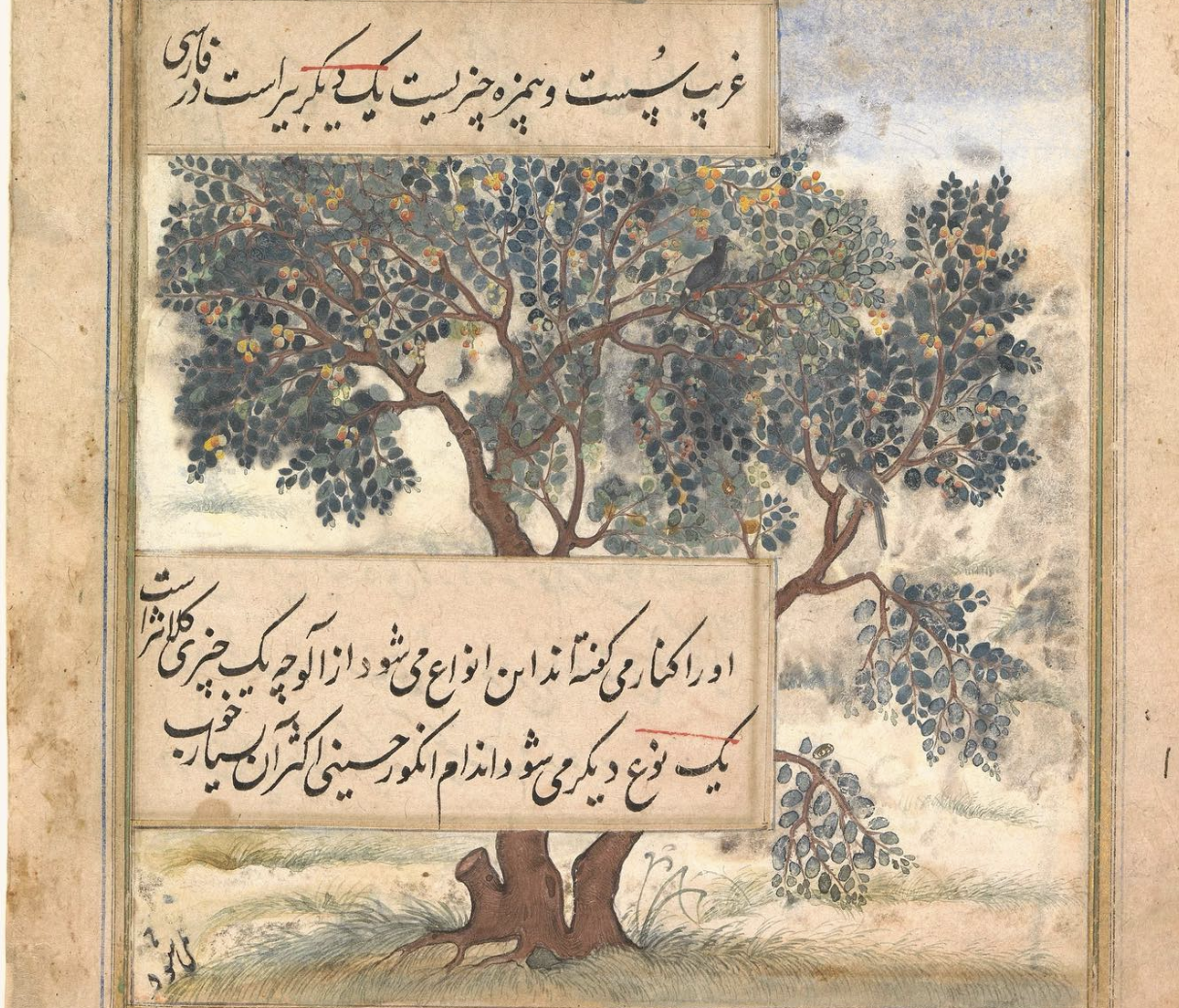
It follows that sidr once served to purify the dead. In Iran, Iraq, India, and southwestern Saudi Arabia, deceased Muslims were washed water infused with sidr leaves. The custom has apparently faded out in most countries.
A magic holy sidr bath to deflect the evil eye?
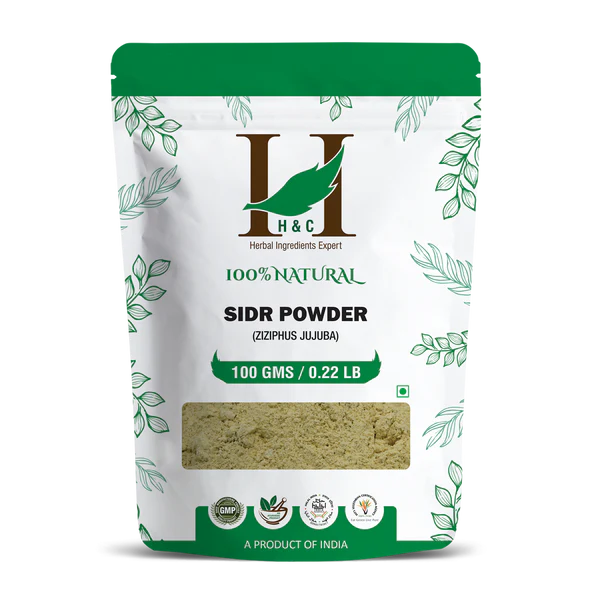
It needs 7 powdered sidr leaves stirred into a bucket of warm water. The hadith of the Prophet Muhammad allows to repeat healing prayers and verses from the Koran to increase the water’s potency. 5 grams, or 1 tablespoon of sidr powder equals 7 leaves.
Take the bucket of warm sidr water into the shower and pour it all over. It’s ok to rinse off the powder residue. Then step out of the shower, freshly immune to other people’s bad vibes.