
Sheep, goat, and buffalo milk create some of the world’s most flavorful cheeses. And if you are going an extra step and can find it, camel milk cheese might be one to try.
We tend to think of dairy as synonymous with cows, and it’s true that most commercial milk products start there. But cheeses made from the milk of other animals—sheep, goats, and water buffalo—are becoming increasingly common and often easier on digestion. Many people with mild lactose intolerance report they can tolerate these alternatives. If you’re curious about widening your cheese horizons, here’s a starter list of cheese made from non-cow milk. (DairyX makes a stretchy vegan cheese).
Feta

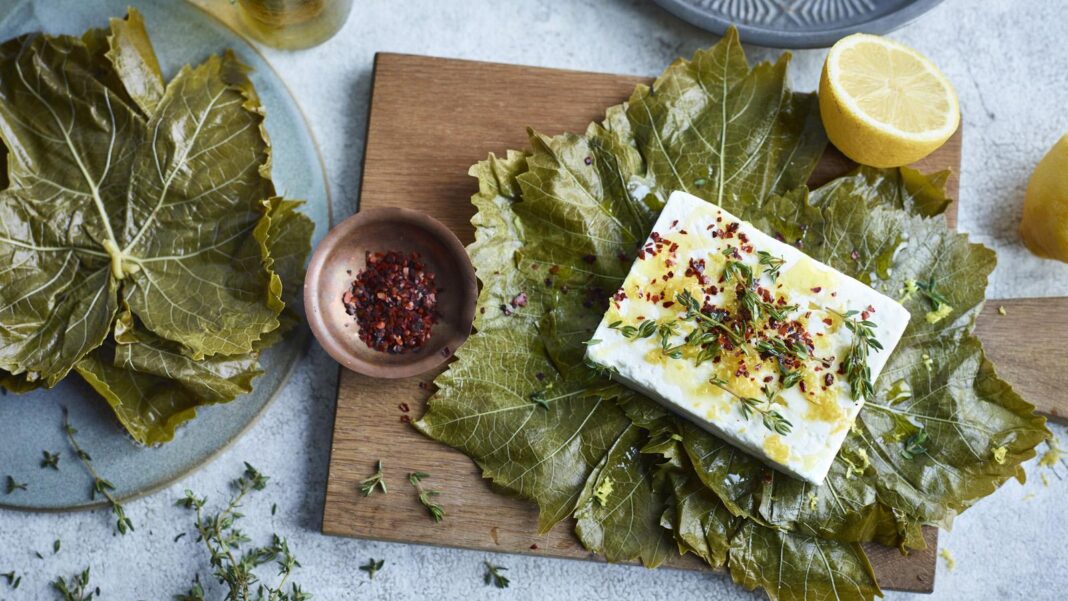
True feta is never cow-based. This classic Greek cheese is traditionally made from sheep’s milk, or a blend of sheep and goat. It’s firm, salty, tangy, and ideal for salads or pastries like spanakopita. Authentic feta is usually sold in blocks, with a crumbly, dry texture full of little fissures. Cow-milk “feta-style” products exist, so check labels if you want the real deal. Here is a feta dish you can make worthy of a Michelin star.
Manchego
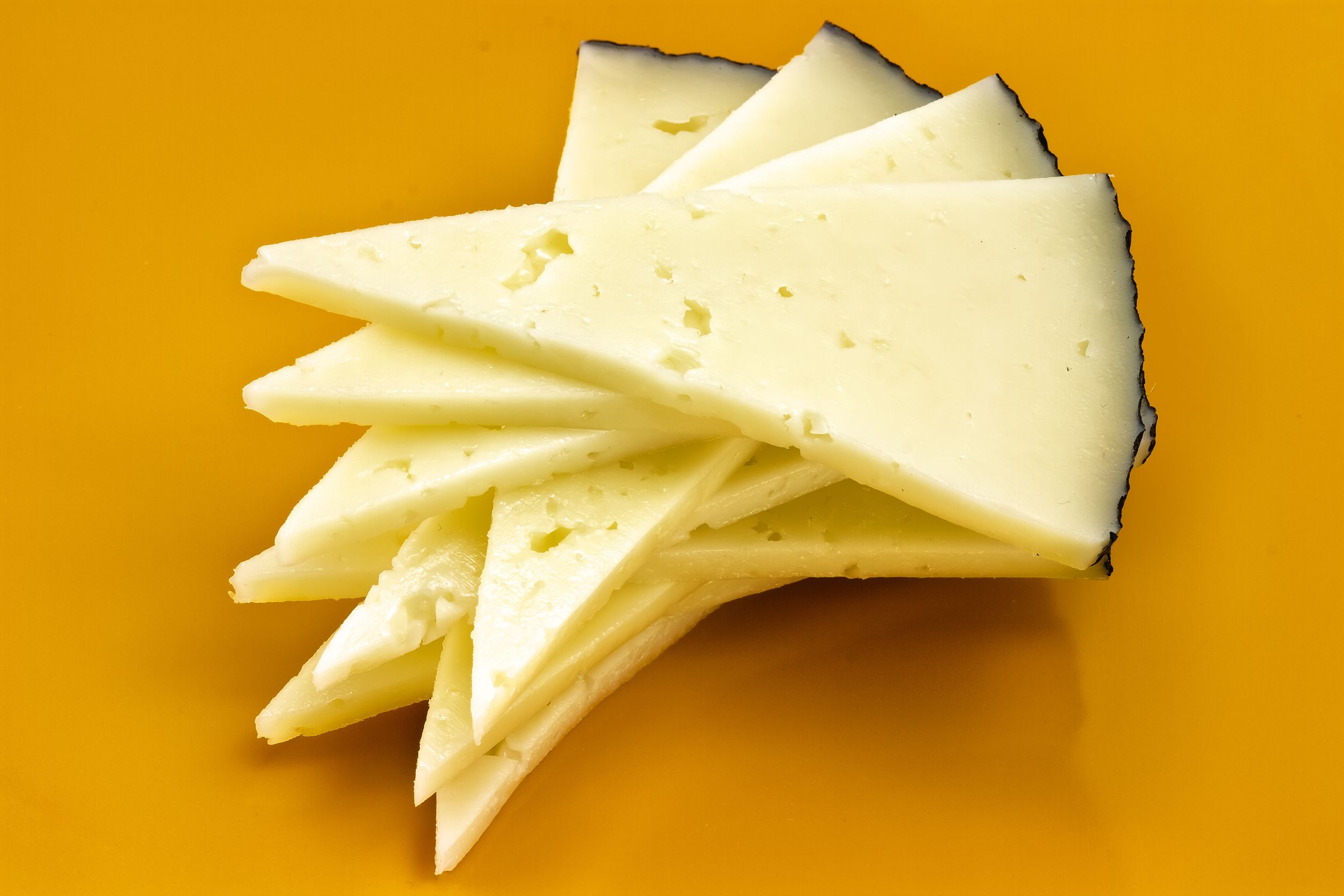
This is an iconic Spanish cheese comes exclusively from the milk of Manchega sheep raised in the La Mancha region. It ranges from semi-soft to firm depending on how long it’s aged. A buttery interior and a signature herringbone pattern on the rind signal authenticity, along with the official D.O. (Designation of Origin) marking. Curado (aged 3–6 months) is smooth, slightly sharp, and perfect on sandwiches or a tapas plate.
Buffalo Mozzarella

Mozzarella di bufala is produced from the milk of Italian water buffalo, especially in the provinces of Caserta and Salerno. Its creamy, silky texture is notoriously difficult to replicate with cow’s milk. Real buffalo mozzarella carries protected status in Italy. Counterfeits exist globally, but the authentic version has an unmistakable richness and delicate tang. Loads of TikTok videos suggest how easy it is to make. It’s not. But this salad, a caprese is easy to make after you’ve bought some mozzarella from the deli. Fresh mozzarrela should be floating in water, not hard in a bag like cheddar. The hard stuff will work for pizza but the fresh stuff is a million times tastier.
Labbaneh / Lebbene

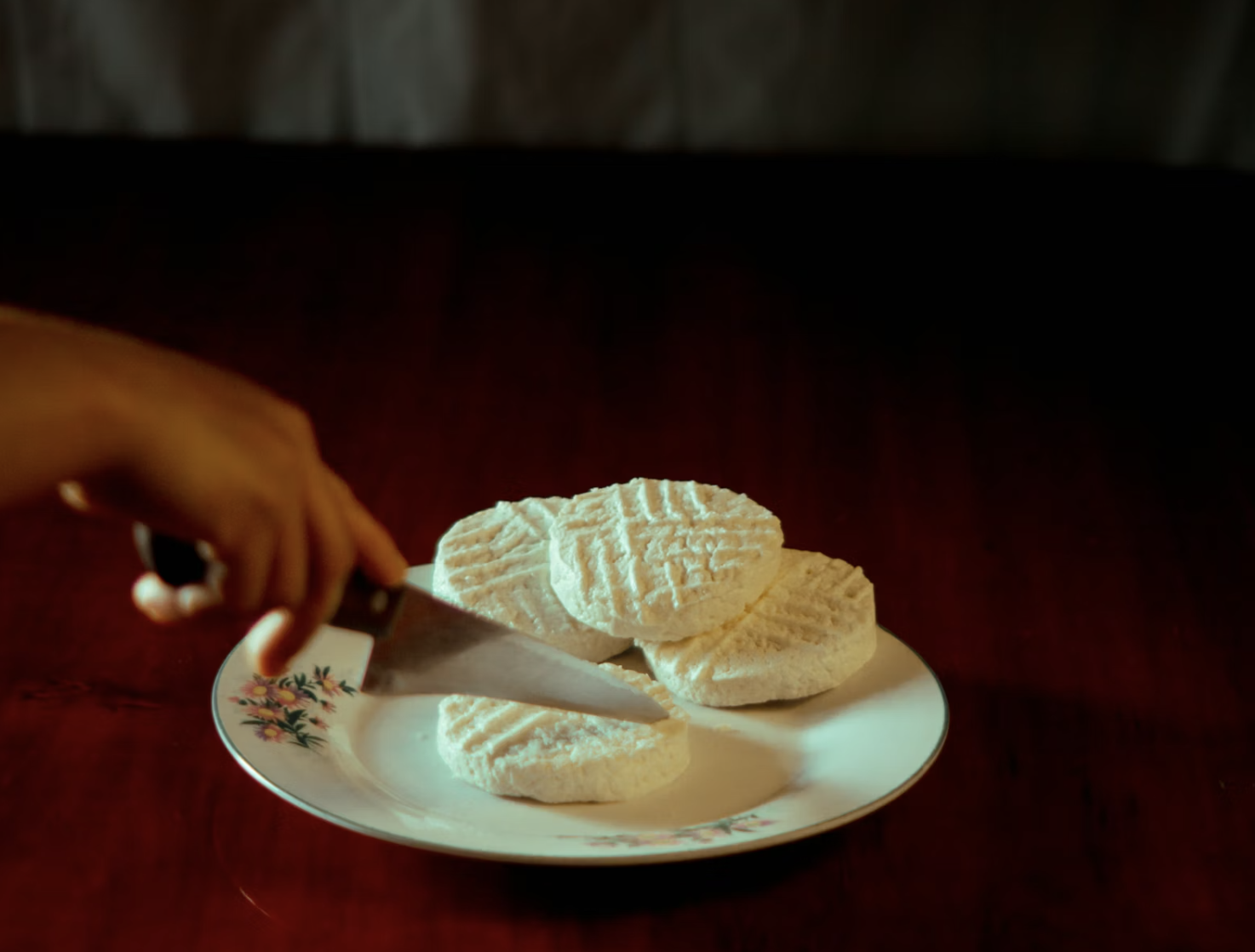
Common across Israel and the Mediterranean, labbaneh, labne, or labaney is a soft, tangy yogurt-style cheese made largely from sheep’s milk (though goat versions exist). It’s often shaped into small balls and stored in olive oil, sometimes rolled in herbs like za’atar. It might taste “off” when you first try it but the tang of the cheese grows on your. Spread it on bread, serve with vegetables, or add it to a breakfast mezze. It’s so simple that many home cooks make their own. We take 2 parts labne, 1 part heavy youghurt with a quarter cup of olive oil and wrap it inside laffe bread. Yummy. Here is a recipe for labne here you make from yoghurt.
Humboldt Fog
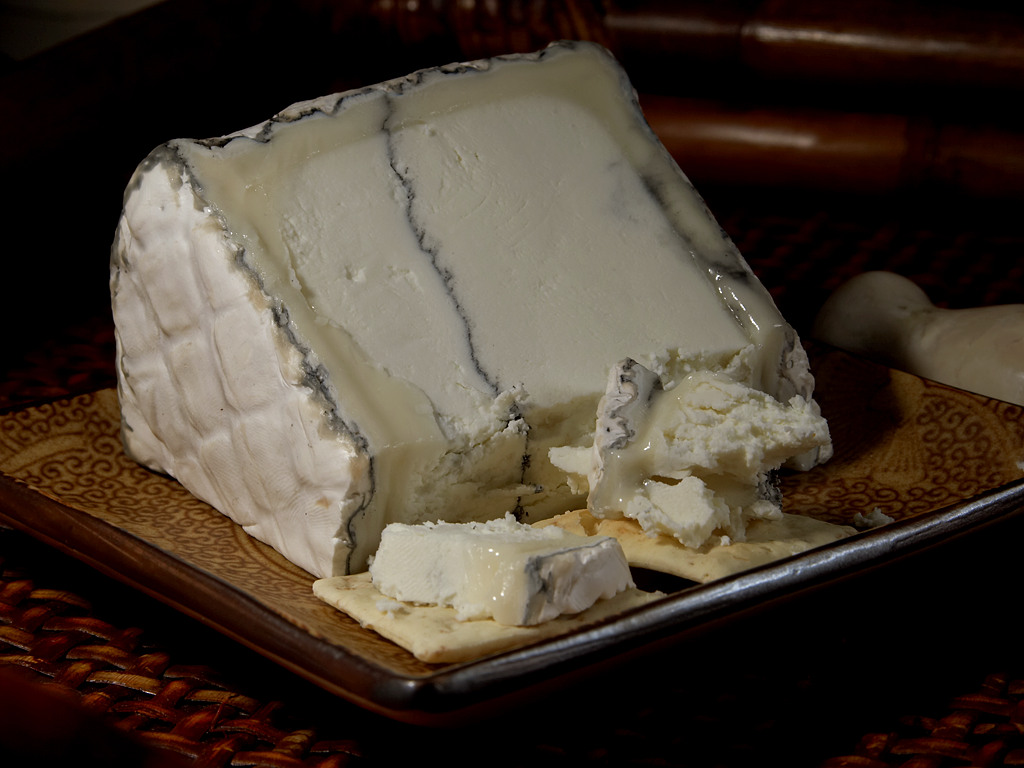
Created by Cypress Grove in Northern California, Humboldt Fog is an American original made from goat’s milk. Its signature ash line running through the center helps it ripen from the outside inward. The result is a cheese that starts crumbly but becomes increasingly creamy over time, with gentle acidity and a more intense flavor near the rind. It’s excellent on a cheese board or melted over vegetables.
Halloumi
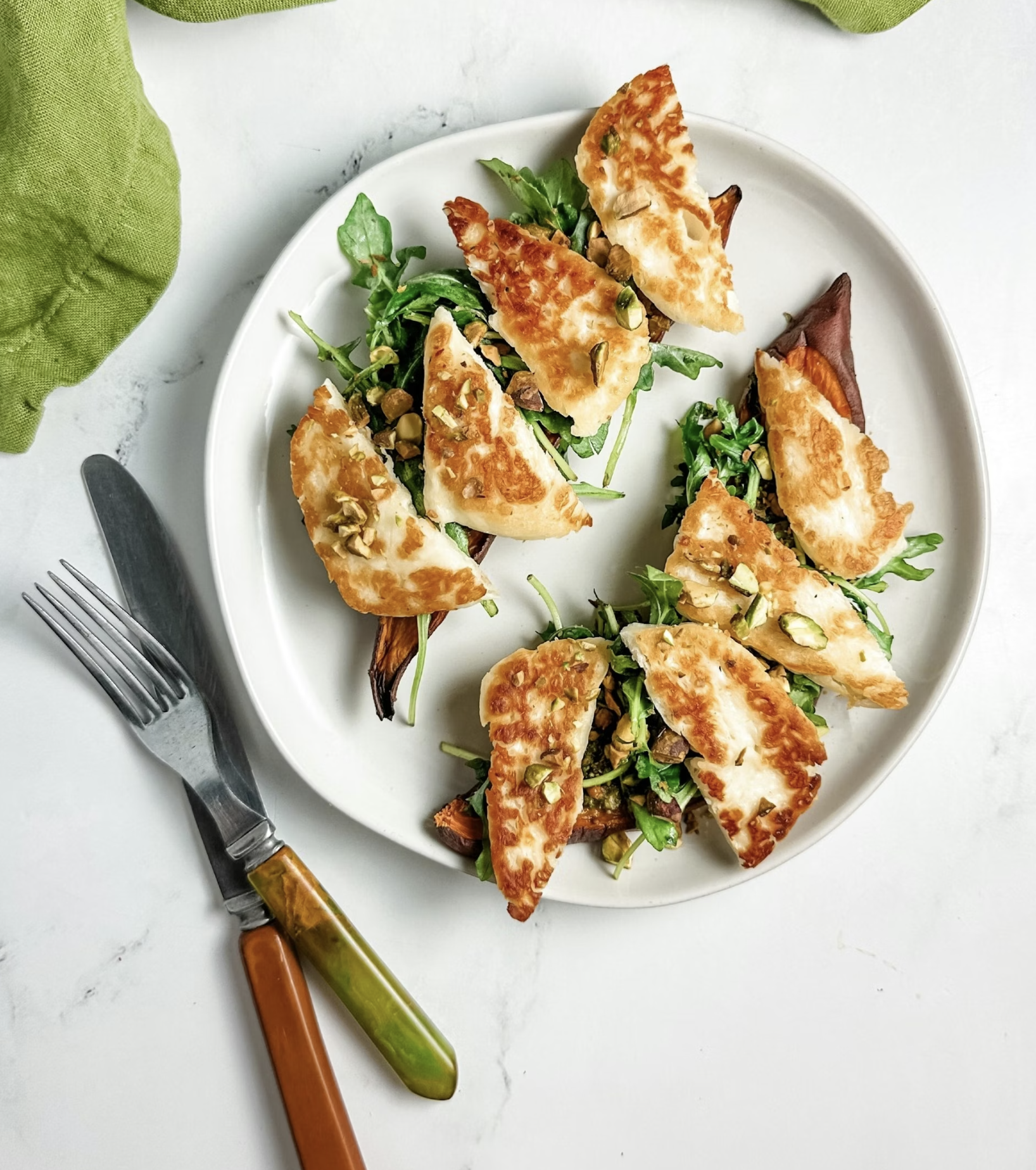
Originating in Cyprus, halloumi is a mixture of sheep and goat milk. Its springy texture and high melting point make it ideal for grilling or frying—so much so that people often mistake grilled halloumi for chicken. Traditionally aged and unpasteurized, it’s now beloved throughout the Eastern Mediterranean and far beyond.
We even have an Amish friend in Ontario, Canada making her own halloumi and selling it in markets in Toronto. It’s texture is a delight and it’s best served fried or grilled. Our friend says that one avoids a strong goat cheese flavor when the goats are kept clean and no urine makes it into the cheese. Reminds us of the expensive cat poop coffee, or argan oil made from nuts that come from a goat’s butt.
Halloumi chews squeaky. Sort of like rubber sneakers in a newly painted mall parking lot floor. It’s kind of neat though, also a bit annoying.
Pecorino
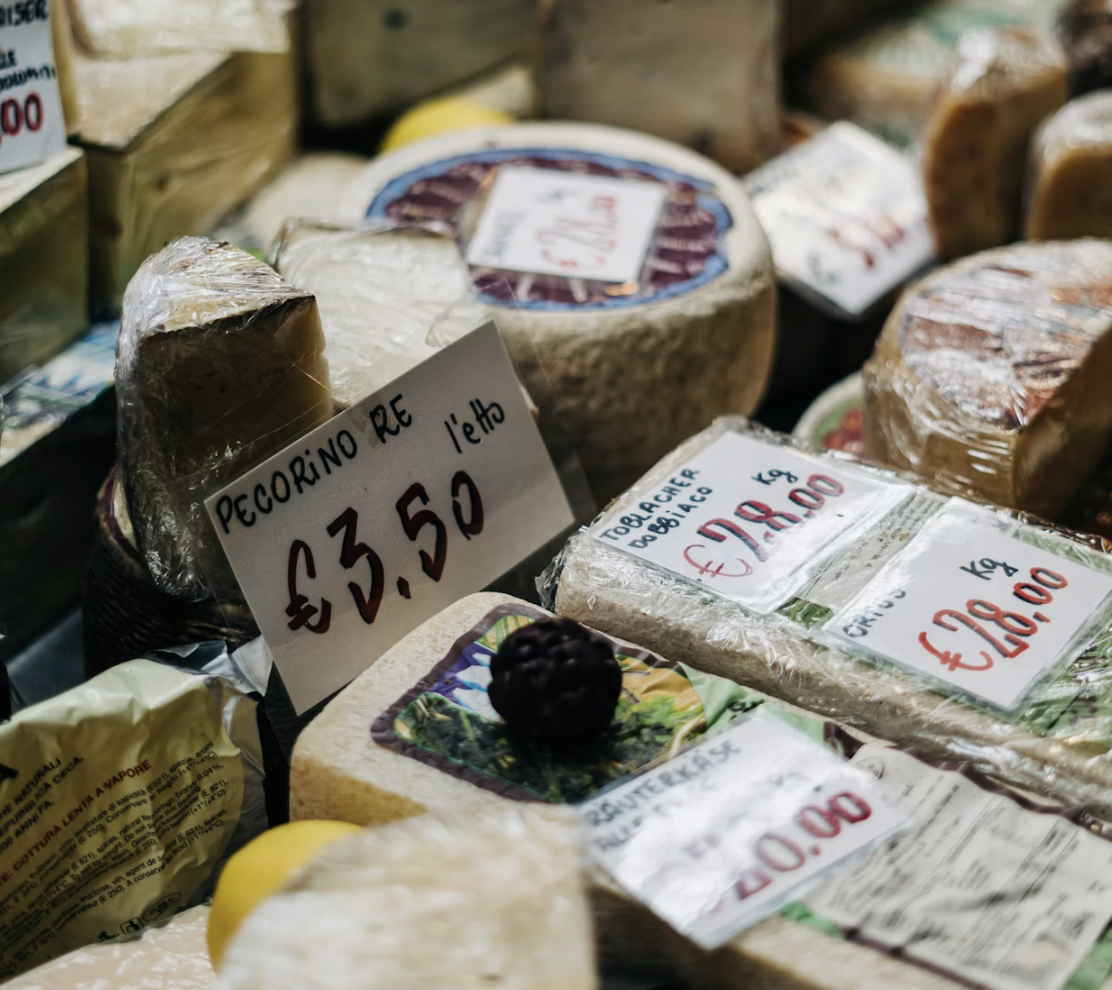
Pecorino simply means “sheep’s milk cheese” in Italian, and it’s a key member of the great Italian cheese families. Pecorino Romano is the version most commonly found outside Italy—salty, sharp, and a great substitute for parmesan. Other regional styles include Pecorino Sardo (Sardinia), Pecorino Siciliano (Sicily), and Pecorino di Filiano (Basilicata). All add depth to pastas, pizzas, and anything deserving a savory kick.
Tzfat Cheese
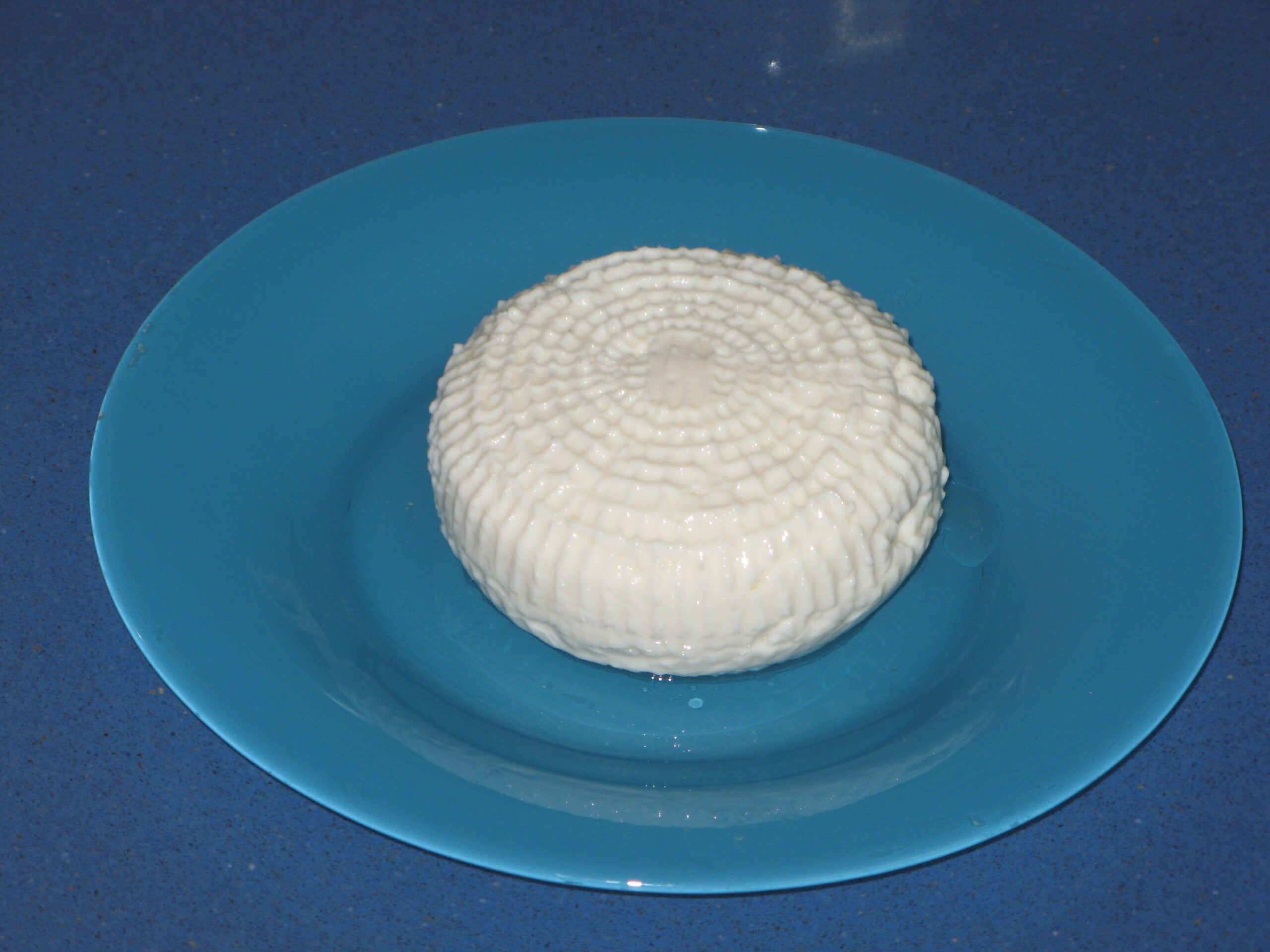
Produced in the northern Israeli city of Tzfat since the 19th century, this semi-hard cheese was originally made from sheep’s milk. Today you’ll find versions made from goat and cow milk too. The HaMeiri family—descendants of the early cheesemakers—still crafts a traditional sheep-milk variety using free-range animals milked by hand. The small family factory offers tastings and tours. (See also Goat’s With the Wind)
Roquefort
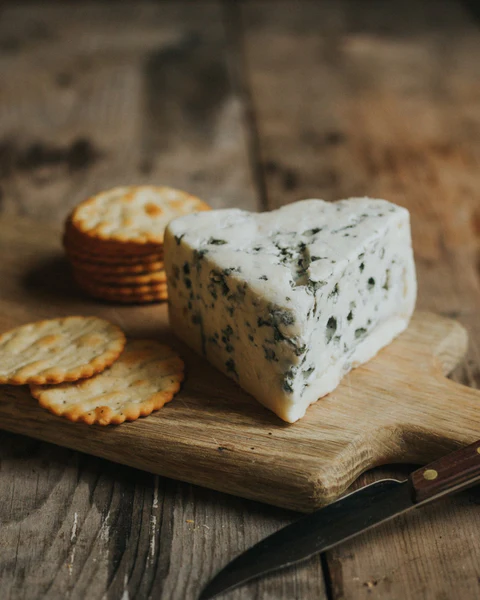
One of France’s most renowned blue cheeses, Roquefort is made from the milk of Lacaune sheep and aged in limestone caves. Legend says a shepherd abandoned his lunch—bread and fresh ewe’s cheese—to chase after a woman. Months later he returned to find the cheese transformed by blue-green mold into what we now call Roquefort. Its veins create a sharp, smoky tang that pairs beautifully with nuts, figs, or crusty bread.