

Investors should require independent KPIs: energy intensity (kWh/m³) for desal plants, verifiable renewable MWh, biodiversity baselines, and public reporting aligned with GRI/SASB—rather than relying on glossy pledges.
Saudi Arabia is in the midst of a once-in-a-century transformation. Vision 2030 is pushing the Kingdom to diversify away from oil through massive investment in tourism, logistics, manufacturing, and technology—while developing renewable power and modernizing water infrastructure. For investors, the upside is real: multibillion-dollar project pipelines, incentives in special economic and industrial zones, and a government willing to co-invest. The risks are real too: execution delays on gigaprojects, policy uncertainty (e.g., the regional HQ mandate), and reputational scrutiny around sustainability and governance.
Tourism is Vision 2030’s marquee growth engine. Saudi Arabia surpassed 100 million visits in 2023 and is now targeting 150 million by 2030, according to UN Tourism and official statements. Can it be the new Bali or Phuket? The Government website notes that about 20 million tourists come to Mecca every year as holy Hajj pilgrims, however. So numbers don’t reflect traditional western style tourism.
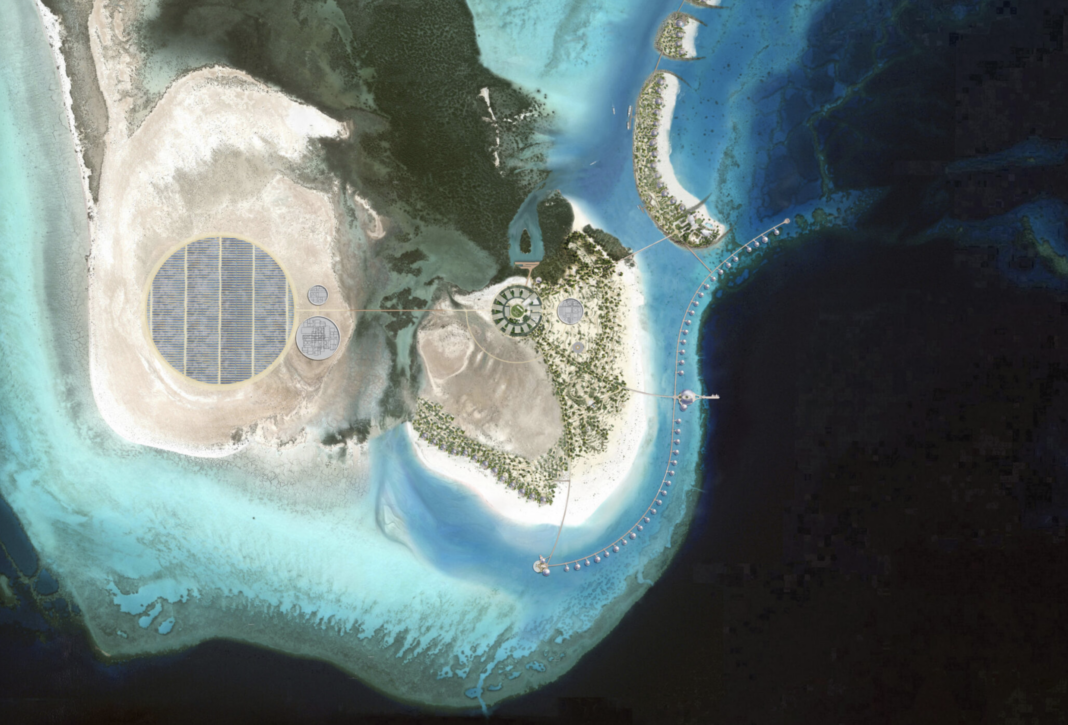
In 2024 the Kingdom counted roughly 116 million domestic and inbound trips; in early 2025, authorities reported triple-digit growth in international arrivals off a relatively new base. On the ground, luxury coastal destinations led by Red Sea Global are opening in phases (e.g., St. Regis and Six Senses islands), positioned around net-zero energy claims, mangrove restoration, and stringent construction controls.
See on-the-ground Green Prophet reporting: Red Sea Islands: Luxury Tourism & Sustainability, Shebara Resort, Shebara pod hotel pricing, Sheybarah sea pods. The Financial Times frames the broader tourism pivot (>US$1 trillion ambition) and its contradictions (e.g., alcohol policy, social norms).
Industrial Parks, Special Economic Zones, and the HQ Mandate
Knowing that its oil days are limited, Saudi Arabia is courting manufacturers and service firms into MODON industrial cities and Special Economic Zones (SEZs) with land, infrastructure, and fiscal incentives. Explore MODON’s official resources: MODON portal, Industrial Cities list, Cost of Industry.
Regulatory leverage is also in play: since 2024, companies seeking Saudi government contracts must hold a regional headquarters in Riyadh. Reuters and policy trackers have covered the mandate and its enforcement. BNY Mellon, Goldman Sachs and others have obtained RHQ licenses as the King Abdullah Financial District gains tenants—yet analysts still flag competition from Dubai and the need for continued legal and regulatory clarity. Dubai or Riyadh? This source explains that in Saudi Arabia your business taxes will be about 20% and you will need to pay a 2.5% religious tax called zakat.
Despite progress, FDI inflows have been uneven: net FDI dipped in Q1 2025 and officials acknowledge the stretch target of US$100 billion annually by 2030.
NEOM: Visionary Scale Meets Delivery Reality

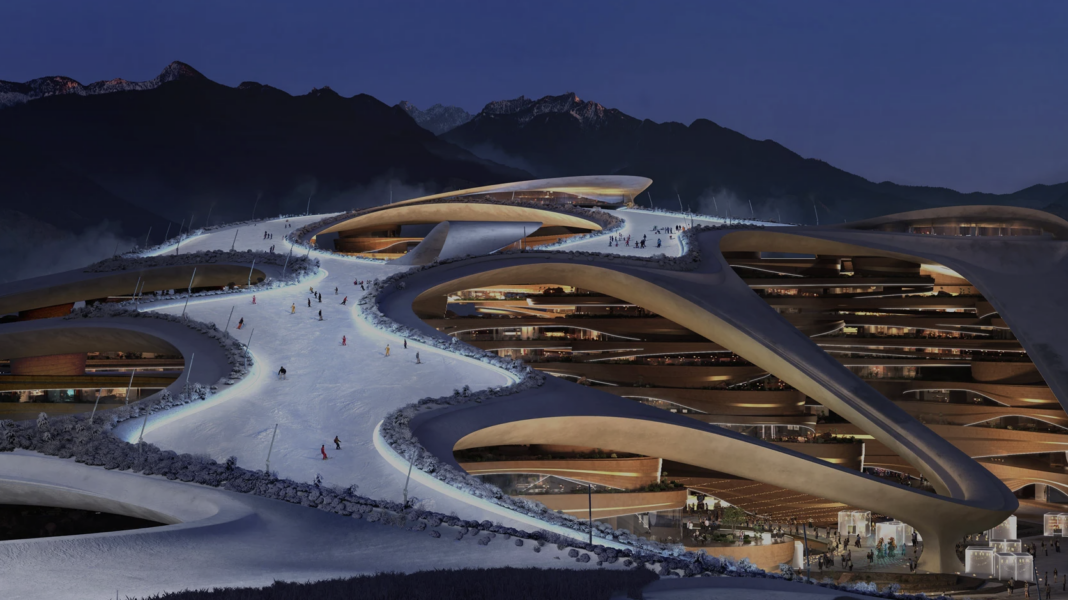
NEOM anchors the northwest “giga-project” slate: The Line (urban spine), Oxagon (industrial hub), Trojena (alpine resort), Sindalah (island), Jaumur marina community, plus a world-scale green hydrogen complex. Recent reporting also notes write-downs and re-phasing across giga-assets at PIF—important context for timelines and returns.
- NEOM is Saudi’s mega-green Gotham city
- “15-minute city” life critique
- Jaumur marina resort
- World’s largest green hydrogen plant at NEOM
Power, Water, and the Energy–Water Nexus (Why It Matters to Investors)
Saudi electricity is still dominated by oil and gas, but the renewables build-out accelerated in July 2025: ACWA Power, Badeel (PIF) and Aramco Power signed US$8.3 billion worth of PPAs across five solar and two wind projects (15 GW). Foreign-press and official releases confirm the scale and strategy.
Why this matters: water. The Kingdom is the world’s largest producer of desalinated water via SWCC; policy is shifting from thermal (MSF) to high-efficiency RO, reducing energy intensity and easing integration with solar. Official reports and technical papers outline the capacity and technology pivot.
Green Prophet coverage offers investor-friendly context on water modernization and finance: US$650M desalination modernization, Yanbu-4 clean-energy desal, Japanese RO tech at Shoaiba.
Successes Worth Noting
- Tourism delivery: Early Red Sea openings (LEED Platinum claims, 100% solar operations, mangrove planting) and steady AlUla programming point to credible, phased execution that can scale if flight capacity, visas, and service standards keep pace.
- Grid transition: Utility-scale renewables and fast-growing battery storage are now central to capacity planning; financing costs and Chinese supply chains have helped unlock low PPA prices.
- Mega-events and place-branding: Expo 2030 company (PIF) was stood up to deliver venues and operations—an important governance signal for schedule discipline.
Challenges and Friction Points

- Execution risk on gigaprojects: PIF’s 2024 annual report reflected an ~US$8 billion write-down across flagship projects, underlining re-sequencing and scope changes. Investors should model delays and phasing.
- FDI momentum vs. mandates: The regional HQ rule is working for some global banks and managers, yet overall FDI remains below 2030 ambitions. Expect continued incentive sweeteners—and compliance checks on local presence and spend.
- Social norms & market access: Policy changes—alcohol bans, content and attire rules, and due-process concerns—can affect Western consumer sentiment and partner risk committees. The FT analysis is a useful primer for brand and events teams.
- Higher taxes, at 20% and a mandatory religious tax called zakat of 2.5%.
- “Green PR” vs. measurable sustainability: Saudi spends heavily on global design and comms. Investors should require independent KPIs: energy intensity (kWh/m³) for desal plants, verifiable renewable MWh, biodiversity baselines, and public reporting aligned with GRI/SASB—rather than relying on glossy pledges. See Saudis killed and family jailed during The Line construction.
Due-Diligence Checklist for Investors
- Water–energy math: For hotels, industrial tenants, and data centers, model electricity demand and indirect water footprint (power cooling + desal). Track the grid mix where your load interconnects.
- Local-content & HQ policy: Budget for the RHQ requirement (governance, staffing, leases) to access government contracts.
- Zone incentives vs. obligations: In MODON and SEZs, confirm land tenure, utility tariffs, import rules, arbitration venue, and exit mechanics.
- Tourism demand realism: Separate Muslim pilgrimages to Mecca, VFR, and true international leisure segments when forecasting ADR/RevPAR in Red Sea or AlUla corridors.
- ESG verification: Ask for third-party audits on energy, water, waste, and nature impacts; evaluate desal technology (RO vs. thermal) and brine handling. Current Middle East developers and investors, and compliant architects in the Middle East are easy to tout “eco-successes” when none in fact are in place. See our article on the Aga Khan Prize and the ever-present greenwashing in the Middle East.
Want to invest in the Middle East? Jump Into the Free Green Prophet Archive—Saudi & Regional Context
- Saudi Arabia’s $650M bet on desalination
- Saudi digitizes 100,000 trees
- Red Sea tourism & sustainability
- Shebara Resort profile
- Shebara pod pricing
- Sheybarah sea pods
- Yanbu-4 clean-energy desal
- Wild plant survey (NCVC)
- How degraded is the Saudi desert?
- Ibex Protected Area/Green List
- Maraya mirror hall, AlUla
- AlUla/Hegra visitor guide
- Glamping on dead volcanoes
- “Dream of the Desert” luxury train
- David Popa at Hegra
- Heatherwick Jeddah museum (ex-desal plant)
- NEOM overview (critique)
- NEOM “15-minute city” life
- NEOM Jaumur marina
- NEOM green hydrogen plant
- RedSea Farms scales in KSA
- RedSea hot-climate greenhouses
- RedSea expands to Egypt
- Aramco invests in RedSea Farms
- Saudi wins Expo 2030
- The Mukaab (“new Kaaba”)
- Shoiaba RO membranes