

Scientists at Ben-Gurion University in Israel have made a surprising discovery: even desert soil with no living things in it can release greenhouse gases — the same kinds of gases that help heat up our planet.
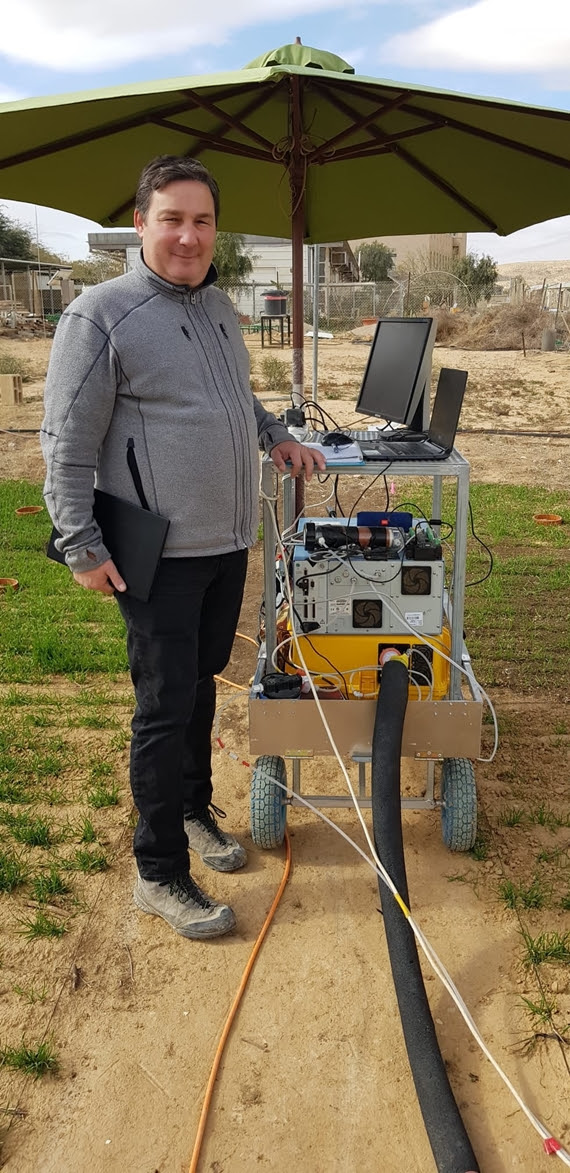
The research was done by Dr. Isaac Yagle and Prof. Ilya Gelfand at the Blaustein Institutes for Desert Research. They wanted to know what causes the big bursts of gases like carbon dioxide (CO₂), nitrous oxide (N₂O), and nitric oxide (NO) that happen in deserts right after it rains.

Most scientists used to think this “gas burst” only happened because of tiny living things in the soil called microbes. These microbes breathe out gases when they wake up after getting wet.
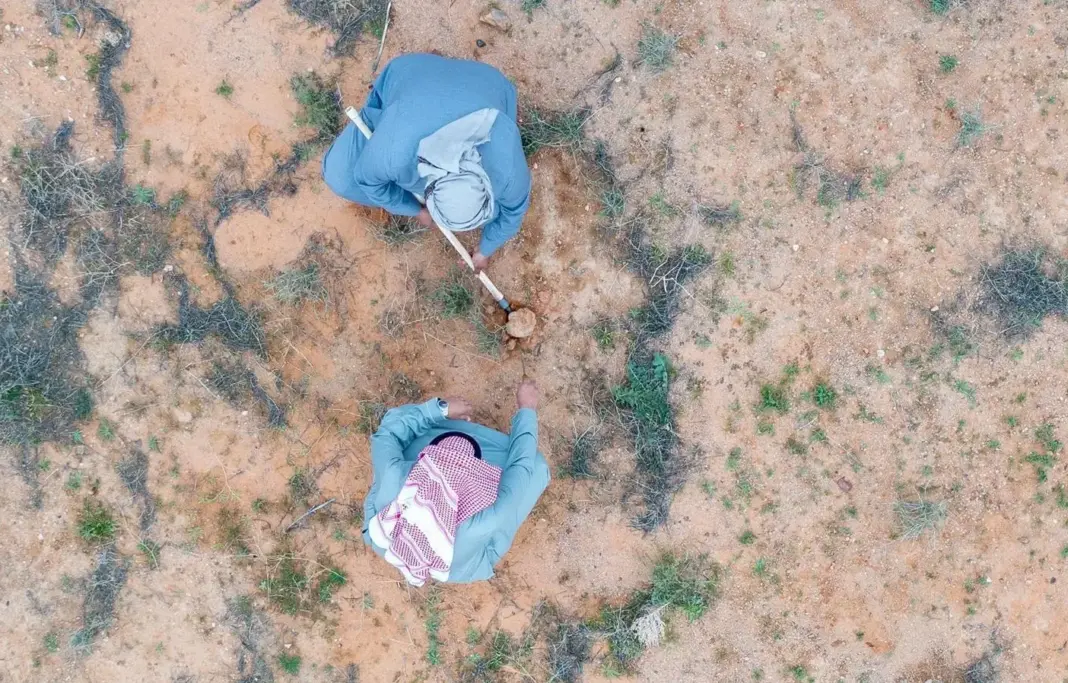
But here’s the shocker: the team collected soil from near the Dead Sea and then used strong radiation to kill almost all the living things in it. When they added water, the “dead” soil still gave off large amounts of N₂O and NO — in fact, sometimes more than the soil with living microbes! The gases came out within minutes of the soil getting wet.
The scientists say this means chemistry — not just biology — is causing these quick bursts of gases. Reactions between chemicals in the soil, like nitrogen compounds, can create greenhouse gases even without life.
For CO₂, the live soils still released more, but even the “dead” soils made some CO₂ through chemical reactions and by releasing gases already trapped in the dirt.
This is important because deserts and drylands are spreading around the world as the climate changes. Rainfall in these places is also becoming more unpredictable, so wet-dry cycles may happen more often. That could mean more greenhouse gases being released into the air than scientists had thought.
For climate science, this new research means:
-
Updating emission models to include non-living (abiotic) processes in deserts and semi-arid regions.
-
Reassessing the global greenhouse gas budget, since drylands already cover ~40% of Earth’s land and are expanding.
-
Factoring in more frequent wet–dry cycles due to climate change, which could increase these sudden emissions.
-
Recognizing deserts as more active players in atmospheric chemistry and warming than previously thought.
The team says climate models — the big computer programs used to predict future climate — need to include these “abiotic” (non-living) gas releases. If they don’t, they might underestimate how much deserts contribute to climate change.