

A rare and intricately carved Roman marble sarcophagus, dating back 1,700 years, has been unearthed during a rescue excavation by the Israel Antiquities Authority (IAA) in the ancient port city of Caesarea. The find, described by archaeologists as “spectacular and unique,” features a vivid mythological scene of a drinking contest between Dionysus—the god of wine—and the hero Heracles (Hercules).
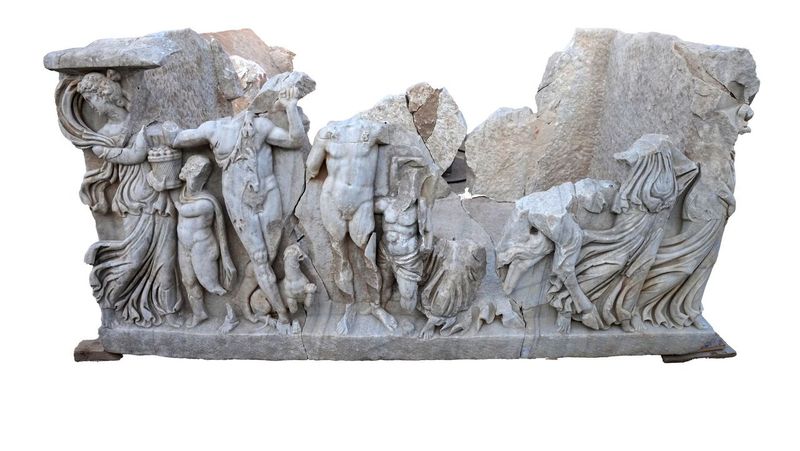
This marble coffin may be the oldest “party scene” ever found in Israel—and it’s carved in stunning detail.
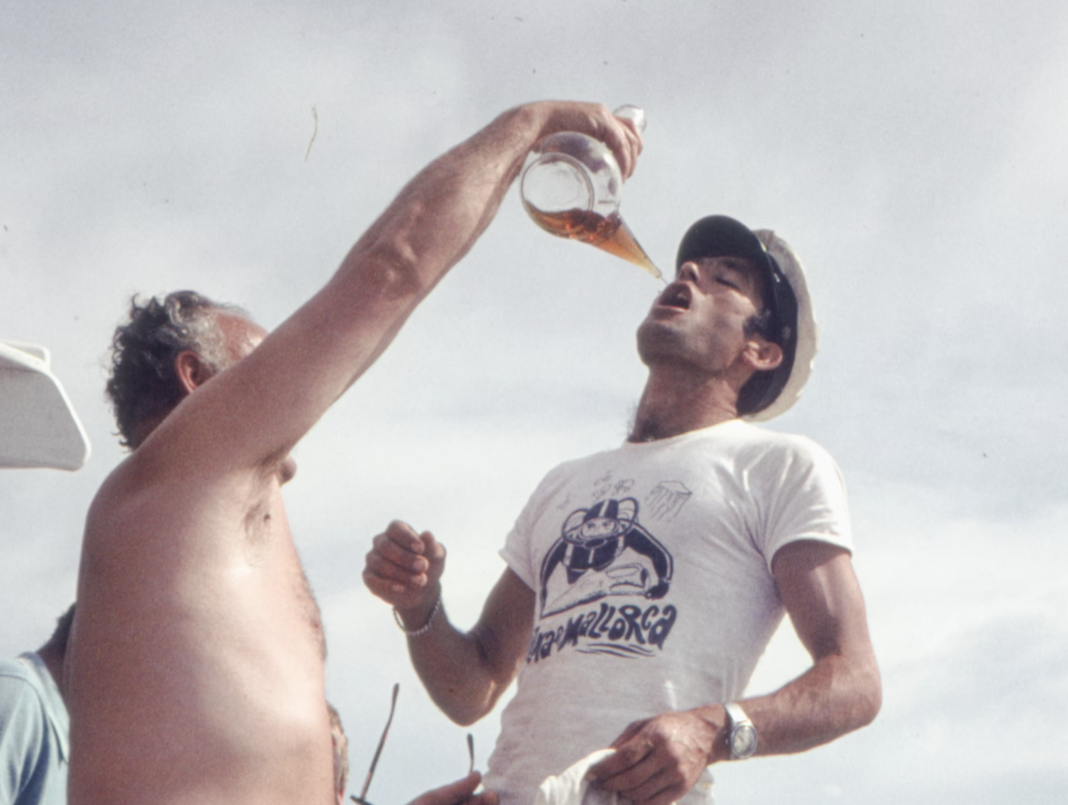
Instead of red Solo cups and keg stands, this ancient drinking game involved gods and demigods slugging it out in style. The scene on the sarcophagus shows Dionysus, the god of wine and wild nights, going head-to-head with Hercules, known for his brute strength and legendary hangovers.
Caesarea, home of the original drink-off?
The excavation was launched by the IAA in collaboration with the Caesarea Development Corporation, which has been working to preserve and restore the historical treasures of the city.
Carved in high relief on gleaming white marble, the sarcophagus depicts the legendary showdown between Dionysus (known in Roman mythology as Bacchus) and Heracles, a symbolic battle of indulgence and strength. In classical mythology, Dionysus challenges Heracles to a drinking contest—a moment of revelry that showcases the god’s cunning and command over pleasure.
Related: why Muslims don’t drink alcohol
Experts believe the sarcophagus once belonged to a high-status individual—likely Roman or Romanized elite—interred in Caesarea during the 3rd or 4th century CE, when the city thrived under Roman rule.
“This is the first sarcophagus of its kind found in Israel with this specific mythological scene,” said Dr. Peter Gendelman of the IAA. “Its craftsmanship, condition, and content are exceptional.”
Founded by Herod the Great and once a glittering Roman provincial capital, Caesarea Maritima remains one of Israel’s most archaeologically rich sites. Finds from recent years have included Roman-era mosaics, Byzantine churches, and Crusader fortifications—but this sarcophagus, with its mythological imagery and well-preserved artistry, stands out.
“This discovery adds a rich new layer to our understanding of Roman funerary culture in the eastern Mediterranean,” noted Dr. Helen Goldstein, classical art historian at Tel Aviv University. “The depiction of Dionysus and Heracles is not only artistic—it reflects the spiritual and cultural values of the elite in late antiquity.”
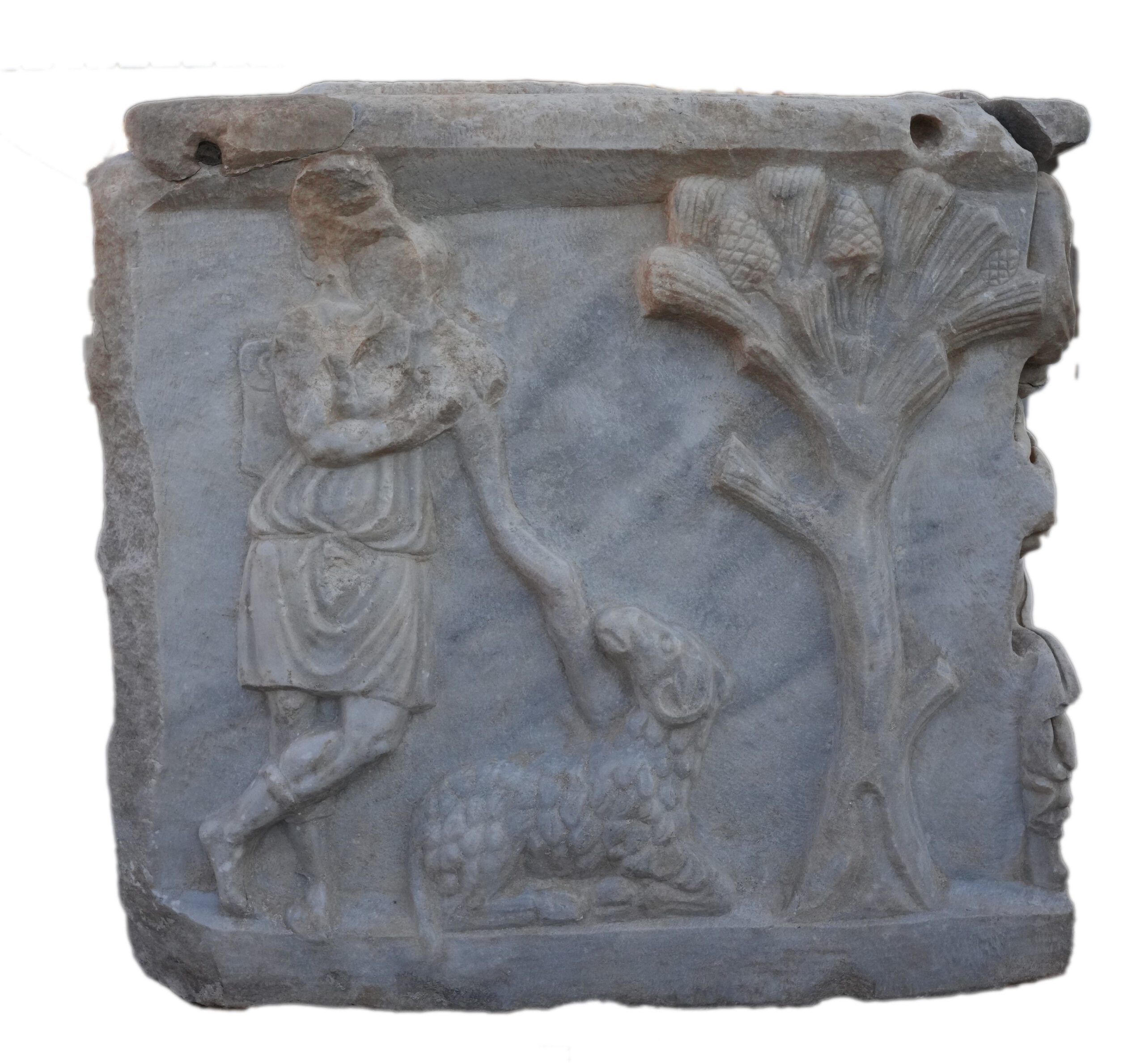
The sarcophagus will be formally presented to the public on Thursday, June 12, where it is expected to draw significant interest from scholars and heritage professionals. Conservation experts are currently studying the piece, and plans are underway to display it in Caesarea or at a national museum.
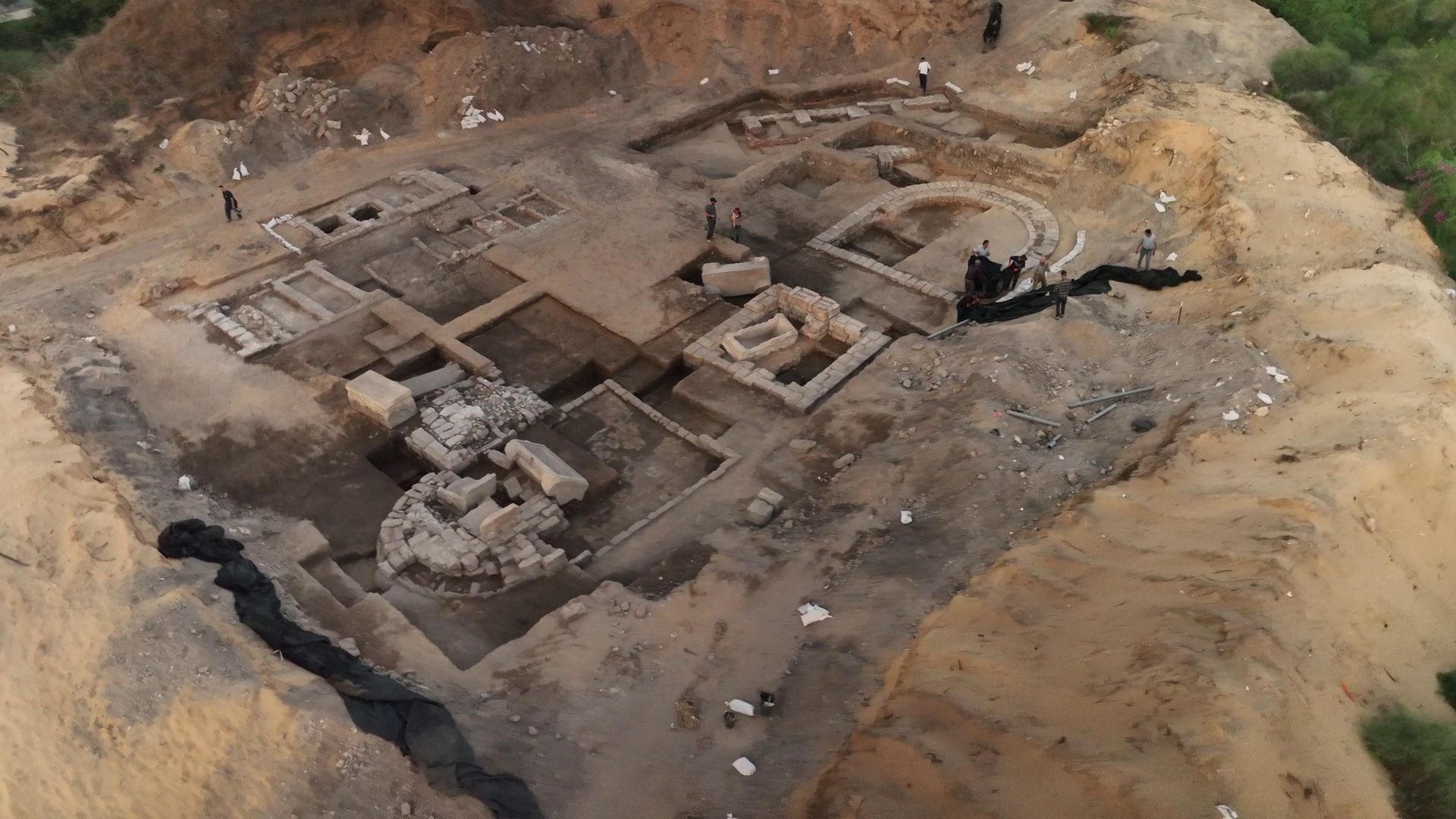
The IAA continues to urge developers and landowners to coordinate in advance with heritage authorities, as salvage excavations like this one often reveal irreplaceable cultural treasures.
So next time you’re playing quarters or stack cup, raise a glass to Dionysus and Hercules—the original players of the ancient world.