The term “climateflation” means the intertwined challenges of climate change and inflation. This phenomenon poses significant threats to economies worldwide, and the countries of the Middle East are no exception. From resource depletion to extreme weather events, the region faces unique risks exacerbated by the dual forces of climate change and inflation. In this article, we look at the impact of climateflation on Middle Eastern nations, highlighting key risks and proposing potential solutions.
Saudi Arabia: Oil Dependency Under Threat

Biggest Risks and Problems: Saudi Arabia, heavily reliant on oil revenues, faces the dual challenge of declining oil prices due to shifts towards renewable energy and the inflationary pressures driving up costs domestically. The country’s economy is vulnerable to the volatility of global oil markets and the increasing frequency of extreme weather events, such as heatwaves and dust storms.
Possible Solutions: Diversification of the economy away from oil, investment in renewable energy sources like solar power, and implementing sustainable water management strategies to mitigate the impacts of climate change. It is trying through its investment in alternative areas of energy (hydrogen – see ACWA) and tourism (Neom) to bring Saudi into the 21st century.
United Arab Emirates: Vulnerability of Coastal Infrastructure
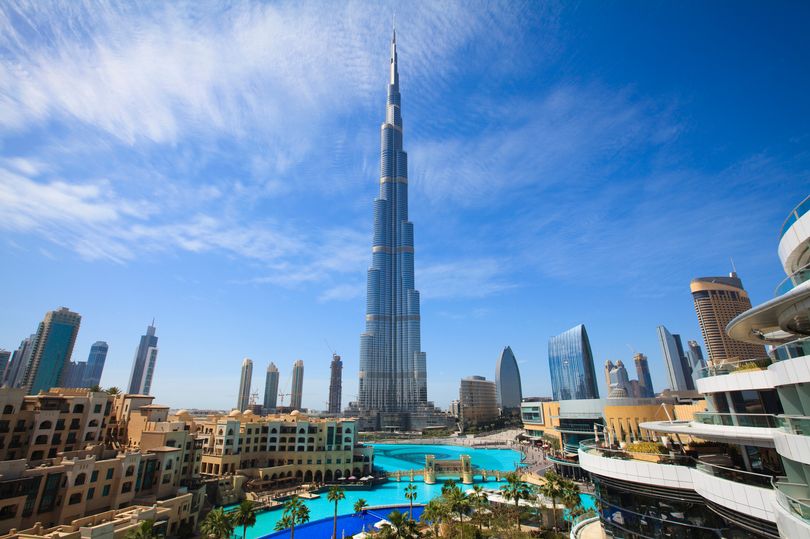
Biggest Risks and Problems: As a nation with a significant portion of its population and infrastructure located along the coast, the UAE is particularly susceptible to rising sea levels and extreme weather events. Inflationary pressures further strain the government’s ability to invest in climate adaptation measures and infrastructure resilience.
Possible Solutions: Investment in coastal protection measures, sustainable urban planning to mitigate flooding risks, and incentivizing businesses to adopt eco-friendly practices. Invest in ecological waste removal for building projects – see Burj. See: Burj built without thinking where the poop will go. The UAE has also been investing in sustainable aviation fuels (SAF).
Qatar: Water Scarcity and Agricultural Challenges

Biggest Risks and Problems: Qatar’s arid climate and limited freshwater resources make it highly vulnerable to water scarcity, exacerbated by climate change. Inflation compounds the challenges faced by the agricultural sector, which relies heavily on imported food due to limited domestic production capacity.
Possible Solutions: Implementation of water conservation measures, investment in desalination technology, and promotion of drought-resistant crops to enhance food security. See Doha’s agriculture convention.
Kuwait: Energy Intensive Economy at Risk

Biggest Risks and Problems: Kuwait’s energy-intensive industries, including oil refining and petrochemicals, contribute significantly to greenhouse gas emissions and environmental degradation. Inflationary pressures drive up production costs, posing challenges to the country’s economic competitiveness in the global market.
Possible Solutions: Transitioning towards renewable energy sources, improving energy efficiency in industrial processes, and diversifying the economy to reduce dependence on oil revenues.
Iran: Environmental Degradation and Socioeconomic Impacts
Biggest Risks and Problems: Iran faces a multitude of environmental challenges, including air and water pollution, deforestation, and soil degradation. Climate change exacerbates these issues, leading to adverse effects on public health and exacerbating social inequalities. Inflation further strains government resources, hindering efforts to address environmental degradation. Women’s rights and an Islamic regime makes it impossible for environmental voices to speak. Those that try are killed or put in jail.
Possible Solutions: Strengthening environmental regulations and enforcement, investing in clean energy technologies, and promoting sustainable agriculture practices to mitigate the impacts of climate change and inflation. Strenthening women’s rights and freedom of expression.
Climateflation presents a complex and multifaceted challenge for Middle Eastern economies, requiring concerted efforts from governments, businesses, and civil society to address effectively. By prioritizing sustainable development, investing in climate adaptation measures, and diversifying their economies, countries in the region can navigate the dual threats of climate change and inflation while ensuring long-term prosperity and resilience.