Yemen is starving, Ukraine war is making it worse

Carl-Waldmeier
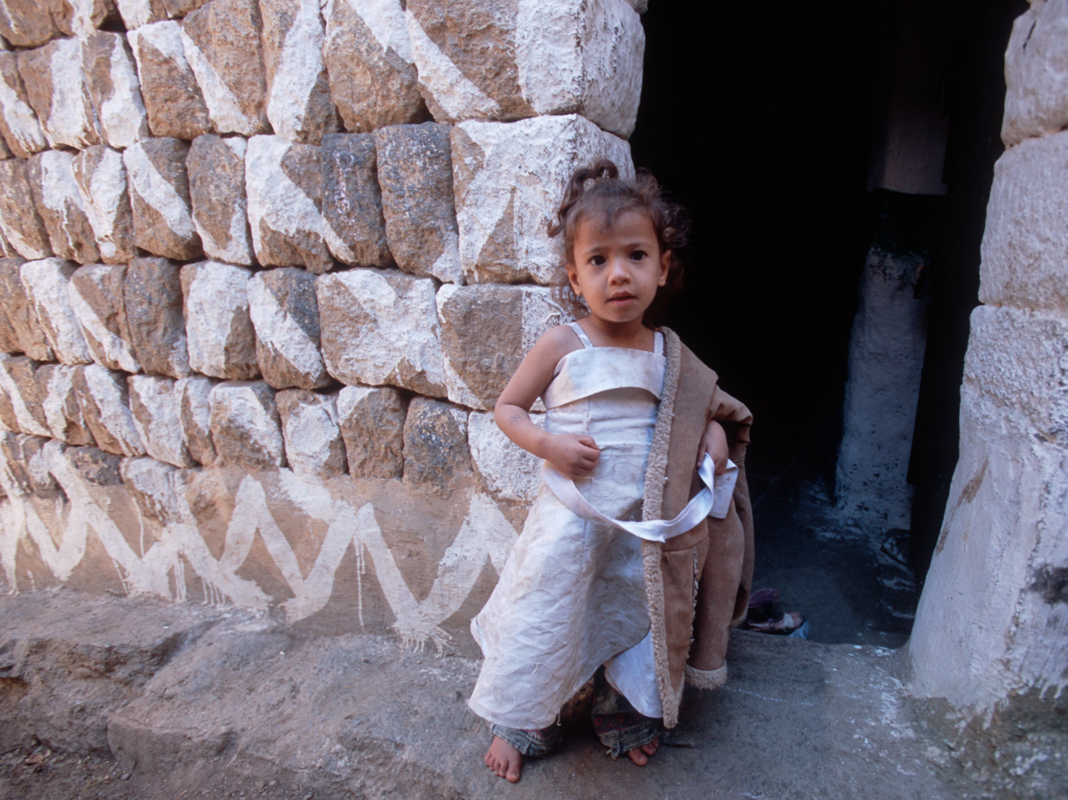
A child in Yemen by Carl Waldmeier, licensed by CC.

Yemen’s already dire hunger crisis is teetering on the edge of outright catastrophe, with 17.4 million people now in need of food assistance and a growing portion of the population coping with emergency levels of hunger, UN agencies tell us.

The humanitarian situation in the country is poised to get even worse between June and December 2022, with the number of people who likely will be unable to meet their minimum food needs in Yemen possibly reaching a record 19 million people in that period, the Food and Agriculture Organization of the United Nations (FAO), the UN World Food Programme  and UNICEF alerted.

At the same time, an additional 1.6 million people in the country are expected to fall into emergency levels of hunger, taking the total to 7.3 million people by the end of the year, the agencies added.

A new report also shows a persistent high level of acute malnutrition among children under the age of five. Across Yemen, 2.2 million children are acutely malnourished, including nearly more than half a million children facing severe acute malnutrition, a life-threatening condition. In addition, around 1.3 million pregnant or nursing mothers are acutely malnourished.

Hunger a product of Middle East conflict

“The resounding takeaway is that we need to act now. We need to sustain the integrated humanitarian response for millions of people, including food and nutrition support, clean water, basic health care, protection and other necessities,” said the Resident and Humanitarian Coordinator for Yemen, David Gressly.
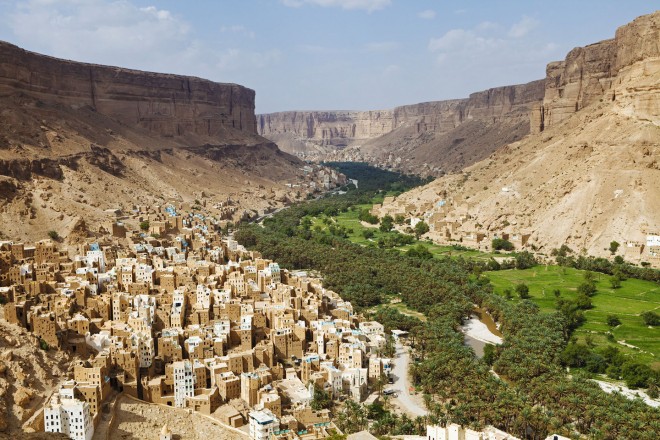
beauty of Yemen

“Peace is required to end the decline, but we can make progress now. The parties to the conflict should lift all restrictions on trade and investment for non-sanctioned commodities. This will help lower food prices and unleash the economy, giving people the dignity of a job and a path to move away from reliance on aid,” he added.

Conflict remains the primary underlying driver of hunger in Yemen. The economic crisis – a by-product of conflict – and the depreciation of the currency have pushed food prices in 2021 to their highest levels since 2015. The Ukraine war is likely to lead to significant import shocks, further driving food prices. Yemen depends almost entirely on food imports with 30 percent of its wheat imports coming from Ukraine.

“Many households in Yemen are deprived of basic food needs due to an overlap of drivers,” said FAO Director-General QU Dongyu. “FAO is working directly with farmers on the ground to foster their self-reliance through a combination of emergency and longer-term livelihood support, to build up their resilience, support local agrifood production, and offset people’s reliance on imports.”
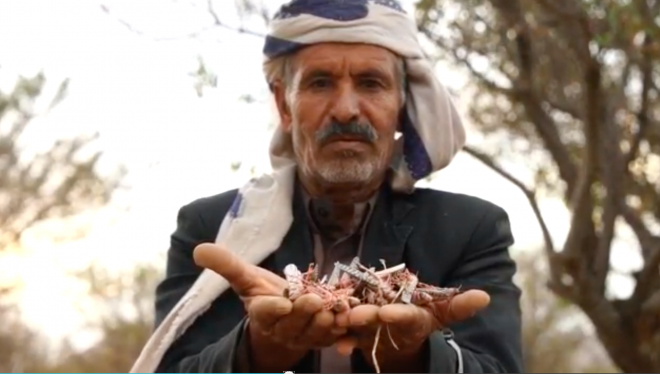
locusts in Yemen

Meanwhile, acute malnutrition among young children and mothers in Yemen has been on the rise. Among the worst hit governorates are Hajjah, Hodeida and Taizz. Children with severe acute malnutrition are at risk of death if they don’t receive therapeutic feeding assistance. 

“More and more children are going to bed hungry in Yemen,” said UNICEF Executive Director Catherine Russell. “This puts them at increased risk of physical and cognitive impairment, and even death. The plight of children in Yemen can no longer be overlooked. Lives are at stake.”

Yemen has been plagued by one of the world’s worst food crises. Parents are often unable to bring their children to treatment facilities because they cannot afford transportation or their own expenses while their children are being assisted.

Save the Children is one organisation you can help. 


Karin Kloosterman
Karin Kloostermanhttp://www.greenprophet.com
Karin Kloosterman is an award-winning journalist, innovation strategist, and founder of Green Prophet, one of the Middle East’s pioneering sustainability platforms. She has ranked in the Top 10 of Verizon innovation competitions, participated in NASA-linked challenges, and spoken worldwide on climate, food security, and future resilience. With an IoT technology patent, features in Canada’s National Post, and leadership inside teams building next-generation agricultural and planetary systems — including Mars-farming concepts — Karin operates at the intersection of storytelling, science, and systems change. She doesn’t report on the future – she helps design it. Reach out directly to [email protected]

Hot this week

How Renewable Energy is Revolutionizing the Way We Power Our World

Solar has become the star of the transition thanks to modular hardware and straightforward installation. It fits dense cities and remote towns alike. Many companies are turning to rooftop arrays and carport systems - and exploring commercial solar installation as a practical way to lock in future savings.

How does one start prepping?

Faced with an extreme winter storm this year, Americans wonder how to be prepared for catastrophe. Miriam has lived through wars in the Middle East - so she's prepared on giving you a guide to prepping.

Fishermen sue tire manufacturers on behalf of the salmon

A federal trial in San Francisco has brought US tire manufacturers, fishing groups, and environmental scientists into court over a chemical most drivers have never heard of — but which scientists say may be silently reshaping aquatic ecosystems.

Listening to Water: Tarek Atoui’s Next Work for Tate Modern

Born in Beirut, Lebanon in 1980 and now living in Paris, Atoui has spent years building instruments that don’t sit comfortably in concert halls. Many of them involve water, glass, and ceramics — materials that react to sound instead of simply producing it.

Leading Through a Dual-Energy Transition: Balancing Decarbonisation with Energy Security

Experience in one area of the energy industry isn't enough to guarantee readiness across all the others. That's where a structured program like an MBA in energy can come in. Today's advanced curricula explore energy economics, finance, policy, and strategic management alongside the technical subjects. And when pursuing an energy MBA online, professionals can skill up and retrain without having to step out of the labor market -- an important perk at a time when skilled professionals are already in short supply.

Topics

How Renewable Energy is Revolutionizing the Way We Power Our World

Solar has become the star of the transition thanks to modular hardware and straightforward installation. It fits dense cities and remote towns alike. Many companies are turning to rooftop arrays and carport systems - and exploring commercial solar installation as a practical way to lock in future savings.

How does one start prepping?

Faced with an extreme winter storm this year, Americans wonder how to be prepared for catastrophe. Miriam has lived through wars in the Middle East - so she's prepared on giving you a guide to prepping.

Fishermen sue tire manufacturers on behalf of the salmon

A federal trial in San Francisco has brought US tire manufacturers, fishing groups, and environmental scientists into court over a chemical most drivers have never heard of — but which scientists say may be silently reshaping aquatic ecosystems.

Listening to Water: Tarek Atoui’s Next Work for Tate Modern

Born in Beirut, Lebanon in 1980 and now living in Paris, Atoui has spent years building instruments that don’t sit comfortably in concert halls. Many of them involve water, glass, and ceramics — materials that react to sound instead of simply producing it.

Leading Through a Dual-Energy Transition: Balancing Decarbonisation with Energy Security

Experience in one area of the energy industry isn't enough to guarantee readiness across all the others. That's where a structured program like an MBA in energy can come in. Today's advanced curricula explore energy economics, finance, policy, and strategic management alongside the technical subjects. And when pursuing an energy MBA online, professionals can skill up and retrain without having to step out of the labor market -- an important perk at a time when skilled professionals are already in short supply.

From Green Energy to Healthy Societies: Why old systems thinking is becoming relevant again

Across the Middle East and North Africa, large investments are being made in green hydrogen, renewable energy, water infrastructure and sustainability. Most of these efforts are discussed in the context of climate change, decarbonization and economic diversification. That framing is important, but it may not capture their full value.

We saw peace – an interreligious encounter deep in our eyes

They came from Israel, Palestine, Jordan, Iraq, Yemen, Morocco, Tunisia, Lebanon, Egypt… There are Sunni Muslims, Shiite Muslims, Jews (Orthodox and Reform), Orthodox Christians, Coptic Christians, Protestant Christians, Druze, Baha'is, a Scientologist.

Can biochar reduce ‘Forever Chemicals’ in food if it’s used in farms?

Biochar is produced by heating organic material in a low-oxygen environment so it does not burn. This process, known as pyrolysis, transforms plant matter into a stable, carbon-rich material.

Related Articles

Popular Categories