
Imagindairy creating milk protein in a lab, announces completion of a $13M seed round. The funding was led by MoreVC in Israel. Not long ago Leonardo Dicaprio invested in a meat-alternative company in Israel, Aleph Farms. Foodtech is on a roll in Israel.
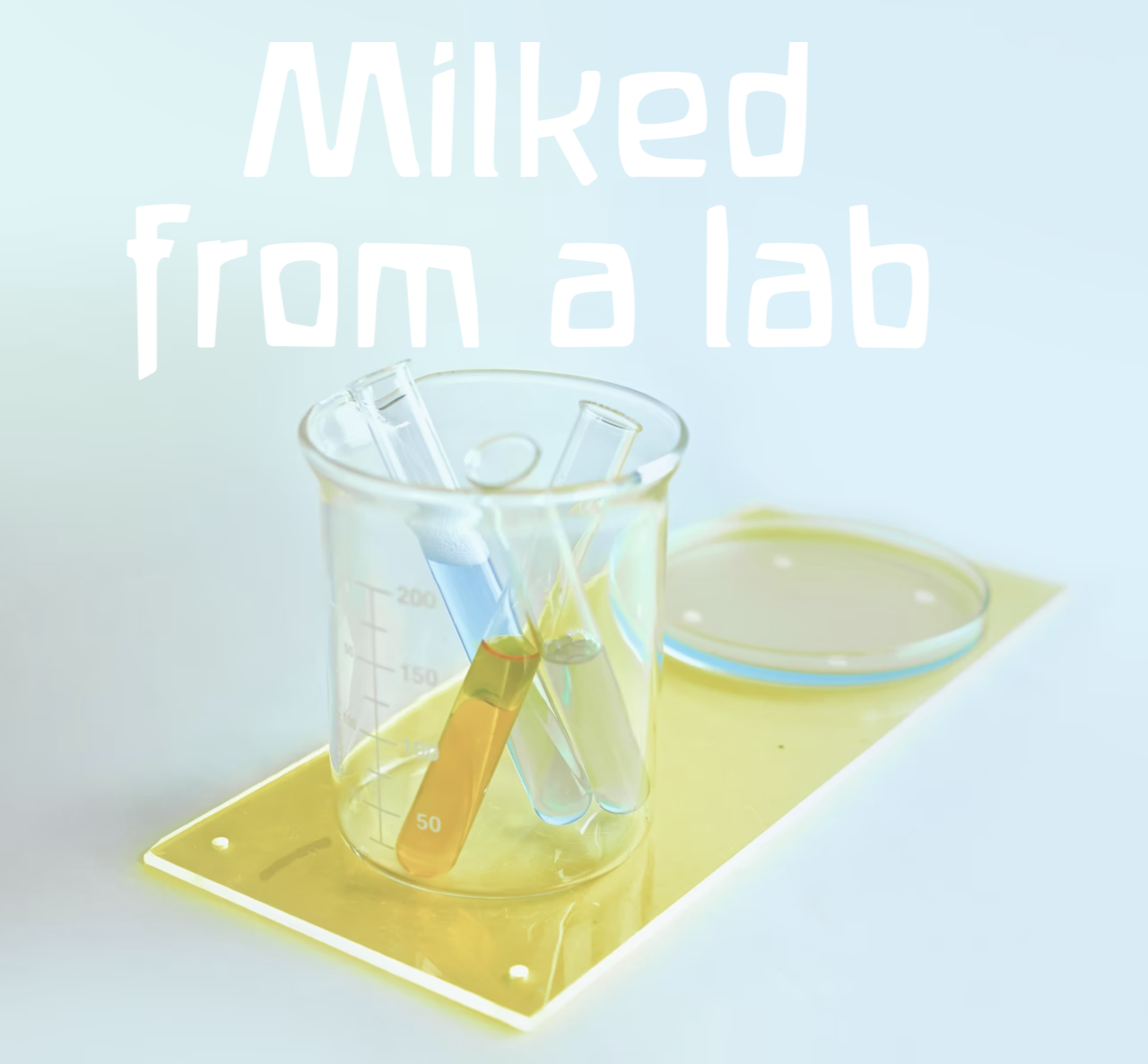
Imagindairy imagines a future of milk without udders and methane gas. The company creates the same kind of milk protein found in cow milk but without the animal. They use fermentation.
More and more consumers shy away from bovine milk for health reasons, climate reasons, and animal rights leading to a growing desire for oat milk, soy milk, and almond milk. But most who have grown up on milk still yearn for the cow version in cereal, cheese.
Eyal Afergan, co-founder and CEO of Imagindairy says: “The market is eager to develop new dairy analogs based on our animal-free proteins. It’s hard for people to make big changes, especially when it comes to the foods they enjoy, but when there’s an alternative with the same flavor and experience that is more aligned to their values, it becomes easy.”
Imagindairy is currently collaborating with leading dairy companies, offering a complete range of dairy-free proteins.
“Imagindairy’s innovative technology allows dairy companies to develop new products or reformulate existing products, without involving animals and with a dramatic reduction in carbon-footprint,” says Glen Schwaber, a MoreVC partner.
Imagindairy’s technology is based on 15 years of research led by its co-founder and CSO, Tamir Tuller, PhD, a professor at Tel Aviv University. The company mission was to create a commercially viable, guilt-free experience of traditional dairy products consumers crave.
The company will invest the funds in expanding its facilities, increasing its professional team, and boosting its R&D capacity to meet the demands of its partners.
Imagindairy feeds microorganisms instead of cows, and the select microorganisms the company employs are up to 20 times more efficient than cows at converting feed into food. This offers food system resilience, allows for complete sustainability, preserves the natural ecosystem, and promotes animal welfare. It also eliminates the greenhouse gas emissions produced by dairy cows.
The result: highly functional milk proteins that taste great and have the same texture, flavor, and nutritional value as milk from cows.
Strauss Group, Entrée Capital, S2G Ventures, Collaborative Fund, New Climate Ventures, Green Circle Foodtech Ventures; Emerald Technology Ventures and Pierre Besnainou joined the investment round.
But like the questions Beyond Meat and Impossible Foods is facing: digestibility, questionable carbon footprints currently undisclosed, and a needed leap in technology –– can Imagindairy delivery on all the promises? If they are recreating new milk from products like soy or pea proteins, maybe. This is what Beyond Meat and Impossible Foods does.
But there is a whole other class of meat alternative companies attempting to grow meat in a lab on a scaffold so that it is made from real meat proteins and bleeds and tastes like meat. OSI’s Impossible Foods, and Aleph Farms are in this class of products.
This read-worthy article in the New York Times challenges the notion that cultured meat woudl ever work: “to be a meaningful climate solution [it] would require several scientific breakthroughs worthy of many Nobel Prizes — and in the next 10 years, not 30.”
Some say lab-grown meat won’t ever be able to start displacing conventional meat in time — or perhaps ever. David Humbird, a Berkeley-trained chemical engineer who spent over two years researching a techno-economic assessment of lab-grown meat, believes the industry faces extreme, intractable technological challenges.
In interviews with Joe Fassler of The Counter, he said it was “hard to find an angle that wasn’t a ludicrous dead end.”
So can lab-grown burgers and along with that notion, lab-grown milk save the world? Maybe. Today a pack of Beyond Meat sausages costs multiples more than the same product made from real meat, about $15 USD (where I live) and the meat version about $5. A 1L carton of milk costs $2 and for the same size high quality out milk $5.
The idea of meat alternatives tasting realistic and being affordable is only within reach for the wealthy today.

We also might want to ask ourselves just how healthy lab-created products are for our gut biome and overall health. Wouldn’t it be better to eat less real milk (maybe goat?) and real meat, and keep one’s diet unprocessed and simple in every single way. Sourcing food from regeneratively grown farms? Whenever I eat a Beyond Meat product my stomach really isn’t very happy. What about you?