The Sixth Mass Global Extinction has arrived

161207134536-vanishing-elephant-carcass-1-super-169

Whether it’s disappearing elephant herds in Botswana (or ones smuggled in suffering at the Abu Dhabi zoo), dying coral reefs in Australia, or near silence of small tropical tree frogs in a Central American rain forest, the vanishing of animal and plant species all over the world is finally being directly attributed to manmade causes. This mass nature depletion, despite previous “wake up call warnings” is now occurring at an even faster rate than biologists and climatologists had previously imagined.

A recent CNN program, Vanishing, dealt with a variety of creatures presently in danger of simply vanishing from the face of earth due to direct and indirect influences of global warming, climate change; and human caused decimation. Ranging from some of the earth’s smallest animal species, such as coral and bees, all the way to the earth’s largest land mammal, the African elephant, the program gives a graphic account of how many of these animal species are in danger to becoming extinct.

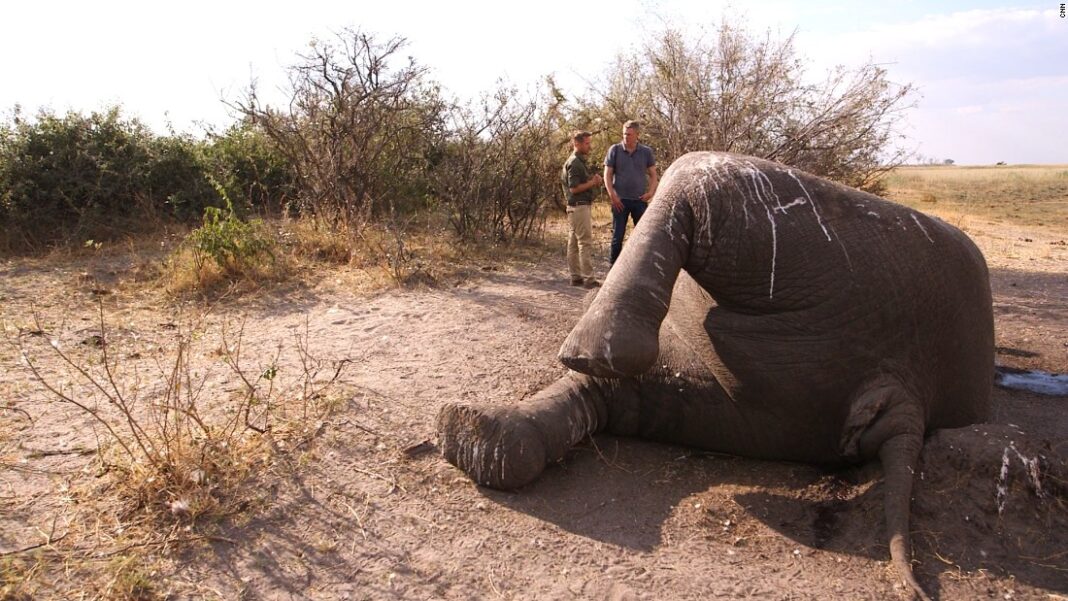
Starting with African elephants living in Botswana, one of Africa’s largest remaining concentration of the species, the number of elephants remaining have dwindled dramatically in the past 10 years; and by more than 20% in the past few years alone: “If present elephant depletions continue at this rate, the entire elephant population here could be gone in the next 20 years,” said a Botswana based zoologist.

Although elephants and other large animal species like giraffes are more noticeable as being severely endangered, the fate of many small creatures are mentioned as well. These include Oregon bumble bees, Central American rain forest amphibians like tree frogs; and coral reefs off the coast of Madagascar. These animal species in particular appear slated to become part of the Sixth Mass Extinction, according to the CNN program.

As pointed out in the program, the resident bumble bee populations of many areas have declined so dramatically in recent years that local farmers are now importing bees to be used to pollinate their crops.

One of the most graphic examples of mankind’s adverse influence on natural habitats, according to the Vanishing documentary, takes place on the Pacific Midway Island atoll. Located virtually midway between the continental USA and Japan the atoll is home to large colonies of albatrosses and other marine birds. It is also a “collection point” for huge quantities of plastic wastes that wash up on the island’s beaches from the ocean. Located in the vicinity of what is known as the Great North Pacific Gyre, this plastic waste is often ingested by the birds, eventually killing them.

The tragic result are large number of dead birds; their gullets literally filled with this plastic material the birds thought to be food. Studies of the large “plastic island” waste patch in the Pacific Gyre estimate it to be larger than the American state of Texas.

In a region closer to home, the Middle East, the demise of animal species is no less alarming. The last lion was killed in Palestine more than 150 years ago; and the few remaining leopards in Israel and Jordan are now on the critically endangered list. This also goes for the once common Syrian bear; now seen more in zoos than in the wild. Hoofed animals such as the oryx and Nubian Ibex are also on the endangered list. These are only a few of formerly indigenous mammals that have either become extinct or are in danger of becoming so due to human encroachment and climate change.

It may be already too late to significantly reverse these disturbing trends. But at least we need to make a more concerted effort to save what’s left of the world’s animal species. If not, humankind will be directly affected by this Sixth Mass Extinction as well.

Read more on wildlife extinction and endangered species threats:
Earth is in the midst of its sixth mass extinction – wake up call, folks!
Oceans spiralling downwards, threatening life on earth
Israel Animals Killed by Economic Development

Maurice Picow
Maurice Picowhttps://www.greenprophet.com/
Maurice Picow grew up in Oklahoma City, U.S.A., where he received a B.S. Degree in Business Administration. Following graduation, Maurice embarked on a career as a real estate broker before making the decision to move to Israel. After arriving in Israel, he came involved in the insurance agency business and later in the moving and international relocation fields. Maurice became interested in writing news and commentary articles in the late 1990’s, and now writes feature articles for the The Jerusalem Post as well as being a regular contributor to Green Prophet. He has also written a non-fiction study on Islam, a two volume adventure novel, and is completing a romance novel about a forbidden love affair. Writing topics of particular interest for Green Prophet are those dealing with global warming and climate change, as well as clean technology - particularly electric cars.

TRENDING

Huge Fish Nursery Discovered Under Freezing Arctic Seas

In 2019, an underwater robot camera exploring the seabed...

Remilk makes cloned milk so cows don’t need to suffer and it’s hormone-free

This week, Israel’s precision-fermentation milk from Remilk is finally appearing on supermarket shelves. Staff members have been posting photos in Hebrew, smiling, tasting, and clearly enjoying the moment — not because it’s science fiction, but because it tastes like the real thing.

The US leaves 66 United Nations organizations to “put America first”

The world needs a reset and to restart well intentioned cooperation projects from start. Because right now the UN and EU projects look like software built on code from the 80s, rickety, patched, slow to adapt, and prone to crashing under the weight of outdated assumptions.

Turkey named as climate change COP31 home in 2026

Murat Kurum as President-Designate of COP31

Ancient air trapped in Canadian salt bubbles foretells climate future

Opening these samples is like cracking open air that existed long before dinosaurs, before forests, before animals of any kind. As lead researcher Justin Park put it: “It’s an incredible feeling to crack open a sample of air that’s a billion years older than the dinosaurs.”

Turning Your Energy Consultancy into an LLC: 4 Legal Steps for Founders in Texas

If you are starting a renewable energy business in Texas, learn how to start an LLC by the books.

Tracking the Impacts of a Hydroelectric Dam Along the Tigris River

For the next two months, I'll be taking a break from my usual Green Prophet posts to report on a transnational environmental issue: the Ilısu Dam currently under construction in Turkey, and the ways it will transform life along the Tigris River.

6 Payment Processors With the Fastest Onboarding for SMBs

Get your SMB up and running fast with these 6 payment processors. Compare the quickest onboarding options to start accepting customer payments without delay.

Qatar’s climate hypocrisy rides the London Underground

Qatar remains a master of doublethink—burning gas by the megaton while selling “sustainability” to a world desperate for clean air. Wake up from your slumber people.

How Quality of Hire Shapes Modern Recruitment

A 2024 survey by Deloitte found that 76% of talent leaders now consider long-term retention and workforce contribution among their most important hiring success metrics—far surpassing time-to-fill or cost-per-hire. As the expectations for new hires deepen, companies must also confront the inherent challenges in redefining and accurately measuring hiring quality.

8 Team-Building Exercises to Start the Week Off 

Team building to change the world! The best renewable energy companies are ones that function.

Thank you, LinkedIn — and what your Jobs on the Rise report means for sustainable careers

While “green jobs” aren’t always labeled as such, many of the fastest-growing roles are directly enabling the energy transition, climate resilience, and lower-carbon systems: Number one on their list is Artificial Intelligence engineers. But what does that mean? Vibe coding Claude? 

Somali pirates steal oil tankers

The pirates often stage their heists out of Somalia, a lawless country, with a weak central government that is grappling with a violent Islamist insurgency. Using speedboats that swarm the targets, the machine-gun-toting pirates take control of merchant ships and then hold the vessels, crew and cargo for ransom.

Related Articles

Popular Categories