How Traditional Arab Architecture is Greening Buildings in Israel

traditional arab building
In the unrelenting Middle East sun, one thing is very clear when you build a new home: it must work with the elements. Standing the test of time are traditional Arabic buildings that kept families and worshippers cool for centuries, long before air conditioning was invented.

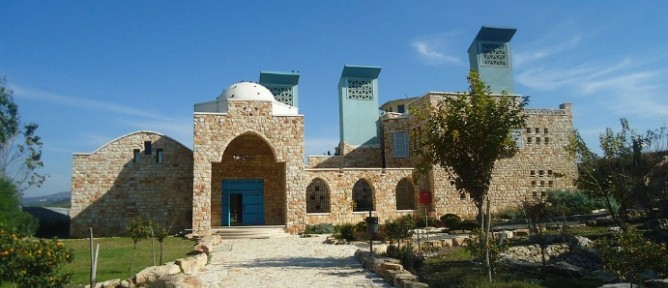
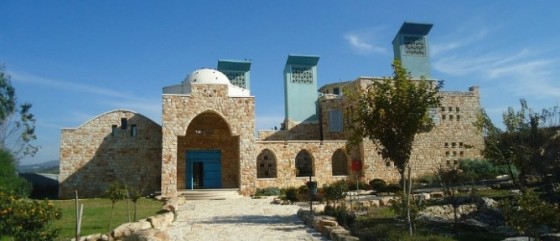
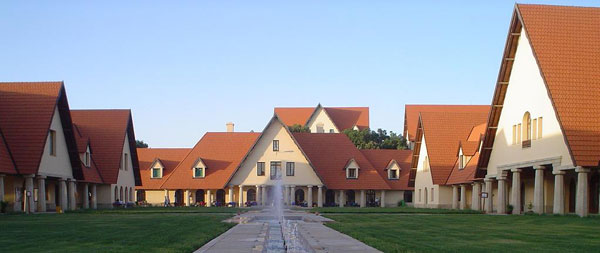
A new “green” teaching and research center in the Israeli-Arab town of Sakhnin showcases some of the best traditional approaches to construction in the hope that it will inspire modern building practices. And on a less concrete level, the building is seen as a “green bridge” between the Arab and Jewish communities. The Union of the Mediterranean recently awarded it first prize in a competition on energy conservation.

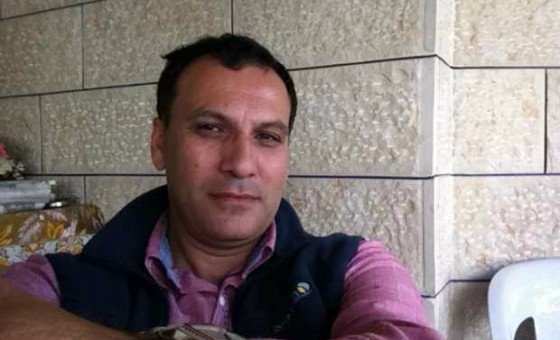
Architects anywhere can pick up on traditional Arab building techniques as a means to improve building efficiency, says Hussein Tarabeih (who we’ve filmed here), director of the Towns Association for Environmental Quality (TAEQ) for the six Arab-Israeli towns in the Beit Natufa Valley in the Lower Galilee. This is the association that commissioned the building.

“We have a lot of energy-saving elements built into the building,” Tarabeih says. “And it was important for us that we use the community. We conducted a survey asking them what they wanted and involved the older people quite a bit. The truth is that much of the knowledge on the traditional elements has been lost so we had to learn from the beginning. But this is one of the purposes for creating this building. We wanted to preserve the old traditional techniques.”

Traditional Arab building secrets

Tarabeih (pictured below) says many of the 20 features incorporated in the building could easily be applied to hot, desert climates anywhere, including California or Arizona, to keep edifices naturally cool in summer and warm in winter.
hussein tarabeih
Constructed from adobe bricks made from mud and straw, the building in Sakhnin was designed by architect Abed Elrahman Yassin, a student of the late Egyptian “architect for the people” Hassan Fathy. Typical of Arabic homes throughout the Middle East, it has a wall and window covering called a mashrabiya. This feature, usually decorated with a geometrical design, serves as a sunshade and privacy screen.

Most traditional Arabic houses have a large patio, either on the exterior of the building or in a central courtyard. When paired with long, high windows and doors, and draft windows in the right orientation, the patios cool the circulating air and offer a pleasant seating area throughout the day. If a water fountain is placed in the center of an enclosed patio, the cooling effects are even greater.

Dome-shaped roofs are a traditional symbol of Arab architecture found in mosques throughout the world. On the practical side, they maintain cool air in the building. At the base of the dome, as in the Sakhnin structure, four small windows remove the hot air while channeling the cool air into the room.

Traditional skylights called tezana are made from glass spheres and tubes that allow natural sunlight to penetrate the rooms without the need of electric power in the daytime. When the glass is colored, the amount of direct sunlight into the rooms can be controlled.

Windcatchers of Yazd
Wind catcher in Iran

Also central to traditional buildings, and seen today widely in countries like Iran, is the cooling wind tower. “Our water circulation tower, called a malkav in Arabic, is 12 meters high, and you can spray water in the top of the tower to cool down the air circulating through the building,” says Tarabeih.

 

Karin Kloosterman
Karin Kloostermanhttp://www.greenprophet.com
Karin Kloosterman is an award-winning journalist, innovation strategist, and founder of Green Prophet, one of the Middle East’s pioneering sustainability platforms. She has ranked in the Top 10 of Verizon innovation competitions, participated in NASA-linked challenges, and spoken worldwide on climate, food security, and future resilience. With an IoT technology patent, features in Canada’s National Post, and leadership inside teams building next-generation agricultural and planetary systems — including Mars-farming concepts — Karin operates at the intersection of storytelling, science, and systems change. She doesn’t report on the future – she helps design it. Reach out directly to [email protected]

LEAVE A REPLY

Please enter your comment!
Please enter your name here

TRENDING

Earth building with Dead Sea salt bricks

Researchers develop a brick made largely from recycled Dead Sea salt—offering a potential alternative to carbon-intensive cement.

Farm To Table Israel Connects People To The Land

Farm To Table Israel is transforming the traditional dining experience into a hands-on journey.

Remilk makes cloned milk so cows don’t need to suffer and it’s hormone-free

This week, Israel’s precision-fermentation milk from Remilk is finally appearing on supermarket shelves. Staff members have been posting photos in Hebrew, smiling, tasting, and clearly enjoying the moment — not because it’s science fiction, but because it tastes like the real thing.

Zoroastrianism from Iran is the world’s first eco-religion

When Zarathustra started preaching around 1200 BCE in ancient Persia, which is known today as Iran, he wasn't just founding a religion—he was creating the world's first environmental protection movement. Good thoughts, good words, good deeds. But there was a mantra and words to live by: don't pollute the earth, water, or fire. Ever.

How you create green steel on a blockchain

The thing about raw materials is that once they are melted down, you can't prove the source of the material. Same is true with gold, cucumbers and even forged products that look the same as the real thing. When it comes to steel, and how we produce it, it has a massive carbon problem. What's happening in Japan right now could change how we think about heavy industry and climate action.

Qatar’s climate hypocrisy rides the London Underground

Qatar remains a master of doublethink—burning gas by the megaton while selling “sustainability” to a world desperate for clean air. Wake up from your slumber people.

How Quality of Hire Shapes Modern Recruitment

A 2024 survey by Deloitte found that 76% of talent leaders now consider long-term retention and workforce contribution among their most important hiring success metrics—far surpassing time-to-fill or cost-per-hire. As the expectations for new hires deepen, companies must also confront the inherent challenges in redefining and accurately measuring hiring quality.

8 Team-Building Exercises to Start the Week Off 

Team building to change the world! The best renewable energy companies are ones that function.

Thank you, LinkedIn — and what your Jobs on the Rise report means for sustainable careers

While “green jobs” aren’t always labeled as such, many of the fastest-growing roles are directly enabling the energy transition, climate resilience, and lower-carbon systems: Number one on their list is Artificial Intelligence engineers. But what does that mean? Vibe coding Claude? 

Somali pirates steal oil tankers

The pirates often stage their heists out of Somalia, a lawless country, with a weak central government that is grappling with a violent Islamist insurgency. Using speedboats that swarm the targets, the machine-gun-toting pirates take control of merchant ships and then hold the vessels, crew and cargo for ransom.

Leopoldo Alejandro Betancourt López Turned Ocean Plastic Into Profitable Sunglasses

Few fashion accessories carry the environmental burden of sunglasses. Most frames are constructed from petroleum-based plastics and acrylic polymers that linger in landfills for centuries, shedding microplastics into soil and waterways long after they've been discarded. Leopoldo Alejandro Betancourt López, president of the Spanish eyewear brand Hawkers, saw this problem differently than most industry executives.

Why Dr. Tony Jacob Sees Texas Business Egos as Warning Signs

Everything's bigger in Texas. Except business egos.  Dr. Tony Jacob figured...

Israel and America Sign Renewable Energy Cooperation Deal

Other announcements made at the conference include the Timna Renewable Energy Park, which will be a center for R&D, and the AORA Solar Thermal Module at Kibbutz Samar, the world's first commercial hybrid solar gas-turbine power plant that is already nearing completion. Solel Solar Systems announced it was beginning construction of a 50 MW solar field in Lebrija, Spain, and Brightsource Energy made a pre-conference announcement that it had inked the world's largest solar deal to date with Southern California Edison (SCE).

Related Articles

Popular Categories