

Mediterranean Sharks Almost Gone Forever

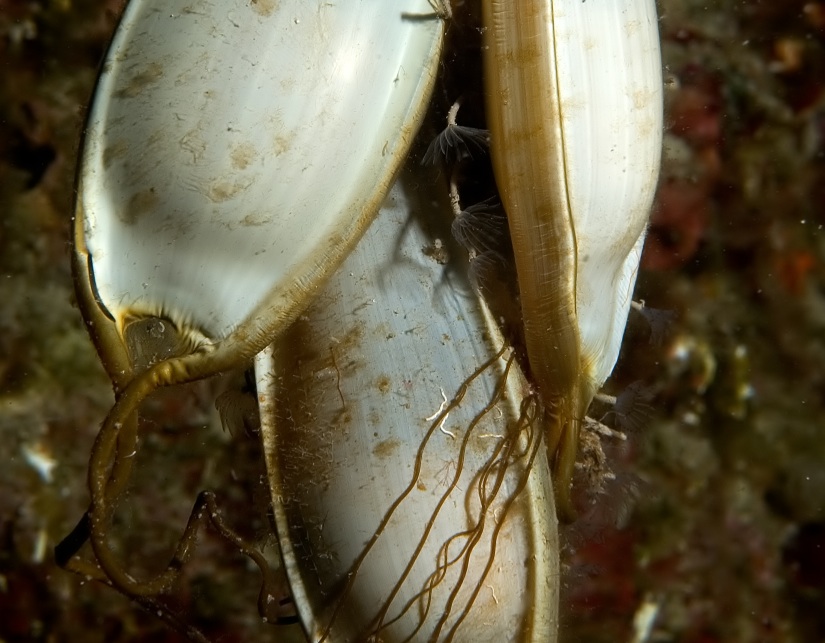
shark eggs in the sea
Mediterranean sharks risk extinction while “serious implications” feared for marine ecosystems and beyond. Accidental catches and sharks for fin soup are to blame

Shark populations in the Mediterranean and Black Sea have dropped dramatically over the last two centuries and now risk extinction, with serious implications for the region’s entire marine ecosystem and food chains, according to a new study by the UN’s Food and Agriculture Administration.

“Sharks in the Mediterranean Sea have declined by more than 97 percent in number and ‘catch weight’ over the last 200 years. They risk extinction if current fishing pressure continues,” the study found.

“This loss of top predators could hold serious implications for the entire marine ecosystem, greatly affecting food webs throughout this region,” it added.

The study, Elasmobranchs of the Mediterranean and Black Sea: Status, Ecology and Biology, was undertaken by the General Fisheries Commission for the Mediterranean, one of several FAO regional bodies working in the fisheries sector.

Sharks critically endangered

It found that cartilaginous fish species, such as sharks and rays, “are by far the most endangered group of marine fish in the Mediterranean and Black sea where 85 species are known to occur. Of 71 species assessed in the Mediterranean Sea in 2007, 30 (42 percent) were found to be threatened, including 13 percent critically endangered, 11 percent endangered and 13 percent vulnerable. Another 18 percent were categorized as near-threatened.

Cartilaginous fish have skeletons made of cartilage, rather than bones. Within that group, sharks, rays and skates are scientifically termed Elasmobranchs. Their biological characteristics, including low fecundity, late maturity and slow growth make them more vulnerable than bony fish, as their regeneration rates are slower.

Issues such as “overfishing, wide use of non-selective fishing practices and habitat degradation” are therefore affecting these species more than others.

In general sharks and rays have not been deliberately targeted in the Mediterranean and Black Sea, but caught accidentally. Annual aggregated reported landings in the Mediterranean and Black Sea currently amount to some 7 000 tonnes, compared to 25 000 tonnes in 1985 – an indication of the severity of their decline.

At the same time, however fishing activities targeting sharks are intensifying due to rapidly increasing demand for shark fins, meat and cartilage.

This is compounded by extensive damage to, or disturbance of, their habitats, caused by shipping, underwater construction and mining or by chemical, sound and electromagnetic contamination.

Among the most recent measures adopted by the Commission to protect sharks and rays is the prohibition of ‘finning’ (removal of fins at sea and discarding of carcass) and the reduction of trawl fishing within 3 nautical miles off the coast to enhance protection of coastal sharks.

The Commission has also recommended Mediterranean and Black Sea countries to invest in scientific research programmes aimed at identifying potential nursery areas and to consider time and area closures to protect juveniles of sharks and rays from fishing activities.

Other initiatives undertaken by the Commission have included the organization of several meetings and courses aimed at better understanding these species and their habitats and creating a background of Regional knowledge to guide GFCM Members in developing national plans to protect these key species.

Image of shark eggs via Shutterstock
2 COMMENTS

Comments are closed.

TRENDING

Eco organization offices destroyed by Iran missile

Tel Aviv's eco organization, the Heschel Center, was impacted by an Iranian missile.

What are AWG air-water generators, and why they aren’t a golden-bullet solution (yet)

Atmospheric water generators (AWGs) sound like magic: machines that can pull drinking water out of air. The idea is mentioned in the Bible, where the elders would pray for water collected as dew on plants and the catch on turning this into a machine is in the physics. To turn invisible vapor into liquid, you must remove heat, especially the latent heat of condensation.

Jordan’s $6 Billion Aqaba–Amman Desalination Project from the Red Sea Moves Forward

In 2025, the Jordanian government signed agreements with a consortium led by Meridiam and SUEZ, alongside VINCI Construction and Orascom Construction. Under a 30-year concession agreement, the consortium will design, build, finance, operate, and maintain the system before transferring it back to the Jordanian government. The total investment is estimated at approximately $6 billion USD.

The Saudi Startup Turning Desalination’s Toxic Waste Into Its Own Disinfectant

For millennia, the Middle East's water crisis seemed an immutable fact of geography — a region defined as much by what it lacked as by what lay beneath its sands. Today, a convergence of plummeting solar costs, advancing membrane technology, and hard-won engineering expertise is rewriting that story.

Earth building with Dead Sea salt bricks

Researchers develop a brick made largely from recycled Dead Sea salt—offering a potential alternative to carbon-intensive cement.

Pulling Water from the Air

Faced with water shortage in Amman, Laurie digs up...

Turning Your Energy Consultancy into an LLC: 4 Legal Steps for Founders in Texas

If you are starting a renewable energy business in Texas, learn how to start an LLC by the books.

Tracking the Impacts of a Hydroelectric Dam Along the Tigris River

For the next two months, I'll be taking a break from my usual Green Prophet posts to report on a transnational environmental issue: the Ilısu Dam currently under construction in Turkey, and the ways it will transform life along the Tigris River.

6 Payment Processors With the Fastest Onboarding for SMBs

Get your SMB up and running fast with these 6 payment processors. Compare the quickest onboarding options to start accepting customer payments without delay.

Qatar’s climate hypocrisy rides the London Underground

Qatar remains a master of doublethink—burning gas by the megaton while selling “sustainability” to a world desperate for clean air. Wake up from your slumber people.

How Quality of Hire Shapes Modern Recruitment

A 2024 survey by Deloitte found that 76% of talent leaders now consider long-term retention and workforce contribution among their most important hiring success metrics—far surpassing time-to-fill or cost-per-hire. As the expectations for new hires deepen, companies must also confront the inherent challenges in redefining and accurately measuring hiring quality.

8 Team-Building Exercises to Start the Week Off 

Team building to change the world! The best renewable energy companies are ones that function.

Thank you, LinkedIn — and what your Jobs on the Rise report means for sustainable careers

While “green jobs” aren’t always labeled as such, many of the fastest-growing roles are directly enabling the energy transition, climate resilience, and lower-carbon systems: Number one on their list is Artificial Intelligence engineers. But what does that mean? Vibe coding Claude? 

Related Articles

Popular Categories