Home Blog Page 98

The importance of impact investing with Pitango’s Cecile Bilious

0
Cecile Bilious
Cecile Bilious leading impact investing at Israel’s largest venture capital fund, Pitango

What is impact investing? Impact investing, which is investment strategies that target companies or industries that produce social or environmental benefits, is essential for several reasons. It addresses social and environmental challenges while performing investments that promote social responsibility. It creates sustainable solutions while paving a word that unlocks innovation and entrepreneurship. 

Many studies show that impact investments are also giving better returns after a certain number of years. In short, they are the most resilient investments. ESG concentrates on a company’s environmental impact while yielding high returns. ESG is an acronym you will hear a lot in the impact space and it refers to a set of environmental, social, and governance standards that socially conscious investors use to select investments. The majority of businesses that engage in ESG investing have improved financial results. Financial performance is improved when investment decisions are made using ESG criteria.

Cecile Bilious, head of impact and sustainability at Pitango Venture Capital in Israel, works to integrate ESG and sustainable development goals (SDG) into mainstream venture capital. She is actively working to make impact investing more common and accessible in the VC world. Impact investments create paths towards a healthier planet and align values with investments.

Pitango, established in 1993, is Israel’s largest venture capital fund with over $2.8 billion under management.

Contrary to a popular misconception, many impact investments have demonstrated the potential for competitive financial performance while generating a positive impact. Cecile has been working passionately for the past 20 years to bring her vision of using technology to impact society and the planet positively. She tells Green Prophet: “Every investment we make and have made in the past we saw could make a major contribution to society or the planet,” says Cecile. She looks at her work as a holistic approach. She says her role in her career is to push the market forward to create as many solutions to as many challenges that humanity faces, environmentally or socially.  

How has the world of impact investing changed?

“I think if you spoke about impact ten years ago, social or environmental, people would look at you like you’re crazy. Like you’re on the fringe, and nobody knows what you’re talking about,” says Cecile. If a startup had an impact and wanted to get funded by mainstream investors, they most likely would not get supported if they spoke about their implications.

Cecile continued to explain that, to a certain extent, many VCs still need to be on par with the rest of the world regarding understanding the industry impact, but it is getting better each year. 

EarthX and a blueprint for sustainable investing

There is little time left to save the environment, and we must work fast. It is so vital that VCs push capital flows into ideas that can make a difference. Israel has shown tremendous potential to impact significantly because of the country’s entrepreneurial drive and funding mechanisms. 

Companies have started to know that technology can be a huge driver for change. This realization has led them to consider their role in making a difference.

“When we speak to entrepreneurs, these are intelligent people. Even if they have succeeded in building a gaming company or a cybersecurity company, suddenly you see that more and more second-time entrepreneurs don’t want just to set up another cyber company; they want to do a company that has an impact,” says Cecile. They are moving into healthcare, education, agriculture, and climate-related technology because these align with their values. It’s becoming more common to incorporate weights into the business model and make them an integral part of a company’s identity. 

In the past few years, there has been a shift in mindset. Now, when you present your impact-driven strategy in a boardroom seeking funding, everyone wants to invest in you.

The mindset around impact investments has changed from coming off as a liability to presenting itself as an asset. “It’s a good thing now to be able to speak about your impact and verbalize it and even quantify it for the SDGs (sustainable development goals) and just bring that to the table,” says Cecile.

People finally realize that we don’t have much time and need to address the social and environmental challenges facing humanity. They understand that technology can play a significant role in solving these challenges. 

“More and more mainstream VCs like us are starting to invest in climate-related or social-related companies,” says Cecile. The world is starting to move in the right direction, which is good news. However, it needs to happen faster, and that’s the downside.

What does Cecile look for when investing?

When investing, Cecile looks for investments that complement and align with each other. She believes in investing in various sectors such as mobility, climate cybersecurity, and healthcare, as each of these areas contributes to addressing the challenges faced by humanity. 

“You have to think about your investments as things that match with each other or blend with each other for example investing in mobility and investing in climate cybersecurity, healthcare, all kinds of things each one addresses a little bit of the challenges that we have as humanity and if you look at it as a generalist then it is not about one specific company that is going to change the world.”

She views investments as part of an ecosystem, considering what it takes to create companies that can effectively address these challenges. Cecile emphasizes the importance of providing support, funding, knowledge, and expertise to these companies, as well as facilitating access to markets. 

What now?

We’re running out of time, and if we don’t take more action quickly, we won’t have a plan for a better future by 2030. It’s crucial to encourage more investment in ideas that can truly make a difference, and that’s a positive trend. Israel has great potential to be part of this effort because we have the drive, the talent, the entrepreneurs, and the funding mechanisms in place. However, if our government continues on the current path for the past six months, it may create a situation where people are hesitant to invest in Israel. 

They might see it as unsafe, lacking transparency, and risky due to uncertainty around intellectual property protection, taxes, and payment regulations.

The world is slowly recovering, but in Israel, the government has caused a lot of problems in the past six months. There is a lack of trust and chaos in the legal system, and the support for the high-tech industry is uncertain. This has resulted in a decline in funding for startups. The number of new startups founded since the beginning of 2023 has been very low, and the amount of capital raised during these six months is unprecedentedly low. If the government continues with its current approach, there is a risk of losing the factors that made Israel a thriving hub for innovation.


Best Water Systems for the Home 

0
mayu water purifying system
Mayu is a home water enhancement system that enriches distilled water

Environmentally friendly water systems for the home are a must! They are extremely important for conservation of natural resources, protection of ecosystems, reduction of carbon footprint, health and safety purposes, and promote sustainable practices. Water systems minimize wastage to ensure responsible use of water in the home. With growing concerns of water scarcity in the Middle East, using water systems that prioritize sustainability are crucial.

Environmentally friendly water systems prioritize the removal of harmful contaminants while minimizing the use of chemicals that can have adverse health effects. By investing in these systems, homeowners can ensure that the water they consume and use for daily activities, such as bathing and cooking, is free from pollutants, toxins, and potentially harmful substances. This promotes better overall health and well-being for both individuals and the environment.

Here are some of the best at home water systems:

Reverse osmosis systems

Reverse osmosis (RO) systems are highly effective in removing contaminants, including bacteria, viruses, heavy metals, and chemicals. These systems use a semipermeable membrane to filter out impurities. RO systems typically consist of pre-filters, a membrane, and post-filters to ensure comprehensive purification. They are considered one of the most reliable and widely used water treatment systems for households.

Whole house filtration systems

Whole house filtration systems offer a comprehensive solution by filtering water at the point of entry into the home. These systems are designed to remove sediment, chlorine, chemicals, and other impurities from all water sources, including faucets, showers, and appliances

​​Ultraviolet (UV) disinfection systems

UV disinfection systems utilize ultraviolet light to neutralize harmful microorganisms like bacteria, viruses, and parasites in water. These systems are highly effective at destroying various pathogens without using chemicals, making them a safe and environmentally friendly choice. UV systems are often used in conjunction with other filtration methods to provide a multi-barrier approach to water purification.

Water softeners 

Hard water which contains high levels of minerals like calcium and magnesium could benefit from a water softener. Water softeners work by removing these minerals through a process called ion exchange, preventing scale buildup on plumbing fixtures, prolonging the lifespan of appliances, and improving soap lathering. Softened water can also have a positive impact on skin and hair, leaving them feeling smoother and less dry.

Carbon filters 

Carbon filters are an excellent option for improving the taste and odor of water. These filters use activated carbon to remove chlorine, volatile organic compounds (VOCs), and other contaminants that can affect the taste and smell of water. Carbon filters are often installed under the sink or attached to the faucet. 

In water-scarce countries, it becomes even more crucial to be mindful of our water consumption. The availability and accessibility of clean water are limited, making it imperative for individuals to recognize the importance of conserving this precious resource. By being conscious of our water usage habits, adopting water-saving practices, and investing in efficient water systems, we can play a significant role in preserving water.. Taking proactive steps to minimize wastage and promote responsible water consumption is not only essential for the sustainable development of these regions but also demonstrates our commitment to being responsible global citizens.

How to properly clean up from dinner mindfully

0

mindful cleaning after dinner

My mom is a composting and recycling enthusiast. When my family cleans up from dinner, we properly compost and recycle our food and materials. Every family can make an impact in their way.

Home composting

gabriel borochov make compost
A composter that is rolled by kids

Composting plays an essential role in our efforts to manage organic waste. Home composting is gaining popularity in countries like Israel, with many households adopting composting practices to reduce organic waste sent to landfills. You can compost through a few methods, such as backyard compost bins or, if you are feeling adventurous, worm composting (vermicomposting); home composting allows individuals to turn their kitchen scraps, yard trimmings, and other organic materials into nutrient-rich compost for their gardens or potted plants.

You can compost food scraps, except for meat and dairy products. You can dispose of it at home. You can get a subsidized home composter from the Municipality to help with composting.

With the subsidized home composter, you can throw your organic food scraps into it and cover them with dry materials like branches, leaves, or grass. The composting process turns the organic waste into high-quality fertilizer for your garden or somebody else’s.

Composting organic waste is a simple and effective way to reduce landfill waste and help the environment. It also eliminates the hassle of dealing with heavy, smelly trash bags. Plus, your plants will benefit from excellent fertilizer.

Recycling 

Each local government has its system for collecting and recycling waste. You must visit your Municipality’s website to know the specific color bins provided and the types of waste your area recycles. Refer to the chart below to understand which trash belongs in each color bin.

Figure out locally what material goes into what color bin. 

You can recycle various packaging materials like plastic containers for dairy products and salads, bags for dry food and snacks, metal containers, and beverage cartons, except for glass and cardboard.

What happens to each type of material?

Metal is recycled into raw material for the construction industry by companies that you will find locally.

Rigid plastic and plastic bags are converted into rubber sheeting for the construction industry at recycling plants.

Plastic bottles and beverage cartons are sent overseas for recycling. The plastic industry turns Plastic bottles into raw materials.

Important tip:

Remember only to discard empty containers in the recycling bins. Wet waste like food scraps or dirty diapers can harm the recycling process. Some countries like Canada accept diapers as organic waste and they go into the organic waste bin. Make sure to clean your containers thoroughly. And keep them sealed to keep out rodents and raccoons.


Why the Mediterranean Diet?

0
Mediterranean Diet, this is a salad
A Mediterranean Diet starts with a lot of salads

The Mediterranean diet is gaining popularity as a healthy and sustainable eating plan. Health professionals recommend it to individuals with chronic conditions like heart disease or high blood pressure to reduce the risks of heart disease, dementia, and depression. 

Our food choices have a significant impact on our physical and mental well-being, as well as our daily functioning. Adopting healthy and natural eating practices like the Mediterranean diet benefits both our bodies and the planet. 

What is the Mediterranean diet? 

A cactus fruit

The Mediterranean diet isn’t a strict diet plan but rather a way of eating based on the dietary traditions of Crete, Greece, and Southern Italy during the mid-20th century. They believed that a diet rich in fruits, vegetables, beans, nuts, whole grains, fish, olive oil, small amounts of dairy, and red wine offered extensive health benefits. 

The diet emphasizes healthy fats, with olive oil being a recommended primary fat source. It highlights other foods like avocados, nuts, and oily fish for their beneficial fats, particularly omega-3 fatty acids in walnuts and fish.

The Mediterranean diet suggests consuming fish at least twice a week, while people should consume poultry, eggs, and dairy products in smaller portions daily or weekly. Eating red meat is limited to a few times per month. 

fish and the med diet
Baked fish and avocado on toast is a good way to enjoy the Mediterranean Diet

A typical breakfast on the Mediterranean diet could consist of mashed avocado spread on whole-grain toast, accompanied by fresh fruit and a low-fat Greek yogurt. For lunch or dinner, a recommended meal might include a vegetable and grain dish cooked with olive oil and seasoned with herbs. This could include roasted root vegetables, leafy greens, a side of hummus, and small portions of pasta or whole grain bread. As a source of lean protein, grilled fish is often suggested.

The diet encourages water as the primary beverage, with moderate consumption of wine allowed during meals. 

The ultimate hummus recipe

According to a Harvard nutrition study the Mediterranean diet effectively reduces the risk of cardiovascular diseases and overall mortality. For instance, a study involving nearly 26,000 women found that those who followed this diet had a 25% lower risk of developing cardiovascular disease over 12 years.

Similarly, a meta-analysis of 16 studies with over 22,000 women showed that individuals with the highest adherence to the Mediterranean diet had a 24% lower risk of cardiovascular disease and a 23% lower risk of premature death than those with insufficient compliance. Sustainability has become a significant focus of the food discussion, particularly concerning climate change and food security. Researchers, farmers, and policymakers are seeking effective ways to feed the growing global population of 9.7 billion by 2050. 

In what ways is the diet personally and environmentally sustainable?

The diet conserves water by choosing less water-intensive foods like whole grains compared to beef. Fruits and vegetables are also more water-efficient choices  It also conserves land by reducing reliance on agricultural land for animal-based products. 

The Mediterranean diet decreases the need for fertilizers by incorporating nitrogen-absorbing legumes like chickpeas. Legumes such as beans, lentils, and peas, decrease fertilizer requirements and enrich the soil when decomposing, benefiting subsequent crops. This sustainable process allows pulses to be grown eco-friendly and reduces the resources needed for other Mediterranean diet staples like whole grains, fruits, and vegetables. 

The Mediterranean diet is personally sustainable because it offers an enjoyable eating experience. It includes delicious foods, promotes physical health, and encourages mindful consumption. While following this eating pattern can lead to weight loss and improved health, it primarily involves adopting a long-term lifestyle change with sustainable benefits!


Shopping Mindfully on Amazon

0

shopping on Amazon with the planet in mind

Online shopping has become increasingly popular, with platforms like Amazon offering convenience and a wide range of products at our fingertips. However, as conscious consumers, it is important to shop mindfully and consider the ethical and sustainable aspects of our purchases. 

Why to shop mindfully

The rapid production of clothing in the fast fashion industry requires a substantial amount of raw materials, leading to a considerable accumulation of waste, pollution, and harm to the environment, including air, water, and wildlife habitats.

Research the Seller:

Before making a purchase, take the time to research the seller. Look for information regarding their commitment to ethical and sustainable practices. Check if they have certifications like Fair Trade, Organic, or B Corp, which indicate a commitment to social and environmental responsibility. The Butterfly Mark is a new certification for luxury goods. Or maybe they are running a small business from home making the goods locally. 

Consider Product Origins:

When browsing products on Amazon, pay attention to where they are manufactured or sourced from. Search for products that are locally produced or made in countries with strong environmental and labor regulations. Choosing products that minimize long-distance transportation helps reduce carbon emissions and supports local economies.

Read Product Descriptions:

Carefully read product descriptions to gain insights into the materials used, manufacturing processes, and any sustainability claims. Look for keywords like “recycled,” “organic,” “sustainably sourced,” or “eco-friendly.” Also look for ways they back up these claims without greenwashing.

Check for Sustainable Packaging:

Packaging waste is a substantial environmental concern. Look for products that are shipped with minimal packaging or packaging made from recycled materials. Some sellers offer sustainable packaging options, such as biodegradable or compostable packaging. Consider consolidating orders to reduce the number of individual packages and minimize waste.

Evaluate Product Durability and Quality:

Mindful shopping involves considering how long the products will last as well as the quality of products. Choose items that are built to last, reducing the need for replacements. Read customer reviews to understand the durability and reliability of the product. Investing in higher-quality items not only reduces waste but also saves money in the long run. 

Support Socially Responsible Brands:

Support brands that prioritize social responsibility and treat their workers fairly. Look for companies that follow ethical labor practices, provide safe working conditions, and pay fair wages. Look out for  sellers on Amazon that explicitly mention their commitment to social causes or fair trade practices in their product descriptions.

Utilize Amazon’s Sustainability Features:

Amazon has implemented sustainability initiatives, such as its “Climate Pledge Friendly” program and “Compact by Design” certification. These labels identify products that have lower carbon footprints and are designed to be more efficient in terms of packaging and shipping. Take advantage of these features to find more sustainable options.


Making DIY Sugar Wax!

0
sugaring is an ecological way for shaving your legs
Sugaring is an ecological way for shaving your legs

Save money and make yourself sugar wax at home with only three ingredients. All you need is granulated white sugar, water, and lemon juice. Sugar wax is less painful than traditional hot waxing because it does not remove hair follicles. Sugar wax is an excellent alternative for people with sensitive skin. 

My roommates and I decided to try sugar waxing, and to our delight, we successfully pulled it off using ingredients readily available in our apartment. The experience turned out to be enjoyable and surprisingly efficient. In just 30 minutes, we completed the entire process, saving both time and money compared to visiting a salon.

Not only was the home sugar waxing less painful than a salon treatment, but it also left our skin feeling incredibly smooth and with a delightful fragrance. Overall, it was a fantastic and rewarding experience that we would definitely repeat in the future.

Sugar wax originates in the Middle East and is fully biodegradable ! Though the exact origin of sugaring is hard to determine, most historians concur that this ancient hair removal method was already in use during the old civilizations of Mesopotamia, Egypt, and Greece around 1900 BCE.

It was known as “sukkar” in the Middle East and “moun” in Persia. Since sugar was limited to the regions near Persia until 1,000 after CE honey served as the primary sugaring agent to create the waxing paste during that era.

Is sugar wax better than regular waxing?

Sugar wax is made of ingredients that break down easily when thrown away. Synthetic waxes are not biodegradable and are more harmful to the environment. 

Sugar wax can be made at home and uses inexpensive and common home ingredients instead of visiting a salon or using cosmetic waxing kits found at the store. 

Ingredients 

  • 1 cup (200 g) granulated white sugar 
  • ⅛ cup (30 ml) lemon juice
  • ⅛ cup (30 ml) warm water 

Making your sugar wax

natural, recipe, sugar wax, beauty, arabic, health, ancient

Put a medium-sized pot on your stove and add white sugar, lemon juice, and warm water. 

Mix frequently and bring the mixture to a boil over high heat.

Turn the heat down to medium once the mix is boiling and bubbling. If the blend keeps bubbling, turn it down to low heat. 

When the mix becomes golden brown, remove the pot from the stove. Continue to mix the golden brown mix until it becomes smooth and has a deep brown color. 

The consistency should resemble hot syrup; if it appears thick, like honey, it must be heated for longer.

Pour the mix into a bowl or a jar and let it cool for 30 minutes. Sugar wax should be used at room temperature, unlike traditional hot wax.

Applying your sugar wax

sugar wax persian

Scoop a small amount of warm wax with your fingers and roll it into a ball. 

Put the wax onto a small skin area opposite to hair growth. Spread the wax to create a layer that is about 0.6 cm thick. Work on small sections, limiting their length and width to just a few inches. 

Pull!

Swiftly remove the wax in the opposite direction of hair growth, similar to pulling off a bandage. Make it quick to limit the pain. There is an option to apply paper strips on top of the wax to smooth it out and pull it off.

Apply the wax in small sections until finished. 

All leftover mix can be refrigerated and used at a later time. Use it within 4 to 5 weeks. 

Prepping your skin for sugar wax

  • Wash your skin with soap and water and use warm water to open your pores and to risk your chance of infection
  • Exfoliate up to two days before waxing to make the sugar wax stick better 
  • Moisturize the night before, not the day off, because you want to wax with clean skin

Post-wax aftercare

  • Moisturizer with natural oils, body butter, or serum to keep your skin soft and avoid ingrown hairs
  • Wait two days to exfoliate again to prevent ingrown hairs and continue to do so every 2-3 days
  • Do not use products that might irritate your skin

Risks of sugaring

Sugaring when done correctly does not have a lot of risks. People who have sunburns in areas they want to wax or have moles, warts, or varicose veins in places they want to wax should avoid waxing in total. Also people with preexisting skin conditions should speak with a doctor before sugaring. 

Any type of waxing presents risk of side effects such as It is also worth noting that any form of waxing can cause side effects such as:

Ingrown hairs: When hair grows back and curls back into the skin, causing raised and itchy spots.

Folliculitis: Inflammation in hair follicles, leading to tender bumps on the skin. It can occur anywhere on the body where hair grows, either on the surface or deep within.

Post-inflammatory hyperpigmentation: Darkening of the skin after an injury. Even though sugar waxing is gentler, it can still cause some skin trauma, resulting in inflammation and possible discoloration. People with darker skin tones are more likely to experience this.

Infection: If sugar waxing is done incorrectly or with poor hygiene of the waxing tools and area, it can lead to skin irritation and infection.


10 ways to lower your personal carbon footprint

Nana Estate winery in Israel
Take a wine tour. It’s sustainable!

As you probably have heard, climate change and global temperatures are on the rise. Our carbon sinks like the forests in Canada are burning and there is no time to put this beside us. The human-induced temperature change from the burning of fossil fuels has been heating the planet at an alarming rate.

The latest report by the IPCC has declared the expected rise in global temperatures will be 1.5°C above pre-industrial levels. Each decade, temperatures have been increasing by 0.08°C since 1880. These catastrophic measurements are only getting worse and can be reflected in society’s carbon footprint.

Your carbon footprint is measured by the amount of carbon dioxide your everyday life emits into the atmosphere. Actions like eating meat, driving cars, and using a lot of water and electricity increase your carbon footprint. Luckily, there are many ways to reduce our carbon footprint and take hold of climate change.

Today, I will share with you 10 tips that you can do today to reduce your carbon footprint.

Take the bus, walk, bike, skate or scooter

This one is especially easy if you live in a city. In Tel Aviv, using public transportation is also the easiest way to get around. The bus system is extremely convenient and buses leave from so many spots every couple of minutes. There are also many apps that you can download to easily find out where the buses are, how long it will take and it will map out your entire trip. In addition, Middle East cities like Istanbul and Tel Aviv are walkable cities and should be taken advantage of.

picture of a person on a bike

Unless it is in the midst of summer, when the weather is nice, walking is a great way of getting around and is a great way to get in some exercise. Another cool feature of Tel Aviv is the scooters that can be found all throughout the city. Tel Aviv is designed for bikes and scooters, with lanes everywhere designated only for users. They are eco-friendly, easy to use, and go fast, so you can always count on one to get you places.

Try going vegan for a day

VioLife 100% vegan mac and cheese
100% vegan mac and cheese

Have you ever tried to go vegan? Going vegan is pretty easy now a day, and is definitely something everyone should try if they haven’t. Even just for one day, going vegan cannot hurt you. In fact, going vegan is good for you because it promotes a healthier diet full of fruits and vegetables.

According to a study done by the University of Oxford, going vegan can reduce your carbon footprint by up to 73 percent. Even if you are a big meat person, there are tons of alternatives to meat that taste similar to real meat that can be picked up at your local grocery store.

Turn off the lights before heading out

A sustainable light made from buttons

This one is so simple yet so many people forget to do it. Turning off lights, appliances, and AC units before heading out for the day is extremely important when trying to reduce your carbon footprint. In Israel, electricity generation is responsible for 53 percent of greenhouse gas emissions. Therefore turning off lights will vastly reduce the need for electricity generation until we can switch to electricity generation primarily from renewable sources. It also reduces your electricity bill, and according to The Department of Energy can reduce your electricity bill by $10 a month.

Use a reusable water bottle, don’t buy a plastic one

picture of a reusable water bottle

This one I am proud to say I greatly take part in. I have probably bought 3 plastic water bottles this entire year. I carry my reusable water with me everywhere I go. I personally use a Hydro Flask, which carries 32 fl oz of water and has a straw and a handle to carry it, but any reusable bottle will do. I also suggest getting one that is insulated so that your water can stay cool in the heat of the summer. Especially living in Israel, it is convenient to carry around a reusable water bottle because it is safe to drink the tap water.

Cook and pack your lunch for the day

Tebha can save your life. This Libyan dish was prepared by Mia Schem as a way to keep the Hamas terrorists keeping her in Gaza both calm and happy.
Tebha can save your life. This Libyan dish was prepared by Mia Schem. It’s a one-pot tbeha dish that can feed you for days. 

Cooking from home is not only better for the environment, but is also typically better for you. This way you know what you are consuming and don’t risk consuming things that were badly sourced. Pick up some reusable containers or thermos and pack your lunches for the day. This reduces the amount of waste that is generated from eating out and it also saves you money.

Shop locally

Hila Gadidi, spice shop Levinsky Market
It’s rare for a Middle East spice market to be women-owned and run. But this Persian woman defies market logic in Tel Aviv. Meet the spice witch of Tel Aviv at Tavlinsky.

This one is one that people often forget about and how much better it is overall. Instead of driving a farther commute to a large supermarket, see if there are local farmers’ markets in your area. Not only do farmers’ markets have higher-quality produce, but they are also fun to check out and are locally sourced. Many stands at farmers’ markets are also small businesses, so it’s always good to support them. F

or clothing shopping, try checking out your local thrift store. Buying online or in large chain stores in shopping malls is fast fashion and is very bad for the environment. Thrift stores often have very unique items and are better for the environment because it is used clothing and typically at a much lower price.

Go through old clothes and donate them

A fun activity you can do today if you have some free time is to go through your closet and pick out things you no longer need. I’m sure there are tons of items in your closet that you no longer wear and have forgotten about. Instead of just throwing them away, find your closest donation site and donate them to people who need it. You can even upcycle your clothes if you’re into fashion and create it into something new. You can also try selling your old clothes online or having garage sales.

Hang your clothes on the drying rack

instanbul clotheslines
A clothesline in Istanbul, a city known for its second hand clothing shops

Did you know that a dryer can generate 2 to 6 kilowatts of electricity per hour? This is a massive amount of electricity and can be avoided by using a drying rack. It is also better for your clothes as dryers often shrink your clothes and is bad for the fabric.

Take a shorter shower (together?)

shower blue, woman, water sprinkling, sustainable shower

Try taking a shorter shower today. The average American uses 17.2 gallons of water in an eight-minute shower. You should look into buying a low-flow showerhead or a filtered showerhead to reduce pollutants to your skin and body.

Also, stop taking baths. Not only is it unsanitary, but it also wastes a massive amount of water. According to the U.S. Environmental Protection Agency (EPA), a full bathtub requires about 70 gallons of water. Save more water by not shaving – try growing a unibrow or your leg hair out for Januhairy.

Take the stairs

Dictaphone Group Beirut

Lastly, if you are able, take the stairs. Especially if you live on the second, third, or fourth floor, it is better to take the stairs. The elevators go up and down all day long, constantly wasting tons of electricity. Taking the stairs is quick, good exercise, and safer. Take the stairs because there is always the chance of getting stuck in an elevator.

​​​​​​4 Fun Crafts to Reduce Waste

0

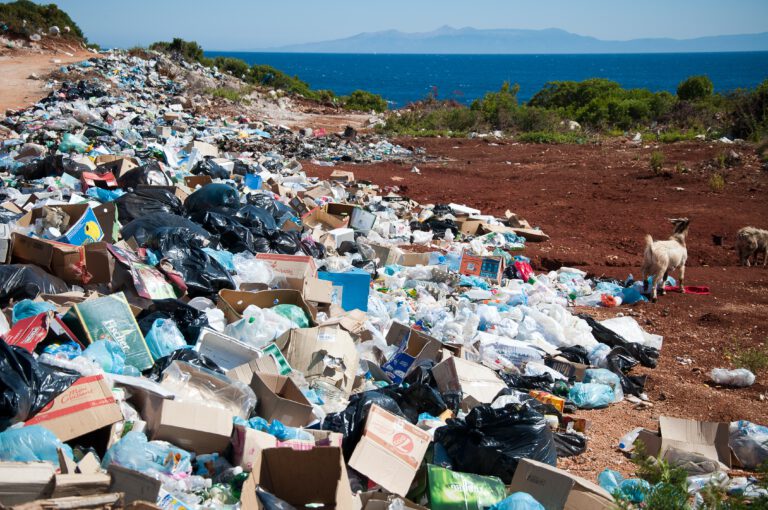
picture of a landfill

Did you know that humans produce 2.6 trillion pounds of trash per year? Waste is one of the many significant problems that is damaging our environment. Pollution, whether it’s in the air, water, or soil, each pollution holds an equal and tremendous hazard to people, land, animals, and the entire ecosystem. While air and water pollution are more difficult for an individual to control, the daily garbage waste that an individual creates is easier to control. While recycling, not using plastic, and composting are great ways to help reduce waste, it is not incentivizing enough for all people. Therefore, I will tell you some ways in which you can reduce your waste, but in a fun way.

Repurpose old bottles and cans

How often are you constantly discarding your used toiletry bottles? Make use of your old, shampoo, conditioner, or any bottle and cut the top off and use it for anything. There are so many things that just lay around without a place and this is an easy and effective way to organize your items. You can also paint and decorate the bottles after you cut the top off. Keep your pens, makeup brushes, or cooking utensils in these and you will feel much more organized in an environmentally friendly way.

pictures of pencils in a jar

Candles from old jars

Making candles is super easy and always looks great. All you need is a wick, wax, and some scissors. Take your old jar and stick the wick to the bottle of the jar with a piece of tape.

CreatCreaMelt wax on the stove and then pour it into the jar, making sure to hold up the top of the wick. Fill it to the top keeping some of the wick above and that’s it! You can even add some fragrance and essential oils to the melted wax if you like a scented candle. Another easy one is the orange peel candle.

https://www.greenprophet.com/2016/10/the-orange-peel-candle-a-how-to-guide/

picture of a candle

Vase from plastic or glass bottle

This one is a great alternative to buying a vase, is good for the environment, and can be created into however you’d like it. Buy a bunch of colorful gems and decorate the outside of the bottle, or paint the bottle with fun designs and artwork. However you like your art to be, do it on a bottle. Then, cut the top of the bottle off, or leave it as is and put some flowers in it. Or how about making a mini vase you can wear with a tiny boutonniere.

picture of flowers in repurposed cans

CD art

Have a ton of old CDs just lying around? Instead of throwing them out, make some fun art out of them. Just grab a bunch of acrylic markers or paint and get creative!

Oil drilling near the Great Amazon Reef System would wipe out mangroves

0
Mangrove forest in the Amazon

The world is up in arms about the new frontier in mining – deep sea mining for minerals like lithium and gold from virgin seafloors around the world. Prospectors say that the growth of electric cars has left us no choice as the batteries need lithium and other rare metals to function. But mining for oil at sea has been ongoing for decades. Offshore drilling began in America in the 1880s and the damage of oil exploration at sea is only too well known after great oil spills.

Now a Brazilian petrochemical company called Petrobras wants to drill exploratory oil wells in the ocean near the mouth of the Amazon. Scientists worry if the plan gets approved, inevitable oil leaks could damage nearby ecosystems, including a vast reef system and the second-largest mangrove forest in the world. Little is known about the reef, so “a comprehensive evaluation of the risks from oil and gas exploitation is currently impossible”, says marine ecologist Rodrigo de Moura in a new Nature article.

His colleague concurs: “There’s a palpable risk of an oil spill if activities proceed — the fact it is an exploratory well for studying the region’s potential for deep-sea oil doesn’t exempt it from accidents,” says Carlos Rezende, a marine biologist at the State University of Northern Rio de Janeiro in Campos dos Goytacazes, Brazil.

In defense, Petrobras said it will not be endangering delicate ecosystems, “there is no record of any nearby conservation units, nor is it located near rivers, lakes, floodplains or reef systems” they wrote, but the scientists familiar with the region know that the Great Amazon Reef System is only about 40 miles away and any oil spill or leakage will easily travel that distance.

Oil prospecting: Map showing the location of a possible exploratory oil well just beyond the Great Amazon Reef System.

Source: Nature

Studies suggest that the reef that the reef somewhere between 9,500 and 56,000 square kilometers across the mouth of the Amazon River. When it was first described by scientists in the 1970s, the researchers then did not observe any impressive range of biodiversity. But recent studies found an ecosystem with corals, sponges and fish.

“It is huge, and it is sensitive,” says Ronaldo Francini-Filho, a marine ecosystems researcher at the University of São Paulo in Brazil. “And we don’t know even 5% of what’s down there.”

Brazil has other megaprojects in the Amazon region that are under debate including the repaving of a highway that would pass through a preserved rainforest, the construction of a major railway for grain transport and the renewal of a giant hydroelectric dam’s license. Countries in South America were easy to exploit in the past but with environmental awakening and the understanding of a country’s need to protect their assets, citizens are expecting more from their leaders who will need to make tough decisions.


What is a Mass Tort or Class Action Lawsuit?

0
Tesla solar roof
Tesla customers file a class action suit against this renewable energy and EV company

Are the legal jargons “mass tort” and “class action lawsuit” leaving you scratching your head every time they pop up in the news? This article is your trusty compass navigating through the intricate maze of these intimidating legal terms. By the time you finish reading, you won’t just be another spectator in discussions around these topics. Instead, you’ll be at the forefront of the latest news on mass torts and class action lawsuits

This knowledge won’t just demystify these legal constructs for you but also empower you to meaningfully contribute to discussions that often shape our societal narratives. After all, these legal terms aren’t just lawyer talk; they touch our lives in genuine ways, often determining the rights and protections we enjoy as consumers. So, isn’t it time we took the reins and began understanding these ourselves? Let’s dive in, brave this legal storm together, and emerge on the other side informed, aware, and ready to engage with the world around us more thoughtfully and insightfully.

Decoding Mass Torts

First up, let’s tackle the term “mass tort.” Suppose you bought a popular snack and found it contained harmful ingredients. Now, picture hundreds or thousands of others sharing the same unfortunate experience. Each of these affected individuals decides to sue the snack manufacturer. This collective legal action is known as a mass tort.

To simplify, a mass tort is when a large group of people takes single or multiple companies to court. It typically happens when many people get injured or suffer losses due to a product, medicine, or disaster caused by a company. The interesting part of a mass tort is that each person files their own unique claim based on their specific damages.

Grasping Class Action Lawsuits

Class action lawsuits have a bit in common with mass torts. Going back to our snack scenario, this time, instead of everyone suing individually, one person or a small group sues on behalf of everyone affected. This group lawsuit is what we call a class action.

A class action lawsuit is when an individual or group stands up for a larger group, all having suffered similar harm or losses. It’s different from mass torts because, in class actions, all the claims are combined into one big lawsuit. The outcome of a class action lawsuit affects all the ‘class members.’

Spotting the Differences Between Mass Tort and Class Action Lawsuits

So, you might be thinking, “Aren’t mass torts and class action lawsuits the same?” While they appear similar to many plaintiffs and a few defendants, there are key differences. Each person has a unique claim in a mass tort and gets their own court decision. On the other hand, in a class action lawsuit, one court decision affects all the class members.

The Role of Mass Torts and Class Action Lawsuits

You might wonder why you should care about mass torts and class action lawsuits. These legal actions play a crucial role in society. They help balance power between everyday people and big corporations. It’s pretty intimidating to think about taking on a large company by yourself, right? Now, imagine standing together with hundreds or thousands of others, all seeking justice. Feels more manageable, doesn’t it?

Additionally, mass torts and class action lawsuits (like the $6 million lawsuit Tesla customers filed against solar roof price hikes in 2021) hold corporations accountable for their actions. They discourage unethical practices and push companies to prioritize consumer rights and safety.

Tesla Y, 2024
Tesla Y, 2024 makes a decent, sustainable EV

Keeping Tabs on Mass Torts and Class Action Lawsuits

As savvy consumers, it’s crucial that we keep our fingers on the pulse of the latest developments in the realm of mass torts and class action lawsuits. Why should this matter to us? The answer is simple – knowledge equates to power. By staying informed, we gain a profound understanding of our rights and the legal options we can explore should we fall victim to a company’s misdeeds. The next time a headline on a mass tort or class action lawsuit catches your eye, you’ll delve deeper than the catchy title. You’ll be able to comprehend its true significance and the ripple effect it might create.

In closing, mass torts and class action lawsuits might seem like a labyrinth at first glance, but they’re, in fact, essential armor in our legal arsenal that shield consumers. Whether we’re talking about a mass tort or a class action lawsuit, the end goal remains unaltered – to bring justice to those who’ve been wronged. Now that you’re armed with this knowledge, you can confidently navigate the latest news on mass torts and class action lawsuits, engage in meaningful discussions, and perhaps even spread the wisdom to others!


Creating a Private and Environmentally Friendly Garden Oasis

0
garden office, seat waiting for you
A room of one’s own, a little office, pottery studio, or granny flat. Building a tiny home in your garden might be a better eco investment that renting a whole new space.

In today’s busy world, our gardens have become sanctuaries where we seek solace, unwind, and reconnect with nature. Privacy is an essential aspect of any garden, allowing us to enjoy these outdoor spaces without prying eyes. However, striking a balance between privacy and environmental friendliness can be a challenge. In this blog, we’ll explore how you can create a private garden oasis while being mindful of the environment.

The team from Outdoor Fountain Pros understands the essence of blending privacy with eco-friendly design solutions. By incorporating natural elements like water features and greenery, they help homeowners create serene, private spaces without compromising sustainability.

The Importance of Privacy in Your Garden

Imagine stepping into your garden, surrounded by lush greenery, with no worries about neighbours or passersby peering in. Privacy is essential for creating a peaceful and relaxing atmosphere. It allows you to truly immerse yourself in nature, practice yoga, read a book, or simply enjoy a cup of tea without any distractions.

The Challenge of Balancing Privacy and Eco-friendliness

While privacy is important, it can sometimes come at the cost of the environment. Traditional privacy solutions, such as tall fences or concrete walls, may block out prying eyes but can be visually unappealing and harm the ecosystem. Chemical-based treatments or non-recyclable materials used in these structures can have a negative impact on the environment.

Natural Privacy Solutions for an Eco-friendly Garden

Planting a Hedgerow 

One of the most effective and environmentally friendly ways to create privacy in your garden is by planting a hedgerow. Choose the emerald green arborvitae, a beautiful evergreen shrub that provides excellent coverage and a vibrant touch to your landscape. These low-maintenance plants are known for their dense foliage, making them ideal for privacy screens. Ensure proper spacing when planting the arborvitae to allow them room to grow and thrive.

Vertical Gardening with Climbing Plants

Another fantastic way to add privacy and greenery to your garden is through vertical gardening with climbing plants. Install trellises, pergolas, or fences and train climbing plants such as jasmine, clematis, or ivy to grow along these structures. Not only will these plants provide a natural screen, but they’ll also add beauty, and fragrance, and attract pollinators to your garden.

Living Walls and Green Screens

green all
A green wall in Cairo

Living walls, also known as green walls, are a visually stunning solution for both privacy and environmental friendliness. These vertical gardens are created by attaching planters or pockets to a wall and filling them with a variety of plants. The plants act as a living screen, adding privacy while improving air quality and biodiversity in your garden.

Bamboo for Privacy and Sustainability

green design, sustainable design, eco-design, bamboo, Iran, Raistudio, architecture, renewable materials
Bamboo Dome by Raistudio. This material can do so much. It is flexible and strong.

Bamboo is a versatile and fast-growing plant that can be an excellent choice for privacy and sustainability. Opt for clumping bamboo species to avoid invasive spread. Use bamboo screens or plant bamboo in strategic locations to create a natural barrier. Bamboo is a renewable resource that grows quickly and can be harvested for various purposes, making it an eco-friendly option.

Bamboo in Clore Science Park

Final Thoughts

Creating a private garden that is also environmentally friendly is not only possible but also rewarding. By embracing natural solutions such as hedgerows, vertical gardening, living walls, and sustainable plants like bamboo, you can strike the perfect balance between privacy and eco-friendliness. Let your garden become a haven where you can relax, unwind, and connect with nature, all while being mindful of the environment.

Does It Cost More To Insure Electric Vehicles

Rivian motors electric truck lithium batteries, white double cab
Electric cars will be saving thousands on fuel. But expect more to insure them. This is a Rivian electric truck.

With concerns about the sustainability of fossil fuels rising and a growing trend toward “greener” technologies, electric vehicles (EVs) have edged further into the forefront. The potential benefits of EVs are numerous –but if you’re considering making your next vehicle purchase an EV, you should know you may end up paying more in insurance premiums. We’ll delve into why exactly this is and what you can do about it.

Benefits of Driving an Electric Vehicle

First, let’s take a quick look at the perks of going electric, particularly those that might offset the additional insurance costs.

The most significant advantage when it comes to money is fuel efficiency: electric cars are much more fuel-efficient than their gasoline-burning counterparts. Even when the consumption rate fails to meet the promises of car manufacturers, the numbers are still significantly better than those of a gas-burning engine. Better energy efficiency means lower fuel bills.

Electric vehicles also tend to have a lower maintenance cost than more traditional vehicles. They have fewer components that are prone to wear and tear, reducing the frequency of necessary repairs. The regenerative braking systems present in many EVs lengthen the lifespan of the car’s brake pads, further bringing down maintenance costs.

Tax incentives and insurance discounts are other good reasons to invest in an electric vehicle. Many insurance companies offer discounts for green vehicles, including EVs and hybrids. The government has also been known to provide tax incentives in order to further encourage the adoption of more energy-efficient vehicles.

Finally — and this is the draw for many EV enthusiasts — there’s the personal satisfaction of making a little less of an impact on the environment. The ecologically perfect vehicle doesn’t exist, and never may, but electric vehicles tend to make a much smaller negative impact on the world.

Why Are EVs More Expensive to Insure?

luci cars, all electric luxury sedan, Saudi Arabia
Lucid electric

But if EVs are less expensive to maintain, how can they be more expensive to insure? A couple of reasons.

First, insurance for electric vehicles is subject to the same range of criteria as their traditional counterparts: your age, driving and claims history, marital status, and even your credit score and ZIP code can make a difference in how much you’ll pay for auto insurance.

Secondly, while the parts on EVs tend to be longer-lasting and break less frequently, they’re more expensive to replace when they finally do break. EV batteries are particularly difficult and expensive to replace. Servicing electric vehicles is also more expensive in general, since working on them requires specialized tools and training that may not be available everywhere.

How To Bring Those Insurance Premiums Down

So how much more does it cost to insure an electric vehicle? As you might expect, that depends on the vehicle. A Toyota RAV4 Hybrid only costs about $1700 in yearly premiums — not far off from the national average of $1548. On the other hand, insuring an expensive high-end car like the Tesla Model X or Porsche Taycan could run you up to $4000 or more. Most common commercial EVs will cost somewhere between $1700 and $2400 to insure yearly. While not necessarily a dealbreaker, it is a significant difference.

Fortunately, there are some ways you can bring those premiums down to a level more comparable with more traditional vehicles. There are the aforementioned tax incentives and insurance discounts available specifically for green vehicles. Your existing insurance carrier may not offer such a discount, in which case it might be worth looking into switching companies. If you want to go comparison shopping, you can get free car insurance quotes from a variety of online tools — Kristine Lee at the insurance comparison site The Zebra offers a frequently updated guide to getting car insurance quotes and finding a better deal. Some insurance companies even specialize in electric vehicles.

There are also more time-honored ways of bringing your auto insurance rates down. For example, you can ask your insurer what kind of other discounts you might qualify for (low mileage, good student, occupational or military discount, multi-vehicle discount, etc).

You could also invest in some additional anti-theft and safety equipment for your vehicle — not a bad idea regardless, given that EVs tend to be a larger financial investment overall. Insurers will take note of this and will likely offer a discount for reducing the risk of a costly claim. Taking a defensive driving course is another great way to get a discount. Finally, if you’re a homeowner, consider bundling your home and auto insurance together — most insurers will offer a discount for that.

While electric vehicles currently cost more to insure, that may change as they continue to edge into the mainstream and become more commonplace. The small market share of EVs naturally drives costs up, but as green solutions become more popular and important to businesses, the insurance rates will likely evolve and come down to rates similar to those of gas-burning vehicles.


Debunking Myths: The Truth About Renewable Energy 

0
robots renewable energy
Do you have climate anxiety? Are you worried renewables won’t save us? Let us help calm your fears.

In today’s world, renewable energy is seen as a beacon of hope for sustainable development. But myths and misconceptions surrounding it are widespread. It’s time to set the record straight: renewable energy is viable and necessary for us to meet global climate goals.

According to Statista, in 2022, about 27.6 percent of global electricity generation came from solar power, wind, hydropower, and other renewable sources. This percentage had steadily increased since 2010, when only six percent was generated by renewable sources.

It’s clear that renewable energy plays an increasingly important role in powering our society today and will be even more critical tomorrow. So let us debunk some common myths surrounding this essential resource now.

The Context and Importance of Renewable Energy 

Renewable energy has become increasingly important in our society, especially in light of the global climate crisis. It’s essential in achieving our goals as humanity strives to reduce greenhouse gas emissions and combat climate change.

By using renewable sources such as Puma Energy, we can reduce our reliance on non-sustainable energy sources such as fossil fuels and nuclear power. Not only will this help us decrease emissions, but it also reduces our dependence on finite resources that are becoming more scarce.

Renewable energy can also bring many socio-economic benefits to local communities, including new jobs and increased economic activity. Additionally, it can create a feeling of empowerment as people can use their own resources to produce electricity.

Common Renewable Energy Myths  

Green MBA in engineering and she is building a robot to build solar panels
She’s taking a green MBA and building a robot who can manufacture custom solar panels

Renewable energy has become crucial to our society, yet many myths and misconceptions surround it. Let’s debunk the popular ones:

It’s too expensive 

Renewable energy has been subject to the misconception that it is expensive. Contrary to this, the cost of renewable energies such as solar, wind, and hydropower have dropped significantly over the last decade. In fact, according to a report published by the International Renewable Energy Agency (IREA), solar PV power has decreased by 85 percent since 2010.

What’s more, countries around the world have seen lower electricity prices thanks to renewable energy. For example, renewable energy costs four times cheaper in India than coal-based electricity. This shows how cost-effective renewables can be when implemented correctly.

Furthermore, investments made in renewable energy help reduce fuel costs over time as well as reduce dependence on foreign energy sources. This makes renewable energy an even more economically viable option.

It can’t provide enough power 

wind turbine, drone above looking down over the blades onto land
Renewable energy is a sound investment

Even though renewable energy sources are increasingly getting more cost-effective, one of the most commonly heard myths surrounding them is that they cannot provide enough power. However, this couldn’t be further from the truth.

Technological advances have made producing large quantities of electricity from renewable energy sources possible. For example, wind turbines can now generate enough electricity to power entire cities, and the latest solar panels in the markets are highly efficient at converting sunlight into electricity.

Here are countries powered by renewable energy sources:

  • Scotland — 97% of all electricity produced 
  • Costa Rica — 98% of all electricity produced
  • Uruguay — 98% of all electricity produced
  • Norway — 98% of all electricity produced

This proves renewable energy sources can provide enough power for large populations and should be considered a viable alternative energy source.

It’s unreliable 

One of the most common myths about renewable energy is its perceived unreliability. This misconception stems from the fact that renewable sources, like solar and wind, depend on weather conditions to generate electricity. However, this does not mean that they are inherently unreliable.

Technological advances have made renewable energy sources far more efficient and reliable. For example, wind turbines can now be built to operate at lower wind speeds, while solar panels are more efficient than ever at converting sunlight into electricity.

Furthermore, adding better batteries and other storage solutions to renewable energy systems allows them to store excess power for later use. These enhancements make them a much more secure long-term investment for any homeowner or business.

It causes more environmental harm than good 

refugees renewable energy
Renewables are a lifeline for people in developing nations and for refugees

The myth that renewable energy causes more harm than good has been debunked numerous times. Even though some forms of renewable energy, such as hydropower, can have negative impacts, the net result is still beneficial. You can check with an expert, such as Sarah Yumi of Healthspot, for possible adverse effects of renewables on the human body. 

Renewable energy reduces greenhouse gas emissions, which are responsible for global warming and climate change. Additionally, it requires significantly less water to generate electricity than fossil fuels, making it a much more sustainable option. 

Furthermore, renewable energy sources can help 

preserve local ecosystems by reducing air and water pollution from burning fossil fuels. Ultimately, the environmental benefits of renewable energy make it an essential tool for meeting global climate goals.

It requires too much land 

solar energy kuraymat, Egypt
Solar panels in Morocco

The myth that renewable energy requires too much land has been widely debunked. The land needed to generate renewable energy is smaller than other sources. For example, a solar photovoltaic (PV) uses 19m2 of land per mWh of electricity produced, whereas a coal plant requires 21m2 per mWh.

Moreover, the land used for renewable energy can often be used for multiple purposes, such as agriculture or grazing. This starkly contrasts fossil fuel plants that require large tracts of land with no other practical uses.

It’s not capable of supporting industrial and economic growth

Contrary to popular belief, renewables have the potential to support industrial and economic growth. Although they occupy relatively small land areas compared to other sources, solar and wind energy can provide significant electricity to power factories and businesses.

Furthermore, investments in renewable energy can create jobs and stimulate local economies. This can be through the construction of solar and wind farms and research and development projects.

Moreover, renewable energy sources can provide reliable electricity to households in rural areas, enabling small-scale businesses to develop and thrive. In addition, they offer long-term savings on fuel costs for industrial companies that rely on electricity to power their operations.

Looking Ahead: The Future of Renewable Energy  

The future of renewable energy is looking brighter than ever. Thanks to technological advances and cost reductions, the adoption of renewables has increased in recent years. With more countries investing in green power sources, we can expect a more significant shift toward using clean energy in the coming months and years.

Governments must continue to create incentives for businesses and households alike so that everyone can reap the benefits of reliable electricity produced from sustainable sources. Renewable energy technologies will play a significant role in our society’s transition towards a greener future — one where economic growth isn’t dependent on polluting fossil fuels; instead, it’s powered by clean, renewable sources.

Green energy hydrogen breakthrough

0
Hyzon hydrogen fuel bus
Hydrogen energy may be the future. Currently it costs more to produce than it’s worth but testing, testing, optimising, testing again. This is how energy becomes cleaner and greener.

Researchers from Tel Aviv University have succeeded in producing “green” hydrogen using green electricity — The hydrogen is produced without air pollution, with a high level of efficiency, utilizing a biocatalyst. Hydrogen is a necessary raw material for both agriculture and industry, but 95% of the hydrogen produced in the world today is “black” or “gray” — produced from coal or natural gas and emitting 9 to 12 tons of carbon dioxide for every ton of hydrogen.

For a primer read our history of hydrogen for fuel.

The new method was developed by doctoral student Itzhak Grinberg and Oren Ben-Zvi, under the guidance of Prof. Iftach Yacoby and Prof. Lihi Adler-Abramovich. The promising research results were published in the journal Carbon Energy, focusing on advanced materials and technology for clean energy and CO2 emission reduction.

Green hydrogen from Tel Aviv University
Contact Remot if you want to invest in this new hydrogen breakthrough and this is the team you’d be investing in

“Hydrogen is very rare in the atmosphere,” explains Itzhak Grinberg, “although it is produced by enzymes in microscopic organisms, which receive the energy for this from photosynthesis processes. In the lab, we “electrify” those enzymes, that is, an electrode provides the energy instead of the sun.

“The result is a particularly efficient process, with no demand for extreme conditions, that can utilize electricity from renewable sources such as solar panels or wind turbine. However, the enzyme ‘runs away’ from the electric charge, so it needs to be held in place through chemical treatment. We found a simple and efficient way to attach the enzyme to the electrode and utilize it.”

The world has seen 5 breakthroughs in hydrogen. Read about them here.

5 hydrogen storage and energy breakthroughs

The researchers used a hydrogel (a water-based gel) to attach the enzyme to the electrode, and were able to produce green hydrogen using a biocatalyst, and with over 90 percent efficiency; that is, over 90 percent of the electrons introduced into the system were deposited in the hydrogen without any secondary processes.

Prof. Iftach Yacoby explains that, “The material of the gel itself is known, but our innovation is to use it to produce hydrogen. We soaked the electrode in the gel, which contained an enzyme for producing hydrogen, called hydrogenase. The gel holds the enzyme for a long time, even under the electric voltage, and makes it possible to produce hydrogen with great efficiency and at environmental conditions favorable to the enzyme — for example, in salt water, in contrast to electrolysis, which requires distilled water.

Prof. Lihi Adler-Abramovich adds: “Another advantage is that the gel assembles itself — you put the material in water, and it settles into nanometric fibers that form the gel. We demonstrated that these fibers are also able to stick the enzyme to the electrode. We tested the gel with two other enzymes, in addition to the hydrogenase, and proved that it was able to attach different enzymes to the electrode.”

Today, ‘green’ hydrogen is produced primarily through electrolysis, which requires precious and rare metals such as platinum along with water distillation, which makes the green hydrogen up to 15 times more expensive than the polluting ‘grey’ one.

Oren Ben-Zvi adds: “We hope that in the future, it will be possible to employ our method commercially, to lower the costs, and to make the switch towards using green hydrogen in industry, agriculture, and as a clean energy source.”

A non-Jew’s guide to keeping Kosher

picture of a kosher pizza restaurant

Have you ever walked into a grocery store and been confused about what was meant by the kosher aisle? What the symbol was on some food packaging that had a U with a circle around it? Today I will share with you what it means to be kosher and how to follow a kosher diet.

Keeping kosher is the practice of adhering to strict guidelines of dietary restrictions done by Jews for thousands of years. Most Jews that keep kosher are orthodox, however, Jews of all spectrums can keep kosher if they would like to. The Torah, which is the Hebrew bible of the five books of Moses, lists what it means to be kosher and how to do it. As Jews say, “to be pure, proper, or suitable for consumption” is a kosher diet. The Jewish word for being kosher is “Kashrut” which means to be fit, proper, and suitable for consumption”.

picture of the Torah

Kosher laws are the laws given by God to the Jewish people. One of which is that it is forbidden to mix meat products with dairy. For example, cheeseburgers are not kosher. Secondly, as Jews say, An animal is kosher if it has split hooves and chews its cud.

This means cow, lamb, and beef are all kosher. Pig is not kosher, so no bacon under Jewish law. Sea animals are kosher if they have fins and scales. This means flounder, cod, salmon, and whitefish are all kosher. Shrimp, clams, lobster, and crab are not kosher. Birds need to be non-predators, so chicken and turkey are deemed kosher under kosher rules.

When it comes to fruits and vegetables, it is important to thoroughly wash them because insects are not kosher (which also ensures a safe consumption of fruits and vegetables). Otherwise, all fruits and vegetables are kosher. Unless you live in Israel where the laws of shmita are observed.

It is also important that when preparing food all utensils used are not contaminated by non-kosher food items. So if a knife was used to cut a cheeseburger, that knife cannot be used to eat a kosher meal. In addition, kosher food cannot be cooked with non-kosher food. For this reason, there needs to be entirely separate dishes, pans, and utensils for kosher and non-kosher food.

Even when it comes to cleaning, there needs to be separate sponges to ensure there is no mixing. It is best that a kosher kitchen is kept as a kosher kitchen otherwise it is very difficult to ensure there is no mixing between kosher and non-kosher foods. Or, if you have a mixed household, you should have entirely separate cabinets that designate which pots, pans, utensils, etc. are kosher and which ones are non-kosher.

When it comes to packaged food, you need to make sure that the food item is labeled as kosher. There are different symbols that show that the food items have been verified and given a certification that it is safe to consume in a kosher diet. Some of these symbols include the OU (Orthodox Union), the OK (Organized Kashrut Laboratories), and the KSA (Kosher Supervision of America).

picture of the Orthodox Union logo
The Orthodox Union logo is seen on food packages that are certified kosher

The environmental benefit of keeping kosher

vegan junk food
A vegan burger makes it easy for all Jewish people to eat as long as there are no bugs in the meatless burger. Lab meat creates a new question. Is it meat?

Keeping kosher is better for the environment for a few reasons. Kosher laws skew what Jews are allowed to eat, leaving more room for fruits and vegetables. Although Jews can still eat meat (which is not great for the environment), they cannot eat meat and dairy together, so its own or the other. In addition, it eliminates certain products from the diet so it is closer to a vegan diet than a normal diet would be.

For example, kosher Jews cannot eat pork, which helps reduce their carbon footprint. “Your chances of being part of the sustainable movement by eating kosher is very likely,” says the Orthodox Union on keeping kosher. This is because some of the top kosher companies in the world have put sustainability measures at the top of their agenda.

Overall, the kosher diet is very important to Orthodox Jews and needs to be taken very seriously in the preparation of their food. Just like with any other religion, these practices need to be respected and recognized. Jews all over the world practice kosher diets, and it is very common to see kosher labels and certifications on food products and in restaurants.