PEOPLE Festival returns to Berlin’s Funkhaus this October, bringing 180 musicians together for a week of collaboration, improvisation and more than 200 one-off performances.
Teletherapy can make mental health care easier to access by reducing travel, scheduling and location barriers. Here are six ways virtual therapy can help people connect with professional support more easily.
A coworking space within walking distance can cut commuting time and give you a reliable place to work, but distance alone does not make it useful. Test the internet, noise, privacy, desk setup, environmental claims and real cost before committing to a membership.
PEOPLE Festival returns to Berlin’s Funkhaus this October, bringing 180 musicians together for a week of collaboration, improvisation and more than 200 one-off performances.
Teletherapy can make mental health care easier to access by reducing travel, scheduling and location barriers. Here are six ways virtual therapy can help people connect with professional support more easily.
A coworking space within walking distance can cut commuting time and give you a reliable place to work, but distance alone does not make it useful. Test the internet, noise, privacy, desk setup, environmental claims and real cost before committing to a membership.
PEOPLE Festival returns to Berlin’s Funkhaus this October, bringing 180 musicians together for a week of collaboration, improvisation and more than 200 one-off performances.
Teletherapy can make mental health care easier to access by reducing travel, scheduling and location barriers. Here are six ways virtual therapy can help people connect with professional support more easily.
A coworking space within walking distance can cut commuting time and give you a reliable place to work, but distance alone does not make it useful. Test the internet, noise, privacy, desk setup, environmental claims and real cost before committing to a membership.
PEOPLE Festival returns to Berlin’s Funkhaus this October, bringing 180 musicians together for a week of collaboration, improvisation and more than 200 one-off performances.
Teletherapy can make mental health care easier to access by reducing travel, scheduling and location barriers. Here are six ways virtual therapy can help people connect with professional support more easily.
A coworking space within walking distance can cut commuting time and give you a reliable place to work, but distance alone does not make it useful. Test the internet, noise, privacy, desk setup, environmental claims and real cost before committing to a membership.
PEOPLE Festival returns to Berlin’s Funkhaus this October, bringing 180 musicians together for a week of collaboration, improvisation and more than 200 one-off performances.
Teletherapy can make mental health care easier to access by reducing travel, scheduling and location barriers. Here are six ways virtual therapy can help people connect with professional support more easily.
A coworking space within walking distance can cut commuting time and give you a reliable place to work, but distance alone does not make it useful. Test the internet, noise, privacy, desk setup, environmental claims and real cost before committing to a membership.
PEOPLE Festival returns to Berlin’s Funkhaus this October, bringing 180 musicians together for a week of collaboration, improvisation and more than 200 one-off performances.
Teletherapy can make mental health care easier to access by reducing travel, scheduling and location barriers. Here are six ways virtual therapy can help people connect with professional support more easily.
A coworking space within walking distance can cut commuting time and give you a reliable place to work, but distance alone does not make it useful. Test the internet, noise, privacy, desk setup, environmental claims and real cost before committing to a membership.
PEOPLE Festival returns to Berlin’s Funkhaus this October, bringing 180 musicians together for a week of collaboration, improvisation and more than 200 one-off performances.
Teletherapy can make mental health care easier to access by reducing travel, scheduling and location barriers. Here are six ways virtual therapy can help people connect with professional support more easily.
A coworking space within walking distance can cut commuting time and give you a reliable place to work, but distance alone does not make it useful. Test the internet, noise, privacy, desk setup, environmental claims and real cost before committing to a membership.
PEOPLE Festival returns to Berlin’s Funkhaus this October, bringing 180 musicians together for a week of collaboration, improvisation and more than 200 one-off performances.
Teletherapy can make mental health care easier to access by reducing travel, scheduling and location barriers. Here are six ways virtual therapy can help people connect with professional support more easily.
A coworking space within walking distance can cut commuting time and give you a reliable place to work, but distance alone does not make it useful. Test the internet, noise, privacy, desk setup, environmental claims and real cost before committing to a membership.
Dublin based HT Materials Science (HTMS) has developed a breakthrough energy savings solution called Maxwell that can slash operating costs, increase system capacity in new and existing builds and offer carbon credits
Water is the universal heat transfer fluid for commercial and industrial HVAC systems. While water is plentiful and cheap there are additives to water which can improve its thermal capacity and that’s the elegant and planet-smart idea from Irish-Italian company HT Materials Science based in Dublin, Ireland.
HTMS has developed a heat transfer fluid branded Maxwell to increase the thermal capacity of water –– allowing it to store up to 20% more energy than water alone. At only a 2% additive to water, Maxwell can provide up to a 20% increase in performance and reduce greenhouse gas emissions in no small way.
HT Materials Science was founded in 2018 to develop a heat transfer fluid for commercial and industrial HVAC markets. Among its investors are Saudi Aramco Energy Ventures, which led a €15M Series A round in 2021, and Barclays Bank, via its Sustainable Impact Capital portfolio.
Maxwell shows how small breakthroughs in science contribute to the advance of meeting renewable energy goals in big ways. The usual payback for clients who install the fluid is approximately 3 years.
Maxwell is non-toxic and non-corrosive with a useful life of about 10 years. Data centers, hospitals, commercial real estate and manufacturing facilities are the company’s main target sectors. Maxwell is applicable to all closed loop HVAC systems generally serviced by chillers, water source heat pumps, energy recovery systems.
Same temperature, less energy: HT Materials co-founder and CEO Thomas Grizzetti
HT Materials Science CEO Tom Grizzetti tells Green Prophet: “There has certainly been development activity in heat transfer fluids over the last decade-plus. However, the combination of product stability, proven performance and client engagement has been elusive.
“With Maxwell, a multi-patented product, we bring to market a solution that was developed to satisfy both the science and the business sides of the equation. These efforts have resulted in a stable product with provable performance and ultimately significant client engagement,” he adds.
Liquid energy in a jug of Maxwell
Maxwell is an engineered suspension of sub-micron aluminum oxide particles in a base fluid of water or water/glycol (that last part is significant since it means Maxwell can be used in systems that use either water or glycol as their base fluid)—resulting in reduced energy use, emissions, maintenance and costs; and an increase in system capacity.
Same temperature, less energy
HT Materials Science manufacturing facilities
Consider that heating and cooling are attributed to almost half of our planet’s energy consumption, and about 40% of carbon dioxide and equivalent carbon emissions.
Among HT Material Science’s first industrial clients is the German based alumina producer Almatis. By installing Maxwell into the plant’s cooling system, HTMS increased the system capacity by up to 20% while increasing operational output.
The company recently earned a Green Product Award for its work at a facility owned by Johnson & Johnson and for its project with Tabreed at a 600,000 square-foot campus in Abu Dhabi. Tabreed provides cooling services for Samsung, UAE malls, and a geothermal system at Masdar.
Working at the HT Materials Science lab
HT Materials Science is on a mission looking to expand throughout the Middle East as countries like the UAE and Saudi Arabia develop manufacturing and technology parks to keep production facilities like electric cars close to home.
Maxwell is a pretty neat fluid that will be a game changer for carbon accounting globally.
Markets in Tunisia will soon lack greens which require heavy amounts of water
Tunisia is witnessing a worsening water crisis as the demand exceeds the available supply, reported the Tunis Afrique Presse this week.
“The reserves of Tunisian dams have reached their lowest levels in different regions in the country,” Chawki Ben Mansour, central director of the National Company of Water Exploitation and Distribution (SONEDE), said.
The water reserves stored at Tunisian dams are estimated at around 720 million cubic meters, recorded a regression of around 200 million cubic meters compared to the same period last year, Mansour said, calling on citizens to support water-saving policies. Prices for water went up 16% this year, while prices for consumers stayed stable.
Mansour said that SONEDE launched a water awareness campaign a week ago to inform citizens of the severe drinking water situation caused by the drought and lack of rainfall.
According to Euronews is also a ban on using drinking water to wash cars, clean streets or public places and water green areas: “Anyone who breaks these restrictions faces penalties that range from fines to imprisonment for up to six months.”
Strange creatures live in the deep seas. Mining will destroy ecosystems.
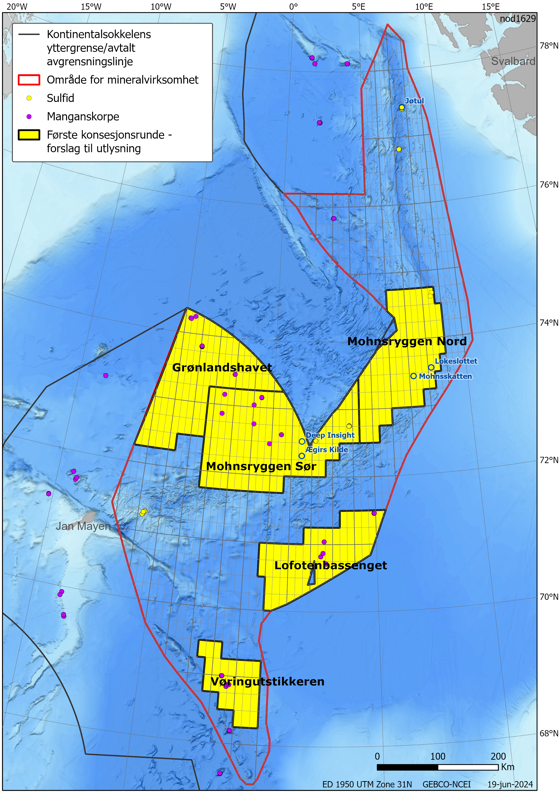
Norway’s Ministry of Energy has presented a proposal for the announcement of the first licensing round for deep sea mining of seabed minerals on the Norwegian continental shelf for public consultation. The proposal sets out the areas where the companies will be able to apply for exploitation licenses, so that exploration and gathering knowledge about whether there is a basis for sustainable mineral exploitation on the Norwegian shelf can begin.
Despite green groups suggesting the great harm deep sea mining can do to yet explored underwater ecosystems, Norway plans to go ahead, championing a need to do it for the environment, they say.
The country states:
“The world needs minerals for the green transition, and the government wants to explore if it is possible to extract seabed minerals in a sustainable manner from the Norwegian continental shelf. A large majority of the Norwegian Parliament supports the government’s step-by-step approach to the management of seabed minerals.
“This announcement is an important next step in the management of our seabed mineral resources. Environmental considerations are taken into account in all stages of the activities. Today, we are presenting our proposal for areas to be announced in the first licensing round for seabed minerals for public consultation. We plan to award licenses in the first half of 2025’,” said Minister of Energy Terje Aasland.
A large majority in the Norwegian Parliament endorsed the government’s proposal to open an area on the Norwegian continental shelf for seabed mineral activities and the main lines of the management strategy. On the basis of this, the King in Council decided to formally open an area in the Norwegian Sea and the Greenland Sea for mineral activities on April 12 this year.
“Access to minerals is crucial to ensure that the world succeeds with the transition to a low-emission society. Minerals from the Norwegian seabed can become a source to meet parts of this demand. Norway’s long experience with responsible and sustainable management of ocean-based resources, makes us well positioned to take the lead and manage these resources in a responsible and sustainable manner,” said Aasland.
The areas open to licensing from Norway are shown below.
The public consultation the Norway Government says is a part of the first licensing round for mineral activity on the Norwegian Continental Shelf. Following the consultation, the Ministry will go through the consultation responses. After this, the first licensing round will be announced.
The announcement will, among other things, include a deadline for the companies, and information about requirements and conditions that will be put on applicants related to, among other things, the environment. As part of their application, the companies will be requested to include a proposal for a work program for the area to which they are applying.
Received applications will be processed in accordance with published and known award criteria. The Ministry aims to award licenses during the first half of 2025. Licensees under an exploitation license must prepare a detailed work program tailored to the area covered by the license and the resources that are assumed to be there. Such activity is assumed to have minimal environmental impacts but will contribute to important knowledge and competence building.
The work program will normally have submission of a plan for exploitation or relinquishment of the area as the final milestone.
Licensees will also be required to share data with the authorities, which is important for building knowledge about resources, the environment and natural assets. Norway will have a step-by-step and responsible development of seabed mineral activities on the Norwegian continental shelf.
The World Wildlife Fund is not happy:
Karoline Andaur, CEO of WWF-Norway, expressed her grave concerns over this announcement: “Licensing almost 400 blocks for deep seabed mining flagrantly disregarded environmental expert advice and the robust criticism directed at the Norwegian government by the international community. This marks a significant blow to Norway’s reputation as a responsible steward of the oceans.
“The Norwegian government is misleading the public by claiming they have only opened areas for exploration. That is not true. The reality is that the licences granted will be for exploration. Experience from the petroleum industry indicates that once significant investments are made, halting projects due to environmental concerns becomes nearly impossible.”
“The strategic impact assessment conducted by the government reveals a lack of sufficient knowledge regarding the vulnerable ecosystems of the deep sea, rendering it impossible to accurately assess the potential consequences of exploration or exploitation. This move risks triggering an environmental catastrophe with irreversible damage to marine biodiversity,” she says.
Plastics are all around us. Despite Greenpeace diehards wanting to ban them, along with the oil industry that fuels ships, plastics have transformed our lives allowing us to fly in airplanes, preserve and store water, and produce clothes and everyday products cheaply and effectively. But there is a cost as plastics don’t biodegrade, most plastics are not recycled, and they can enter the food chain and our bodies in teeny, invisible bits known as microplastics. Scientists find microplastics in water, in dust, in bits that chip off of plastic bottles we drink from –– and now the obvious –– from brushing our own teeth. (Slide down if you are looking for the study on plastic oral retainers).
Microplastics, according to the NIH in the US, can affect the human body by stimulating the release of endocrine disruptors. Microplastics can carry other toxic chemicals such as heavy metals and organic pollutants during adsorption, which can adversely affect the human body.
In a new study by dental researchers in India, and published in the journal Environmental Pollution, researchers looked at the impact of using plastic toothbrushes and microplastics. Brushing one’s teeth is abrasive, no doubt, and plastics must most certainly be chipping off from toothbrushes. Is it time for natural bristles and the miswak stick, used in Africa and in Arab countries as a natural toothbrush?
The miswak is a teeth-cleaning twig made from the Salvadora persica tree. It shows antibacterial activity which may help control the formation and activity of dental plaque.
Brush your teeth with the stick from a tree? It’s called a miswak. Find them for sale in African markets.
The Indian researchers from the Meenakshi Ammal Dental College and Hospital explain that the “environmental input of microplastics from personal care products has received significant attention; however, less focus has been paid to oral healthcare products.”
They looked at microplastics in commercially available oral healthcare products such as toothbrushes, toothpastes, toothpowder, mouthwash, dental floss, and mouth freshener spray that have a pan-India distribution.
All products showed microplastic contamination, where toothbrushes showed the maximum particles (30 to 120 particles/brush) and mouth freshener sprays (0.2-3.5 particles/ml) had the least abundance, they report.
Fragments, fibres, beads, and films were the various shapes of microplastics observed, where fragments (60%) were dominant. Various colors such as pink, green, blue, yellow, black, and colorless fragments were observed, where colorless (40%) particles were dominant.
Microplastics were categorized into three sizes: <0.1 mm (63%), 0.1-0.3 mm (35%), and >0.3 mm (2%).
Four major types of polymers, such as polyethylene (52%), polyamide (30%), polyethylene terephthalate (15%), and polybutylene terephthalate (3%), were identified.
The researchers call for deeper investigation into microplastics and oral health. Which got me thinking after my daughter wore plastic Invisalign liners for a year to correct a minor overnite:
Are there microplastics shedding off of plastic aligners?
Microplastics and orthodontic plastic aligners. Any risk?
A study in 2023 that simulated the mouth environment in the lab found yes, that microplastics were being separated from clear orthodontic aligners. They looked at the leading brands of plastic aligners and compared them: “This in vitro study highlighted for the first time the detachment of microplastics from clear aligners due to mechanical friction. This evidence may represent a great concern in the clinical practice since it could impact human general health,” the researchers wrote.
They looked at orthodontic clear aligners from different manufacturers: Alleo (AL); FlexiLigner (FL); F22 Aligner (F22); Invisalign (INV); Lineo (LIN); Arc Angel (ARC), and Ortobel Aligner (OR). For each group, two aligners were immersed in artificial saliva for 7 days and stirred for 5 h/day, simulating the physiological teeth mechanical friction.
After 7 days, the artificial saliva was filtered; then, filters were analyzed by Raman Microspectroscopy (RMS) and Scanning Electron Microscopy (SEM), respectively to chemically identify the polymeric matrix and to measure the number and size of the detected microplastics.
The results: aligners AL, FL, LIN, ARC, and OR were composed by polyethylene terephthalate, while F22 and INV ones by polyurethane. SEM analysis showed that the highest number of MPs was found in Arc Angel and the lowest in Invisalign (p < 0.05).
Avoid micrplastics and buy a wooden, natural fiber toothbrush
These studies forecast the community health risks linked to microplastics in oral healthcare products. Using a wooden toothbrush with natural bristles may help.
Is it time to go back to metal braces? We can’t say. We will wait for more research but you might want to take this research into your own hands and –– mouth.
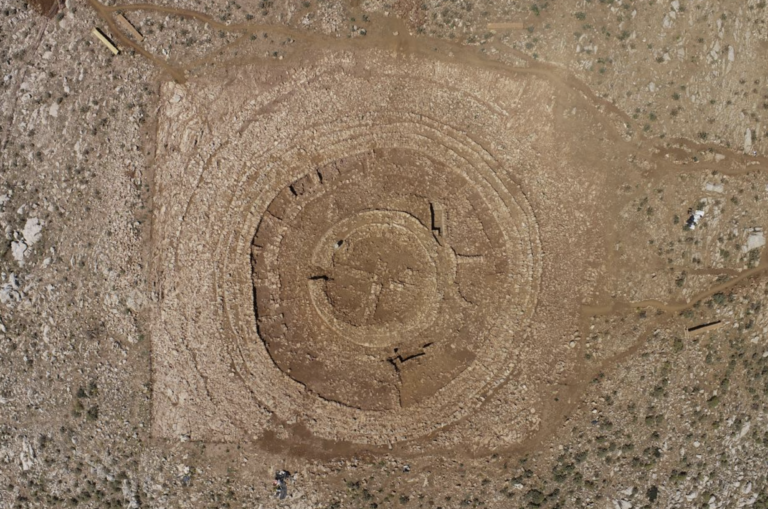
Archaeologists in Crete have discovered a 4,000-year-old structure that the Minoans may have used for rituals.
Archaeologists have unearthed a unique and mysterious Minoan monument on a hilltop on the island of Crete and which is overlooking the newly planned airport, the Greek Culture Ministry announced recently. The new discovery in Crete may be legendary Minotaur labyrinth, from the time of King Minos.
The remains of the building had been found on a hill at Kastelli at 1640 feet in a spot planned for the airport’s radar system.
“It is a unique discovery of particular interest,” Culture Minister Lina Mendoni said, with the ministry statement adding that it is the “first of its kind” found on Crete.
The circular stone building is 19,300 square feet in size and contains eight “nearly labyrinthine” rings connected via small openings, it said.
The intended use of the complex is not known but researchers speculate it was for rituals about 4,000 years ago. A large quantity of animal bones was found on the site, suggesting animal sacrifices were part of the rituals.
Radar systems will be planned for a new location. Of the 10 million travelers expected annually to the new Crete airport ready in 2027 — look down as you fly over some important history.
Depiction of Minoan mariners
The Minoans were a naval superpower of the Bronze Age era who originated on Crete and other Aegean islands until about 1500 BC. A possible Minoan cargo ship was found sunken off the coast of Israel recently during routine exploration for natural gas. The discovery suggests that Minoans were expert navigators who used technology to navigate by the sun, moon and stars as the ship was far from the coastline when it sunk.
Masdar, a renewable energy investor and also the name of the zero-energy town outside of Abu Dhabi is buying a Greek renewable energy company Terna Energy for the equivalent of 3.2 Billion Euros, equal to about 67% of the company’s outstanding shares at completion of the transaction. Masdar plans to launch an all-cash mandatory tender offer to acquire all the remaining outstanding shares of the company with the intention of reaching 100%.
It is the largest ever energy transaction on the Athens Stock Exchange, and one of the largest in the European renewables market.
The deal is expected to provide significant capital investment in Greece and other European countries, supporting Terna’s contribution to Greece’s National Energy and Climate Plan (NECP) and the EU’s net zero by 2050 target. The proposed acquisition demonstrates the scale and ambition of Masdar’s growth plans in the region, and further solidifies Masdar’s role as a trusted global energy transition partner to governments, investors, developers and communities across the globe.
“We are injecting capital and global expertise to accelerate Terna Energy’s expansion, supporting Greece’s renewable energy ambitions and extending Masdar’s global reach.
“We look forward to completing the transaction and starting to work with Terna Energy’s leadership team to supercharge their ambitious growth plans in support of Greece’s energy transition,” says Mohamed Jameel Al Ramahi, Chief Executive Officer of Masdar.
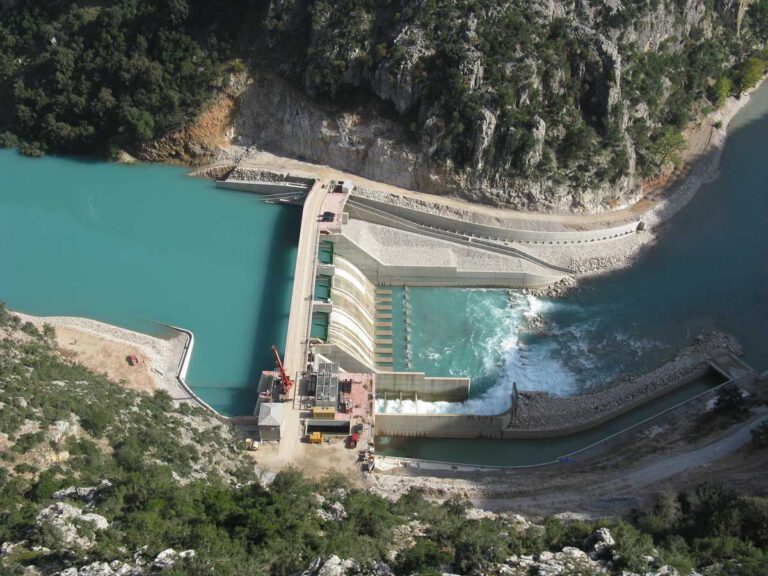
Established in 1997, Terna is a leading European clean energy platform, with a track record of more than 25 years of delivering innovative and sustainable projects. The company specializes in financing, developing, constructing and operating renewable energy facilities, focused on wind, solar, hydroelectric and pumped storage projects.
The company has recently announced its growth plan targeting renewable energy operational capacity of 6GW by 2030. With a strong portfolio of projects in Greece and Europe, Terna is the largest investor in the renewables energy sector in Greece.
Masdar has retained Rothschild & Co. as sole financial advisor, and Simmons & Simmons, Bernitsas Law, Latham & Watkins as legal advisors, in connection with the transaction and financing.
Terna Energy is a Greek renewable energy company that is listed on the Athens Exchange. The company is a subsidiary of Greek conglomerate GEK Terna, which through its subsidiary Heron SA is as well involved in the construction and operation of thermoelectric power generation fuelled with natural gas.
Extreme flooding in Dubai two months ago shows unprepared the UAE is for extreme weather events. Artificial islands, massive buildings like the Burj and malls without connection to stormwater pipes or sewage systems shows the lack of planning for the city, once a fishing village, that was built up in a frenetic pace in the last 20 years.
With runways that looked like the Great Lakes in Canada and malls and parking lots flooded, Dubai understands that it’s time to upgrade and has announced an $8 billion plan to build an extensive stormwater runoff system, following unprecedented floods that paralyzed the city two months ago.
Sheikh Mohammed bin Rashid Al-Maktoum, Dubai’s ruler, announced the ambitious project on social media, highlighting its significance in addressing future climate challenges. Foreign workers, of which Dubai is plentiful, will be charged with building the massive infrastructure project. We hope human rights conditions and decent salaries will be part of the deal.
Set to be completed by 2033, with construction starting immediately, Dubai’s rainwater drainage network will cover all areas of Dubai and is designed to absorb more than 20 million cubic meters of water daily, enhancing the UAE’s drainage capacity by 700 percent. This makes it the largest project of its kind in the region. Will the rainwater be put to use or will it just go down the drain? Rainwater is important for replenishing aquifers and staving off desertification. Perhaps it could be channeled to planting trees in the city to reduce the daily temperatures and which will also improve extreme flooding events in the case of high levels of precipitation.
The announcement comes in the wake of record-breaking rains that hit the UAE on April 16, leading to widespread flooding. The deluge, the heaviest in 75 years since records started resulted in the deaths of at least four people and caused significant disruptions, including at Dubai International Airport which was washed out.
Global warming, driven by fossil fuel emissions, is believed to have intensified these rains. The severe weather also affected neighboring Oman, where 21 people lost their lives.
In other weather-related events between the 14 and 19 June 2024, at least 1,301 people on the Hajj pilgrimage to Mecca died due to extreme heat, with temperatures exceeding 50 °C, making it one of the deadliest Hajj to date.
This new infrastructure plan in Dubai aims to prepare the city for future climate events, ensuring the city remains resilient in uncertain uncertain conditions.
Thinking about a trip to Dubai? Have a technology to offer them that could help with stormwater runoff? Start here.
Singapore-based SingAuto has received approvals to start building “the world’s largest” commercial EV industrial district in Abu Dhabi, growing the UAE’s sustainable transportation sector.
SingAuto’s Chris Chen said that construction will start after final regulatory approvals, stating the UAE’s role in leading green energy and intelligent innovation in commercial electric vehicles.
“The UAE is not just the economic and innovation hub of the Middle East; the country is leading the transition towards clean energy and high-tech industries so it is the ideal base for our ambition. Our focus on sustainability and innovation, aligning with the UAE’s goal of 44% clean energy by 2050, will redefine the logistics industry.
“We aim to create a more sustainable, innovative, and efficient logistics landscape through advanced technologies and global partnerships. Our vision is to be your trusted partner, ensuring long-term success for our customers.”
If you visit Middle East cities like the true startup innovator of Tel Aviv you will notice an obvious change in city air pollution since the municipality started switching out diesel-fueled buses to an all-electric fleet. The first electric bus in Tel Aviv started operating in 2013. Israel also pioneered self-driving technology such as MobileEye.
The imported Singapore project in the forward-thinking UAE, is developed with local partners, and it shows Abu Dhabi’s commitment to investing in sustainability and innovation.
SingAuto recently launched its flagship S1 cold chain logistics vehicle in Abu Dhabi, targeting the UAE for its sustainable goals. The company is also considering joining Abu Dhabi’s Smart and Autonomous Vehicles Industry cluster. The Dubai police in the UAE recently added a Tesla Cybertruck to its fleet.
The UAE declares that it aims to lead smart transport systems, with initiatives like the Dubai Autonomous Transportation Strategy, seeking to transform 25% of the Emirate’s transportation to autonomous mode by 2030.
This month it announced progress on self-flying helicopters – or air taxis: The Roads and Transport Authority (RTA) of Dubai is planning to introduce Autonomous Air Taxis or self-flying taxis. In September 2017, a two-seater AAT underwent a successful maiden concept flight. This is the first of its kind in the world. The effort echoes Dubai’s Autonomous transportation Strategy that seeks to achieve 25 per cent of transportation in an autonomous way.
Air Taxi, Dubai. A self-driving helicopter.
The aerial taxi has autopilot or autonomous flying capability thus enabling the movement of people without human intervention or a need for a pilot. The taxi will be integrated with public transport systems such as metro, tram, public buses, marine transit modes and taxis in Dubai.
It has a variety of unique features that include top security and safety standards and multiple substitutes in all critical components such as propellers, motors, power source, electronics and flight controls. It has 18 rotors to ensure safe cruising and landing of the taxi in case of any rotor failure and it is fitted with a full aircraft emergency parachute. I
t also boasts of luxurious interiors and leather seating.
SingAuto announces plans to establish five manufacturing hubs worldwide, starting with China and the UAE, to expand its global reach.
Clean, safe water is a limited resource and access to it depends on local bodies of water. We know there are systems that pull water from thin air but they typically work like an air conditioner does, and they use an extreme amount of resources to end up with water.
We know thanks to water generating companies like WaterGen and Drinkable Air work in dry regions that have some water vapor in the air. To harvest small amounts of humidity more effectively, researchers in ACS Energy Letters have developed a compact device with absorbent-coated fins that first trap moisture and then generate potable water when heated.
They say the prototype could help meet growing demands for water, especially in arid locations.
Earth’s atmosphere holds trillions of liters of fresh water as vapor, but it’s challenging to collect this colorless, transparent and dilute gas. We feel water in the desert in the morning on our tents and we see dew drops on the plants so we know it’s there.
Previously, researchers developed systems that trap dew or fog, pooling the liquid into containers. But in dry areas that don’t have much dew, special materials like temperature-responsive hydrogels, metal-organic frameworks or zeolites (crystalline aluminosilicates) may help pull small amounts of moisture from the air and release the water when heated.
For these absorbents to be practical for real-world use, they need to be incorporated into compact and portable devices with a waste heat source, such as applications that run at high temperatures or systems that emit heat as a by-product. So, Xiangyu Li, Bachir El Fil and colleagues developed a humidity harvester that could fit those specifications.
The researchers designed water-adsorbent “fins” by sandwiching a copper sheet between copper foams coated in a commercially available zeolite. Compared to previous studies that focused on material development, the authors say that the co-design of the adsorption bed with material properties resulted in thin adsorbent fins, which are compact and can quickly harvest water.
For proof-of-concept demonstrations, they created a device with 10 small adsorbent fins placed side by side on a copper base plate about 2 millimeters apart, a distance that maximizes moisture capture from desert-like air containing 10% relative humidity.
Within an hour, the fins saturated and then released the trapped moisture once the base reached 363 Fahrenheit. Extrapolating to 24 collection-release cycles, the team calculated that 1 liter of absorbent coating on the fins could produce up to 1.3 liters of potable water per day in air with 30% relative humidity — a volume two to five times greater than previously developed devices.
The work identifies a key opportunity for rapid moisture capture and water harvesting from dry air, multiple times per day. With further development, this system could be integrated into existing infrastructures that produce waste heat, such as buildings or transportation vehicles, to provide a cost-effective option for generating potable water in arid regions, the researchers say.
Maria Telkes, a solar energy pioneer, developed solutions like this with even less complexity. One of her prototypes for collecting water from seawater was developed for the American army. It’s time already to start putting low-tech solutions into action – much needed for refugees in Africa, and now for Palestinians in Gaza who need to achieve a better future for themselves than what Hamas has offered.
Ancient multiplayer game from Egypt revived by a kickstarter campaign. Gamers of all sorts, lost in play, need good nutrition.
As a gamer, our favorite snacks are well-renowned to be a simple energy bar, paired with an energy drink for hydration and perhaps a cheeky vape. However, it’s time to set aside these aside and go for some healthier options that can properly sustain us during our gaming sessions. So, make sure to keep reading to explore the importance of fueling your body along with gaining some delightful foodie ideas.
The Importance of Fueling Your Body While Gaming
You might not think that food plays a vital role in how well you play and regard it more as an afterthought. Unfortunately, you’d be quite wrong with that notion, and we’d be happy to explore this further with practical examples.
Let’s say you’re dipping your toes into the world of blackjack, from learning about its fascinating historical origins to more fun facts, such as that it was one of Napoleon’s favorite games. And, as a newbie, you’ll most certainly be seeking information that will help you succeed, such as when you should double down on the 11 and when you shouldn’t.
After all, blackjack is well-renowned for the fact that it combines both luck and skill. As such, ensuring you are concentrating and making the most strategic decisions can make all the difference between a massive win or loss during this classic card game.
By feeding your body, you are in turn fueling your brain and helping it stay sharp and focused on the task at hand. Food and brainpower go hand-in-hand, so a balanced diet that packs a nutritious punch can help you on the way to making great choices, as it improves a variety of your cognitive functions.
Finally, feeding yourself properly will allow you to play blackjack, or any other game for that matter, for a much longer time, thus ensuring you don’t leave too early and miss out on more playtime or even a winning hand. When it comes to such games, it’s incredibly rare to win consistently, so long-term planning is vital.
Easy Meal Preps for Busy Gamers
Soylent is created for programmers in Silicon Valley so they don’t need to eat real food. But we think gamers can do better.
Most gamers will struggle to find the time to game, let alone cook. This is why meal prepping will become your best friend when it comes to ensuring you have balanced dishes at the ready.
While we’d recommend starting with meal-prepping your favorite foods, some of you may still need some recommendations – which we are happy to provide you with. Most of the below meals will keep in your fridge for three to four days, and some of them can be frozen and then simply reheated.
And we’re starting this list off with a simple, yet delicious veggie stir-fry. Chop your favorite aromatics, like onion, garlic, and chili, and plenty of veggies such as peppers, broccoli, and cauliflower. Saute your aromatics, adding the vegetables in the order of how long they take to cook.
In a separate bowl, create your sauce, such as a simple soy sauce, garlic, and sesame oil combo with cornstarch to thicken it up, then combine it with the veggies and protein, should you opt to go for any. We’d also recommend boiling a batch of rice, which you can also portion off with the stir fry and freeze so it doesn’t spoil. If you’re not a fan of stir-fry, curry or chili will work just as well.
Another great option is going for regular wraps or, if you’re looking for something weightier, burritos. Pack them with a combination of protein, plenty of veggies, and optionally cheese and/or rice, along with a sauce of your choice. We’d recommend also prepping some fries to pair this with, seasoning them, freezing them, and then simply sticking them into an air fryer when you want to consume them.
Snack Ideas for Quick Gaming Breaks
For those looking for a snack that is equally as nutritious as the above options but will weigh less on your stomach, we’ve got you covered. You should always have readily available items in your fridge and pantry to help give you that gaming boost without any hassle or mess.
Some great options are fresh fruits, like potassium-filled bananas and berries chock full of antioxidants. Alternatively, you could go for snacking cheeses like Babybels, or veggie crudites with pre-made hummus.
Hummus is a healthy food as a meal or snack.
We’d recommend also making your own trail mix, as it will be much cheaper than buying a pre-made one. Plus, you can customize it, by adding your favorite nuts, seeds, and dried fruit, along with extra treats like cacao nibs or simple chocolate chips. This will provide you with a nice balance of healthy fats, protein, and essential carbs.
Conclusion
Making sure you have everything to fuel your body will ensure your gaming performance is at its peak capacity. Thus, we’d encourage you to try one of the aforementioned options, and we hope that they will at the very least inspire you to get more creative in the kitchen. For now, we wish you luck with your foodie and gaming experience!
Data centers have become pivotal to the functioning of the modern digital economy. The complex networks of servers and storage systems they house enable everything from cloud computing and enterprise services to streaming entertainment and global communications, making them essential to almost every interaction in the digital landscape.
However, traditional data centers are substantial energy consumers, accounting for about 1-1.5% of global electricity usage. This significant demand is driven by the need to power servers and maintain efficient cooling systems to prevent overheating. Such extensive energy use results in considerable carbon emissions—particularly in regions reliant on fossil fuels—posing major environmental challenges by contributing significantly to climate change.
Additionally, these facilities have a considerable environmental impact through their extensive use of water for cooling and the rapid obsolescence of hardware, which results in a continuous cycle of electronic waste. This e-waste, often difficult to recycle, contains hazardous materials that pose further risks to the environment if not properly managed.
“I’m not sure if people consider this often, but ultimately, everything we do on our phones originates from the cloud. While some perceive the cloud as a magical entity, it’s actually comprised of massive data centers worldwide,” said Dan Goman, CEO of the cloud-based supply chain management company Ateliere Creative Technologies.
In response to these environmental challenges, there is a growing push for the adoption of energy-efficient data centers. This approach seeks to integrate sustainability into the heart of data center operations through innovative technologies and methods.
According to Goman, businesses across sectors should seek partnerships with cloud computing companies that are proactively adopting sustainable practices in their data centers and cloud offerings, emphasizing that sustainability in data center operations is not only a moral imperative but also a strategic opportunity to enhance efficiency, reduce costs, and drive long-term business success.
The transition to energy-efficient and sustainable data centers is essential for mitigating the environmental impact of the digital economy, and by adopting innovative technologies and cloud-native solutions, the industry can reduce energy consumption, manage resources more efficiently, and support global sustainability goals.
The environmental impact of traditional data centers
Traditional data centers are intensive energy users, tasked with maintaining the continuous operation of vast arrays of servers. To prevent these servers from overheating, robust cooling systems are required, which further escalates the energy demands.
“Cooling is a significant aspect of data center energy use, in addition to the base power needed to run the equipment,” Goman said. “This cooling process requires a tremendous amount of energy to maintain temperatures in the sixties Fahrenheit. If you’ve ever been inside a data center, the experience is striking—you encounter rows upon rows of massive servers, all buzzing with the sound of high-powered fans. The heat and level of noise they generate is immense.”
This substantial energy consumption is compounded by the fact that much of the electricity used is sourced from non-renewable energy. Traditional data centers often rely on the conventional power grid, where fossil fuels like coal and natural gas dominate, leading to high levels of carbon emissions. The reliance on these energy sources exacerbates global warming and significantly contributes to climate change, marking data centers as major environmental concerns.
These emissions are also continuous; data centers operate 24/7 to support the seamless flow of information and services that modern society depends on. This round-the-clock operation ensures that the digital economy remains uninterrupted but comes at the cost of a continuous carbon footprint. Without significant changes in energy sourcing and efficiency practices, the role of data centers as substantial contributors to global carbon emissions will continue to grow as digital demands increase.
Business advantages to partnering with sustainable cloud providers
Companies that choose to work with sustainable cloud services can significantly reduce their own carbon footprints. By leveraging cloud infrastructures that utilize renewable energy sources and energy-efficient technologies, businesses indirectly participate in environmental stewardship. This can both contribute to meeting internal sustainability goals while also complying with the increasingly stringent external environmental regulations.
Aligning with green cloud providers can also enhance a company’s brand reputation. Consumers today are more environmentally conscious, and prefer to engage with brands that demonstrate a commitment to sustainability. By partnering with cloud providers that prioritize green practices, companies can bolster their public image, attracting and retaining customers who are loyal to sustainable brands.
Furthermore, working with sustainable cloud computing firms can lead to significant cost savings. Data centers that implement energy-efficient technologies and systems typically incur lower operating costs, savings that can be passed down to customers. Energy-efficient data centers use less electricity and are often equipped with more advanced cooling technologies that lower energy bills. Moreover, these providers may also employ state-of-the-art hardware that offers better performance and reliability, reducing downtime and maintenance costs.
“I believe companies now have a clear choice: they can either continue to invest in their own inefficient data centers, which contribute significantly to carbon emissions and lack sustainability in every sense of the word. Or, they can start looking at alternatives and partnering with the right businesses that have invested substantial resources to maximize efficiency and minimize environmental impact,” Goman said.
Cloud-native and AI-driven solutions to sustainability issues
As companies increasingly appreciate the advantages of partnering with sustainable cloud services, they are also turning to cutting-edge solutions to bolster their environmental efforts. The rise of cloud-native technologies represents a significant shift in how data center resources are deployed and managed.
At Goman’s company Ateliere Creative Technologies, its flagship media supply chain platform, Ateliere Connect, is built on a cloud-native architecture. Unlike traditional data center deployments that rely heavily on physical hardware, cloud-native applications like Atliere Connect are designed to operate in a virtual environment. This approach significantly reduces the need for physical hardware, thus lowering the energy footprint of data centers.
Parallel to the adoption of cloud-native frameworks, AI-driven solutions have started to redefine data center management. These solutions use machine learning algorithms to optimize operations across the infrastructure, from predictive maintenance and cooling systems management to workload distribution and power usage. AI also has the ability to analyze vast amounts of operational data in real-time, identifying patterns and anomalies that might be missed by human operators, allowing data centers to preemptively address potential issues before they escalate into critical failures.
A dual commitment to sustainability
The sustainability of cloud computing will rely on a collaborative approach between cloud service providers and their business clients. Providers must commit to deploying energy-efficient infrastructure, integrating renewable energy sources, and innovating with technologies like advanced cooling systems to lessen their data centers’ environmental impact and set industry standards for sustainability. Conversely, business clients must choose providers that prioritize green practices, thereby influencing the market through their procurement decisions.
“We intentionally teamed up with Amazon Web Services because it offers the flexibility and scalability we need to optimize our operations,” said Goman. “We consistently work with them to ensure we are hosted in data centers that are strategically located for maximum efficiency, and partnering with them also allows our customers to avoid the need to build and maintain their own data centers.”
The ongoing shift towards more cloud-dependent operations in many sectors makes it imperative that the cloud computing industry adapts in ways that mitigate environmental impact. Through concerted efforts and mutual commitments to sustainability, cloud providers and their clients can ensure they are not just managing, but actively reducing the ecological footprint of digital operations, creating sustainable growth that can accommodate the demands of our tech-driven world.
Taking care of your teeth is a very important health concern. Oral health affects heart health, headaches, and more.
he city of Jonesboro, Arkansas is known for many places, including the prominent Arkansas State University (ASU), the Bradbury Art Museum and Craighead Forest Park. It is also known for its incredible healthcare offerings, including St. Bernards Medical Center and NEA Baptist Memorial Hospital. Amidst the many medical practitioners, a few dental professionals stand out, providing expertise in oral surgery and a commitment to dental excellence. If you are looking for a dentist in Jonesboro, AR, here is a guide of the types of five-stars rated practitioners that are dedicated to restoring your oral health with precision and compassion.
General Dentistry
If you’re just looking for a checkup, some x-rays, and a cleaning, you’ll be content with a practitioner who focuses on general dentistry. At a general dentistry practice, dentists are able to diagnose and treat most major dental issues, including yearly cleanings, whitening treatments, crowns, fillings, and more. Some experienced general dentists will also conduct more complex procedures, such as tooth removals, dental implants, or denture fittings. If you’re looking to handle a specific dental problem rather than engaging in preventative care, do a fair amount of research into the specialties of your chosen dentist before booking an appointment to ensure they’re the right technical fit for your needs.
Pediatric Dentist
If you’re a parent with young ones in need of dental care, make sure you find a skilled pediatric dentist. Pediatric dentists must undergo additional training that allows them to specialize in the unique dental needs of children – primarily, they focus on preventive care, early intervention for orthodontic issues, and creating a positive dental experience for young patients. Often, techniques like behavior management and sedation dentistry are used by pediatric dentists, and even the offices are designed to be more child-friendly.
Orthodontist
For those who’d like to fix the alignment of their smiles or who suffer from jaw problems, orthodontists specialize in diagnosing and correcting misaligned teeth and jaws. These misalignments are known as malocclusions and affect many dental patients. Orthodontists use various tools such as braces, clear aligners, and retainers to straighten their patients’ teeth, improve bite alignment, and enhance overall dental health and aesthetics.
Endodontist
Endodontists focus more on the inside of the tooth than the outside. They’re trained to examine and improve issues related to one’s tooth’s inner structure, including their root canal system. These skilled practitioners perform root canal therapy to save damaged or infected teeth, as well as procedures like apicoectomy (root-end surgery). They also retreat any previously treated root canals, ensuring that your oral health is sustained over time.
Aspen Dental
For families seeking comprehensive dental care under one roof, Aspen Dental offers a holistic approach to oral health and wellness. A respected practice with locations all over the country, Aspen Dental is an award-winning company with a focus on dental implants. Their offerings, including preventive care, patient education, and advanced treatments such as oral surgery, make Aspen Dental the place to go for a positive, safe dental experience.
Finding Your Jonesboro Dentist
If ecological health is important when you visit the dentist, some associations can help you learn more about eco dentistry. And we have a guide on ways to make your practice green.
The journey to optimal oral health begins with choosing the right dentist who possesses the skills, expertise, and dedication to transform smiles and enhance lives. In Jonesboro, Arkansas, these top dentists exemplify the pinnacle of dental excellence, offering a comprehensive range of services, including oral surgery, with a commitment to patient-centered care. Whether you’re in need of routine preventive care or complex surgical intervention, rest assured that these trusted professionals will guide you every step of the way on your path to a healthier, happier smile.
Believe it or not, securing funding through grants is crucial for the success of any nonprofit organizations, educational institutions, and research facilities. The Grant Management Software is a modern solution that will streamline the complicated processor managing grants from start to finish.
But what exactly is GMS, and what are its benefits and advantages?
What is Grant Management Software?
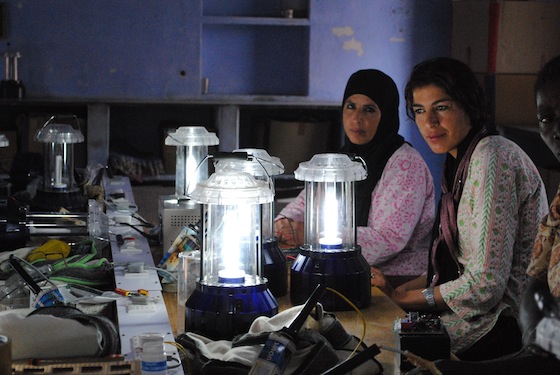
Barefoot College helps women learn solar engineering. Building software for non-profits gives good karma to this world.
To talk about a GMS we need to talk about a CSR platform, which are the ones offering the best grant management software.
Grant Management Software is like a personal assistant for organizations, helping them keep track of grant deadlines and prizes deadlines, manage budgets, report on progress, and also helps them make sure they meet the grant requirements.
By taking care of these tasks, GMS frees up time and resources, allowing teams to focus on what really matters! Which is achieving their mission and goals.
Benefits of Grant Management Software
If you are running an impact charity or a small impact solar energy business, you need to know all the ins and outs of raising money and finding a platform for managing your efforts.
Grant Management Software isn’t just a tool; it’s a game-changer for organizations that looking to get grants.
Its benefits are vast and varied, touching on every aspect of the process.
Simplifying the Application Processes
GMS makes applying for grants a breeze with its customizable forms and different templates to the point that some software nowadays makes it automatically.
This means organizations can quickly put together their applications without having to start from scratch each time. This not only saves time but also increases the likelihood of submitting a top-notch application.
Better Collaboration and Communication
Grant management systems often come with features that let team members work together smoothly, no matter where they are.
This means everyone involved in the grant process or in the employee volunteering process can stay updated in real time, share documents, and communicate effectively.
It helps everyone work together seamlessly in managing grants.
Improving Financial Aspects
Financial management is a critical component of grant management and most business management.
In most cases, the GMS provides organizations with tools to track expenses, monitor budgets, and forecast future financial needs.
This level of oversight ensures that the funds are used efficiently and in compliance with grant stipulations and requirements.
Reduce Risk and Get a Better Compliance
Organizations must meet grant requirements without exception, and GMS makes it easier by sending reminders for reporting deadlines, keeping detailed records, and providing audit trails.
This helps reduce the chance of non-compliance and lessens the risk of financial penalties or loss of funding.
Makes Data Management and Reporting Easier
Making decisions based on data is crucial, and GMS offers excellent data management and reporting features.
Organizations can gather data at every stage of the grant process, study it for valuable insights, and create detailed reports for stakeholders.
This approach helps in making informed decisions that can ultimately lead to better outcomes.
Boost Productivity with Automation
Automation is at the heart of GMS, and it’s a major operational boon. By automating repetitive tasks such as data entry, tracking deadlines, and generating reports, GMS allows staff to redirect their efforts toward more strategic activities.
This boost in productivity can lead to more grants being pursued and, ultimately, more funding secured.
Easier Access to Information
Gone are the days of sifting through file cabinets or disparate digital folders. GMS centralizes all grant-related information in one accessible location.
This means that team members can easily find what they need when they need it, without unnecessary delays or confusion.
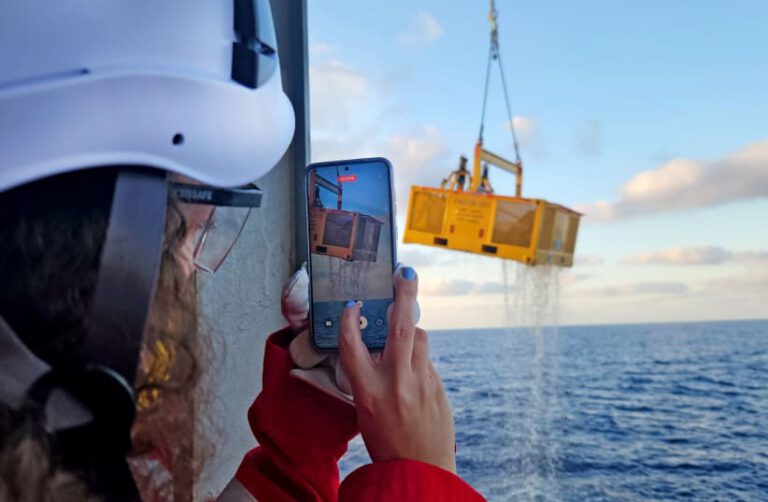
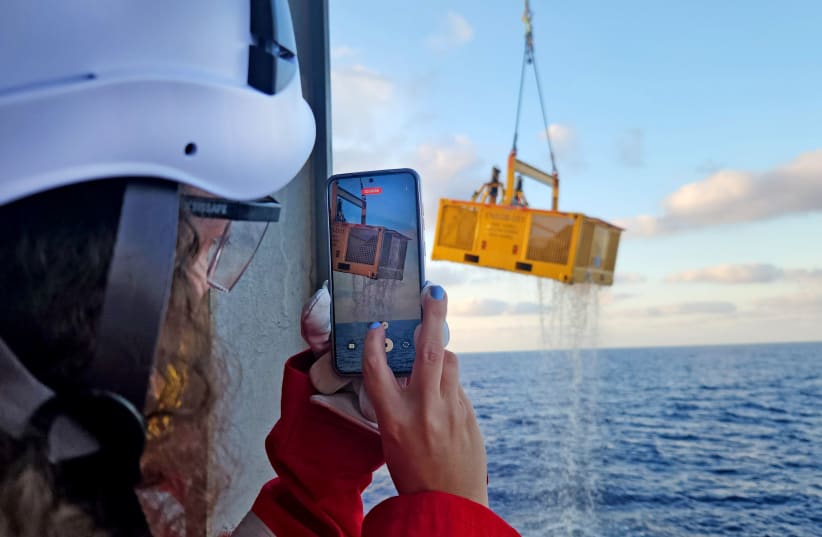
The moments when the jugs come out of the water in a special basket built in their honor. (Photo credit: Emil Eljam)
A 3,300-year-old cargo with hundreds of ancient pots was discovered 60 miles off the coast of Israel in the Mediterranean Sea. Antiquities researchers say this is the world’s most ancient ship to be found in the world in the deep seas, proving that ancient mariners possessed ancient tech and wisdom to traverse the sea without a line of sight to the coast.
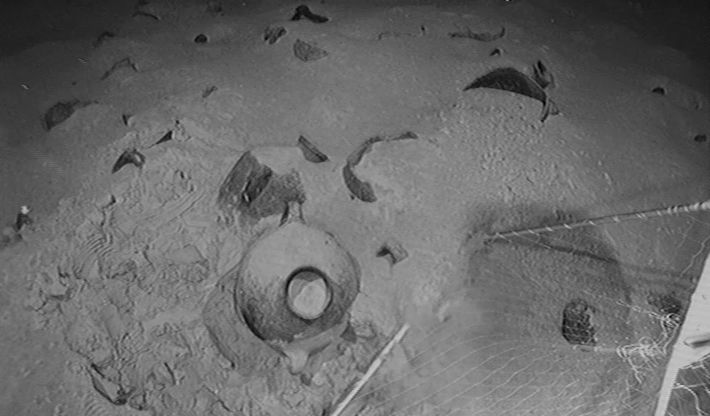
Sunken ship and ancient amphorae on the sea floor off Israel’s coast
The ship’s cargo was found during a standard seafloor sweep by the natural gas company Energean, operating in the East Mediterranean – and now working with Israel’s Antiquities Authority to physically extract and bring up sample vessels from the ship. The contents were positively identified as Late Bronze Age Canaanite storage vessels.
Energean -a leading E&P natural gas company operates the Karish, Karish North, Katlan and Tanin offshore natural gas fields near Israel.
“The ship seems to have sunk in crisis, either due to a storm or to an attempted piracy attack – a well-known occurrence in the Late Bronze Age,” says Jacob Sharvit, Head of the Israel Antiquities Authority Marine Unit.
“This is a world-class history-changing discovery: This find reveals to us as never before the ancient mariners’ navigational skills – capable of traversing the Mediterranean Sea without a line of sight to any coast. From this geographical point, only the horizon is visible all around. To navigate they probably used the celestial bodies, by taking sightings and angles of the sun and star positions,” he says.
Ancient civilizations like the Egyptians, Minoans, Mesopotamians, Greeks, and Vikings relied on the stars for navigation. By observing the movements of specific stars and constellations, early navigators were able to estimate their latitude and navigate along the coastlines and rivers.
A quartermaster takes a sun sighting from the navigation bridge of the USS Alaska in 1945. U.S. NAVAL INSTITUTE PHOTO ARCHIVE
“It turned out to be a sensational discovery, far beyond what we could imagine,” says Karnit Bahartan, Environmental Lead at Energean.
The company’s technicians planned a unique, complex operation and even built a special tool to enable extracting artifacts with minimal risk of damage to the entire assemblage.
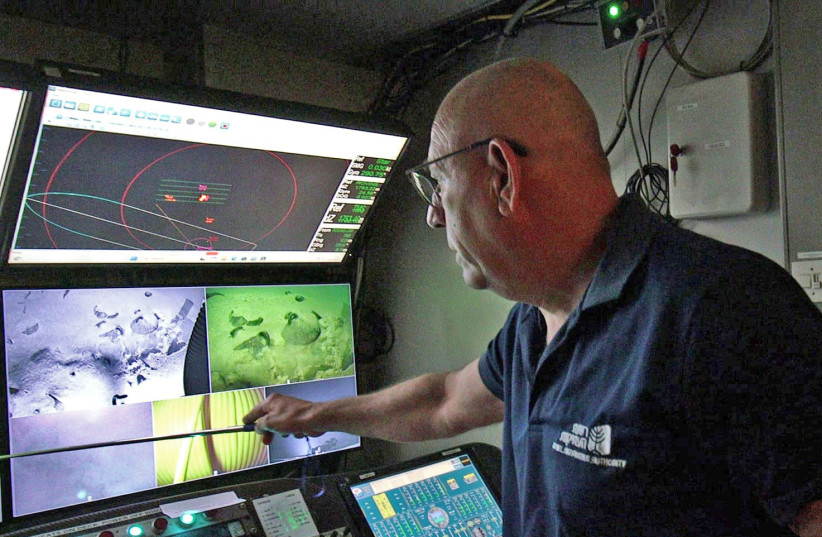
A robot sent to investigate estimates the ship is about 14 yards long. The muddy bottom conceals a second layer of vessels, and it seems that wooden beams of the ship are also buried within the mud, say the researchers.
The discovery of this boat now changes the understanding of ancient mariner abilities: It is the very first to be found at such a great distance with no line of sight to any landmass.
“The vessel type identified in the cargo was designed as the most efficient means of transporting relatively cheap and mass-produced products such as oil, wine and other agricultural products such as fruit. Finding such a great quantity of amphorae on board one single ship is testimony to significant commercial ties between their country of origin and the ancient Near Eastern lands on the Mediterranean coast,” Shavit adds.
Only two other shipwrecks with cargo are known from the Late Bronze Age in the Mediterranean Sea – the boat from Cape Gelidonya and the Uluburun boat; both found off the Turkish coast. Yet both of those shipwrecks were found relatively near the shore, and were accessible using normal diving equipment.
Photos collected from the ancient ship underwater
Based on these two finds, the academic assumption until now was that trade in that time was executed by safely flitting from port to port, hugging the coastline within eye contact. The discovery of this boat now changes the understanding of ancient mariner abilities: It is the very first to be found at such a great distance with no line of sight to any landmass.
Energean (LSE:ENOG, FTSE 250, TASE:אנאג, TA-35) is a London-based independent E&P company focused on developing resources in the Mediterranean. The multi country 1bn+ boe portfolio is 80% gas weighted, producing up to 150k boepd. Energean is committed to sustainable development and to be a net zero emitter by 2050.
Thailand is known for luxury travel, great massages and food, unbeatable weather, lots of smiles and miles of beaches. But as inflation rises and the standard of living increases for Thai people, finding luxury on Phuket in your price range won’t be easy.
For about $200 a night you can get a room in a medium+ star hotel close to the beach, the strip of shops that offer mango shakes, pancakes, pad thai. For much less you can travel to the North and visit hill tribes and villagers in the areas of Chiang Mai and Chiang Rai, which is really not to be missed. We sent our kids to live with a hill tribe in Chiang Mai. You can too!
A resort in the jungle, on Phuket Island, Thailand
But if you can increase your budget for a few days, a trip to Keemala, an eco luxury resort in the jungle, offers a mini vacation inside the regular fun of Thailand. It costs about $900 a night for a luxury pod, with two floors, and a private pool, and for a few days you can dream away to the sound of crickets at night and quiet during the day at the large pool or spa.
Daily yoga lessons in a cave and cultural enriching crafts (like weaving plant fronds) are part of the deal at Keemala, along with the regular fare you can find at any Thai spa: massages, facials, and alternative treatments.
Keemala caught my eye from the sea when we were on a boat trip coming home from a hidden beach. It’s not on the beach in Phucket, but a half hour walk or short taxi drive to a small Muslim village down by the coast, and taxis in Thailand, including Thailand car rental with driver, are affordable and convenient.
The concierge gives you a checklist of what you expect before your arrival, including what kind of pillows you like and how many. You will be given hand-crafted luxury soaps and creams and coffee you can grind in an old fashioned coffee grinder in the mini bar area on the first floor of your pod.
Me posing for my husband in our treehouse at Keemala. Just kidding. This is a promo shot from the hotel. The kids loved the pool and we had a unit just like this one. An upper bedroom on the top floor and a lower bedroom on the lower.
Every evening at sunset, some of the crew put on drums and bells and march around the property in a traditional ceremony the likes you won’t find at any beach bar on a strip in Phuket.
Keemala at night, Phuket Thailand by Karin Kloosterman
Arriving to Keemala is a chance to feel true Thai hospitality and luxury, started every morning with a delicious, healthy breakfast, made to order and on buffet in the restaurant that looks from up high over the sea.
The only complaints are that the hydroponic farm wasn’t operational when we visited, and the kids activities only happened once. There were a couple of Asian influencers busy taking way too many photos eating breakfast and by the pool, but it was sort of funny as well, especially seeing how bored their kids were by it all.
Other than that the kids enjoyed our treehouse in the jungle and three nights was perfect for feeling rested so we could enjoy the festival of Songkran or New Year’s Eve.