Home Blog Page 750

Green Prophet Visits Amirim, a Vegetarian Paradise in the Galilee

5

amirim vegetarian village israel galilee“Make sure to place your organic waste in the buckets outside and please use our shampoo and soap when you shower so chemicals don’t enter or gray water system,” my hostess explained to my family as we first arrived in Amirim. I immediately felt at home.

We’ve been covering lots of eco-tourism tips and organic and vegetarian hot spots in Tel Aviv on Green Prophet, but I recently spent the weekend at a tzimmer (guest lodge) in moshav Amirim that was a vegetarian and ecological paradise unto itself.

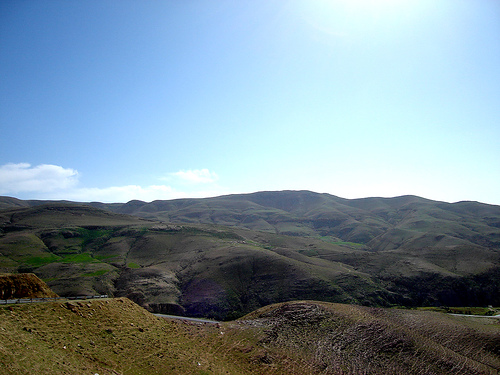
Just 15 kilometers from Tzfat there is a moshav that was founded in the late 50s that was ideologically influenced by organic, vegetarian and vegan principles. My hostess at Ohn-Bar, the tzimmer where I stayed, explained that the people of Amirim were among the pioneers of Israel’s strong vegetarian movement.

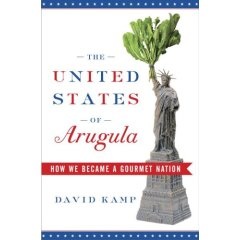
David Kamp's "The United States of Arugula" Best Read When Hungry

1

david kamp book cover united states arugala image

Israel’s fastest-growing supermarket chain is the upscale Tiv Taam, where customers can browse shelves of international beers, pick through extensive cheese selections and even purchase pancetta to include in their gourmet dishes at home. At Hinnawi, a Yafo-based butcher with a branch inside the shopping mall in Ramat Aviv, customers can choose between 17 kinds of salt and pepper grinders. And silicon spatulas, Le Creuset pots, and KitchenAid mixers are fixtures at chefs’ stores around Tel Aviv.

Yet despite all the signs of the Israeli food revolution, the movement has yet to be documented. On the other hand, in his new book ‘The United States of Arugula’ author David Kamp explains the birth of California cuisine, the rise of American celebrity chefs and the movements toward sustainable eating, which are now starting to influence Israeli cuisine, in esoteric and exciting detail.

This fast-paced and engaging 392-page tome examines America’s roots in a Puritan approach to food, which eschewed the French cuisine as too pretentious and instead relied on meat and potatoes, with the occasional monstrosity of fruit salads suspended in Jell-O. Kamp mined Food Network archives, sifted through food-related news reports and interviewed chefs and restaurant critics to find out how the USA went from such unpromising beginnings to become a country suffused with extra-virgin olive oil and truffles.

Don't Panic, It's Organic… Music: Non-Electronic Concert in Tel Aviv

1

The word “organic” can be applied to many things in our modern day lives.  Most commonly, it applies to food that has been grown organically (meaning without pesticides).  But as a quick search in Webster’s dictionary showed us, the term organic means “of, relating to, or derived from living organisms.”

And Tel Aviv’s “Don’t Panic It’s Organic” concert this Saturday night is all about living organisms.

So what’s an organic concert?

The “Don’t Panic It’s Organic” concert is a response to the hostile takeover of electronica music in the local music scene and a collective insistence upon the merit and value of man-made music.  (In other words, music of, relating to, or derived from living organisms.)  Of course it’s not entirely organic… it’s no Earth Hour Tel Aviv concert powered by biodiesel and human bicycle pedalers and some electricity will probably be used to power the lights and instruments – but it’s a step in the right direction.

Eco-Rabbi: Parshat Matot – Rights! Individual vs. Community

8

eco rabbi steak meat image judaism jew torah imageYou’re eating a bag of chips while walking down the street. As you finish you look around to find a trash can but nothing is in sight.

Do you drop it? If the city doesn’t bother to make waste bins available, why should you care about the city’s cleanliness? How about eating a piece of steak? Is it irresponsible to eat knowing the vast amounts of carbon created in order to bring it to your plate?

What if your livelihood, and the livelihood of your five hundred employees, depends upon your factory, but the only way to make the books work is if you dump your waste into the river? Does that make that act of destruction okay?

Thomas Hobbes, the father of modern political philosophy, expresses the idea – in a nutshell – that the very fact that we are human gives each of us the right to do whatever we want. Although we each need to give up some of our individual rights to the government, so that the government can make sure that everyone has equal rights. This is a significant issue when dealing with environmental issues.

Fresh fava (ful medames) beans for salads

5

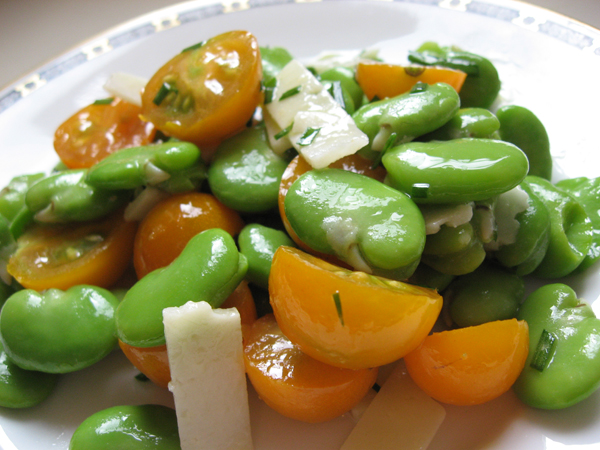
full beans fava ful salad recipe
Ful medames; ta’miyya; bissara — fava beans have given rise to iconic dishes across the Middle East. Egyptian cuisine is unimaginable without them. They’ve been a staple in the region for about eight thousand years, and were one of the first plants cultivated for food.

Most often, they are used in their dried form: rehydrated and simmered until tender, and then prepared in a host of ways. But fresh favas are wonderful – toothsome, nutty, tasting like something halfway between a pea and bean.

RELATED: first cultivated fava beans found in ancient Israel

Though they are often referred to as the ugly duckling of the bean world, we find them rather fascinating to behold…

Kudos to the Government of Israel for Going Green!

0

One of the wonderful elements of the open market is that we actually do have the power to make changes.

You don’t like the way a store treats its customers? Tell your friends to complain. If that store is smart, it will change it’s ways. This can be applied to environmental products as well.

If a company is making a effort to be eco-friendly, buy there! If enough people follow suit their competitors will catch on, if they want to stay in the game.

Make Your Cooking More Energy Efficient.

0

If you switch your oven off a few minutes before your food is ready it will stay hot enough to finish cooking the food. Also try to avoid opening the oven too often to check whether your dinner is ready by doing so you are allowing the heat to escape and your oven will have to work overtime reheating itself.

Make sure to close your fridge as well.

Israel is Growing Green Kindergartens

2

Last week in Haaretz, Naamah Lanski reported on the new green police in town. They’re about a meter tall, can’t read or write yet, and you better not throw away plastic bottles (or any other recyclables), leave lights on, or even pack lunches in plastic bags around them.

That’s right. Israel’s kindergartens are going green.

Not that kindergartens haven’t been green up till now. Many kindergarten teachers have always integrated green content in their classrooms, encouraging their students to recycle, use both sides of paper, and collect egg cartons and paper rolls from home for art projects. But as of two years ago, the Ministry of Education and the Ministry of Environmental Protection have been working together to create green curriculums for interested kindergartens and helping them implement their new plans with external assistance.

Why is the Society for the Protection of Nature (SPNI) in Israel Supporting Settlements in the West Bank?

4

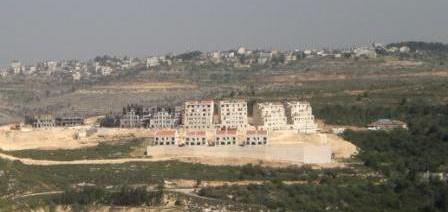
west bank environment activities imageShould Israel’s premiere environment preservation group support settlement activities?

Regarded as one of, if not the, most respected environmental NGOs in Israel, the Society for the Protection of Nature in Israel (SPNI) has a lot to be proud of. Perhaps best known for its tours and field schools, it also works on grassroots community initiatives and tough campaigns, counting the defeat of the Safdie Plan to build on the West Jerusalem Hills among its victories. (Green Prophet has previously covered the SPNI’s efforts to fight the disastrous Eden Hills development and educate young people about environmental advocacy.)

But a recent article by Zafrir Rinat published in Ha’aretz (Green beyond the Green Line, too) posed the awkward as to why SPNI’s campaigns appear to stop at the Green Line, Israel’s pre-1967 border: Why don’t they oppose Israeli construction in the West Bank for environmental reasons?

The SPNI claims to be “apolitical”, which is understandable since it has enough on its place fighting ecological battles, instead of political ones.

Nevertheless, the SPNI has field schools in West Bank settlements including Har Gilo and Ofra, one of the first settlements established by the far-right messianic Gush Emunim movement in the 1970s.

The article also noted that the SPNI has been running tours in settlement outposts (communities established without government authorisation and thus illegal under Israeli law, such as the Givaot Olam organic farm we told you about).

“SPNI says the trips are for educational purposes and do not indicate support for illegal activity,” wrote Rinat. “But it’s difficult not to view trips involving visits to wineries or olive presses operating on outposts, which are meant to show visitors how high-quality wine and olive oil are produced, as expressions of support” [my emphasis].

Drinking Water

6

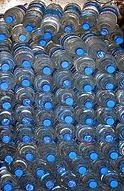
Bottled water is pretty evil, no matter what way you spin it. Essentially what happens is that a company is pumping water from our aquifers (the place from where the water in your pipes comes from) bottles it (another bad) and then sells it to you at a premium. The water that comes in your pipes is watched carefully and is high quality. If you need to treat yourself install a filter or use a Brita. By not encouraging water companies you are not only saving bottles from coming into circulation but also saving our water stores.

Learn more about Israel’s current water situation.

Guy Lougashi weaves together baskets and people with recycled paper

4

Lougashi guy lamp

We’ve heard of environmentally conscious Israeli designers doing some pretty crazy stuff with paper. Green Lullaby makes EcoCradles out of cardboard paper, Amit Brilliant turns used paper wrappers into wallets, and Erez Mulai transforms wasted paper into wastepaper baskets.

While we think these designers are great and love their work, none of them has reinvented existing paper materials using a traditional art or design method. Which is something self-taught Israeli designer Guy Lougashi knows a little about.

The baskets that he and his workers weave by hand at a Jewish-Arab factory in Baqa Al Garabia are created by using traditional basket weaving techniques, but with a twist.

They weave together paper instead of straw.

But that’s not all they do. The factory, which is part of the Shekulo Tov initiative (like repurposed fabric designer Zohar Yarom and wastepaper basket creator Erez Mulai), weaves together wasted materials as it weaves together differing populations.

The baskets are each one of a kind since they’re entirely handmade (and thus have a low carbon footprint), and each basket has a slightly different size and shape.

To ensure the durability of the baskets, Lougashi dips the strips of paper in glue before weaving them and after the glue has dried he coats them with a lacquer to strengthen them even more.

Read more to find out about studios and workshops where you can reuse your garbage
Reuse It or Lose It: Black, White, and Read All Over
One Industry’s Junk Is a Child’s Treasure: Recycling Workshops at the Israel Museum
Hiria: A Garbage Dump Turned Recycling Dream

Sustainability Writer Karen Chernick

0

karen-chernick-greenprophet image from israel.jpg While Green Prophet is unified in purpose, our Prophets are an eclectic bunch with distinctly individual perspectives. In this series we’ll be featuring an inside peek into what makes each of our Prophets tick.

First up is Karen Chernick, art researcher and vegetarian gourmand extraordinaire. When she isn’t penning prophecies, Karen is employed in an art Museum in Tel Aviv and keeps an environmental blog, Crunchy Greenola.

How would you define yourself environmentally?

A learner and a sharer who tries to do as much as she can.

How you get around?

Lots of walking and public transportation, with occasional rides in my parents’ Prius.

Can you tell us about your biggest green passion? What fires you up?

I love learning about ways that art and environmentalism intersect. I think that a lot of creativity is involved in both finding green solutions and in artistic production, so I get really excited when designers and artists come up with innovative ways to use existing materials, avoid waste, and still come up with something aesthetic and functional.

What prompted you to start caring about the environment? When I was seven years old I read a book about a boy my age who learned where meat came from and became a vegetarian. So I became a vegetarian too. My parents thought it was just a phase so they let me do it, but many years later I’m still going strong. Learning about how something as basic as my food effects my surroundings prompted me to learn more about the environment.

What do you think is the most important issue the world faces today?

Global warming.

What is the most important issue in the Middle East?

I think that water shortage is one of the biggest threats to the Middle East, but also that solar energy has great potential in this region.

What’s the saddest thing you’ve ever seen (enviro related)?

It’s definitely not the saddest thing out there, but I hate seeing all the waste around.

What’s the most hopeful project/company/event you’ve seen?

The Tel Aviv Earth Hour Concert in March was one of the coolest green events that I’ve ever seen. Even though many of the people in the audience were there for the free concert, it was a great way to bring environmentalism into the mainstream. Most people wouldn’t have turned off their lights that night purely because of Earth Hour, but due to the fact that a free concert was going on (which was powered by bio-diesel and human-powered energy), many people left their apartments, walked to the main square and conserved energy by default.

What do you do to play your part in greening the earth?

I try to do my part by recycling, conserving electricity (I’m a fanatic about avoiding “phantom” electricity usage), using public transportation and not owning a car, and buying organic and bulk foods.

What are you reading now (green related)? (sites, books, blogs — please include short description and links)

No Impact Man – who lived an extremely low carbon impact lifestyle for a year in the middle of Manhattan and documented the experience in his blog – is one of my favorite green blogs to read. I’m also a big fan of Treehugger, and am always on the lookout for other green bloggers across the Middle East.

What’s your favorite post topic on Green Prophet, and why?

I love posting about environmentally friendly designers and artists. I am also interested in initiatives that bring different populations from the Middle East together, and think that shared environmental concerns can lead to peace.

Who are your environmental heroes? (list 3) Even though his motives may not have been entirely green, my grandfather is one of my biggest environmental heroes. He grew up during the Depression era in the US, so he was used to finding a function for every single thing around the house and avoiding waste. He separated his garbage decades before it was popular, composted, reused every possible container that came his way, and was a fanatic about not wasting electricity. My other environmental heroes include Yossi Sarid and Dr. Seuss’s the Lorax.

If you could meet with one of these heroes what would you ask them?

I would definitely want to meet the Lorax. I’d ask him what advice he has for green peace in the Middle East.What has been the biggest influence in your life?

I’m greatly influenced by things that I read and things that I see. I’d like to think that these influences have led me to try a live a light lifestyle.

If you could make one green wish (or have one of your prophecies come true) what would it be?

My biggest green wish is for environmentalists and governments all over the Middle East to cooperate with each other so that our future living in this region is healthy, happy, green, and secure.

Water & the Bedouin: Sharing the Resources

Anyone who has ever experienced Bedouin hospitality will know that the kettle is always on in a Bedouin home: brewing either the strong bitter coffee, or a special infusion of sweet tea, brewed with desert herbs.

If you delve a bit further, you will hear that although the Bedouin know all about life and survival in a hot arid desert, they know where to find water, and know how to treasure the small amount available in desert terrain. With this in mind, based on my researches amongst the Bedouin tribes of the Negev over the past few years (see an example in this green prophet video here), I joined Rabbis For Human Rights (RHR) on a solidarity convoy to the unrecognised Bedouin village of Tel Arad last week.

Erez Mulay’s Wastepaper Baskets From Wasted Paper

3

Clever design, whether environmentally friendly or not, is something that everyone can appreciate. Who doesn’t love a passport case made out of map shower curtains, or a pencil sharpener that looks like an alligator? But we think that environmentally friendly design is almost always clever by default, because it reuses existing materials in creative and inventive ways.

It’s even more creative when the materials used reflect the function of the product.

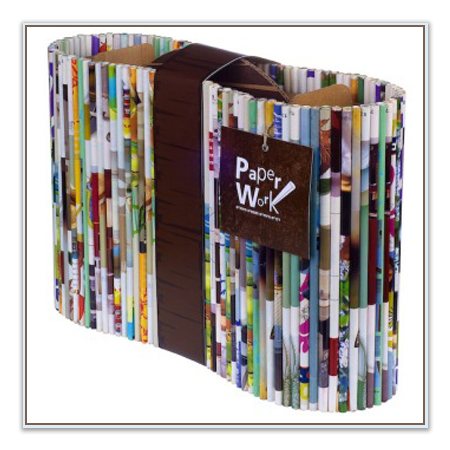
Israeli designer Erez Mulay, a graduate of the Bezalel Academy of Art and Design who develops recycled products, designs furniture, and creates ceramic and environmental sculpture, has created the cleverest wastepaper basket that we’ve ever seen. Made out of wasted paper, of course.

The basket is constructed out of thin rolls of magazine paper (which is sometimes hard to recycle due to all of the inks used) that are connected with cold adhesives that enable the ultimate recycling of the product when you’re done with it. These beautiful wastepaper baskets are made almost entirely by hand in an extremely low-tech process, meaning their production doesn’t have much of a carbon footprint.

But it gets even better. Mulay hires people with emotional disabilities to create the baskets at the Paper Work factory – a protected factory for creating unique design products out of recycled paper with locations in Ramleh and Rishon Lezion. Approximately 80 people between the ages of 20-60 work at the factory, and for many of them their work is their only chance to have a normal lifestyle.

Paper Work is part of the “Shekulo Tov” initiative (which designer Zohar Yarom and her fabric sample handbags are also a part of), which means that this simple yet clever wastepaper basket rehabilitates our natural resources while rehabilitating people’s lives as well. It is good and aesthetic all around.

To read more about environmentally conscious Israeli designers:

Waste Not, Want Not: Doron Sar-Shalom Recycles With Style

Beggars Can Be Choosers: Amit Brilliant’s Recycled Wallets

Hiking in Israel: A Summer Tradition with a Responsibility

0

ancient history, archaeology, Israel, Yatir Forest, clay jug, camels, Abbasid period, Byzantine period, Islamic history, trade routes, historical artifacts, Jewish National Fund, Israel Antiquities Authority, Negev region, heritage preservation, ancient olive press, historical discoveries, Middle Eastern history, Ben-Gurion University, mosaic floors, ancient synagogue, ship of the desert, historical conservation, excavation sites
Yatir Forest

Fall is the season when Israelis take to the trails. Hiking is more than a pastime here—it’s practically a national sport. With the kids out of school, the long days stretching into golden evenings, and the lure of mountains, wadis, and streams, families, soldiers, and groups of friends lace up their boots and head outdoors.

Israel’s diverse landscapes make this easy to understand. Within just a few hours’ drive, you can cross desert canyons, Mediterranean coastline, lush Galilee forests, or the volcanic heights of the Golan. Each region tells its own story: ancient fortresses, Nabatean trade routes, Crusader castles, and desert springs where ibex wander down to drink.

For many, hiking is about rediscovering heritage. Paths often overlap with history: Masada at sunrise, the Jesus Trail in the Galilee, or the Israel National Trail which zigzags more than 1,000 kilometers from Eilat to the Lebanese border. To hike in Israel is to walk with memory beneath your feet.

But as beloved as hiking has become, it comes with a responsibility. Too often, breathtaking trails are scarred by carelessness. A candy wrapper fluttering in the wind, a crushed plastic bottle beside a stream, or worse—half-eaten lunches left behind—ruins the experience for everyone else and, more critically, for the fragile ecosystems that make Israel unique.

Be Nice to Our Land

The simplest act of respect for nature is also the most important: carry out what you carry in. If you pack sandwiches, snacks, or cold drinks for your hike, bring a bag to collect all the waste afterward. Tie it onto your backpack until you find a bin at the trailhead or on the drive home.

It might sound obvious, but small oversights accumulate. A single potato chip bag can linger for months. Plastic bottles left behind in the desert break down slowly under the scorching sun, leaching chemicals into the soil. Food scraps attract wild animals, altering their natural diet and making them dependent on humans.

When you hike, you are a guest. The land is not yours to dirty or alter. It belongs to everyone—humans and wildlife alike—and deserves the same respect you would give to someone’s home.

Hiking Smart and Light

Respecting the land also means preparing thoughtfully. Here are a few ways to make your summer hike lighter on the environment:

  • Reusable bottles: Carry water in a reusable flask or hydration pack. Israel’s heat is unforgiving—hydrate often—but avoid disposable plastics.

  • Eco-friendly snacks: Choose unpackaged fruit, sandwiches in reusable wraps, or snacks in small reusable containers instead of plastic bags.

  • Stay on the trail: Cutting across paths may seem harmless, but it damages fragile desert crusts or wildflower patches. Stick to marked routes.

  • Respect wildlife: Observe from a distance. Don’t feed ibex, hyraxes, or birds; human food harms them.

  • Leave no trace: If you see trash others left behind, set an example by picking it up. Kids especially learn more from what you do than what you say.

A Culture of Care

Israelis are passionate hikers, but the land is small and the population dense. This means that careless behavior has a magnified impact. Each summer, parks authorities and eco-groups run campaigns urging hikers to keep trails clean, and volunteers often organize “green hikes” to collect litter while walking. Joining one of these is not only a chance to protect the land but also a way to meet fellow nature lovers.

Ultimately, the way we hike reflects the way we see ourselves in relation to the land. Do we treat it as a disposable playground? Or do we see it as sacred—worthy of respect, stewardship, and gratitude?

Don’t Let Israel Become a Garbage Country

Hiking is supposed to refresh the body and spirit, not remind us of bad habits. Each of us has the power to decide whether Israel’s trails will sparkle under the summer sun or be tarnished by trash.

So this summer, when you pack your gear, take one extra bag. Use it to carry your waste, and maybe a bit of someone else’s. Be kind to the land that sustains us, to the history beneath your feet, and to the next hiker who comes along.

Because a hike in Israel should end with tired legs, full hearts, and unforgettable views—not with a trail of garbage in your wake.