Christ’s thorn jujube (Ziziphus spina-christi) also known as the sidr tree is a real, identifiable tree native to the Middle East, and it appears—directly or indirectly—in Islam, Judaism, and later Christian tradition. The connections between the three faiths are not theological agreements but overlapping uses, names, and symbolic associations rooted in the same landscape.
In Islamic tradition, there is a point where creation ends — a boundary that marks the limit of what any created being can reach. That boundary is called Sidrat al-Muntahā, often translated as “the Lote Tree of the Utmost Boundary.”
Air Tea is a new technology. Instead of drinking tea, you inhale herbal vapor through warm air extraction. There is no water and no combustion. The warm air releases essential oils that are often lost in hot water and digestion.
Health emerges from a continuous energy and material flow from water through food to human physiology. Technical energy systems support this cycle through water treatment, agriculture, and infrastructure.
Christ’s thorn jujube (Ziziphus spina-christi) also known as the sidr tree is a real, identifiable tree native to the Middle East, and it appears—directly or indirectly—in Islam, Judaism, and later Christian tradition. The connections between the three faiths are not theological agreements but overlapping uses, names, and symbolic associations rooted in the same landscape.
In Islamic tradition, there is a point where creation ends — a boundary that marks the limit of what any created being can reach. That boundary is called Sidrat al-Muntahā, often translated as “the Lote Tree of the Utmost Boundary.”
Air Tea is a new technology. Instead of drinking tea, you inhale herbal vapor through warm air extraction. There is no water and no combustion. The warm air releases essential oils that are often lost in hot water and digestion.
Health emerges from a continuous energy and material flow from water through food to human physiology. Technical energy systems support this cycle through water treatment, agriculture, and infrastructure.
Christ’s thorn jujube (Ziziphus spina-christi) also known as the sidr tree is a real, identifiable tree native to the Middle East, and it appears—directly or indirectly—in Islam, Judaism, and later Christian tradition. The connections between the three faiths are not theological agreements but overlapping uses, names, and symbolic associations rooted in the same landscape.
In Islamic tradition, there is a point where creation ends — a boundary that marks the limit of what any created being can reach. That boundary is called Sidrat al-Muntahā, often translated as “the Lote Tree of the Utmost Boundary.”
Air Tea is a new technology. Instead of drinking tea, you inhale herbal vapor through warm air extraction. There is no water and no combustion. The warm air releases essential oils that are often lost in hot water and digestion.
Health emerges from a continuous energy and material flow from water through food to human physiology. Technical energy systems support this cycle through water treatment, agriculture, and infrastructure.
Christ’s thorn jujube (Ziziphus spina-christi) also known as the sidr tree is a real, identifiable tree native to the Middle East, and it appears—directly or indirectly—in Islam, Judaism, and later Christian tradition. The connections between the three faiths are not theological agreements but overlapping uses, names, and symbolic associations rooted in the same landscape.
In Islamic tradition, there is a point where creation ends — a boundary that marks the limit of what any created being can reach. That boundary is called Sidrat al-Muntahā, often translated as “the Lote Tree of the Utmost Boundary.”
Air Tea is a new technology. Instead of drinking tea, you inhale herbal vapor through warm air extraction. There is no water and no combustion. The warm air releases essential oils that are often lost in hot water and digestion.
Health emerges from a continuous energy and material flow from water through food to human physiology. Technical energy systems support this cycle through water treatment, agriculture, and infrastructure.
Christ’s thorn jujube (Ziziphus spina-christi) also known as the sidr tree is a real, identifiable tree native to the Middle East, and it appears—directly or indirectly—in Islam, Judaism, and later Christian tradition. The connections between the three faiths are not theological agreements but overlapping uses, names, and symbolic associations rooted in the same landscape.
In Islamic tradition, there is a point where creation ends — a boundary that marks the limit of what any created being can reach. That boundary is called Sidrat al-Muntahā, often translated as “the Lote Tree of the Utmost Boundary.”
Air Tea is a new technology. Instead of drinking tea, you inhale herbal vapor through warm air extraction. There is no water and no combustion. The warm air releases essential oils that are often lost in hot water and digestion.
Health emerges from a continuous energy and material flow from water through food to human physiology. Technical energy systems support this cycle through water treatment, agriculture, and infrastructure.
Christ’s thorn jujube (Ziziphus spina-christi) also known as the sidr tree is a real, identifiable tree native to the Middle East, and it appears—directly or indirectly—in Islam, Judaism, and later Christian tradition. The connections between the three faiths are not theological agreements but overlapping uses, names, and symbolic associations rooted in the same landscape.
In Islamic tradition, there is a point where creation ends — a boundary that marks the limit of what any created being can reach. That boundary is called Sidrat al-Muntahā, often translated as “the Lote Tree of the Utmost Boundary.”
Air Tea is a new technology. Instead of drinking tea, you inhale herbal vapor through warm air extraction. There is no water and no combustion. The warm air releases essential oils that are often lost in hot water and digestion.
Health emerges from a continuous energy and material flow from water through food to human physiology. Technical energy systems support this cycle through water treatment, agriculture, and infrastructure.
Christ’s thorn jujube (Ziziphus spina-christi) also known as the sidr tree is a real, identifiable tree native to the Middle East, and it appears—directly or indirectly—in Islam, Judaism, and later Christian tradition. The connections between the three faiths are not theological agreements but overlapping uses, names, and symbolic associations rooted in the same landscape.
In Islamic tradition, there is a point where creation ends — a boundary that marks the limit of what any created being can reach. That boundary is called Sidrat al-Muntahā, often translated as “the Lote Tree of the Utmost Boundary.”
Air Tea is a new technology. Instead of drinking tea, you inhale herbal vapor through warm air extraction. There is no water and no combustion. The warm air releases essential oils that are often lost in hot water and digestion.
Health emerges from a continuous energy and material flow from water through food to human physiology. Technical energy systems support this cycle through water treatment, agriculture, and infrastructure.
Christ’s thorn jujube (Ziziphus spina-christi) also known as the sidr tree is a real, identifiable tree native to the Middle East, and it appears—directly or indirectly—in Islam, Judaism, and later Christian tradition. The connections between the three faiths are not theological agreements but overlapping uses, names, and symbolic associations rooted in the same landscape.
In Islamic tradition, there is a point where creation ends — a boundary that marks the limit of what any created being can reach. That boundary is called Sidrat al-Muntahā, often translated as “the Lote Tree of the Utmost Boundary.”
Air Tea is a new technology. Instead of drinking tea, you inhale herbal vapor through warm air extraction. There is no water and no combustion. The warm air releases essential oils that are often lost in hot water and digestion.
Health emerges from a continuous energy and material flow from water through food to human physiology. Technical energy systems support this cycle through water treatment, agriculture, and infrastructure.
Chascham, the water saving device that can reduce flow by as much as 42%.
In April, Green Prophet had a chance to go from door to door with Vered Hatab, a water savings advisor hired by the Milgam Municipal Services company to sell Israelis on using less water.
Hatab, 23, was lugging a case full of plumbing tools through apartment buildings in Herzliya. Dressed in a light blue button-down blouse, a brown skirt and black sneakers, she made her pitch to the residents.
“I want to talk to you about the water shortage in Israel,” she said, as an elderly woman in a housedress poked her head out the door. “Can I come in?”
The Shabbat is the Jewish day of rest. According to tradition God created the world in six days and on the seventh day he rested. Because of this religious Jews will not do any acts of creation on Saturday. Acts of creation includes cooking, using electricity, and even traveling long distances.
Take a page out of the religion’s book. One day a week desist from doing one destructive act. Whether it’s using your car, reading a book instead of watching television or using less electricity. Even if you are not Jewish, this act will help you take a step outside of your daily routine and rethink it. Even if it is just a little.
As its the head of the month, we here at Green Prophet are feeling even more extraordinarily generous, and thanks to an earlier post about fellow eco-site Lifegoggles, we are offering two 100 % hemp dog collars in our 4th Great Green Giveaway!
This is in addition to the 3rd Great Green Giveaway still running, which offers a reused paper Meishi (business card holder) from designer Anat Safran, to whichever reader can come up with the most creative way businesses can go green.
Offsetting alone won’t save our planet but it certainly isn’t anything to scoff at.
There are many ways to offset. But probably the best way to offset is to educate others. You wont only be cutting back on ways you are damaging our planet but you will be helping others take that first step.
When I was growing up whenever we would go to a park or on a camping trip, my parents would instill in me the importance of leaving the area where we had just been cleaner than how we had found it.
This is probably one of the most influential ideas from my parents that has traveled with me throughout my life. This idea is applicable wherever one is, and is not only applicable to actual physical places, but people and ideas as well.
Last week, in Parashat Matot, we discussed decision making and the environment. In Parashat Masaei the Torah describes the journey, the travel route, of the Israelites through the desert – from Egypt to Israel. The question arises: why does the Torah have to list every single place where the Israelites camped?
This tour was fascinating because of its subject matter, but also because I was introduced to an extremely cool organization called Lifesource, one of the sponsors of the tour.
Barely a year old but going strong, Lifesource is a Palestinian-led organization dedicated to achieving systemic change and building sustainable, socially just water management in the region.
There is no compassion
For the land’s raiment –
Its seven species…
And on these parcels of land
Concessions will be granted
To Burger king
And Kentucky Fried Chicken.”
From The Trees are Weeping by Aharon Shabtai
We’ve seen how poetry and the environment can intersect, as in the work of poet laureate Robert Hass. ‘Earth Shattering: Ecopoems’ is an exquisite collection of vital writings on the most important topic today. That is not to say all the poetry and collected pieces in ‘Earth Shattering: Ecopoems’ are wonderful and worthwhile, but collectively they form a powerful and deeply persuasive mandate for reflection and response.
I love the range of work presented here – from small and subtle observations of animals and smells and sounds, to real destruction and the real consequences of ignorance and pollution.
“It’s about selling off resources
receiving revenues
having a place in the global glut.
& moving greed, mediocrity & stupidity
to a new plateau of power…”
From ‘What Do They care’ by Jayne Cortez (about the Ogoni people)
Paper is one of those materials with endless possibilities. Which is why Israeli (and international) designers keep having fun reinventing them over and over again.
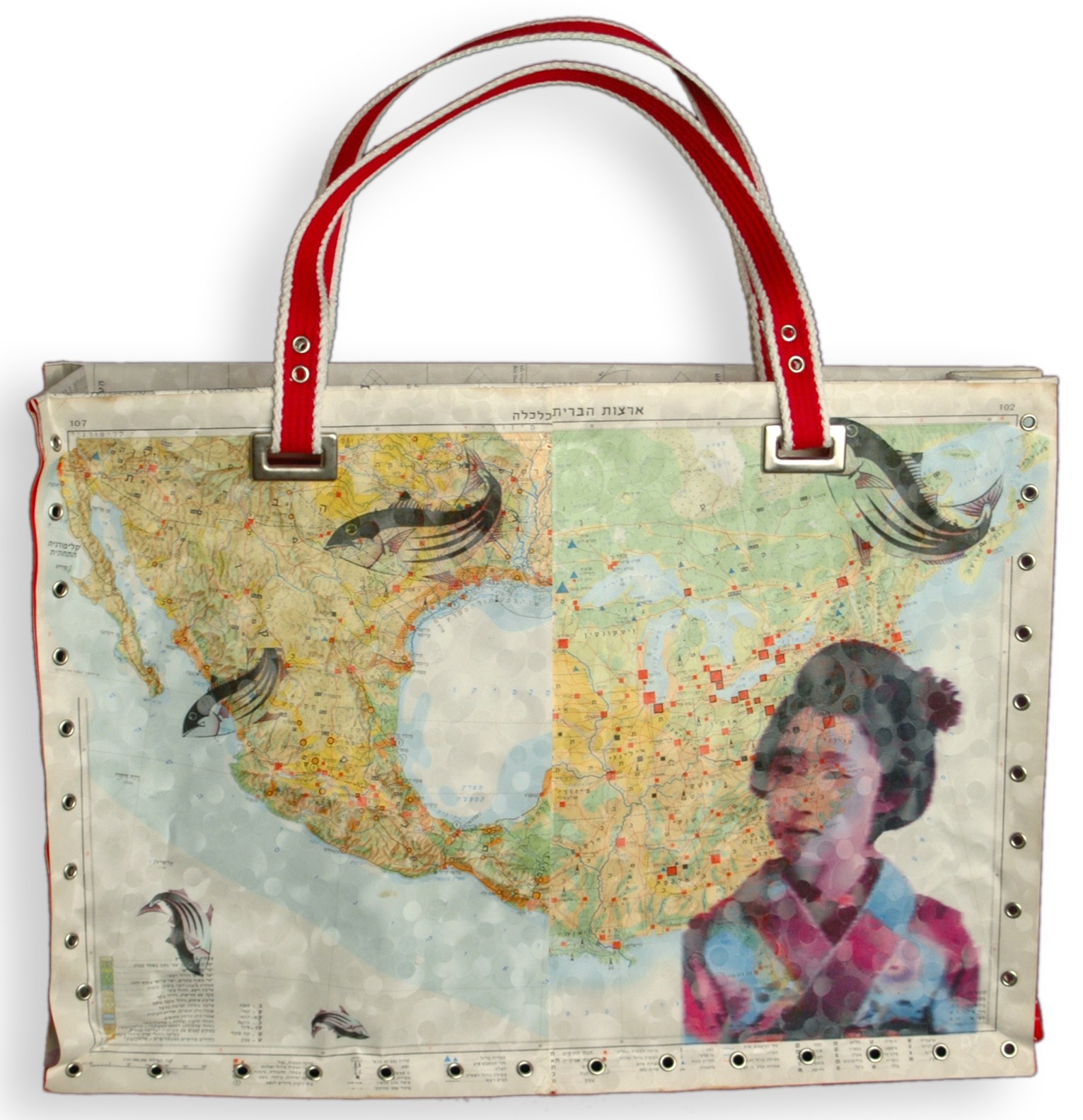
Anat Safran’s beautiful Infobags – made out of old encyclopaedias, maps, and atlases – are another gorgeous and functional environmentally friendly design product. But unlike the other designs mentioned above, her products actually make you smarter!
Anat first started making her intelligent paper handbags a few years ago when she stumbled upon a French encyclopedia that had been tossed out on the street. Recognizing its aesthetics and potential, she brought it home and started creating infobags and other paper products in all shapes and sizes. Her friends have been collecting appropriately worn out and unique books for her ever since.
In Anat’s own words, “The material defines the size of the bags- it’s due to the size of the page I’m using. I choose a very simple shape for the bags, something that reminds the shape of books. Also a simple shape makes more place for the material to be in the front and for the text and images on it to show better.”
Zucchini flowers, or squash blossoms (for culinary purposes these are interchangeable), are one of those off-the-supermarket-beaten-path ingredients you tend to find only at farmers’ markets or fancy restaurants. (Or Italy, though that doesn’t really help most of us all that much.)
This elusiveness means that if you do come into a supply – either because you’ve lucked into some at the market, or by growing them yourself – it may not be entirely clear just what to do with the darn things.
He is also studying urban and regional planning in the Technion Institute in Haifa–and we know he’ll use his powers for green. Jesse speaks about the water crisis, city planning in Israel, and much more.
How would you define yourself environmentally? (ie activist, entrepreneur, artist, educator etc…):
I’ve really been privileged thus far to have been part of the environmental movement in several different capacities – as a student, activist, blogger/journalist and urban planner.
How you get around? (i.e. bike, car, scooter, heel-toe express):
I live in a small apartment in the center of Tel Aviv, so I can pretty much get everywhere in the city by bike. The only exception to this is when it is just too hot or too rainy to bike around, in which case I take the bus. For the past two years, I have been making the long journey up to the Technion in Haifa twice a week, which involves trains and buses.
Can you tell us about your biggest green passion? What fires you up?
What prompted you to start caring about the environment?
I can’t say that I ever had a real “eureka” moment that suddenly made me into an environmentalist.
What do you think is the most important issue the world faces today?
I think the major problem today is that we are facing a convergence of trends. Global climate change, of course, is the major one, and is finally being covered by the mainstream media and even policy-makers as a serious issue that requires serious efforts. But there are others: “peak oil,” or the end of cheap oil, the biofuels issue, corporate takeover of important lands, the water crisis, etc. etc. We have to first of all realize that these trends are parallel and often reinforce each other.
What is the most important issue in the Middle East?
Here in the Middle East, our main environmental problems over the next few years will be related to water, energy and land. If we want to deal with them, I think we will first have to reassess the relationships that we have built with our neighbors in the region. Israel will have to learn to better integrate itself in the region if we want to continue to thrive here. We can’t tackle these problems alone.
What’s the saddest thing you’ve ever seen (enviro related)?
There are a lot of missed opportunities out there. Pretty much every environmental problem, if you look at it the right way, can turn into an opportunity to do something amazing. There are millions of examples out there of situations where serious nuisances were made into something human and intelligent. In my experience, problems and challenges are too often approached in a very square way – let’s just throw money at the problem and hope it goes away – instead of thinking about them creatively.
I think that Israel’s cities are also a terrible missed opportunity at the moment. The potential is there to create cities that are beautiful, pleasant and work well, it wouldn’t be that hard to do, and other cities have already pioneered a lot of great ideas that we could learn from. Things are starting to move in that direction, slowly.
In the meantime, entire neighborhoods sit neglected (southern Tel Aviv and Jaffa, the lower city in Haifa), while the only development that is encouraged are projects that totally alienate themselves from their surroundings.
What’s the most hopeful project/company/event you’ve seen?I think the most hopeful thing in Israel is the quality and commitment of the people on the front lines of the movement. The NGO crowd has always impressed me, with their commitment and drive in the face of sometimes total lack of understanding on the part of the official bodies while working for less than stellar salaries. The green business people are also particularly energetic, always coming up with new ideas and working hard to get them out there. I think that in this sense, Israel is in much better shape than most other countries.
What do you do to play your part in greening the earth?
I try to reduce my ecological footprint as much as possible – I separate my trash, compost, recycle, and reduce my consumption, I don’t own a car, probably the most significant thing in my opinion, and I try to spread the green influence however possible, whether it be through writing about it, talking with people, setting a personal example or through activism.
What are you reading now (green related)?
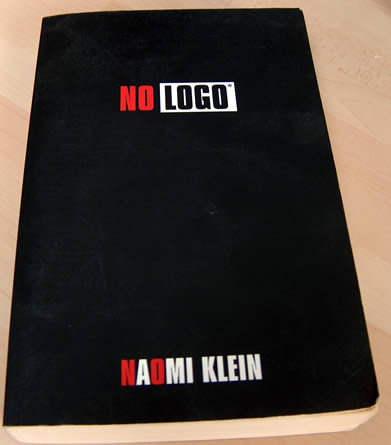
Right now I’m in the final stretch of a Masters degree, so I don’t have as much time as I would like to keep up with what’s going and read new books. I am working on a review of a book called “Renewable City” by Peter Droege and reading Naomi Klein’s “The Shock Doctrine.”
I read Alon Tal’s book “Pollution in a Promised Land” not too long ago, an excellent history of the environmental movement in Israel by someone who has been deeply involved for years.
Alon Tal founded a number of NGOs, including the Arava Institute in Israel
A few books that shaped the way I think about things: “Small is Beautiful” by E.F. Schumacher, “Ecocities” by Richard Register, “Architecture for the Poor” by Hassan Fathy, “Cradle to Cradle” by McDonough and Braungart, and “Food First” by Lappe.
What’s your favorite post/topic on Green Prophet, and why?
I usually write about urban planning and design. This is one of the subjects which most interests me, and also a very dynamic field where things are always happening and changing. I am also interested in resource use in Israel – how we are going to change our development and consumption patterns as water, land and energy become scarcer.
Who are your environmental heroes?
I really admire guys like William McDonough and firms like Arup and EDAW that are already out there planning the cities of the future in a sustainable way. In Israel, organizations like Friends of the Earth Middle East, Adam and Eve Ecological Farm near Modi’in and Bustan in the Negev that combine environmental activism with hands-on work that brings us closer to real peace and coexistence in the region.
In the Israeli Parliament, The Knesset, there are also several people I admire (believe it or not). First and foremost Dov Hanin, but also Hana Sweid, Ophir Pines-Paz, Michael Melchior and others who are really on the forefront of anchoring environmental action in law and proper governance.
If you could make one green wish (or have one of your prophecies come true) what would it be?
I wish that everyone involved with planning, construction and development of all kinds here would learn to approach their work with more humility. The years of conquering nature are over. I wish that the understanding that we have to work with nature for our survival and prosperity in this country would permeate the consciousness at all levels and filter into the decision-making process.
Want to meet another Green Prophet sustainability writer?
See Karen Chernick
More often than not the bigger package is the better deal. Don’t believe me? Check for yourself. Even in Israel where it is harder to find the “supersavings” in a regular supermarket the bigger package will more likely give you bigger bang for your buck. The eco-benefit is that you’ll be saving on packaging as well as with money.
I’m a little embarrassed to admit it, but I didn’t know that cigarette butts were an environmental issue. I’m also not a smoker, so I never gave it much thought. But Hanan Shteingart – co-founder of “Eretz Lelo Bdalim” (Country Without Cigarette Butts) and anti-cigarette butt activist extraordinaire – recently brought our attention to this important and pervasive issue.
Hanan decided to take action after constantly seeing the beaches full of cigarette butts and was inspired by his sister, who even asks drivers who toss cigarette butts out of their car windows to get out and pick them up.
Anyone who’s visited Israel knows that smoking here isn’t taboo. It’s no New York, where you have to go out onto the street to light up. And unfortunately, a whole lot of garbage comes hand in hand with a whole lot of smokers. Approximately 80% of all cigarette butts aren’t thrown out in the trash, but rather tossed onto streets or beaches.
They’re definitely unsightly, but more significantly – cigarette butts are really bad for the environment. Here’s a brief list of some of their top environmental offenses:
“Jerusalem has virtually the perfect temperature for houses,” explained green architecture consultant, Valentina Nelin when I met her recently. “If your house is oriented correctly, you don’t have the ‘greenhouse effect’ in the summer [causing houses to absorb excess heat and warm-up].”
Sensible, and often simple, design can make the temperature much more bearable, which is good for people and good for the environment, making air conditioners and gas guzzling heaters – which use 75% of the energy in an average household – redundant for most of the year.
“If the Israeli government can ever formulate a binding peace accord with the Palestinians, both entities could have access to enough natural gas reserves to satisfy their energy needs for at least 100 years.”
This statement was made a few years back by a representative of British Gas, one of the world’s largest energy exploration and development companies specializing in finding and developing natural gas fields, including offshore ones in bodies of water such as the Mediterranean Sea.
Buckle your (cyber) seatbelts and prep your imaginary passports, because this week we’re continuing our green journey. After eco touring other Middle Eastern countries – such as Jordan, Lebanon, Iran, Syria, Egypt, and Israel – we’re off to pay a green visit to Yemen.
Yemen, like other countries in the region, has a variety of natural attractions ranging from Red Sea marine life to mountains (Yemen’s Jabal Al-Nabi Shouyab mountain at 3660 meters above sea level is one of the highest peaks in the Arabian Peninsula), to plains and valleys. Yemen’s Environmental Protection Agency is currently working on establishing conservation areas in Yemen that will be especially protected.