
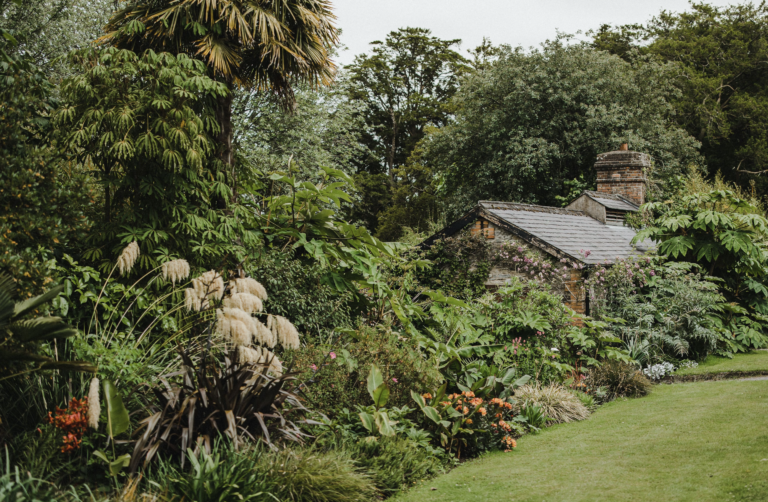
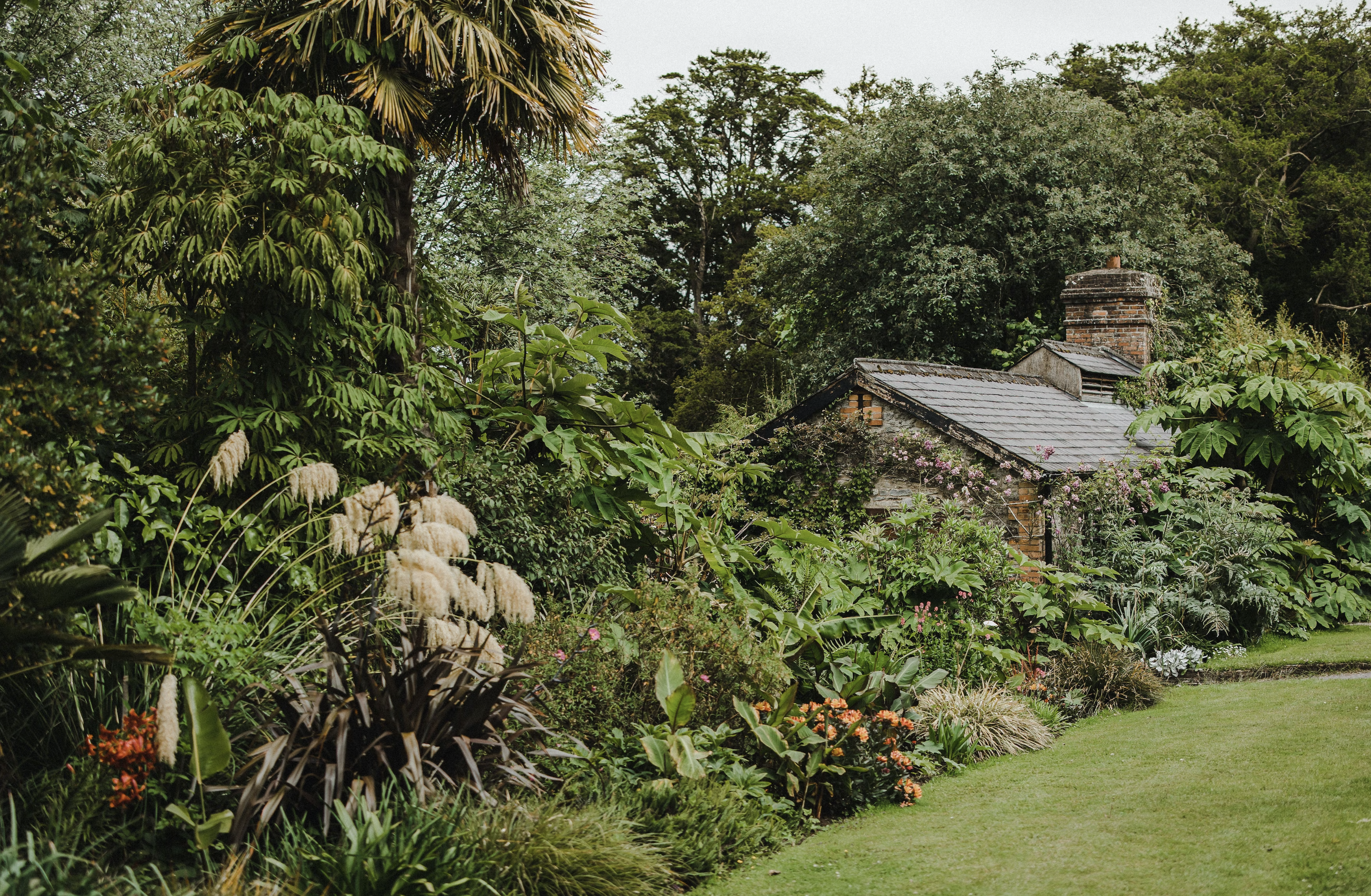
Historic garden and cottage at blarney castle and gardens center in Cork, Ireland
I am delighted to be in County Cork, in the truly green Republic of Eire – a place I lived in for roughly 5 years some years ago – up in the Northern wilds of County Donegal, mainly.
Following on from a fellow prophet’s recent posting on the green initiatives of New Jersey, I’m curious to see exactly where Eire is on the green scale of actual practical initiatives in greening up its environment, as well as being a green and wet environment (although no Irish drizzle yet: we seem to have arrived on the only day of Irish summertime!).
My first observation is the lack of plastic bags being carried by shoppers in the streets. About 5 years ago, the Irish Government brought in the world’s first legislation to reduce and eventually ban plastic bags. Activists and Governments around the world (including the Knesset) have been watching the Irish example to see how the political action would work in practise.
Over 4 days, carrying out random observations in Cork City centre, I saw fewer plastic bags being carried than I expected to. They seem to have been replaced by either cotton bags or one off paper bags from the store, which is better, but not the ideal solution.
In a health food store, I was shocked to see the customer in front of me being offered a plastic bag. I asked the store manager how the scheme was working, and she felt the current charge of 22 cents (a cent is the small change of the Euro, which would be roughly 1 NIS, or thereabouts) was working, and, apart from the elderly gentleman ahead of me – a regular customer apparently – was deterring shoppers from taking plastic bags on every trip. Would that it were the environmental incentive that deterred them, rather than the economic!
Despite arriving after 2 weeks of heavy rain across Eire, and visible greenness everywhere I looked, water use and conservation is also a huge issue here. I learnt that due to a water poisoning scare recently, householders are rushing to get expensive filters fitted to their taps.
Most of the populated areas of the country have moved away from household or community wells to group schemes, where the price of water is regulated, and the system is supposedly monitored, until agricultural runoff gets into the system, and the filters clog up.
The Irish are very mobilised on such issues – an example is the group Sustainable Clonakilty (Clon is a fair sized town in County Cork), which campaigns on water, climate change, urbanisation and green education amongst other issues.
Transport is another key issue in the Republic. The so-called ‘Celtic Tiger’ or economic upswing in Eire over the past 10 years has brought business and tourism to a previously poor Country. The airports in Cork, Shannon (near Limerick) and Dublin particularly are expanding, and flights bring in thousands of people daily for work and pleasure. The advent of cheap air travel means a daily commute between Cork and London is possible – but at the long-term expense of a once pristine environment.
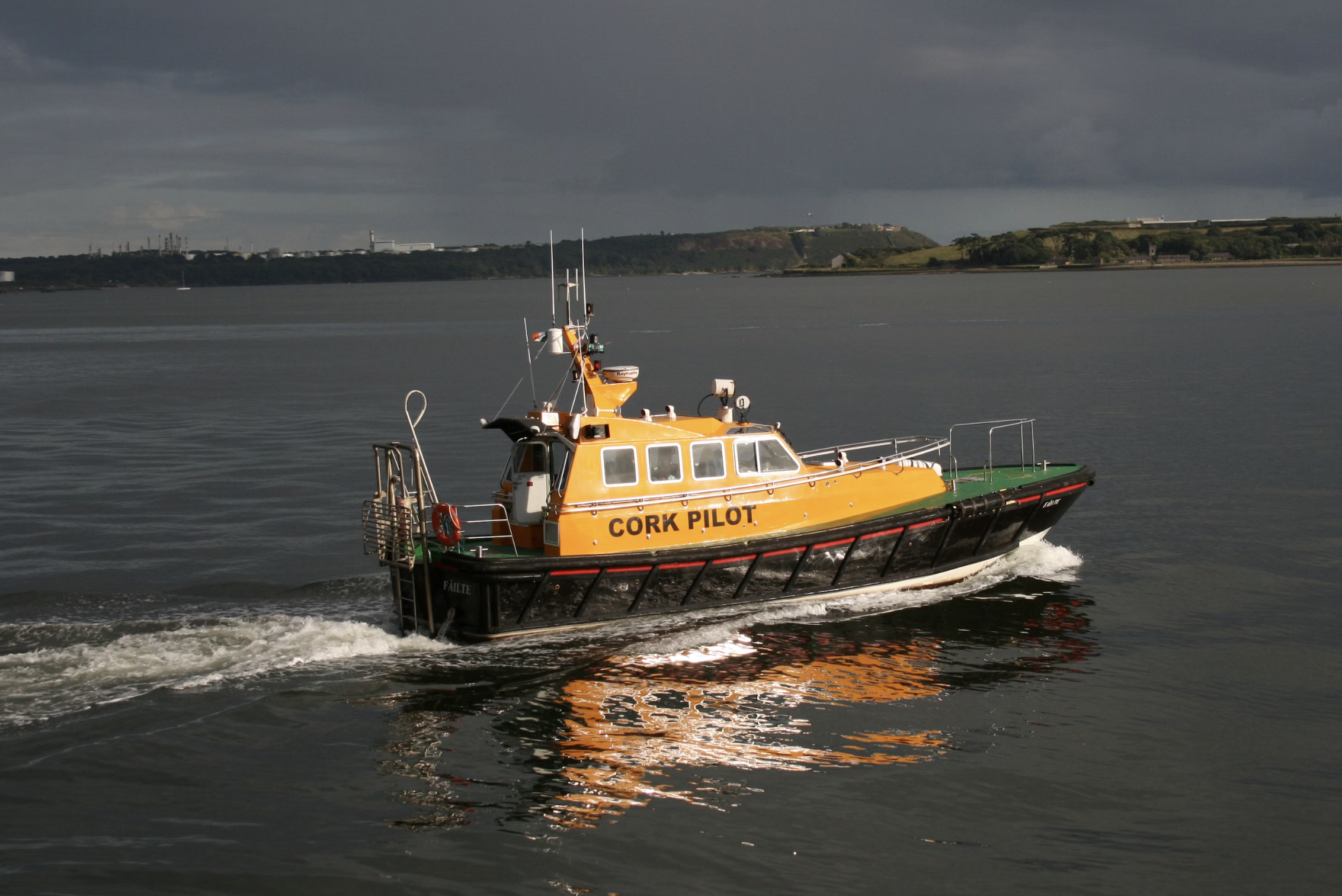
Getting there by ferry is fun and slow, and also has an environmental impact, with oil and carbon spewed out at sea instead.
With a population in the Irish Republic of 4 million, Ireland has a smaller population than Israel, but is spread over a larger land mass. Island life brings certain unique environmental and economic issues to a community, and it’s clear that the Irish Government has pioneered some green initiatives, and yet is slow to respond in other cases.
For instance, the agricultural lobby is huge in Ireland, and has a lot of power and influence inside the Dail (Irish Parliament). On my desk I have a review copy of ‘The Environmental Movement in Ireland’ by Liam Leonard, a distinguished green academic and activist at Galway University. Comments and links welcome from Ireland, Israel and beyond!

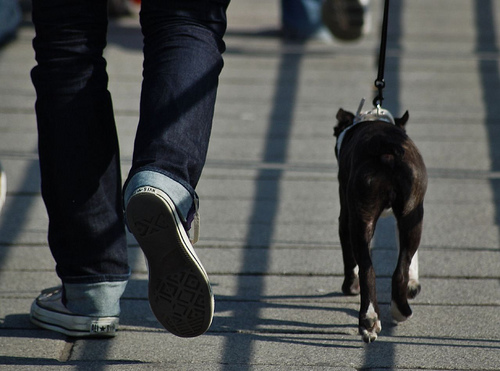
 City councils world-wide are watching as municipal workers in the Israeli city of Petach Tikva are DNA-testing dog droppings in order to identify and fine irresponsible pet owners.

 Earth Future is a collection of very worthy short stories. It is immediately clear that Guy Dauncey is not writing from a literary and imaginative viewpoint: he is really telling us stories about how the world could be, using some real social tools and shifts, and in one or 2 stories, how bad the world (meaning both the natural world and the cohesion of the human community) currently is and will continue to become if we don’t act upon the pollution, greed, and other corrupting factors now.




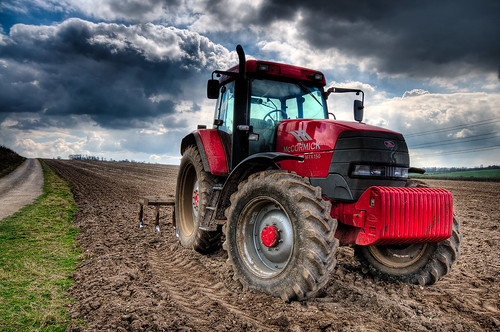 Last Friday, World Vision and the United States Agency for International Development (USAID) celebrated the achievements of a three year project that has helped hundreds of Lebanese farmers grow organic agriculture in

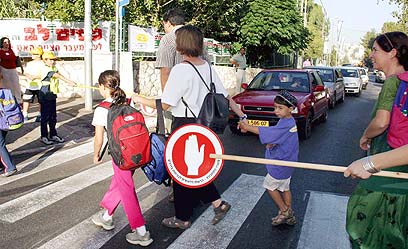
 If you live near a school, then you know what 8 am and afternoon pick up times mean for the environment. With all of those parents driving their individual children to and from school, the carbon emissions associated with getting elementary, middle, and high school students to school can be pretty detrimental.