


There is a lot of debate around the use of ethanol and other plant-based fuels. Many claim that the energy required to produce ethanol (including fertilizers, farm equipment, transformation from plant materials, and transportation) just doesn’t sufficiently counteract all the environmental damage caused by the fossil fuels that is replaces.
So as if the discussion weren’t heated enough… Saudi Arabian scholar (and member of the Saudi Islami Jurisprudence Academy), Sheikh Mohamed Al-Najimi, warned Saudi Arabian students leaving the country for study abroad programs not to use ethanol or other fuels containing alcohol in their cars. It can be complicated avoiding ethanol at the pumps because in some US states it’s mixed in with every fuel type as a blend.
Why Muslims don’t like biofuel?
Because it could be a sin.
The sheikh of Saudi Arabia explained that his statement shouldn’t be considered an official fatwa, but was instead his own personal opinion. And his opinion was based on a saying by the prophet that all kinds of dealings with alcohol – including buying, selling, carrying, serving, drinking, and manufacturing – were prohibited.
One Green Prophet reader writes: “Good old Scholar, Sheikh Mohamed Al-Najimi – considering the fact that ethanol alcohol hand cleansers are already in use all over Saudi Arabia in Hospital to kill bacteria, I’d say he’s a little out of touch with reality!”
The sheikh called for the issue of biofuel usage by Muslims to be discussed more widely by Islamic leaders.
It’s also a conflict of interest when the world’s biggest oil producer condemns biofuel as a replacement to more polluting fuel types like fossil fuels. It sounds more like a convenience to ban ethanol.
Already when we skip ahead to 2014 (this original article was written in 2009) we see that Indonesia is the world’s 3rd largest biofuel producer and it’s a predominantly Muslim nation.
In 2020, the Indonesian government launched the biodiesel 30 percent (B30) program in January 2020, which aims to reduce greenhouse gas emissions and fuel imports, as well as to help Indonesia meet its national renewable energy target, among other goals.
Over to Saudi Arabia… there has been little talk about biofuel and it being “haram” or forbidden since 2009. In fact in June this year ACWA, a Saudi renewable energy company signed an agreement this year to use biofuel in a Red Sea project.
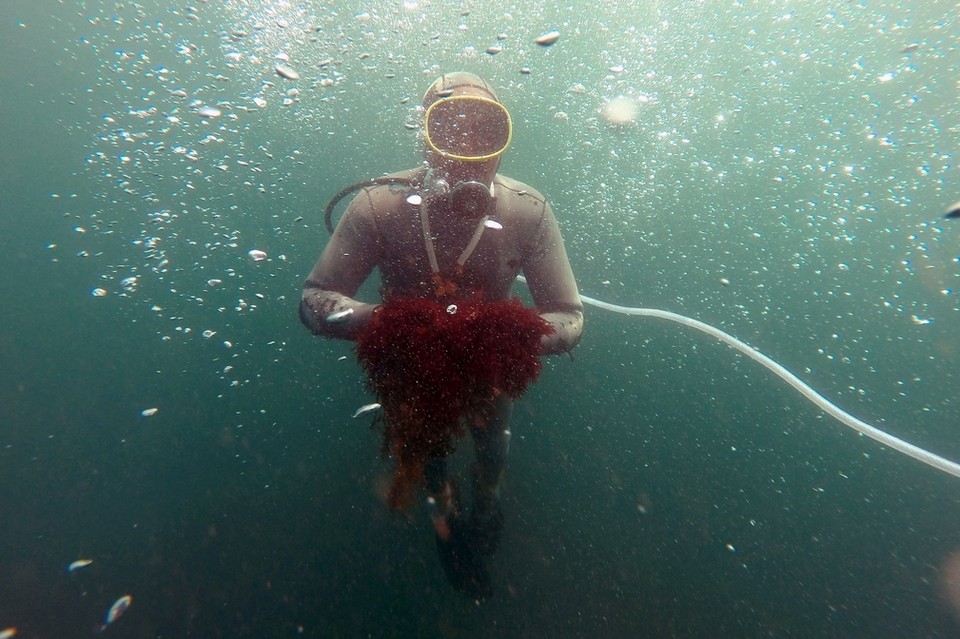
“As the world seeks to satisfy the rising demand for affordable power and water, ACWA Power remains committed to being at the forefront of the energy transition and providing transformative solutions, including the early adoption of emerging energy solutions like biofuels, to deliver power responsibly.
“We are delighted to be collaborating with Neutral Fuels, enabling us to accelerate our commitment to support the Kingdom’s ambitions to deliver a tourist destination that limits the environmental impact through the provision of zero-carbon emitting utility services,” said Paddy Padmanathan, President & CEO of ACWA Power.
In the event that the sheikh’s 2009 opinion were made into law, though, it might pose a problem for some Muslim countries and companies that are beginning to support biofuels. This includes Masdar, the renewable energy investment arm of Abu Dhabi’s government.
More on Islam and the environment:
Go on “Hajj” To Mecca and Medina On Saudi’s New High Speed Train
Muslims Should “Waqf” for Water Because It’s Good for the Environment
Environmental Conference for Imams Challenges Israeli Muslims to Go Green
Updated by Karin Kloosterman Oct, 2021



















 Who said being an environmentalist is thankless? If you’re worried about how global warming may drastically change the Middle East, and you know how to work a