When the region settles after the American war with Iran, and it will, American and European travelers will come back. Not just for spectacle or headline projects, but for places that feel real. Places that haven’t been engineered to impress and which get into your soul.
We predict that visitors to Saudi Arabia will want to see places like Rijal Alma.When the region settles after the American war with Iran, and it will, American and European travelers will come back. Not just for spectacle or headline projects, but for places that feel real. Places that haven’t been engineered to impress and which get into your soul.
We predict that visitors to Saudi Arabia will want to see places like Rijal Alma.
“Forever chemicals” like the ones ejected by Lulelemon yoga pants into strategic areas don’t go away. They don’t break down in nature, and once they’re in water, soil, or our bodies, they tend to stick around. But scientists at Florida International University think they’ve found a smarter way to deal with them, and it uses something as simple as pH.
Koh Phangan may be known for yoga, detox retreats, and full moon parties, but beyond the curated paradise lies a different reality—one of injured stray animals and the quiet work of rescue. This story explores PACS (Phangan Animal Care for Strays), a grassroots animal shelter tackling overpopulation, disease, and neglect on the island. Through firsthand experience with teens, it reveals how meaningful travel, volunteerism, and compassion offer a deeper kind of healing—far from the Instagram version of paradise.
The earliest stages of life, from infancy through childhood, form the foundation for lifelong health and development. During these years, the brain develops rapidly, children learn social and emotional skills, and the body undergoes significant physical growth.
Back in late 2025, Green Prophet began asking uncomfortable questions about what’s really inside your yoga pants, from transparency failures (yes, those infamous see-through leggings) to the less visible and scarier issue: Your sweat is unlocking microplastics and chemical coatings sitting in the most absorbent parts of the human body.
When the region settles after the American war with Iran, and it will, American and European travelers will come back. Not just for spectacle or headline projects, but for places that feel real. Places that haven’t been engineered to impress and which get into your soul.
We predict that visitors to Saudi Arabia will want to see places like Rijal Alma.When the region settles after the American war with Iran, and it will, American and European travelers will come back. Not just for spectacle or headline projects, but for places that feel real. Places that haven’t been engineered to impress and which get into your soul.
We predict that visitors to Saudi Arabia will want to see places like Rijal Alma.
“Forever chemicals” like the ones ejected by Lulelemon yoga pants into strategic areas don’t go away. They don’t break down in nature, and once they’re in water, soil, or our bodies, they tend to stick around. But scientists at Florida International University think they’ve found a smarter way to deal with them, and it uses something as simple as pH.
Koh Phangan may be known for yoga, detox retreats, and full moon parties, but beyond the curated paradise lies a different reality—one of injured stray animals and the quiet work of rescue. This story explores PACS (Phangan Animal Care for Strays), a grassroots animal shelter tackling overpopulation, disease, and neglect on the island. Through firsthand experience with teens, it reveals how meaningful travel, volunteerism, and compassion offer a deeper kind of healing—far from the Instagram version of paradise.
The earliest stages of life, from infancy through childhood, form the foundation for lifelong health and development. During these years, the brain develops rapidly, children learn social and emotional skills, and the body undergoes significant physical growth.
Back in late 2025, Green Prophet began asking uncomfortable questions about what’s really inside your yoga pants, from transparency failures (yes, those infamous see-through leggings) to the less visible and scarier issue: Your sweat is unlocking microplastics and chemical coatings sitting in the most absorbent parts of the human body.
When the region settles after the American war with Iran, and it will, American and European travelers will come back. Not just for spectacle or headline projects, but for places that feel real. Places that haven’t been engineered to impress and which get into your soul.
We predict that visitors to Saudi Arabia will want to see places like Rijal Alma.When the region settles after the American war with Iran, and it will, American and European travelers will come back. Not just for spectacle or headline projects, but for places that feel real. Places that haven’t been engineered to impress and which get into your soul.
We predict that visitors to Saudi Arabia will want to see places like Rijal Alma.
“Forever chemicals” like the ones ejected by Lulelemon yoga pants into strategic areas don’t go away. They don’t break down in nature, and once they’re in water, soil, or our bodies, they tend to stick around. But scientists at Florida International University think they’ve found a smarter way to deal with them, and it uses something as simple as pH.
Koh Phangan may be known for yoga, detox retreats, and full moon parties, but beyond the curated paradise lies a different reality—one of injured stray animals and the quiet work of rescue. This story explores PACS (Phangan Animal Care for Strays), a grassroots animal shelter tackling overpopulation, disease, and neglect on the island. Through firsthand experience with teens, it reveals how meaningful travel, volunteerism, and compassion offer a deeper kind of healing—far from the Instagram version of paradise.
The earliest stages of life, from infancy through childhood, form the foundation for lifelong health and development. During these years, the brain develops rapidly, children learn social and emotional skills, and the body undergoes significant physical growth.
Back in late 2025, Green Prophet began asking uncomfortable questions about what’s really inside your yoga pants, from transparency failures (yes, those infamous see-through leggings) to the less visible and scarier issue: Your sweat is unlocking microplastics and chemical coatings sitting in the most absorbent parts of the human body.
When the region settles after the American war with Iran, and it will, American and European travelers will come back. Not just for spectacle or headline projects, but for places that feel real. Places that haven’t been engineered to impress and which get into your soul.
We predict that visitors to Saudi Arabia will want to see places like Rijal Alma.When the region settles after the American war with Iran, and it will, American and European travelers will come back. Not just for spectacle or headline projects, but for places that feel real. Places that haven’t been engineered to impress and which get into your soul.
We predict that visitors to Saudi Arabia will want to see places like Rijal Alma.
“Forever chemicals” like the ones ejected by Lulelemon yoga pants into strategic areas don’t go away. They don’t break down in nature, and once they’re in water, soil, or our bodies, they tend to stick around. But scientists at Florida International University think they’ve found a smarter way to deal with them, and it uses something as simple as pH.
Koh Phangan may be known for yoga, detox retreats, and full moon parties, but beyond the curated paradise lies a different reality—one of injured stray animals and the quiet work of rescue. This story explores PACS (Phangan Animal Care for Strays), a grassroots animal shelter tackling overpopulation, disease, and neglect on the island. Through firsthand experience with teens, it reveals how meaningful travel, volunteerism, and compassion offer a deeper kind of healing—far from the Instagram version of paradise.
The earliest stages of life, from infancy through childhood, form the foundation for lifelong health and development. During these years, the brain develops rapidly, children learn social and emotional skills, and the body undergoes significant physical growth.
Back in late 2025, Green Prophet began asking uncomfortable questions about what’s really inside your yoga pants, from transparency failures (yes, those infamous see-through leggings) to the less visible and scarier issue: Your sweat is unlocking microplastics and chemical coatings sitting in the most absorbent parts of the human body.
When the region settles after the American war with Iran, and it will, American and European travelers will come back. Not just for spectacle or headline projects, but for places that feel real. Places that haven’t been engineered to impress and which get into your soul.
We predict that visitors to Saudi Arabia will want to see places like Rijal Alma.When the region settles after the American war with Iran, and it will, American and European travelers will come back. Not just for spectacle or headline projects, but for places that feel real. Places that haven’t been engineered to impress and which get into your soul.
We predict that visitors to Saudi Arabia will want to see places like Rijal Alma.
“Forever chemicals” like the ones ejected by Lulelemon yoga pants into strategic areas don’t go away. They don’t break down in nature, and once they’re in water, soil, or our bodies, they tend to stick around. But scientists at Florida International University think they’ve found a smarter way to deal with them, and it uses something as simple as pH.
Koh Phangan may be known for yoga, detox retreats, and full moon parties, but beyond the curated paradise lies a different reality—one of injured stray animals and the quiet work of rescue. This story explores PACS (Phangan Animal Care for Strays), a grassroots animal shelter tackling overpopulation, disease, and neglect on the island. Through firsthand experience with teens, it reveals how meaningful travel, volunteerism, and compassion offer a deeper kind of healing—far from the Instagram version of paradise.
The earliest stages of life, from infancy through childhood, form the foundation for lifelong health and development. During these years, the brain develops rapidly, children learn social and emotional skills, and the body undergoes significant physical growth.
Back in late 2025, Green Prophet began asking uncomfortable questions about what’s really inside your yoga pants, from transparency failures (yes, those infamous see-through leggings) to the less visible and scarier issue: Your sweat is unlocking microplastics and chemical coatings sitting in the most absorbent parts of the human body.
When the region settles after the American war with Iran, and it will, American and European travelers will come back. Not just for spectacle or headline projects, but for places that feel real. Places that haven’t been engineered to impress and which get into your soul.
We predict that visitors to Saudi Arabia will want to see places like Rijal Alma.When the region settles after the American war with Iran, and it will, American and European travelers will come back. Not just for spectacle or headline projects, but for places that feel real. Places that haven’t been engineered to impress and which get into your soul.
We predict that visitors to Saudi Arabia will want to see places like Rijal Alma.
“Forever chemicals” like the ones ejected by Lulelemon yoga pants into strategic areas don’t go away. They don’t break down in nature, and once they’re in water, soil, or our bodies, they tend to stick around. But scientists at Florida International University think they’ve found a smarter way to deal with them, and it uses something as simple as pH.
Koh Phangan may be known for yoga, detox retreats, and full moon parties, but beyond the curated paradise lies a different reality—one of injured stray animals and the quiet work of rescue. This story explores PACS (Phangan Animal Care for Strays), a grassroots animal shelter tackling overpopulation, disease, and neglect on the island. Through firsthand experience with teens, it reveals how meaningful travel, volunteerism, and compassion offer a deeper kind of healing—far from the Instagram version of paradise.
The earliest stages of life, from infancy through childhood, form the foundation for lifelong health and development. During these years, the brain develops rapidly, children learn social and emotional skills, and the body undergoes significant physical growth.
Back in late 2025, Green Prophet began asking uncomfortable questions about what’s really inside your yoga pants, from transparency failures (yes, those infamous see-through leggings) to the less visible and scarier issue: Your sweat is unlocking microplastics and chemical coatings sitting in the most absorbent parts of the human body.
When the region settles after the American war with Iran, and it will, American and European travelers will come back. Not just for spectacle or headline projects, but for places that feel real. Places that haven’t been engineered to impress and which get into your soul.
We predict that visitors to Saudi Arabia will want to see places like Rijal Alma.When the region settles after the American war with Iran, and it will, American and European travelers will come back. Not just for spectacle or headline projects, but for places that feel real. Places that haven’t been engineered to impress and which get into your soul.
We predict that visitors to Saudi Arabia will want to see places like Rijal Alma.
“Forever chemicals” like the ones ejected by Lulelemon yoga pants into strategic areas don’t go away. They don’t break down in nature, and once they’re in water, soil, or our bodies, they tend to stick around. But scientists at Florida International University think they’ve found a smarter way to deal with them, and it uses something as simple as pH.
Koh Phangan may be known for yoga, detox retreats, and full moon parties, but beyond the curated paradise lies a different reality—one of injured stray animals and the quiet work of rescue. This story explores PACS (Phangan Animal Care for Strays), a grassroots animal shelter tackling overpopulation, disease, and neglect on the island. Through firsthand experience with teens, it reveals how meaningful travel, volunteerism, and compassion offer a deeper kind of healing—far from the Instagram version of paradise.
The earliest stages of life, from infancy through childhood, form the foundation for lifelong health and development. During these years, the brain develops rapidly, children learn social and emotional skills, and the body undergoes significant physical growth.
Back in late 2025, Green Prophet began asking uncomfortable questions about what’s really inside your yoga pants, from transparency failures (yes, those infamous see-through leggings) to the less visible and scarier issue: Your sweat is unlocking microplastics and chemical coatings sitting in the most absorbent parts of the human body.
When the region settles after the American war with Iran, and it will, American and European travelers will come back. Not just for spectacle or headline projects, but for places that feel real. Places that haven’t been engineered to impress and which get into your soul.
We predict that visitors to Saudi Arabia will want to see places like Rijal Alma.When the region settles after the American war with Iran, and it will, American and European travelers will come back. Not just for spectacle or headline projects, but for places that feel real. Places that haven’t been engineered to impress and which get into your soul.
We predict that visitors to Saudi Arabia will want to see places like Rijal Alma.
“Forever chemicals” like the ones ejected by Lulelemon yoga pants into strategic areas don’t go away. They don’t break down in nature, and once they’re in water, soil, or our bodies, they tend to stick around. But scientists at Florida International University think they’ve found a smarter way to deal with them, and it uses something as simple as pH.
Koh Phangan may be known for yoga, detox retreats, and full moon parties, but beyond the curated paradise lies a different reality—one of injured stray animals and the quiet work of rescue. This story explores PACS (Phangan Animal Care for Strays), a grassroots animal shelter tackling overpopulation, disease, and neglect on the island. Through firsthand experience with teens, it reveals how meaningful travel, volunteerism, and compassion offer a deeper kind of healing—far from the Instagram version of paradise.
The earliest stages of life, from infancy through childhood, form the foundation for lifelong health and development. During these years, the brain develops rapidly, children learn social and emotional skills, and the body undergoes significant physical growth.
Back in late 2025, Green Prophet began asking uncomfortable questions about what’s really inside your yoga pants, from transparency failures (yes, those infamous see-through leggings) to the less visible and scarier issue: Your sweat is unlocking microplastics and chemical coatings sitting in the most absorbent parts of the human body.
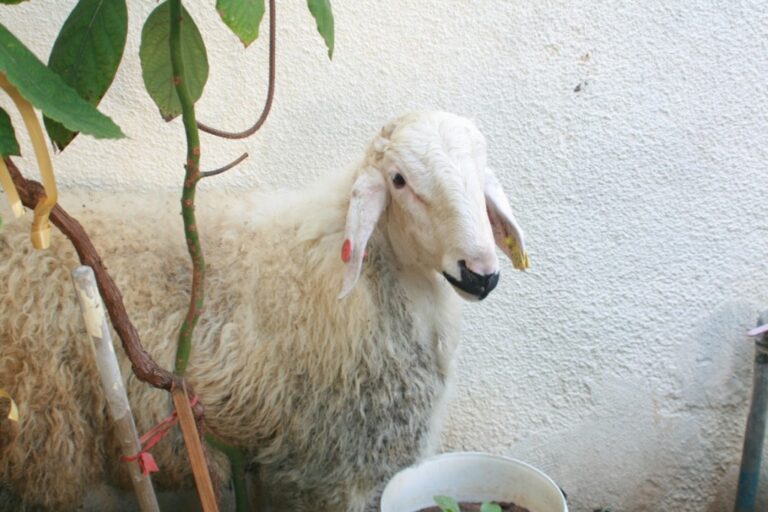
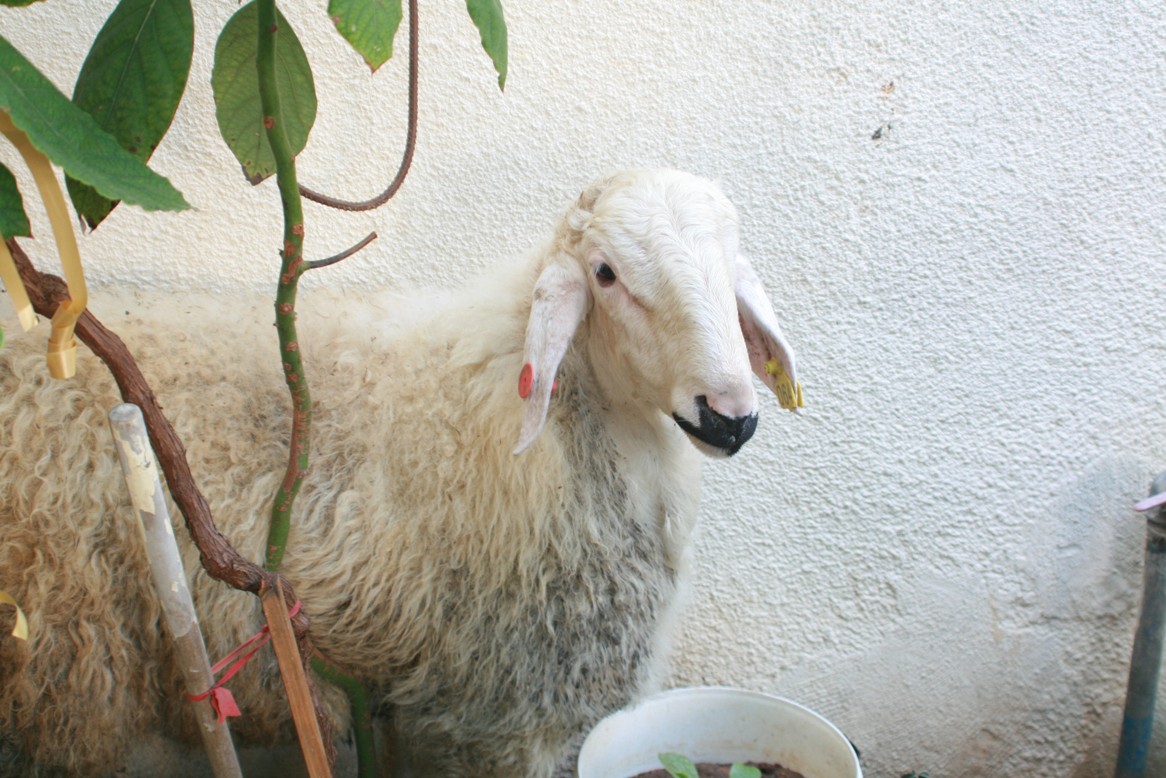
Green Prophet’s Daniella witnesses the Muslim holiday ritual slaughtering of a sheep, in Jaffa.
Last Friday I was determined to find a sheep slaughter. It was Eid Al-Adha, the Muslim Feast of the Sacrifice. The story goes that Ibrahim was about to slaughter his son Ismail, when an angel came and redirected him to a lamb. In honor of that sacrifice, Muslims worldwide butcher sheep and goats on the holiday, and Jaffa, the Arab half of Tel Aviv, was no exception.
I got to Jaffa at 11 a.m. and began walking the streets looking for a family performing the ritual. Many families have stopped killing their own sheep in recent years; some don’t have the money, others don’t want the mess, some live in apartments without a yard, and others prefer celebrating the holiday in a vacation cabin in the north. At any rate, after calling about six families during the week, I still had no destination on Friday, and it was by chance that I saw a white sheep tied to the aluminum gate inside the Jaffaly family home in Shiveti Yisrael street in Jaffa. Two weeks earlier, Jaffar Jaffaly, 35, had paid 1,800 shekels (around $450) for it, and it was delivered the night before the holiday to his home.
In a pretty radical move, Lebanon’s IndyACT organizes protest against what it calls Saudi obstructionism in climate change talks. Watch this vertigo-inducing video of their silent protest at Barcelona, a pre-Copenhagen climate meeting last month.
The group based in Beirut, Lebanon, urged members to not to be drawn behind the obstructive oil-rich Arab states in the negotiation process. In response to obstructives measures by Arab states, the group also launched the campaign and website: You Can’t Drink Oil.
IndyACT also called on Arab states to take their moral responsibilities to insure the safety of the Arab world and the planet from a tragic fate. This is the message they will be taking to next week’s climate meeting COP15 at Copenhagen, Denmark. Lebanon will be sending their PM, and acknowledges that is has emissions disproportionate to Lebanon’s population size.
TAU’s nanosized “forest of peptides” can be used as the basis for self-cleaning windows and more efficient batteries.
It’s cleaning up space junk, and is giving us lab-on-chip biofilters for detecting contamination. Now nanotechnology has produced a coating for windows or solar panels that repels grime and dirt. Expanded battery storage capacities for the next electric car could be within reach too.
New Tel Aviv University research, just published in Nature Nanotechnology, details a breakthrough in assembling peptides at the nano-scale level that could make these futuristic visions come true in just a few years.
Operating in the range of 100 nanometers (roughly one-billionth of a meter) and even smaller, graduate student Lihi Adler-Abramovich and a team working under Prof. Ehud Gazit in TAU’s Department of Molecular Microbiology and Biotechnology have found a novel way to control the atoms and molecules of peptides so that they “grow” to resemble small forests of grass.
These “peptide forests” repel dust and water — a perfect self-cleaning coating for windows or solar panels which, when dirty, become far less efficient.
[youtube width=”560″ height=”410″]http://www.youtube.com/watch?v=dkmDZpNKnms&feature=player_embedded[/youtube]Cairo is a city with 18 million people. Most do not have a way to remove their trash. Garbage Dreams, a new film (see above), explores Zabbaleen and how they recycle garbage in Cairo. A buy-out of two waste-management firms could make the waste management business run more effectively, but impact the trade done on the streets by Zabbaleen.
It’s good to see some clean technology news being generated by other Middle East North Africa (MENA) region countries other than Israel. According to the Emirates Business newspaper, Cairo-based Citadel Capital, a leading private equity firm in the Mena region, announced that it has acquired a controlling stake in two Egypt companies dealing with solid waste management.
The two companies are the Egyptian Company for Solid Waste Recycling (Ecaru), which started in 1999 for solid waste sorting and recycling, and the Engineering Tasks Group (Entrag). As part of Citadel the two companies will be grouped as a single holding company: Entag Holding. Combined, the two companies have more than 1,500 employees.
Dancing on water and the black water of “oil” Trout looks at a society’s transformation.
Inbal Pinto and Avshalom Pollak’s latest dance piece, Trout, which will be performed at the Suzanne Dellal Centre in Tel Aviv for one week only (December 5 – 12) reveals yet another aspect of the creative pair’s ongoing relationship to nature: intense, direct, yet neither naïve nor simplistic.
Created during an artistic residence in Stavanger, Norway with music created (and performed live) by the Norwegian group The Kitchen Orchestra, it would be misleading to describe Trout merely as a work that is performed in water.
Trout evolved through the process of working in a particular environment, and the effect of that environment – human, natural, industrial and creative – can be seen in the work itself.
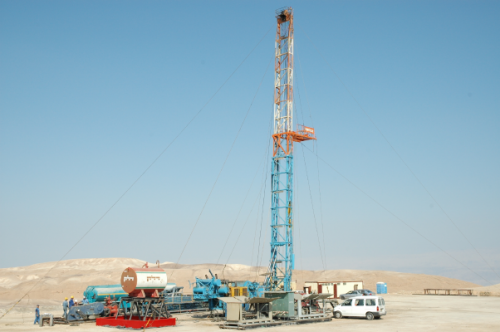
How much more exploitation can the Dead Sea take? Next up: drilling for oil.
It’s hard to say what’s worse from an environmental standpoint; Jordan and Israel’s continued mining of potash and other minerals at the Dead Sea, or drilling for oil.
The potash industry has been going on for years there, including a unique method of extracting the mineral from Dead Sea water, interest in drilling for both oil and natural gas has also been happening, with some measure of success.
Following the discovery of natural gas back in the 1960s in Israel, a sufficient quantity of oil was brought up from a well drilled by the Naphtha Israel Petroleum Company during some 20 years later.
The Dead Sea, or Salt Sea (Yam Hamelach) as it is known in Israel, is the lowest dryland point in the world, and has been steadily receding since most of the flow of the Jordan River (the lake’s main water source) was diverted into Israel’s national water carrier.
As a result, only a trickle of Jordan River water reaches the Dead Sea – filled with West Bank sludge – and environmentalists fear the lake will be gone entirely by the year 2050.
Israel’s been dragging its feet over the proposed drought tax.
It’s been a pretty tumultuous month for water politics in Israel. After more than five years of abnormally low rainfall, as well as decades of unsustainable water consumption (at least according to Prof. Hillel Shuval) Israel faces an increasingly dire water crisis. Back in July, the Knesset (Parliament) enacted a tax on water, dubbed the “drought tax,” to help curb household water consumption.
Much of the Israeli public views the tax unfavorably, and over the past months protest has mounted.
The organic market is growing at an exponential rate in the United Arab Emirates, and a new Middle East Natural & Organic Products Expo 2009 (MENOPE) is about to take place in Dubai to showcase new goods, reports GreenPlanet blog.
Taking place next week the same dates when the COP15 climate event starts, the 7-9 December event will showcase certified organic and natural products markets under single roof.
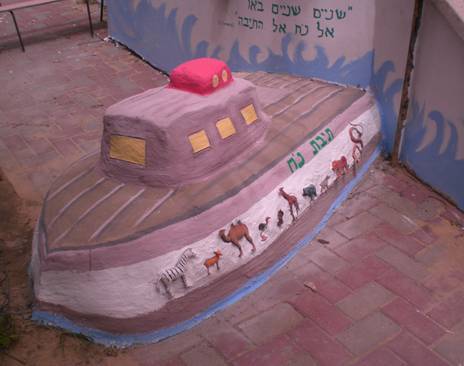
This “Noah’s Ark” sculpture above is part of an environmental community project run by Haggit Rich of SafsaPesel in Israel.
In her workshops, groups make usable sculptures for kindergartens, schools and parks. Once Rich and the children decide on a project, they collect materials such old bottles, tires and newspapers. These discarded items form the foundation. It’s a nice way to get kids creative and learning about environmental concepts. Read on for more pictures.
Noam Dolgin: Jewish religious values can help green The Holy Land.
Noam Dolgin is a Jewish environmental educator and the executive director of the Green Zionist Alliance (GZA). Based in Vancouver, Canada, he travels regularly around North America teaching about Jewish
environmental values and Israel’s environment.
Green Prophet sits down with Noam to learn a little more about the Green Zionist Alliance and what it does.
What are your organization’s core activities, when was it founded, why?
The GZA was founded in 2001 to be the first environmental party at the World Zionist Congress. Our original goals where to green the Zionist movement and its constituent agencies, such as Keren Kayemet L’Yisrael (Jewish National Fund), through our involvement with the Congress. In 2006, when we became a 501(c)3 nonprofit, we expanded our scope to include educational programming and become the full-time Diaspora voice for Israel’s environment
Why green Zionism? What’s the connection?
Zionism is green at its core because the Land of Israel has always been central to the Zionist philosophy. When the Uganda option was debated, it became clear that there could be no Zionism without Zion. To that end, many early Zionist pioneers came to Israel to work the land the way our ancestors did.
I believe that protecting the land continues to be a central value of Zionism. Without an intact ecosystem, access to drinking water, agricultural land and clean air, both Israeli citizens and their economy are threatened. Moreover, solving these environmental challenges is essential to creating a lasting peace in the Middle East.
What is the role of the Jewish Diaspora in this organization?
We are a Diaspora-based organization. While we have members in Israel, and we do work in Israel, the majority of our members are in the Diaspora and one of our main missions is to connect Diaspora Jews to Israel’s environment.
What role do you see for religion in general (Islam, Judaism, Christianity) for helping improve environmental awareness in the Middle East?
Jewish ethics have much to offer when it comes to building a modern environmental ethic. Values such as ‘Bal Taschit’, (not wasting) ‘Tzaar Baalei Chayim‘ (animal welfare) and a general care for creation are as relevant today as they have ever been.
Since the Land of Israel is core to Jewish values and it is important in Islam and Christianity as well, it is our collective moral and religious obligation to protect the Holy Land.
Tell us about one of your organization’s biggest successes.
Through appointing leading Israeli environmentalists, such as Alon Tal, to the KKL board of directors, we have had a direct impact on Israel’s environment, including making sustainable afforestation the top KKL priority, declaring new nature preserves, and implementing the Trans-Israel Bike Trail and the Kinneret Circumference Trail.
Faith-based groups from all religions are getting more involved in using their religion as means to educate about the environment. To learn more about the Green Zionist Alliance visit their website.
Proposed vertical farms like this one in Dubai may be the only way for supplying food to Middle East countries.
Dickson D. Despommier is a professor of public health at Columbia University in New York, and if he gets his way, the future will be full of “vertical farms’ (a farm on every floor) in cities across the world, including major players in the Middle East.
In a recent oped column in the New York Times, Despommier looked into his crystal ball and came up with these insights as to why.
Want to test drive Better Place’s electric car at climate event of the year?
The biggest international green event of the year is happening from December 7 in Copenhagen, Denmark. The climate change event is meant to set global standards to stop climate change. Want to go zoom zoom in the electric car of the future?
Press who will be attending the event are invited to test drive Better Place and Renault’s electric car for a full EV driving experience, Better Place reports. Read on for more details.
ETV Motors claims their recently unveiled proof-of-concept vehicle can run for 50 miles on one charge. Watch their video, courtesy of ISRAEL21c.
The new ETV jet turbine engine generates its own electricity to recharge the battery pack and is different from the Prius and other hybrids (read the pleasure of owning one) because “it’s always electric power that powers the wheels, whereas with the Prius, sometimes it’s electric power, sometimes it’s the energy generated by the pistons,” says Arnold Roth, COO of ETV.
The jet turbine won’t be used to propel the car, but will generate electricity to periodically recharge the battery packs. The engineers at the Israeli company, from the former Soviet Union, were the fathers of the MIG and the Russian jet turbine industry.
With $12 million in investments, ETV Motors, based on the central coast of Israel in Herzliya, recently unveiled a proof-of-concept vehicle that the company claims can run for 50 miles on one charge, reportedly twice as far as other electric hybrid cars in development.
Care about alternative energy and an oil-free future? Then you might want to meet Prof. Doron Aurbach who is working to “green” the battery industry, making better, long-lasting batteries to store clean power. He’s now collaborating with LG on a new magnesium battery.
He developed the first rechargeable lithium battery, and now Prof. Aurbach and his team of 35 may develop the first rechargeable magnesium battery.
The story of Israel’s most prominent battery researcher has a shaky beginning. Prof. Doron Aurbach’s parents both pulled themselves from the ashes of Nazi death camps to cobble together a new life in Israel. Into their first son Doron they poured their own lost education, their hopes and their dreams.
Some hopeful news: a group of coral, located near the Persian Gulf off-shore Safaniyah oil field, was in danger of being destroyed by an oil pipeline being laid in the area where they were located.



 Dancing on water and the black water of “oil” Trout looks at a society’s transformation.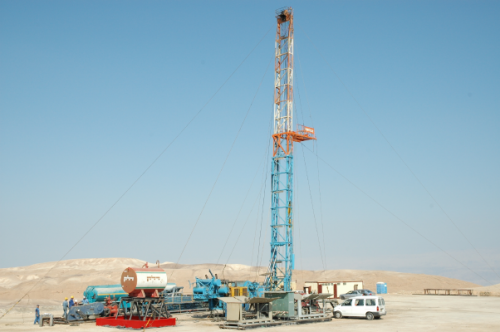
 How much more exploitation can the Dead Sea take? Next up: drilling for oil.



 Proposed vertical farms like this one in Dubai may be the only way for supplying food to Middle East countries.